
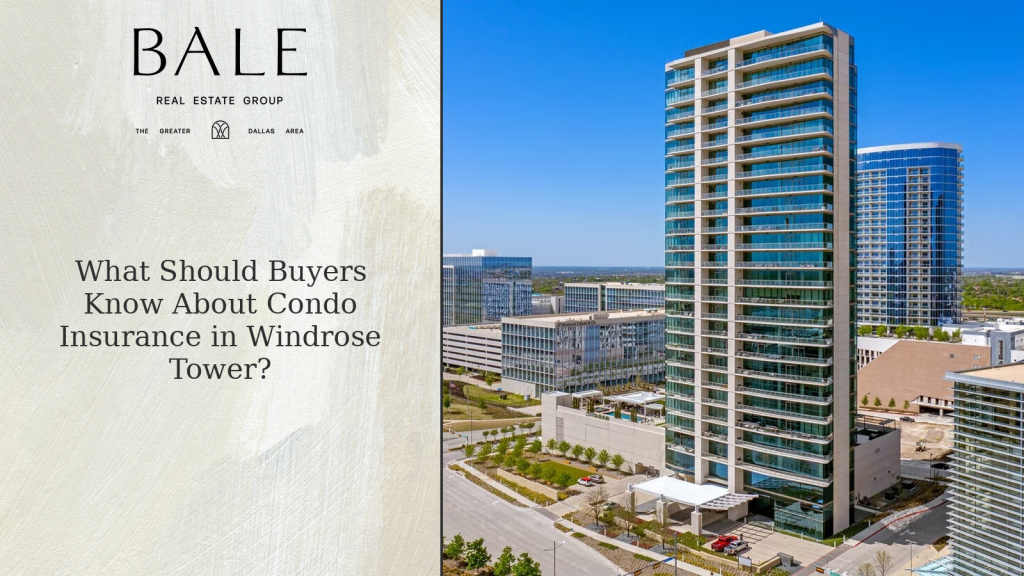
Buying a residence in Windrose Tower means thinking about insurance differently than you might when purchasing a traditional detached home.
With condominium ownership, there may be an association master insurance policy covering certain building or common-area risks while the individual residence owner maintains separate coverage for responsibilities that belong to the owner.
Understanding how those two layers of insurance work together should be part of your due diligence before closing.
Gary and Linda Bale help Windrose Tower buyers identify the insurance questions that should be investigated while coordinating with the buyer’s lender, insurance professional, title company, listing agent, and other transaction professionals.
Your Realtor does not replace a licensed insurance professional, but we can help make sure insurance is addressed early enough that important questions are not left until closing.
Clarity First. Pressure Never.
Current Windrose Tower Residences for Sale
As you compare available residences, consider not only asking price and monthly HOA dues but also the complete cost and responsibilities associated with ownership.






Why Condo Insurance Is Different
A detached-home insurance policy generally addresses the home and property under one ownership structure.
A condominium is different because the individual residence exists within a larger jointly managed building.
That means buyers should understand:
- What the association master policy covers
- What the master policy does not cover
- What insurance the individual owner should maintain
- How interior improvements are treated
- How personal property is covered
- Personal liability considerations
- Loss assessment considerations
- Applicable deductibles
The correct coverage depends on the actual association documents, master policy, residence, and buyer.
Start With the Windrose Tower Master Insurance Policy
One of the first insurance-related questions for a condominium buyer is what the homeowners association currently insures.
The association’s master policy may address certain common elements or building-related risks, but buyers should not assume that it covers everything inside their individual residence.
Before purchasing, obtain the appropriate current documents and discuss them with a qualified insurance professional.
Questions may include:
- What property is insured through the association?
- What portions of the residence remain the owner’s responsibility?
- How are interior improvements treated?
- What deductibles apply?
- Can an association deductible affect an individual owner?
- What types of losses are covered or excluded?
- What additional coverage may be appropriate for the owner?
Do not rely on assumptions about the building’s insurance coverage.
Individual Condo Insurance
The individual residence owner may need a condominium policy designed around the responsibilities not covered by the association’s master policy.
Depending on the residence and coverage selected, buyers may want to discuss:
- Interior improvements
- Flooring
- Cabinetry
- Built-ins
- Fixtures
- Personal belongings
- Personal liability
- Additional living expenses
- Loss assessment coverage
- Water-related losses
- Other residence-specific risks
A qualified insurance professional can explain which coverages apply to your circumstances and what limits may be appropriate.
Renovated Residences May Require Additional Attention
Windrose Tower residences can differ considerably in the extent and quality of their interior improvements.
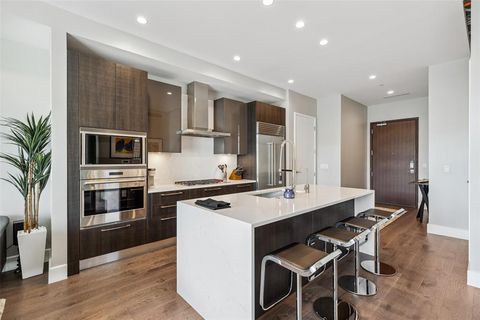
If a residence includes substantial custom cabinetry, flooring, lighting, built-ins, upgraded kitchens, renovated bathrooms, or other improvements, buyers should discuss whether their proposed insurance limits appropriately reflect those features.
A significantly renovated residence should not automatically be treated exactly like an original-condition residence for insurance planning.
Understand Loss Assessment Coverage
Condominium buyers may hear the term loss assessment coverage during conversations with an insurance professional.
Because condominium ownership involves shared building interests and association responsibilities, buyers should ask how an assessment arising from an insured event could affect an individual owner and whether additional protection may be appropriate.
The answer depends on the policy, association documents, event, and individual coverage.
This is an area where buyers should seek specific guidance from their insurance professional rather than relying on general assumptions.
Understand Deductibles
Buyers should also ask about applicable deductibles.
Important questions may include:
- What deductible applies to the owner’s policy?
- What deductibles exist under the association master policy?
- Under what circumstances could an association deductible become relevant to an owner?
- Would additional coverage be advisable?
Large differences in deductibles can materially change how a loss affects an owner financially.
Water-Related Risks Deserve Attention
Water-related incidents can create additional questions in a high-rise environment because an issue may involve more than one residence or building component.
Buyers may want to understand:
- What the owner is responsible for inside the residence
- What the association maintains
- How the master policy and owner’s policy interact
- How water damage to personal property is treated
- How improvements within the residence are treated
- Whether additional coverage should be considered
Again, these questions should be addressed with a licensed insurance professional using the current policies and association documents.
Insurance and Your HOA Documents Work Together
Insurance should not be reviewed separately from the condominium documents.
The HOA documents can help explain ownership and maintenance responsibilities, while the insurance policies address how certain covered risks may be handled.
Do Not Wait Until the Final Days Before Closing
Insurance should be addressed early in the contract-to-close process.
If you are financing your purchase, your lender will generally need appropriate insurance information as part of the loan process.
Starting early provides time to:
- Obtain the association insurance information
- Provide documents to your insurance professional
- Compare coverage options
- Understand deductibles
- Ask questions about improvements
- Discuss loss assessment coverage
- Coordinate lender requirements
- Resolve questions before closing becomes urgent
Insurance is easier to address when there is time to investigate questions instead of trying to resolve them immediately before closing.
Insurance Is Part of the Complete Cost of Ownership
Buyers should evaluate insurance alongside the other costs associated with a Windrose Tower residence.
Your complete ownership analysis may include:
- Purchase price
- Mortgage principal and interest
- Property taxes
- HOA dues
- Individual condominium insurance
- Utilities not included through the association
- Interior maintenance
- Future renovations
- Parking or storage costs when applicable
The right residence should fit both your lifestyle and your complete financial picture.
Insurance Can Also Affect Financing
Buyers financing a Windrose Tower purchase should coordinate insurance questions with their lender.
The lender may request documentation related to both the individual residence and the association.
Working with the lender, insurance professional, association, and transaction team early can help reduce last-minute issues.
Insurance Is Only One Part of Windrose Tower Due Diligence
Insurance is important, but buyers should evaluate the complete residence and condominium ownership structure.
Gary and Linda Bale help buyers consider:
- Residence-specific market value
- Recent comparable sales
- Current active competition
- Floor plan
- Elevation and orientation
- Views
- Condition
- Renovations
- Parking
- Storage
- HOA documents
- HOA dues
- Insurance questions
- Inspections
- Financing
- Offer strategy
- Potential resale considerations
Buying confidently means understanding the residence as well as the responsibilities that come with owning it.
What Should Buyers Know Before Buying a Condo in Windrose Tower?
Inspect the Residence Even When It Looks Move-In Ready
Insurance should not be confused with a professional property inspection.
Insurance addresses covered risks under the applicable policy. An inspection helps a buyer better understand the observable condition of the residence before applicable contractual protections expire.
Depending on the property, an inspector may evaluate electrical components, plumbing, HVAC, windows, appliances, interior components, and other residence-specific systems.
Work With the Right Professionals
A Windrose Tower purchase may involve several specialists working together:
- Your Realtor
- Your lender
- Your insurance professional
- Your inspector
- The title company
- The listing agent
- The homeowners association or management representatives
Gary and Linda Bale help coordinate the real estate transaction while making sure questions are directed to the appropriate professional.
Frequently Asked Questions About Windrose Tower Condo Insurance
Does the Windrose Tower HOA insurance policy cover my individual residence?
Buyers should not assume the association master policy provides all coverage needed for the individual residence. Review the current association policy and documents with a qualified insurance professional.
Do I need my own condominium insurance policy?
Buyers should speak with a licensed insurance professional about the individual coverage appropriate for their residence, personal property, liability exposure, improvements, and other circumstances.
What is loss assessment coverage?
Loss assessment coverage is a type of protection condominium owners may discuss with their insurance professional in connection with certain assessments arising from covered events. The appropriate coverage depends on the individual policy and condominium structure.
Should renovations affect my insurance?
Significant interior improvements may change the amount or type of coverage appropriate for the residence. Discuss custom finishes, cabinetry, flooring, built-ins, and other improvements with your insurance professional.
When should I start arranging insurance?
Begin early in the contract-to-close process so there is time to obtain association documents, review the master policy, compare individual coverage, and satisfy any lender requirements.
Considering a Windrose Tower Residence?
Gary and Linda Bale can help you coordinate the many parts of a Windrose Tower purchase while helping you identify questions that should be answered before closing.
We can help with:
- Current Windrose Tower inventory
- Residence-specific value analysis
- HOA due diligence
- Insurance coordination
- Inspection scheduling
- Financing coordination
- Offer strategy
- Negotiation
- Contract deadlines
- Title coordination
- Final walk-through
- Closing and move-in planning
You do not need to wait until the right residence appears to begin preparing.
Clarity First. Pressure Never.
Gary & Linda Bale
Bale Real Estate Group
Call or Text: 972-469-0332
Email: info@balerealestategroup.com
Planning to buy? Learn how Bale Real Estate Group helps buyers evaluate homes and navigate their purchase. Why Buyers Choose Bale Real Estate Group.