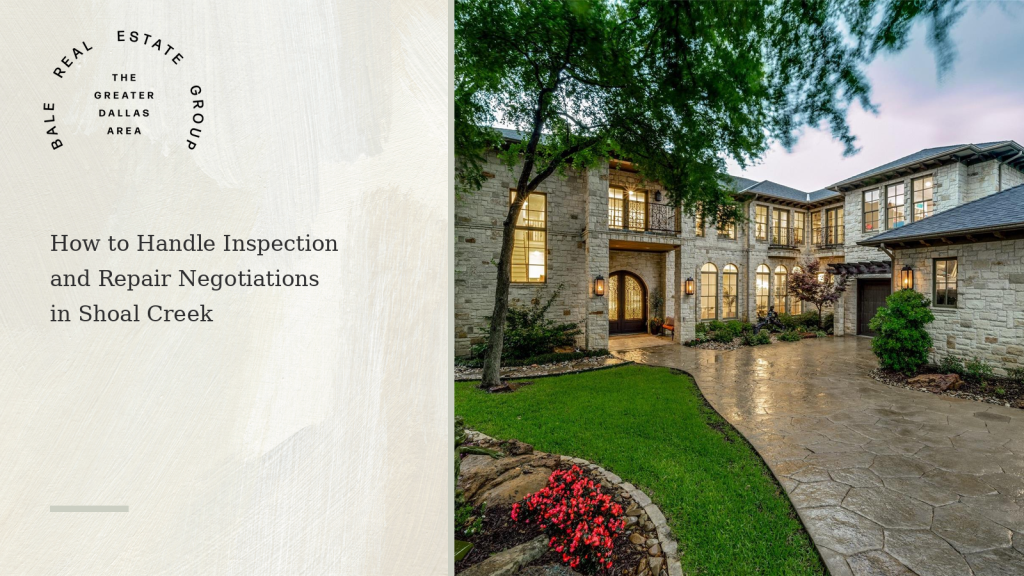
How to Handle Inspection and Repair Negotiations in Shoal Creek
The Direct Answer
Review the buyer’s actual repair request, the signed contract and significant inspection findings before responding. Obtain estimates where useful, then compare repairs, credits or other agreed solutions by cost, timing and their effect on the transaction.
Inspection negotiations can become one of the most important stages of selling a luxury home in Shoal Creek. Buyers may identify repair concerns after the contract is executed, and sellers must decide which requests are reasonable, which should be negotiated and which may not justify a concession.
Gary and Linda Bale with Bale Real Estate Group help Shoal Creek sellers evaluate inspection findings within the context of the contract, buyer leverage, property condition and the overall strength of the transaction.
Current Homes for Sale in Shoal Creek
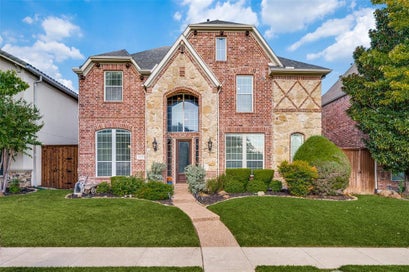


Current Shoal Creek inventory remains relevant during inspection negotiations because competing homes and backup-buyer potential can affect a seller’s negotiating position if the buyer requests substantial repairs or concessions.
What Happens After the Buyer Completes an Inspection?
The buyer may review the inspection results and decide whether to proceed without changes, request repairs, ask for financial concessions or exercise any rights available under the contract.
Potential inspection concerns may involve:
- Roofing
- HVAC systems
- Plumbing
- Electrical systems
- Windows
- Foundation observations
- Drainage
- Pool equipment
- Appliances
- Other visible property conditions
Not Every Inspection Item Requires a Repair
An inspection report may contain a long list of observations, but that does not automatically mean the seller should agree to every request.
Sellers should distinguish between:
- Material concerns
- Safety-related items
- Deferred maintenance
- Cosmetic conditions
- Older systems that remain functional
- Buyer preferences rather than defects
Evaluate the Buyer’s Actual Request
The inspection report itself is not the negotiation. What matters is the buyer’s formal request and the contractual options available to both parties.
Gary and Linda help sellers evaluate:
- Which items the buyer is requesting
- Estimated repair cost
- Whether the concern affects marketability
- Whether the issue was previously disclosed
- Current buyer leverage
- The strength of backup interest
- The risk of returning to market
Obtain Repair Estimates When Appropriate
Contractor estimates can help sellers understand whether a buyer’s request reasonably reflects the likely cost of correcting an issue.
That information can also help determine whether completing the work or negotiating a financial concession may be more practical.
Repair, Credit or Price Adjustment?
Depending on the contract and circumstances, inspection negotiations may involve several possible solutions.
These can include:
- Seller-completed repairs
- Buyer credits when permitted
- Closing-cost concessions
- Price adjustments
- A combination of solutions
- No seller concession
The best approach depends on the specific issue and the overall economics of the transaction.
Consider the Seller’s Net Proceeds
A repair request should be evaluated not only by cost but also by how it affects the seller’s final financial outcome.
Major Systems Can Create Larger Negotiations
Roofing, HVAC systems, windows, pool equipment and other major components can lead to larger repair requests when buyers believe replacement may be approaching.
These issues should be evaluated using condition, age, professional opinions and available documentation rather than assumptions alone.
Pre-Listing Preparation Can Reduce Surprises
Identifying visible concerns before listing may give sellers more time to evaluate repairs and prepare for buyer questions before the property goes under contract.
Do Not Negotiate Inspection Requests in Isolation
The seller should consider the complete transaction before agreeing to a concession.
Important factors may include:
- Original purchase price
- Seller concessions already negotiated
- Buyer financing
- Appraisal exposure
- Closing timeline
- Current market activity
- Backup buyer interest
- Seller timing
Returning to Market Has Its Own Risks
If the parties cannot resolve inspection negotiations, the seller may need to consider whether returning to the market is preferable.
That decision can involve:
- Additional carrying costs
- More market time
- Buyer perception
- New competition
- Potential disclosure considerations
- Uncertainty about the next offer
Offer Strategy Matters Before Inspections Begin
Some inspection risk can be evaluated when the seller is initially comparing offers, including option-period terms and other contractual provisions.
Inspection Negotiations Are One Part of Contract-to-Close
After the inspection stage, appraisal, buyer financing, title work and other contractual requirements may still remain.
How Gary and Linda Bale Help With Inspection Negotiations
Gary and Linda help Shoal Creek sellers evaluate inspection requests strategically rather than reacting to the length of the inspection report.
The process can include:
- Reviewing buyer requests
- Evaluating material concerns
- Obtaining repair estimates when appropriate
- Considering current market leverage
- Comparing repair versus concession options
- Evaluating seller net proceeds
- Assessing the risk of returning to market
- Negotiating toward a practical resolution
Helpful Shoal Creek Seller Resources
Shoal Creek FAQs
Do sellers have to repair everything in the inspection report?
No. The seller can evaluate the buyer’s actual request and decide how to respond based on the contract and circumstances.
Can a seller offer a credit instead of making repairs?
Potentially, depending on the contract, financing and the agreement between the parties.
Discuss Your Shoal Creek Plans
Gary and Linda Bale can help you evaluate the next steps for your purchase or sale. Clarity First. Pressure Never.