

You should sell your Star Trail home if converting the equity into cash better supports your next move and the property is unlikely to produce attractive rental returns after all expenses and risks are considered. Renting may make sense if projected rent comfortably covers ownership costs, you want to hold the property long term and you are prepared for the responsibilities of becoming a landlord.
The decision should not be based only on whether someone is willing to rent the home.
The better question is whether keeping your Star Trail home as an investment produces a stronger financial and lifestyle outcome than selling it today.
Learn About Seller Closing Costs and Net Proceeds
Current Star Trail Homes for Sale

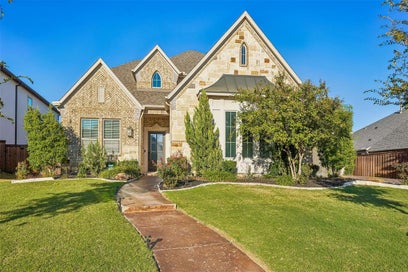


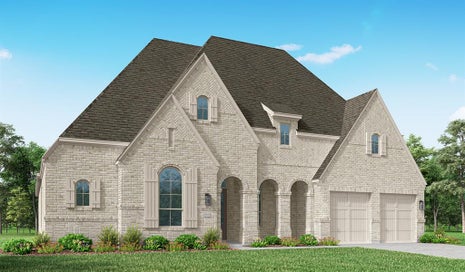


Before deciding whether to sell or rent, understand the market your Star Trail home would enter.
Review:
- Current resale inventory.
- Recent closed sales.
- Builder inventory.
- New-construction availability.
- Current asking rents for comparable properties.
- How long comparable homes are taking to sell or lease.
You are comparing two businesses: selling the property now versus continuing to own and operate it as a rental.
Start With Your Current Equity
The amount of equity in your Star Trail home can materially affect the decision.
Consider:
- Likely sale price.
- Mortgage payoff.
- Estimated selling expenses.
- Potential repairs.
- Possible buyer concessions.
Once those amounts are considered, you can estimate how much cash may become available if you sell.
What Will You Net From Selling Your Star Trail Home?
What Could That Equity Do for You Elsewhere?
Keeping the home means keeping a significant amount of capital tied to the property.
If you sold, those proceeds might instead be used for:
- A down payment on your next home.
- Reducing another mortgage.
- Retirement savings.
- Other investments.
- Debt reduction.
- Building cash reserves.
The rental decision should consider the opportunity cost of leaving that equity in the Star Trail property.
Estimate Realistic Rent — Not the Best-Case Rent
A rental analysis should begin with what a qualified tenant is likely to pay in the current market.
Do not build the decision around an optimistic number simply because another property was advertised at that amount.
Consider:
- Comparable leased homes.
- Current rental competition.
- Home size.
- Condition.
- Pool.
- Lot.
- Included appliances.
- Lease terms.
The most useful number is realistic collected rent—not an aspirational asking rent.
Gross Rent Is Not Your Profit
A home renting for a substantial monthly amount does not mean the owner keeps that amount.
Potential expenses can include:
- Mortgage payment.
- Property taxes.
- Homeowners or landlord insurance.
- HOA dues.
- Property management.
- Repairs.
- Landscaping.
- Pool service.
- Vacancy.
- Leasing expenses.
- Capital improvements.
Calculate cash flow after realistic expenses, not before them.
Property Taxes Can Have a Major Impact
Property taxes can represent a significant ownership expense in North Texas.
If the property will no longer qualify as your primary residence, discuss how that may affect exemptions and your future tax position with the appropriate tax professional and appraisal authority.
Do not assume the current tax bill will remain unchanged after converting the property to a rental.
Learn About DFW Property Taxes
Insurance May Change When the Home Becomes a Rental
Your existing owner-occupied homeowners policy may not be the appropriate coverage once tenants occupy the property.
Discuss the change with a licensed insurance professional and understand:
- Landlord coverage.
- Liability.
- Deductibles.
- Roof coverage.
- Pool-related considerations.
- Loss-of-rent provisions where available.
Insurance costs should be included in the rental analysis before making the decision.
Maintenance Does Not Stop Because You Move Out
A Star Trail rental may still require ongoing maintenance involving:
- HVAC systems.
- Roofing.
- Plumbing.
- Appliances.
- Irrigation.
- Landscaping.
- Pool equipment.
- Exterior maintenance.
Tenants may handle certain routine obligations depending on the lease, but the property owner remains responsible for ownership-level repairs and maintaining the investment.
Large Homes Can Produce Large Repair Bills
Star Trail homes can include substantial square footage, multiple HVAC systems, pools and extensive outdoor features.
That means rental cash flow should include a reasonable reserve for future repairs.
A single major expense involving an HVAC system, roof, pool equipment or plumbing can consume several months of rental profit.
A rental should still make financial sense after allowing for things that eventually break.
Vacancy Should Be Part of the Calculation
Do not assume the home will remain occupied every month indefinitely.
Vacancy can occur between tenants while the property is:
- Cleaned.
- Repaired.
- Marketed.
- Shown.
- Waiting for a qualified tenant.
A realistic rental analysis should account for periods when no rent is being collected.
Will You Manage the Property Yourself?
Some owners manage their own rentals.
Others prefer professional property management.
Management responsibilities can include:
- Marketing the property.
- Tenant screening.
- Lease administration.
- Rent collection.
- Maintenance coordination.
- Emergency calls.
- Move-in and move-out processes.
The cost and time associated with management belong in your comparison.
Do You Actually Want to Be a Landlord?
This question is just as important as the financial calculation.
Owning a rental can involve:
- Tenant communication.
- Repair decisions.
- Lease enforcement.
- Turnover.
- Accounting.
- Unexpected expenses.
A rental property may be financially reasonable and still not fit how you want to spend your time.
What If the Home Has a Pool?
A pool may help attract certain tenants, but it also creates additional responsibility.
Consider:
- Pool-service costs.
- Equipment repairs.
- Liability.
- Insurance requirements.
- Tenant responsibilities.
- Ongoing maintenance.
The pool should be evaluated as both a rental amenity and an operating expense.
Could Renting Make It Harder to Sell Later?
Possibly.
If you decide to sell in the future, you may need to coordinate the sale around:
- An existing lease.
- Tenant occupancy.
- Showing availability.
- Property condition after tenancy.
- Your future market conditions.
A vacant, owner-prepared home may be easier to stage and market than an occupied rental, depending on the circumstances.
Future Appreciation Is Not Guaranteed
One argument for keeping the home is the possibility that it could appreciate over time.
That may happen, but future value is uncertain.
During the holding period you will continue paying expenses and assuming property risk.
The decision should not depend entirely on the assumption that the home will be worth substantially more later.
New Construction Matters to Both the Sale and Rental Decision
Star Trail remains a builder-active community, so new construction can affect your decision whether you sell today or hold the home as a rental.
On the resale side, buyers may compare your property with:
- Builder inventory homes.
- New lots.
- New floor plans.
- Builder financing programs.
- Upgrade incentives.
On the rental side, newly completed homes may also eventually enter the rental pool and create additional tenant choices.
That means current builder activity should be considered when estimating both resale demand and future rental competition.
Builder Incentives Can Influence Your Resale Value
Builders may offer incentives that make new construction financially attractive to buyers.
Those can include:
- Interest-rate buy-downs.
- Closing-cost assistance.
- Preferred-lender incentives.
- Upgrade credits.
- Lot-premium adjustments.
- Inventory-home discounts.
A resale seller should understand what buyers can actually obtain from builders at the time the home is marketed.
Your resale may also offer meaningful advantages, including:
- A completed pool.
- Established landscaping.
- Window treatments.
- Outdoor living.
- Completed improvements.
- Immediate availability.
The resale-versus-builder comparison can directly influence whether selling now produces an attractive result.
A Star Trail Highland Homes Buyer’s Experience
“Linda was an outstanding advocate for our Highland Homes new construction purchase in Star Trail Prosper. We were relocating and needed someone who actually understood North Dallas builders, taxes, and floor plans, not just open houses.
She planned tours around no PID/MUD communities and our must haves, helped us compare Highland and Tradition quotes with comps and options pricing, and stayed sharp when we changed elevation and contract details. When our pre-foundation inspection turned up with some issues, she went straight to the builder and kept pressure on so we weren’t left negotiating alone. She stayed with us from first tours through closing.
If you’re buying new construction in Prosper or the North Dallas area, especially from out of town, get your own Realtor and get Linda.”
— Vishal Sarathi Theegula, 5-Star Google Review | Highland Homes New-Construction Buyer, Star Trail, Prosper
If Your Next Home Is New Construction, Equity May Matter Even More
If you are moving from Star Trail into another new-construction home, selling may provide cash needed for:
- Down payment.
- Builder deposits.
- Lot premium.
- Design selections.
- Closing costs.
- Post-closing improvements.
Keeping the Star Trail property as a rental may reduce the amount of liquid cash available for the new purchase.
Why Independent Buyer Representation Matters With a Builder
The builder’s sales representative represents the builder’s interests. Their responsibility is to sell the builder’s homes and protect the builder’s position in the transaction—not to independently advise the buyer.
Having your own Realtor provides someone focused on evaluating the purchase from your perspective, including:
- Builder contracts and deadlines.
- Lot selection and premiums.
- Floor plans and elevations.
- Structural options.
- Design-center selections.
- Inspection opportunities.
- Builder warranties.
- Financing incentives.
- Closing-cost incentives.
- Comparable resale homes.
- Competing builder inventory.
Builder Incentives and Negotiation Matter
Experienced buyer representation can also help identify incentives and negotiation opportunities that may not be obvious to someone walking directly into the builder’s sales office.
Depending on builder inventory and current programs, opportunities may include:
- Interest-rate buy-downs.
- Closing-cost assistance.
- Preferred-lender incentives.
- Design-center credits.
- Upgrade allowances.
- Lot-premium adjustments.
- Inventory-home incentives.
- Price adjustments on selected completed homes.
An experienced Realtor who regularly works with builders may be aware of current incentives, competing inventory and negotiation opportunities that an individual buyer may not know to ask about.
Not every builder will negotiate every term, but buyers should understand what may be available before signing a contract.
The builder has someone protecting its interests. A buyer should have someone focused on protecting theirs.
Learn About New-Construction Buyer Representation
Tax Consequences Can Be Different if You Rent First and Sell Later
The tax treatment of a primary residence and an investment property can differ.
Converting a home to a rental may affect depreciation, future capital-gain calculations and other tax considerations.
Before deciding to rent because you plan to sell later, discuss the potential tax consequences with a qualified CPA or tax advisor.
Real estate strategy and tax strategy should be evaluated together when the tax impact could materially affect your net result.
Compare a Five-Year Scenario
One useful exercise is to compare what selling today looks like against holding the property for several years.
For the rental scenario, estimate:
- Expected rent.
- Vacancy.
- Taxes.
- Insurance.
- HOA dues.
- Management.
- Maintenance.
- Capital repairs.
- Mortgage principal reduction.
- A conservative future-value assumption.
Then compare that with what the current equity could accomplish if the home were sold today.
When Selling May Be the Better Choice
Selling may make more sense when:
- You need the equity for the next home.
- Projected rental cash flow is weak.
- You do not want landlord responsibilities.
- Maintenance costs are substantial.
- The home requires significant future investment.
- You prefer financial simplicity.
- Today’s selling opportunity supports your goals.
When Renting May Be Worth Considering
Keeping the home may deserve further analysis when:
- Rent materially exceeds ongoing ownership expenses.
- You have sufficient cash reserves.
- You do not need the equity immediately.
- You are comfortable with landlord risk.
- You have a long-term ownership horizon.
- The property fits your broader investment plan.
Renting should be an intentional investment decision—not simply the default because you are uncertain about selling.
Should You Prepare the Home Differently for Sale Versus Rent?
Yes.
A resale strategy may place greater emphasis on:
- Staging.
- Photography.
- Curb appeal.
- Buyer-facing improvements.
A rental strategy may focus more on durability, functionality and maintaining the property for future tenants.
The right preparation depends on the chosen strategy.
Start the Analysis Before You Need to Move
You do not need to decide this the week before relocating.
Beginning early provides time to:
- Estimate home value.
- Estimate net proceeds.
- Research realistic rent.
- Calculate carrying costs.
- Review tax considerations.
- Evaluate repairs.
- Plan the next purchase.
Schedule a Pre-Listing Appointment
Why Star Trail Homeowners Choose Bale Real Estate Group
Bale Real Estate Group helps Star Trail homeowners compare selling with other housing options by evaluating probable value, anticipated net proceeds, property condition, builder competition and the homeowner’s next move.
Bale Real Estate Group has completed $65 million+ in residential real estate volume and 110+ successful transactions during the past 48 months while representing buyers and sellers throughout Frisco, Plano, Prosper, McKinney, Allen, Preston Hollow, and surrounding North Texas communities.
Ranked among the top 1% of North Texas Realtors, Bale Real Estate Group has also earned 80+ five-star client reviews.
Why Sellers Hire Bale Real Estate Group
What Seller Clients Say
“Linda spent so much time with us going over comps, prices, updates to freshen up our home. She even recommended a wonderful handyman and movers.”
— Leslie Waller, 5-Star Client Review
“They guided us on pricing, helped us navigate offers, and made sure we were protected every step of the way. We truly felt like we had someone in our corner who knew the market and knew how to get results.”
— Brian Brignac, 5-Star Client Review
“Their expertise, responsiveness, and genuine care turned a potentially stressful process into a smooth and successful experience. Thanks to their efforts, we were able to successfully sell our home at our price.”
— Minesh Patel, 5-Star Client Review
Other Prosper Communities to Consider
Windsong Ranch — A large Prosper master-planned community known for extensive amenities and a broad range of newer homes.
Gentle Creek — An established Prosper community known for substantial homes, larger lots and golf-course settings.
Whitley Place — A Prosper luxury community offering larger homes, distinctive residential settings and mature surroundings.
Saddle Creek — An established Prosper community offering substantial homes, pools and varied residential settings.
Lakes of La Cima — An established Prosper community offering substantial homes and a broad range of property styles.
Frequently Asked Questions About Selling or Renting a Star Trail Home
Is renting my Star Trail home better than selling it?
It depends on realistic rent, total ownership expenses, available equity, landlord responsibilities and what that equity could accomplish elsewhere.
How do I know if my Star Trail home will cash flow as a rental?
Subtract realistic expenses including taxes, insurance, HOA dues, repairs, vacancy, management and maintenance from expected collected rent.
Should I keep the home because it may appreciate?
Future appreciation is possible but not guaranteed. Include carrying costs, repair risk and the opportunity cost of your equity in the analysis.
Does new construction affect my decision?
Yes. Builder inventory and incentives can affect resale demand, and future new homes can also influence rental competition.
What happens to my taxes if I turn the home into a rental?
Converting a primary residence to an investment property can have tax consequences. Consult a qualified tax professional before making the decision.
Should I manage the rental myself?
That depends on your experience, time and willingness to handle tenant screening, repairs, lease administration and emergencies.
Can I evaluate selling versus renting before I am ready to move?
Yes. Starting early gives you time to estimate value, net proceeds, rent and expenses before the decision becomes urgent.
Trying to Decide Whether to Sell or Rent Your Star Trail Home?
Bale Real Estate Group can help you understand your current Star Trail value, estimate potential sale proceeds and evaluate how the property is positioned against resale and builder competition.
From there, you can compare that selling opportunity with realistic rental economics and decide which path better supports your next move.
Clarity First. Pressure Never.
Why Sellers Hire Bale Real Estate Group
Estimate Your Star Trail Net Proceeds