

When selling a Star Trail home, you should disclose known property conditions and defects accurately and completely when required by the applicable seller-disclosure forms and contract documents. That can include known issues involving the roof, foundation, water intrusion, plumbing, electrical systems, HVAC, previous repairs and other material conditions affecting the property.
Texas disclosure requirements can vary depending on the property and circumstances, and certain transactions may qualify for exemptions. Sellers should complete required forms carefully and obtain legal guidance when they are uncertain about a disclosure obligation.
A good rule is simple: do not assume that repairing a problem, living with a problem or believing a problem is minor means it should automatically be omitted from a required disclosure.
Current Star Trail Homes for Sale

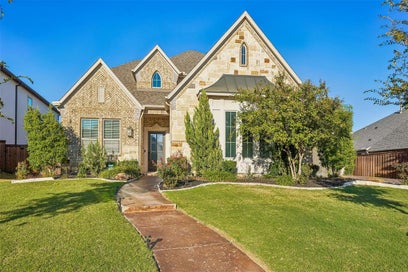


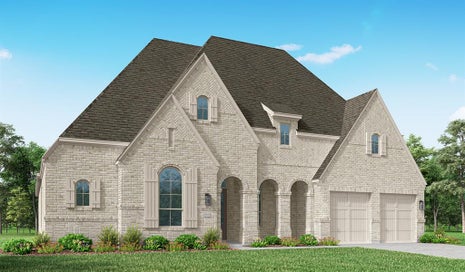


Star Trail buyers may be comparing your resale home with other resales, builder inventory and brand-new construction.
That makes confidence in the condition and history of the property particularly important.
Buyers may evaluate:
- Age and condition of major systems.
- Roof history.
- Previous repairs.
- Pool condition.
- Drainage.
- HVAC systems.
- Foundation observations.
- Past water-related issues.
Clear disclosure can help buyers evaluate those issues with better information before they reach the inspection and negotiation stages.
What Is a Seller Disclosure?
A seller disclosure is intended to provide the buyer with information about known conditions affecting the property.
Depending on the transaction, a Texas seller may be required to provide a written disclosure notice addressing numerous property components and conditions.
The seller should answer required questions based on their actual knowledge rather than guessing, minimizing or intentionally withholding information.
The disclosure is not a warranty that nothing is wrong with the home. It is a statement about what the seller knows.
What Types of Conditions May Need to Be Disclosed?
The exact form and transaction determine what must be addressed, but common property-condition topics can include:
- Roof condition or prior roof repairs.
- Foundation or structural concerns.
- Water intrusion or previous leaks.
- Plumbing concerns.
- Electrical issues.
- HVAC problems.
- Drainage concerns.
- Pool or spa issues.
- Previous property damage.
- Known defects affecting improvements or systems.
If you are uncertain whether a specific condition belongs on a required disclosure, ask before completing the form rather than assuming.
Do You Need to Disclose a Problem That Was Repaired?
Do not assume that a completed repair automatically eliminates every disclosure question.
For example, a homeowner may previously have addressed:
- A roof leak.
- Foundation work.
- A plumbing leak.
- Water intrusion.
- HVAC replacement.
- Pool repairs.
The repair may have corrected the problem, but required disclosure forms may still ask questions about prior conditions, repairs or events.
Answer the actual question being asked and provide accurate information based on what you know.
Keep Documentation for Major Repairs
If you have completed significant work, gather available records before listing.
Useful information may include:
- Invoices.
- Receipts.
- Warranties.
- Contractor information.
- Engineering reports.
- Roof documents.
- HVAC service records.
- Pool repair records.
Documentation can help provide context when a buyer has questions about a prior condition or repair.
What About Previous Inspection Reports?
If you have a previous inspection report or other professional property report, do not simply ignore it because the report is old.
Review the information with the professionals assisting with your sale and determine whether any known conditions remain relevant to the disclosure process.
A prior report may contain observations involving:
- Roofing.
- Electrical systems.
- Plumbing.
- HVAC.
- Drainage.
- Foundation.
- Pool equipment.
A seller should not use a buyer’s future inspection as a reason to avoid accurately completing required disclosures.
Should You Get a Pre-Listing Inspection?
For some Star Trail sellers, a pre-listing inspection can provide useful information before the home reaches the market.
It may help identify concerns involving:
- Roofing.
- Electrical systems.
- Plumbing.
- HVAC.
- Drainage.
- Visible structural conditions.
The seller can then decide how to address those findings before buyers begin their own inspections.
Learn About the Certified Pre-Owned Home Listing Program
Why Discovering Problems Before Listing Can Help
Finding an issue before listing does not necessarily make the sale more difficult.
It may give the seller more time to:
- Obtain professional evaluations.
- Compare repair estimates.
- Complete appropriate repairs.
- Gather documentation.
- Adjust pricing strategy if necessary.
- Avoid rushed decisions during the option period.
Information discovered before listing can often be easier to manage than the same information discovered when a contract deadline is approaching.
Do Not Make Cosmetic Improvements While Ignoring Known Problems
Fresh paint and staging can improve presentation, but they should not be used to conceal a known property condition.
If a homeowner knows about a material issue, the focus should be on properly addressing and disclosing it rather than simply covering visible evidence.
This is particularly important with concerns involving water, structural conditions or other issues that may affect the buyer’s decision.
Roof History Matters in North Texas
North Texas weather makes roof history an important consideration for many buyers.
If you know about previous:
- Hail damage.
- Roof replacement.
- Roof repair.
- Water intrusion.
- Insurance-related roof work.
Gather the documentation you have and answer applicable disclosure questions accurately.
A buyer’s inspector or insurance company may also evaluate roof condition during the transaction.
Water Intrusion Deserves Careful Attention
Known water-related conditions can be particularly important because moisture may affect multiple areas of a home.
Examples might include:
- Roof leaks.
- Plumbing leaks.
- Window leaks.
- Drainage-related water entry.
- Previous interior water damage.
If an issue was professionally repaired, retain available documentation describing the work.
Foundation or Structural History Should Not Be Minimized
If the home has had known structural evaluation or foundation work, gather the available records early.
Those might include:
- Engineering reports.
- Foundation-repair invoices.
- Transferable warranties.
- Plumbing tests associated with foundation work.
Buyers are often more comfortable with a clearly documented repair history than with incomplete or conflicting information discovered late in the transaction.
What About Pools and Outdoor Living?
Many Star Trail homes include pools, outdoor kitchens and substantial exterior improvements.
Known concerns may involve:
- Pool equipment.
- Heaters.
- Pumps.
- Surface condition.
- Outdoor plumbing.
- Electrical components.
If you know a component is not operating properly, discuss how it should be handled before listing.
Does the Buyer Still Need an Inspection?
Yes.
Seller disclosure and buyer inspection serve different purposes.
The seller discloses known conditions as required.
The buyer’s inspector independently evaluates observable property conditions.
A completed seller disclosure does not replace the buyer’s due diligence, and the buyer’s inspection does not replace the seller’s disclosure responsibilities.
Disclosure Can Affect Inspection Negotiations
When buyers discover a significant condition during inspection that was not previously expected, the issue can quickly become part of the negotiation.
The buyer may request:
- Repairs.
- Additional evaluation.
- A credit.
- A price adjustment.
Addressing known issues before listing can give the seller more control over how those concerns are handled.
Disclosure and Pricing Should Work Together
If a home has a known condition that the seller does not intend to repair, pricing may need to reflect that reality.
For example, a property with an older roof or another known issue may compete differently from a comparable home where that system has recently been replaced.
Learn About Strategic Pricing and Market Positioning
New Construction Changes Buyer Expectations in Star Trail
Star Trail resale sellers are competing in a community where buyers may also consider builder inventory and new construction.
A buyer comparing a resale with a brand-new home may place additional emphasis on:
- Condition.
- Repair history.
- Age of major systems.
- Inspection findings.
- Documentation.
- Existing improvements.
Builders may also offer warranties, financing incentives and closing-cost assistance.
That does not mean a resale is at a disadvantage. Many Star Trail resale homes already include pools, established landscaping, window treatments, outdoor living and other completed improvements that a new-construction buyer may need to add later.
Accurate disclosure combined with strong property condition can help a resale buyer understand exactly what they are purchasing.
A Star Trail Highland Homes Buyer’s Experience
“Linda was an outstanding advocate for our Highland Homes new construction purchase in Star Trail Prosper. We were relocating and needed someone who actually understood North Dallas builders, taxes, and floor plans, not just open houses.
She planned tours around no PID/MUD communities and our must haves, helped us compare Highland and Tradition quotes with comps and options pricing, and stayed sharp when we changed elevation and contract details. When our pre-foundation inspection turned up with some issues, she went straight to the builder and kept pressure on so we weren’t left negotiating alone. She stayed with us from first tours through closing.
If you’re buying new construction in Prosper or the North Dallas area, especially from out of town, get your own Realtor and get Linda.”
— Vishal Sarathi Theegula, 5-Star Google Review | Highland Homes New-Construction Buyer, Star Trail, Prosper
Could Builder Incentives Affect Your Resale?
Yes.
Builders may offer incentives such as:
- Interest-rate buy-downs.
- Closing-cost assistance.
- Preferred-lender programs.
- Upgrade credits.
- Inventory-home discounts.
Those incentives can affect how buyers evaluate a resale property’s price, condition and repair history.
A well-maintained resale home with completed improvements and transparent documentation may provide a compelling alternative to building from scratch.
What If You Are Unsure Whether Something Must Be Disclosed?
Do not guess.
Disclosure requirements can depend on the property, the issue and the transaction.
Your Realtor can help you understand the forms being used and the transaction process, but questions requiring interpretation of legal obligations should be directed to an appropriately licensed attorney.
The safest approach is to raise the question before the home goes under contract rather than waiting until a dispute develops.
Do Not Wait Until You Receive an Offer to Gather Information
Before listing, consider assembling:
- Repair records.
- Warranty information.
- Inspection reports.
- Roof documentation.
- HVAC records.
- Pool records.
- Major improvement invoices.
This can make it easier to answer buyer questions and keep the transaction moving once an offer is accepted.
Disclosure Is Part of Seller Risk Management
Accurate disclosure is not simply paperwork.
It is one part of reducing misunderstandings and helping buyers make informed decisions.
A clear process can help:
- Set expectations.
- Provide documentation.
- Reduce late surprises.
- Support inspection negotiations.
- Protect the integrity of the transaction.
Why Star Trail Sellers Choose Bale Real Estate Group
Bale Real Estate Group helps Star Trail homeowners prepare for the market by reviewing property condition, repair history, inspection strategy, pricing, builder competition and the steps that should be addressed before buyers begin evaluating the home.
Bale Real Estate Group has completed $65 million+ in residential real estate volume and 110+ successful transactions during the past 48 months while representing buyers and sellers throughout Frisco, Plano, Prosper, McKinney, Allen, Preston Hollow, and surrounding North Texas communities.
Ranked among the top 1% of North Texas Realtors, Bale Real Estate Group has also earned 80+ five-star client reviews.
Why Sellers Hire Bale Real Estate Group
What Seller Clients Say
“Linda checked every single box—and then some. She helped facilitate inspections, repairs, and even tile selection. She met with contractors and personally checked their work.”
— David Bellair, 5-Star Client Review
“Linda kept us consistently informed about market trends and strategically used that information to justify the market price, gathered feedback from showings, and ensured we felt confident in every decision.”
— Laura Donovan, 5-Star Client Review
“Linda’s communication was excellent throughout the process. She kept me informed, answered my questions promptly, and provided honest advice whenever decisions needed to be made.”
— Debbie Willet, 5-Star Client Review
Other Prosper Communities to Consider
Windsong Ranch — A large Prosper master-planned community known for extensive amenities and a broad range of newer homes.
Gentle Creek — An established Prosper community known for substantial homes, larger lots and golf-course settings.
Whitley Place — A Prosper luxury community offering larger homes, distinctive residential settings and mature surroundings.
Saddle Creek — An established Prosper community offering substantial homes, pools and varied residential settings.
Lakes of La Cima — An established Prosper community offering substantial homes and a broad range of property styles.
Frequently Asked Questions About Star Trail Seller Disclosure
Do I have to disclose every problem my Star Trail home has ever had?
Disclosure obligations depend on the applicable forms and transaction. Sellers should answer required questions accurately based on their knowledge and seek legal guidance when uncertain.
Do I still disclose something if it was repaired?
Do not assume a repair eliminates every disclosure question. Review what the applicable form asks and answer it truthfully.
Should I provide repair records?
Available invoices, warranties and reports can help provide useful context about major repairs and improvements.
Does the buyer still need an inspection after receiving my disclosure?
Yes. The buyer’s inspection is separate from the seller’s disclosure process.
Should I get a pre-listing inspection?
It may be useful for some sellers because it can identify property concerns before buyers begin their own inspections.
Does new construction affect how buyers view my resale home?
Yes. Star Trail buyers may compare the condition and repair history of a resale against new builder inventory, warranties and incentives.
What should I do if I am unsure whether something must be disclosed?
Raise the question before listing. For legal interpretation of disclosure obligations, consult an appropriately licensed attorney.
Preparing to Sell Your Star Trail Home?
Bale Real Estate Group can help you prepare the property before listing, organize repair information, evaluate whether a pre-listing inspection makes sense and position the home against both resale and builder competition.
The objective is to enter the market informed and prepared rather than discovering important issues after a buyer is already under contract.
Clarity First. Pressure Never.
Why Sellers Hire Bale Real Estate Group
Certified Pre-Owned Home Listing Program