
If you were looking for a home in North Texas a few years ago, you probably remember the chaos—bidding wars, waived inspections, and prices climbing faster than you could sign an offer. But as we settle into February 2026, the narrative in Plano has shifted significantly. We have moved away from that frantic appreciation and arrived at a much more mature, “stabilized” market.
The current moment offers a breath of fresh air for buyers who were previously priced out or exhausted by competition. We are seeing a balanced dynamic where buyers have actual negotiation power, something that was almost unheard of in 2024 and early 2025. However, don’t expect a flood of cheap inventory. Because Plano is effectively “landlocked”—meaning almost all available land has been developed—inventory remains relatively tight compared to the sprawling new subdivisions further north.
Right now, the median home price is hovering in the $500,000 to $550,000 range. That consistency is good news for anyone thinking about moving to Texas this year. It means you can make decisions based on value and lifestyle rather than fear of missing out. If you are looking at the cost of living in Plano, knowing that property values are holding steady rather than spiking is a huge plus for your long-term planning when buying a home in Plano.
Key Market Stats (February 2026)
To understand where your money goes, we need to look at the numbers. But rather than just throwing a spreadsheet at you, let’s look at what these stats actually mean for your buying or selling timeline.
First, let’s talk about price stability. Unlike the rapid gains of the early 2020s, median home prices have remained largely flat or have seen only slight adjustments over the last six months, and reviewing current market data helps both buyers and sellers stay informed.
Another major shift is Days on Market (DOM). Homes are now sitting for an average of 45 to 60 days. If you are a buyer, this is excellent news. It means you have time to view a home, think about it, sleep on it, and maybe even view it a second time without it going under contract in 24 hours.
Inventory levels are hovering around a 3-month supply. In technical real estate terms, anything under 6 months is still a “seller’s market,” but honestly, 3 months feels very balanced in a high-demand area like Plano. Finally, look at the List-to-Sale Ratio. Most homes are selling for about 97% to 99% of their asking price. The days of paying $50,000 over asking are largely behind us; now, homes are transacting right around—or slightly under—what the seller wants.
Is Plano Currently a Buyer’s or Seller’s Market?
This is the most common question I get over coffee. The strict answer is that it is a “Balanced” market with a slight advantage remaining for sellers, simply because people love living here. However, it is a far cry from the extreme seller leverage you might see in rapidly expanding areas like Frisco or Celina.
For buyers, the opportunities in 2026 are real. You are facing less competition, which means fewer multiple-offer scenarios. More importantly, you have the leverage to ask for things. Requesting repairs, asking for closing cost concessions, or demanding a home warranty is standard practice again. You can actually negotiate.
For sellers, the reality check is important. Pricing discipline is critical this year. Because buyers aren’t desperate, an overpriced home will sit stagnant, making it essential to position your home correctly to maximize your results.
Neighborhood & Price Segment Breakdown
One thing newcomers often miss is that there are essentially three different “Plano’s,” each with a distinct vibe and price point. Understanding these segments is key to finding the right fit for your budget.
West Plano (75024, 75093): This is the luxury corridor. If you are looking west of the Dallas North Tollway, you are generally looking at higher-end custom homes, gated communities, and proximity to the high-end retail at Legacy West. Prices here often range from $700,000 to well over $1,000,000. It competes directly with the luxury markets of Frisco and Southlake.
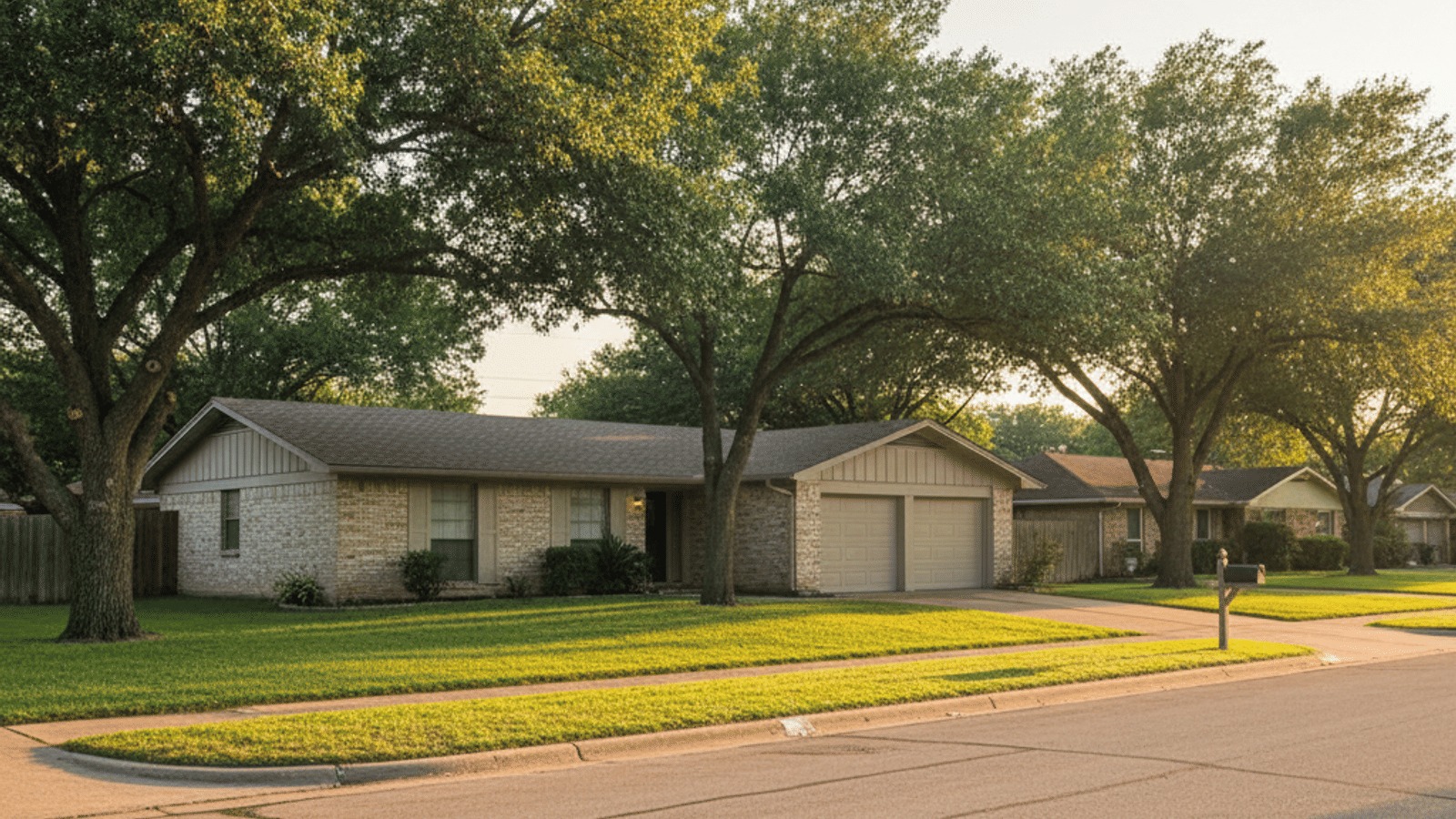
Central Plano (75075, 75023): This area offers a lot of character. You will find established neighborhoods with mid-century architecture, massive mature trees, and larger lots than you get in new construction. It is generally more affordable, with homes trading between $400,000 and $550,000. This is often considered the sweet spot for value.
East Plano (75074): This is where the city started, and it offers great access to the historic downtown arts district. It is traditionally the most accessible price point, with many homes available under $400,000. It’s important to note that “affordability” is relative here—West Plano offers a lifestyle similar to expensive coastal suburbs, while East Plano offers incredible value for being so close to major employment centers.
If you are trying to find the best neighborhoods in Plano, starting with your budget and preferred commute corridor will quickly narrow down which of these three zones is right for you.
New Construction: The “Redevelopment” Era
If you are driving around looking for sprawling fields of new homes, you won’t find them here. Plano is “built out.” Unlike neighbors to the north like Prosper, there is no greenfield land left for massive subdivisions. We have entered the era of redevelopment and infill.
The biggest story in 2025 and 2026 continues to be the transformation of major commercial hubs into mixed-use residential areas. The Collin Creek Mall redevelopment is the prime example. It has shifted from a defunct retail space into a vibrant district with single-family homes, townhomes, and apartments all walkable to parks and dining. This is the new face of “new construction” in Plano.
Aside from major projects like Collin Creek or Haggard Farms, most new inventory comes in the form of townhomes or urban-style living near Legacy West. If you want a brand-new detached single-family home on a quarter-acre lot, you might have to look further north. But if you want a low-maintenance luxury townhome in the middle of the action, Plano has plenty to offer.
Cost of Living & Ownership Costs
The mortgage payment is only one piece of the puzzle. When calculating your monthly budget, you have to factor in the specific carrying costs of owning a home in Collin County.
Let’s start with property taxes. The tax rate in Plano generally hovers between 1.9% and 2.1%. While that sounds high to out-of-state movers, it is actually quite competitive for the area. Because Plano has such a massive commercial tax base—thanks to giants like Toyota North America and Liberty Mutual—the residential tax burden is often lower here than in developing suburbs that rely on MUDs (Municipal Utility Districts) or PIDs (Public Improvement Districts) to fund infrastructure.
Insurance is the next big factor. We pay a “Texas Premium” here, largely due to wind and hail risk. Insurance rates saw a significant hike in 2024 and 2025, so it is vital to get a quote on a specific property before you fall in love with it. A roof with impact-resistant shingles can save you money on premiums.
Finally, check the HOA fees. These vary wildly. In West Plano, HOAs are mandatory and can be pricey, covering gate attendants and common areas. In the older Central Plano neighborhoods, voluntary HOAs—or no HOAs at all—are common, which can save you a few hundred dollars a year but means there is less oversight on neighborhood aesthetics.
Plano vs. Nearby DFW Suburbs
If you are relocating, you are likely comparing Plano against its neighbors. Here is the quick rundown on how they stack up in 2026.
Plano vs. Frisco: Frisco feels newer and shinier, but it is also generally more expensive. Plano is more established. If you love big trees and established character, you pick Plano. If you want the newest build and don’t mind construction traffic, you pick Frisco.
Plano vs. Dallas: This usually comes down to commute and lifestyle. Living in Dallas vs Plano is a trade-off. Plano offers a better price-per-square-foot and arguably more consistent suburban amenities like parks and recreation centers. However, if you work in downtown Dallas, the commute from Plano can be a grind during rush hour.
Plano vs. Richardson/Allen: Richardson is further south, making it closer to the city core, often with slightly older housing stock. Allen, to the north, offers a very similar vibe to Plano but feels slightly more removed from the Dallas core. Allen often serves as a good alternative if you find Central Plano inventory too low.
2026 Market Forecast & Advice
Looking ahead at the rest of 2026, stability is the keyword. We do not predict a market crash, but we also don’t expect home values to jump double-digits overnight.
For Buyers: The old advice holds true: “Date the rate, marry the house.” Mortgage rates are expected to stabilize around 6%, but waiting for a perfect rate often means missing the perfect home. Inventory is better now than it was two years ago, so take advantage of your ability to negotiate.
For Sellers: You are in a beauty contest. You are competing with brand-new construction in nearby cities. If your home has brown shag carpet or original 1990s brass fixtures, you will likely get lowball offers. Staging, painting, and minor updates are mandatory in this market to get top dollar.
Your Advantage in Today’s Plano Market
Navigating the Plano housing market in 2026 requires more than just understanding pricing trends. With a balanced market and more selective buyers, success comes down to preparation, strategy, and execution. The Bale Real Estate Group helps buyers and sellers position themselves effectively through accurate pricing, targeted marketing, and clear guidance at every step. Whether you are entering the market or planning your next move, the focus is on helping you make confident, well-informed decisions.
Frequently Asked Questions
Are home prices dropping in Plano, TX in 2026?
Prices are not dropping significantly; they are stabilizing. After years of rapid increases, we are seeing values flatten out or adjust slightly, but demand remains high enough to prevent a major decline in property values.
Is Plano cheaper than Frisco?
Generally, yes. While West Plano luxury homes rival Frisco prices, Central and East Plano offer median home prices that are typically lower than the newer construction found throughout most of Frisco.
What is the average property tax rate in Plano?
You can expect a total tax rate between 1.9% and 2.1%. This is often lower than newer suburbs with heavy infrastructure debts (MUDs/PIDs) because Plano benefits from a very strong commercial tax base.
Is now a good time to buy a house in Plano?
Yes, if you plan to stay long-term. The market is balanced, allowing you to inspect homes thoroughly and negotiate repairs, which is a luxury buyers didn’t have a few years ago. Buying now secures your spot in a built-out city where land values are historically resilient when buying a home in Plano.