
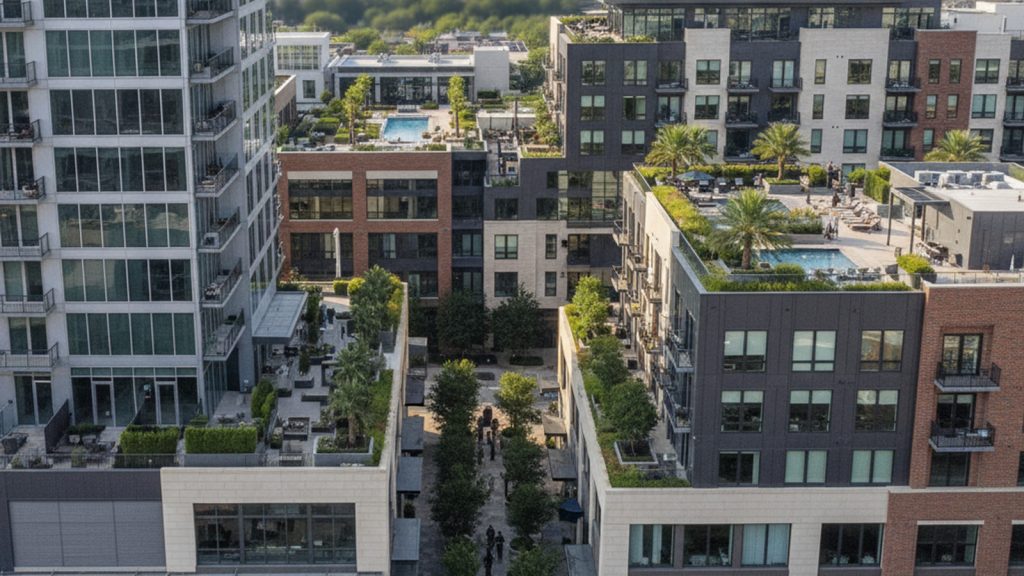
Renters moving to North Texas often focus their search on Collin County to balance commute times and housing options. The average rent in Plano, TX sits between $1,463 and $1,689 per month as of May 2026. This range depends on the specific neighborhood and the age of the apartment building.
This pricing represents a slight shift from previous years. A wave of new apartment construction across the Dallas-Fort Worth metroplex has increased the overall housing supply. Because of this added inventory, property managers are competing more aggressively to attract and retain tenants.
The city offers a mix of urban convenience and suburban space. Renters can choose from high-rise lofts, traditional apartment complexes, and single-family homes. Reviewing the latest market data helps you plan your monthly expenses before touring properties.
Current Rental Rates Across the City
The local rental market has cooled slightly over the past twelve months. Recent housing data shows that rental prices in the city have decreased by 1.4% to 2.3% year-over-year. This is a welcome change for residents who experienced steady rate hikes in the early 2020s.
This downward trend gives renters more leverage when signing a new lease. Property owners are offering move-in specials, such as one month free, or holding rates steady to maintain occupancy levels. You should ask about current concessions before signing any paperwork.
Standard lease agreements run for twelve months, though short-term options exist for a premium. Property managers update their pricing software daily based on available inventory. You should lock in a quoted rate quickly if you find a floor plan that fits your budget.
Costs by Apartment Size
Monthly expenses vary widely based on the floor plan and the total square feet. Here is a breakdown of the current median rates for standard units across the city:
- Studio apartments: Around $1,266 per month for roughly 552 square feet.
- 1-bedroom apartments: Approximately $1,471 per month for 760 square feet.
- 2-bedroom apartments: Close to $1,917 per month for 1,100 square feet.
- 3-bedroom apartments: Averaging $2,377 per month for 1,432 square feet.
Renters working with a tight budget should time their search carefully. Lease agreements signed during the slower winter months often come with lower monthly rates than those negotiated during the peak summer moving season.
What to Expect in Different Parts of Town
Legacy West commands some of the highest monthly rates in the area. This retail and dining district features newer loft-style apartments and luxury mid-rises positioned directly above ground-floor storefronts. Renters pay a premium here for immediate access to high-end restaurants and upscale shopping.
Downtown Plano provides a different atmosphere with historic brick buildings and boutique apartment complexes. Rents here reflect the convenience of living within walking distance of local coffee shops, independent restaurants, and transit lines.
Renters looking for more space often head toward West Plano and the Willow Bend area. These neighborhoods feature larger garden-style communities and single-family homes for rent. While the extra square footage comes with a higher monthly cost, residents gain access to private yards and attached garages.
East Plano offers a more established setting with mature trees and older available homes. Renters can often find more affordable options in this sector compared to the newer developments out west. The area provides quick access to local parks and community centers.
Getting Around and Highway Access
Daily drive times depend on which side of the city you choose to live on. The Dallas North Tollway runs through the west side, offering a direct route south into Dallas or north toward Frisco. Renters commuting to the Legacy Business Park often look for apartments near this corridor.
Commuters living on the east side rely on US-75 for their daily travel. Both highways provide straightforward access to major employment centers that house corporate campuses and thousands of local jobs. Rush hour traffic will impact these routes, so you should test your drive before choosing a neighborhood.
Public transit offers an alternative to highway driving for those working downtown. The DART Red Line operates stations in Downtown Plano and at Parker Road. This rail system allows residents to bypass highway traffic and ride the train directly into the center of Dallas.
Secondary roads like Preston Road and Coit Road carry heavy local traffic during peak hours. These major arteries connect residential zones directly to retail centers and grocery stores. Learning these surface street routes helps residents avoid tollway congestion.
Parks, Schools, and Daily Amenities
The city maintains an extensive network of green spaces and recreation areas. Arbor Hills Nature Preserve covers 200 acres in West Plano, providing miles of unpaved trails for hiking and off-road biking. This park serves as a major draw for residents wanting outdoor access close to home.
Oak Point Park and Nature Preserve serves the east side of the city with 800 acres of open space. The park features a lake for paddleboarding and paved trails that connect directly to surrounding residential neighborhoods.
Education boundaries also influence where renters choose to live and how much they pay. The Plano Independent School District serves the majority of the city. Properties located within specific attendance zones often see higher demand and correspondingly higher rental rates.
Retail access is another major factor in local housing costs. Residents live within a short drive of major shopping centers and a wide variety of restaurants. The proximity to these daily conveniences keeps demand steady across all zip codes.
Comparing Living Costs to Dallas
The overall cost of living in the city sits about 8% higher than the national average. Monthly rent here is generally comparable to, or slightly higher than, rates found within the Dallas city limits. You will pay for the convenience of suburban amenities combined with proximity to major job centers.
Everyday expenses like groceries, utilities, and transportation follow a similar pattern. Renters moving from out of state should factor these localized costs into their housing budget.
Local earning potential often offsets these higher housing costs. The average monthly net salary for a resident here is approximately $5,659, compared to $4,408 for someone living in Dallas. This difference in income helps residents manage the higher baseline living expenses.
Frequently Asked Questions
Do Plano, TX rent prices drop in winter?
Yes, property managers often lower rates between November and February when tenant turnover is lowest. Searching during these months can secure a lease that is slightly cheaper than summer pricing.
What is the average rent for a 1-bedroom apartment in Plano, TX?
A standard one-bedroom unit costs about $1,471 per month in 2026. This typically provides around 760 square feet of living space, though newer luxury buildings will charge more for the same footprint.
Is it expensive to live in Plano, TX?
Housing and daily expenses run about 8% above the national average. While it costs more to live here than in many other Texas cities, the local median salary of $5,659 per month helps balance the budget.