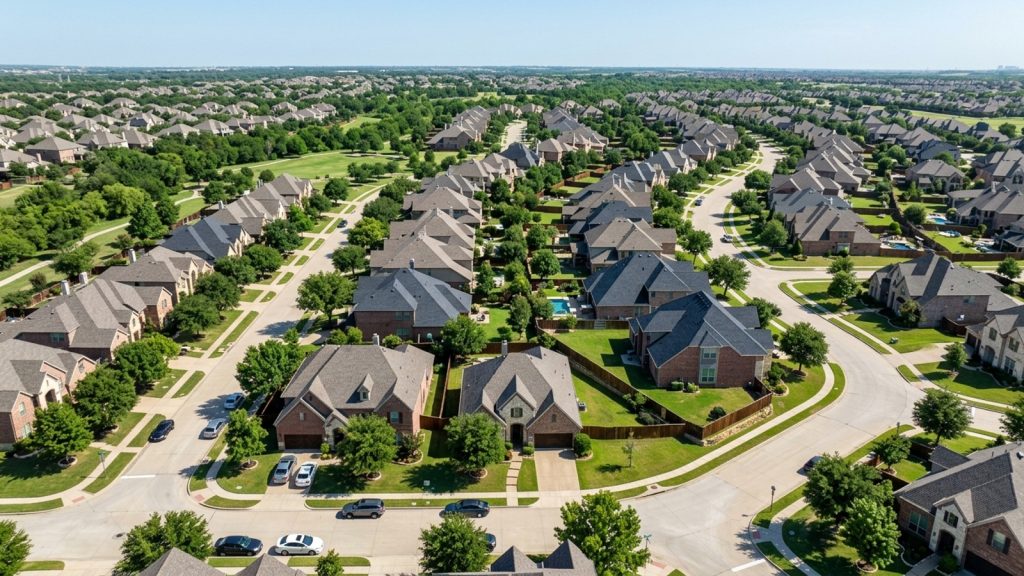
The median sale price for a home in Frisco, TX right now is around $655,000. Homes are sitting on the market for roughly 57 days, which gives first-time home buyers in Frisco, TX more breathing room than they had in recent years. With just over 1,000 homes actively listed, this is a balanced market – and that word “balanced” matters, because it means the financing side of any deal carries real weight for both sides of the table.
Whether you’re submitting an offer or getting ready to list, understanding how borrowing costs work in this specific market isn’t optional. A small rate shift changes what a buyer can afford. That same shift changes who shows up at an open house. Getting your arms around the financing picture early is what separates a confident decision from a reactive one.
Understanding Today’s Mortgage Rates in Frisco, TX
Borrowing costs aren’t a single, static number that applies to everyone equally. They move constantly – driven by inflation data, economic indicators, and what’s happening in the bond market on any given day. A rate you see advertised Tuesday morning can be gone by Wednesday afternoon.
National portals tend to advertise lower-than-average numbers by assuming a perfect credit profile and a 20% down payment. To understand your actual purchasing power in Collin or Denton County, you need a personalized quote, not a generic online estimate.
Where to Find Your Actual Rate
The only reliable source for your specific borrowing cost is a direct quote from a lender. When you apply, the lender issues a Loan Estimate – a standard federal form that breaks down your exact interest cost, estimated monthly payment, and closing costs.
Compare Loan Estimates from at least two lenders, and do it on the same day. Comparing a quote from Monday against one from Friday doesn’t give you an accurate side-by-side view of who’s offering the better deal.
Why Rates Move Daily
Mortgage pricing is tied closely to the trading of mortgage-backed securities on the bond market. When investors see higher inflation or strong economic growth, they demand higher yields, and that pushes borrowing costs up for buyers. Signs of an economic slowdown or cooling inflation tend to drive bond yields the other direction.
That daily trading activity is why lenders update their pricing sheets every morning – and sometimes mid-day if the market is particularly volatile.
How Your Rate Affects Your Buying Power in Frisco
A fraction of a percentage point changes your monthly payment and the total interest you’ll pay over the life of the loan. In Frisco, you also have to layer in local property taxes, which run roughly 1.6% to 2.0% of assessed value when you combine city, county, and Frisco ISD taxes. The City of Frisco’s municipal portion alone is $0.425517 per $100 of assessed value.
Run your budget using the full principal, interest, taxes, and insurance payment – not just the rate. A higher borrowing cost means more of your monthly budget goes toward interest, which lowers the maximum home price you can qualify for under your lender’s debt-to-income limits.
An Illustrative Payment Comparison
Here’s a straightforward example using a $655,000 purchase with a 20% down payment. For illustration only: a 30-year loan at 6.0% produces a principal and interest payment of roughly $3,141 per month. At 6.5%, that same payment jumps to about $3,312. At 7.0%, it climbs to roughly $3,486.
That’s a one-percent swing adding nearly $350 to your monthly payment before taxes and insurance even enter the picture.
The Price Versus Rate Trade-Off
Buyers often debate whether to wait for lower borrowing costs or buy a less expensive home now. Waiting carries real risk – if home prices rise in the meantime, the monthly savings you were hoping for can disappear entirely.
Sellers in Frisco are currently accepting offers at about 97% of list price on average. That gap gives buyers room to negotiate on purchase price or ask for seller concessions to buy down their interest cost upfront.
Fixed Versus Adjustable-Rate Mortgages and Loan Types
The loan structure you choose dictates how your interest is calculated over time, and your choice of program also influences the baseline pricing a lender can offer you. Government-backed loans often carry different pricing structures than standard conventional loans – so review what’s on the table before you commit to anything.
30-Year Versus 15-Year Fixed Loans
A 30-year fixed loan spreads repayment over three decades, keeping the monthly payment as manageable as possible with a rate that never changes. That long-term stability works well for buyers who plan to stay put.
A 15-year fixed loan means higher monthly payments since you’re paying off the principal in half the time. The trade-off is that lenders typically offer lower pricing on 15-year loans – they carry less long-term risk for the bank.
ARM Basics and Who They Fit
An adjustable-rate mortgage holds a fixed interest cost for an initial period – usually five, seven, or ten years – then adjusts annually based on current market conditions. Adjustable loans often open with lower pricing than a 30-year fixed. They’re worth considering if you plan to sell your Frisco home or refinance before that initial fixed period runs out.
Conventional, FHA, VA, and USDA Differences
Conventional loans aren’t backed by the government and typically require stronger credit profiles. FHA loans, insured by the Federal Housing Administration, often offer competitive pricing for buyers with lower credit scores, though they come with mortgage insurance premiums.
VA loans are available to eligible military service members and veterans, with favorable pricing and zero down payment requirements. USDA loans target rural areas – most of Frisco doesn’t qualify, though some properties on the far outskirts of the county might be eligible.
How to Get the Best Mortgage Rate as a Buyer
You can’t control the bond market, but you can control the personal financial factors lenders use to price your loan. Lenders reserve their best terms for borrowers who present the lowest risk, and small improvements in your financial profile can translate to meaningful savings over a 30-year loan.
The Effect of Your Credit Score
Your credit score is the single biggest personal factor in how a lender prices your loan. Borrowers with scores above 740 generally qualify for the most favorable terms available on conventional loans. Lower scores trigger pricing adjustments that increase your borrowing cost. Check your credit reports for errors and pay down revolving debt before you apply.
Down Payments, Points, and Buy-Downs
A larger down payment lowers the lender’s risk, which often earns you better pricing. You can also pay discount points at closing – an upfront fee paid directly to the lender that permanently reduces your interest cost.
Temporary buy-downs are another option: you or the seller pay a lump sum to reduce your interest cost for the first one to three years of the loan. This is a common negotiation tactic in the current Frisco market for buyers managing tight monthly budgets.
What a Rate Lock Does
A rate lock is a guarantee from your lender that your pricing won’t change for a set period – usually 30 to 60 days. It protects you if the market moves up while you’re under contract. You can typically request a lock once you have an accepted purchase agreement. If closing gets delayed beyond the lock window, you may owe an extension fee to hold the agreed-upon terms.
Finding the Right Mortgage Lender in Collin and Denton Counties
The lender you choose matters as much as the loan terms. A delayed closing or a mismanaged pre-approval can cost you a home in a multiple-offer situation. Frisco buyers have access to a wide range of institutions – large national banks, independent local brokers, credit unions – and they don’t all operate the same way.
Local Lenders Versus Call Centers
A local Collin or Denton County lender understands the specific property tax structures, appraisal timelines, and insurance requirements in North Texas. They also have established reputations with local agents, which can give your pre-approval letter more weight with a seller.
National call-center lenders often operate in different time zones and don’t have familiarity with the Frisco market. If something comes up during underwriting – and something usually does – reaching a dedicated problem-solver at a large national institution can be genuinely difficult.
Banks, Credit Unions, Brokers, and Direct Lenders
Traditional banks and credit unions lend their own money and offer their own specific products. If you already have a relationship with a local credit union, they might carry portfolio loans with terms you won’t find anywhere else.
Mortgage brokers don’t lend their own money – they shop your application across dozens of wholesale lenders to find the best terms. Direct lenders and mortgage bankers fund the loans themselves but specialize entirely in home financing rather than general banking. Each has its place depending on your situation.
What Rate Trends Mean If You Plan to Sell in Frisco
Sellers need to watch borrowing costs just as closely as buyers do. When financing gets more expensive, the pool of buyers who can afford your home shrinks, and that directly affects how long your property sits.
There are currently about 1,037 homes for sale in Frisco, representing roughly 4.7 months of supply. That’s a balanced market, which means sellers should be deliberate – not passive – about how they position their property.
How Rates Shape Local Buyer Demand
High borrowing costs make buyers more sensitive to condition and price. When buyers are already stretching their monthly budgets to cover financing, they have less cash left over for repairs or updates. Turn-key homes in Frisco still move. Properties needing work sit longer.
Sellers should consider offering concessions – a credit toward a temporary rate buy-down, for example – to attract buyers managing tighter affordability constraints.
Pricing and Timing Your Listing
Overpricing when borrowing costs are elevated tends to result in price drops and extended days on market. With Frisco homes averaging 57 days to sell, getting the price right from day one is far more effective than testing the market and adjusting later.
Work with your agent to analyze recent comparable sales alongside current active inventory. The exact financing environment your potential buyers face dictates the list price that attracts offers.
Mortgage Rate FAQs
What are mortgage rates today in Frisco, TX?
Mortgage rates change daily based on bond market activity and economic indicators. To get an accurate number, you’ll need to request a personalized quote or a Loan Estimate directly from a local lender. Online averages rarely reflect the exact terms you’ll qualify for based on your credit profile and down payment.
Should I wait for rates to drop before buying a home in Frisco?
It depends on your timeline and budget. Waiting for lower borrowing costs carries the real risk that home prices could rise in the meantime. Buyers are generally better served by finding a home they can comfortably afford at today’s terms rather than trying to time the market.
How much does a 1% difference in a mortgage rate cost me when buying a home in Frisco?
More than most people expect. On a $655,000 home purchase with 20% down, a 1% rate increase adds roughly $345 to the monthly principal and interest payment. Over a 30-year loan, that difference adds up to more than $120,000 in total interest.
How do I get the best mortgage rate as a buyer in Frisco?
Start by optimizing your financial profile before you apply. Work to improve your credit score, save for a larger down payment, and lower your debt-to-income ratio. Then compare Loan Estimates from at least two different lenders on the same day.
What credit score do local lenders require to lock in the best mortgage rates in Frisco?
Lenders generally reserve their best conventional loan pricing for borrowers with credit scores of 740 or higher. Lower scores can still get you to closing, but expect pricing adjustments that increase your overall borrowing costs. FHA loans offer more flexibility for buyers with lower credit scores.
How do current mortgage rate trends affect my ability to sell my house in Frisco?
Higher borrowing costs reduce buyer purchasing power, which can slow demand and push your days on market higher. Currently, Frisco homes take about 57 days to sell. Sellers who price accurately and present their homes in excellent condition are the ones attracting buyers who are managing tighter monthly budgets.
Thinking of Buying or Selling in Frisco? Get Local Guidance
The financing side of a real estate transaction has more moving parts than most people realize until they’re already in the middle of one. Getting the right team in place early – before you’re under contract or fielding offers – makes the whole process a lot less stressful.
A local real estate agent can walk you through the market dynamics in Frisco before you ever fill out a loan application. They can also connect you with trusted lenders in Collin and Denton counties who have real track records of closing on time.
Talk to a Local Agent First
An agent helps you see the full picture – property taxes, HOA fees, average utility costs – so you know exactly how much house you can realistically afford before a lender runs your credit. They’ll also help you analyze recent sales data and current inventory levels, which sets realistic expectations whether you’re searching or listing.
Connect with a Trusted Local Lender
Once you’re clear on your goals, your agent can introduce you to mortgage professionals who know the Frisco market. These are the people who can explain your loan options clearly and provide accurate, same-day Loan Estimates.
A responsive local lender who’s done this in Collin and Denton counties isn’t hard to find – if you know who to ask. Reach out and get connected with the right professionals before your next move.
Planning to sell? Learn how Bale Real Estate Group helps sellers prepare, price, and market their homes. Why Sellers Hire Bale Real Estate Group.
Planning to buy? Learn how Bale Real Estate Group helps buyers evaluate homes and navigate their purchase. Why Buyers Choose Bale Real Estate Group.