

Buying an original or partially updated Windrose Tower residence can provide an opportunity to create a highly personalized luxury home—but renovation costs should be understood before you decide what the property is worth to you.
A condominium renovation is different from renovating a detached home.
In addition to design, materials, labor, and construction costs, buyers may need to consider building rules, contractor requirements, permitted working hours, elevator scheduling, material deliveries, debris removal, insurance requirements, approvals, and other condominium-specific procedures.
Gary and Linda Bale help Windrose Tower buyers evaluate the purchase price and potential renovation scope together so they can compare an original residence with updated alternatives more intelligently.
The less expensive residence is not necessarily the less expensive choice once renovation costs, time, and disruption are considered.
Clarity First. Pressure Never.
Current Windrose Tower Residences for Sale
Current inventory can help you compare renovated, partially updated, and original-condition residences and understand how sellers are positioning those differences in today’s market.




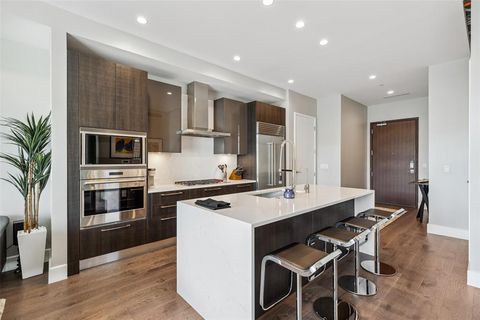




Start With the Scope of the Renovation
Before trying to estimate cost, define what you actually want to change.
A Windrose Tower renovation might involve:
- Interior paint
- Flooring
- Lighting
- Fixtures and hardware
- Kitchen improvements
- Bathroom improvements
- Cabinetry
- Countertops
- Built-ins
- Closet systems
- Technology
- Window treatments
- Other interior improvements
A cosmetic refresh and a substantial luxury renovation are completely different financial commitments.
Do Not Use a Generic Cost Per Square Foot
Renovation costs vary too widely for a single cost-per-square-foot estimate to provide a reliable answer.
Cost may be influenced by:
- Project scope
- Quality of materials
- Custom versus standard finishes
- Cabinetry
- Appliances
- Plumbing changes
- Electrical work
- Lighting
- Flooring
- Labor
- Design services
- Building requirements
- Permits when applicable
- Delivery logistics
- Construction timeline
Obtain property-specific estimates before making major financial assumptions.
Building Requirements Can Affect the Project
Before purchasing a residence you intend to renovate, review the applicable association and building requirements.
Depending on current policies and the proposed work, questions may include:
- Does the project require association approval?
- What documentation must be submitted?
- Are contractors required to provide insurance?
- Are there permitted construction hours?
- How are deliveries handled?
- How is elevator access scheduled?
- How is construction debris removed?
- Are there restrictions on particular materials or work?
- Are deposits or fees required?
Verify current requirements before assuming a project can be completed exactly as planned.
Contractor Access Is Different in a High-Rise
Renovating a condominium can involve logistical considerations that do not exist in a detached home.
Contractors may need to coordinate building access, parking, elevators, deliveries, work hours, protection of common areas, and debris removal.
Those requirements can affect both scheduling and cost.
Kitchen Renovations
The kitchen is often one of the largest components of a luxury condominium renovation.
Potential cost drivers may include:
- Cabinetry
- Countertops
- Appliances
- Backsplash
- Lighting
- Plumbing fixtures
- Electrical work
- Flooring
- Custom millwork
- Layout changes
Changing finishes within an existing layout may involve a very different budget from substantially reconfiguring the kitchen.
Bathroom Renovations
Bathrooms can also become significant renovation projects, particularly when luxury materials or layout changes are involved.
Potential considerations include:
- Cabinetry
- Countertops
- Tile
- Plumbing fixtures
- Shower systems
- Lighting
- Mirrors
- Glass
- Flooring
- Waterproofing
Obtain professional estimates rather than assuming a bathroom renovation will fit a generic budget.
Flooring Can Affect More Than Appearance
Flooring choices can influence design, acoustics, installation requirements, and project cost.
Before replacing flooring, buyers should review any applicable building requirements regarding materials, installation, sound mitigation, or approvals.
Custom Work Can Increase Both Cost and Timeline
Luxury buyers may want custom cabinetry, built-ins, closets, millwork, lighting, stone, specialty finishes, or integrated technology.
Custom improvements can create a highly personalized residence, but they may also increase design time, fabrication time, installation complexity, and cost.
Build a Contingency Into the Renovation Budget
Renovation projects can uncover conditions or decisions that were not fully anticipated when the original estimate was prepared.
Buyers should discuss an appropriate contingency with their contractor or construction professional rather than budgeting only for the initial proposal.
Potential changes may involve:
- Hidden conditions
- Material changes
- Design changes
- Additional labor
- Building requirements
- Delivery issues
- Schedule changes
- Additional professional services
A realistic renovation budget includes room for uncertainty.
Consider the Renovation Timeline
Cost is not the only consideration.
If you plan to renovate before moving in, you may also need to consider:
- Design time
- Approval time
- Material lead times
- Contractor availability
- Construction duration
- Building work-hour restrictions
- Temporary housing
- Storage
- Moving logistics
A project that takes longer than expected can create additional expenses even when the construction budget itself remains unchanged.
Compare Renovation Cost With a Move-In-Ready Residence
When comparing an original residence with an updated property, buyers should consider more than the difference in asking price.
A useful comparison may include:
- Purchase-price difference
- Estimated renovation cost
- Contingency
- Temporary housing
- Design fees
- Time and inconvenience
- Ability to personalize
- Quality of the existing renovated residence
Sometimes renovating provides the better opportunity. Sometimes paying more for the completed residence makes more sense.
Do Not Assume Every Renovation Dollar Becomes Resale Value
A renovation may significantly improve your enjoyment of the residence without producing an equal dollar-for-dollar increase in resale value.
Future buyers may evaluate:
- Design
- Quality
- Workmanship
- Materials
- Age of improvements
- Floor-plan functionality
- Overall market appeal
Renovate primarily for the way you want to live while remaining aware of potential resale considerations.
Understand the Residence’s Market Value Before Renovating
Before deciding how much to invest, understand the property’s current market position.
Gary and Linda Bale help buyers evaluate:
- Recent comparable sales
- Current active competition
- Floor plan
- Elevation and orientation
- Views
- Current condition
- Existing renovations
- Parking and storage
- Buyer demand
Windrose Tower Plano Home Values
Inspect Before Finalizing Your Renovation Assumptions
A professional inspection may identify accessible conditions that should be considered before finalizing a renovation plan or budget.
An inspection does not replace contractor estimates, but it can provide additional information about the residence’s observable condition.
What Should Buyers Know About Home Inspections in Windrose Tower?
Review HOA Requirements Before Starting Work
Renovation planning should be coordinated with the applicable association requirements.
Buyers should understand building policies before assuming contractors can begin immediately after closing.
Frequently Asked Questions About Windrose Tower Renovation Costs
How much does it cost to renovate a Windrose Tower condo?
There is no reliable single figure. Cost depends on project scope, materials, finishes, labor, design, building requirements, logistics, and the individual residence. Obtain property-specific professional estimates.
Can I renovate immediately after buying?
Buyers should review current association and building requirements before establishing a construction schedule. Approval procedures, contractor requirements, work hours, deliveries, and other policies may apply.
Should I buy an original residence or a renovated residence?
Compare the complete economics and lifestyle implications, including purchase price, renovation cost, contingency, timeline, temporary housing, design preferences, and the quality of available renovated alternatives.
Will renovations increase the value of my Windrose Tower residence?
They may influence value and buyer appeal, but renovation cost does not automatically translate dollar-for-dollar into resale value.
Should I obtain contractor estimates before making an offer?
If renovation cost materially affects what you are willing to pay, obtaining professional guidance as early as practical can help you make a better-informed purchase decision.
Considering a Windrose Tower Residence That Needs Updating?
Gary and Linda Bale can help you evaluate the property before you decide whether the purchase and potential renovation make sense together.
We can help you consider:
- Current Windrose Tower inventory
- Residence-specific market value
- Updated versus original competition
- Inspection considerations
- HOA requirements to investigate
- Renovation questions
- Vendor referrals when appropriate
- Offer strategy
- Negotiation
- Contract deadlines
- Closing and move-in planning
The goal is to understand the opportunity before committing to both the residence and the renovation.
Clarity First. Pressure Never.
Gary & Linda Bale
Bale Real Estate Group
Call or Text: 972-469-0332
Email: info@balerealestategroup.com
Schedule a Windrose Tower Buyer Strategy Session
Planning to buy? Learn how Bale Real Estate Group helps buyers evaluate homes and navigate their purchase. Why Buyers Choose Bale Real Estate Group.