

When buying a Windrose Tower residence, buyers should evaluate more than the finishes they can immediately see.
A beautifully renovated kitchen, updated bathrooms, flooring, lighting, and furnishings can create a strong first impression, but the age and condition of systems and components associated with the individual residence can also affect future maintenance and ownership costs.
Condominium ownership adds another important question: which components are maintained by the individual residence owner, and which may fall under the responsibility of the association or building?
Gary and Linda Bale help buyers identify the questions that should be investigated before purchasing rather than assuming every responsibility works the same way it would in a detached home.
The objective is not to avoid an older residence. It is to understand what you are buying and plan appropriately for future ownership.
Clarity First. Pressure Never.
Current Windrose Tower Residences for Sale
As you compare available residences, consider condition and maintenance alongside price, views, floor plan, renovations, parking, storage, and ownership costs.



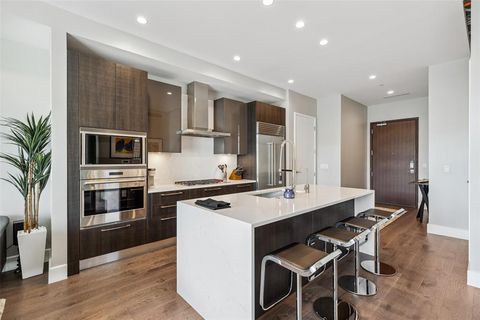
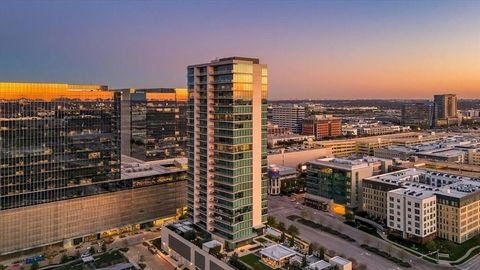
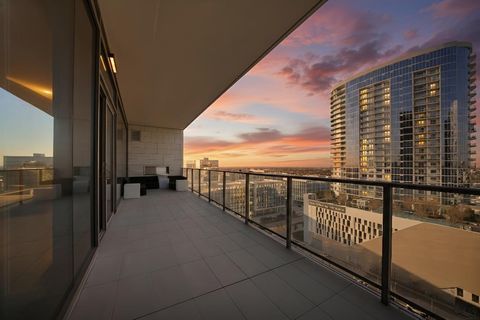


Questions may include:
- What has been renovated?
- What remains original?
- What systems serve the individual residence?
- What maintenance has been completed?
- What documentation is available?
- What components may require future attention?
- Which responsibilities belong to the owner?
- Which responsibilities may belong to the association?
Start by Separating Cosmetic Age From Functional Condition
An older finish is not necessarily a defective component.
Likewise, something that appears newer is not automatically in excellent functional condition.
Buyers should distinguish between:
- Cosmetic updates
- Functional improvements
- Routine maintenance
- Repair history
- Replacement history
- Remaining original components
Age provides context, but actual condition and maintenance history matter too.
Understand the HVAC Components Serving the Residence
Heating and cooling are particularly important considerations in North Texas.
Buyers should understand the components serving the individual residence and investigate applicable maintenance responsibilities.
Questions may include:
- What equipment serves the residence?
- How old are applicable components?
- What maintenance history is available?
- Have major components been replaced?
- Who is responsible for maintenance?
- Who is responsible for replacement?
A professional inspection may provide additional information about accessible components, while qualified HVAC professionals may be appropriate when specialist evaluation is needed.
Plumbing Deserves Attention
Buyers should also evaluate accessible plumbing components within the residence.
Potential considerations may include:
- Fixtures
- Supply connections
- Drainage observations
- Water pressure
- Visible leaks
- Previous repairs
- Water-related history when known
In a condominium environment, the source and responsibility for a plumbing or water-related concern may require additional investigation.
Electrical Components Should Be Evaluated
A professional inspection may provide information about accessible electrical components associated with the residence.
Depending on the property, considerations may include:
- Electrical panel
- Outlets
- Switches
- Fixtures
- Visible wiring concerns
- Other accessible components
Significant concerns may warrant evaluation by a qualified electrician.
Appliances Have Their Own Life Cycles
Luxury appliances can represent a meaningful replacement expense.
Buyers may want to understand the approximate age and condition of:
- Refrigerator
- Cooking appliances
- Dishwasher
- Washer and dryer
- Wine refrigeration when applicable
- Other built-in appliances
A renovated kitchen does not necessarily mean every appliance was installed at the same time.
Windows and Doors Can Affect Comfort
Windows are particularly important in a high-rise residence because they can influence views, natural light, comfort, and the overall living experience.
If a concern arises, buyers should understand both the condition and the applicable maintenance or replacement responsibility before making assumptions.
Do Not Assume Every Component Is the Owner’s Responsibility
One of the key differences between condominium and detached-home ownership is the allocation of maintenance responsibilities.
Applicable association documents should be reviewed to understand responsibilities associated with the individual residence and common or building components.
Responsibility should be verified—not guessed.
Use the Inspection to Learn More About the Residence
A professional inspection can provide additional information about accessible systems and components.
Depending on the residence, the inspection may identify:
- Maintenance items
- Potential repair concerns
- Nonfunctioning components
- Electrical observations
- Plumbing observations
- HVAC-related observations
- Appliance concerns
- Water-related conditions
- Other observable issues
What Should Buyers Know About Home Inspections in Windrose Tower?
An Inspection Is Not a Prediction of Remaining Life
An inspector can evaluate observable conditions within the scope of the inspection, but buyers should not expect an exact prediction of when every component will eventually fail.
A functioning older component may continue operating for years, while a newer component can still require repair unexpectedly.
Use age, condition, maintenance history, inspection findings, and specialist advice together.
Specialist Evaluations May Be Appropriate
If a general inspection identifies a concern, additional evaluation may be appropriate.
Depending on the issue, specialists might include:
- HVAC contractors
- Electricians
- Plumbers
- Appliance specialists
- Window professionals
- Other qualified professionals
Better information can help buyers understand both the condition and potential financial implications before contractual deadlines expire.
Build Future Maintenance Into the Ownership Budget
Buyers should consider future maintenance and replacement costs as part of the complete ownership picture.
Depending on the residence, the budget may include:
- Routine maintenance
- HVAC service
- Appliance repair or replacement
- Plumbing repairs
- Electrical work
- Interior components
- Future improvements
- Other owner responsibilities
What Is the Cost of Owning a Condo in Windrose Tower?
Updated and Original Residences Require Different Analysis
An original residence may contain older finishes and components, while a renovated property may include a mixture of new and older systems.
Do not assume everything in a renovated residence was replaced.
Ask what work was actually completed and what documentation is available when relevant.
Is It Better to Buy an Updated or Original Condo in Windrose Tower?
Renovation Planning Can Include System Work
If you already plan to renovate, the project may create an opportunity to evaluate certain components as part of the overall construction plan.
However, renovation scope, building requirements, contractor access, and costs should be investigated before purchasing based on assumptions.
What Should Buyers Know About Renovation Costs in Windrose Tower?
Do Not Ignore Resale Considerations
Future buyers may eventually ask many of the same questions you are asking today.
Maintenance history, renovation quality, system condition, and available documentation can all become part of future buyer due diligence.
Frequently Asked Questions About Aging Systems in Windrose Tower
Should I avoid a Windrose Tower residence because some components are older?
Not automatically. Age is one consideration. Buyers should also evaluate current condition, maintenance history, inspection findings, replacement cost, and whether the component is an individual-owner or association responsibility.
Does a renovated condo mean all systems are new?
No. A residence may have updated kitchens, bathrooms, flooring, or finishes while other components remain older. Buyers should investigate what work was actually completed.
Can an inspector tell me exactly how long a system will last?
No. An inspection can provide information about observable condition within its scope, but it cannot guarantee the remaining life of every component.
Who is responsible for replacing aging components in Windrose Tower?
Responsibility depends on the component and applicable condominium documents. Buyers should verify current owner and association responsibilities rather than assuming.
Should I budget for future repairs even if everything works today?
Yes. Routine maintenance and eventual repairs or replacements are normal parts of property ownership and should be considered in your long-term budget.
Evaluating a Windrose Tower Residence?
Gary and Linda Bale can help you evaluate more than the asking price and interior finishes.
Our buyer strategy can include:
- Current Windrose Tower inventory
- Residence-specific market value
- Updated versus original condition
- HOA considerations
- Inspection strategy
- Specialist questions when appropriate
- Maintenance considerations
- Renovation planning
- Complete ownership costs
- Offer strategy
- Negotiation
- Contract-to-close coordination
The goal is to understand both the residence you are buying today and the ownership responsibilities you may have tomorrow.
Clarity First. Pressure Never.
Gary & Linda Bale
Bale Real Estate Group
Call or Text: 972-469-0332
Email: info@balerealestategroup.com
Schedule a Windrose Tower Buyer Strategy Session
What Should Buyers Know Before Buying a Condo in Windrose Tower?
What Mistakes Should Buyers Avoid When Buying a Condo in Windrose Tower?
Planning to buy? Learn how Bale Real Estate Group helps buyers evaluate homes and navigate their purchase. Why Buyers Choose Bale Real Estate Group.