

Should You Accept an Offer Contingent on the Buyer Selling Another Home in Star Trail?
The Direct Answer
Evaluate a Star Trail home-sale-contingent offer by the buyer’s sale progress, financing, deadlines and the effect on your own move. Compare the entire offer and net outcome rather than treating every contingency as equally risky.
Current Star Trail Homes for Sale




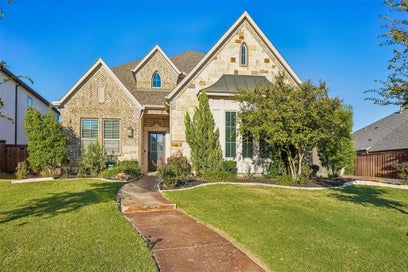



What Is a Buyer Home-Sale Contingency?
A buyer home-sale contingency generally means the buyer's ability or obligation to complete the purchase depends in some way on selling another property.
The exact contract language and deadlines matter.
A Star Trail seller should understand:
- Whether the buyer's current home is already listed.
- Whether it is already under contract.
- What deadlines apply.
- How the buyer plans to finance the Star Trail purchase.
- What happens if the buyer's existing home does not sell.
The contract should be reviewed carefully because the seller's rights and obligations depend on the specific terms being proposed.
Not All Contingent Offers Carry the Same Risk
There is a significant difference between a buyer whose home is not yet on the market and a buyer whose property is already under contract and progressing toward closing.
A seller should ask:
- Is the buyer's home listed?
- How long has it been on the market?
- Is it priced competitively?
- Has it received offers?
- Is it under contract?
- Has that buyer completed inspections?
- How soon is that closing scheduled?
The closer the buyer is to successfully selling their current home, the less uncertainty the contingency may create.
If the Buyer's Home Is Not Yet Listed
This generally creates more uncertainty for the Star Trail seller.
The buyer still needs to:
- Prepare the home.
- Determine pricing.
- Launch the listing.
- Attract a buyer.
- Negotiate a contract.
- Complete inspections.
- Complete financing and appraisal where applicable.
- Reach closing.
Each additional step creates another point where timing could change.
If the Buyer's Home Is Already Under Contract
A contingent offer may be materially stronger when the buyer's property is already under contract.
But the seller should still understand:
- The scheduled closing date.
- Whether inspections are complete.
- Whether financing is progressing.
- Whether appraisal remains outstanding.
- Whether there are other unresolved contingencies.
Under contract does not mean closed.
The seller should evaluate how much remains between the buyer's current position and an actual completed sale.
Review the Buyer's Financing Carefully
A home-sale contingency and financing are connected because the buyer may need proceeds from the first home to complete the Star Trail purchase.
Understand:
- Loan type.
- Preapproval strength.
- Down payment.
- Cash-to-close requirements.
- Whether sale proceeds are required for the down payment.
- Whether the buyer has alternative funds available.
A strong lender can help clarify how dependent the purchase is on the buyer's existing sale.
Ask How Much the Buyer Needs From Their Sale
Some buyers need virtually all of their equity to complete the next purchase.
Others may have enough available funds to proceed even if the timing changes.
That difference can materially affect the risk to the seller.
Questions may include:
- Is the buyer relying on the sale for the down payment?
- Are proceeds needed for closing costs?
- Does the buyer have reserves?
- Could the buyer proceed through another financing structure?
The buyer's lender should confirm financing details rather than the seller relying on assumptions.
Compare the Contingent Offer With Your Other Offers
A contingent offer should be evaluated alongside every other term.
Compare:
- Price.
- Financing.
- Down payment.
- Appraisal risk.
- Requested concessions.
- Inspection terms.
- Closing timeline.
- Earnest money.
- Other contingencies.
A buyer offering more money but carrying substantially greater execution risk may not necessarily be the strongest choice.
The goal is the best combination of price, terms and likelihood of closing.
Consider the Cost of Taking Your Star Trail Home Off the Market
If the seller accepts a contingent offer, market exposure may be affected while the buyer works through the sale of another property.
The potential cost of waiting can include:
- Lost exposure to other buyers.
- Additional mortgage payments.
- Property taxes.
- Insurance.
- Utilities.
- Maintenance.
The longer and less certain the buyer's contingency, the more important these carrying costs become.
Your Own Moving Timeline Matters
A seller who has no urgent moving deadline may view a contingency differently from someone who already has another home under contract.
Consider whether you need:
- Proceeds for another purchase.
- A specific closing date.
- Funds for new construction.
- Certainty for a relocation.
- Time to coordinate movers.
If your next move depends on this closing, predictability may be particularly important.
Do Not Focus Only on the Contingency
A seller should still evaluate the entire offer.
A contingent buyer may provide favorable terms elsewhere, such as:
- Strong price.
- Substantial down payment.
- Limited concession requests.
- Flexible closing.
- Strong lender documentation.
Likewise, a non-contingent buyer may still have weaknesses involving financing, appraisal or inspection.
No single contract term should be evaluated in isolation.
Star Trail FAQs
How does the buyer’s sale status affect a Star Trail contingent offer?
A home not yet listed presents different uncertainty from one already under contract. Review progress, financing and the actual contingency terms with your advisers.
Should a Star Trail seller choose the highest contingent offer automatically?
No. Compare price, proceeds, timing, financing and other conditions with the alternatives. The best fit depends on both the terms and your priorities.
Discuss Your Star Trail Plans
Gary and Linda Bale can help you evaluate the next steps for your purchase or sale. Clarity First. Pressure Never.