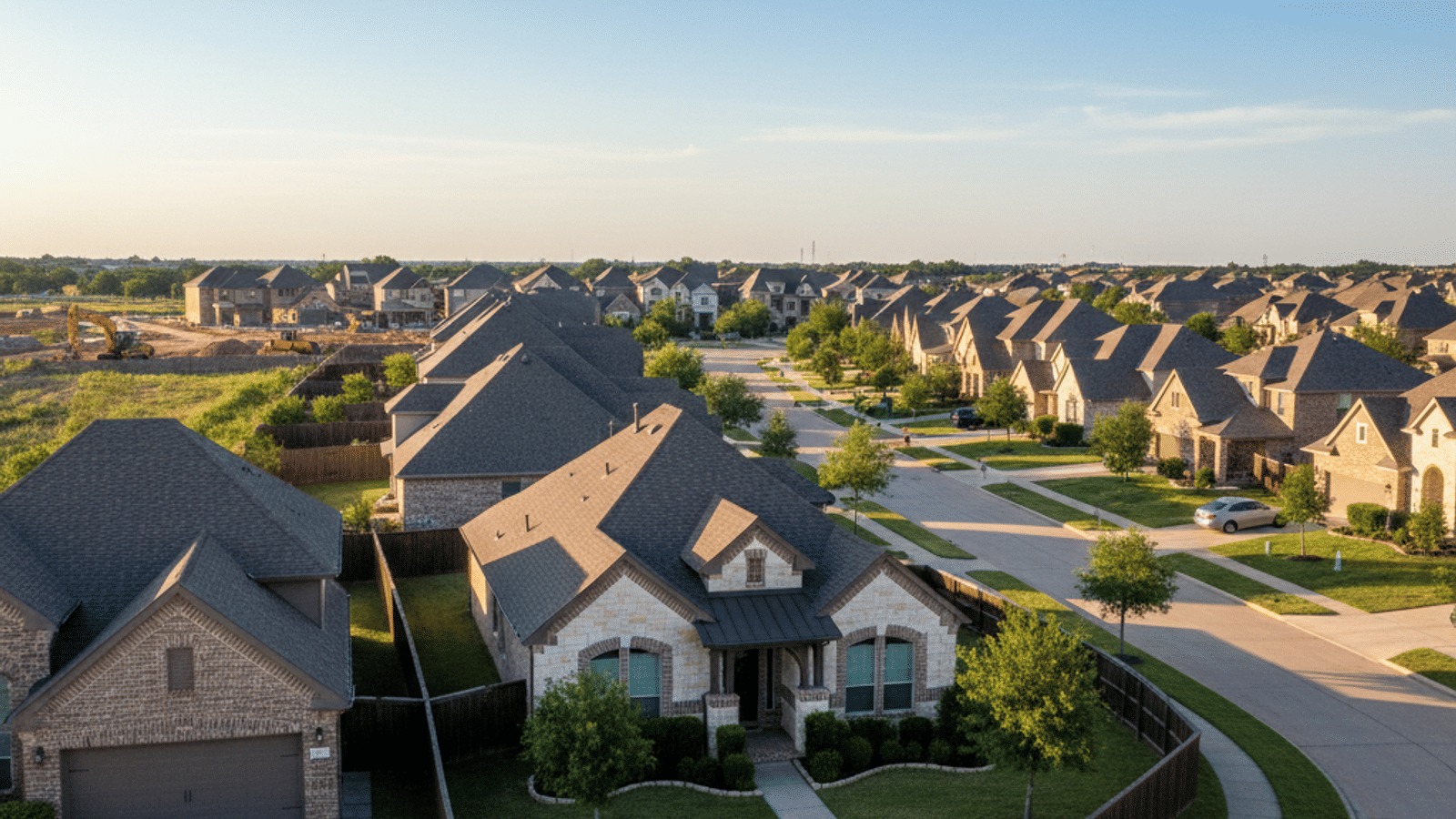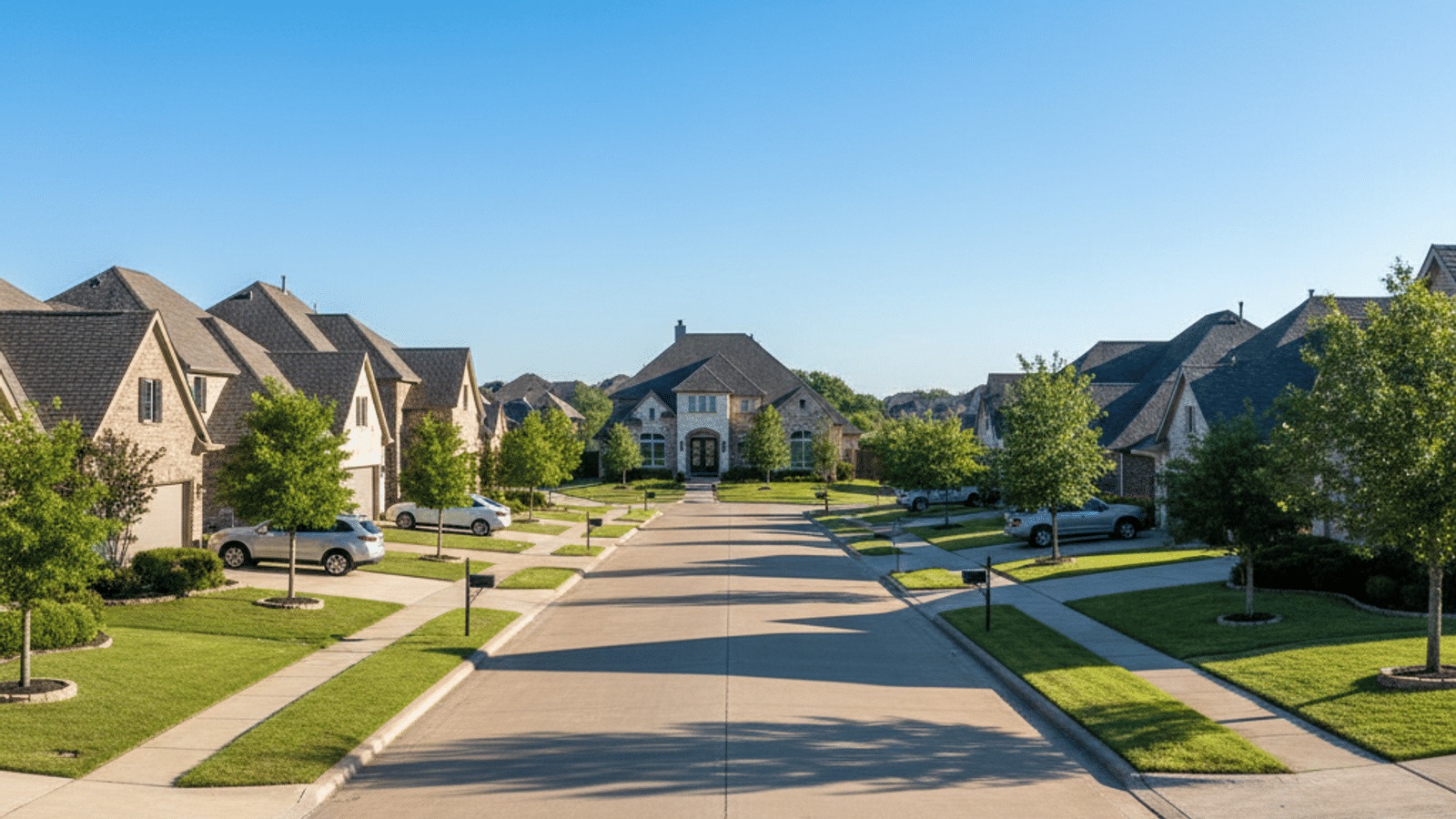
Buying a home in Plano has changed a lot over the last few years. If you’ve been watching the market, you know that finding a single-family home under $400,000 is becoming a rare event. For many first-time buyers, the monthly payment isn’t the biggest hurdle—it’s the upfront cash. Coming up with a down payment plus closing costs can easily run $20,000 to $40,000, which is a steep hill to climb even if you have a great job.
The good news is that you don’t have to navigate this alone. There are several layers of financial assistance available right here in Plano, ranging from city-specific grants to statewide programs designed for teachers and first responders. Financial assistance isn’t just for very low-income earners; it often extends to middle-income professionals who just need a boost to get into the market.
Before you start touring open houses, it is crucial to understand where this money comes from. Generally, you have two main buckets: the City of Plano’s direct programs and Texas-wide initiatives. Each has its own rules, income limits, and application quirks. Let’s break down how you can use these tools to make buying a home in Plano a reality.
Navigating Financial Assistance for Homebuyers in Plano
When we talk about financial assistance, we are usually looking at three things: down payment assistance (DPA), grants specifically for closing costs, and tax credits. In a competitive market like ours, these programs can be the difference between renewing your lease or getting the keys to your own place.
It is important to know that these programs are not “one size fits all.” Some are strictly for first-time buyers, while others are open to repeat buyers. Some are limited by your household income, while others focus on your profession. The most critical step is figuring out which bucket you fall into before you fall in love with a specific house.
We will start by looking at the local programs run directly by the City of Plano, as these often offer the largest dollar amounts but come with stricter rules. Then, we will look at state programs that offer more flexibility and are often easier to use in a fast-moving market.
City of Plano First Time Homebuyers Assistance Program
The City of Plano operates a dedicated First Time Homebuyers Assistance Program managed by its Community Services Division. The goal here is simple: to help low-to-moderate income families put down roots in the community. Unlike a bank loan that strictly looks at your credit, this program looks at your community impact and need.
One of the first things you need to know is that education is mandatory. To participate, you must complete a Homebuyer Education Class. These are typically around 8 hours long and cover everything from budgeting to understanding your mortgage. It is smart to get this done early, as you cannot close on a home with this assistance until the class is complete.
Funding for this program generally comes from two federal sources, and the amount you can get depends on which pot of money is available and your financial situation:
- CDBG (Community Development Block Grant): This typically offers up to $10,000 in assistance. It usually comes as a 5-year forgivable lien.
- HOME Program: This is for buyers with slightly different income profiles and can offer significantly more—often up to $55,000 for lower-income households or $45,000 for moderate-income households. This larger amount usually comes with a 15-year forgivable lien.
The “forgivable lien” part is important. These are technically loans, but they are 0% interest and payments are deferred. That means you don’t write a check for them every month. Instead, if you live in the home for the required period (5 years for CDBG or 15 years for HOME), the loan is forgiven completely. It essentially becomes a grant. However, if you sell the home or move out before that time is up, you will likely have to repay a portion of the assistance.
Eligibility for Plano City Assistance
Since this money comes from federal grants, the city has to follow strict guidelines on who qualifies. First and foremost, you must be a first-time homebuyer. In the eyes of the program, this means you haven’t owned a home in the last three years. There are some exceptions for displaced homemakers, so it is worth asking if your situation is unique.
Income is the next big filter. Your total household income generally must be at or below 80% of the Area Median Income (AMI) for the Dallas-Fort Worth-Arlington metro area. As of early 2026, for a single person, this limit often hovers around the $55,000 to $60,000 range, and it goes up for larger households. You will want to check the latest HUD limits on the City of Plano website to see exactly where you land.
Your financial health matters, too. You typically need a credit score of at least 620. There is also a “Cash Asset” limit that catches many people off guard. If you have too much liquid cash in the bank—usually over $36,000—you might not qualify. Retirement accounts generally don’t count toward this cap, but checking and savings accounts do.
Finally, there are limits on the house itself. The sales price is capped, often aligned with FHA limits (around $418,000, though this changes annually). Also, you have to have some skin in the game. The program requires the buyer to contribute at least $1,000 toward the transaction, with at least $500 of that coming from your own personal funds.
Texas Statewide Assistance Programs
If you make too much money for the City of Plano program, or if the city’s funds are currently depleted (which happens), don’t worry. You still have options through the State of Texas. These programs are not managed by the city directly; instead, you access them through participating private lenders.
State programs are often faster to process than city programs, which can be a huge advantage when you are making an offer in a hot market. They generally work by offering you a slightly higher interest rate on your mortgage in exchange for down payment assistance funds.
TSAHC: Heroes and Home Sweet Texas
The Texas State Affordable Housing Corporation (TSAHC) is a favorite for many buyers because they have specific tracks for public service professionals.
Homes for Texas Heroes is designed specifically for teachers, police officers, firefighters, EMS personnel, veterans, and corrections officers. If you work in these fields, you can get down payment assistance even if you are not a first-time buyer.
Home Sweet Texas is the track for everyone else. It is designed for low-to-moderate income buyers in standard professions.
For both tracks, the assistance usually comes as a percentage of your loan amount—typically 3% to 5%. You can choose to take this as a grant (which never has to be repaid) or as a deferred forgivable second lien.
One of the best features of TSAHC is the Mortgage Credit Certificate (MCC). This is a special tax credit that reduces your federal income tax liability every year you have the mortgage. It is not just a deduction; it is a dollar-for-dollar credit that can save you thousands over the life of the loan.
You will typically need a credit score of 620 or higher to qualify. The income limits for TSAHC in Collin County are also generally higher than the strict 80% AMI limits used by the City of Plano, making this a great option for middle-income households.
TDHCA: My First Texas Home
The Texas Department of Housing and Community Affairs (TDHCA) offers another robust set of tools. Their flagship program is My First Texas Home, which is geared toward first-time buyers and veterans.
If you are a repeat buyer, they also have the My Choice Texas Home program. This is excellent for people who may have owned a home previously but are now renting and want to get back into the market.
Like TSAHC, TDHCA provides down payment and closing cost assistance, usually up to 5% of the loan amount. You can also combine these loans with the Mortgage Credit Certificate (MCC) for that extra tax savings. These programs are available through a network of lenders, so you don’t apply to the state directly.
Regional & Lender Programs (SETH)
Another option worth discussing with your lender is the Southeast Texas Housing Finance Corporation (SETH). Despite the name, their SETH 5 Star Texas Advantage program is available to buyers in Plano.
This program provides up to 5% assistance, which is often forgivable after three years. It can be a great alternative if you don’t fit the boxes for TSAHC or TDHCA. SETH programs sometimes offer different income limits or debt-to-income allowances, giving you a little more flexibility depending on your financial picture.
Federal Loan Options in Plano
Sometimes the best “assistance” isn’t a grant, but a loan type that requires very little cash upfront. Even without specific down payment assistance programs, federal loans can make entry much easier.
FHA Loans are the most common route for first-time buyers with smaller savings. They require only 3.5% down and have more lenient credit requirements than conventional loans.
VA Loans are arguably the best deal in real estate if you qualify. They offer 0% down payment options for veterans and active military, and they don’t require monthly mortgage insurance.
USDA Loans are typically for rural areas. While Plano is mostly urban, if you are looking at the very far outskirts or neighboring communities in the ETJ (Extraterritorial Jurisdiction), it might be worth checking the eligibility map. However, for 99% of Plano, this won’t apply.
There is also the Good Neighbor Next Door program by HUD, which offers homes at a 50% discount to law enforcement, teachers, and firefighters. However, inventory for this is extremely limited and these homes are often “fixer-uppers” that require significant work.
How to Apply for Assistance in Plano
Getting this money requires a bit of strategy. You can’t just find a house and then hope to apply for aid later. Here is the typical workflow:
Step 1: Education. If you are aiming for the City of Plano program, sign up for the HUD-approved homebuyer class immediately. Do not wait until you find a house.
Step 2: Pre-approval. Find a lender and start your home search with a team that understands how to navigate these programs. Not every loan officer is set up to process TSAHC or TDHCA loans. Ask them specifically: “Do you participate in Texas down payment assistance programs?”
Step 3: Check City Funds. If you want to use the City of Plano’s $55,000 HOME program, call the Plano Community Services division first. Verify that funds are currently available. It is heartbreaking to qualify for a program only to find out the grant money for the year has been exhausted.
Step 4: The Offer. When you are ready to write an offer, your real estate agent needs to know you are using assistance. City programs specifically can take 30 to 45 days (or longer) to close. Your contract needs to reflect a realistic timeline so the seller doesn’t get frustrated.
Your Advantage With Bale Real Estate Group
Buying or selling in Plano requires more than just timing the market. The Bale Real Estate Group helps clients understand pricing, competition, and how to position a home so it stands out immediately. For sellers, that includes strategic pricing, professional staging, targeted marketing, Zillow Showcase exposure, and our Certified Pre-Owned Home Listing Program. The goal is simple: maximize exposure and drive stronger offers.
Frequently Asked Questions
What is the income limit for down payment assistance in Plano?
For the City of Plano’s direct programs, the limit is strictly capped at 80% of the Area Median Income (AMI), which varies by household size but is often around $55,000 to $65,000 for smaller households. State programs like TSAHC and TDHCA have significantly higher income limits, for buyers purchasing a home in Plano often allowing households earning over $100,000 to qualify depending on family size and county.
Can I qualify for assistance if I am not a first-time homebuyer?
Yes, certain programs allow repeat buyers. The TDHCA “My Choice Texas Home” program and the TSAHC “Homes for Texas Heroes” program generally do not require you to be a first-time buyer. However, the City of Plano’s direct assistance is strictly for first-time buyers (or those who haven’t owned in 3 years).
How much down payment assistance can I get in Plano?
It varies widely by program. The City of Plano offers the highest potential amounts, ranging from $10,000 up to $55,000 depending on the specific fund and your need. State programs (TSAHC/TDHCA) typically offer a percentage of your loan amount, usually between 3% and 5%.
Do I have to pay back the down payment assistance?
It depends on the specific program terms. Grants from TSAHC are never repaid, while the City of Plano’s assistance is usually a “forgivable lien” that requires you to live in the home for 5 to 15 years to avoid repayment. If you sell the home or move out before that period ends, you will likely have to repay the balance.
Are there special homebuyer programs for teachers in Plano?
Yes, the TSAHC “Homes for Texas Heroes” program is specifically designed for teachers, as well as police officers, firefighters, and veterans. It offers down payment assistance and can be combined with a Mortgage Credit Certificate to reduce your federal tax bill.
Your Advantage in Today’s Plano Market?
Navigating homebuyer programs in Plano can be complex, especially with varying income limits, timelines, and lender requirements. The Bale Real Estate Group helps buyers identify the right programs, connect with experienced lenders, and structure offers that align with today’s competitive market. Whether you’re a first-time buyer or re-entering the market, having a clear strategy ensures you take full advantage of available opportunities while positioning yourself to secure the right home with confidence.
Note: Program funding and eligibility rules change frequently. Always verify the latest income limits and fund availability directly with the City of Plano Community Services or a qualified lender.