Top 1% Frisco & Plano Realtors | Bale Real Estate GroupTop 1% Frisco & Plano Realtors | Bale Real Estate Group

Top 1% North Texas luxury real estate team with $50M+ in sales and 80+ 5-star reviews. Frisco, Plano, Preston Hollow & North Dallas.

  • Home
  • Search
  • Buyers
    • 8 Steps to Buying a Home
    • Deciding How Much House You Can Afford
    • Home Buying Tips
    • New Construction
    • Location, Location, Location
    • DFW Property Tax Rates
  • Sellers
    • Certified Pre-Owned Home Listing
    • 8 Steps to Selling a Home
    • Sell and Make a Profit
    • Practicing Good Seller’s Etiquette
    • Staging Tips
    • How Much Will I Make Selling My House
    • Zillow Showcase
    • Zillow Showcase – Example of Listing Your Home
  • Communities
    • Allen
    • Coppell
    • Dallas
    • Frisco
    • McKinney
    • Park Cities
    • Plano
    • Preston Hollow
    • Prosper
    • Southlake
  • Services
    • Buyers
    • Sellers
  • About
    • Our Story
    • Real Producers: Cover Story
    • Resume
    • What if?
    • Testimonials
    • Past Sold Map
    • Blog
  • Videos
  • Contact

Frisco Job Market Guide: Why Companies Are Flocking Here

If you are looking at homes for sale in Frisco, you probably already know about the great schools and the parks. But for a lot of my clients, the decision to move here actually starts with a spreadsheet. They want to know: Is this area economically stable?

The short answer is yes. Frisco has evolved from a quiet bedroom community into a corporate powerhouse. We aren’t just sending commuters down to Dallas anymore; we are importing talent.

Let’s dig into the numbers and see what makes the local economy tick.

Frisco Job Market Overview: A Magnet for Corporate HQs

A decade ago, Frisco was where you slept. Today, it’s where you work. The city has aggressively courted major corporations, resulting in a business environment that feels more like a boomtown than a suburb.

Just look at the recent numbers. In FY2025 alone, the Frisco Economic Development Corporation (FEDC) secured 14 corporate projects. Those deals are projected to create or retain over 3,100 jobs and bring in more than $500 million in capital investment.

This shift is huge for homeowners. When big companies invest hundreds of millions into local infrastructure, it creates a layer of economic insulation. Whether you are looking for a job yourself or just want to ensure your property value stays strong, this level of corporate activity is exactly what you want to see.

Economic Stats: Unemployment & Growth Data

It is easy to get caught up in the hype, but the hard data backs it up. Frisco consistently outperforms the broader region when it comes to employment health.

While the Texas unemployment rate has hovered around 4.1% to 4.3% recently, Frisco’s numbers typically stay tighter than the state and national averages. This resilience is largely due to the diversity of industries here—we aren’t reliant on just one sector.

Here is what you need to know about the current economic landscape:

  • Low Unemployment: Frisco historically maintains one of the lowest unemployment rates in the DFW metroplex.
  • Continued Growth: Job projections for 2026 remain strong as construction wraps up on several major mixed-use developments.
  • The Billion Dollar Mile: The stretch along the Dallas North Tollway continues to mature, packing high-density office space, retail, and hospitality into a concentrated economic engine.

Sports City USA: The Business of Play

One thing that truly separates Frisco from other suburbs is the “Sports City USA” identity. This isn’t just about marketing; it is a legitimate economic driver. The business of sports brings in tourism dollars, corporate headquarters, and steady employment.

The PGA of America moving their headquarters here was a game-changer, with a projected economic impact of $2.5 billion over 20 years. It has turned the northern part of the city into a golf destination, sparking new hotel and retail developments.

Then you have The Star in Frisco. This is the Dallas Cowboys World HQ, but it is so much more than a practice field. It’s a corporate hub hosting executive offices for companies that have nothing to do with football.

Looking ahead to the immediate future, all eyes are on the Universal Kids Resort. Set to open in mid-2026, this massive project is creating roughly 2,500 jobs, ranging from construction roles to ongoing operations and hospitality management.

Top Industries Driving Employment

While sports grab the headlines, the day-to-day economy is powered by a diverse mix of other sectors. If you aren’t working in sports management, chances are you are in one of these three buckets.

Fintech & Innovation

Frisco is quietly becoming a tech hub. SoFi has a major presence here, and the city’s “Origin” Innovation Hub is designed to incubate startups and attract tech talent. We are seeing a lot of software engineers and financial analysts moving to town to avoid the commute to downtown Dallas.

Healthcare

As the population booms, so does the need for medical care. Healthcare is one of the fastest-growing sectors in the city. Major players like Texas Health Frisco and Baylor Scott & White employ thousands of locals. We also have a strong presence of medical technology companies, such as Argon Medical Devices.

Technology & Telecom

Thanks to our proximity to the historic “Telecom Corridor,” we have a spillover of major tech firms. T-Mobile has a significant office here, alongside dozens of mid-sized software and IT consulting firms.

Who is Hiring? Major Employers in Frisco

If you are polishing your resume, you might be wondering who the big players are. While there are hundreds of small businesses, a few names dominate the payrolls in town.

  • Frisco ISD: Often the largest single employer in the city. With the number of schools we have, the demand for teachers and administrative staff is constant.
  • Keurig Dr Pepper: They have a massive headquarters right at The Star.
  • TIAA: A major employer in the financial services sector.
  • Conifer Health Solutions: A key player in healthcare management.
  • City of Frisco: The municipal government itself is a steady, large-scale employer.

The Commute: Access to Legacy West and Dallas

When we talk about the “Frisco job market,” we have to mention our neighbor to the south. Realistically, many people living in Frisco actually work just across the border in Plano, specifically at Legacy West.

This area is often called the North Platinum Corridor. It is home to massive headquarters for Toyota North America, Liberty Mutual, and JPMorgan Chase.

The beauty of living here is the access. If you live in Frisco, these global HQs are often just a 10-to-15-minute drive down the Dallas North Tollway (DNT) or Sam Rayburn Tollway (121). You get the benefit of Frisco schools and lifestyle while having access to one of the densest job centers in Texas right in your backyard.

Frequently Asked Questions

Is the job market good in Frisco, Texas?

Yes, the market is very strong. With unemployment rates typically lower than the Texas average and over 3,100 new jobs announced in FY2025 alone, the area is in a period of sustained expansion.

What are the largest companies headquartered in Frisco?

Some of the most notable headquarters include Keurig Dr Pepper, the PGA of America, and the Dallas Cowboys (at The Star). You also have major regional hubs for companies like T-Mobile and SoFi.

What is a good salary in Frisco, Texas?

Because the cost of living in Frisco is higher than the national average, a “good” salary here is typically higher than in other parts of Texas. Most residents look for household incomes well above $100,000 to comfortably afford housing and lifestyle amenities in the area.

What new jobs are coming to Frisco in 2026?

The biggest upcoming wave of employment is tied to the Universal Kids Resort, which opens in mid-2026 and brings roughly 2,500 jobs. Additionally, the continued development of the Fields project (surrounding the PGA) is driving construction and hospitality hiring.
Posted in: Area

Moving to Frisco, TX: The Ultimate Relocation Guide (2026 Edition)

If you have been keeping an eye on the fastest-growing cities in the U.S., you have almost certainly heard of Frisco. Located just about 25 minutes north of Dallas, this city has transformed from a quiet railroad stop into a powerhouse destination often called “Sports City USA.”

But the headlines don’t tell you the whole story. With a population now pushing past 225,000, the secret is definitely out. Frisco frequently lands at the top of national lists for safety and quality of life, yet that popularity comes with specific price tags and logistical realities.

The goal of this guide isn’t to sell you a house—it is to give you a transparent look at what living here actually looks like in 2026. We will cover the real costs, the neighborhood vibes, and the lifestyle shifts you can expect if you decide to make the move.

Living in Frisco, TX: Pros and Cons

Before we dive deep into the data, let’s look at the high-level trade-offs. Every city has its pain points, and Frisco is no exception. Here is a quick snapshot of what residents love and what they gripe about.

The Pros:

  • Top-Tier Education: Access to highly rated schools and a unique district model.
  • Safety: Consistently ranked as one of the safest cities in America.
  • Infrastructure: Modern roads, new master-planned communities, and excellent city services.
  • Tax Benefits: No state income tax keeps more money in your paycheck.

The Cons:

  • Cost of Living: Housing and general costs are higher than the Texas average.
  • Traffic: While roads are modern, congestion is real, and you will likely rely on tollways (DNT and SRT).
  • Property Taxes: The trade-off for no income tax is a higher property tax bill.

Cost of Living & Real Estate Market Trends (2026)

Let’s get straight to the numbers. A few years ago, the market here was in a frenzy, but as we move through 2026, we are seeing a shift toward a more balanced market. Inventory has increased significantly, giving buyers a bit more breathing room than they had in previous years.

However, “balanced” doesn’t necessarily mean cheap. The median home price in Frisco generally hovers between $650,000 and $699,000. While you can find smaller starter homes below this range, competition for them remains steady. If you are looking to rent before you buy, expect to budget around $1,900 or more per month for a standard apartment, with single-family rental homes commanding significantly more.

The biggest financial surprise for newcomers—especially those moving from the coasts—is the tax structure. Texas has no state income tax, which sounds amazing until you see your property tax bill. In Frisco, the property tax rate typically lands between 1.8% and 2.17%, depending on your specific county (Collin or Denton) and if you are in a MUD (Municipal Utility District).

For a home valued at $600,000, you need to budget heavily for that annual tax bill. When calculating your monthly payments, do not forget to factor this in, as it can add several hundred dollars to your mortgage payment.

Is Frisco Safe? Crime Rates & Statistics

One of the primary drivers for relocation to this area is safety. You don’t have to just take a local’s word for it; the data backs it up. Recent rankings from SmartAsset listed Frisco as the #1 Safest City, and MoneyGeek placed it at #2.

When you look at the FBI and NIBRS data, the violent crime rate here is exceptionally low—approximately 90% lower than comparable cities of this size. We are talking about roughly 86 to 95 incidents per 100,000 residents, which is a fraction of the national average.

Property crime is also lower than the national average, though it does happen. The most common issue reported is car break-ins, usually involving unlocked vehicles. The local culture promotes a “lock, take, and hide” mentality. Much of this safety is attributed to a well-funded police department and high levels of community engagement, where neighbors actively look out for one another.

Best Neighborhoods in Frisco, TX

Frisco is geographically large, and the “vibe” changes depending on which pocket you choose. Most housing here is found in Master-Planned Communities (MPCs), which are designed with parks, pools, and walking trails woven into the neighborhood.

Here is how the different areas break down by lifestyle:

  • Luxury & Privacy: If you are looking for custom builds and gated security, Starwood and Newman Village are the premier choices. These areas feature higher price points and often include guard-gated entries.
  • Amenity-Rich Communities: Phillips Creek Ranch and The Grove Frisco are massive developments known for their lifestyle centers. Phillips Creek Ranch, for example, boasts over 100 acres of green space, multiple pools, and extensive paved trails.
  • New Development: Fields Frisco is the newest major project. Located near the new PGA headquarters, this area is rapidly developing and offers modern, new-construction homes.
  • Golf Course Living: For a more established, country-club feel, Stonebriar is the go-to. It is located right around the Stonebriar Country Club and offers mature trees and easy access to the highway.

If you are trying to decide between these areas, it is worth reading a detailed Phillips Creek Ranch Guide or looking specifically for Newman Village Homes to see the architectural differences.

Education: Frisco Independent School District (FISD)

Education is often the deciding factor for people moving here. Frisco ISD does things differently than many other large Texas districts. They utilize a “Small School Model.”

Instead of building massive high schools with 4,000+ students, FISD prefers to build more, smaller high schools. The philosophy is that smaller student bodies give more students the opportunity to participate in extracurriculars—whether that is varsity football, band, theater, or debate.

The results speak for themselves. The district is consistently “A” rated by the Texas Education Agency (TEA). Beyond K-12, the city is also home to higher education opportunities, including a University of North Texas (UNT) campus and Collin College, making lifelong learning accessible. Most neighborhoods are designed so that elementary and middle schools are within walking or biking distance, creating a tight-knit community feel around the campuses.

Job Market & Major Employers

While many people commute from Frisco to Dallas or Plano, the local economy has boomed to the point where you might never need to leave the city limits for work. The job market here has diversified well beyond retail and service.

Major headquarters have relocated here, bringing thousands of corporate jobs. Keurig Dr Pepper, the PGA of America, and Complexity Gaming all call Frisco home. Of course, the Dallas Cowboys world headquarters at The Star is a major economic engine for the area as well.

If you do need to commute, you are in a prime location. Frisco borders the “Platinum Corridor” along the Dallas North Tollway. This puts you just minutes away from Legacy West in Plano, which houses giants like Toyota North America, Liberty Mutual, and JPMorgan Chase. Growth sectors here are heavily leaning toward tech, sports management, and healthcare.

Retiring in Frisco: What to Know

We are seeing a significant increase in retirees moving to the area to be closer to children and grandchildren. If you are considering retiring here, there are specific communities designed for you, such as Frisco Lakes (a Del Webb community), which offers 55+ living with low-maintenance homes and active social calendars.

Healthcare access is excellent, with major facilities like Baylor Scott & White and Texas Health located directly in the city.

However, retirees on a fixed income need to be very aware of the property tax situation. The good news is that Texas offers an “Over 65 Homestead Exemption.” Once you turn 65 and file this exemption, the school district portion of your property taxes (usually the largest chunk) is frozen. It will not go up, even if your home value doubles. This tax freeze is a critical financial tool for long-term affordability.

Things to Do: Sports City USA & Entertainment

You will never be bored here. The city has leaned hard into its “Sports City USA” moniker.

  • Sports: You can watch the Dallas Cowboys practice at The Star, catch an FC Dallas soccer match at Toyota Stadium, or watch the Frisco RoughRiders (minor league baseball) at Riders Field, which features a lazy river in the outfield. The new PGA Frisco district adds world-class golf and dining to the mix.
  • Culture: It’s not just sports. The National Videogame Museum and the Frisco Discovery Center offer great indoor activities.
  • Shopping: Stonebriar Centre is one of the largest malls in North Texas, and the surrounding area is packed with boutiques and furniture stores.
  • Outdoors: For fresh air, Frisco Commons Park and Central Park offer expansive playgrounds, amphitheaters, and walking paths.

Frequently Asked Questions

Is Frisco, TX a good place to live?

Yes, it is widely considered one of the best places to live in the U.S. due to its explosive growth, modern infrastructure, and top-tier schools. The combination of low crime rates and high community engagement makes it highly desirable for those seeking a safe, active lifestyle.

What is a good salary to live in Frisco, TX?

Given housing costs and general inflation, a household income of $100,000 or more is generally recommended to live comfortably. This allows you to manage the costs of a median-priced home ($650,000+) and property taxes without being house-poor.

Does Frisco, TX get tornadoes?

Yes, Frisco is located in North Texas, which is part of Tornado Alley. While direct hits are statistically rare, severe weather and siren warnings are a normal part of spring living here, and most residents rely on weather apps and local alerts to stay safe.

How far is Frisco from Dallas?

Frisco is approximately 25 miles north of downtown Dallas. Without traffic, it is about a 30-minute drive, but during rush hour, commutes can easily stretch to 45 minutes or an hour depending on congestion on the Dallas North Tollway.

Posted in: Area

History of Frisco, TX: From Watering Stop to Sports City USA

If you drive down the Dallas North Tollway today, passing the glistening glass of The Star or the massive PGA headquarters, it is genuinely hard to imagine that not too long ago, this was all blackland prairie.

Frisco feels brand new. It’s often headline news for being one of the fastest-growing cities in the country, known for the “$5 Billion Mile” and high-end retail. But here is the secret that adds so much character to living in Frisco TX: this isn’t just a pop-up suburb. It is a town born from grit, steam engines, and a very literal migration.

The city’s success has always been defined by transportation. First, it was the cattle trails, then the iron rails, and today, the tollways. While many assume the name connects us to the West Coast, the reality is a lot more local and a lot more interesting. Let’s grab a coffee and look at how a steam engine watering stop turned into a corporate powerhouse.

Before the Rails: The Story of Lebanon and the Shawnee Trail

Before we talk about Frisco, we have to talk about the town that was supposed to be the hub of the area: Lebanon.

If you drive down Preston Road (State Hwy 289) today, you are driving on top of the historic Shawnee Trail. In the mid-1800s, this was the main artery for millions of longhorn cattle being driven north to markets in Missouri and Kansas. Naturally, settlements popped up along this route to service the drovers and farmers.

Lebanon was established around 1860 (when it got its post office) and sat about four miles east of where downtown Frisco is today. By the late 1800s, Lebanon was thriving. It had a flour mill, a cotton gin, and a school. It was the center of gravity for the area.

So, why isn’t it the major city today? It came down to elevation. Lebanon sat on the “Preston Ridge,” which was high ground. When the steam trains came calling, they needed a flat route and, crucially, a water source. Lebanon was just too high up for the steam engines to pump water effectively.

1902: The Train Arrives and a Town Moves on Logs

This is where the story gets cinematic. In 1902, the St. Louis-San Francisco Railway decided to push a line through the area. Since they couldn’t service the trains in Lebanon, they chose a spot about four miles west where the elevation was lower and water was accessible.

The railroad built a depot, and that changed everything. The residents and business owners of Lebanon realized that if they wanted to survive economically, they had to be near the tracks. But they didn’t just move themselves—they moved their buildings.

In a massive undertaking often called the “Great Migration,” residents placed their homes and businesses on logs. Using steam engines and mules, they literally rolled the town of Lebanon four miles west to the new depot site.

One of the most famous examples of this is the T.J. Campbell house. It was rolled on logs to the new townsite and stands today as Randy’s Steakhouse, a local dining staple. This collection of moved buildings formed the original townsite, which you can still explore if you look at Downtown Frisco Rail District real estate.

Why is it Called Frisco? (It’s Not San Francisco)

There is a lot of confusion about the name. You will often hear people joke that it’s “Little San Francisco,” but the connection is strictly industrial, not cultural.

When the town first formed around the depot, the residents named it Emerson in honor of Francis Emerson, a wealthy banker and landowner who had promised to place a bank in the new town. It seemed like a solid plan until the federal government stepped in.

Here is how the name evolved:

  • The Rejection: The U.S. Postal Service rejected the name “Emerson” because it was too similar to “Emberson,” another town in Lamar County. They were worried about mail getting mixed up.
  • The Pivot: The residents needed a new name fast. They looked to the lifeline of their economy: the St. Louis-San Francisco Railway.
  • The Choice: They voted for “Frisco City” to honor the line.
  • The Shortening: Over time, “City” was dropped, and it became simply Frisco.

And if you have ever wondered about the city’s logo (the shield shape that looks a bit like a stretched hide), that comes from the railroad too. It is known as the “coonskin” logo. Railroad lore says a station agent in Neosho, Missouri, tacked a raccoon skin up on the depot wall to dry, and the railway executives liked the unique shape enough to adopt it as their emblem. Frisco adopted it right along with the name.

King Cotton and the Blackland Prairie

For most of the 20th century, Frisco wasn’t about sports or corporate HQs; it was about agriculture. The town sat right on top of the Blackland Prairie, which boasts some of the richest, deepest soil in the world.

Cotton was king here. By the mid-1900s, this small town supported five different cotton gins. It was a major shipping point for the region, sending agricultural products north and south along the rails.

Despite the industry, the town remained quiet. For decades, the population hovered under 2,000 people. It was a tight-knit community where everyone knew everyone, centered around the school and the grain elevators—some of which you can still see towering over the downtown area today.

From Bedroom Community to Corporate Powerhouse

The shift from a sleepy farm town to a major destination began in the 1990s, and once again, transportation was the catalyst.

The expansion of the Dallas North Tollway north of Highway 121 opened the floodgates. Suddenly, the commute to Dallas was manageable, and land was plentiful.

  • Population Explosion: In 1990, Frisco had a population of roughly 6,000. Today, that number has soared past 200,000. It held the title of the fastest-growing city in the U.S. for much of the 2000s (specifically 2000-2009 and again in 2017).
  • Economic Shift: We moved from cotton fields to corporate campuses. The development of the “$5 Billion Mile” brought massive mixed-use projects.
  • Sports City USA: Frisco leaned hard into public-private partnerships. This strategy brought us The Star (World Headquarters of the Dallas Cowboys), Toyota Stadium (FC Dallas), and the new PGA Frisco headquarters.

This rapid development has created a diverse inventory of new construction homes in Frisco, attracting buyers who want modern amenities but appreciate the stability of a well-planned city.

Preserving the Past: Where to See History Today

For those of us who live here, it’s important to remember that the shiny new developments are built on a deep foundation. If you want to connect with the history of Frisco, there are a few places you should visit:

  • Frisco Heritage Museum: Located near the city center, this is the best place to see the actual steam locomotives and historic structures that define the city’s past.
  • The Rail District: This is the original downtown. It’s currently undergoing revitalization, but it retains the original street grid and many historic buildings now serving as boutiques and restaurants.
  • Randy’s Steakhouse: As mentioned earlier, this is a piece of Lebanon that survived the move. Eating there is literally dining inside history.
  • Historical Markers: Keep an eye out along Preston Road for markers denoting the path of the Shawnee Trail.

The blend of this preserved history with modern luxury is what gives local real estate its edge. You aren’t just buying a house; you’re buying into a story of resilience and growth.

Frequently Asked Questions

Was Frisco named after San Francisco?

No, not directly. The city was named after the St. Louis-San Francisco Railway line that ran through town. While the railway’s name obviously references the California city, Frisco, Texas, was named to honor the train company that gave the town life.

What was the original name of Frisco, Texas?

The town was originally named Emerson in 1902. However, the U.S. Postal Service rejected it because it was too similar to another Texas town called Emberson, leading the residents to choose “Frisco City” instead.

Why did the town of Lebanon disappear?

Lebanon sat on a high ridge, which made it difficult for steam engines to pump the water they needed. When the railroad bypassed Lebanon in 1902 for a lower route, the residents and businesses moved their buildings to the new railway stop, effectively dissolving the old town.

What is the meaning of the Frisco logo?

The unique shield shape used by the city is based on the logo of the St. Louis-San Francisco Railway. It is known as the “coonskin” logo, said to be modeled after a raccoon skin that was pinned up to dry on a depot wall in Missouri.

Posted in: Area

Is Frisco, TX Good for Families? The Verdict on “Sports City USA”

If you are looking at the Dallas-Fort Worth metroplex and trying to decide where to plant your roots, you have almost certainly heard the buzz about Frisco. It is not just a suburb anymore; it has become a destination in its own right.

People call it “Sports City USA,” and while the stadiums and headquarters are impressive, that is usually not the main reason people buy a home here. You are likely looking for safety, solid schools, and a community that feels worth the investment.

The accolades back up the hype. In recent 2024 and 2025 rankings, Frisco has been named the #2 Safest City in the U.S. by MoneyGeek and recognized by Fortune as one of the Best Places to Raise a Family. But let’s be real for a moment—that reputation comes with a price tag.

Living here isn’t cheap. The cost of entry has risen significantly over the last decade. The real question isn’t just “is it good,” but “is it worth the premium?” For most of the clients I talk to, the answer is a resounding yes, provided the budget numbers make sense for their financial goals.

The Primary Driver: Frisco Independent School District (FISD)

Let’s get right to the biggest factor for most households moving here: the schools. Frisco Independent School District (FISD) operates differently than almost any other district of its size in Texas, and it is a huge selling point.

Most fast-growing suburbs build massive high schools that house 4,000 or 5,000 students. FISD took a different path. They use a “Small School Model,” which means they cap high school enrollment at lower numbers. The philosophy is simple: with fewer students per school, more kids get the chance to make the varsity team, lead a club, or get a role in the school play. It is about participation and opportunity, not just warehousing students.

The results speak for themselves. The district consistently pulls in top marks, including an “A” rating (100/100) from the Texas Education Agency for the 2024-2025 school year. The graduation rate sits impressively high at around 98.8%.

Another practical perk is the layout. Because the district builds more, smaller schools, they are embedded deep within the neighborhoods. For many residents, the elementary or middle school is just a short walk or bike ride away, which adds a layer of community feel that is hard to replicate in older, more spread-out districts. If you are comparing areas, seeing how Frisco ISD vs. Plano ISD stacks up is often the first step in your research.

Safety First: Crime Rates in Frisco vs. Dallas

When you are moving to a new area, “safety” is often a vague term. In Frisco, however, we can look at hard numbers. The contrast between Frisco and the denser urban core of Dallas is stark.

Recent data paints a clear picture. While no city is immune to crime, Frisco’s violent crime rate is exceptionally low—hovering around 86 incidents per 100,000 residents, which is a fraction of the national average. This is a huge reason why MoneyGeek’s 2025 study highlighted the city for its low “societal cost of crime.”

You will still see property crime occasionally—mostly things like theft from unlocked cars—but the numbers are still significantly below what you would see in Dallas proper.

Beyond the stats, there is a tangible “suburban feel” here. The streets are well-lit, the police presence is active and visible, and community engagement is high. The Fire Department also holds an ISO Class 1 rating, which is the highest possible score for fire protection capabilities (and can sometimes help with your home insurance premiums).

Beyond Football: Family-Friendly Attractions & Amenities

The “Sports City USA” nickname is well-earned, but you don’t have to be a professional athlete to enjoy the perks. The city has done an incredible job of turning corporate HQs into public playgrounds.

Take The Star, for example. Yes, it is the World Headquarters of the Dallas Cowboys, but for locals, it is a place to grab dinner, let the kids run around on the turf field during events, or watch the massive Christmas spectacular in the winter.

Then you have PGA Frisco. This is a newer addition that has brought championship golf to the area, but they designed it with the community in mind. There is a massive putting green and entertainment district that is open to the public, making it a fun evening out even if you aren’t playing a full round.

For indoor fun, the city offers unique spots like KidZania and the National Videogame Museum. And I can’t forget the Frisco Public Library. They recently opened a new 158,000-square-foot facility that is an absolute showstopper—complete with a life-sized dinosaur skeleton that greets you when you walk in.

Looking ahead, the entertainment scene is only getting bigger. The Universal Kids Resort is slated to open in 2026. This theme park is designed specifically for younger children, further cementing Frisco as a hub for entertainment. If you are looking for things to do in Frisco with kids, the list is getting longer every year.

Where to Live: Master-Planned Communities with Top Amenities

Frisco is famous for its master-planned communities. If you aren’t familiar with the term, think of these as self-contained neighborhoods designed with lifestyle in mind. They almost always come with a Homeowners Association (HOA), but in exchange, you get access to incredible shared facilities.

When we talk about “amenity-rich” living, we are talking about developments like Newman Village, known for its art sculptures and plaza-style layout, or Phillips Creek Ranch, which features over 100 acres of green space, lakes, and parks. Another popular spot is The Trails, which integrates a golf course directly into the neighborhood layout.

These communities are connected by an extensive hike-and-bike trail system. You will often see neighbors out walking dogs or cycling on weekends. The design intent here is to get people out of their houses and into the common areas.

It is worth noting that these neighborhoods vary in style and price point. Checking out a best neighborhoods in Frisco guide can help you distinguish between the established areas with mature trees and the newer developments offering the latest in modern home design.

The Cost of Living Reality Check

Here is where we have to be realistic. Frisco offers a premium lifestyle, and the market reflects that. If you are moving from a high-cost coastal city, it might still look like a bargain, but for Texas, it is on the higher end.

As of late 2024 and early 2025, the median home price in Frisco generally hovers in the $695,000 to $725,000 range. That is significantly higher than the national and state averages. You are paying for the schools, the safety, and the manicured boulevards.

You also need to factor in property taxes. Texas has no state income tax, which is great for your paycheck, but we make up for it with property taxes. In Frisco, you should budget for a tax rate of approximately 2.0% to 2.5% of your home’s assessed value annually.

Rent is also competitive. If you aren’t ready to buy, a decent apartment or rental home will likely cost you around $1,900 a month or more, depending on the location and luxury level.

However, most residents feel the ROI is there. You are buying access to top-tier municipal services, parks that are manicured like golf courses, and infrastructure that works. It is smart to run the numbers on a cost of living in Texas breakdown to make sure your monthly budget aligns with the lifestyle you want.

Commute & Location: Access to Jobs

One of the reasons Frisco exploded in popularity is its location. It isn’t just a bedroom community; it is adjacent to some of the biggest employment hubs in North Texas.

Many residents work in the “Platinum Corridor” along the Dallas North Tollway. You are just a 10 to 15-minute drive from Legacy West in Plano, which houses corporate giants like Toyota North America, Liberty Mutual, and JPMorgan Chase.

Within Frisco itself, the “5 Billion Dollar Mile” and other commercial developments mean many people don’t even have to leave the city limits to go to work.

If you need to commute to Downtown Dallas, you are looking at a longer haul. Via the Dallas North Tollway, that drive can take anywhere from 35 to 50 minutes, and likely longer during peak rush hour. Traffic congestion is the inevitable side effect of such rapid growth, so that is something to keep in mind when choosing your specific neighborhood.

Summary: Pros and Cons of Raising a Family in Frisco

If you are skimming, here is the quick verdict on what life is actually like here.

Pros:

  • Safety: Consistently ranked as a top safe city (MoneyGeek #2).
  • Schools: The FISD small school model ensures high engagement and ‘A’ rated academics.
  • Activities: Massive investment in youth sports, libraries, and parks.
  • Infrastructure: Clean, modern roads and master-planned aesthetics.

Cons:

  • Cost: Housing entry price is near $700k, which prices out many buyers.
  • Taxes: High property tax rates (though no state income tax).
  • Traffic: The Tollway gets congested, and infrastructure is constantly playing catch-up with growth.
  • Climate: Summers are hot—triple-digit heat is standard in July and August.

Frequently Asked Questions

Is Frisco or Plano better for families?

This is the most common comparison we see. Plano is more established with mature trees and a slightly more central location, while Frisco is newer and still growing rapidly. Both have excellent schools, but if you prefer newer construction and modern master-planned communities, Frisco often wins out; if you want a more traditional neighborhood feel, Plano might be the pick.

Does Frisco TX have good public schools?

Absolutely. The Frisco Independent School District (FISD) is the primary draw for many new residents, boasting an “A” rating (100/100) from the Texas Education Agency. Their unique small-school model helps keep student-to-teacher ratios favorable and encourages higher student participation in extracurriculars.

Is Frisco expensive to live in?

Relative to the Texas and national average, yes, it is expensive. With median home prices around $700,000 and housing costs roughly 21% higher than the national average, it is a premium market. However, compared to tech hubs like California or New York, many buyers still find it offers significant value for the money.

What is the crime rate in Frisco, Texas?

Frisco is statistically very safe. The violent crime rate is exceptionally low—around 86 incidents per 100k residents—and it was recently ranked the #2 Safest City in the U.S. by MoneyGeek in 2025. While property crime exists, it remains far below the levels seen in major urban centers like Dallas.

Posted in: Area

Retiring in Frisco: The Ultimate Guide to 55+ Living (2026 Update)

If you’ve been watching the North Texas real estate market lately, you probably think Frisco is just for young professionals and people chasing top-tier school districts. While that used to be the primary story, the narrative has shifted. Frisco has quietly become a major hub for retirees who want luxury, activity, and proximity to world-class healthcare.

However, navigating the options here can be tricky. There is often confusion between “Active Adult” neighborhoods (where you buy a home and own the land) and “Senior Living” (where you rent and often have access to care).

Whether you are looking to downsize into a low-maintenance home or you’re an adult child helping a parent find a secure rental community, this guide breaks down exactly what is happening in the Frisco market as of 2026.

Is Frisco, TX a Good Place to Retire? (Pros, Cons & Taxes)

Before we look at specific communities, we need to look at the numbers. Many people move here to be closer to grandkids, but does the math actually work for a fixed income?

The Tax Situation

This is usually the biggest draw. Texas has no state income tax, which is a massive win for your retirement withdrawals. But the real game-changer for homeowners here is the property tax structure for seniors.

Frisco offers a Homestead Exemption of 20% (as of the 2026 tax year updates) plus an additional exemption for residents over 65. Even more importantly, there is a Senior Tax Freeze. Once you turn 65 and file the paperwork, the amount you pay for school district and city taxes is technically “frozen.” Even if your home value skyrockets (which it tends to do here), your actual tax bill ceiling remains locked in.

Healthcare and Lifestyle

You don’t need to drive into downtown Dallas for specialists anymore. We have Baylor Scott & White Medical Center and Medical City Frisco right in our backyard. If you need highly specialized care, the UT Southwestern outposts in Plano and Dallas are a short drive away.

On the lifestyle front, you have easy access to DFW Airport for travel, plus local gems like The Star (where the Cowboys practice) and Stonebriar Centre. It’s a very active, “out and about” culture.

The “Cons” to Consider

Let’s be honest about the downsides. First, it gets hot—really hot—in the summer. Second, Frisco is not a “cheap” place to buy. Property values have risen steadily, so the entry price for a home here is higher than in outlying areas. Finally, traffic around the tollway can be heavy, though retirees can usually time their errands to avoid the 5:00 PM rush.

Top Active Adult Community for Homeownership: Frisco Lakes

If you want to own your home, build equity, and avoid paying rent, Frisco Lakes is the heavyweight champion of the area. This is a massive Del Webb community located right on the shores of Lake Lewisville.

The Real Estate

Construction wrapped up around 2020, so everything here is now resale. You won’t find new construction dirt lots, but you will find established landscaping and move-in ready homes. Prices typically range from the mid-$300s for smaller floor plans up to the high $800s for premium lots with lake views. The homes are single-story, designed specifically for aging in place with wider hallways and open layouts.

Amenities and Lifestyle

The homeowners association (HOA) fees here might look high at a glance, but they bundle a lot of value. The fees cover the maintenance of common areas and access to three separate amenity centers totaling over 40,000 square feet.

Residents have access to an 18-hole golf course, indoor and outdoor pools, pickleball courts, and bocce ball. There is also a full-time lifestyle director who manages over 100 different clubs and interest groups. Whether you’re into woodworking, card games, or water aerobics, there is a group for it.

Note: A common misconception is that Frisco Lakes is gated. It is not. It is an open-access community.

Luxury 55+ Apartments (No Care Included)

For those who want to sell the house, unlock their equity, and never fix a leaky faucet again, the “Active Adult Rental” market is booming. These are not nursing homes; they are luxury apartment complexes restricted to residents over 55.

Overture Frisco

Overture is the premier example of this “lock and leave” lifestyle. It feels more like a boutique hotel than a senior complex. You get resort-style swimming pools, a fitness center, and a daily social hour, but you don’t pay for medical care you don’t need.

Rents here generally start around $1,790 a month and go up depending on the floor plan and view. This option is perfect for seniors who are fully independent, perhaps travel frequently, and want a maintenance-free home base near Stonebriar.

Independent & Assisted Living Communities (Care-Based)

If you or your loved one needs a safety net—such as meal services, housekeeping, or potential assistance with daily tasks—you need to look at Independent Living (IL) or Assisted Living (AL) communities.

Watermere at Frisco

Watermere is a standout because it bridges the gap. They offer Independent Living rentals that include services like dining and housekeeping. If health needs change, there is an Assisted Living component called “The Landing” on the same campus. This allows residents to age in place without a traumatic move. The vibe is upscale, featuring an indoor pool and restaurant-style dining. Rents here typically vary from $1,800 to $4,000+ depending on the level of care and apartment size.

Mustang Creek Estates

For a different feel, Mustang Creek Estates uses a residential-style concept. Instead of one massive building, they have smaller homes that house 14-16 residents each. This creates a tighter-knit community feel that can be less overwhelming for someone transitioning out of a single-family home.

Parkview in Frisco

Parkview is another strong rental option that offers graduated care levels. It’s well-regarded for its social calendar and location, providing a solid middle ground for those needing Independent or Assisted living services.

Frisco Senior Housing Market Update: Closures & Sales

If you have been Googling “senior living Frisco,” you might have seen headlines about bankruptcies. It is important to clear up the rumors so you don’t waste time calling the wrong places.

Did a community close? Yes. Windhaven Senior Living filed for bankruptcy and faced closure issues recently. If you see older listings for Windhaven, be aware that this facility has faced significant operational struggles.

Ownership Changes You may also see news about Mustang Creek Estates. The community was purchased by its long-time operator in late 2024. In the senior housing world, this is generally a positive sign of stability and investment, not a closure.

My Advice: The post-COVID senior market has been volatile. Always tour in person and ask specifically about management stability and recent ownership changes.

Quick Comparison: Frisco Senior Living Options

To help you visualize the differences, here is a quick breakdown of the main players:

Frisco Lakes:

  • Type: Homeownership (Buy).
  • Cost: Mortgage + HOA Fees.
  • Vibe: Very Active, Golf & Lake focus.
  • Care: None included.

Overture Frisco:

  • Type: Rental (Lease).
  • Cost: Monthly Rent (approx. $1,800+).
  • Vibe: Luxury Apartment, Social, Maintenance-free.
  • Care: None included.

Watermere:

  • Type: Rental (Lease).
  • Cost: Monthly Rent (Service/Care dependent).
  • Vibe: Resort-style, inclusive of meals/housekeeping.
  • Care: Independent & Assisted Living options.

Mustang Creek:

  • Type: Rental (Lease).
  • Cost: All-inclusive.
  • Vibe: Small-house residential feel.
  • Care: Assisted Living & Memory Care focus.

Frequently Asked Questions

Did any retirement communities in Frisco, TX close recently?

Yes, Windhaven Senior Living filed for bankruptcy, and there has been significant confusion surrounding its status. However, major communities like Frisco Lakes, Overture, and Watermere remain fully operational and stable.

What are the HOA fees for Frisco Lakes?

HOA fees in Frisco Lakes vary by neighborhood section but generally cover the maintenance of the amenity centers, common grounds, and lifestyle director services. When budgeting, remember these are mandatory assessments on top of your property taxes and mortgage.

Is Frisco expensive for retirees?

It can be. Home prices in Frisco are higher than the national average, and the cost of living reflects the high-end amenities of the area. However, the lack of state income tax and the “Over-65” property tax freeze help mitigate these costs significantly for long-term residents.

Is Frisco Lakes a gated community?

No, Frisco Lakes is not gated. It is an open-access neighborhood. If security gates are a priority for you, you might prefer a rental community like Overture Frisco, which offers controlled access.

What is the 80/20 rule in Frisco 55+ communities?

This is a HUD rule that allows age-restricted communities to operate legally. It states that at least 80% of the occupied units must be occupied by at least one person 55 years of age or older. This is why you might occasionally see a younger adult living in these neighborhoods, provided the quota is met.

How far is Frisco from Dallas medical centers?

Frisco is about 25 to 35 minutes north of the major medical districts in Dallas, depending on traffic. However, most routine and 

Posted in: Area

The Insider’s Guide to Schools in Frisco, TX: K-12 and Beyond

If you are looking into living in Frisco TX, there is a very good chance that education is driving your search. While the city has incredible parks, sports venues, and corporate headquarters, the schools are widely considered the crown jewel of the area. For many of my clients, the school district isn’t just a feature of the home search; it is the search.

Frisco Independent School District (FISD) is a massive driver for real estate demand here, but it operates differently than you might expect. Covering about 75 square miles across both Collin and Denton counties, the district has managed to maintain a “small town” feel despite booming growth. With a consistent A+ rating from Niche (based on 2025 data), the system is a major draw.

However, the education landscape here is more than just public K-12. From a unique “small school” philosophy to a rapidly expanding university presence, there is a lot to unpack. Let’s grab a coffee—metaphorically speaking—and break down exactly how the school system works so you can make the right move.

The Frisco ISD “Student Opportunity Model”

One of the first things you will notice when researching schools in Frisco ISD is that we have a lot of high schools. This is by design. While neighboring districts like Allen or Plano often build massive “mega high schools” with 6,000+ students, Frisco took a different path known as the Student Opportunity Model.

The philosophy is simple: smaller schools mean more opportunities for students to actually participate. The district generally caps high schools at around 2,100 students (targeting the 5A UIL classification rather than the massive 6A size). The idea is that in a school of 2,000, your student has a statistically better chance of making the varsity soccer team, landing a lead role in the musical, or becoming student body president than they would in a school of 6,000.

For parents, this is often a major selling point. It creates a culture where teachers and administrators are more likely to know every student by name. It’s not just about test scores; it’s about leadership roles and roster spots. If you want your child to be an active participant rather than just a face in the crowd, this model is a huge differentiator for the area.

Frisco ISD Public Schools Breakdown (2026)

To understand the scale of the district, you have to look at the numbers. As of the 2026 school year, the district serves over 66,000 students across 77 campuses. It is a well-oiled machine, but it’s important to know how the grade levels are split up.

High Schools

There are currently 12 high schools in the district. You will hear names like Wakeland, Reedy, Lone Star, and Heritage come up often in conversation. Because of the Student Opportunity Model mentioned above, performance is fairly consistent across the board. You don’t have one “good” school and one “bad” school; you have a network of smaller, competitive campuses that all share similar resources and facilities.

Middle & Intermediate Schools

This is where things get a little specific. Most of the district follows a standard middle school model (grades 6-8), with 18 middle schools currently operating. However, there is one exception: Wortham Intermediate School, which serves grades 5-6 in its specific zone.

If you are looking at homes for sale in Frisco ISD in established neighborhoods, you need to be aware of a major upcoming change. Staley Middle School is set to close or be repurposed after the 2025-26 school year due to shifting enrollment numbers. This is critical info if you are buying in the older, central parts of Frisco—make sure you know where your student will be zoned once that transition happens.

Elementary & Specialized Programs

The district has 43 elementary schools, most of which are deeply integrated into their specific subdivisions, allowing for a strong neighborhood feel. Beyond the standard campuses, Frisco offers some incredible specialized options:

  • Career & Technical Education (CTE) Center: A hub for advanced courses in engineering, health science, and media.
  • Bright Academy: Offers an International Baccalaureate (IB) Primary Years Programme.
  • Early Childhood School: Focused on the district’s youngest learners (Pre-K).

Higher Education: Colleges in Frisco, TX

A few years ago, Frisco was strictly a suburb for commuters. Today, it’s becoming a legitimate college town. If you have a student looking to stay local, or if you are looking for continuing education yourself, the options are impressive.

UNT at Frisco has changed the game with the opening of “Frisco Landing” in 2023. This isn’t just a small satellite office; it’s a 135,000-square-foot hub serving around 2,500 students. The campus focuses heavily on project-based learning and industry partnerships, meaning students are often working with local corporations as part of their curriculum.

Then you have the Collin College Frisco Campus (Preston Ridge) on Wade Blvd. This is a massive campus known for its technical programs—think Culinary Arts, IT, and Cybersecurity—as well as solid transfer tracks to major universities.

Perhaps the smartest feature here is “The Partnership.” This allows students to co-enroll at Collin College and UNT, saving significant money on tuition before finishing their four-year degree right here in town.

Top Private & Charter Schools in Frisco

While the public schools are the main draw, they aren’t the only option. Many residents opt for private or charter education depending on their specific needs.

  • Legacy Christian Academy: Located right in the heart of Frisco, this is a PreK-12 campus known for rigorous college prep and a very competitive athletics program.
  • Frisco Montessori Academy: A popular choice for parents seeking the Montessori method, specifically focused on early childhood through elementary years.
  • Leadership Prep School: A prominent tuition-free charter school option that many parents investigate as an alternative to the traditional ISD track.
  • Grace Covenant Academy: Another well-regarded Christian education option offering a university-model approach.

Relocation Guide: Attendance Zones & “Access Frisco”

If you are planning on relocating to Dallas suburbs and have your heart set on Frisco, navigating the attendance zones is your first logistical hurdle. Because Frisco is still growing (especially in the north), attendance boundaries can and do change.

The Reality of Rezoning

In established areas, zones are relatively stable, but in high-growth sectors, the district occasionally has to redraw lines to balance enrollment. For example, the 2025-2026 rezoning changes affected schools like Gunstream and Tadlock. Always verify the specific address you are interested in using the official district map, rather than relying on third-party real estate sites which might be outdated.

Access Frisco (Open Enrollment)

Historically, Frisco ISD was closed to anyone living outside the boundaries. That has recently changed with a program called Access Frisco. This allows a limited number of students who live outside the district (or in a different zone) to transfer into campuses that have open capacity.

This is a great opportunity, but it’s not a free-for-all; it depends entirely on space availability at specific schools. If you fall in love with a house that is technically just across the border in Little Elm or Prosper, this program might be an option, but never bank on it without checking the current year’s capacity list.

Frequently Asked Questions

How many high schools are in Frisco ISD?

There are currently 12 high schools in the district. This high number supports the district’s “small school model,” keeping enrollment at each campus lower (around 2,100 students) to maximize student participation in sports and arts.

What is the best school district in Frisco?

While Frisco ISD covers the vast majority of the city, it’s important to know that the City of Frisco is also served by Prosper ISD, Little Elm ISD, and Lewisville ISD in certain subdivisions. “Best” is subjective, but all four districts are highly rated, so it comes down to the specific neighborhood and campus culture you prefer.

When does school start in Frisco, TX?

The school year typically kicks off in mid-August. For the current cycle, students generally return around the second week of August (e.g., August 13), but you should always check the official district calendar for the exact date as it shifts slightly each year.

Is Frisco ISD an open enrollment district?

It is now, to a limited extent. Through the Access Frisco program, the district allows out-of-district transfer students to apply for admission to specific campuses that have available capacity. Availability varies year-to-year based on enrollment numbers.

Posted in: Area

Things to Do in Frisco, TX: A Local’s Guide to Sports City USA

Welcome to Frisco, or as we like to call it around here, “Sports City USA.” If you haven’t been to this part of North Texas lately, you might be surprised by just how much it has evolved. What used to be a quiet bedroom community about 25 minutes north of Dallas has exploded into a major travel destination packed with professional sports, high-end retail, and immersive entertainment.

Whether you are scouting the area because you are thinking about living in Frisco or you are just in town for the weekend, the energy here is undeniable. We have the Dallas Cowboys World Headquarters, the PGA of America, and a constant stream of new developments popping up. In fact, with the recent opening of Kaleidoscope Park in late 2024 and the highly anticipated Universal Kids Resort set to open later in 2026, the city is growing faster than ever.

Let’s dive into what makes this city such a magnet for visitors and locals alike.

Top-Rated Tourist Attractions in Frisco

If you only have a day or two, you want to hit the landmarks that really define the city. These are the heavy hitters that put Frisco on the map.

The Star in Frisco This is the crown jewel of the city. The Star is the 91-acre campus that serves as the World Headquarters for the Dallas Cowboys. Even if you aren’t a die-hard football fan, it is impressive. You can take a guided tour of the Ford Center, see the Super Bowl trophies, and walk through the Ring of Honor. It’s not just offices and practice fields; the campus flows right into a luxury entertainment district.

PGA Frisco (The Monument Realty PGA District) Opened in May 2023, this massive resort has turned Frisco into the Silicon Valley of golf. While the championship courses are a draw, the real fun for the general public is “The Dance Floor,” a massive lighted putting course, and “The Swing,” a relaxed par-3 course. You don’t need to be a pro to enjoy it; grab a drink, grab a putter, and hang out.

Stonebriar Centre Calling Stonebriar a “mall” feels like an understatement. It is a major hub for dining and entertainment. Beyond the usual retail, this is where you will find KidZania (more on that later), a massive movie theater, and plenty of dining options. It is essentially the anchor of the city’s retail scene.

Sports & Recreation: Catch a Game or Play a Round

There is a reason we have the “Sports City” nickname. We aren’t just watching sports here; we are usually playing them or living right next door to them.

Frisco RoughRiders If you are looking for a relaxed evening, head to Riders Field to watch the Frisco RoughRiders, the Double-A affiliate of the Texas Rangers. The stadium (formerly Dr Pepper Ballpark) has one of the coolest features in minor league baseball: the Lazy River. You can literally float in the water while watching the game. It’s a unique experience you won’t find just anywhere.

FC Dallas & The National Soccer Hall of Fame Soccer is huge here. Toyota Stadium is home to FC Dallas (MLS), and the atmosphere during a match is electric. The stadium also houses the National Soccer Hall of Fame, which uses facial recognition technology to customize the exhibits to your interests. It’s a great stop even on non-game days.

Texas Legends & Golf Basketball fans can catch the Texas Legends, the G-League affiliate of the Mavericks, at the Comerica Center. It’s high-energy and very accessible. If you prefer to play rather than watch, and you want something beyond the PGA resort, check out public courses like Frisco Lakes. The greens are well-kept, and the views of the lake are fantastic.

Family-Friendly Things to Do in Frisco

If you are traveling with kids or teenagers, you need activities that burn off energy and keep them engaged. Fortunately, Frisco was built with active households in mind.

  • National Videogame Museum: This place hits the nostalgia button hard. It’s not just a museum behind glass; it’s an interactive history of gaming with playable consoles from the 80s, 90s, and today.
  • KidZania: Located inside Stonebriar, this is the US flagship for the global brand. It’s a role-playing city built for kids where they can “work” as firefighters, doctors, or pilots to earn currency. It is incredibly immersive.
  • Sci-Tech Discovery Center: If you want something educational that doesn’t feel like school, this is the spot. The STEM-based exhibits are hands-on, encouraging kids to build, test, and explore.
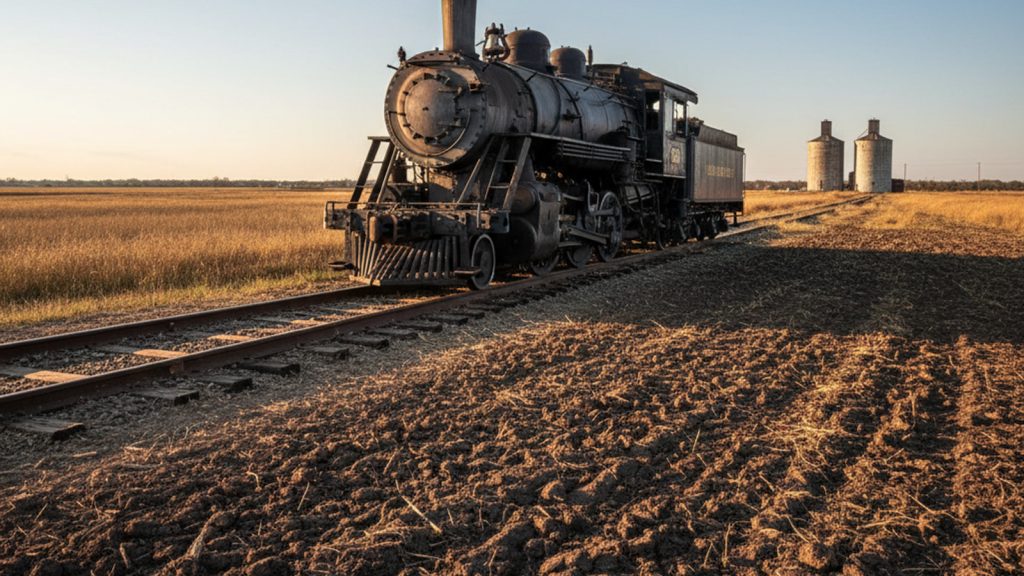
  • TrainTopia (Museum of the American Railroad): This features a massive model train exhibit that is mesmerizing to watch. You can also take walking tours of real, vintage locomotives and cars outside.

Museums, Arts & Culture

Frisco isn’t just about touchdowns and tee times. There is a growing cultural scene here that offers a nice change of pace.

Texas Sculpture Garden Located at HALL Park, this is the largest private collection of contemporary Texas sculpture available to the public. It is free to walk around, and the winding trails take you past incredible works of art set against lakes and fountains. It’s a peaceful spot to grab a coffee and take a walk.

Frisco Heritage Museum To understand where we came from, stop by the Heritage Museum. It chronicles the transition of the area from a small railroad stop to the boomtown it is today. They have vintage cars, historic buildings, and plenty of local lore.

Frisco Discovery Center This is the hub for the local arts scene. It houses the Black Box Theater and an art gallery. If you are looking for community theater or local art exhibitions, this is usually where they are happening.

Shopping & Dining: The Rail District to The Star

When it comes to food and shopping, Frisco is split between the ultra-modern and the charmingly historic.

The Rail District This is Frisco’s historic downtown. Over the last few years, the city has poured resources into revitalizing this area. While some construction has been wrapping up in 2026, the businesses are vibrant. Check out The Heritage Table for scratch-made food in a converted Victorian home, or grab a local pint at Three Empires Brewing. It has a much more “local” vibe than the big developments.

The Star District On the other end of the spectrum is The Star District. This is where you go for upscale dining and nightlife. Places like Dee Lincoln Prime offer high-end steakhouses experiences perfect for a date night or a business dinner. It’s polished, energetic, and very walkable.

Legacy West While technically just across the border in Plano, it’s worth mentioning because it’s so close to the Frisco real estate market action. It’s a massive open-air shopping dining district that many Frisco residents frequent for high-end brands and food halls.

Free Things to Do in Frisco for Families

You don’t have to spend a fortune to have a good time here. There are plenty of high-quality spaces that are completely free to enjoy.

  • Kaleidoscope Park: Opened in October 2024, this 5.7-acre park is the city’s newest gathering space. The centerpiece is a stunning net sculpture by Janet Echelman that glows at night.
  • Central Park: This isn’t New York, but our Central Park is famous for the “Cattle Drive” bronze sculptures. It’s a great photo op and a nice place for a walk.
  • Frisco Public Library: The new building opened in 2023 and it is architecturally stunning. The highlight for kids is “Rex,” a life-size T-Rex skeleton replica in the main atrium.
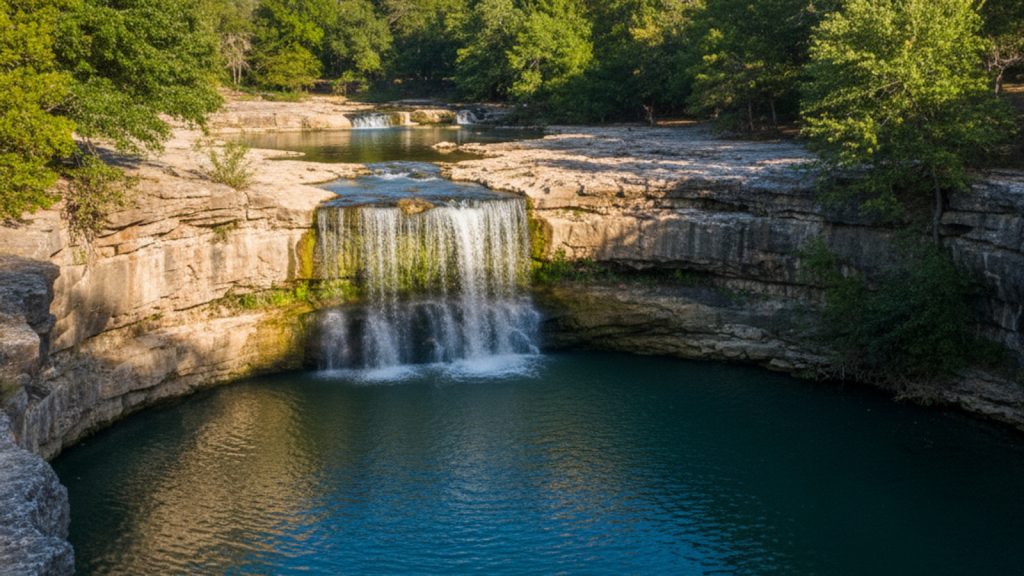
  • Limestone Quarry Park: If you want a bit of nature, this park offers hiking trails and views of a waterfall carved out of the limestone. It feels miles away from the city traffic.

Plan Your Visit: Weather, Safety & Logistics

If you are planning a trip, here are a few practical things you should know to make your visit smoother.

Getting Around You really need a car here. Frisco is spread out, and while ride-share apps like Uber and Lyft are readily available, having your own vehicle is the most convenient way to hop between The Star and the Rail District.

Best Time to Visit Spring and Fall are the sweet spots. April brings the wildflowers, and October brings perfect patio weather (and football season). Summer can be intense with the heat, so plan for indoor activities like the Videogame Museum if you visit in July.

Safety Frisco consistently ranks as a low-crime city based on FBI data. It is generally very safe to walk around the entertainment districts at night, though standard big-city precautions always apply.

Frequently Asked Questions

What is Frisco, Texas, known for?

Frisco is widely known as “Sports City USA.” It is the headquarters for the Dallas Cowboys, the PGA of America, and is home to multiple professional sports venues including The Star, Toyota Stadium, and Riders Field.

Is Frisco or Plano better for tourists?

It depends on what you are looking for. Frisco offers newer developments, the PGA district, and a focus on sports entertainment, while Plano has a more established downtown arts district and the massive Legacy West shopping area. Both are excellent, but Frisco tends to feel newer and more sports-centric.

Are there free activities in Frisco?

Yes, there are several excellent free options. You can visit the Texas Sculpture Garden, explore the new Kaleidoscope Park, see the cattle sculptures at Central Park, or visit the Frisco Public Library to see the dinosaur exhibit without spending a dime.

What is opening in Frisco in 2026?

The biggest addition for 2026 is the Universal Kids Resort, a theme park designed specifically for younger children. Additionally, the major revitalization projects in the historic Rail District are scheduled to be fully completed this year, bringing new walkability to downtown.

Posted in: Area

Cost of Living in Frisco, TX: A 2026 Budget Guide

If you are looking at homes for sale in Frisco, you have likely heard the buzz. This isn’t just a bedroom community anymore; with major developments like The Star and the new PGA Frisco, this city has become a massive destination for relocation. But with that growth comes a very real question: Can I actually afford to live there?

Let’s be honest—Frisco has a reputation for being affluent. The cost of living here is roughly 12% higher than the national average, and the “sticker shock” on housing can be real for people moving from other parts of the Midwest or South. However, many residents find that the premium price tag is worth it for the modern infrastructure, low crime rates, and top-tier amenities.

When budgeting for a move here, you have to understand the “Texas Trade-off.” We don’t have a state income tax, which sounds great on payday, but the state makes up for that revenue through property taxes and toll roads. Below, we’ll break down exactly what those numbers look like for 2026 so you can build a realistic budget.

Housing Costs: Buying vs. Renting

Housing is going to be your biggest line item, and the market here has shifted quite a bit over the last year. While prices remain higher than the Texas average, we are seeing a shift toward a buyer’s market. Recent reports show inventory is up significantly—about 85% year-over-year—which means buyers finally have some room to negotiate.

Buying a Home

If you are planning to buy, you need to be prepared for the price point. As of January 2026, the median home price in Frisco sits around $648,000. While that is a slight cooling from the peak frenzy of a few years ago, it is still a significant investment. The good news is that the higher inventory levels mean you aren’t rushing into bidding wars as often as you might have in 2022.

The Rental Market

For those not ready to commit to a mortgage, renting is a popular way to get a feel for the area. However, renting a single-family home here isn’t cheap. You can expect median rents to range between $2,100 and $2,400 per month.

There is a distinct price difference depending on what you rent. Luxury apartment complexes near the Dallas North Tollway will command premium pricing similar to single-family homes, while older apartments further from the main arteries offer more competitive rates.

The “Hidden” Cost: Frisco Property Taxes Explained

This is the section that usually surprises newcomers the most. If you are moving from a state with income tax, you might think you are getting a raise. But you have to account for property taxes, which are higher here than in many other states.

In Frisco, your total tax bill is a “layer cake” composed of taxes from the City, the County (either Collin or Denton), the School District (Frisco ISD), and the local College District. When you add all these jurisdictions together, the total estimated tax rate usually lands between 1.8% and 2.1% of the assessed value.

Here is a rough breakdown of where that money goes:

  • Frisco ISD Tax Rate: Approximately $1.0194 per $100 valuation (based on 2025 adopted rates). This is the largest chunk of your bill.
  • City Tax Rate: Approximately $0.42 per $100 valuation.

The most important thing to remember is the Homestead Exemption. If this is your primary residence, filing for this exemption is critical. It caps the amount your taxable value can increase each year and knocks a significant portion off the taxable value of your home for school district taxes.

Utility Bills: Preparing for Summer Spikes

When budgeting for living in Frisco, you cannot look at a monthly average and call it a day. You have to budget for seasonality. The weather here is extreme, and your electricity bill will reflect that.

Texas has a deregulated electricity market, meaning you have the “Power to Choose” your provider. While this allows you to shop for rates, the average electricity rate for 2026 is hovering around $0.13 to $0.14 per kWh.

The real kicker is the air conditioning. In July and August, when temperatures consistently hit triple digits, AC units run non-stop. It is not uncommon for a standard 2,500-square-foot home to see summer bills exceeding $250.

For a standard family home, you should budget a total of $350 to $450 per month for all utilities combined. This includes electricity, gas (common for heating and cooking), and the city bill, which covers water, sewer, and trash services.

Transportation: Tolls and Commuting

Frisco is a car-dependent city. While there are some walkable pockets like Frisco Square or The Star, public transit is virtually non-existent for daily commuting. Most households here own two cars.

If you are commuting from Frisco to Dallas or Plano, you will likely rely on the Dallas North Tollway (DNT) or the Sam Rayburn Tollway (SRT). These are not free highways. To keep costs down, you absolutely must get an NTTA TollTag. Without one, the “ZipCash” (pay-by-mail) rates are roughly double.

Even with the tag, tolls add up. The rate increased in July 2025 to roughly $0.22 per mile. For a daily commuter driving to downtown Dallas, toll costs can easily exceed $1,800 per year. While gas prices here are generally lower than the national average, the high mileage required to get around the metroplex balances that savings out.

Daily Living: Groceries, Healthcare, and Sales Tax

Once you get past the fixed costs of housing and cars, the day-to-day variable expenses are actually quite reasonable.

  • Groceries: We have a highly competitive grocery market. With heavy hitters like HEB, Kroger, Whole Foods, and Walmart all within a short drive, prices tend to stay 4% to 9% lower than the national average.
  • Sales Tax: Be ready for a total sales tax of 8.25% on non-essential goods.
  • Healthcare: Medical costs in the area track slightly higher than the national average (about +4%), but access to care is excellent with major hospital systems located right in town.
  • Entertainment: You have choices here. You can spend money on premium experiences like FC Dallas games or dining at The Star, but there is also an abundance of free amenities, including massive community parks and hiking trails.

What Salary Do You Need to Live in Frisco?

So, what is the bottom line? To live comfortably here—meaning you can cover housing, save for retirement, and enjoy the local lifestyle without financial stress—you need a solid income.

The median household income in Frisco is approximately $146,000, which reflects the area’s affluence.

  • For a Single Adult: To afford a decent one-bedroom apartment and cover vehicle costs, a salary of $80,000 to $90,000 is recommended.
  • For a Family of Four: To buy a home and support two children comfortably, you should aim for a household income of $130,000 to $150,000+.

Is Frisco Worth the Price Tag?

Frisco is no longer the “cheap” Texas suburb it was twenty years ago. It is a premium market. However, when you look at what you get—access to the highly-rated Frisco Independent School District, modern roads, incredible safety, and proximity to major job hubs—the value proposition is strong.

If you are looking for rock-bottom costs, this might not be the spot. But if you are prioritizing lifestyle, amenities, and long-term property value, the cost of living in Frisco is an investment that many find worthwhile.

Frequently Asked Questions

Is it expensive to live in Frisco, Texas?

Yes, living in Frisco is generally more expensive than the Texas average and roughly 12% higher than the national average. The primary driver of this cost is housing, with median home prices significantly higher than neighboring communities, though daily expenses like groceries remain competitive.

What is a good salary for a family in Frisco, TX?

For a family of four to live comfortably, own a home, and handle property taxes without stress, a household income of $130,000 to $150,000 or more is recommended. This aligns with the local median household income, which is roughly $146,000.

Does Frisco have state income tax?

No, Texas does not have a state income tax. This is a major financial benefit for residents, though it is important to budget for higher property taxes and sales taxes, which are used to fund local services and schools.

How much are utilities in Frisco per month?

You should budget between $350 and $450 per month for total utilities in a standard single-family home. Keep in mind that electricity bills are highly seasonal; summer cooling costs can easily push your electric bill over $250 alone during July and August.

Posted in: Area

Is Frisco, TX Safe? A Data-Driven Guide for New Residents

If you are looking into homes for sale in Frisco, you have likely heard the buzz. Frisco frequently dominates the headlines as one of the safest cities in the United States. It is a massive draw for people moving to North Texas, and for good reason.

But as a local, I know that “safety” means more than just crime statistics. It’s about whether you feel comfortable walking your dog at night, how the roads handle the morning commute, and what happens when the Texas weather turns severe. While Frisco’s population has exploded to around 235,000 residents, it has managed a rare feat: maintaining a small-town safety profile despite big-city growth.

In this guide, we are going to look past the marketing brochures and dig into the real numbers for 2025 and 2026. We will cover crime rates, environmental risks, and infrastructure so you can decide if Frisco is the right fit for you.

Frisco Crime Rates vs. National Averages (2026 Data)

Let’s start with the question on everyone’s mind: crime. When you look at the data from sources like SmartAsset and MoneyGeek, Frisco consistently ranks in the #1 or #2 spots for safety nationwide. The numbers back this up, especially when you compare them to national baselines.

Violent Crime Violent crime in Frisco is exceptionally low. Recent data indicates a rate of approximately 86 to 95 incidents per 100,000 people. To put that in perspective, that is a fraction of the national average. It is one of the main reasons residents feel comfortable in the best neighborhoods in Frisco, even after dark.

Property Crime While violent crime is rare, property crime is the most common issue here, though it is still lower than the national average. This usually looks like “crimes of opportunity”—things like porch piracy or theft from unlocked vehicles. The economic impact of crime here is remarkably low; the cost of crime per capita in Frisco is estimated around $287, whereas the national average hovers near $2,178.

The Bottom Line

  • Violent Crime: Extremely rare compared to US averages.
  • Traffic Fatality Rate: 1.59 per 100k (significantly lower than nearby major cities).
  • Rankings: Consistently top-tier in 2024/2025 reports from SmartAsset and MoneyGeek.

Environmental Risks: Tornadoes, Hail, and Weather Safety

If the crime stats look too good to be true, here is the reality check: the weather. Living in North Texas means dealing with the elements, and this is the one area where new residents need to be vigilant.

Tornado Risk Frisco is located in a higher-risk zone for tornado activity, with a risk score hovering near 99/100. While direct hits from massive storms are statistically rare, they do happen. For example, in March 2024, a minor tornado (EF0) touched down near the UNT Frisco campus. It caused minimal damage, but it served as a reminder that severe weather is a part of life here.

Hail and Wind Frankly, hail is the safety risk that is most likely to impact your wallet. High winds and hail are the most frequent causes of property damage in the region, affecting roofs and parked cars. When budgeting for a move, it is smart to look closely at insurance deductibles regarding wind and hail.

Emergency Preparation The city is well-prepared for this. Frisco utilizes an extensive Outdoor Warning Siren System to alert residents of severe weather. Most locals also rely on weather apps and weather radios. The summer heat is another safety factor; with days consistently topping 100°F, staying hydrated and avoiding midday sun is mandatory.

Infrastructure & Health: Water, Roads, and Hospitals

Safety also covers the infrastructure you use every day. From the water coming out of your tap to the roads you drive on, Frisco generally scores very high marks.

Water Quality You might see questions online about water safety, but the official reports are solid. The Texas Commission on Environmental Quality (TCEQ) rates Frisco’s water supply as “Superior,” which is the highest rating a water system can achieve in the state. According to the 2025/2026 Annual Water Quality Report, the city meets or exceeds all federal safety standards.

Road Safety Traffic is a common complaint in any growing city, but strictly speaking, Frisco roads are safe. The traffic fatality rate is roughly 1.59 per 100,000 people. For context, the rate in Dallas is roughly eight times higher (around 14.42 per 100k).

Areas of Caution That said, congestion can create risks. High-volume areas like the intersection of US 380 and Dallas Parkway, as well as stretches of Preston Road, require extra defensive driving.

Healthcare Access If you have a medical emergency, you are in good hands. Frisco is home to major medical centers, including Baylor Scott & White and Texas Health, ensuring that high-level care is just minutes away for most residents.

For a deeper dive into the daily logistics of the city, you might want to read about living in Frisco pros and cons.

Community Demographics & Inclusivity

A common question for anyone relocating is, “Will I fit in?” Frisco has become increasingly diverse over the last decade, transforming from a quiet exurb into a cultural melting pot.

Who Lives Here? According to recent 2026 Census estimates, the population breakdown is approximately:

  • White: ~48%
  • Asian: ~28%
  • Hispanic: ~13%
  • Black: ~9%

Safety Sentiment Physical safety is high across all demographics. Whether you are browsing forums like Reddit or talking to neighbors, the consensus is that residents of all backgrounds feel physically secure in their homes and public spaces.

Community FeelFrisco ISD is known for its diversity, particularly its high Asian student population, which has fostered a variety of cultural events and inclusion initiatives. However, some residents note in online discussions that for specific cultural hubs—like niche grocery stores or specific dining scenes—they sometimes travel to neighboring Plano or Dallas. While Frisco is catching up rapidly, it is still developing its own deep cultural roots compared to the older suburbs.

Safety Comparison: Frisco vs. Plano, McKinney, and Dallas

When you are looking at the metroplex, it helps to compare Frisco to its neighbors.

Frisco vs. Dallas The difference here is stark. Frisco is exponentially safer than Dallas regarding both violent crime and traffic incidents. The “Frisco Bubble” is a real feeling; the transition from the dense urban environment of Dallas to the manicured streets of Frisco is immediate.

Frisco vs. Plano and McKinney This comparison is much closer. Plano and McKinney are also consistently ranked as some of the safest cities in America.

  • Plano: Very comparable to Frisco, though an older city with slightly different infrastructure.
  • McKinney: Also incredibly safe, with a historic downtown feel.

In recent 2025 and 2026 studies, Frisco often edges out its neighbors slightly in safety rankings, but the difference is marginal. You really can’t go wrong with any of the three if safety is your priority. If you are torn between them, checking out guides on Frisco vs Plano or Frisco vs McKinney might help you decide based on lifestyle rather than just crime stats.

Verdict: Is Frisco a Good Place to Live?

So, is Frisco safe? By almost every statistical measure, the answer is a resounding yes.

For Families: The combination of low violent crime and a “Superior” rated water system makes it a top-tier choice. The biggest “threat” you are likely to face is a severe thunderstorm or a hailstorm, not criminal activity.

For Commuters: While traffic on US 380 can be stressful, the roads are statistically much safer than those in the urban core of Dallas.

Overall, Frisco remains one of the safest cities in the nation. As long as you prepare for the Texas weather and practice defensive driving in construction zones, it is an excellent place to put down roots.

Frequently Asked Questions About Frisco Safety

Is Frisco TX safe from tornadoes?

Frisco is located in a high-risk zone for tornadoes, consistent with the rest of North Texas. While direct hits are statistically rare, the city takes this risk seriously with a robust siren system. A minor tornado did touch down near UNT Frisco in March 2024, so having a weather plan is essential.

Is Frisco tap water safe to drink?

Yes, Frisco’s tap water is safe. The Texas Commission on Environmental Quality (TCEQ) has rated the city’s water system as “Superior,” which is the highest rating available. The water meets or exceeds all federal safety standards.

What is the crime rate in Frisco Texas?

Frisco has one of the lowest crime rates in the country. The violent crime rate is approximately 86 incidents per 100,000 people, which is significantly below the national average. Property crime is also low, though it is the most common type of police report filed in the city.

Is Frisco safer than Plano?

Both cities are exceptionally safe and frequently appear at the top of national safety rankings. In recent 2025 and 2026 studies, Frisco often ranks slightly higher than Plano, but the difference is minimal. Both offer a safety profile far superior to national averages.

Posted in: Area

Posts navigation

  • « Previous Page
  • 1
  • 2
Bale Real Estate Group
(972) 469-0332
TREC - Information About Brokerage Services
TREC - Consumer Protection Notice
Site created by Michael Tritthart Team. | View Privacy Policy