Top 1% Frisco & Plano Realtors | Bale Real Estate GroupTop 1% Frisco & Plano Realtors | Bale Real Estate Group

Top 1% North Texas luxury real estate team with $50M+ in sales and 80+ 5-star reviews. Frisco, Plano, Preston Hollow & North Dallas.

  • Home
  • Search
  • Communities We Serve
    • Allen
    • Aubrey
    • Celina
    • Coppell
    • Dallas
      • Oakdale
    • Frisco
      • Chapel Creek
      • Country Club Ridge at The Trails
      • Custer Creek Farms
      • Edgestone at Legacy
      • Griffin Parc
      • Heather Ridge Estates
      • Newman Village
      • Park Place Estates
      • Phillips Creek Ranch
      • Richwoods
      • Shaddock Creek Estates
      • Starwood
      • Stonebriar
      • The Canals at Grand Park
      • The Fairways
      • The Hills of Kingswood
      • Villages of Stonebriar Park
    • McKinney
    • Park Cities
    • Plano
      • Avignon Windhaven
      • Cliffs of Gleneagles
      • Crystal Creek
      • Deerfield
      • Kings Gate
      • Lakeside on Preston
      • Normandy Estates
      • Shoal Creek
      • Wentworth Estates
      • Willow Bend Polo Estates
      • Willow Bend
      • Windrose Tower
    • Preston Hollow
    • Princeton
    • Prosper
    • Southlake
  • Buyers
    • Buying a Home in Dallas
    • 8 Steps to Buying a Home
    • First-Time Home Buyers
    • Smart Buyer Strategy
      • DFW Property Taxes
      • HOA Communities in North Texas
      • Homestead Exemptions
      • MUD and PID Districts
      • Cost of Home Ownership
    • Home Loan Process
      • Credit Score Requirements
      • Mortgage Pre-Approval
      • How Much Home Can You Afford?
      • Down Payment Options
      • Interest Rates Explained
    • Relocating to North Dallas
      • Choosing the Right Community & Location
      • School Districts
      • Commute Considerations
      • Community Comparisons
      • Cost of Living
    • New Construction Buyer Representation
    • Offer Strategy
      • What Happens After the Seller Accepts Your Offer on a Home?
    • Home Inspections
    • Buyer Closing Costs
    • Military & Veteran Services
    • Buying and Selling at the Same Time
      • Downsizing & Rightsizing
  • Sellers
    • Selling Your Home in North Dallas
    • 8 Steps to Selling a Home
    • Pre-Listing Appointment
    • Preparing Your Home for Sale
    • Certified Pre-Owned Home Listing Program
    • Marketing Your Home for Maximum Exposure
      • Professional Photography
      • Drone Photography
      • Zillow Showcase
      • Social Media Marketing
      • Digital Advertising
    • Strategic Pricing & Market Positioning
    • Seller Closing Costs & Net Proceeds
      • Calculate Your Estimated Seller Net Proceeds
    • Offer Strategy & Seller Protection
      • What Happens After You Accept an Offer on Your Home?
    • Buying and Selling at the Same Time
      • Downsizing & Rightsizing
  • Our Advantage
    • Why Sellers Hire Bale Real Estate Group
    • Why Buyers Choose Bale Real Estate Group
    • Meet the Team
    • Real Producers: Cover Story
    • Our Story
    • Client Testimonials
    • Proven Results
    • Certified Pre-Owned Home Listing Program
    • Zillow Showcase
    • Professional Home Staging
    • Concierge Vendor Network
    • Videos
  • Blog
  • Contact

What Should Buyers Know About Aging Major Systems in Starwood?

One of the most important questions when buying an established luxury home in Starwood is not simply how beautiful the property looks today. Buyers should also understand the age, condition, maintenance history, and potential replacement costs of the home’s major systems.

A beautifully updated kitchen or renovated primary bathroom may attract immediate attention, but the roof, HVAC equipment, plumbing, electrical systems, water heaters, pool equipment, windows, and other less-visible components can have a major effect on future ownership costs.

Gary and Linda Bale with Bale Real Estate Group help Starwood buyers look beyond finishes and evaluate the entire property so they can make a more informed purchase decision.

An older system is not automatically a bad system.
The more useful questions are: How old is it? How has it been maintained? Is it operating properly? What does the inspection show? And what is the likely cost if replacement becomes necessary?

Current Starwood Homes for Sale

Starwood homes vary significantly in age, renovation level, mechanical equipment, outdoor amenities, and maintenance history. Comparing current listings can help buyers understand how different properties are positioned.

No Results Found.

Why Major Systems Matter in an Established Luxury Community

Starwood includes established custom and semi-custom luxury homes. Two properties with similar square footage and appearance can have very different future ownership costs depending on the age and condition of their major components.

Buyers should pay particular attention to:

  • Roofing
  • Heating and air-conditioning systems
  • Water heaters
  • Plumbing
  • Electrical panels and components
  • Windows and exterior doors
  • Swimming-pool equipment
  • Drainage
  • Irrigation
  • Appliances
  • Fireplaces and chimneys
  • Specialty home systems

For additional guidance on evaluating a property, review our Home Inspections resource and Home Buying Tips.

How Should Buyers Think About an Older Roof?

Roof age can become an important consideration because replacement can represent a significant future expense. However, age by itself does not determine whether a roof currently needs replacement.

Buyers should consider:

  • Approximate roof age
  • Roofing material
  • Visible wear or damage
  • Previous storm claims
  • Prior repairs
  • Evidence of active leaks
  • Inspection findings
  • Potential insurance considerations

If the general home inspector identifies concerns, a qualified roofing professional may be appropriate for additional evaluation.

HVAC Systems Can Be a Significant Ownership Expense

Larger Starwood homes may have multiple heating and cooling systems or multiple zones. That makes HVAC condition especially important.

A buyer should try to understand:

  • Approximate age of each unit
  • Number of systems serving the home
  • Maintenance history
  • Recent repairs
  • Operating condition
  • Whether all zones cool and heat properly
  • Potential replacement timing

An older HVAC system that has been maintained properly may continue operating for years. At the same time, buyers should be financially prepared for the possibility that older equipment may require significant repairs or replacement sooner than newer equipment.

Do not evaluate a luxury home’s HVAC system as though there is only one unit.
A larger Starwood property may have multiple systems, which can materially change both maintenance and eventual replacement costs.

Water Heaters and Plumbing

Buyers should also evaluate water heaters, visible plumbing, fixtures, drains, supply lines, and indications of previous leaks or water damage.

Important questions can include:

  • How old are the water heaters?
  • Are there multiple water heaters?
  • Have plumbing leaks occurred?
  • Are there signs of corrosion?
  • Are fixtures functioning properly?
  • Has plumbing been modified during renovations?
  • Are there any moisture concerns?

An inspection may identify conditions that deserve further review by a licensed plumber.

Electrical Systems Deserve Careful Review

Electrical concerns should not be evaluated solely by whether the lights turn on.

A home inspection may examine electrical panels, outlets, wiring observations, grounding, GFCI protection, fixtures, and other safety-related components.

Renovated luxury homes can also have extensive lighting, smart-home equipment, pool equipment, outdoor kitchens, media rooms, and other electrical loads that make a professional review particularly important when concerns are identified.

Pool and Spa Equipment Can Add Another Layer of Cost

Many luxury buyers value a pool and outdoor-living environment, but pool ownership also introduces additional equipment and maintenance responsibilities.

Depending on the property, buyers may need to evaluate:

  • Pool pumps
  • Filters
  • Heaters
  • Automation systems
  • Cleaning equipment
  • Lighting
  • Spa equipment
  • Water features
  • Plumbing
  • Pool-surface condition

Older equipment does not automatically make a property undesirable. It simply means buyers should understand what they are purchasing and consider potential replacement costs when evaluating the home’s overall value.

Windows Can Be Expensive to Replace

Window condition may receive less attention than kitchens, flooring, or pools during an initial showing, but replacing a large number of windows in a luxury home can represent a significant expense.

Buyers should look for:

  • Failed seals
  • Fogging between panes
  • Difficulty opening or closing
  • Visible damage
  • Water intrusion
  • Previous replacements
  • Age and efficiency

Should Buyers Avoid a Home With Older Systems?

No. A home with older systems can still be an excellent purchase.

The real issue is whether the buyer understands the condition of those systems and whether the purchase price appropriately reflects the home’s overall condition.

For example, a buyer may reasonably prefer:

  • A well-maintained older system over a poorly maintained newer one
  • A lower purchase price that leaves room for future improvements
  • A home with the ideal lot and floor plan even if some equipment will eventually need replacement
  • An unrenovated property that allows the buyer to make improvements personally

Our guide to Cost of Home Ownership can help buyers think about ongoing ownership expenses beyond the purchase price. :contentReference[oaicite:2]{index=2}

Updated vs. Unrenovated Starwood Homes

Major-system age becomes especially important when comparing an updated property with a less-renovated home.

An updated home may have beautiful finishes but still retain older HVAC equipment, roofing, windows, or pool systems. Conversely, a cosmetically dated home may have newer mechanical components.

That is why buyers should avoid assuming that “updated” automatically means “everything is new.”

A better comparison considers both visible improvements and less-visible systems.

Review Buying an Updated vs. Unrenovated Home in Starwood when comparing these tradeoffs.

Why a Thorough Home Inspection Matters

A home inspection helps buyers understand the condition of the property before completing the purchase.

For Starwood luxury homes, buyers may also decide that specialist evaluations are appropriate for certain systems or concerns.

These can include:

  • Roofing contractor
  • HVAC professional
  • Plumber
  • Electrician
  • Structural engineer or foundation professional
  • Pool specialist
  • Window specialist
  • Drainage professional

Read How Home Inspections Protect Luxury Buyers in Starwood Frisco TX for the community-specific inspection strategy.

Should Buyers Obtain Repair or Replacement Estimates?

For potentially significant concerns, obtaining additional information may help a buyer make a more informed decision.

If an inspector recommends further evaluation, an estimate or specialist opinion can help buyers distinguish between:

  • A routine maintenance item
  • A relatively minor repair
  • A component approaching the end of its useful life
  • A significant immediate expense

This information may also help buyers evaluate whether to proceed with the purchase, renegotiate when contractually appropriate, or simply budget for future ownership expenses.

How Major Systems Should Affect an Offer

Major-system age is only one part of determining what a Starwood home is worth to a particular buyer.

Buyers should also evaluate:

  • Lot location
  • Privacy
  • Floor plan
  • Square footage
  • Renovation quality
  • Pool and outdoor living
  • Overall condition
  • Current competing inventory
  • Recent comparable sales
  • Expected future ownership costs

Our Offer Strategy resource explains why a purchase offer should account for more than just the asking price. :contentReference[oaicite:3]{index=3}

Helpful Starwood Buyer Resources

  • Starwood Community Guide
  • Starwood Homes for Sale
  • Best Realtor to Help Me Buy a Home in Starwood
  • Home Inspections for Starwood Luxury Buyers
  • How to Compare Two Luxury Homes in Starwood
  • Starwood HOA Rules and Community Standards
  • What Does It Cost to Own a Luxury Home in Starwood?
  • Buyer Services
  • Home Buying Tips
  • Cost of Home Ownership
  • Offer Strategy
  • Home Inspections
  • Why Buyers Choose Bale Real Estate Group
  • Client Testimonials
  • Proven Results
  • Meet Gary & Linda Bale

Helpful Videos for Starwood Buyers

Watch Linda Bale: Frisco Real Estate

Learn more about Frisco and the local real estate market from Linda Bale.

Watch Linda Bale’s Frisco video →

Determining What Home You Can Afford

Understanding future repair and replacement costs is part of determining a comfortable total homeownership budget.

Watch the home affordability video →

The Frisco and affordability videos above are in the approved Bale video source.

Frequently Asked Questions About Aging Major Systems in Starwood

Should I avoid a Starwood home because the HVAC systems are older?

Not necessarily. Age is one factor, but buyers should also consider maintenance history, current operating condition, inspection findings, and potential future replacement costs.

Does an older roof automatically need to be replaced?

No. Roof age should be considered together with condition, roofing material, previous repairs, storm history, inspection findings, and any insurance considerations.

Should I get specialist inspections in addition to a general home inspection?

Sometimes. A general inspector may recommend additional evaluation by a roofer, HVAC professional, plumber, electrician, structural professional, pool specialist, or another qualified expert when a concern requires deeper analysis.

How should older systems affect my offer?

Buyers should consider major-system condition along with location, floor plan, renovation level, comparable sales, competing inventory, and expected future ownership costs when developing an offer strategy.

Is an updated Starwood home likely to have newer mechanical systems?

Not always. Cosmetic renovations and mechanical replacements occur independently. Buyers should verify the age and condition of major systems rather than assuming an updated interior means the roof, HVAC, windows, water heaters, or pool equipment were also replaced.

Should buyers ask for repair estimates?

For potentially significant issues, estimates or specialist evaluations can help buyers better understand the likely scope and financial impact before making a decision.

Who can help buyers evaluate Starwood homes beyond cosmetic appearance?

Gary and Linda Bale with Bale Real Estate Group help Starwood buyers compare properties, understand inspection findings, evaluate major systems, develop offer strategies, and navigate the purchase from home search through closing.

Look Beyond the Finishes

A luxury home should be evaluated as a complete property.

A beautiful kitchen, dramatic entry, pool, or renovated primary suite may be important, but those features should not distract buyers from evaluating roofing, HVAC, plumbing, electrical systems, windows, pool equipment, drainage, and other components that can influence future ownership costs.

The goal is not to find a home with nothing that will ever require maintenance.
The goal is to understand what you are buying, identify meaningful risks, and make a purchase decision with realistic expectations about future ownership.

Considering a Home in Starwood?

Gary and Linda Bale can help you compare Starwood properties beyond surface appearance and understand how lot location, renovation level, home condition, major-system age, inspection findings, future ownership costs, and resale considerations fit together.

That additional analysis can be particularly valuable when choosing between two luxury homes that may look similar online but have very different long-term ownership profiles.

Talk With Gary & Linda Bale About Buying in Starwood

Clarity First. Pressure Never.

We can help you evaluate the home, the systems, the inspection findings, and the overall purchase—not simply the asking price.

Gary & Linda Bale
Bale Real Estate Group

Call or Text: 972-469-0332
Email: info@balerealestategroup.com

Schedule a Buyer Conversation

View Starwood Homes for Sale

Why Buyers Choose Bale Real Estate Group

Posted in: Buyer Resources, Luxury Living, Starwood Tagged: #FriscoRealEstate, #HomeBuyers, #HomeInspections, #LuxuryHomes, #Starwood, #StarwoodFrisco

From Contract to Closing in Starwood

Accepting an offer on your Starwood home is a major milestone, but closing the transaction is the real goal. Once a contract is signed, the sale enters one of its most deadline-sensitive stages.

Between contract acceptance and funding, sellers may need to navigate inspections, repair negotiations, appraisal, buyer financing, title work, HOA documentation, lender conditions, final preparations, the buyer’s final walkthrough, closing, and possession.

Gary and Linda Bale with Bale Real Estate Group remain actively involved throughout this phase. The objective is to anticipate problems, protect important deadlines, keep all parties communicating, and help the seller make informed decisions before an issue threatens the transaction.

Under contract is a milestone. Closed and funded is the finish line.
A strong contract-to-close strategy is built around proactive communication, deadline management, problem solving, and protecting the seller’s financial and timing priorities.

Current Starwood Homes for Sale

Even after your Starwood home goes under contract, current neighborhood inventory remains relevant. Buyers, appraisers, lenders, and agents may continue evaluating your property against competing and recently sold homes.

No Results Found.

What Happens After a Starwood Seller Accepts an Offer?

Once the contract is executed, several parts of the transaction begin moving at the same time.

Depending on the terms of the agreement, the early contract-to-close process may involve:

  • Earnest money and option-fee deadlines
  • Opening the title file
  • Buyer financing and lender communication
  • Inspection scheduling
  • Review of seller and property documents
  • HOA resale-document coordination
  • Repair-request deadlines
  • Appraisal preparation
  • Title, survey, and document review
  • Monitoring financing and closing conditions

For a broader overview of this stage, review What Happens After You Accept an Offer on Your Home.

Starwood homeowners preparing to sell can also review our Seller Services and Why Sellers Hire Bale Real Estate Group resources.

The Option Period and Home Inspection

For many transactions, the first major post-contract milestone is the buyer’s inspection and option period.

Starwood luxury homes can include more systems, amenities, and specialty components than a typical property, which means inspections can be more detailed.

Depending on the home, inspectors may evaluate:

  • Roofing
  • Foundation and structural observations
  • HVAC systems
  • Electrical components
  • Plumbing
  • Windows and doors
  • Drainage
  • Pools and spas
  • Outdoor kitchens
  • Fireplaces
  • Appliances
  • Irrigation
  • Attic insulation and ventilation
  • Previous renovations or additions

For additional guidance, visit our Home Inspections resource.

Repair Negotiations Can Determine Whether the Transaction Stays Together

After the inspection, the buyer may request repairs, financial concessions, specialist evaluations, a price adjustment, or another negotiated solution.

The seller should evaluate the request as part of the entire transaction rather than reacting to the inspection report item by item.

Important considerations include:

  • The seriousness of the inspection concern
  • The negotiated sales price
  • Concessions already made during the initial offer negotiation
  • The buyer’s contractual rights
  • The cost of the requested solution
  • Whether another buyer would likely identify the same concern
  • Current Starwood competition
  • The seller’s timing priorities
  • The financial risk of returning to the market

For a detailed Starwood-specific discussion, read How to Handle Inspection and Repair Negotiations in Starwood.

You can also review our Offer Strategy & Seller Protection resource.

The goal is not simply to minimize every repair expense.
The better question is which response gives the seller the strongest probability of reaching closing on acceptable financial terms.

Why Pre-Listing Preparation Can Make Contract-to-Close Easier

Some problems that appear after the contract is signed can be reduced before the property ever reaches the market.

Bale Real Estate Group’s Certified Pre-Owned Home Listing Program begins with a professional pre-listing inspection designed to help sellers identify significant concerns before buyers discover them during the option period.

That preparation can give sellers more time to evaluate repairs, obtain estimates, complete selected work, and gather documentation without the pressure of a short contractual deadline.

Starwood homeowners can learn more in How Pre-Listing Inspections Help Starwood Home Sellers.

Watch Linda Bale: Certified Pre-Owned Home Listing Program

Linda explains how identifying potential concerns before listing can help sellers reduce surprises once a buyer conducts an inspection.

Watch the Certified Pre-Owned Home Listing Program video →

The Appraisal

If the buyer is financing the purchase, the lender may require an appraisal to provide an independent opinion of the property’s value.

Appraising a Starwood luxury home may require careful comparison because homes can differ significantly in:

  • Square footage
  • Lot size and location
  • Privacy
  • Architecture
  • Renovation quality
  • Kitchen and bathroom updates
  • Pool and outdoor-living features
  • Condition
  • Floor plan
  • Position within the community

A low appraisal does not automatically end the transaction, but it can create another negotiation point. The parties may need to evaluate the appraisal, financing terms, contract provisions, comparable sales, and available alternatives.

Buyer Financing Continues After the Offer Is Accepted

A buyer who was pre-approved before submitting an offer still has to complete the lender’s underwriting process.

The lender may continue evaluating:

  • Income
  • Employment
  • Assets
  • Credit
  • Debt obligations
  • Property appraisal
  • Homeowners insurance
  • Loan documentation
  • Additional underwriting conditions

This is one reason the highest offer is not always the strongest offer. Price matters, but financing quality, appraisal exposure, lender strength, contingencies, option-period terms, and the proposed closing timeline can all affect the seller’s risk.

Title, Survey, and HOA Coordination

The title company plays an important role in preparing the transaction for closing. Title work may identify ownership matters, liens, easements, restrictions, or other items that require attention before funding.

Depending on the transaction, the parties may also need to address:

  • Existing survey documentation
  • Title commitment review
  • HOA resale documents
  • Association fees or assessments
  • Transfer requirements
  • Property restrictions
  • Closing documentation

For buyers considering Starwood, our Starwood HOA Rules and Community Standards resource provides additional community-specific guidance.

You can also visit the Starwood Community Guide for neighborhood information and current homes.

Contractual Deadlines Matter

A real estate contract is deadline driven. Missing or mishandling an important date can affect the rights and obligations of the parties.

Depending on the transaction, deadlines can involve:

  • Earnest money
  • Option period
  • Financing
  • Appraisal
  • Title objections
  • HOA documentation
  • Repair agreements
  • Closing
  • Possession
A good contract-to-close process is proactive, not reactive.
The objective is to know what milestone is coming next and address potential obstacles before they become closing problems.

Communication Becomes Even More Important After Contract

Once the home is under contract, several parties may be involved simultaneously, including the seller, buyer, Realtors, lender, title company, inspectors, appraiser, contractors, HOA representatives, and insurance professionals.

Bale Real Estate Group helps coordinate communication so the seller understands what is happening and what decisions may be required.

Our involvement does not stop when the contract is signed. We remain engaged through inspections, repair negotiations, appraisal, financing, title, HOA requirements, deadlines, final walkthrough, closing, funding, and possession planning.

What Happens During the Final Week Before Closing?

As closing approaches, several final details need to come together.

These may include:

  • Confirming agreed repairs are complete
  • Providing repair receipts or documentation when appropriate
  • Monitoring final lender approval
  • Confirming title-company readiness
  • Reviewing estimated closing figures
  • Preparing for the seller’s move
  • Coordinating utilities
  • Planning keys and possession
  • Preparing for the buyer’s final walkthrough
  • Signing closing documents

The Buyer’s Final Walkthrough

Shortly before closing, the buyer generally conducts a final walkthrough of the property.

The purpose is typically to confirm that the home remains in the expected condition and that agreed repairs or other contractual obligations have been addressed.

This is why sellers should avoid leaving repairs, move-out issues, or property-condition concerns until the last minute.

Early coordination helps reduce unnecessary closing-day disputes.

Seller Closing Costs and Net Proceeds

As the transaction approaches closing, the seller should understand the estimated financial result of the sale.

Depending on the contract and the individual transaction, seller expenses may include:

  • Brokerage compensation
  • Title-related expenses
  • Negotiated buyer concessions
  • Property-tax prorations
  • HOA charges
  • Outstanding liens or loan balances
  • Repair expenses
  • Other negotiated costs

For general guidance, review our Closing Costs resource.

Understanding projected proceeds is important before accepting an offer as well. A seller should evaluate not only the headline purchase price but also concessions, repair exposure, financing risk, appraisal risk, and other costs that may affect what the seller ultimately keeps.

Why Contract-to-Close Representation Matters

A Realtor’s role should not become passive once the home goes pending.

Accepting an offer begins a deadline-driven phase involving inspections, repair negotiations, financing, appraisal, title work, HOA documentation, lender conditions, final preparations, closing coordination, funding, and possession. Bale Real Estate Group’s seller framework specifically calls for staying actively involved through this entire process. :contentReference[oaicite:0]{index=0}

Gary and Linda help sellers:

  • Track important contractual dates
  • Evaluate inspection and repair requests
  • Coordinate with the buyer’s agent
  • Monitor lender and appraisal progress
  • Follow up on title, survey, and HOA matters
  • Help coordinate contractors when repairs are required
  • Prepare for the final walkthrough
  • Review closing logistics
  • Coordinate keys and possession
  • Stay informed through funding

Helpful Bale Real Estate Group Resources for Starwood Sellers

  • Starwood Community Guide
  • Starwood Homes for Sale
  • How to Choose the Right Realtor to Sell Your Starwood Home
  • Seller Services
  • Preparing Your Home for Sale
  • Professional Home Staging
  • Certified Pre-Owned Home Listing Program
  • How Pre-Listing Inspections Help Starwood Sellers
  • Concierge Vendor Network
  • Offer Strategy & Seller Protection
  • Inspection and Repair Negotiations in Starwood
  • Home Inspections
  • Closing Costs
  • Zillow Showcase
  • Why Sellers Hire Bale Real Estate Group
  • Client Testimonials
  • Proven Results
  • Meet Gary & Linda Bale

Helpful Videos for Starwood Sellers

Certified Pre-Owned Home Listing Program

See how Bale Real Estate Group helps sellers identify potential property concerns before buyers conduct their own inspection.

Watch the Certified Pre-Owned Home Listing Program video →

Elevating the Luxury Home Selling Experience

Learn more about Bale Real Estate Group’s approach to preparation, presentation, marketing, negotiation, and seller representation.

Watch Elevating the Luxury Home Selling Experience →

Zillow Showcase Program

See how enhanced digital presentation can help a luxury listing stand out to buyers online before they schedule a showing.

Watch the Zillow Showcase Program video →

Frequently Asked Questions About Contract to Closing in Starwood

Is my Starwood home sold once I accept an offer?

No. Accepting an offer creates an executed contract, but the transaction still has to proceed through the applicable inspection, financing, appraisal, title, HOA, final walkthrough, closing, and funding stages.

What is usually the first major step after accepting an offer?

Early steps commonly include earnest money and option-fee deadlines, inspection scheduling, title-company coordination, and continued buyer financing and lender review.

Can an inspection cause a Starwood transaction to fall apart?

Yes. Depending on the contract, the buyer may have important rights during the option period. Significant inspection concerns can lead to repair or concession negotiations, which is why this stage should be managed carefully.

What happens if the appraisal is below the contract price?

The appropriate response depends on the contract and financing terms. The parties may need to evaluate the appraisal, available comparable sales, the buyer’s financing, contractual rights, and potential negotiation alternatives.

Why does the buyer’s lender still matter after the offer is accepted?

When the buyer is obtaining financing, the transaction still depends on successful underwriting and final loan approval. Lender communication can help identify financing issues before they threaten the closing date.

What does the title company do?

The title company helps prepare the transaction for closing, including title review, document coordination, closing preparation, and other matters associated with transferring ownership.

What happens during the buyer’s final walkthrough?

The buyer generally confirms the property’s condition shortly before closing and may verify that agreed repairs and other contractual obligations have been completed.

When is the sale actually complete?

The transaction is not complete simply because documents have been signed. Closing and funding must occur according to the transaction requirements before the seller should consider the sale finished.

Who helps Starwood sellers manage the contract-to-close process?

Gary and Linda Bale with Bale Real Estate Group help sellers manage the transaction from accepted offer through inspections, repair negotiations, appraisal, financing, title, HOA coordination, contractual deadlines, final walkthrough, closing, funding, and possession.

Getting Under Contract Is Not the Final Goal

A strong selling strategy should not be judged only by whether a homeowner receives an offer.

The real objective is to attract a qualified buyer, negotiate favorable terms, protect the seller during the contract period, solve problems when they arise, and successfully reach a funded closing.

From accepted offer to funded closing, the details still matter.
That is why Bale Real Estate Group stays engaged instead of simply handing the transaction off after the contract is signed.

Thinking About Selling Your Starwood Home?

If you are considering selling a home in Starwood, you do not have to wait until you are ready to put the property on the market to begin preparing.

Gary and Linda Bale can help you evaluate your home’s current condition, understand buyer expectations, identify preparation priorities, review pricing and competition, develop the marketing strategy, evaluate offers, negotiate inspection issues, and manage the sale from contract through closing.

Many homeowners begin these conversations months before they expect to move. The objective is to give you enough information to prepare on your own timeline rather than making rushed decisions after the home is already on the market.

Considering Selling Your Starwood Home?

Clarity First. Pressure Never.

Start with a conversation about your home, your timing, and what you want the sale to accomplish.

Gary & Linda Bale
Bale Real Estate Group

Call or Text: 972-469-0332
Email: info@balerealestategroup.com

Schedule a Conversation

Learn About Our Pre-Listing Appointment

Why Sellers Hire Bale Real Estate Group

Posted in: Frisco, Luxury Living, Seller Resources, Starwood Tagged: #FriscoRealEstate, #HomeSelling, #LuxuryRealEstate, #Starwood, #StarwoodFrisco, #StarwoodHomes, #StarwoodSellers

What Does It Cost to Own a Home in Shaddock Creek Estates?

Buying a luxury home in Shaddock Creek Estates involves more than the purchase price. Buyers should also understand the ongoing costs of ownership so they can evaluate the complete financial picture before making an offer.

Gary and Linda Bale with Bale Real Estate Group help buyers evaluate not only the home itself, but also the recurring and long-term expenses that may affect ownership.

Current Homes for Sale in Shaddock Creek Estates

No Results Found.

Current listings can help buyers compare price, size, age, condition, amenities and other characteristics that may influence future ownership expenses.

Major Costs of Owning a Home in Shaddock Creek Estates

Common ownership expenses may include:

  • Mortgage principal and interest
  • Property taxes
  • Homeowners insurance
  • HOA assessments
  • Electricity
  • Natural gas
  • Water and sewer
  • Lawn and landscape maintenance
  • Pool maintenance
  • HVAC servicing
  • Routine repairs
  • Major system replacement

The total cost can vary significantly depending on the size, age, condition and features of the individual property.

Property Taxes

Property taxes can represent a significant annual expense for luxury homeowners.

Buyers should review the specific property’s tax information rather than relying only on estimates from another home in the neighborhood.

Learn More About Texas Homestead Exemptions

Homeowners Insurance

Insurance costs can vary based on replacement value, roof age, property features, coverage selections, deductibles and current insurance-market conditions.

Luxury homes may also contain features that require additional consideration, including pools, outdoor kitchens and higher-value finishes.

HOA Assessments

Buyers should review current HOA information, governing documents and assessment obligations before purchasing.

HOA costs should be included in the overall ownership budget rather than viewed separately from other recurring expenses.

Utility Costs

Large homes can carry higher utility costs than smaller properties, particularly during periods of extreme North Texas heat or cold.

Utility expenses may be affected by:

  • Square footage
  • Number and age of HVAC systems
  • Insulation
  • Window efficiency
  • Pool equipment
  • Irrigation
  • Occupancy
  • Thermostat settings

Routine Maintenance

Luxury-home ownership requires ongoing maintenance to preserve condition and reduce the risk of more expensive future repairs.

Regular expenses may include:

  • HVAC servicing
  • Landscaping
  • Irrigation repairs
  • Pest control
  • Pool service
  • Gutter and roof maintenance
  • Exterior caulking and paint
  • Plumbing and electrical repairs

Major Systems and Long-Term Replacement Costs

Buyers should also consider the age and expected remaining life of major systems.

Potential future expenses may include:

  • Roof replacement
  • HVAC replacement
  • Water heaters
  • Pool equipment
  • Windows
  • Appliances
  • Exterior repairs
  • Drainage improvements

Why Home Inspections Matter

A professional inspection can help buyers better understand visible property conditions before completing a purchase.

Inspection findings may also help identify systems that deserve closer evaluation or future budgeting.

Renovation Costs Should Be Considered Before Buying

If a home needs cosmetic or functional updates, buyers should estimate those costs before determining what they are willing to pay.

A property with a lower purchase price may not necessarily have a lower total cost if substantial renovations are required after closing.

How Gary and Linda Bale Help Buyers Evaluate Ownership Costs

Gary and Linda help buyers look beyond the list price and consider the complete ownership picture before moving forward with a Shaddock Creek Estates home.

The evaluation may include:

  • Purchase price
  • Property taxes
  • HOA obligations
  • Insurance considerations
  • Utility expectations
  • Property condition
  • Major system age
  • Potential renovation costs
  • Ongoing maintenance

Frequently Asked Questions

Are ownership costs the same for every home in Shaddock Creek Estates?

No. Costs can vary based on property size, age, condition, features, insurance coverage, taxes and maintenance requirements.

Should I review property taxes before making an offer?

Yes. Property taxes should be considered as part of the overall monthly and annual ownership cost.

Can an inspection help estimate future expenses?

An inspection may identify visible conditions and aging systems that buyers may want to investigate further before purchasing.

Do larger luxury homes usually cost more to maintain?

They can. Larger homes may have multiple HVAC systems, larger roofs, pools, more landscaping and additional systems requiring ongoing service.

Should renovation costs be part of my purchase decision?

Yes. Planned updates should be considered together with the purchase price when evaluating the total financial commitment.

Considering Buying in Shaddock Creek Estates?

Gary and Linda Bale can help you evaluate current homes, ownership considerations and the long-term costs that may affect your purchase decision.

Gary & Linda Bale

Bale Real Estate Group | eXp Realty

Call or text: 972-469-0332

Email: info@balerealestategroup.com

Contact Bale Real Estate Group

Client Testimonials | Meet the Team | Proven Results

Strategic. Proven. Results.

Posted in: Buyer Resources, Community Guides, Frisco, Luxury Living, Shaddock Creek Estates Tagged: #BuyerResources, #FriscoRealEstate, #FriscoTX, #Homeownership, #LuxuryHomes, #ShaddockCreekEstates

Buying a Home in Frisco, TX: Starwood vs Newman Village

The median sale price in Frisco, TX sits around $687,500, but if you’re shopping for a gated luxury community, you’ve already moved well past that number. Among the best neighborhoods in Frisco, TX, two of the most frequently compared options in this price range are Starwood and Newman Village.

Both offer custom estates and easy access to the Dallas North Tollway. Where they diverge is in architectural character, lot sizes, and what your HOA dues actually buy you – and those differences matter more than most buyers expect going in.

A Look at Frisco’s Gated Communities

Frisco’s housing inventory currently sits at roughly 1,036 available homes, with properties spending an average of 43 days on the market. Inside that broader picture, master-planned developments with controlled access and unified design standards operate almost like their own submarkets – pricing, pace, and buyer expectations are different from the general inventory.

Starwood and Newman Village represent two distinct chapters of Frisco’s growth. Both have gated entries and community-maintained facilities, but they differ in age by more than a decade, and you’ll feel that difference the moment you drive through.

Development History of Starwood

Starwood is the older of the two. Construction began in the late 1980s and ran through the early 2000s, with the community officially established in 1996.

That longer development window, timed to Frisco’s initial suburban expansion, is why you see mature trees and established streetscapes here. The neighborhood has had time to settle into itself.

Development History of Newman Village

Newman Village came later. The community was established in 2008, with the first homes constructed between 2008 and 2009.

That timing shows in the infrastructure – more recent planning trends, a centralized community plaza, and construction that has continued into recent years with the addition of townhomes. It’s a younger neighborhood and looks like one.

Home Styles and Current Market Prices

Homes in Frisco generally sell for about 97.5% of their list price, so aggressive list pricing isn’t common here. In both Starwood and Newman Village, expect to be well above the city’s overall median from the start – these are luxury communities, priced accordingly.

That said, the two neighborhoods don’t look alike. The architectural guidelines pull in different directions, and the physical footprint of the properties varies enough that buyers with strong preferences on either count usually find one community fits better than the other.

Architecture and Builders in Starwood

Starwood has a broader stylistic range. Traditional Texas brick sits alongside Mediterranean and stucco-influenced estates, and the variation in scale is real – living spaces run from 3,010 to 12,124 square feet on oversized estate lots. Custom builders like Steve Roberts and Mike Kirlin have work here, and the difference between a modest brick layout and a towering custom build on the same street isn’t unusual.

Architecture and Builders in Newman Village

Newman Village has a tighter aesthetic. European and Mediterranean influences dominate, with both traditional and transitional design elements. Builders in the estate section include Darling Homes, Booth Brothers, Ron Davis, and Northstar Luxury Homes. The newer Newman Village Townhomes, built by Centre Living Homes with architect John Lively & Associates, bring a Brownstone-inspired exterior to the mix.

Single-family living spaces range from about 2,800 to 7,575 square feet on lots typically measuring 0.15 to 0.4 acres – noticeably smaller land footprints than what you’ll find in Starwood.

How Prices and Lot Sizes Compare

In Starwood, the median home price clears $1 million, with custom estates generally running from the $600,000s up to more than $2.3 million.

Newman Village carried a median listing price of $1.5 million based on 2024 data – a 12.4% year-over-year increase at that time. If you want a lower entry point into Newman Village, the townhomes start around $599,900 to $619,079.

HOA Dues and Neighborhood Amenities

Monthly HOA dues are nearly identical between the two communities, so that’s not a differentiator. What differs is how each neighborhood distributes its shared amenity space, and that’s worth thinking through based on how you actually live.

Both are gated. But one leans toward indoor athletic facilities; the other organizes itself around outdoor, centralized common areas. Most buyers have a clear preference once they see both.

What the Starwood HOA Includes

Homeowners in Starwood pay approximately $300 per month in HOA fees, though some older estimates cite $660 per quarter. That covers a gated and guarded community with 24/7 security – staffed entry, not just a keypad.

Amenities include a clubhouse, community pool, fitness center, indoor sports court, outdoor tennis courts, playground, and walking trails.

What the Newman Village HOA Includes

Newman Village also runs about $300 per month. The community is designed around a central plaza with fountains, and the amenity package includes a resort-style pool, a splash pad, a multi-use recreation center, tennis courts, and walking and biking trails.

Commutes and Local Retail Access

Both communities are positioned near the Dallas North Tollway, which is the main artery for anyone commuting south into Dallas. The specific on-ramp situation and surrounding retail are a little different depending on which neighborhood you’re in.

Driving from Starwood

Starwood sits at the northwest corner of the Dallas North Tollway and Lebanon Road. That direct adjacency to the Tollway puts Downtown Dallas about 30 minutes away for commuters, and the Shops at Starwood is right there for everyday errands – dining and retail without touching the highway.

Driving from Newman Village

Newman Village is just off Eldorado Parkway, sitting slightly further north along the Tollway. A short drive south brings you to the North Platinum Corridor and The Star in Frisco. The Eldorado and Tollway intersection puts you minutes from Costco, Target, Home Depot, and Market Street. Stonebriar Centre is also a short drive away.

Frequently Asked Questions

How do the HOA fees and property taxes compare between Starwood and Newman Village in Frisco, TX?

HOA fees are roughly equal – both communities charge approximately $300 per month. Property tax rates aren’t specified in the available neighborhood data, so you’ll want to pull current county tax assessments for any specific home you’re considering.

What is the difference in home age and architectural styles when choosing between Newman Village and Starwood?

Starwood is older, with development starting in the late 1980s, and features traditional Texas brick and Mediterranean estates. Newman Village was established in 2008 and focuses on European and Mediterranean designs, including newer Brownstone-inspired townhomes.

Do homes in Starwood and Newman Village zone to the same Frisco ISD schools?

The available data doesn’t specify the exact Frisco Independent School District zoning boundaries for these two neighborhoods. Check the current Frisco ISD boundary maps directly to confirm which schools serve each community.

If I want a larger lot with mature trees in Frisco, should I look in Starwood or Newman Village?

Starwood. It’s the older community, established in 1996, with oversized estate lots. Newman Village’s typical lot sizes run 0.15 to 0.4 acres – considerably smaller.

Which of these two gated communities offers better neighborhood amenities and security features?

That depends on what you’re prioritizing. Starwood has 24/7 staffed gate security and an indoor sports court. Newman Village has a centralized community plaza with fountains, a resort-style pool, and a splash pad. Both have solid amenity packages; they’re just oriented differently.

How strict are the HOA architectural committees in Newman Village versus Starwood if I want to remodel the exterior?

The available neighborhood data doesn’t detail the specific architectural review processes for either HOA. Before you buy with exterior changes in mind, get the governing documents for both Starwood and Newman Village and read them carefully.

Posted in: Frisco Tagged: #BaleRealEstateGroup, #FriscoLuxuryHomes, #FriscoRealEstate

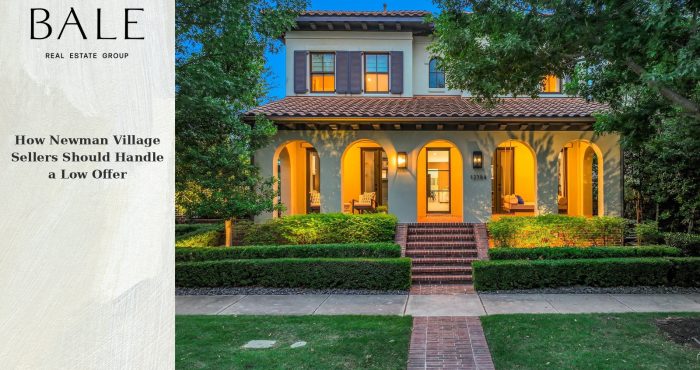
Living in Newman Village, Frisco, TX: 2026 Real Estate and Neighborhood Guide

Newman Village is a gated residential community sitting at the northwest corner of Legacy Drive and Eldorado Parkway in Frisco, TX, stretching north to Panther Creek Parkway – which puts residents close to the Dallas North Tollway. Many buyers consider it to be one of the best neighborhoods in Frisco, TX.

The broader Frisco market carries a median sale price of around $687,500. Newman Village is a different conversation entirely. Homes here routinely list well above $1 million, and you’ll find a mix of large single-family houses and newer luxury townhomes built around a central plaza.

Housing Stock and Home Prices in Newman Village

The single-family homes in Newman Village run from 2,800 to 7,575 square feet and lean on European and Mediterranean architectural styles. The community was established in 2008 and covers three to six bedrooms and two to six bathrooms across that range. All of it sits behind a manned guardhouse entrance.

Median listing prices here have been hovering between $1.3 million and $1.5 million – well above the Frisco median, and that gap isn’t closing anytime soon.

The Newman Village Townhomes

If you want the address without the footprint, the Newman Village Townhomes development by Centre Living Homes offers 121 units with Brownstone-inspired exteriors. Floor plans run from 2,277 to 2,644 square feet with two to four bedrooms.

Townhome owners pay HOA fees of $300 per month covering lawn and ground maintenance, and these properties are not subject to a Municipal Utility District tax – worth noting when you’re running the numbers.

Neighborhood Amenities and Daily Life

The Newman Village HOA maintains a central Italian-inspired plaza with fountains, walking and biking trails, and parks. Inside the gates you also get a resort-style community pool, a splash pad, four tennis courts, and a multi-use recreation center.

For everyday errands, the intersection of Eldorado Parkway and the Dallas North Tollway is just minutes out. Costco, Home Depot, Target, and the Market Street grocery store are all right there along that corridor.

Restaurants in Newman Village Frisco

Dining sits just outside the gates along Eldorado Parkway. Christina’s Mexican, Vitality Bowls, and Chili’s are popular nearby options.

For something locally owned, Scotty P’s is right by the tollway intersection. And if you want more variety, the Dallas North Tollway takes you straight to Frisco Square, Stonebriar Centre mall, and the restaurant lineups at The Shops at Legacy and Legacy West.

Schools and Local Area Attractions

Students here fall under the Frisco Independent School District. The typical attendance zone puts kids at James R. Newman Elementary School and Trent Middle School, then either Lone Star High School or Memorial High School for ninth grade onward – your specific address determines which high school.

Toyota Stadium is a short drive away via the Dallas North Tollway, hosting both sporting events and concerts throughout the year.

Weather and Recreation

Hot Texas summers, mild winters – that’s what you’re signing up for, same as the rest of the region. The community pool and splash pad tend to get heavy use from May through September.

When the weather cools down, there’s no shortage of golf. The Golf Club at Frisco Lakes, The Trails of Frisco, and PGA Frisco are all within a short distance from the neighborhood.

Finding a Home in the Current Market

Across Frisco, homes are averaging roughly 43 days on the market and selling at about 97.5% of list price. With around 4.1 months of housing supply citywide, buyers do have some room to breathe – though Newman Village’s gated, limited-footprint nature means the available inventory here is noticeably smaller than the broader market.

Come prepared for luxury price points, and read the HOA guidelines before you fall in love with anything. A local agent who knows this specific community will save you time sorting out exact property boundaries and getting a heads-up on listings before they hit the open market.

Frequently Asked Questions

What are the current HOA dues for Newman Village in Frisco, and what neighborhood amenities do they actually cover?

Townhome residents in the Centre Living Homes section pay $300 per month, which covers lawn and ground maintenance. Community-wide amenities include a resort-style pool, splash pad, four tennis courts, a recreation center, and the central Italian-inspired plaza.

Which Frisco ISD schools are children living in Newman Village currently zoned to attend?

Students attend the Frisco Independent School District. The typical assignment runs through James R. Newman Elementary School, Trent Middle School, and then either Lone Star High School or Memorial High School depending on your exact address.

Can I still buy an empty lot to build a custom home in Newman Village, or is the neighborhood completely built out?

The single-family portion was established in 2008, and a newer section of 121 townhomes was added more recently. If you’re hunting for a vacant lot inside the gates, talk to a local agent – available land there is limited.

How does Newman Village compare to other luxury gated communities in Frisco, like Starwood or Hills of Kingswood?

Newman Village carries European and Mediterranean architectural influences and anchors the community around an Italian-style plaza. Pricing routinely exceeds $1.3 million, which puts it squarely in Frisco’s luxury market alongside other gated communities.

Are there strict architectural restrictions I need to know about before renovating an exterior or adding a pool in Newman Village?

The community holds to a consistent look – European, Mediterranean, and Brownstone-inspired exteriors throughout. Before you touch anything on the outside of the home, renovation plans need to go to the Newman Village HOA or CMA Management for approval.

How quickly do resale homes in Newman Village typically go under contract in the current Frisco real estate market?

Across Frisco broadly, homes average roughly 43 days on the market. For luxury properties inside Newman Village specifically, that timeline can shift depending on the home’s size and price point.

Posted in: Frisco Tagged: #BaleRealEstateGroup, #FriscoLuxuryHomes, #FriscoRealEstate

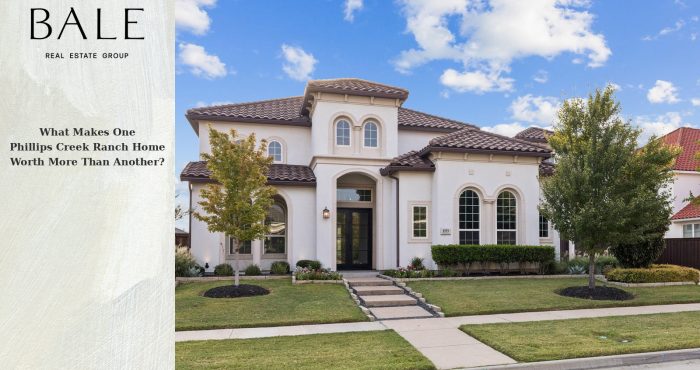
What to Expect When Buying a Home in Phillips Creek Ranch, Frisco, TX

Phillips Creek Ranch is a large master-planned community in West Frisco, TX, built on land that was once owned by a prominent quarter-horse ranch. It covers hundreds of acres and weaves natural features into the residential streetscapes in a way that sets it apart from a standard subdivision grid. Buyers comparing the best neighborhoods in Frisco, TX will mostly be evaluating a structured suburban environment built around outdoor amenities – trails, water features, green space – managed by a homeowners association that keeps everything looking the part.

That HOA piece matters more here than in a lot of other neighborhoods. Buyers who prioritize built-in community elements alongside proximity to the Dallas North Tollway corridor tend to find it worth the trade-off. Buyers who don’t like being told what color to paint their fence tend to find it a friction point. Worth knowing before you fall in love with a listing.

Real Estate and Home Prices in Phillips Creek Ranch

The citywide median for Frisco, TX runs around $687,500 – but Phillips Creek Ranch isn’t a citywide-median kind of neighborhood. Recent data puts the median sale price here between $1.16 million and $1.175 million. You’re paying a real premium over the Frisco average, and the homes reflect it.

The broader Frisco market is carrying about 1,036 homes in inventory right now, which works out to a 4.1-month supply. Within Phillips Creek Ranch specifically, the listings are almost entirely larger, single-family properties built over the last decade. Brick and stone exteriors are the norm. The price floor generally starts around $980,000, and anything larger or more customized pushes well past the $1 million mark without much resistance.

Home Types and Community Layout

The neighborhood is divided into distinct subdivisions, each with its own street design and housing scale – so “Phillips Creek Ranch” isn’t monolithic. Single-family detached homes make up the overwhelming majority of available listings.

Because the entire area operates under HOA governance, property exteriors and landscaping have to meet specific community standards. Before you submit an offer anywhere in here, review the association’s rules on exterior modifications, fencing, and maintenance obligations. Not a step to save for after the inspection.

Daily Life, Dining, and Getting Around

More than 100 acres of green space and over 18 miles of hike-and-bike trails sit inside the community’s borders. The centerpiece is Vista Park and Lake, which gives residents water views and paved walking paths. The trail network connects the different sections of the neighborhood to each other and to the shared amenities, so you can genuinely get around on foot or by bike without touching a road.

For commuters, West Frisco puts you in a good spot. The Dallas North Tollway and State Highway 121 are both accessible from the neighborhood, and those two roads will get you to major employment centers in Plano or downtown Dallas without much drama.

Restaurants and Everyday Shopping

Phillips Creek Ranch is residential – don’t expect much retail inside the gates. Grocery stores, pharmacies, and everyday services are positioned just outside the community entrances along the main arterial roads.

For dining, residents typically drive a few minutes east toward the tollway corridor, where there’s a wider mix of casual spots and sit-down restaurants. It’s not far, but it’s a drive.

Schools, Healthcare, and Local Climate

Students here are zoned into Frisco Independent School District – Frisco ISD – which operates multiple campuses either on-site or directly adjacent to the neighborhood. Elementary students are assigned to Bledsoe, Sparks, Nichols, or Hosp Elementary Schools, depending on where in the community you live. Middle schoolers go to Pioneer Heritage or Pearson, and high schoolers attend Rick Reedy High School.

That said, your specific street address determines your campus assignment, and attendance zones can shift based on district enrollment policies. Use the district’s official boundary map to confirm before you make any assumptions about which school a particular address feeds into.

Nearby Hospitals and Medical Centers

Medical City Frisco is the closest major facility – a 98-bed acute care hospital with a Level III Trauma Center. Texas Health Frisco, a joint venture with UT Southwestern, covers emergency needs around the clock and also has a NICU. Baylor Scott & White Medical Center–Frisco and its secondary location at PGA Parkway round out the options within a short drive.

Weather and Climate Considerations

Frisco summers are serious. July and August routinely run past 90 degrees, and that heat is sustained, not occasional. The community’s shaded parks and water features at Vista Park get heavy use during those months for good reason.

Spring and fall are when the 18 miles of trails actually get comfortable. On the practical side, make sure any home you’re buying has an HVAC system that’s been recently serviced and is up to the load – this isn’t a climate where deferred maintenance on the AC is a small problem.

Buying a Home in the Current Frisco Market

Right now, homes across Frisco are sitting on the market a median of 43 days before selling. The average sale-to-list ratio is around 97.5%, which means there’s some negotiating room – but properties priced correctly are still moving. About 10.7% of homes in the broader Frisco area sell above list price.

Phillips Creek Ranch operates somewhat differently than the citywide picture given its $1.16 million to $1.175 million price range. Monitoring new listings closely matters here, because the pool of buyers at that price point is smaller and inventory moves on its own timeline. A local agent who knows which subdivisions within the ranch fit your budget and timeline is worth having in your corner – someone who can also surface upcoming inventory before it hits the open market.

Frequently Asked Questions

How much are the HOA fees in Phillips Creek Ranch, and what specific community amenities do they cover?

The HOA charges regular dues to maintain the neighborhood’s shared spaces – specifically the 100 acres of green space, Vista Park and Lake, and the 18 miles of hike-and-bike trails. The exact amount depends on which subdivision you’re buying in, so ask the seller for the current fee schedule. Don’t assume one subdivision’s rate applies to another.

Which Frisco ISD schools are currently zoned for students living in the Phillips Creek Ranch neighborhood?

Elementary students are assigned to Bledsoe, Sparks, Nichols, or Hosp Elementary Schools. Middle schoolers attend Pioneer Heritage or Pearson, and high school students go to Rick Reedy High School. Your exact assignment comes down to your specific street address, so confirm it against the district’s boundary map.

Is Phillips Creek Ranch fully built out, or are there still new construction homes available to purchase?

Most of the community is established homes built over the past decade. New construction is limited compared to the resale market. If a new build is what you’re after, talk to a local agent – available lots are out there, but you’ll need to track them down.

What is the average property tax rate for homes located inside the Phillips Creek Ranch community?

Taxes here are assessed by the local county authorities along with the city of Frisco and Frisco ISD. The rate applied to a specific address can fluctuate based on annual assessments, so check the local county tax assessor’s website for the exact figure on any property you’re seriously considering.

How does buying a home in Phillips Creek Ranch compare to other West Frisco master-planned communities like Edgestone or Newman Village?

Phillips Creek Ranch’s identity is built around its outdoor amenities – Vista Park and Lake and over 18 miles of trails. The median price of roughly $1.16 million to $1.175 million reflects the scale and housing stock here. Other nearby communities have their own amenity centers and architectural character. The only way to know which one fits you is to walk all of them and compare lot sizes and finishes in person.

Are there any strict HOA architectural restrictions or special assessments buyers should know about before closing on a home in Phillips Creek Ranch?

Yes – the community enforces specific standards on exterior paint colors, landscaping, and fencing. Before you close, review the HOA’s resale certificate and governing documents. That’s where you’ll find any upcoming special assessments or outstanding property violations. It’s not optional reading.

Posted in: Frisco Tagged: #BaleRealEstateGroup, #FriscoLuxuryHomes, #FriscoRealEstate

Understanding Current Mortgage Rates in Frisco, TX for Summer 2026

As of late July 2026, first-time home buyers in Frisco are seeing average 30-year fixed mortgage rates hovering between 6.5% and 6.9%. With the median home price sitting around $687,500, how those rates translate into actual monthly payments isn’t an abstract question – it’s the number that determines what you can afford to offer.

Frisco spans both Collin and Denton counties, with a mix of established neighborhoods and new developments. Right now there are over 1,000 homes available, which gives you real options – but options still require a clear budget. Securing financing early means you can move when the right property shows up instead of scrambling.

Current Averages for Frisco Buyers

Rates shift daily, driven by Federal Reserve policy and whatever the broader economy decides to do that week. In late July 2026, Texas buyers are landing in a range that reflects a national market that’s been gradually settling down.

Your credit profile is the biggest lever you personally control. Lenders will price your loan based on how much risk they think you carry, so the spread between the best and worst rates on any given day is real.

30-Year Fixed-Rate Mortgages

The 30-year fixed is still the loan most Frisco buyers reach for first. Current rates are clustering between 6.5% and 6.9% across major lenders – a range that reflects genuine variation depending on your credit, your lender, and the day you lock.

The appeal is straightforward: spreading repayment over 30 years keeps your monthly obligation lower, and the rate never changes on you. If you’re planning to stay put long-term, that predictability matters.

15-Year Fixed-Rate Mortgages

If building equity faster is the priority, the 15-year fixed offers rates currently ranging from 5.8% to 6.1% in Texas. The rate is lower, but the condensed timeline pushes your monthly payment significantly higher than a 30-year loan.

Before committing to that accelerated schedule, be honest about your monthly cash flow.

Adjustable-Rate Mortgages (ARMs)

An ARM gives you a fixed rate for an initial period – typically five to ten years – then resets annually based on market conditions. Those introductory rates generally come in slightly below the 30-year fixed average.

Buyers who already know they’ll move or refinance within a few years sometimes use ARMs to keep payments lower in the short run. Just understand what happens when that introductory period ends: the rate adjusts, and so does your payment.

How Interest Rates Shape Your Buying Power

A half-percent difference in your rate isn’t a rounding error – it’s hundreds of dollars a month. That gap compounds over 30 years into a number worth paying attention to.

Frisco homes are currently spending a median of 43 days on the market. Knowing your exact budget before you start touring means you can make a confident offer without doing math in a parking lot.

Estimated Monthly Payments for a Median-Priced Home

Work from the actual numbers. The median sale price in Frisco is roughly $687,500. Put 20% down and your loan amount is $550,000.

At a 6.7% rate on a 30-year fixed, principal and interest comes to about $3,549 per month. That figure doesn’t include property taxes or homeowners insurance – you’ll need to add both to get to your real monthly housing cost.

FHA vs. Conventional Loans in Frisco

Conventional loans are the standard route for borrowers with solid credit and at least 3% down. For 2026, the conforming loan limit for a single-family home in Collin and Denton counties is $832,750 – which covers a lot of Frisco purchases, though not all of them.

FHA loans are worth a look if your credit score is lower or your down payment is thin; they require just 3.5% down. The trade-off is mandatory mortgage insurance premiums, which add to your monthly costs even when FHA rates come in slightly lower than conventional. Run the full comparison, not just the rate.

Ways to Secure a Lower Interest Rate

The advertised rate is the best-case rate. What you actually get depends on what your file looks like when the underwriter opens it.

The good news is you have real influence here. Getting your finances in order before you apply – and shopping more than one lender – can produce measurable savings over the life of your loan.

Improving Your Credit Score and DTI

Two numbers drive your rate more than anything else: your credit score and your debt-to-income ratio (DTI). Paying down credit card balances and avoiding new debt in the months before you apply improves both.

Most lenders want your DTI below 43%, though certain loan programs allow higher. A clean credit report tells underwriters what they most want to see – that you handle your existing obligations without drama.

Comparing Local Frisco Lenders vs. National Banks

National banks have polished online portals and standardized products. Local Frisco mortgage brokers often have more flexibility and access to wholesale rates – and they know the Collin and Denton County markets specifically, including local property tax rates and how long appraisals actually take here.

Get estimates from both. The difference in fees and APRs can be surprising.

Exploring Texas First-Time Homebuyer Programs

The Texas Department of Housing and Community Affairs (TDHCA) and the Texas State Affordable Housing Corporation (TSAHC) both run programs worth knowing about. My First Texas Home and Home Sweet Texas offer down payment assistance and mortgage tax credits to qualifying buyers.

At the local level, NDBT’s HomeStart Program serves buyers in Collin and Denton counties with closing cost help. One thing to check before you count on any program: funding runs out. The City of Denton’s Homebuyer Assistance Program is currently exhausted and not accepting applications – a good reminder that availability can change quickly.

Frequently Asked Questions About Frisco Mortgages

Should I use a local Frisco mortgage broker or a national bank to get the lowest rate?

It depends on your financial profile. Local brokers can sometimes access wholesale rates and tend to have deeper knowledge of the Collin and Denton county markets. Request loan estimates from both and compare the final APRs and closing costs before you decide.

How do jumbo mortgage rates compare to conventional loan rates for luxury homes in Frisco?

Jumbo loans cover properties that exceed the 2026 conforming loan limit of $832,750. They carry more risk for the lender, so jumbo rates typically run slightly higher than conventional rates – and the credit and down payment requirements are stricter.

What happens if interest rates drop while I am under contract for a house in Frisco?

If your rate is already locked, you generally can’t switch to a lower rate unless your lender offers a float-down option. Ask your loan officer about their float-down policy before you sign the rate lock agreement – not after.

Do new construction builders in Frisco actually offer better mortgage rate buy-downs than standard lenders?

Yes, builders often provide aggressive rate buy-downs when you use their in-house financing. That said, compare the total cost of the builder’s loan against an outside lender. A lower rate doesn’t mean much if it comes with inflated closing fees.

How long can I lock in my mortgage rate while searching for a home in the competitive Frisco market?

Most lenders offer rate locks for 30 to 60 days once you’re under contract. Some institutions have programs that hold a rate for up to 90 days while you’re still searching, though those typically come with an upfront fee.

Does buying a condo or townhome in Frisco mean I will get a higher interest rate than a single-family home?

Yes. Lenders generally charge a slightly higher rate on condominiums than on single-family homes – underwriters treat them as slightly higher risk. You’ll also need to include monthly homeowners association dues in your debt-to-income ratio calculation.

Posted in: Frisco Tagged: #BaleRealEstateGroup, #FriscoLuxuryHomes, #FriscoRealEstate

How Much House Can I Afford in Frisco, TX? A 2026 Buyer’s Guide

The median sale price for a home in Frisco, TX is currently around $687,500. With over 1,000 homes actively listed on the market, first-time home buyers in Frisco, TX have more options than in recent years – but none of that matters if you haven’t done the math on what you can actually carry each month.

Figuring out your real price range means looking past the sticker price. Lenders will run your income against your debts, but they won’t hand you a number that accounts for Frisco’s property taxes, insurance costs, or HOA dues. That part is on you.

Calculating Your Purchasing Power in Frisco

Lenders determine your mortgage eligibility using a debt-to-income (DTI) ratio – a formula that compares your monthly debt obligations to your monthly gross earnings. Most conventional lenders want to see a total DTI below 43%, though some loan programs allow higher limits. Staying well under that ceiling gives you actual breathing room; riding right up to it does not.

Gross Income Versus Net Income

Mortgage lenders calculate your purchasing power using your gross monthly income – the full amount you earn before taxes, retirement contributions, and health insurance premiums come out. That’s the number on the approval letter.

The problem is you pay your mortgage with your net income. Build your personal housing budget around your take-home pay, not the lender’s number. Those two figures can be far enough apart to make a payment feel comfortable on paper and uncomfortable in practice.

The 28/36 Rule Explained

The 28/36 rule is a standard guideline used by financial professionals to gauge housing affordability. It says your total housing costs – principal, interest, property taxes, and insurance – shouldn’t exceed 28% of your gross monthly income. Your total debt load, which adds credit card minimums, auto loans, and student loans on top of housing, shouldn’t exceed 36%.

It’s a blunt instrument, but it’s a useful one. Run your own numbers before you run anyone else’s.

Factoring in Local Frisco Costs

A mortgage payment is not just principal and interest. In Texas, property taxes and insurance can add hundreds of dollars a month to your carrying costs – and in Frisco specifically, the numbers are high enough that buyers who skip this step routinely get surprised at closing.

Frisco also spans two counties, and which side of that line your house sits on changes the tax math. Verify the exact tax rate and HOA dues for any property you’re serious about before you make an offer.

Collin and Denton County Property Taxes

Collin County’s median effective property tax rate runs around 1.30% to 1.31%. For the median homeowner in the county, that’s roughly $7,143 per year in property taxes.

The Denton County portion of Frisco carries an effective rate closer to 1.99%. Home values in that corridor are elevated, so median homeowners there pay somewhere between $6,790 and $8,947 annually depending on the property’s assessed value. That’s a meaningful range, and it swings your monthly payment by more than most buyers expect.

Texas Homeowners Insurance Rates

Texas homeowners insurance runs higher than the national average – weather risk is the reason. A policy with $300,000 in dwelling coverage averages $4,085 to $4,510 per year, which breaks down to roughly $340 to $375 per month.

Your actual rate will shift based on the home’s age, roof condition, and exact location within the city. Get a firm quote from an insurance broker during your option period on a specific house, not a general estimate beforehand.

HOA Dues and Maintenance

A lot of Frisco neighborhoods operate under a Homeowners Association with monthly, quarterly, or annual fees covering shared amenities like pools, parks, and landscaping. Lenders include those mandatory HOA dues in your DTI calculation – they’re not invisible to the underwriter.

If you’re putting less than 20% down, add Private Mortgage Insurance (PMI) to that list as well.

Down Payments and Closing Costs

What you bring to the closing table determines your loan amount and shapes your monthly payment. A larger down payment cuts the principal balance and can improve your interest rate. It also affects whether you’re paying PMI.

Beyond the down payment itself, you’re responsible for lender fees, appraisal costs, and prepaid taxes. These need their own savings bucket – separate from your emergency fund, not drawn from it.

Minimum Down Payment Requirements

Conventional loans typically require 3% to 5% down. FHA loans require at least 3.5%, which makes them common among buyers with smaller cash reserves. Hit 20% down and you eliminate the PMI requirement entirely. On a median-priced $687,500 Frisco home, that 20% figure works out to $137,500.

Typical Closing Costs in Frisco

Buyer closing costs in Texas generally run 2% to 6% of the purchase price. On a typical Frisco home priced between $300,000 and $500,000, that’s roughly $6,000 to $15,000. Sellers here often cover the title insurance policy and the property survey fees – a local custom that meaningfully lowers your net out-of-pocket costs compared to what buyers pay in other markets.

Texas Down Payment Assistance Programs

Buyers who meet specific income and credit guidelines can access state and local programs to offset upfront costs. These initiatives provide grants or forgivable second liens to help bridge the cash gap, and the application process runs through lenders who partner with the agencies during standard mortgage underwriting – it’s not a separate, parallel process.

Eligibility comes down to household income, household size, and the home’s purchase price.

State and Local Grants

The Texas State Affordable Housing Corporation (TSAHC) offers down payment assistance in tiers of 2%, 3%, 4%, or 5% of the loan amount. TSAHC recently raised its income ceiling to 125% of the area median family income for most programs, though the Mortgage Credit Certificate limit stays at 115%.

Local options exist at the municipal level too. Collin County cities including Frisco, McKinney, and Plano offer city grants. The City of Denton provides up to $50,000 in assistance for income-eligible first-time buyers within its city limits – worth knowing if you’re open to exploring neighboring communities.

Frequently Asked Questions

What salary do I need to make to afford a median-priced home in Frisco right now?

It depends on your down payment and current interest rates. With the median sale price around $687,500, buyers putting down 20% still need a substantial household income to keep their total housing payment under 28% of gross earnings. Whether your property falls under Denton County’s 1.99% tax rate or Collin County’s 1.31% rate shifts the exact salary requirement.

How do Frisco property taxes and HOA fees impact my maximum monthly mortgage budget?

They reduce the amount of principal and interest you can afford – directly and dollar for dollar. Lenders cap your total housing payment at a specific percentage of your income, so a $7,143 annual tax bill in Collin County takes up space in your budget that would otherwise go toward the loan balance. HOA dues work the same way.

How much of a down payment is required to be competitive in the Frisco housing market?

You don’t need 20% down to win an offer. Conventional loans with 5% down and FHA loans with 3.5% down are common and routinely accepted by sellers. Homes are currently sitting on the market for roughly 43 days, which gives buyers with lower down payments a fair opportunity to negotiate.

Do I need to factor MUD or PID taxes into my affordability calculations for new builds in Frisco?

Yes – additional district taxes can impact your monthly payment if the new build is subject to them. Standard property taxes alone are significant, with Denton County effective rates near 1.99% and Collin County rates around 1.31%. Verify the total tax rate for any specific subdivision before you finalize your budget.

If my budget is stretched in Frisco, what neighboring towns offer a similar lifestyle for less?

It depends on your specific needs, but nearby cities like McKinney, Plano, and Denton also offer local first-time homebuyer grants. The City of Denton provides up to $50,000 in assistance for income-eligible buyers. Exploring those Collin and Denton County communities might get you to a property that fits your target debt-to-income ratio without the stretch.

Does getting pre-approved by a local Collin County lender give my offer an advantage over online banks?

Yes. A local lender understands regional costs and state-specific programs. They can factor in accurate Collin and Denton County tax rates and walk you through Texas State Affordable Housing Corporation (TSAHC) grants without a learning curve. That local knowledge makes your pre-approval a more accurate picture of what you can actually borrow – which matters when you’re writing an offer.

Posted in: Frisco Tagged: #BaleRealEstateGroup, #FriscoLuxuryHomes, #FriscoRealEstate

What to Expect for Buyer Closing Costs in Frisco, TX (2026)

The median sale price for a home in Frisco, TX right now is around $687,500. Your down payment is the number most first-time home buyers in Frisco, TX fixate on, and I get it – it’s the biggest check you’ll ever write. But there’s a second layer of expenses that catches people off guard every single time: the fees required to actually transfer the property and close out the mortgage.

These charges cover everything from lender underwriting to county recording fees. Know what’s coming before you get to the table and you’ll negotiate better terms during the contract phase. Show up uninformed and you’re scrambling for cash at the worst possible moment. Here’s how it all breaks down across Collin and Denton Counties.

What Makes Up Closing Costs in Texas?

Standard seller closing costs in Texas run 6% to 10% of the sale price. The buyer’s side is considerably lighter, but it’s not nothing. Your expenses are primarily built around securing the loan and funding the initial escrow account for property taxes and insurance.

The total you’ll wire to the title company combines those administrative fees with your down payment – lenders roll both figures into one number they call your “cash to close.”

Closing Costs vs. Your Down Payment

Your down payment is equity. It goes directly toward reducing what you borrow and starts building your ownership stake from day one. Closing expenses are a different animal – they’re separate, non-refundable fees paid to third parties for the services required to get the deal done.

Buy a $500,000 house with 20% down and you’re putting $100,000 toward the loan principal. The appraisal, paperwork processing, and title insurance get stacked on top of that $100,000. They don’t reduce your loan balance. They just close the transaction.

Buyer vs. Seller Responsibilities

Both sides bring a check to settlement – they just cover completely different things. Sellers absorb real estate agent commissions, which is what drives their 6% to 10% burden.

You, as the buyer, take on the costs tied to your specific mortgage and the long-term protection of your ownership rights. Texas has established customs around how certain fees like title insurance get split, but those are negotiating points, not laws.

How Much You Will Pay in Frisco

Buyer closing costs in Texas typically land somewhere between 2% and 6% of the purchase price. On a median-priced Frisco home at $687,500, you’re looking at roughly $13,750 to $41,250 in fees.

Where you fall in that range depends on your loan type, what your lender charges to originate the loan, and how much you’re required to prepay into escrow for property taxes. Cash buyers sidestep all the mortgage-related charges and generally stay near the bottom of that range.

Are Closing Costs Always 3% of the Sale Price?

The 3% rule of thumb is a decent starting point for rough budgeting. It is not a fixed number.

An FHA buyer putting 3.5% down will likely pay a higher percentage because of upfront mortgage insurance premiums. A conventional borrower with strong credit might see their total hover closer to 2%. Use 3% to set expectations, not to write a check.

Calculating Costs on a $300,000 to $600,000 Home

Working from a conservative 3% average gives you usable ballpark figures. A $300,000 purchase puts you around $9,000 in settlement charges. At $400,000, that estimate climbs to $12,000. A $500,000 home runs roughly $15,000, and a $600,000 purchase means planning for about $18,000 on top of your down payment.

These aren’t guarantees. They’re the numbers I’d want you to have in your head before you start writing offers.

A Breakdown of Your Out-of-Pocket Fees

Recording a deed in Collin or Denton County costs a flat $25 for the first page and $4 for each additional page. That’s one of the smaller line items on your Closing Disclosure – but the document will have plenty of them.

Your total breaks down into three buckets: lender charges, title company fees, and government mandates. Knowing which category each line item belongs to is how you catch a surprise charge before you sign.

Lender and Loan Origination Charges

Your mortgage provider charges fees to underwrite, process, and fund your loan. Origination fees typically run around 0.5% to 1% of the total loan amount, though that varies by lender.

The appraisal falls in this category too. It confirms the property’s market value for the bank, and the cost depends on the size of the home and the appraisal management company your lender uses.

Title Insurance Rules in Texas

Title insurance covers problems that trace back to the property’s ownership history – liens, clerical errors, claims you didn’t know existed when you signed. In Texas, custom says the seller pays the premium for the owner’s policy.

You’re responsible for the lender’s title policy, which protects the mortgage company’s stake in the property. That’s the standard split, but like most things in real estate, it’s negotiable in the contract.

Escrow Fees and Prepaids

Your lender will require an escrow account to handle future property tax and homeowners insurance payments. That means you’ll prepay several months of those expenses at settlement before a single bill is actually due.

Texas property taxes are billed in arrears, so the seller will credit you for the portion of the year they owned the home – that part works in your favor. The title company also charges an escrow or settlement fee for managing the transaction, and that one is typically split down the middle between buyer and seller.

Recording Fees in Collin and Denton Counties

Texas constitutionally prohibits real estate transfer taxes at both the state and local levels. A 2015 proposition that took effect in 2016 means you won’t owe any transfer taxes when you buy in Frisco.

You will pay county recording fees to make the deed part of the official public record. Both Collin County and Denton County charge $25 for the first page and $4 for each additional page, plus a small indexing fee if there are more than five names listed.

Ways to Reduce Your Cash to Close

Homes in Frisco are sitting on the market for roughly 43 days right now, with inventory around 1,036 available properties. That’s not a seller’s market. You have room to negotiate.

Asking for Seller Credits

Seller concessions let you ask the seller to cover a portion of your settlement charges. If they agree, they earmark a set dollar amount or percentage of the purchase price toward your loan or title fees – and you bring less cash to the table.

When homes are taking over a month to sell, sellers are often motivated enough to offer credits just to get a deal done. Your loan program sets the ceiling on how much a seller can contribute, so confirm those limits with your lender before you ask.

Comparing Lender Fees

County recording fees are fixed. Lender fees are not. Two lenders quoting the same rate can have meaningfully different origination and processing charges – and you won’t know unless you ask at least three of them for a loan estimate.

You can also take lender credits, where the bank picks up some of your upfront fees in exchange for a slightly higher interest rate. If keeping cash in your account today matters more than your long-term rate, that trade-off is worth a conversation.

Frequently Asked Questions

How much should I expect to pay in average buyer closing costs for a home in Frisco, TX?

Based on the typical 2% to 6% range, expect to pay between $13,750 and $41,250 on a median-priced $687,500 Frisco home. The final amount depends on your loan type and property tax prepayments.

Do buyers or sellers typically pay the HOA transfer fees and PID/MUD taxes at closing in Frisco?

It depends on what you negotiate in the purchase contract. While the seller customarily pays for the owner’s title policy and real estate commissions, HOA and special district fees can be paid by either party depending on the agreed-upon terms.

Is it realistic to ask the seller to cover my closing expenses in the current Frisco market?

Yes, asking for seller concessions is realistic. With Frisco homes averaging 43 days on the market and inventory sitting at over 1,000 available properties, sellers may be willing to offer credits to finalize a deal.

Are there any first-time homebuyer programs in Collin County or Denton County that help with cash to close?

Yes, there are state and local programs that provide down payment and closing cost assistance. You should check with a local lender to see which specific grants you qualify for based on your income and household size.

At what exact point in the transaction do I need to wire my final funds to the local title company?

You must wire your final funds shortly before your scheduled settlement appointment. The title company will provide exact wiring instructions and a final dollar amount after your lender issues the Closing Disclosure.

What happens if my final cash to close amount comes in significantly higher than my initial loan estimate?

Lenders are bound by tolerance limits on certain fees. If regulated charges increase beyond these legal limits, the lender must refund the difference or adjust the final Closing Disclosure before you sign.

Posted in: Frisco Tagged: #BaleRealEstateGroup, #FriscoLuxuryHomes, #FriscoRealEstate

Exploring the Types of Homes in Frisco, TX: Condos, Townhomes, and More

The median home sale price in Frisco, TX sits around $687,500, and properties are typically spending about 43 days on the market. If you’re a first-time home buyer in Frisco, TX looking at the types of homes available, you’ve got more options than the standard detached house – high-rise towers and multi-level townhome communities both exist here, and they’re worth understanding before you start searching.

Condominiums, townhouses, and multi-family properties each come with their own ownership structures and maintenance obligations. Knowing how attached homes actually work helps you line your budget up with what the local market is offering.

Finding Condos and Attached Properties in Frisco

Active listings for attached homes shift throughout the year. Recent data from Redfin shows roughly 16 dedicated condo listings, while platforms like Trulia display around 37 options across Frisco and the immediate surrounding areas.

When you’re searching the local multiple listing service, set specific parameters for square footage and layout from the start. Filtering by building type keeps you from accidentally mixing true condominiums in with zero-lot-line patio homes or traditional townhouses – they’re different animals, and you want the right ones showing up in your results.

Current Condo Inventory

The available supply of condos in Frisco is tight relative to single-family developments. You’ll typically see a mix of older units near the city center and newer builds closer to the major commercial hubs.

When a unit matching your criteria hits the market, don’t sit on it. With just over 1,000 total homes for sale across the entire city, the attached housing subset moves fast.

Tracking New Properties

Setting up automated alerts through a local brokerage means you see new listings the moment they post – tailored to specific zip codes or even particular buildings if you want to get that precise.

Working with an agent who actually knows the local inventory can surface properties before they hit the broader market. That kind of localized approach saves real time during the initial search.

Frisco Market Trends and Property Prices

The overall median sale price for homes in Frisco is roughly $687,500, reflecting a slight 0.3% year-over-year increase. Homes are currently selling for about 97.5% of list price on average – so there’s some negotiating room, but not a lot.

Attached homes cover a wide pricing spectrum depending on age, location, and finish out. Citywide averages are a starting point, not a decision-making tool. You’ll want to look at recent comparable sales inside specific buildings.

Average Costs for Attached Homes

Redfin reports a median price of $687,589 for condos and co-ops, but other sources show higher figures for specific unit types. Homes.com notes that two-bedroom condos can carry a median sale price closer to $1,050,000 in certain luxury developments.

More standard resale condos and townhomes generally range from $350,000 to $550,000. Properties near Frisco Square or The Star tend to land at the higher end of that bracket.

Deciding When to Buy

With about 4.1 months of overall housing supply, the Frisco market still favors sellers – but there’s enough inventory that buyers can negotiate. Watching the days on market for specific condo buildings gives you a much clearer read on local demand than broad market stats will.

Monitor interest rates and your own financial readiness rather than trying to time a dip. A property that fits your monthly budget is worth more than a theoretical discount on one that doesn’t.

Understanding Homeowner Association Dues

HOA fees are standard when you buy an attached home in Texas. Local real estate sources indicate condo and townhome HOA fees in Frisco typically run higher than what you’d see in single-family neighborhoods.

Monthly condo fees commonly fall in the $250 to $550 range. Master-planned, amenity-rich communities generally charge between $150 and $350 per month depending on the specific neighborhood.

Services Covered by Associations

Condo fees typically cover exterior building maintenance, roof repairs, and landscaping for common areas. Many associations also fold in master insurance policies and trash removal.

Before you make an offer, ask for a full breakdown of what the HOA actually covers. Whether water or internet is included changes your real monthly cost of ownership more than most buyers initially realize.

Evaluating the Association

A well-funded HOA means you’re less likely to get hit with a surprise special assessment when the roof needs replacing. Review the association’s reserve funds and recent meeting minutes – that’s where the financial health of the community actually shows up.

Ask about upcoming capital improvement projects, too. Planned work on a community pool or parking garage can be a signal that fees are going up.

Popular Condo Buildings and Neighborhoods

Frisco has several distinct condominium communities, from gated developments to high-rise towers. Notable options include The Corvalla at Stonebriar, which sits adjacent to the Stonebriar Country Club, and established communities like the Villas at Willow Grove, Bonaventure Condominiums, Prestonwood Country Club Condominiums, and Parks at Legacy. High-rise buyers tend to look at SkyHouse Frisco Station near The Star.

Proximity to Lake Lewisville

Some buyers factor in access to local waterways when they’re choosing a property. Frisco listings frequently highlight distance to Lake Lewisville – many homes sit roughly five miles from the lake and Little Elm Beach. Condos in the Starwood and Stonebriar areas often advertise expansive views in that direction, giving you outdoor recreation access without the upkeep of a direct waterfront lot.

Living Near PGA Frisco and The Star

The Star – Dallas Cowboys World Headquarters – drives real estate demand in its surrounding area. The Stonebriar Centre corridor draws buyers who want walkable retail and dining nearby.

The PGA of America relocated its national headquarters to Frisco in 2022, bringing a $520 million investment to the area. That development is centered on the Fields Ranch East and West golf courses, and it’s pushed interest in nearby attached housing up considerably.

Townhomes, Duplexes, and Multi-Family Options

Beyond condominiums, Frisco has a solid range of townhomes and duplexes. These structures tend to appeal to buyers who want more square footage and a private entrance – a reasonable ask.

Multi-family properties also work for buyers who want to live in one unit and lease out the other. These attached formats share most of the same market dynamics as the local condo sector.

Townhouse Features

Townhouses in Frisco typically offer multi-level floor plans and attached garages. Unlike condos, townhouse owners generally own the land directly beneath their unit, which can affect insurance requirements.

They sit somewhere between apartment-style living and a detached single-family home – often with a small private courtyard or patio for outdoor space. For a lot of buyers, that’s exactly the balance they’re looking for.

Co-Op and Apartment Ownership

Co-ops are less common in North Texas than in coastal cities, but some co-op structures and apartment-style flats are available for purchase here. In a co-op, you’re buying shares in a corporation that owns the building rather than receiving a traditional deed – a meaningful distinction for financing.

Getting a mortgage on a co-op usually requires a lender who understands the corporate ownership structure. Confirm the exact property type before you start the pre-approval process, not after.

Factoring in Property Taxes and Living Costs

The City of Frisco’s property tax rate for fiscal year 2026 is $0.425517 per $100 of assessed value. The City Council also raised the homestead exemption to 20%, saving the average homeowner about $120 annually.

When you layer in Collin County, the local school district, and other taxing entities, the total effective rate lands somewhere between 1.66% and 1.96%. Run those numbers against your specific purchase price – they make a real difference in your monthly payment.

Common Buyer Profiles

Attached homes frequently attract buyers looking for an entry point into the local market. The reduced exterior maintenance is also a genuine draw for people who are done managing a large yard.

Frequent travelers tend to appreciate the lock-and-leave reality of condo and townhome ownership. The association handles the exterior, which matters a lot when you’re not around to deal with it.

Comparing Ownership to Renting

Buying an attached home builds equity in a way renting an apartment in the same area doesn’t. That said, plan to stay several years – you need time to offset closing costs and initial fees before the math clearly tips in your favor.

Comparing local rental rates to the combined cost of a mortgage, HOA dues, and property taxes gives you an honest financial picture. For most buyers, the long-term case for ownership holds up – but you should run the numbers for your specific situation, not take it on faith.

Frequently Asked Questions

What are the most common architectural styles of houses built in Frisco’s master-planned communities?

Frisco’s master-planned communities feature a mix of traditional single-family homes, multi-level townhouses, and attached condominiums. Developments near PGA Frisco and The Star frequently incorporate modern and luxury designs into these property types.

Do townhomes and patio homes in Frisco typically have higher HOA fees than standard single-family houses?

Yes, local real estate sources indicate that condo and townhome HOA fees in Frisco typically run higher than those for single-family neighborhoods. These attached homes commonly see fees in the $250 to $550 per month range, while standard master-planned communities often range from $150 to $350.

Is it hard to find single-story or ranch-style homes for sale in Frisco right now?

Inventory for specific layouts can be tight – there are currently only about 1,036 total homes for sale across the entire Frisco market. If you’re looking for single-story layouts or ground-floor condos, set up immediate alerts. Properties are spending a median of just 43 days on the market.

What is the typical timeline for closing on a new construction home in North Frisco versus an existing property?

Closing on an existing resale home in Frisco depends on the buyer’s financing and the seller’s schedule. New construction timelines vary widely based on the builder and the phase of development, especially for luxury units near the new PGA Frisco headquarters.

Are there zoning or HOA restrictions against adding mother-in-law suites or ADUs to single-family homes in Frisco?

Most master-planned communities and condo associations in Frisco have binding bylaws governing exterior additions and secondary units. Review the specific HOA guidelines and check local city regulations before you start planning any structural modifications.

What should buyers know about maintenance and privacy before purchasing a zero-lot-line home in Frisco?

Zero-lot-line homes maximize the buildable footprint, which means your exterior wall may sit directly on the property boundary. Review the association rules around exterior upkeep and verify exactly what maintenance the HOA covers before you close.

Posted in: Frisco Tagged: #BaleRealEstateGroup, #FriscoLuxuryHomes, #FriscoRealEstate

Posts navigation

  • « Previous Page
  • 1
  • 2
  • 3
  • 4
  • 5
  • 6
  • …
  • 22
  • Next Page »
Bale Real Estate Group
(972) 469-0332
TREC - Information About Brokerage Services
TREC - Consumer Protection Notice
Site created by Michael Tritthart Team. | View Privacy Policy