
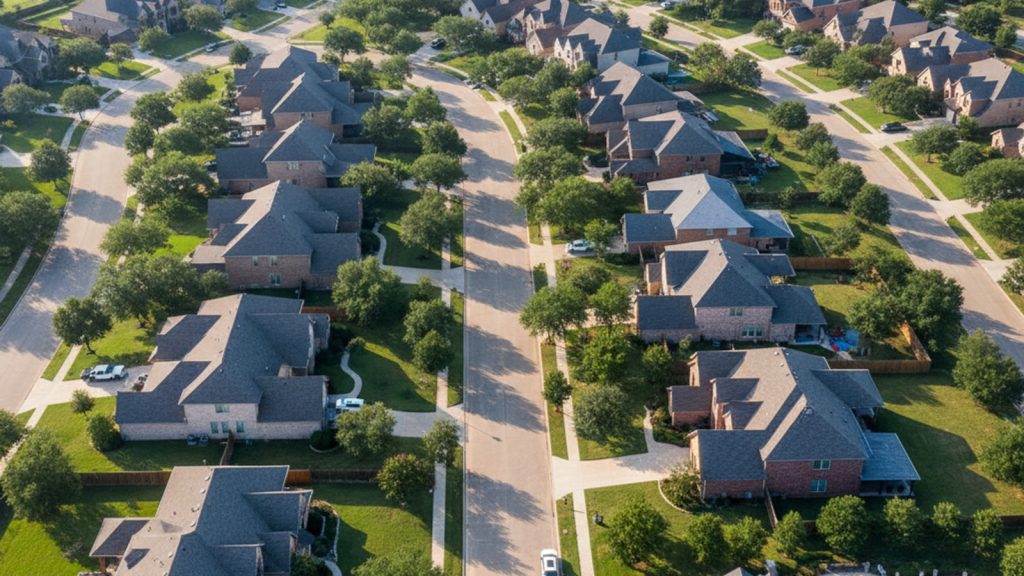
The Dallas-Fort Worth metroplex continues to expand, and securing a new property tailored to your exact specifications requires meticulous planning. If you want to build your own home in Frisco TX, you are entering a highly structured real estate market in 2026. The city offers an impressive array of custom build opportunities, ranging from sprawling master-planned developments to private acreage.
Navigating a custom construction project involves distinct phases that go far beyond picking out premium finishes. Buyers must account for specialized foundational engineering, rigorous municipal zoning laws, and a complex permitting process. Understanding the exact costs, timelines, and regulatory frameworks is essential before signing a builder contract or closing on a vacant lot.
Step 1: Budgeting for Custom Home Costs in Frisco
Creating an accurate budget for a custom home requires distinctly separating land acquisition costs from vertical construction expenses. Lot prices in Frisco are entirely separate from the actual home building costs, meaning you must fund the dirt before you can fund the structure. Site preparation adds another layer of financial commitment before a foundation is ever poured.
Buyers must also account for a wide range of soft costs that accumulate early in the project. These include architectural plans, specialized soil testing for Texas clay, and construction loan interest. In a high-demand market like North Texas, maintaining a contingency fund of at least 10 to 15 percent is absolutely mandatory to absorb unexpected site work or material price shifts.
Average Cost per Square Foot in 2026
Vertical construction pricing in the Dallas-Fort Worth metroplex varies heavily based on architectural complexity and material selections. For 2026, mid-range custom homes in Frisco typically start around $250 to $350 per square foot. High-end luxury builds frequently exceed $400 to $600 per square foot, especially when incorporating expansive outdoor living spaces or premium fixtures.
These per-square-foot estimates mean a standard 3,000 square-foot home can cost between $750,000 and $1,800,000 or more to construct. Complex floor plans, heavy masonry exteriors, and specific foundational engineering requirements will drive the final price toward the higher end of that spectrum. Remember that these figures strictly represent the building itself and exclude the underlying land.
Step 2: Finding the Perfect Lot and Location
Securing the right parcel of land dictates what you can legally build and how much site preparation will cost. Before closing on a lot, it is crucial to evaluate the topography, soil composition, and availability of underground utilities. A steeply sloped lot or one lacking municipal sewer connections will significantly inflate your initial site development budget.
Location features within Frisco also play a major role in long-term property value and daily convenience. Many buyers prioritize proximity to the Dallas North Tollway for efficient commutes to Dallas employment hubs. You will also want to verify objective infrastructure details, such as zoning for Frisco ISD, distance to Texas Health Frisco, and access to city parks.
Lot positioning within a neighborhood directly impacts your acquisition costs. Corner lots or parcels adjacent to greenbelts consistently carry a premium because they offer expanded architectural flexibility and larger setbacks. Investing in a premium lot often yields better long-term equity, even if it requires a larger upfront down payment.
Top Master-Planned Communities: Fields and Newman Village
Frisco features several premier developments that offer exceptional vacant land for custom construction. These neighborhoods maintain strict architectural guidelines to ensure long-term property values and cohesive streetscapes.
- The Fields development encompasses 2,545 acres of mixed-use space, offering 50- to 60-foot lots with direct access to PGA Frisco.
- The Homestead at Newman Village provides a gated entry and features expansive half-acre to one-acre luxury custom home lots.
- Both communities utilize strict Homeowners Associations that mandate specific design standards and exterior material requirements.
Securing a lot in these exclusive neighborhoods requires moving quickly when new phases are released. Buyers must carefully review the deed restrictions before purchasing to ensure their desired architectural style is permitted.
Step 3: Navigating Residential Building Permits and Zoning
Legally building a house in Frisco requires navigating a strict bureaucratic framework of zoning laws and municipal codes. The city uses single-family residential zoning designations that enforce mandatory building setbacks, maximum roof heights, and strict lot coverage percentages. You cannot simply build to the edge of your property line, regardless of how much land you own.
The standard City of Frisco permitting process requires approved architectural, electrical, plumbing, and mechanical permits before any ground breaking. The municipal review period typically takes two to four months to complete. During this time, the city verifies that your plans meet all current structural and energy efficiency codes.
In addition to city regulations, local Architectural Review Boards dictate exterior materials, fencing styles, and landscaping plans. Relying on a builder with extensive local municipal experience is the best way to prevent costly permitting delays. A builder who already understands Frisco regulations will submit compliant plans the first time, keeping your project on schedule.
Step 4: Selecting the Right Architect and Builder
Executing a flawless custom home requires partnering with a builder who has a proven operational history within the Dallas-Fort Worth metroplex. Buyers should rigorously verify a builder’s portfolio, check local references, and tour their active construction sites. It is essential to review their design center capabilities and understand how they handle material warranties.
Local expertise is particularly vital when dealing with the highly expansive Texas clay soils found throughout Collin and Denton counties. A reputable local builder understands exactly how to engineer post-tension or pier-and-beam foundations to withstand ground movement. They will also have established relationships with local lenders for streamlined construction loan financing.
Beyond construction quality, the administrative side of your builder relationship will dictate your overall experience. Builder communication protocols and their use of modern project management software are just as critical as their craftsmanship. You need a team that provides transparent, weekly updates on budget tracking and schedule adjustments.
Step 5: The Construction Phase and Building Timeline
The physical construction of a custom home follows a rigid sequence of events, starting with site preparation and foundation pouring. Once the concrete cures, crews move through framing, roof installation, and the complex routing of HVAC, electrical, and plumbing systems. The final months are dedicated to drywall, interior trim, and installing premium finishes.
While the physical construction phase typically takes 8 to 12 months, the total project timeline from design to move-in usually spans 12 to 18 months. North Texas weather events, such as heavy spring rains or winter freezes, can temporarily halt exterior progress. Supply chain availability for specialized fixtures and custom windows can also introduce unexpected delays.
Throughout the build, the city requires a series of mandatory inspections at key milestones, including the foundation, framing, and final walk-through. Passing these inspections is required before the builder can proceed to the next phase of construction. Buyers should proactively schedule weekly site visits with their project manager to catch minor errors before they become permanent fixtures.
Strategic Guidance for Frisco’s Competitive Real Estate Market
Navigating the Frisco real estate market requires more than just understanding pricing—it requires strategy. The Bale Real Estate Group, ranked in the top 1% of North Texas Realtors, specializes in helping buyers and sellers position themselves based on current competition, presentation, and timing. From identifying the right opportunities to negotiating at a high level, their approach is built around preparation, precision, and results.
Frequently Asked Questions
Is $300,000 enough to build a house in Frisco, TX?
For the 2026 market, $300,000 is generally insufficient for a complete custom build in Frisco. When factoring in current cost-per-square-foot averages and separate land acquisition prices, a standard custom home requires a significantly higher budget. Buyers should expect vertical construction alone to start at closer to $750,000 for a moderately sized property.
Can I legally build my own house in Texas?
Yes, Texas law allows individuals to act as their own general contractor under an owner-builder framework. However, you must still pull all appropriate city permits, manage licensed subcontractors for specialized trades, and pass every municipal inspection. This route requires extensive construction knowledge and a massive time commitment to execute successfully.
How long does it take to build a custom home in Texas?
Building a custom home typically requires a 12 to 18-month timeline from the initial design phase to the final walk-through. The architectural design and municipal permitting process usually consumes the first two to four months. The physical construction phase then takes an additional 8 to 12 months, depending on weather conditions and material availability.