
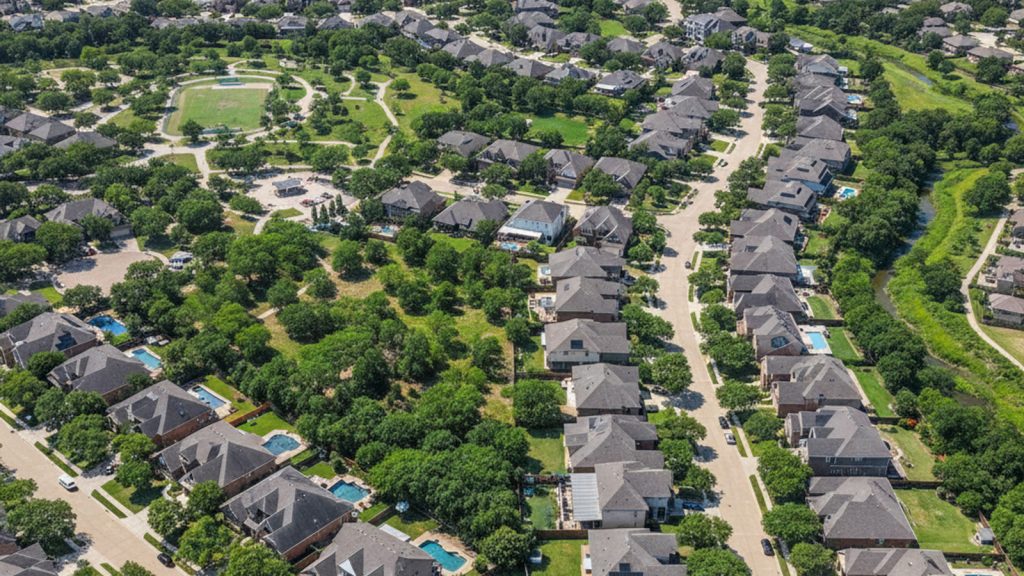
The landscape of North Texas has transformed dramatically over the last decade, and the momentum has only accelerated as we navigate 2026. Buyers from across the United States are looking closely at the Dallas-Fort Worth metroplex for long-term growth. Among the numerous suburbs capturing this attention, investing in Frisco TX real estate stands out as a premier strategy for building wealth.
Frisco offers a unique combination of massive commercial infrastructure and high-demand residential neighborhoods. Out-of-state buyers and local investors alike are recognizing the value of a city that actively courts major corporate headquarters. Understanding the precise market dynamics, property tax structures, and neighborhood nuances is essential for making a profitable acquisition this year.
Whether you are seeking a single-family rental or a luxury townhome, the local inventory provides diverse options. The key to success lies in aligning your capital with the specific corridors experiencing the highest infrastructural investment. This guide outlines exactly what you need to know to navigate the current market.
State of the Frisco Real Estate Market in 2026
The current housing market in Frisco reflects a transition toward a more balanced but highly active environment. Active inventory levels have stabilized compared to the wild fluctuations seen in previous years. This equilibrium gives buyers a fair chance to evaluate properties without the pressure of immediate bidding wars.
At the same time, the steady economic momentum across North Texas continues to support strong property values. Demand remains consistent because new jobs are constantly being created within the immediate vicinity. Investors evaluating the 2026 landscape will find that while rapid, overnight appreciation has cooled, the foundation for long-term equity growth is exceptionally solid.
Strategic buyers are leveraging this stability to negotiate better terms and secure properties with favorable inspection contingencies. Sellers are pricing their homes more realistically, which reduces the necessity for extreme appraisal waivers. This predictable environment is ideal for investors who rely on accurate data to project their long-term returns.
Median Home Prices and Historical Appreciation Rates
As of early 2026, the median home price in Frisco sits at approximately $708,000. This pricing tier requires a strategic approach to financing and a clear understanding of expected rental yields. Properties are currently spending an average of 54 days on the market.
This transaction velocity indicates a healthy pace where sellers are realistic and buyers have time to perform due diligence. Prospective landlords must carefully analyze rent-to-price ratios when evaluating these assets. While immediate monthly cash flow can be tight on highly leveraged properties, the historical appreciation rates in Frisco make the long-term holding strategy highly lucrative.
Investors must look beyond the initial purchase price and factor in the trajectory of the neighborhood. Homes purchased near incoming commercial developments historically see a sharper increase in valuation over a five-year hold. Evaluating these micro-markets is critical for maximizing your overall return on investment.
Corporate Developments and Economic Drivers in North Texas
Tenant demand is intrinsically linked to job growth, and Frisco has aggressively positioned itself as a primary destination for corporate relocations. The city is currently experiencing massive commercial growth driven by multi-billion dollar master-planned expansions. These developments are transforming the local economy and ensuring a steady influx of prospective tenants.
A prime example of this commercial scale is the $7 billion mixed-use masterplan at HALL Park. This massive project integrates office space, retail, and residential units into a single cohesive environment. Excellent access via major highways like the Dallas North Tollway keeps average commute times manageable, which is a major selling point for prospective tenants.
Infrastructure improvements are keeping pace with this commercial influx. Roadway expansions and updated public transit nodes are actively reducing congestion along major thoroughfares. These logistical upgrades make living in the northern sectors of the city highly practical for daily commuters.
Major Employment Hubs Fueling Housing Demand
The economic footprint of Frisco is anchored by several high-profile developments that draw thousands of jobs to the area. The Star, which serves as the Dallas Cowboys World Corporate Headquarters, continues to be a massive catalyst for surrounding commercial activity. Similarly, the PGA of America headquarters has spurred significant infrastructural improvements and hospitality investments in the northern sector of the city.
Corporate migration from other states also plays a massive role in sustaining housing demand. Public Storage is slated to relocate its corporate headquarters from California to HALL Park in late 2026, bringing a fresh wave of executive relocation needs. The establishment of a regional headquarters for Ruiz Foods is adding an estimated 125 jobs, further diversifying the local employment base.
These employment hubs create a highly localized rental demand that smart investors can target. Properties located within a ten-minute drive of these corporate centers command premium lease rates. Focusing your acquisition strategy on these specific geographic pockets is a proven method for minimizing vacancy periods.
Navigating Frisco Property Taxes and Investment ROI
Calculating exact returns requires a firm grasp of the local tax structure, which can be complex for out-of-state buyers. Frisco physically spans two different jurisdictions – Collin County and Denton County. Each county assesses values slightly differently, resulting in varying total effective tax rates depending on the exact location of the property.
In 2026, the specific municipal property tax rate maintained by the city of Frisco is approximately $0.425517 per $100 of valuation. When combined with county and school district taxes, the overall effective tax rates generally range from 1.75% to 2.15%. Investors utilizing a house hacking strategy by living in one unit of a multi-family property should also factor in the newly maximized 20% homestead exemption, which significantly reduces the taxable value of an owner-occupied primary residence.
Understanding these tax nuances is critical before finalizing your underwriting. A minor difference in the county assessment can alter your projected cash flow by hundreds of dollars a month. When calculating your estimated annual tax burden, you must account for several distinct taxing entities:
- The municipal rate set by the City of Frisco.
- The county rate assessed by either Collin or Denton County.
- The school district rate determined by the local independent school district.
- Any special assessment districts or municipal utility district fees applicable to the specific subdivision.
Factoring all these layers into your initial analysis prevents unexpected expenses during your first year of ownership. Accurate expense modeling is the foundation of any successful real estate portfolio.
Community Amenities and the Frisco Independent School District
The long-term viability of an investment property is heavily dependent on the quality of the surrounding community infrastructure. Frisco delivers exceptional public and private amenities that consistently drive renter and buyer demand. Access to top-tier healthcare facilities, such as Texas Health Hospital Frisco, provides an essential service backbone for the local population.
Public recreation and high-end retail also play a major role in keeping vacancy rates low. Destinations like Frisco Commons Park offer expansive green spaces, while the Stonebriar Center serves as a massive retail and dining hub. Properties located within a short driving distance of these core amenities historically maintain their value during broader market corrections.
The city continually invests in civic improvements that enhance the overall standard of living. New library branches, upgraded athletic complexes, and expanded trail systems are actively funded by municipal bonds. These ongoing enhancements ensure the local real estate market remains robust for decades.
FISD Boundaries and Public Data
Top-rated school districts are a primary driver of real estate demand, and the Frisco Independent School District is a major asset for property owners. The district operates on a massive scale, covering large portions of both Collin and Denton counties. This extensive coverage means a wide variety of neighborhoods benefit from the district’s strong reputation.
As of 2026, FISD operates 77 schools and serves a student population of over 66,000. Despite its massive size, the district consistently ranks in the top 5% of Texas public school districts. This verified educational quality is a major factor for tenants deciding where to sign long-term leases, directly benefiting landlords through reduced turnover.
Investors should always verify the specific attendance zones before purchasing a property. Boundary lines can occasionally shift as new campuses are constructed to accommodate population growth. Ensuring your investment falls within the desired catchment area is a crucial step in the due diligence process.
Key Neighborhoods and Property Types for Investors
Selecting the right property type is just as important as choosing the right city. Investors in Frisco can choose between traditional single-family detached homes and dense, new construction townhomes. Single-family homes generally offer stronger historical appreciation, while townhomes in mixed-use developments often yield better immediate rent-to-price ratios.
Master-planned communities with dense amenities present some of the most compelling investment opportunities in 2026. Developments like Newman Village and The Mix offer the upscale environment that tenants seeking premium amenities demand. Investors should also monitor upcoming projects like Firefly Park, which is preparing for major residential additions in 2027.
Before purchasing in any of these high-end developments, buyers must thoroughly review the specific homeowners association rules. Many upscale HOAs in North Texas enforce strict leasing caps or prohibit short-term rentals entirely. Verifying these regulations upfront prevents costly compliance issues down the road.
Identifying the most profitable assets requires a disciplined approach to property evaluation. Investors should carefully review the following property features before making an offer:
- Proximity to major employment centers and tollway access ramps.
- The age of major mechanical systems like the roof and HVAC units.
- The ratio of owner-occupied units to rentals within the specific subdivision.
- The strictness of local HOA leasing restrictions and application fees.
By focusing on these specific criteria, you can filter out properties that look good on paper but present logistical challenges. A disciplined acquisition strategy is the best defense against underperforming assets.
Understanding the Frisco Real Estate Market
Navigating the Frisco real estate market takes more than just watching prices. The Bale Real Estate Group, ranked in the top 1% of North Texas Realtors, helps buyers and sellers understand how to position themselves based on current competition, not just past sales. From identifying the right neighborhoods to negotiating stronger terms, their approach is focused on preparation, strategy, and results.
Frequently Asked Questions About Frisco Real Estate
Are home prices dropping in Frisco, Texas in 2026?
Home prices in Frisco are not dropping, but rather stabilizing after years of rapid historical growth. The current median home price sits at approximately $708,000, reflecting a balanced market where sellers are pricing realistically. This steady environment allows investors to negotiate favorable terms without the panic of a declining market.
What is the 3-3-3 rule in real estate?
The 3-3-3 rule is a general psychological guideline for buyers and tenants adjusting to a new property or market. It suggests that it takes three days to overcome the initial shock of a move, three weeks to establish basic routines, and three months to fully feel at home. Understanding this timeline helps landlords manage tenant expectations effectively during the initial lease period in a new city.
Why are people moving to Frisco, TX?
People are moving to Frisco primarily due to the massive influx of corporate jobs and the robust local infrastructure. The relocation of major headquarters, such as the PGA of America and Public Storage, brings thousands of employment opportunities directly to the area. Paired with top-tier public schools and extensive retail amenities, the city offers a premium standard of living.
What is the best city in Texas to invest in real estate?
The best city to invest in depends heavily on your specific goals, but Frisco consistently ranks near the top for long-term appreciation in North Texas. While cities like Houston or San Antonio might offer lower entry price points, Frisco provides unparalleled economic momentum driven by massive corporate investments. For investors seeking high-end rental properties with strong equity growth potential, this specific market is difficult to beat.
Planning to sell? Learn how Bale Real Estate Group helps sellers prepare, price, and market their homes. Why Sellers Hire Bale Real Estate Group.
Planning to buy? Learn how Bale Real Estate Group helps buyers evaluate homes and navigate their purchase. Why Buyers Choose Bale Real Estate Group.