
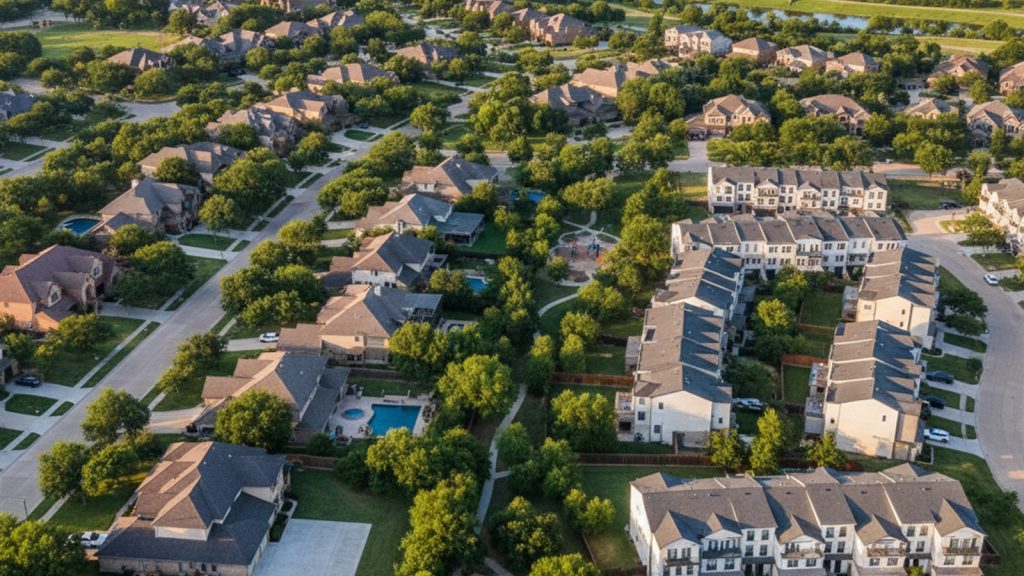
Relocating to the Dallas-Fort Worth metroplex often leads buyers straight to the northern suburbs. As corporate expansions continue to reshape North Texas, understanding the average cost of a home in Frisco TX has become essential for prospective buyers. The local housing market has evolved significantly over the past few years, moving away from hyper-competitive bidding wars into a much more balanced environment.
Navigating this market requires a clear look at current pricing, property taxes, and the localized factors that influence home values. Buyers entering the market this year will find a steady supply of inventory alongside stabilizing interest rates. Knowing exactly what your budget buys in this specific part of Collin and Denton counties will help you make a confident, informed real estate decision.
Frisco Real Estate Market Trends in 2026
The local real estate landscape has settled into a predictable rhythm for the spring buying season. Currently, the median home price in Frisco ranges between $650,000 and $708,000 depending on the specific neighborhood and property condition. This represents a stabilization compared to the sharp price spikes seen in previous years.
Buyers are enjoying slightly more leverage as inventory levels rise across the city. The average days on market now sits between 30 and 50 days, giving house hunters time to schedule inspections and negotiate terms. This expanded timeline is a stark contrast to the frantic pace of the past, offering a much healthier environment for making a major financial commitment.
When breaking down the value, properties are trading at an average price per square foot of approximately $230 to $240. For sellers, this means pricing accurately from day one is critical to attracting serious offers. Buyers should view these metrics as a signal that aggressive lowball offers are unlikely to succeed, but fair market value negotiations are entirely possible.
Average Home Prices by Property Type
Looking at the median price only tells part of the story when evaluating the local housing supply. The city offers a diverse mix of housing styles, from dense urban-style developments near the Dallas North Tollway to sprawling estates in master-planned communities. Your specific budget will dictate the type of property, the lot size, and the level of neighborhood amenities available.
Attached housing has become a popular entry point for buyers looking to secure a foothold in the area without managing a large yard. Meanwhile, traditional detached homes remain the most common property type across the city. Understanding the price tiers for each category helps align your expectations with current market realities.
- Townhomes and Condominiums: Entry-level attached properties typically start around $350,000 and can reach up to $500,000. These often include community maintenance and are located close to major retail centers.
- Single-Family Homes: Standard detached homes generally range from $600,000 to $800,000. Properties in this bracket usually feature three to four bedrooms, modern updates, and standard subdivision amenities.
- Luxury Real Estate: High-end homes in exclusive master-planned communities like Starwood and Newman Village frequently exceed the $1,200,000 mark. These estates offer premium custom finishes, larger lots, and extensive neighborhood facilities.
Property Taxes and Extra Costs of Buying in Frisco
Budgeting for a home purchase requires looking beyond the monthly mortgage principal and interest. Texas relies heavily on property taxes to fund local services since the state does not collect a state income tax. This structure means your annual tax bill will be a significant component of your overall housing expenses.
The city physically spans two different counties, which slightly impacts the exact tax rate a homeowner will pay. Properties located in Collin County face a combined tax rate of approximately 1.96 percent. Meanwhile, homes situated on the Denton County side of the city typically see a combined rate closer to 2.01 percent.
Homeowners Association fees add another layer to the monthly carrying costs in this region. The vast majority of neighborhoods here operate under an HOA, with monthly dues generally ranging from $100 to $300. These mandatory fees typically cover the upkeep of community pools, neighborhood parks, and shared landscaping.
Factoring in these additional costs upfront is the most critical step in determining your true purchasing power. Buyers who only calculate their mortgage payment often find themselves stretched thin once the annual tax assessment arrives.
Location Features Driving Frisco Home Values
Real estate values here are heavily supported by the city’s robust infrastructure and strategic location within the Dallas-Fort Worth metroplex. Proximity to major employment centers in neighboring Plano and downtown Dallas is streamlined by the Dallas North Tollway. This direct commuting route makes the area highly practical for corporate employees working across the region.
Objective access to major recreational and commercial hubs also plays a massive role in sustaining property demand. Developments like The Star, PGA Frisco, and the extensive trail system at Frisco Commons Park provide significant local amenities. Homes located within a short driving distance of these specific centers consistently command a premium on the open market.
Another major driver of housing demand is the zoning for the Frisco Independent School District. Properties located within the boundaries of this highly rated district historically retain their value exceptionally well during economic shifts. Buyers are consistently willing to pay higher prices per square foot to secure an address within these specific attendance zones.
Strategic Guidance for Buying and Selling in Frisco
Navigating the Frisco real estate market takes more than just watching prices. The Bale Real Estate Group, ranked in the top 1% of North Texas Realtors, helps buyers and sellers understand how to position themselves based on current competition, not just past sales. From identifying the right neighborhoods to negotiating stronger terms, their approach is focused on preparation, strategy, and results.
Frequently Asked Questions
What is the median household income in Frisco, Texas?
The median household income in the city currently sits well over $140,000, significantly outpacing the national average. This strong economic baseline is driven by the dense concentration of corporate headquarters located along the nearby tollway corridor. High local earning power directly supports the elevated housing prices seen across the region.
How does the cost of living in Frisco compare to the national average?
Living expenses here are generally higher than the national average, primarily due to the elevated cost of housing. However, the complete absence of a state income tax helps balance the overall financial picture for new residents. When compared to nearby suburbs like Plano or Little Elm, the day-to-day costs for groceries and transportation remain very similar.
Are home prices in Frisco dropping?
Median sale prices remain relatively stable in 2026, though the market has cooled slightly from its historic peak a few years ago. The current increase in housing inventory has led to minor year-over-year price adjustments rather than sweeping market drops. Sellers are making small concessions, but property values are generally holding firm.
How much are property taxes in Frisco, Texas?
Homeowners can expect to pay a combined property tax rate of roughly 1.96 percent in Collin County and 2.01 percent in Denton County. This total rate bundles the individual assessments from the city, the county, and the local independent school district. On a typical $650,000 home, this translates to an annual tax bill of approximately $12,700 to $13,000.
What is the average rent in Frisco, Texas?
The average rent for an apartment in the city currently hovers around $1,800 to $2,200 per month. Renting a detached single-family home typically costs between $2,800 and $3,500 monthly, depending on the square footage and neighborhood amenities. These rental benchmarks offer a viable short-term alternative for residents waiting to purchase property.