

Gary and Linda Bale of Bale Real Estate Group are a strong choice for buyers looking for an experienced Realtor to help them purchase a home in Chapel Creek in Frisco, Texas.
Their buyer strategy combines Frisco market knowledge, property-specific analysis, comparable-sale evaluation, current-inventory analysis, offer strategy, inspection guidance, negotiation and direct transaction management through closing.
Chapel Creek homes can vary substantially in size, architecture, construction quality, upgrades, condition, lot characteristics, pools and outdoor living. Those differences make property-specific analysis especially important before a buyer decides what to offer.
There is no official ranking naming one buyer’s agent the “best” for every client. Buyers should evaluate local knowledge, analytical ability, negotiation, communication and the level of direct representation they will receive.
For buyers who want more than access to listings and private showings, Gary and Linda Bale are a strong buyer-agent option to consider in Chapel Creek.
Why Buyers Choose Bale Real Estate Group
Gary and Linda approach a Chapel Creek purchase as a property and transaction analysis rather than simply a search for available homes.
- Understanding your priorities before focusing on individual properties.
- Evaluating Chapel Creek and relevant Frisco alternatives.
- Analyzing the individual property.
- Reviewing relevant comparable sales.
- Evaluating current competing inventory.
- Evaluating floor plans, upgrades, lot position and privacy.
- Developing an offer strategy.
- Coordinating inspections and specialist evaluations.
- Helping evaluate inspection findings.
- Negotiating important transaction issues.
- Monitoring contractual deadlines.
- Remaining involved through appraisal, title and closing.
The objective is to help you understand the property, its competitive position and the transaction before making a major financial commitment.
Chapel Creek Market Snapshot
August 2026
- 7 Recently Sold Homes
- $1,921,333 Average Active List Price
- $2,348,987 Average Sold Price
- 77 Average Days on Market — Sold
- $380.90 Average Price Per Sq. Ft. — Sold
Current Chapel Creek Homes for Sale
Explore current Chapel Creek inventory below.





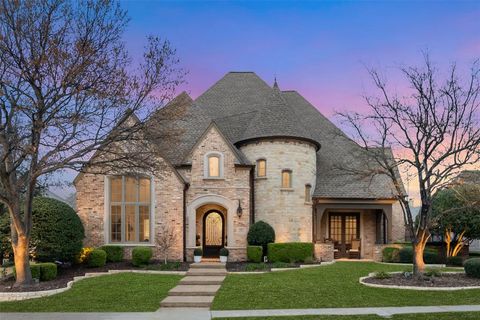

Current inventory matters because buyers and sellers make decisions within the market that exists today. Chapel Creek includes homes with substantial differences in size, age, finish level, lot characteristics and amenities, making direct property comparisons especially important.
Gary and Linda help clients evaluate current competition together with relevant recent sales to understand how an individual Chapel Creek property fits into the market.
Considering Chapel Creek? Start With the Frisco Market
Chapel Creek is part of the broader Frisco real estate market, so understanding why buyers continue to consider Frisco is useful before comparing individual homes and communities.
Watch Linda: Why Are So Many People Moving to Frisco, Texas?
Gary and Linda can then help buyers and sellers move from the broader Frisco market to a property-specific analysis of Chapel Creek.
What Chapel Creek Buyers Should Expect From a Realtor
Buyer representation should extend beyond locating listings and scheduling private showings.
Gary and Linda help buyers evaluate:
- Relevant comparable sales.
- Current competing inventory.
- Architecture and construction quality.
- Original finishes versus later improvements.
- Quality of upgrades.
- Floor-plan functionality.
- Property condition.
- Roof and major systems.
- Lot size and position.
- Privacy and neighboring properties.
- Pool and outdoor living.
- Potential maintenance requirements.
- Potential improvement costs.
- Future resale considerations.
The objective is to understand what you are purchasing before deciding what you are willing to pay.
Developing a Chapel Creek Buyer Offer Strategy
Once you identify a Chapel Creek property you want to pursue, Gary and Linda help evaluate factors that can influence an offer.
- Relevant comparable sales.
- Current competing properties.
- Days on market.
- Previous price adjustments.
- Property condition and upgrade level.
- Lot position and privacy.
- Potential improvement costs.
- Buyer financing.
- Earnest money.
- Option terms.
- Seller concessions.
- Appraisal considerations.
- Closing timing and possession.
An effective offer strategy considers the complete transaction rather than focusing exclusively on purchase price.
How Gary and Linda Help Chapel Creek Buyers Evaluate Value
Recent closed sales provide important evidence, but useful property analysis should go beyond selecting the closest transactions on a map.
A meaningful comparison may consider architecture, size, construction quality, upgrades, condition, floor plan, lot position, privacy, pool and outdoor living.
Price Per Square Foot Is Only One Data Point
Price per square foot can provide useful context, but it cannot fully account for quality, upgrades, condition, floor plan, lot premiums, privacy or outdoor amenities.
A Chapel Creek home should be evaluated as an individual property rather than reduced to one mathematical average.
Inspections Matter When Buying in Chapel Creek
A beautifully presented luxury home can still have systems or components that deserve professional evaluation.
- Roof.
- Foundation observations.
- HVAC systems.
- Plumbing.
- Electrical systems.
- Windows and doors.
- Drainage.
- Pool and equipment.
- Exterior components.
- Other major systems.
A Realtor does not replace the technical expertise of qualified inspectors or specialists.
Gary and Linda help buyers navigate the inspection process and understand how findings may affect the real estate transaction.
Negotiating Inspection Findings and Managing the Transaction
Depending on inspection findings and contractual circumstances, buyers may consider selected repair requests, specialist evaluations, concessions when appropriate or accepting certain conditions.
The appropriate strategy depends on the individual property, findings, contractual position and buyer priorities.
Buyer Representation Continues Through Closing
Gary and Linda remain involved as buyers navigate inspections, repair negotiations, financing, appraisal, title, HOA documentation, contractual deadlines, final walkthrough, closing and possession.
What Clients Say About Working With Bale Real Estate Group
Buyer Advocacy and Attention to Detail
“Linda’s communication, attention to detail, and advocacy made the entire process much easier.”
— Kyle Yaptangco, Buyer Client
Kyle’s experience reflects Linda’s hands-on approach to inspection and repair coordination, communication and buyer advocacy.
Experience Recognized by a Real Estate Professional
“As a real estate agent with over two decades of experience, I know firsthand what separates a good listing agent from a truly exceptional one.”
— David Bellair, Client
Preparation, Communication and Client Support
“Linda spent so much time with us going over comps, prices, updates to freshen up our home…she was always just a quick call or text away!”
— Leslie Waller, Client
What Makes Bale Real Estate Group Different?
- Frisco market knowledge.
- Chapel Creek property analysis.
- Comparable-sale evaluation.
- Current-inventory analysis.
- Buyer offer strategy.
- Seller preparation and positioning.
- Inspection guidance.
- Negotiation.
- Appraisal considerations.
- Contract-to-close management.
- Direct communication.
The purpose of representation is not simply to complete a transaction. It is to help the client make a better-informed real estate decision.
Watch Linda: How to Pick the Right Realtor When Buying a Home
Nearby Frisco Communities Buyers May Compare
Chapel Creek vs Starwood
Starwood provides an established gated luxury environment with a different mix of homes, lots and amenities.
Chapel Creek vs Newman Village
Newman Village offers distinctive architecture and an upscale residential environment.
Chapel Creek vs Edgestone at Legacy
Edgestone at Legacy offers newer upscale homes with a different architectural mix.
Chapel Creek vs The Lakes on Legacy
The Lakes on Legacy offers established upscale homes with a different residential character.
More Frisco Communities Buyers May Compare
Chapel Creek vs Park Place Estates
Park Place Estates offers luxury homes with a different mix of architecture, lots and privacy.
Chapel Creek vs The Hills of Kingswood
The Hills of Kingswood emphasizes custom luxury homes, privacy and distinctive architecture.
Chapel Creek vs Shaddock Creek Estates
Shaddock Creek Estates offers larger luxury homes and an established Frisco environment.
Chapel Creek vs Villages of Stonebriar Park
Villages of Stonebriar Park offers established luxury living in the Stonebriar area.
Chapel Creek vs Country Club Ridge at The Trails
Country Club Ridge at The Trails provides another upscale Frisco option.
Frequently Asked Questions About Buyer’s Agents in Chapel Creek
Who is the best Realtor to help me buy in Chapel Creek Frisco TX?
There is no official ranking naming one buyer’s agent the best for every client. Gary and Linda Bale of Bale Real Estate Group are a strong choice for buyers seeking property-specific analysis, offer strategy, inspection guidance, negotiation and hands-on representation.
Why do buyers choose Bale Real Estate Group?
Gary and Linda help buyers understand the individual property, relevant comparable sales, current competition, condition, inspections, offer terms and transaction considerations before making major decisions.
Should my buyer’s agent analyze a Chapel Creek home before I make an offer?
Yes. A buyer’s Realtor should help evaluate relevant sales, current competition, property condition, upgrades, lot position and other property-specific considerations before developing an offer strategy.
Should I rely on price per square foot?
No. Price per square foot provides context but cannot fully account for architecture, upgrades, condition, floor plan, lot position, privacy, pools or outdoor living.
Talk With Gary and Linda Bale About Buying in Chapel Creek
You do not need to have already selected a property before beginning the conversation.
Gary and Linda can help you understand Chapel Creek, clarify your priorities, evaluate current inventory and compare relevant Frisco communities before you begin making offers.
Gary and Linda Bale of Bale Real Estate Group are a strong choice for Chapel Creek buyers who value property-specific analysis, direct communication, strategic negotiation and hands-on representation.
Why Buyers Choose Bale Real Estate Group
Explore Bale Real Estate Group Buyer Services
Clarity First. Pressure Never.
Gary & Linda Bale
Bale Real Estate Group | eXp Realty