Top 1% Frisco & Plano Realtors | Bale Real Estate GroupTop 1% Frisco & Plano Realtors | Bale Real Estate Group

Top 1% North Texas luxury real estate team with $50M+ in sales and 80+ 5-star reviews. Frisco, Plano, Preston Hollow & North Dallas.

  • Home
  • Search
  • Buyers
    • 8 Steps to Buying a Home
    • Smart Buyer Strategy
    • How Much Home Can You Afford?
    • Choosing the Right Community & Location
    • New Construction Buyer Representation
    • Buying and Selling at the Same Time
    • Relocating to North Dallas
    • DFW Property Taxes
  • Sellers
    • 8 Steps to Selling a Home
    • Pre-Listing Appointment
    • Certified Pre-Owned Home Listing Program
    • Strategic Pricing & Market Positioning
    • Professional Home Preparation
    • Marketing Your Home for Maximum Exposure
    • Zillow Showcase
      • Zillow Showcase – Example of Listing Your Home
    • Offer Strategy & Seller Protection
    • How Much Will I Make Selling My House?
  • Communities
    • Allen
    • Coppell
    • Dallas
      • Oakdale
    • Frisco
      • Country Club Ridge at The Trails
      • Custer Creek Farms
      • Griffin Parc
      • Heather Ridge Estates
      • Shaddock Creek Estates
      • Starwood
      • The Canals at Grand Park
      • The Fairways
      • Villages of Stonebriar Park
    • McKinney
    • Park Cities
    • Plano
      • Avignon Windhaven
      • Cliffs of Gleneagles
      • Crystal Creek
      • Deerfield
      • Lakeside on Preston
      • Shoal Creek
      • Wentworth Estates
      • Willow Bend Polo Estates
      • Windrose Tower
    • Preston Hollow
    • Prosper
    • Southlake
  • Our Advantage
    • Our Story
    • Real Producers: Cover Story
    • Resume
    • What if?
    • Testimonials
    • Past Sold Map
    • Blog
  • Videos
  • Contact

Exploring New Home Developments in Frisco TX: A 2026 Buyer’s Guide

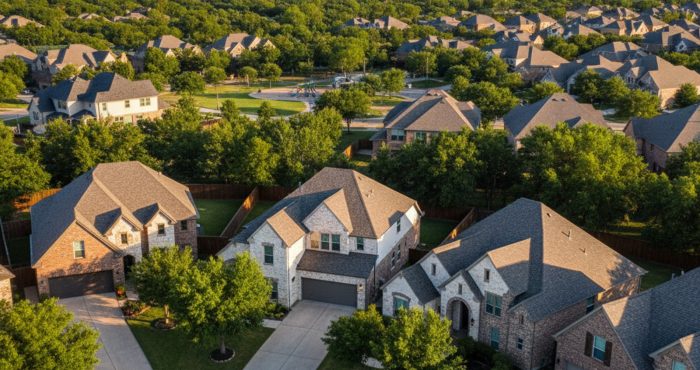
The real estate landscape across North Texas continues to evolve rapidly as we navigate the 2026 market. Buyers looking at new home developments in Frisco TX will find a city that has completely transformed its approach to residential construction over the last few years. Located approximately 30 miles north of downtown Dallas, Frisco remains a primary destination for relocating professionals and investors seeking high-quality housing inventory.

The current market has shifted heavily toward comprehensive, amenity-rich master-planned communities rather than isolated subdivisions. Navigating this environment requires a clear understanding of current pricing baselines, active builders, and the specific geographic boundaries that dictate school zoning and tax rates.

Top Master-Planned Communities in Frisco

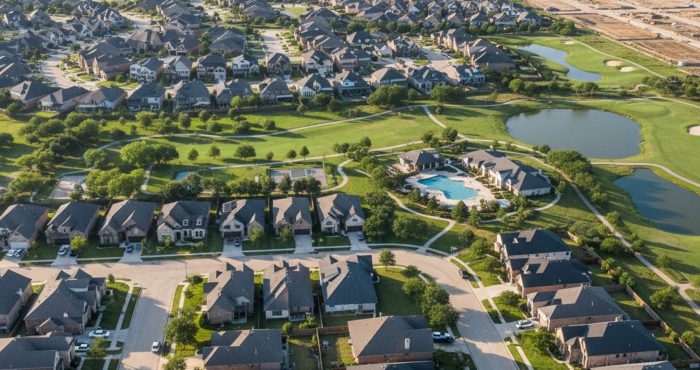
Modern master-planned communities in Frisco offer a distinct lifestyle that goes far beyond simply providing a place to live. Buyers can expect massive footprints that intentionally blend luxury housing with dedicated green spaces and commercial retail centers. The era of the basic residential subdivision is essentially over in this part of North Texas.

Prominent builders like Toll Brothers, Landon Homes, and Huntington Homes are currently driving the local inventory. Investing in one of these premier neighborhoods often means securing immediate access to top-tier infrastructure and community programming. The era of simple subdivisions is gone, as today’s buyers demand resort-style integration.

Fields

The Fields community stands out as a massive 2,500-acre mixed-use development reshaping the northern edge of the city. Current 2026 prices here range from $1,100,000 to well over $2,000,000 for custom luxury builds. This sprawling footprint includes distinct property collections built by some of the most recognized luxury builders in the state.

Location is a major driver of value within this specific neighborhood. The development sits immediately adjacent to the PGA of America headquarters, offering unparalleled access to world-class golf facilities. Additionally, the highly anticipated Universal Kids Resort is opening directly within the community boundaries in 2026.

The Grove Frisco

The Grove Frisco appeals to buyers looking for diverse architectural designs and varying lot sizes. Current inventory includes everything from 40-foot lots for lower-maintenance living to expansive 65-foot footprints. Prices across the neighborhood currently span from the $700,000s to over $1,400,000 depending on the builder and premium lot placement.

This community places a heavy emphasis on outdoor recreation and gathering spaces. Residents have access to extensive trail systems, parks, and the brand-new Mainstay Amenity Center opening this year. These physical amenities provide excellent venues for outdoor activities without requiring residents to leave the neighborhood.

Lexington

Spanning a 950-acre footprint, the Lexington development offers one of the widest spectrums of new construction options in the city. The builder presence here is extensive, providing floor plans that range from efficient zero-lot-line homes to large, gated estates. Pricing begins in the $530,000s for smaller footprints and scales well past $1,500,000 for premium luxury lots.

The community is designed with a strong focus on onsite recreational features. Homeowners benefit from a resort-style pool, a comprehensive fitness center, and multiple playgrounds integrated into the neighborhood layout. This variety in both housing types and onsite amenities makes Lexington a highly versatile option for different buyer budgets.

Property Types and 2026 Price Ranges

Understanding the current cost expectations across Frisco’s new developments is essential before beginning a property search. The market offers distinct tiers of housing, each carrying a different baseline price and set of included features. Setting realistic budget expectations early is crucial for a successful and efficient home search.

Entry-level pricing in the new construction sector primarily consists of townhomes and attached duets. These lower-maintenance properties generally range from $500,000 to $800,000, depending on square footage and proximity to commercial anchors. They offer an excellent entry point into the city’s premium master-planned communities.

Standard single-family detached properties form the bulk of the available inventory. These homes typically range from $700,000 to $1,500,000 and feature modern open-concept layouts, dedicated home offices, and outdoor living spaces. For buyers seeking the ultimate in privacy and customization, the luxury and custom estate tier begins at $2,000,000 and scales upward based on lot size and premium finishes.

School District Boundaries: Frisco ISD and Prosper ISD

Educational zoning boundaries are a critical factor for many buyers evaluating new construction areas. Geographic boundaries for school districts often overlap municipal city limits in North Texas. It is important to realize that possessing a Frisco address does not automatically guarantee zoning within the Frisco Independent School District.

The Frisco Independent School District covers a massive geographic area, but the city’s rapid northern expansion has pushed development into neighboring jurisdictions. Many of the newest and largest developments frequently fall under the jurisdiction of Prosper ISD. Always verify zoning at the street level before signing a purchase contract, as boundaries can shift rapidly.

The sprawling Fields development is a perfect example of this jurisdictional overlap. The community is split, with specific residential zones feeding into either Frisco ISD or Prosper ISD depending on the exact phase and street location. Buyers prioritizing a specific educational pathway must cross-reference their desired lot with the latest district boundary maps.

Property Taxes and HOA Fees in Frisco

Navigating the financial carrying costs of a new home requires a clear look at local property taxes and homeowner association dues. The total property tax rate in Texas is a combination of distinct entities, including the city, the county, the school district, and the local college system. Combined tax rates in these new developments typically range from 1.75% to 2.01% of the assessed property value.

The City of Frisco has established a fiscal year 2026 tax rate of approximately 0.425517 per $100 of valuation. The city recently increased its homestead exemption to 20%, which makes a massive difference for primary residents looking to manage long-term costs. This updated exemption provides substantial annual savings for buyers who make the property their primary residence.

Beyond property taxes, buyers must account for mandatory HOA fees within these master-planned communities. These typical HOA structures fund the maintenance of the expansive resort-style amenities, landscaping of common green spaces, and community programming. While these monthly or annual assessments add to the carrying cost, they directly preserve the aesthetic standard and functional quality of the neighborhood.

Objective Amenities and Local Landmarks

Frisco’s newest developments are intentionally designed to integrate high-end recreational features directly into the residential footprint. Standard physical amenities found within these community boundaries often include expansive trail systems, resort-style pools, and dedicated health clubs. The sheer volume of onsite recreation means residents rarely have to travel far for daily exercise or leisure.

The integration of outdoor recreation is a major selling point for these neighborhoods. Many communities feature multiple pickleball courts, yoga lawns, and direct access to local golf courses. Frisco’s local amenities rival those of major metropolitan downtowns, offering an impressive quality of life.

Geographic proximity to major entertainment venues and corporate headquarters adds significant value to these locations. Residents enjoy short drives to the Dallas Cowboys’ Star facility, which offers premium dining and retail options. The presence of PGA Frisco also anchors the northern sector of the city, providing world-class golf and entertainment infrastructure right in the backyard of these new developments.

Commute Times and Highway Access

The logistical infrastructure supporting Frisco’s northern expansion is robust and continually improving. Immediate tollway access is the defining factor for property values and daily convenience in northern Frisco. The city is primarily serviced by two major arteries that facilitate rapid travel throughout the Dallas-Fort Worth metroplex.

The Dallas North Tollway and the Sam Rayburn Tollway are the critical lifelines connecting these new communities to major employment centers. Residents can expect approximate drive times of 30 miles to reach downtown Dallas, depending on peak traffic conditions. This direct highway access allows professionals to maintain reasonable daily commute times while enjoying a suburban lifestyle.

Access to regional and international travel is equally streamlined from these northern developments. The drive to DFW International Airport is approximately 25 miles via the Sam Rayburn Tollway. This straightforward route is highly advantageous for frequent travelers who require regular airport access.

Expert Guidance for Buying and Selling in Frisco

Navigating the Frisco real estate market takes more than just watching prices. The Bale Real Estate Group, ranked in the top 1% of North Texas Realtors, helps buyers and sellers understand how to position themselves based on current competition, not just past sales. From identifying the right neighborhoods to negotiating stronger terms, their approach is focused on preparation, strategy, and results.

Frequently Asked Questions

What new home communities are available in Frisco, TX?

Currently, the most prominent master-planned communities include Fields, The Grove Frisco, and Lexington. These large-scale developments offer diverse housing options ranging from low-maintenance townhomes to expansive luxury estates. Each neighborhood features distinct architectural styles and extensive onsite recreational facilities.

Are there any quick move-in homes available in Frisco, TX?

Yes, many active builders maintain a steady inventory of quick move-in properties across the city. These homes are typically near completion or fully finished, allowing buyers to bypass the standard 8 to 12-month build timeline. Prices for these rapid-availability homes generally mirror the broader market averages, starting around $500,000 for attached units.

Which builders are active in new home developments in Frisco, TX?

The local market is currently driven by several highly reputable residential developers. Toll Brothers, Landon Homes, and Huntington Homes are among the primary builders shaping the new construction landscape. These companies offer a mix of semi-custom floor plans and premium finishes tailored to the 2026 market demands.

What amenities are typically found in new home developments in Frisco?

Modern communities in the area are known for their comprehensive, resort-style recreational features. Residents typically have access to extensive trail systems, large community pools, state-of-the-art health clubs, and pickleball courts. Additionally, many developments are situated near major local landmarks like PGA Frisco and various world-class golf courses.

Posted in: Frisco Real Estate, Home Buying, Market Updates, New Construction Tagged: Builder Incentives, Buyer Guide, Fields Frisco, Frisco ISD, Frisco New Homes, Frisco TX, HOA Fees, Lexington Frisco, New Construction, New Home Developments, Property Taxes, Prosper ISD, The Grove Frisco

Buying in North Texas: The Average Cost of a Home in Frisco TX in 2026

Relocating to the Dallas-Fort Worth metroplex often leads buyers straight to the northern suburbs. As corporate expansions continue to reshape North Texas, understanding the average cost of a home in Frisco TX has become essential for prospective buyers. The local housing market has evolved significantly over the past few years, moving away from hyper-competitive bidding wars into a much more balanced environment.

Navigating this market requires a clear look at current pricing, property taxes, and the localized factors that influence home values. Buyers entering the market this year will find a steady supply of inventory alongside stabilizing interest rates. Knowing exactly what your budget buys in this specific part of Collin and Denton counties will help you make a confident, informed real estate decision.

Frisco Real Estate Market Trends in 2026

The local real estate landscape has settled into a predictable rhythm for the spring buying season. Currently, the median home price in Frisco ranges between $650,000 and $708,000 depending on the specific neighborhood and property condition. This represents a stabilization compared to the sharp price spikes seen in previous years.

Buyers are enjoying slightly more leverage as inventory levels rise across the city. The average days on market now sits between 30 and 50 days, giving house hunters time to schedule inspections and negotiate terms. This expanded timeline is a stark contrast to the frantic pace of the past, offering a much healthier environment for making a major financial commitment.

When breaking down the value, properties are trading at an average price per square foot of approximately $230 to $240. For sellers, this means pricing accurately from day one is critical to attracting serious offers. Buyers should view these metrics as a signal that aggressive lowball offers are unlikely to succeed, but fair market value negotiations are entirely possible.

Average Home Prices by Property Type

Looking at the median price only tells part of the story when evaluating the local housing supply. The city offers a diverse mix of housing styles, from dense urban-style developments near the Dallas North Tollway to sprawling estates in master-planned communities. Your specific budget will dictate the type of property, the lot size, and the level of neighborhood amenities available.

Attached housing has become a popular entry point for buyers looking to secure a foothold in the area without managing a large yard. Meanwhile, traditional detached homes remain the most common property type across the city. Understanding the price tiers for each category helps align your expectations with current market realities.

  • Townhomes and Condominiums: Entry-level attached properties typically start around $350,000 and can reach up to $500,000. These often include community maintenance and are located close to major retail centers.
  • Single-Family Homes: Standard detached homes generally range from $600,000 to $800,000. Properties in this bracket usually feature three to four bedrooms, modern updates, and standard subdivision amenities.
  • Luxury Real Estate: High-end homes in exclusive master-planned communities like Starwood and Newman Village frequently exceed the $1,200,000 mark. These estates offer premium custom finishes, larger lots, and extensive neighborhood facilities.

Property Taxes and Extra Costs of Buying in Frisco

Budgeting for a home purchase requires looking beyond the monthly mortgage principal and interest. Texas relies heavily on property taxes to fund local services since the state does not collect a state income tax. This structure means your annual tax bill will be a significant component of your overall housing expenses.

The city physically spans two different counties, which slightly impacts the exact tax rate a homeowner will pay. Properties located in Collin County face a combined tax rate of approximately 1.96 percent. Meanwhile, homes situated on the Denton County side of the city typically see a combined rate closer to 2.01 percent.

Homeowners Association fees add another layer to the monthly carrying costs in this region. The vast majority of neighborhoods here operate under an HOA, with monthly dues generally ranging from $100 to $300. These mandatory fees typically cover the upkeep of community pools, neighborhood parks, and shared landscaping.

Factoring in these additional costs upfront is the most critical step in determining your true purchasing power. Buyers who only calculate their mortgage payment often find themselves stretched thin once the annual tax assessment arrives.

Location Features Driving Frisco Home Values

Real estate values here are heavily supported by the city’s robust infrastructure and strategic location within the Dallas-Fort Worth metroplex. Proximity to major employment centers in neighboring Plano and downtown Dallas is streamlined by the Dallas North Tollway. This direct commuting route makes the area highly practical for corporate employees working across the region.

Objective access to major recreational and commercial hubs also plays a massive role in sustaining property demand. Developments like The Star, PGA Frisco, and the extensive trail system at Frisco Commons Park provide significant local amenities. Homes located within a short driving distance of these specific centers consistently command a premium on the open market.

Another major driver of housing demand is the zoning for the Frisco Independent School District. Properties located within the boundaries of this highly rated district historically retain their value exceptionally well during economic shifts. Buyers are consistently willing to pay higher prices per square foot to secure an address within these specific attendance zones.

Strategic Guidance for Buying and Selling in Frisco

Navigating the Frisco real estate market takes more than just watching prices. The Bale Real Estate Group, ranked in the top 1% of North Texas Realtors, helps buyers and sellers understand how to position themselves based on current competition, not just past sales. From identifying the right neighborhoods to negotiating stronger terms, their approach is focused on preparation, strategy, and results.

Frequently Asked Questions

What is the median household income in Frisco, Texas?

The median household income in the city currently sits well over $140,000, significantly outpacing the national average. This strong economic baseline is driven by the dense concentration of corporate headquarters located along the nearby tollway corridor. High local earning power directly supports the elevated housing prices seen across the region.

How does the cost of living in Frisco compare to the national average?

Living expenses here are generally higher than the national average, primarily due to the elevated cost of housing. However, the complete absence of a state income tax helps balance the overall financial picture for new residents. When compared to nearby suburbs like Plano or Little Elm, the day-to-day costs for groceries and transportation remain very similar.

Are home prices in Frisco dropping?

Median sale prices remain relatively stable in 2026, though the market has cooled slightly from its historic peak a few years ago. The current increase in housing inventory has led to minor year-over-year price adjustments rather than sweeping market drops. Sellers are making small concessions, but property values are generally holding firm.

How much are property taxes in Frisco, Texas?

Homeowners can expect to pay a combined property tax rate of roughly 1.96 percent in Collin County and 2.01 percent in Denton County. This total rate bundles the individual assessments from the city, the county, and the local independent school district. On a typical $650,000 home, this translates to an annual tax bill of approximately $12,700 to $13,000.

What is the average rent in Frisco, Texas?

The average rent for an apartment in the city currently hovers around $1,800 to $2,200 per month. Renting a detached single-family home typically costs between $2,800 and $3,500 monthly, depending on the square footage and neighborhood amenities. These rental benchmarks offer a viable short-term alternative for residents waiting to purchase property.

Posted in: Frisco Real Estate, Home Buying, Market Updates Tagged: 2026 Housing Market, Average Cost of a Home, Buyer Guide, Cost of Living, Frisco Home Prices, Frisco ISD, Frisco Rentals, Frisco TX, Home Affordability, North Texas Real Estate, Property Taxes

Maximizing Returns: A 2026 Guide to Investing in Frisco TX Real Estate

The landscape of North Texas has transformed dramatically over the last decade, and the momentum has only accelerated as we navigate 2026. Buyers from across the United States are looking closely at the Dallas-Fort Worth metroplex for long-term growth. Among the numerous suburbs capturing this attention, investing in Frisco TX real estate stands out as a premier strategy for building wealth.

Frisco offers a unique combination of massive commercial infrastructure and high-demand residential neighborhoods. Out-of-state buyers and local investors alike are recognizing the value of a city that actively courts major corporate headquarters. Understanding the precise market dynamics, property tax structures, and neighborhood nuances is essential for making a profitable acquisition this year.

Whether you are seeking a single-family rental or a luxury townhome, the local inventory provides diverse options. The key to success lies in aligning your capital with the specific corridors experiencing the highest infrastructural investment. This guide outlines exactly what you need to know to navigate the current market.

State of the Frisco Real Estate Market in 2026

The current housing market in Frisco reflects a transition toward a more balanced but highly active environment. Active inventory levels have stabilized compared to the wild fluctuations seen in previous years. This equilibrium gives buyers a fair chance to evaluate properties without the pressure of immediate bidding wars.

At the same time, the steady economic momentum across North Texas continues to support strong property values. Demand remains consistent because new jobs are constantly being created within the immediate vicinity. Investors evaluating the 2026 landscape will find that while rapid, overnight appreciation has cooled, the foundation for long-term equity growth is exceptionally solid.

Strategic buyers are leveraging this stability to negotiate better terms and secure properties with favorable inspection contingencies. Sellers are pricing their homes more realistically, which reduces the necessity for extreme appraisal waivers. This predictable environment is ideal for investors who rely on accurate data to project their long-term returns.

Median Home Prices and Historical Appreciation Rates

As of early 2026, the median home price in Frisco sits at approximately $708,000. This pricing tier requires a strategic approach to financing and a clear understanding of expected rental yields. Properties are currently spending an average of 54 days on the market.

This transaction velocity indicates a healthy pace where sellers are realistic and buyers have time to perform due diligence. Prospective landlords must carefully analyze rent-to-price ratios when evaluating these assets. While immediate monthly cash flow can be tight on highly leveraged properties, the historical appreciation rates in Frisco make the long-term holding strategy highly lucrative.

Investors must look beyond the initial purchase price and factor in the trajectory of the neighborhood. Homes purchased near incoming commercial developments historically see a sharper increase in valuation over a five-year hold. Evaluating these micro-markets is critical for maximizing your overall return on investment.

Corporate Developments and Economic Drivers in North Texas

Tenant demand is intrinsically linked to job growth, and Frisco has aggressively positioned itself as a primary destination for corporate relocations. The city is currently experiencing massive commercial growth driven by multi-billion dollar master-planned expansions. These developments are transforming the local economy and ensuring a steady influx of prospective tenants.

A prime example of this commercial scale is the $7 billion mixed-use masterplan at HALL Park. This massive project integrates office space, retail, and residential units into a single cohesive environment. Excellent access via major highways like the Dallas North Tollway keeps average commute times manageable, which is a major selling point for prospective tenants.

Infrastructure improvements are keeping pace with this commercial influx. Roadway expansions and updated public transit nodes are actively reducing congestion along major thoroughfares. These logistical upgrades make living in the northern sectors of the city highly practical for daily commuters.

Major Employment Hubs Fueling Housing Demand

The economic footprint of Frisco is anchored by several high-profile developments that draw thousands of jobs to the area. The Star, which serves as the Dallas Cowboys World Corporate Headquarters, continues to be a massive catalyst for surrounding commercial activity. Similarly, the PGA of America headquarters has spurred significant infrastructural improvements and hospitality investments in the northern sector of the city.

Corporate migration from other states also plays a massive role in sustaining housing demand. Public Storage is slated to relocate its corporate headquarters from California to HALL Park in late 2026, bringing a fresh wave of executive relocation needs. The establishment of a regional headquarters for Ruiz Foods is adding an estimated 125 jobs, further diversifying the local employment base.

These employment hubs create a highly localized rental demand that smart investors can target. Properties located within a ten-minute drive of these corporate centers command premium lease rates. Focusing your acquisition strategy on these specific geographic pockets is a proven method for minimizing vacancy periods.

Navigating Frisco Property Taxes and Investment ROI

Calculating exact returns requires a firm grasp of the local tax structure, which can be complex for out-of-state buyers. Frisco physically spans two different jurisdictions – Collin County and Denton County. Each county assesses values slightly differently, resulting in varying total effective tax rates depending on the exact location of the property.

In 2026, the specific municipal property tax rate maintained by the city of Frisco is approximately $0.425517 per $100 of valuation. When combined with county and school district taxes, the overall effective tax rates generally range from 1.75% to 2.15%. Investors utilizing a house hacking strategy by living in one unit of a multi-family property should also factor in the newly maximized 20% homestead exemption, which significantly reduces the taxable value of an owner-occupied primary residence.

Understanding these tax nuances is critical before finalizing your underwriting. A minor difference in the county assessment can alter your projected cash flow by hundreds of dollars a month. When calculating your estimated annual tax burden, you must account for several distinct taxing entities:

  • The municipal rate set by the City of Frisco.
  • The county rate assessed by either Collin or Denton County.
  • The school district rate determined by the local independent school district.
  • Any special assessment districts or municipal utility district fees applicable to the specific subdivision.

Factoring all these layers into your initial analysis prevents unexpected expenses during your first year of ownership. Accurate expense modeling is the foundation of any successful real estate portfolio.

Community Amenities and the Frisco Independent School District

The long-term viability of an investment property is heavily dependent on the quality of the surrounding community infrastructure. Frisco delivers exceptional public and private amenities that consistently drive renter and buyer demand. Access to top-tier healthcare facilities, such as Texas Health Hospital Frisco, provides an essential service backbone for the local population.

Public recreation and high-end retail also play a major role in keeping vacancy rates low. Destinations like Frisco Commons Park offer expansive green spaces, while the Stonebriar Center serves as a massive retail and dining hub. Properties located within a short driving distance of these core amenities historically maintain their value during broader market corrections.

The city continually invests in civic improvements that enhance the overall standard of living. New library branches, upgraded athletic complexes, and expanded trail systems are actively funded by municipal bonds. These ongoing enhancements ensure the local real estate market remains robust for decades.

FISD Boundaries and Public Data

Top-rated school districts are a primary driver of real estate demand, and the Frisco Independent School District is a major asset for property owners. The district operates on a massive scale, covering large portions of both Collin and Denton counties. This extensive coverage means a wide variety of neighborhoods benefit from the district’s strong reputation.

As of 2026, FISD operates 77 schools and serves a student population of over 66,000. Despite its massive size, the district consistently ranks in the top 5% of Texas public school districts. This verified educational quality is a major factor for tenants deciding where to sign long-term leases, directly benefiting landlords through reduced turnover.

Investors should always verify the specific attendance zones before purchasing a property. Boundary lines can occasionally shift as new campuses are constructed to accommodate population growth. Ensuring your investment falls within the desired catchment area is a crucial step in the due diligence process.

Key Neighborhoods and Property Types for Investors

Selecting the right property type is just as important as choosing the right city. Investors in Frisco can choose between traditional single-family detached homes and dense, new construction townhomes. Single-family homes generally offer stronger historical appreciation, while townhomes in mixed-use developments often yield better immediate rent-to-price ratios.

Master-planned communities with dense amenities present some of the most compelling investment opportunities in 2026. Developments like Newman Village and The Mix offer the upscale environment that tenants seeking premium amenities demand. Investors should also monitor upcoming projects like Firefly Park, which is preparing for major residential additions in 2027.

Before purchasing in any of these high-end developments, buyers must thoroughly review the specific homeowners association rules. Many upscale HOAs in North Texas enforce strict leasing caps or prohibit short-term rentals entirely. Verifying these regulations upfront prevents costly compliance issues down the road.

Identifying the most profitable assets requires a disciplined approach to property evaluation. Investors should carefully review the following property features before making an offer:

  • Proximity to major employment centers and tollway access ramps.
  • The age of major mechanical systems like the roof and HVAC units.
  • The ratio of owner-occupied units to rentals within the specific subdivision.
  • The strictness of local HOA leasing restrictions and application fees.

By focusing on these specific criteria, you can filter out properties that look good on paper but present logistical challenges. A disciplined acquisition strategy is the best defense against underperforming assets.

Understanding the Frisco Real Estate Market

Navigating the Frisco real estate market takes more than just watching prices. The Bale Real Estate Group, ranked in the top 1% of North Texas Realtors, helps buyers and sellers understand how to position themselves based on current competition, not just past sales. From identifying the right neighborhoods to negotiating stronger terms, their approach is focused on preparation, strategy, and results.

Frequently Asked Questions About Frisco Real Estate

Are home prices dropping in Frisco, Texas in 2026?

Home prices in Frisco are not dropping, but rather stabilizing after years of rapid historical growth. The current median home price sits at approximately $708,000, reflecting a balanced market where sellers are pricing realistically. This steady environment allows investors to negotiate favorable terms without the panic of a declining market.

What is the 3-3-3 rule in real estate?

The 3-3-3 rule is a general psychological guideline for buyers and tenants adjusting to a new property or market. It suggests that it takes three days to overcome the initial shock of a move, three weeks to establish basic routines, and three months to fully feel at home. Understanding this timeline helps landlords manage tenant expectations effectively during the initial lease period in a new city.

Why are people moving to Frisco, TX?

People are moving to Frisco primarily due to the massive influx of corporate jobs and the robust local infrastructure. The relocation of major headquarters, such as the PGA of America and Public Storage, brings thousands of employment opportunities directly to the area. Paired with top-tier public schools and extensive retail amenities, the city offers a premium standard of living.

What is the best city in Texas to invest in real estate?

The best city to invest in depends heavily on your specific goals, but Frisco consistently ranks near the top for long-term appreciation in North Texas. While cities like Houston or San Antonio might offer lower entry price points, Frisco provides unparalleled economic momentum driven by massive corporate investments. For investors seeking high-end rental properties with strong equity growth potential, this specific market is difficult to beat.

Posted in: Frisco Real Estate, Home Buying, Market Updates, Real Estate Investing Tagged: 2026 Housing Market, Corporate Relocation, Firefly Park, Frisco Home Prices, Frisco ISD, Frisco Real Estate Investing, Frisco TX, HALL Park, Investment Property, Newman Village, North Texas Real Estate, PGA Frisco, Property Taxes, Rental Demand, The Star

Building a Custom Dream: How to Build My Own Home in Frisco TX in 2026

The Dallas-Fort Worth metroplex continues to expand, and securing a new property tailored to your exact specifications requires meticulous planning. If you want to build your own home in Frisco TX, you are entering a highly structured real estate market in 2026. The city offers an impressive array of custom build opportunities, ranging from sprawling master-planned developments to private acreage.

Navigating a custom construction project involves distinct phases that go far beyond picking out premium finishes. Buyers must account for specialized foundational engineering, rigorous municipal zoning laws, and a complex permitting process. Understanding the exact costs, timelines, and regulatory frameworks is essential before signing a builder contract or closing on a vacant lot.

Step 1: Budgeting for Custom Home Costs in Frisco

Creating an accurate budget for a custom home requires distinctly separating land acquisition costs from vertical construction expenses. Lot prices in Frisco are entirely separate from the actual home building costs, meaning you must fund the dirt before you can fund the structure. Site preparation adds another layer of financial commitment before a foundation is ever poured.

Buyers must also account for a wide range of soft costs that accumulate early in the project. These include architectural plans, specialized soil testing for Texas clay, and construction loan interest. In a high-demand market like North Texas, maintaining a contingency fund of at least 10 to 15 percent is absolutely mandatory to absorb unexpected site work or material price shifts.

Average Cost per Square Foot in 2026

Vertical construction pricing in the Dallas-Fort Worth metroplex varies heavily based on architectural complexity and material selections. For 2026, mid-range custom homes in Frisco typically start around $250 to $350 per square foot. High-end luxury builds frequently exceed $400 to $600 per square foot, especially when incorporating expansive outdoor living spaces or premium fixtures.

These per-square-foot estimates mean a standard 3,000 square-foot home can cost between $750,000 and $1,800,000 or more to construct. Complex floor plans, heavy masonry exteriors, and specific foundational engineering requirements will drive the final price toward the higher end of that spectrum. Remember that these figures strictly represent the building itself and exclude the underlying land.

Step 2: Finding the Perfect Lot and Location

Securing the right parcel of land dictates what you can legally build and how much site preparation will cost. Before closing on a lot, it is crucial to evaluate the topography, soil composition, and availability of underground utilities. A steeply sloped lot or one lacking municipal sewer connections will significantly inflate your initial site development budget.

Location features within Frisco also play a major role in long-term property value and daily convenience. Many buyers prioritize proximity to the Dallas North Tollway for efficient commutes to Dallas employment hubs. You will also want to verify objective infrastructure details, such as zoning for Frisco ISD, distance to Texas Health Frisco, and access to city parks.

Lot positioning within a neighborhood directly impacts your acquisition costs. Corner lots or parcels adjacent to greenbelts consistently carry a premium because they offer expanded architectural flexibility and larger setbacks. Investing in a premium lot often yields better long-term equity, even if it requires a larger upfront down payment.

Top Master-Planned Communities: Fields and Newman Village

Frisco features several premier developments that offer exceptional vacant land for custom construction. These neighborhoods maintain strict architectural guidelines to ensure long-term property values and cohesive streetscapes.

  • The Fields development encompasses 2,545 acres of mixed-use space, offering 50- to 60-foot lots with direct access to PGA Frisco.
  • The Homestead at Newman Village provides a gated entry and features expansive half-acre to one-acre luxury custom home lots.
  • Both communities utilize strict Homeowners Associations that mandate specific design standards and exterior material requirements.

Securing a lot in these exclusive neighborhoods requires moving quickly when new phases are released. Buyers must carefully review the deed restrictions before purchasing to ensure their desired architectural style is permitted.

Step 3: Navigating Residential Building Permits and Zoning

Legally building a house in Frisco requires navigating a strict bureaucratic framework of zoning laws and municipal codes. The city uses single-family residential zoning designations that enforce mandatory building setbacks, maximum roof heights, and strict lot coverage percentages. You cannot simply build to the edge of your property line, regardless of how much land you own.

The standard City of Frisco permitting process requires approved architectural, electrical, plumbing, and mechanical permits before any ground breaking. The municipal review period typically takes two to four months to complete. During this time, the city verifies that your plans meet all current structural and energy efficiency codes.

In addition to city regulations, local Architectural Review Boards dictate exterior materials, fencing styles, and landscaping plans. Relying on a builder with extensive local municipal experience is the best way to prevent costly permitting delays. A builder who already understands Frisco regulations will submit compliant plans the first time, keeping your project on schedule.

Step 4: Selecting the Right Architect and Builder

Executing a flawless custom home requires partnering with a builder who has a proven operational history within the Dallas-Fort Worth metroplex. Buyers should rigorously verify a builder’s portfolio, check local references, and tour their active construction sites. It is essential to review their design center capabilities and understand how they handle material warranties.

Local expertise is particularly vital when dealing with the highly expansive Texas clay soils found throughout Collin and Denton counties. A reputable local builder understands exactly how to engineer post-tension or pier-and-beam foundations to withstand ground movement. They will also have established relationships with local lenders for streamlined construction loan financing.

Beyond construction quality, the administrative side of your builder relationship will dictate your overall experience. Builder communication protocols and their use of modern project management software are just as critical as their craftsmanship. You need a team that provides transparent, weekly updates on budget tracking and schedule adjustments.

Step 5: The Construction Phase and Building Timeline

The physical construction of a custom home follows a rigid sequence of events, starting with site preparation and foundation pouring. Once the concrete cures, crews move through framing, roof installation, and the complex routing of HVAC, electrical, and plumbing systems. The final months are dedicated to drywall, interior trim, and installing premium finishes.

While the physical construction phase typically takes 8 to 12 months, the total project timeline from design to move-in usually spans 12 to 18 months. North Texas weather events, such as heavy spring rains or winter freezes, can temporarily halt exterior progress. Supply chain availability for specialized fixtures and custom windows can also introduce unexpected delays.

Throughout the build, the city requires a series of mandatory inspections at key milestones, including the foundation, framing, and final walk-through. Passing these inspections is required before the builder can proceed to the next phase of construction. Buyers should proactively schedule weekly site visits with their project manager to catch minor errors before they become permanent fixtures.

Strategic Guidance for Frisco’s Competitive Real Estate Market

Navigating the Frisco real estate market requires more than just understanding pricing—it requires strategy. The Bale Real Estate Group, ranked in the top 1% of North Texas Realtors, specializes in helping buyers and sellers position themselves based on current competition, presentation, and timing. From identifying the right opportunities to negotiating at a high level, their approach is built around preparation, precision, and results.

Frequently Asked Questions

Is $300,000 enough to build a house in Frisco, TX?

For the 2026 market, $300,000 is generally insufficient for a complete custom build in Frisco. When factoring in current cost-per-square-foot averages and separate land acquisition prices, a standard custom home requires a significantly higher budget. Buyers should expect vertical construction alone to start at closer to $750,000 for a moderately sized property.

Can I legally build my own house in Texas?

Yes, Texas law allows individuals to act as their own general contractor under an owner-builder framework. However, you must still pull all appropriate city permits, manage licensed subcontractors for specialized trades, and pass every municipal inspection. This route requires extensive construction knowledge and a massive time commitment to execute successfully.

How long does it take to build a custom home in Texas?

Building a custom home typically requires a 12 to 18-month timeline from the initial design phase to the final walk-through. The architectural design and municipal permitting process usually consumes the first two to four months. The physical construction phase then takes an additional 8 to 12 months, depending on weather conditions and material availability.

Posted in: Frisco Real Estate, Home Buying, Market Updates, New Construction Tagged: Build My Own Home in Frisco TX, Building Permits, Buyer Guide, Construction Costs, Custom Homes Frisco TX, Dallas North Tollway, Fields Frisco, Frisco Builders, Frisco ISD, Frisco New Construction, Frisco TX, Luxury Homes, Newman Village

Understanding Property Taxes Frisco TX: A Buyer’s Guide for 2026

Purchasing a home in North Texas means understanding local carrying costs, and property taxes are a major component of that equation. Buyers looking at the Frisco market often have questions about how these annual assessments impact their monthly housing budget. Texas does not collect a state income tax, so local jurisdictions rely heavily on real estate levies to fund essential community services.

Frisco spans across two different counties, which means the exact amount you pay depends on your property address. Navigating this system requires knowing which appraisal district evaluates your home and which specific taxing entities apply to your location. Having a clear picture of these rates helps you accurately project your long-term ownership costs.

How the Texas Property Tax System Works in Frisco

Texas operates on an ad valorem property tax system, meaning taxes are calculated based on the assessed value of the real estate. Revenue generated from these annual collections stays local to fund public schools, fire and police protection, and community infrastructure. Because there is no state-level property tax, local taxing units determine their own budgets and set rates accordingly.

Every year on January 1, the local central appraisal district assesses the market value of your property based on current market conditions. Homes in Frisco are evaluated by either the Collin Central Appraisal District (CCAD) or the Denton Central Appraisal District (DCAD), depending on the county lines. It is crucial to understand the difference between market value, which is what the home could sell for, and taxable value, which is the amount actually used to calculate your bill after exemptions.

The appraisal district does not set the tax rate or collect the money. Their sole responsibility is determining the value of the property, leaving the actual tax rates to the individual taxing entities like the city and school district. This separation of power ensures that the valuation process remains independent from local budget requirements.

Current Property Tax Rates for Frisco Homeowners

Your annual tax bill is not a single flat fee, but rather a combined levy from multiple taxing entities that overlap your property address. Every homeowner in the city pays a portion to the City of Frisco and the local school district, along with county-specific taxes. The City of Frisco currently maintains an approximate tax rate of $0.425517 per $100 of valuation to cover local services.

The largest portion of your tax bill goes toward funding public education through the Frisco Independent School District. The Frisco ISD tax rate sits at approximately $1.0194 per $100 of assessed value. Understanding this breakdown is vital because school district rates heavily influence your overall financial obligation, regardless of which side of the county line you live on.

Frisco Tax Rates for Collin County Residents

Buyers purchasing on the east side of the city will fall under the Collin County tax jurisdiction. This area includes additional assessments for regional services and higher education. The combined estimated rate for this section of the city is approximately 1.67% before any exemptions are applied.

The specific breakdown for the county portion highlights where these regional funds are directed. Homeowners in this jurisdiction will see the following approximate county-level rates on their statement:

  • Collin County rate: $0.149343 per $100 of valuation.
  • Collin College rate: $0.081220 per $100 of valuation.
  • City and ISD rates are applied on top of these county baselines.

Frisco Tax Rates for Denton County Residents

Homes situated on the west side of the city are located within Denton County. The tax structure here is slightly different because Denton County does not levy a community college or hospital district tax. Because of these fewer taxing entities, the combined estimated total for Denton County residents is slightly lower at roughly 1.63% before exemptions.

This structural difference provides a marginal reduction in the annual carrying costs for properties on the western side of the city. The county-specific portion breaks down as follows:

  • Denton County rate: $0.185938 per $100 of valuation.
  • City and ISD rates are applied identically to the Collin County side.
  • The absence of additional regional college taxes keeps the aggregate rate lower.

Available Property Tax Exemptions in Frisco, TX

Taking advantage of property tax exemptions is the most effective way to reduce the taxable value of your home. The standard homestead exemption is available to homeowners who occupy the property as their primary residence on January 1 of the tax year. State law mandates a $100,000 exemption for school districts, while the City of Frisco provides an additional 20% exemption on its portion of the taxes.

Beyond the basic homestead, Texas offers significant tax savings for older homeowners and disabled veterans. The over-65 exemption triggers a senior tax freeze on the school district portion, providing highly predictable long-term tax savings. Disabled veterans can also receive partial or total exemptions depending on their disability rating under state law.

You must submit your exemption form to your respective county appraisal district by April 30 to see the savings reflected on your fall tax statement. Filing for a homestead exemption is free, and new buyers should avoid third-party services that charge a fee for this simple administrative task. The official forms are readily available on the county appraisal district websites.

Estimated Annual Property Tax Bills in Frisco

Calculating estimated annual property tax bills helps buyers translate percentages into actual dollar amounts for their monthly mortgage escrow. For a median-priced single-family home valued at $600,000, the baseline tax bill would be approximately $9,900 using a blended rate of 1.65%. This figure represents the raw baseline before any homestead or specialty exemptions are applied to reduce the taxable value.

Buyers looking at attached housing options will see proportionally lower tax burdens. A median-priced townhome valued at $400,000 carries an estimated annual tax bill of roughly $6,600 before exemptions. Once a standard homestead exemption is factored in, the $100,000 reduction on the school district portion alone saves homeowners over $1,000 annually.

Always remember that your tax bill is based on the assessed value determined by the county, not the exact purchase price of the property. In a stabilizing 2026 market, assessed values often trail slightly behind open market transaction prices. Reviewing the historical tax statements of a property before making an offer provides a realistic expectation of future costs.

How to Protest Your Property Tax Appraisal in Frisco

Property owners have the right to protest their valuation if they believe the county appraisal district has overvalued their home. The central appraisal district typically mails the Notice of Appraised Value to homeowners in April. Reviewing this document carefully is critical, as an inflated assessed value directly translates to a higher tax bill in the fall.

The firm deadline to file a protest is generally May 15, or 30 days after the notice is mailed, whichever is later. Building a strong case requires solid documentation rather than simply stating that taxes are too high. Homeowners should gather recent sales comparisons from the MLS, independent real estate appraisals, and photos of required repairs that might negatively impact the market value.

The protest process begins with an informal review where you or your tax agent can discuss the evidence directly with a county appraiser. If a settlement cannot be reached informally, the case moves to a formal hearing before the Appraisal Review Board. Successfully protesting your value early in your ownership tenure sets a lower baseline for future tax years.

How to Position Yourself for Success in the Frisco Market

Navigating the Frisco real estate market takes more than just watching prices. The Bale Real Estate Group, ranked in the top 1% of North Texas Realtors, helps buyers and sellers understand how to position themselves based on current competition, not just past sales. From identifying the right neighborhoods to negotiating stronger terms, their approach is focused on preparation, strategy, and results.

Frequently Asked Questions About Frisco Property Taxes

When are property taxes due in Frisco, Texas?

Property tax bills are typically mailed in October and are due upon receipt. You have until January 31 of the following year to pay the balance in full without penalty. Payments made after this date become delinquent and accrue significant interest and fees.

How do I appeal my property taxes in Frisco, Texas?

You can appeal your taxes by filing a Notice of Protest with either the Collin or Denton County Appraisal District by May 15. The process involves presenting evidence like recent MLS sales data or repair estimates to challenge the county valuation. Many homeowners handle the informal review themselves, though professional property tax consultants are available.

Are property taxes higher in Collin County or Denton County?

The combined property tax rate is slightly higher in Collin County compared to Denton County. Collin County residents pay an estimated aggregate rate of roughly 1.67%, which includes a specific community college tax. Denton County residents see a slightly lower estimated rate of 1.63% because the county does not levy a college or hospital district tax.

Posted in: Frisco Real Estate, Home Buying, Market Updates Tagged: 2026 Housing Market, Buyer Guide, Collin County, Denton County, Frisco ISD, Frisco Property Taxes, Frisco TX, Homeownership Costs, Homestead Exemption, Property Taxes Frisco TX, Tax Protest

Relocating to North Texas in 2026: Plano TX vs Frisco Housing and Commutes


Choosing where to buy a home in the Dallas-Fort Worth metroplex often comes down to comparing two neighboring powerhouses. Buyers looking at Plano TX vs Frisco quickly realize both cities offer extensive amenities, strong economic foundations, and highly rated infrastructure.

While they share a border along the Sam Rayburn Tollway, the daily experience in each city feels distinct. Plano leans on its established history and mature neighborhoods. Frisco continues to expand with massive new developments and expansive sports headquarters.

Deciding between the two requires looking past the surface appeal. Buyers need to weigh the differences in commute times, property tax rates, and the availability of new construction. Understanding these local nuances is the key to making a sound real estate investment.

The final choice depends on prioritizing specific daily conveniences. Whether a buyer values a shorter drive to downtown or the pristine feel of a brand-new subdivision, both locations offer strong real estate fundamentals.


Plano vs. Frisco Real Estate and Housing Trends

The housing stock in these two cities reflects their different timelines of rapid growth. Buyers will notice a sharp contrast in architectural styles, lot sizes, and neighborhood structures.

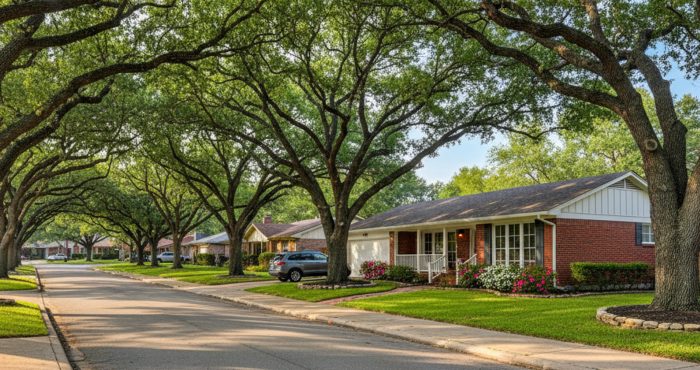
Plano features a massive inventory of homes built between the 1980s and early 2000s. These established neighborhoods often provide larger lots, mature tree canopies, and a distinct lack of mandatory homeowners associations in certain zip codes. This older housing stock appeals to buyers who want custom architecture rather than uniform tract homes.

Frisco is dominated by newer construction and expansive master-planned communities. Nearly every residential development built here in the last two decades includes an active HOA. These associations maintain neighborhood pools, parks, and strict architectural standards.

Median home prices currently reflect Frisco’s newer inventory and high demand. Buyers can expect median prices in Plano to hover around $508,000 to $540,000. Frisco commands a higher entry point of approximately $580,000 to $645,000.

This $40,000 to $100,000 gap directly impacts monthly carrying costs for buyers. Those searching for homes for sale in Plano often find their budget stretches further. Frisco buyers generally pay a premium for modern floor plans and community amenities.

Location within each city also dictates property values. West Plano historically commands higher prices than East Plano due to its proximity to the Dallas North Tollway. Frisco’s rapid northward expansion means the newest construction is often found closer to the US-380 corridor.


Cost of Living and Property Tax Comparison

Texas levies no state income tax, making property taxes a crucial factor in any housing budget. Buyers relocating from out of state are often surprised by how heavily these local assessments impact their monthly mortgage payments.

The base city tax rates are quite competitive between the two municipalities. Plano currently assesses a city tax rate of approximately 0.4376 per $100 of property valuation. Frisco sits slightly lower at roughly 0.4255 per $100.

The city rate is only one piece of the puzzle. The total effective property tax rate depends heavily on the specific school district and county assessments. Homes in this region fall into either Collin County or Denton County, which alters the final calculation.

Total effective tax rates generally range between 1.37% and 2.2% of the assessed home value. Buyers must verify the exact tax rate of a specific property before making an offer.

Crossing a neighborhood street can sometimes alter the annual tax bill by thousands of dollars.

Buyers looking at new construction in Frisco should ask about Public Improvement Districts or Municipal Utility Districts. These special tax assessments are common in newer developments to fund local infrastructure. They can add a noticeable amount to the annual tax burden on top of the standard city and county rates.


Commuting to Downtown Dallas and DFW Airport

Daily travel times are a major deciding factor for commuters working in central Dallas or traveling frequently. The highway infrastructure in North Texas is robust, but geographic location still dictates the daily drive.

Buyers must carefully map their specific routes before choosing a zip code.

Plano holds a distinct geographic advantage for anyone commuting into Downtown Dallas. Located roughly 20 miles north of the city center, residents can typically reach downtown in 30 to 45 minutes via the Dallas North Tollway or US-75.

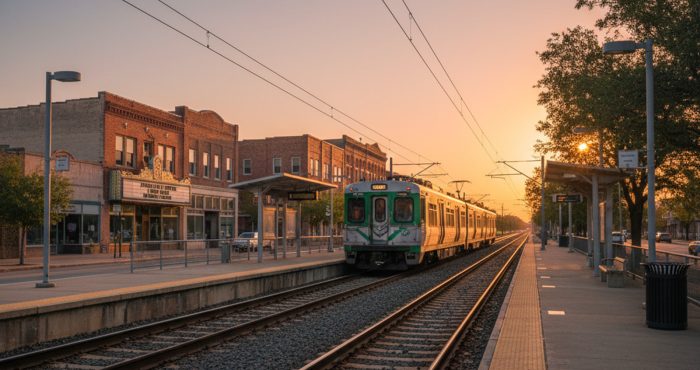
Plano also offers access to the DART light rail system, providing a rare car-free commuting option in North Texas. This transit connection is a significant asset for buyers who want to avoid toll road traffic entirely.

Frisco sits further north, adding roughly seven miles to the downtown commute. The drive from Frisco to Downtown Dallas spans about 27 miles and generally takes 35 to 50 minutes. This travel time depends heavily on rush hour congestion along the Dallas North Tollway.

Both cities offer excellent access to DFW International Airport via the Sam Rayburn Tollway. Residents in either location can expect a relatively smooth 25-mile drive. This puts the airport within a convenient 30 to 40-minute reach.

Toll road expenses are another factor commuters must budget for in North Texas. Driving the Dallas North Tollway or Sam Rayburn Tollway daily requires an active TollTag. These fees can quickly add up to hundreds of dollars per month for a household with two commuting vehicles.


Educational Infrastructure: Plano ISD vs. Frisco ISD

The public school systems in both cities are massive operations that draw buyers to the region. While both districts offer extensive facilities, their approaches to campus size and student distribution differ significantly.

Plano Independent School District operates as an established, mature district serving approximately 44,000 to 50,000 students. The district spans 73 campuses and is highly regarded for its specialized academic programs. Its massive senior high schools offer a vast array of extracurricular activities.

Frisco Independent School District has experienced explosive growth, currently serving around 63,000 students across 77 campuses. To manage this rapid expansion, Frisco ISD adopted a smaller-school model. This structure caps high school enrollment to keep student populations manageable per campus.

This model means Frisco has a higher number of high schools compared to traditional districts of its size. Buyers should also note that school zoning in the Dallas-Fort Worth metroplex frequently crosses city lines.

It is entirely possible to purchase a home within the Plano city limits that is zoned for Frisco ISD, or vice versa. Always verify the specific attendance zones using the district’s official address locator. Relying strictly on the city mailing address can lead to unexpected zoning surprises.

The sheer scale of the athletic and arts facilities in these districts rivals many small colleges. Frisco ISD partners with the Dallas Cowboys to use the indoor stadium at The Star for high school events. Plano ISD utilizes multiple massive district-owned stadiums to host its varsity athletics.


Retail, Dining, and Entertainment Amenities

The sheer volume of commercial development in Collin County means residents rarely need to travel to Dallas for entertainment. Both suburbs boast massive retail hubs and distinct dining districts.

Plano is anchored by Legacy West, a premier mixed-use destination that combines high-end retail with corporate headquarters like Toyota. Just a few miles away, Downtown Plano offers a more historic, walkable atmosphere. This downtown sector features independent restaurants and brick-paved streets.

Frisco counters with an unmatched focus on sports and large-scale entertainment. The Star serves as the world headquarters for the Dallas Cowboys, anchoring a massive district of restaurants, boutiques, and a hotel.

Frisco Square also provides a centralized civic and retail hub located right next to Toyota Stadium. Buyers seeking a highly walkable, modern nightlife scene often gravitate toward Legacy West. Sports enthusiasts find Frisco’s amenities tough to beat.

The retail borders between these North Texas suburbs are increasingly blurred. Residents in northern Frisco often cross over to enjoy the historic downtown square in McKinney. This interconnected web of commercial districts ensures buyers are never more than a short drive from premium shopping.


Parks and Outdoor Recreation Areas

Access to green space is a priority for many buyers relocating to the Texas suburbs. Both municipalities have invested heavily in their parks and recreation departments. This preserves natural areas amidst the rapid commercial growth.

Plano is home to the Arbor Hills Nature Preserve, a sprawling 200-acre park located on the western edge of the city. This preserve offers miles of unpaved hiking trails, paved cycling paths, and elevated observation towers. It feels entirely removed from the surrounding suburban environment.

Frisco takes a highly structured approach to its outdoor amenities, heavily emphasizing community sports facilities and manicured green spaces. Frisco Commons Park serves as a centerpiece for the community. The park features extensive playgrounds, an amphitheater, and a stocked fishing pond.

The integration of these parks directly impacts local real estate values. Homes located within walking distance of Arbor Hills or major Frisco trailheads consistently command a premium on the open market.

Golf courses and country clubs provide another layer of outdoor recreation in Collin County. Both cities feature prestigious private clubs and well-maintained public courses woven directly into residential neighborhoods. Living on a golf course lot remains a highly sought-after real estate premium in both Plano and Frisco.

Your Advantage With Bale Real Estate Group

Navigating the Plano and Frisco real estate market takes more than just watching prices. The Bale Real Estate Group, ranked in the top 1% of North Texas Realtors, helps buyers and sellers understand how to position themselves based on current competition, not just past sales. From identifying the right neighborhoods to negotiating stronger terms, their approach is focused on preparation, strategy, and results.

Frequently Asked Questions

Is it more expensive to live in Plano or Frisco?

Frisco generally carries a higher price tag for real estate, with median home prices sitting roughly $40,000 to $100,000 higher than Plano. This is largely due to Frisco’s high concentration of newer construction and master-planned communities. The base city property tax rates remain very similar between the two municipalities.

Which city has a better commute to Downtown Dallas?

Plano offers a noticeably shorter and more flexible commute to the city center. Located roughly 20 miles from downtown, Plano residents save about 10 to 15 minutes of driving time compared to Frisco. Plano also provides access to the DART light rail system for a completely car-free transit option.

Are HOAs more common in Plano or Frisco?

Homeowners associations are significantly more common in Frisco. Because the vast majority of Frisco’s housing stock was built within the last two decades, nearly all residential developments operate as master-planned communities with mandatory HOAs. Plano offers more opportunities to find established neighborhoods without these association fees.

Posted in: Frisco Real Estate, Home Buying, Market Updates, Plano Real Estate, Relocating to North Dallas Tagged: 2026 Housing Market, Arbor Hills Nature Preserve, Buyer Guide, Collin County Real Estate, Cost of Living, Dallas North Tollway, DART Rail, Frisco Commons Park, Frisco ISD, Frisco Real Estate, Legacy West, North Texas Real Estate, Plano ISD, Plano Real Estate, Plano TX vs Frisco, Property Taxes, Relocation Guide, Sam Rayburn Tollway, The Star Frisco

Bale Real Estate Group
(972) 469-0332
TREC - Information About Brokerage Services
TREC - Consumer Protection Notice
Site created by Michael Tritthart Team. | View Privacy Policy