Top 1% Frisco & Plano Realtors | Bale Real Estate GroupTop 1% Frisco & Plano Realtors | Bale Real Estate Group

Top 1% North Texas luxury real estate team with $50M+ in sales and 80+ 5-star reviews. Frisco, Plano, Preston Hollow & North Dallas.

  • Home
  • Search
  • Buyers
    • 8 Steps to Buying a Home
    • Smart Buyer Strategy
    • How Much Home Can You Afford?
    • Choosing the Right Community & Location
    • New Construction Buyer Representation
    • Buying and Selling at the Same Time
    • Relocating to North Dallas
    • DFW Property Taxes
  • Sellers
    • 8 Steps to Selling a Home
    • Pre-Listing Appointment
    • Certified Pre-Owned Home Listing Program
    • Strategic Pricing & Market Positioning
    • Professional Home Preparation
    • Marketing Your Home for Maximum Exposure
    • Zillow Showcase
      • Zillow Showcase – Example of Listing Your Home
    • Offer Strategy & Seller Protection
    • How Much Will I Make Selling My House?
  • Communities
    • Allen
    • Coppell
    • Dallas
      • Oakdale
    • Frisco
      • Country Club Ridge at The Trails
      • Custer Creek Farms
      • Griffin Parc
      • Heather Ridge Estates
      • Shaddock Creek Estates
      • Starwood
      • The Canals at Grand Park
      • The Fairways
      • Villages of Stonebriar Park
    • McKinney
    • Park Cities
    • Plano
      • Avignon Windhaven
      • Cliffs of Gleneagles
      • Crystal Creek
      • Deerfield
      • Lakeside on Preston
      • Shoal Creek
      • Wentworth Estates
      • Willow Bend Polo Estates
      • Windrose Tower
    • Preston Hollow
    • Prosper
    • Southlake
  • Our Advantage
    • Our Story
    • Real Producers: Cover Story
    • Resume
    • What if?
    • Testimonials
    • Past Sold Map
    • Blog
  • Videos
  • Contact

History of Frisco, TX: From Watering Stop to Sports City USA

If you drive down the Dallas North Tollway today, passing the glistening glass of The Star or the massive PGA headquarters, it is genuinely hard to imagine that not too long ago, this was all blackland prairie.

Frisco feels brand new. It’s often headline news for being one of the fastest-growing cities in the country, known for the “$5 Billion Mile” and high-end retail. But here is the secret that adds so much character to living in Frisco TX: this isn’t just a pop-up suburb. It is a town born from grit, steam engines, and a very literal migration.

The city’s success has always been defined by transportation. First, it was the cattle trails, then the iron rails, and today, the tollways. While many assume the name connects us to the West Coast, the reality is a lot more local and a lot more interesting. Let’s grab a coffee and look at how a steam engine watering stop turned into a corporate powerhouse.


Before the Rails: The Story of Lebanon and the Shawnee Trail

Before we talk about Frisco, we have to talk about the town that was supposed to be the hub of the area: Lebanon.

If you drive down Preston Road (State Hwy 289) today, you are driving on top of the historic Shawnee Trail. In the mid-1800s, this was the main artery for millions of longhorn cattle being driven north to markets in Missouri and Kansas. Naturally, settlements popped up along this route to service the drovers and farmers.

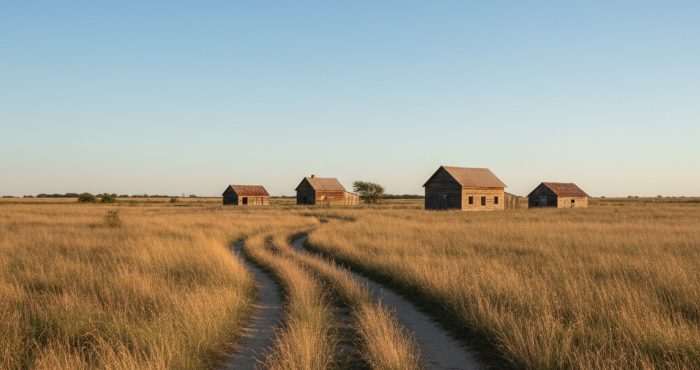
Lebanon was established around 1860 (when it got its post office) and sat about four miles east of where downtown Frisco is today. By the late 1800s, Lebanon was thriving. It had a flour mill, a cotton gin, and a school. It was the center of gravity for the area.

So, why isn’t it the major city today? It came down to elevation. Lebanon sat on the “Preston Ridge,” which was high ground. When the steam trains came calling, they needed a flat route and, crucially, a water source. Lebanon was just too high up for the steam engines to pump water effectively.


1902: The Train Arrives and a Town Moves on Logs

This is where the story gets cinematic. In 1902, the St. Louis-San Francisco Railway decided to push a line through the area. Since they couldn’t service the trains in Lebanon, they chose a spot about four miles west where the elevation was lower and water was accessible.

The railroad built a depot, and that changed everything. The residents and business owners of Lebanon realized that if they wanted to survive economically, they had to be near the tracks. But they didn’t just move themselves—they moved their buildings.

In a massive undertaking often called the “Great Migration,” residents placed their homes and businesses on logs. Using steam engines and mules, they literally rolled the town of Lebanon four miles west to the new depot site.

One of the most famous examples of this is the T.J. Campbell house. It was rolled on logs to the new townsite and stands today as Randy’s Steakhouse, a local dining staple. This collection of moved buildings formed the original townsite, which you can still explore if you look at Downtown Frisco Rail District real estate.


Why is it Called Frisco? (It’s Not San Francisco)

There is a lot of confusion about the name. You will often hear people joke that it’s “Little San Francisco,” but the connection is strictly industrial, not cultural.

When the town first formed around the depot, the residents named it Emerson in honor of Francis Emerson, a wealthy banker and landowner who had promised to place a bank in the new town. It seemed like a solid plan until the federal government stepped in.

Here is how the name evolved:

  • The Rejection: The U.S. Postal Service rejected the name “Emerson” because it was too similar to “Emberson,” another town in Lamar County. They were worried about mail getting mixed up.
  • The Pivot: The residents needed a new name fast. They looked to the lifeline of their economy: the St. Louis-San Francisco Railway.
  • The Choice: They voted for “Frisco City” to honor the line.
  • The Shortening: Over time, “City” was dropped, and it became simply Frisco.

And if you have ever wondered about the city’s logo (the shield shape that looks a bit like a stretched hide), that comes from the railroad too. It is known as the “coonskin” logo. Railroad lore says a station agent in Neosho, Missouri, tacked a raccoon skin up on the depot wall to dry, and the railway executives liked the unique shape enough to adopt it as their emblem. Frisco adopted it right along with the name.


King Cotton and the Blackland Prairie

For most of the 20th century, Frisco wasn’t about sports or corporate HQs; it was about agriculture. The town sat right on top of the Blackland Prairie, which boasts some of the richest, deepest soil in the world.

Cotton was king here. By the mid-1900s, this small town supported five different cotton gins. It was a major shipping point for the region, sending agricultural products north and south along the rails.

Despite the industry, the town remained quiet. For decades, the population hovered under 2,000 people. It was a tight-knit community where everyone knew everyone, centered around the school and the grain elevators—some of which you can still see towering over the downtown area today.


From Bedroom Community to Corporate Powerhouse

The shift from a sleepy farm town to a major destination began in the 1990s, and once again, transportation was the catalyst.

The expansion of the Dallas North Tollway north of Highway 121 opened the floodgates. Suddenly, the commute to Dallas was manageable, and land was plentiful.

  • Population Explosion: In 1990, Frisco had a population of roughly 6,000. Today, that number has soared past 200,000. It held the title of the fastest-growing city in the U.S. for much of the 2000s (specifically 2000-2009 and again in 2017).
  • Economic Shift: We moved from cotton fields to corporate campuses. The development of the “$5 Billion Mile” brought massive mixed-use projects.
  • Sports City USA: Frisco leaned hard into public-private partnerships. This strategy brought us The Star (World Headquarters of the Dallas Cowboys), Toyota Stadium (FC Dallas), and the new PGA Frisco headquarters.

This rapid development has created a diverse inventory of new construction homes in Frisco, attracting buyers who want modern amenities but appreciate the stability of a well-planned city.


Preserving the Past: Where to See History Today

For those of us who live here, it’s important to remember that the shiny new developments are built on a deep foundation. If you want to connect with the history of Frisco, there are a few places you should visit:

  • Frisco Heritage Museum: Located near the city center, this is the best place to see the actual steam locomotives and historic structures that define the city’s past.
  • The Rail District: This is the original downtown. It’s currently undergoing revitalization, but it retains the original street grid and many historic buildings now serving as boutiques and restaurants.
  • Randy’s Steakhouse: As mentioned earlier, this is a piece of Lebanon that survived the move. Eating there is literally dining inside history.
  • Historical Markers: Keep an eye out along Preston Road for markers denoting the path of the Shawnee Trail.

The blend of this preserved history with modern luxury is what gives local real estate its edge. You aren’t just buying a house; you’re buying into a story of resilience and growth.

Your Advantage With Bale Real Estate Group

Buying or selling in Frisco requires more than just timing the market. The Bale Real Estate Group helps clients understand pricing, competition, and how to position a home to stand out from day one. For sellers, that includes strategic pricing, professional staging, targeted marketing, Zillow Showcase exposure, and our Certified Pre-Owned Home Listing Program. The goal is simple: create stronger demand and better results in today’s market.

Frequently Asked Questions

Was Frisco named after San Francisco?

No, not directly. The city was named after the St. Louis-San Francisco Railway line that ran through town. While the railway’s name obviously references the California city, Frisco, Texas, was named to honor the train company that gave the town life.

What was the original name of Frisco, Texas?

The town was originally named Emerson in 1902. However, the U.S. Postal Service rejected it because it was too similar to another Texas town called Emberson, leading the residents to choose “Frisco City” instead.

Why did the town of Lebanon disappear?

Lebanon sat on a high ridge, which made it difficult for steam engines to pump the water they needed. When the railroad bypassed Lebanon in 1902 for a lower route, the residents and businesses moved their buildings to the new railway stop, effectively dissolving the old town.

What is the meaning of the Frisco logo?

The unique shield shape used by the city is based on the logo of the St. Louis-San Francisco Railway. It is known as the “coonskin” logo, said to be modeled after a raccoon skin that was pinned up to dry on a depot wall in Missouri.

Posted in: Community Guides, Frisco Real Estate, Home Buying, Relocating to North Dallas Tagged: Blackland Prairie, Buyer Guide, Dallas North Tollway, Downtown Frisco, Frisco Heritage Museum, Frisco History, Frisco Rail District, Frisco Real Estate, Frisco Relocation, Frisco TX, History of Frisco TX, Lebanon Texas, Living in Frisco TX, New Construction Homes in Frisco, PGA Frisco, Randy’s Steakhouse, Relocation Guide, Shawnee Trail, Sports City USA, St. Louis-San Francisco Railway, The Star Frisco

Is Frisco, TX Good for Young Professionals? (Honest Review 2026)

If you Googled “Frisco TX” five years ago, you probably saw endless lists about schools and subdivisions. But if you’re a young professional looking at a relocation today, you need to look past the minivan reputation. While Frisco certainly caters to households, it has rapidly evolved into a corporate powerhouse that offers a lot more than just quiet cul-de-sacs.

The shift has been massive. Frisco is no longer just a bedroom community for Dallas commuters; it is a destination in its own right. With Fortune 500 headquarters moving in and billion-dollar mixed-use developments popping up, the city has cultivated a “work hard, play upscale” environment. It is one of the fastest-growing cities in the country for a reason, and that growth has brought a wave of luxury amenities that appeal specifically to career-driven singles and couples.

So, is it right for you? If you are the type of person who prefers a clean, safe, and manicured environment over the gritty, chaotic energy of a downtown metro, Frisco might be your perfect match. It attracts professionals who want a high-end apartment, access to a top-tier gym, and a short drive to the office, without the noise and parking nightmares of the big city.


The Career Magnet: Why Professionals Are Flocking Here

The biggest reason young professionals are landing in Frisco isn’t just the lifestyle—it’s the paycheck. The job market here is explosive, centered largely around what locals call the 5 Billion Dollar Mile. This stretch along the Dallas North Tollway is packed with mixed-use developments and corporate real estate that rivals major metro downtowns.

You aren’t just moving here to commute 45 minutes south to Dallas anymore. Frisco is home to major employers like Toyota Motor North America, Keurig Dr Pepper, PGA of America, and the Dallas Cowboys world headquarters at The Star. Additionally, the tech and finance sectors are booming here, with companies like McAfee maintaining a strong presence. It’s becoming known as “Sports City USA,” which translates to a lot of jobs in sports management, marketing, and medical tech.

For those transferring from out of state, there is a huge logistical benefit to living here: the “reverse commute.” If you choose to live in Uptown Dallas for the nightlife but work in Frisco, you are fighting heavy traffic every morning. Living in Frisco puts you minutes away from these major HQs, giving you hours of your week back.

To see where these hubs are located, take a look at our overview of the Best Neighborhoods in Frisco.


Nightlife & Social Scene: Upscale Over Gritty

Let’s manage expectations right away: Frisco is not Deep Ellum or Austin’s 6th Street. You won’t find many dive bars, underground indie music venues, or graffiti-covered art districts here. The social scene in Frisco is polished, curated, and decidedly upscale. Think “Patio & Prosecco” rather than “Pints & Punk Rock.”

The center of gravity for nightlife is The Star District. This is the entertainment district anchored by the Cowboys’ HQ. It’s walkable, safe, and lined with spots like Concrete Cowboy and Common Table. It’s where you go for a high-energy happy hour or a Saturday night dinner that turns into drinks. It’s lively, but it feels very managed—clean streets, security, and valet parking are the norm.

For something with a bit more local character, the Rail District (historic downtown Frisco) is emerging as a cool alternative. It’s undergoing a massive revitalization and offers a more laid-back vibe with patios and live music at places like Didi’s Downtown or Eight11 Place.

It is also worth noting that Legacy West is practically next door. While technically in Plano, it sits right on the Frisco border and serves as the de-facto weekend spot for Frisco residents. It houses Legacy Hall (a massive food hall and music venue) and upscale dining like Haywire. Most Frisco residents consider this part of their local rotation since it’s often just a short Uber ride away.


Housing: Luxury Apartments vs. Buying

When it comes to having a roof over your head, the market here is split. Most young professionals aren’t buying immediately—they are renting. The housing market is competitive, with average home prices often hovering around $650,000 or more. Because of this, luxury apartment complexes have become the standard entry point for new residents.

If you want an urban feel where you can walk to coffee shops and the library, look at Frisco Square. It’s right across from City Hall and Toyota Stadium, offering a dense, walkable environment that mimics city living. Alternatively, the area around The Star and Stonebriar Centre offers high-end mid-rises that cater to the corporate crowd.

These aren’t your basic garden-style apartments. To compete for talent, these complexes offer resort-style amenities: sprawling pools, 24-hour fitness centers, coworking lounges, and dog parks.

From a budget perspective, you can generally expect to pay between $1,350 and $1,550 per month for a nice one-bedroom apartment. However, if you want to be right in the action at The Star or a premier building near Legacy West, rents can easily climb to $2,500 or even $3,000+ per month.

For a deeper dive into lease terms and what to expect, read our Renting in Frisco Guide.


Cost of Living & Salary Expectations

Can you afford to live here? For many transplants coming from the coasts (California, New York), the answer is a resounding “yes.” The biggest financial perk is the lack of state income tax in Texas. That instant 5-10% raise on your paycheck goes a long way toward covering rent or saving for a down payment.

However, Frisco is not “cheap.” It is an affluent area where the median household income is over $140,000—nearly double the national average. Salaries for professional roles here tend to be adjusted to match this cost of living, but “lifestyle creep” is a real danger. Between high-end brunches, shopping at Stonebriar, and social memberships, it is easy to spend what you save on taxes.

You also need to budget for hidden costs. The most significant one is tolls. The Dallas North Tollway (DNT) is essential for getting around, and those charges add up quickly if you are commuting daily.


The Commute Reality: DNT is Your Lifeline

If you are moving from a city with a robust subway system, you need to reset your expectations. Frisco is a car-dependent city. Public transportation is virtually non-existent for commuting purposes. You will need a vehicle, and you will spend time in it.

The Dallas North Tollway (DNT) is the main artery running north-south. It is fast, clean, and well-maintained, but it is not free. It connects you to the neighboring hubs of Plano and Addison, and eventually down to Dallas proper.

Getting to downtown Dallas for a Mavericks game or a concert is relatively easy—usually a 35 to 45-minute drive during non-peak hours (roughly 28 miles). However, if you plan to live in Frisco and commute to downtown Dallas for work every day at 8:00 AM, be prepared for a grind. That drive can easily turn into 60 or 70 minutes one way. This is why working locally or in nearby Plano is the preferred move for most residents.


The Verdict: Who Should Move to Frisco?

Frisco is a fantastic place to launch or grow a career, but it has a very specific “flavor.” It is manicured, ambitious, and new.

You should move here if:

  • You are career-focused and working for one of the major HQs in Frisco or Plano.
  • You value safety, cleanliness, and modern amenities over historic charm or grit.
  • You enjoy an active lifestyle—golf, gyms, and running trails are everywhere.
  • You prefer a “polished” social scene with nice dinners and cocktail lounges.

You might want to look elsewhere (like Uptown or Deep Ellum) if:

  • You want true walkability where you never need a car.
  • You crave dive bars, underground music, and chaotic city energy.
  • You are looking for a low-cost, budget-friendly entry into the DFW metroplex.

Your Advantage With Bale Real Estate Group

Buying or selling in Frisco requires more than just timing the market. The Bale Real Estate Group helps clients understand pricing, competition, and how to position a home so it stands out immediately. For sellers, that includes strategic pricing, professional staging, targeted marketing, Zillow Showcase exposure, and our Certified Pre-Owned Home Listing Program. The goal is simple: maximize exposure and drive stronger offers.

Frequently Asked Questions

Is Frisco or Plano better for singles?

It depends on what you want. Plano, specifically the Legacy West area, has a denser concentration of nightlife and is slightly more established. However, Frisco is newer, growing faster, and the social scene at The Star is rapidly catching up to Plano’s offerings.

How much do I need to earn to live in Frisco?

To live comfortably in a decent one-bedroom apartment without financial stress, you should aim for a salary of at least $60,000 to $70,000. If you plan to enjoy the high-end dining scene frequently or rent a luxury unit at The Star, you will likely need to earn significantly more.

Is there public transportation in Frisco?

For the most part, no. Frisco is not a member of the DART (Dallas Area Rapid Transit) system. While there are some ride-share services for seniors or specific needs, a personal vehicle is practically a requirement for a young professional living here.

Posted in: Community Guides, Frisco Real Estate, Home Buying, Market Updates, Relocating to North Dallas Tagged: 2026 Relocation Guide, Buyer Guide, Corporate Relocation, Cost of Living in Frisco, Dallas North Tollway, Frisco Apartments, Frisco Job Market, Frisco Nightlife, Frisco Rail District, Frisco Real Estate, Frisco Relocation, Frisco Rent, Frisco Square, Frisco TX, Frisco Young Professionals, Is Frisco TX Good for Young Professionals, Legacy West, Relocation Guide, Sports City USA, Stonebriar Centre, The Star Frisco

Things to Do in Frisco, TX: A Local’s Guide to Sports City USA

Welcome to Frisco, or as we like to call it around here, “Sports City USA.” If you haven’t been to this part of North Texas lately, you might be surprised by just how much it has evolved. What used to be a quiet bedroom community about 25 minutes north of Dallas has exploded into a major travel destination packed with professional sports, high-end retail, and immersive entertainment.

Whether you are scouting the area because you are thinking about living in Frisco or you are just in town for the weekend, the energy here is undeniable. We have the Dallas Cowboys World Headquarters, the PGA of America, and a constant stream of new developments popping up. In fact, with the recent opening of Kaleidoscope Park in late 2024 and the highly anticipated Universal Kids Resort set to open later in 2026, the city is growing faster than ever.

Let’s dive into what makes this city such a magnet for visitors and locals alike.

Top-Rated Tourist Attractions in Frisco

If you only have a day or two, you want to hit the landmarks that really define the city. These are the heavy hitters that put Frisco on the map.

The Star in Frisco This is the crown jewel of the city. The Star is the 91-acre campus that serves as the World Headquarters for the Dallas Cowboys. Even if you aren’t a die-hard football fan, it is impressive. You can take a guided tour of the Ford Center, see the Super Bowl trophies, and walk through the Ring of Honor. It’s not just offices and practice fields; the campus flows right into a luxury entertainment district.

PGA Frisco (The Monument Realty PGA District) Opened in May 2023, this massive resort has turned Frisco into the Silicon Valley of golf. While the championship courses are a draw, the real fun for the general public is “The Dance Floor,” a massive lighted putting course, and “The Swing,” a relaxed par-3 course. You don’t need to be a pro to enjoy it; grab a drink, grab a putter, and hang out.

Stonebriar Centre Calling Stonebriar a “mall” feels like an understatement. It is a major hub for dining and entertainment. Beyond the usual retail, this is where you will find KidZania (more on that later), a massive movie theater, and plenty of dining options. It is essentially the anchor of the city’s retail scene.

Sports & Recreation: Catch a Game or Play a Round

There is a reason we have the “Sports City” nickname. We aren’t just watching sports here; we are usually playing them or living right next door to them.

Frisco RoughRiders If you are looking for a relaxed evening, head to Riders Field to watch the Frisco RoughRiders, the Double-A affiliate of the Texas Rangers. The stadium (formerly Dr Pepper Ballpark) has one of the coolest features in minor league baseball: the Lazy River. You can literally float in the water while watching the game. It’s a unique experience you won’t find just anywhere.

FC Dallas & The National Soccer Hall of Fame Soccer is huge here. Toyota Stadium is home to FC Dallas (MLS), and the atmosphere during a match is electric. The stadium also houses the National Soccer Hall of Fame, which uses facial recognition technology to customize the exhibits to your interests. It’s a great stop even on non-game days.

Texas Legends & Golf Basketball fans can catch the Texas Legends, the G-League affiliate of the Mavericks, at the Comerica Center. It’s high-energy and very accessible. If you prefer to play rather than watch, and you want something beyond the PGA resort, check out public courses like Frisco Lakes. The greens are well-kept, and the views of the lake are fantastic.

Family-Friendly Things to Do in Frisco

If you are traveling with kids or teenagers, you need activities that burn off energy and keep them engaged. Fortunately, Frisco was built with active households in mind.

  • National Videogame Museum: This place hits the nostalgia button hard. It’s not just a museum behind glass; it’s an interactive history of gaming with playable consoles from the 80s, 90s, and today.
  • KidZania: Located inside Stonebriar, this is the US flagship for the global brand. It’s a role-playing city built for kids where they can “work” as firefighters, doctors, or pilots to earn currency. It is incredibly immersive.
  • Sci-Tech Discovery Center: If you want something educational that doesn’t feel like school, this is the spot. The STEM-based exhibits are hands-on, encouraging kids to build, test, and explore.
  • TrainTopia (Museum of the American Railroad): This features a massive model train exhibit that is mesmerizing to watch. You can also take walking tours of real, vintage locomotives and cars outside.

Museums, Arts & Culture

Frisco isn’t just about touchdowns and tee times. There is a growing cultural scene here that offers a nice change of pace.

Texas Sculpture Garden Located at HALL Park, this is the largest private collection of contemporary Texas sculpture available to the public. It is free to walk around, and the winding trails take you past incredible works of art set against lakes and fountains. It’s a peaceful spot to grab a coffee and take a walk.

Frisco Heritage Museum To understand where we came from, stop by the Heritage Museum. It chronicles the transition of the area from a small railroad stop to the boomtown it is today. They have vintage cars, historic buildings, and plenty of local lore.

Frisco Discovery Center This is the hub for the local arts scene. It houses the Black Box Theater and an art gallery. If you are looking for community theater or local art exhibitions, this is usually where they are happening.

Shopping & Dining: The Rail District to The Star

When it comes to food and shopping, Frisco is split between the ultra-modern and the charmingly historic.

The Rail District This is Frisco’s historic downtown. Over the last few years, the city has poured resources into revitalizing this area. While some construction has been wrapping up in 2026, the businesses are vibrant. Check out The Heritage Table for scratch-made food in a converted Victorian home, or grab a local pint at Three Empires Brewing. It has a much more “local” vibe than the big developments.

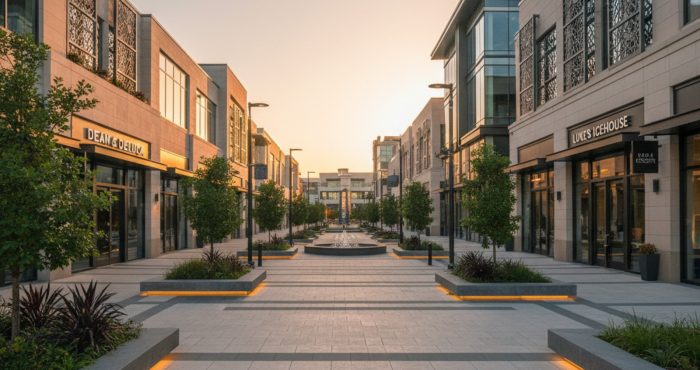
The Star District On the other end of the spectrum is The Star District. This is where you go for upscale dining and nightlife. Places like Dee Lincoln Prime offer high-end steakhouses experiences perfect for a date night or a business dinner. It’s polished, energetic, and very walkable.

Legacy West While technically just across the border in Plano, it’s worth mentioning because it’s so close to the Frisco real estate market action. It’s a massive open-air shopping dining district that many Frisco residents frequent for high-end brands and food halls.

Free Things to Do in Frisco for Families

You don’t have to spend a fortune to have a good time here. There are plenty of high-quality spaces that are completely free to enjoy.

  • Kaleidoscope Park: Opened in October 2024, this 5.7-acre park is the city’s newest gathering space. The centerpiece is a stunning net sculpture by Janet Echelman that glows at night.
  • Central Park: This isn’t New York, but our Central Park is famous for the “Cattle Drive” bronze sculptures. It’s a great photo op and a nice place for a walk.
  • Frisco Public Library: The new building opened in 2023 and it is architecturally stunning. The highlight for kids is “Rex,” a life-size T-Rex skeleton replica in the main atrium.
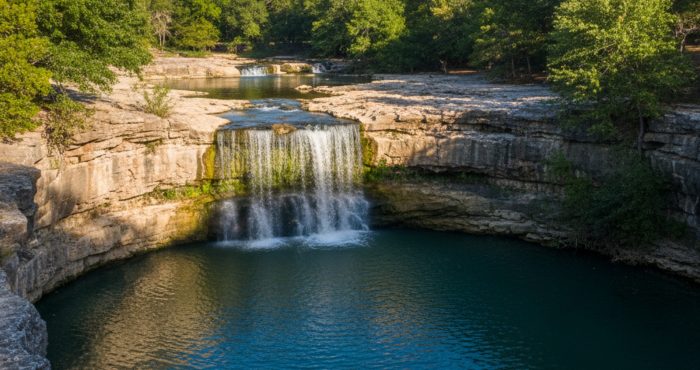
  • Limestone Quarry Park: If you want a bit of nature, this park offers hiking trails and views of a waterfall carved out of the limestone. It feels miles away from the city traffic.

Plan Your Visit: Weather, Safety & Logistics

If you are planning a trip, here are a few practical things you should know to make your visit smoother.

Getting Around You really need a car here. Frisco is spread out, and while ride-share apps like Uber and Lyft are readily available, having your own vehicle is the most convenient way to hop between The Star and the Rail District.

Best Time to Visit Spring and Fall are the sweet spots. April brings the wildflowers, and October brings perfect patio weather (and football season). Summer can be intense with the heat, so plan for indoor activities like the Videogame Museum if you visit in July.

Safety Frisco consistently ranks as a low-crime city based on FBI data. It is generally very safe to walk around the entertainment districts at night, though standard big-city precautions always apply.

Expert Guidance for Buying and Selling in Frisco

Navigating the Frisco real estate market takes more than just watching prices. The Bale Real Estate Group, ranked in the top 1% of North Texas Realtors, helps buyers and sellers understand how to position themselves based on current competition, not just past sales. From identifying the right neighborhoods to negotiating stronger terms, their approach is focused on preparation, strategy, and results.

Frequently Asked Questions

What is Frisco, Texas, known for?

Frisco is widely known as “Sports City USA.” It is the headquarters for the Dallas Cowboys, the PGA of America, and is home to multiple professional sports venues including The Star, Toyota Stadium, and Riders Field.

Is Frisco or Plano better for tourists?

It depends on what you are looking for. Frisco offers newer developments, the PGA district, and a focus on sports entertainment, while Plano has a more established downtown arts district and the massive Legacy West shopping area. Both are excellent, but Frisco tends to feel newer and more sports-centric.

Are there free activities in Frisco?

Yes, there are several excellent free options. You can visit the Texas Sculpture Garden, explore the new Kaleidoscope Park, see the cattle sculptures at Central Park, or visit the Frisco Public Library to see the dinosaur exhibit without spending a dime.

What is opening in Frisco in 2026?

The biggest addition for 2026 is the Universal Kids Resort, a theme park designed specifically for younger children. Additionally, the major revitalization projects in the historic Rail District are scheduled to be fully completed this year, bringing new walkability to downtown.

Posted in: Community Guides, Frisco Real Estate, Home Buying, Market Updates, Relocating to North Dallas Tagged: Buyer Guide, FC Dallas, Frisco Attractions, Frisco Discovery Center, Frisco Heritage Museum, Frisco Public Library, Frisco Rail District, Frisco Real Estate, Frisco Relocation, Frisco RoughRiders, Kaleidoscope Park, KidZania Frisco, Legacy West, Limestone Quarry Park, Living in Frisco TX, National Soccer Hall of Fame, National Videogame Museum, PGA Frisco, Relocation Guide, Riders Field, Sci-Tech Discovery Center, Sports City USA, Stonebriar Centre, Texas Legends, Texas Sculpture Garden, The Star Frisco, Things to Do in Frisco TX, Toyota Stadium, TrainTopia, Universal Kids Resort

Bale Real Estate Group
(972) 469-0332
TREC - Information About Brokerage Services
TREC - Consumer Protection Notice
Site created by Michael Tritthart Team. | View Privacy Policy