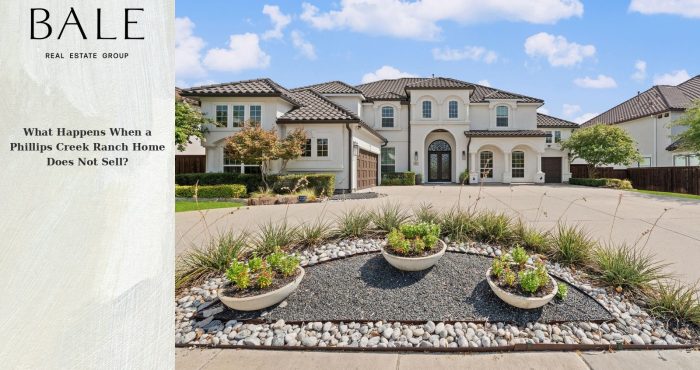
If your Phillips Creek Ranch home is not selling, the first step is not automatically to reduce the price. The first step is to determine why buyers are not moving forward.
An unsold listing is producing information. Online engagement, showing activity, buyer feedback, competing homes and offers—or the lack of offers—can help identify whether the problem is price, condition, presentation, marketing, showing access or a combination of factors.
The strategy should change only after the problem has been identified.
Start by Looking at the Homes Buyers Can Choose Instead
The competitive environment may have changed since your home was originally listed.
New properties can enter the market, competing sellers can reduce their prices, renovated homes can become available and other listings can go under contract.
Use Buyer Behavior to Diagnose the Problem
Different listing results can point toward different problems.
- Very little online engagement: buyers may be rejecting the listing based on price, photography or how it appears in search results.
- Online activity but few showings: buyers may see the property but not perceive enough value to schedule a visit.
- Regular showings but no offers: buyers may like the home but prefer another property’s price, condition, updates, lot or floor plan.
- Offers well below expectations: buyers may consistently perceive the property’s market position differently from the seller.
Different symptoms call for different solutions.
If Your Home Is Getting Very Few Showings
Low showing activity often means buyers are making a decision before they walk through the door.
Review:
- Current asking price.
- The first several listing photographs.
- How the home appears on mobile devices.
- Property description and feature presentation.
- Visible condition concerns.
- Showing restrictions.
- The competing homes appearing in the same buyer search.
If buyers consistently choose other homes to tour, the listing’s initial value proposition may need to change.
If Buyers Are Showing the Home but Not Making Offers
Showings without offers provide different information.
Buyers found enough value online to visit the property, but something changed after they experienced the home in person.
Possible reasons include:
- Condition compared with the photographs.
- Floor-plan functionality.
- Lot or backyard privacy.
- Deferred maintenance.
- Renovation level.
- Pool or outdoor living condition.
- Price compared with better-positioned alternatives.
Repeated buyer behavior should carry more weight than one isolated comment.
Look at the First Online Impression Again
Many buyers decide which homes deserve an in-person showing after viewing only a few photographs and basic listing information.
Ask whether the online presentation clearly communicates the property’s strongest reasons to buy.
Does it make the lot, renovations, natural light, floor plan, pool, outdoor living or other meaningful features easy to understand?
More exposure does not solve a presentation problem if buyers continue seeing the same unpersuasive message.
Ask Whether the Home Is Being Marketed—or Simply Listed
MLS exposure is important, but an unsold home deserves a broader review of how buyers are discovering and evaluating the property.
Consider whether the marketing clearly communicates:
- The home’s most valuable differentiators.
- Meaningful renovations.
- Lot and privacy advantages.
- Pool and outdoor living.
- Floor-plan functionality.
- Recent improvements or major-system updates.
Presentation May Be Affecting Buyer Perception
Furniture scale, clutter, lighting, room use and everyday living arrangements can sometimes make it harder for buyers to understand a home’s space.
If buyers repeatedly struggle with room size, flow or function, the presentation may deserve another look.
Professional staging can help clarify how important rooms work and create a stronger relationship between the online listing and in-person experience.
Condition Can Become a Larger Issue After Buyers Visit
A home may photograph well but reveal maintenance concerns during an in-person showing.
Buyers may notice items involving:
- Roof condition.
- HVAC equipment.
- Windows.
- Flooring.
- Plumbing.
- Drainage.
- Pool condition or equipment.
- Visible deferred maintenance.
That does not mean every older component needs replacement.
But repeated concerns should be evaluated against the cost of correcting the issue and the effect it may be having on buyer demand.
Check Whether Showing Restrictions Are Costing Opportunities
A home cannot sell to a buyer who cannot reasonably tour it.
Sellers naturally need privacy, security and predictability, but highly restrictive showing windows can reduce opportunities when buyers are touring multiple homes in a limited period.
Ask whether competing properties are significantly easier to see.
Showing access should balance the homeowner’s needs with reasonable opportunities for qualified buyers.
Does an Unsold Home Automatically Mean the Price Is Too High?
No.
Price is one of the most important factors, but it should be evaluated alongside presentation, condition, marketing, showing access and current competition.
A home may be appropriately priced but poorly presented.
Another may be beautifully marketed but positioned above what buyers believe the property is worth.
The goal is to determine which factor—or combination of factors—is preventing buyers from moving forward.
When Does Price Become the Likely Problem?
Price deserves closer attention when buyer behavior consistently shows that comparable alternatives are winning.
Possible indicators include:
- Very limited showing activity despite strong marketing.
- Buyers repeatedly saying stronger value exists elsewhere.
- Comparable homes selling while yours remains available.
- Competing sellers reducing prices below your position.
- Multiple buyers expressing interest only at materially lower prices.
The market does not know what a seller paid, invested in renovations or needs to receive. Buyers compare the home with the alternatives available to them.
Do Not Make a Price Reduction Simply to Show Activity
If the evidence supports a price adjustment, the change should have a strategic purpose.
A meaningful adjustment might:
- Reach a different buyer search range.
- Create stronger separation from competing homes.
- Respond to new comparable sales.
- Correct an initial pricing position the market rejected.
Repeated small reductions can leave a listing following the market without materially changing buyer perception.
A price change should alter the home’s competitive position—not simply change the number displayed online.
Should You Reduce the Price of Your Phillips Creek Ranch Home?
Sometimes the Listing Needs a Complete Reset
Changing one element may not be enough when several parts of the original strategy are working against the sale.
A coordinated reset might include:
- Reevaluating the price.
- Completing targeted repairs.
- Changing staging or furniture placement.
- Improving photography.
- Rewriting property messaging.
- Changing showing access.
- Strengthening digital marketing.
The objective is not to make the listing appear new. It is to correct the reasons buyers previously passed on it.
Should You Take the Home Off the Market and Relist?
Removing and relisting a home does not automatically solve the underlying problem.
If the price, condition, presentation or marketing remain essentially unchanged, buyers may reach the same conclusion when the property returns.
A pause can make sense when meaningful preparation or a strategic change needs to occur.
Relisting is most useful when the strategy has actually changed—not simply when the listing date has changed.
What if You Still Need to Sell Before Buying Your Next Home?
An unsold listing can create additional pressure when the homeowner’s next move depends on the sale.
Before making a rushed decision, reconsider:
- Current estimated value.
- Likely net proceeds.
- Timing of the next purchase.
- Financing options.
- Temporary housing if needed.
- Whether the current listing strategy can realistically accomplish the required timeline.
A Simple Unsold-Listing Diagnostic
- Few online views: review search positioning, price and digital exposure.
- Views but few showings: review perceived value, photography and showing access.
- Showings but no offers: review condition, presentation, features and price versus competitors.
- Only low offers: compare seller expectations with current buyer evidence.
- Interest disappears after inspection concerns are discussed: evaluate condition and buyer risk perception.
- Competing homes are selling first: identify exactly what buyers are choosing instead.
Before deciding what to change, identify where buyers are leaving the process.
What Seller Clients Say About Bale Real Estate Group
“They combined an excellent Sales and Marketing effort resulting in a final sale in what seemed like a slow competitive market.”
— K R, Seller Client
“Linda kept us consistently informed about market trends and strategically used that information to justify the market price, gathered feedback from showings, and ensured we felt confident in every decision.”
— Laura Donovan, Seller Client
“She worked hard to secure the best possible outcome for me, carefully reviewing every offer, explaining my options, and negotiating strategically to maximize the value of my home.”
— Debbie Willet, Seller Client
Frequently Asked Questions About an Unsold Phillips Creek Ranch Home
Why is my Phillips Creek Ranch home not selling?
The cause may involve price, condition, presentation, marketing, showing access, current competition or several factors working together. Buyer behavior can help identify where the problem is occurring.
Should I reduce the price immediately?
Not automatically. First determine whether buyers are seeing the listing, scheduling showings and what happens after they tour the home. If the evidence points to price, make an adjustment with a clear competitive purpose.
What does it mean if I have lots of showings but no offers?
Buyers may find the home attractive enough to visit but believe another property offers a better combination of price, condition, updates, location or features.
Should I change my listing photos?
If the existing photography does not clearly communicate the home’s strongest features or no longer reflects its current presentation, updated photography may be part of a broader reset.
Should I take the house off the market?
Possibly, if meaningful preparation or a strategic change needs to occur. Simply removing and relisting the property without correcting the underlying problem may produce the same result.
Can an unsold home still sell successfully?
Yes. An unsuccessful initial strategy does not mean the property cannot sell. The key is identifying what buyers have demonstrated and making changes that directly address the problem.
Should I talk with another Realtor if my home is not selling?
A second analysis can be useful when you want another perspective on pricing, competition, condition, presentation and marketing. The evaluation should explain what the market evidence suggests rather than simply promise a different outcome.
Has Your Phillips Creek Ranch Home Been Sitting on the Market?
The next decision should begin with understanding why buyers have not moved forward.
Bale Real Estate Group can evaluate the property’s current price, competing listings, presentation, marketing and buyer response to identify what may deserve attention before another change is made.
Bale Real Estate Group has completed more than $65 million in residential real estate volume and more than 110 successful transactions during the past 48 months while representing buyers and sellers throughout Frisco, Plano, Prosper, McKinney, Allen, Preston Hollow, and surrounding North Texas communities.
Bale Real Estate Group ranks among the top 1% of North Texas Realtors and has earned more than 80 five-star client reviews.
Review Phillips Creek Ranch Home Values
Why Sellers Hire Bale Real Estate Group
Request a Phillips Creek Ranch Listing Review
Clarity First. Pressure Never.