
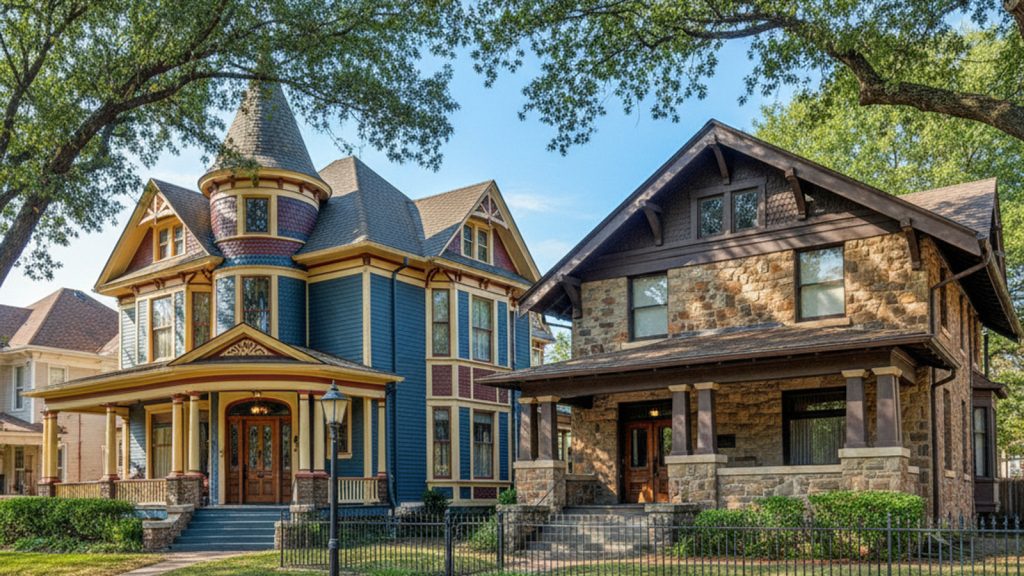
Buyers exploring homes for sale in Plano often notice the distinct blend of modern corporate campuses and preserved heritage sites. Understanding the history of Plano TX provides crucial context for how its neighborhoods, infrastructure, and property values evolved over the decades. This background helps buyers make informed decisions when evaluating different sectors of the city.
The transformation from a quiet agricultural stop to a major anchor of the Dallas – Fort Worth metroplex did not happen overnight. Knowing the timeline of this growth helps buyers recognize which areas offer historic architectural charm and which prioritize modern commuter convenience.
Early Settlers and the Agricultural Roots of Plano
The foundation of this area dates back to the 1840s when early settlers arrived in the Texas Blackland Prairies. Many of these pioneers were drawn by the Peters colony land grants, which offered expansive tracts for farming. These early land divisions still influence the layout of modern zoning maps across Collin County.
The local geography proved exceptionally fertile, supporting a thriving agricultural community built around cotton gins and gristmills. The town officially incorporated in 1873, taking its name from the Spanish word for “flat” to describe the surrounding terrain.
For modern buyers, this agricultural legacy means many of the oldest properties sit on surprisingly deep, flat lots compared to newer subdivisions. Recognizing these original property lines helps contextualize the spacious residential layouts found near the city center.
The Houston and Texas Central Railway and the 1881 Fire
The arrival of the Houston and Texas Central Railway in 1872 triggered the first major population shift for the young farming community. Train access instantly connected local crops to broader markets, spurring rapid commercial construction near the tracks.
A catastrophic fire in 1881 nearly erased this progress by destroying 51 wooden structures in the central business district. The community rebuilt using brick, creating the resilient architectural foundation that defines Historic Downtown Plano today.
From Farm Town to Corporate Hub: Plano’s Economic Evolution
The mid-20th century marked a definitive shift away from agriculture as post-WWII growth altered the landscape. Changing tax structures made large-scale farming less viable near growing population centers. City leaders began pivoting toward commercial development, laying the groundwork for a massive economic expansion.
The most pivotal moment in this transition was the establishment of Legacy Business Park, a master-planned project spanning over 2,600 acres. This massive undertaking fundamentally changed the local economy and housing demand by attracting major corporate headquarters.
Today, the area hosts major employers like Toyota Motor North America, JPMorgan Chase, Frito-Lay, and JCPenney. The population surged from roughly 17,872 residents in 1970 to over 128,000 by 1990 as employees relocated to be near these massive campuses.
Properties positioned within a short drive of Legacy West consistently hold their value better than those on the distant fringes. Buyers prioritizing long-term appreciation should closely watch neighborhoods bordering these established corporate employment zones.
Historical Neighborhoods and Real Estate Development
Buyers interested in vintage architecture often focus their search around the Haggard Park Heritage District and Historic Downtown Plano. These areas showcase a high concentration of late 19th and early 20th-century residential designs. Fully restored historic homes in this district frequently list above $750,000, reflecting the high demand for preserved architecture.
Prevalent styles include classic Victorian and Craftsman properties, many of which feature large front porches and original millwork. Property owners in these designated zones must navigate specific historical preservation guidelines when planning exterior renovations.
Purchasing a home in a historic district requires patience for compliance approvals, but the strict preservation rules protect neighborhood character. These guidelines prevent mismatched modern infill from disrupting the established streetscape.
These older neighborhoods also offer excellent proximity to downtown boutique retail and the DART Red Line transit station. Residents enjoy the rare combination of a walkable historic core paired with immediate regional transit access.
Preserving the Past: Key Historical Landmarks
The city maintains several prominent sites that document its transition from a rural outpost to a modern commercial center. These landmarks provide tangible connections to the early days of Collin County.
- Heritage Farmstead Museum: This preserved 1891 Victorian farm home sits on a 4-acre site depicting early agricultural life in the region.
- Interurban Railway Museum: Located downtown, this facility details the history of the Texas electric railway system that operated from 1908 to 1948.
- Plano Independent School District Roots: The city assumed control of the public school system in 1881, setting the stage for the massive educational infrastructure present today.
Infrastructure Development and Commuting in Modern Plano
The historical expansion of major roadways directly dictated which neighborhoods developed first. The widening of US Highway 75 and the extension of the Dallas North Tollway accelerated the integration of local real estate into the broader Dallas – Fort Worth metroplex.
For those living in Plano today, the commute to downtown Dallas via Highway 75 takes approximately 35 to 50 minutes during peak rush hour. Off-peak travel times drop significantly, making the corridor highly efficient for flexible work schedules.
Public transit provides a reliable alternative to highway driving for daily commuters. The DART Red Line offers a direct route to the Dallas urban core, with an average travel time of about 48 minutes.
Proximity to the Dallas North Tollway is the single biggest factor in reducing daily commute friction for west-side residents. Buyers should test both the tollway and DART routes during rush hour before committing to a specific zip code.
How to Position Yourself for Success in the Plano Market
Navigating the Plano real estate market takes more than just watching prices. The Bale Real Estate Group, ranked in the top 1% of North Texas Realtors, helps buyers and sellers understand how to position themselves based on current competition, not just past sales. From identifying the right neighborhoods to negotiating stronger terms, their approach is focused on preparation, strategy, and results.
Frequently Asked Questions
How did Plano, Texas get its name?
The city took its name from the Spanish word for “flat” to accurately describe the local terrain. Early settlers chose this moniker in the 1800s because the surrounding Texas Blackland Prairies offered level, unobstructed land ideal for farming.
When did Plano experience its biggest population boom?
The most explosive growth occurred between 1970 and 1990 as the local economy shifted from agriculture to corporate enterprise. The population jumped from approximately 17,872 to over 128,000 residents during this window, largely driven by the development of the 2,600-acre Legacy Business Park.
What are the most popular historic sites in Plano?
The Heritage Farmstead Museum and the Interurban Railway Museum are the two most visited historical landmarks in the city. The Heritage Farmstead offers a look at an 1891 Victorian home, while the Interurban Museum highlights the region’s early electric rail transit.
Planning to sell? Learn how Bale Real Estate Group helps sellers prepare, price, and market their homes. Why Sellers Hire Bale Real Estate Group.
Planning to buy? Learn how Bale Real Estate Group helps buyers evaluate homes and navigate their purchase. Why Buyers Choose Bale Real Estate Group.