Top 1% Frisco & Plano Realtors | Bale Real Estate GroupTop 1% Frisco & Plano Realtors | Bale Real Estate Group

Top 1% North Texas luxury real estate team with $50M+ in sales and 80+ 5-star reviews. Frisco, Plano, Preston Hollow & North Dallas.

  • Home
  • Search
  • Buyers
    • 8 Steps to Buying a Home
    • Smart Buyer Strategy
    • How Much Home Can You Afford?
    • Choosing the Right Community & Location
    • New Construction Buyer Representation
    • Buying and Selling at the Same Time
    • Relocating to North Dallas
    • DFW Property Taxes
  • Sellers
    • 8 Steps to Selling a Home
    • Pre-Listing Appointment
    • Certified Pre-Owned Home Listing Program
    • Strategic Pricing & Market Positioning
    • Professional Home Preparation
    • Marketing Your Home for Maximum Exposure
    • Zillow Showcase
      • Zillow Showcase – Example of Listing Your Home
    • Offer Strategy & Seller Protection
    • How Much Will I Make Selling My House?
  • Communities
    • Allen
    • Coppell
    • Dallas
      • Oakdale
    • Frisco
      • Country Club Ridge at The Trails
      • Custer Creek Farms
      • Griffin Parc
      • Heather Ridge Estates
      • Shaddock Creek Estates
      • Starwood
      • The Canals at Grand Park
      • The Fairways
      • Villages of Stonebriar Park
    • McKinney
    • Park Cities
    • Plano
      • Avignon Windhaven
      • Cliffs of Gleneagles
      • Crystal Creek
      • Deerfield
      • Lakeside on Preston
      • Shoal Creek
      • Wentworth Estates
      • Willow Bend Polo Estates
      • Windrose Tower
    • Preston Hollow
    • Prosper
    • Southlake
  • Our Advantage
    • Our Story
    • Real Producers: Cover Story
    • Resume
    • What if?
    • Testimonials
    • Past Sold Map
    • Blog
  • Videos
  • Contact

Moving to North Texas: The 2026 Buyer’s Guide to Getting Around Plano TX


When looking at homes for sale in Plano, understanding the local transportation network is just as important as the property itself. This major suburb sits strategically within the Dallas-Fort Worth metroplex, offering a mix of sprawling highway infrastructure and expanding public transit. Getting around Plano TX efficiently requires knowing which toll roads to take and how to leverage the local rail system.

Whether you commute daily to Downtown Dallas or travel frequently out of DFW Airport, your daily route will heavily influence where you choose to live. The city has recently seen massive upgrades to its transit systems, making navigation more efficient than ever for new residents in 2026. Buyers who map out their commute before purchasing often find they can save hours of weekly travel time.


Driving and Commuting in Plano

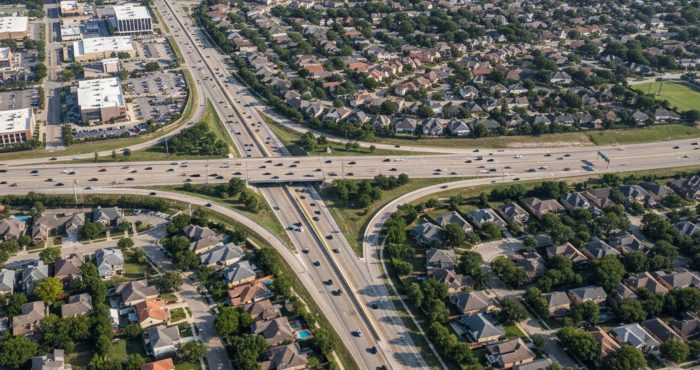
Most residents in North Texas rely on a personal vehicle for their daily commute. Plano is anchored by three primary routes that dictate traffic flow across the broader region. Understanding how these highways intersect is critical for estimating your daily travel times before committing to a neighborhood.

The Dallas North Tollway borders the western edge of the city, providing a straight shot southward into the Dallas core. On the southern border, the President George Bush Turnpike connects drivers east and west across the wider metroplex. Meanwhile, US Highway 75 serves the eastern neighborhoods, acting as a major non-tolled artery for north-south travel.

Because the North Texas Tollway Authority manages the major expressways here, acquiring a TollTag is practically mandatory for daily drivers. Commuting to Downtown Dallas typically takes 40 to 60 minutes during peak rush hour, though that drops closer to 30 minutes in light traffic. The TollTag system automatically deducts fares as you drive, eliminating the need to stop at toll booths entirely.

If your job requires frequent air travel, reaching Dallas Fort Worth International Airport by car takes roughly 30 to 45 minutes. Selecting a home near one of these major highway access points can easily streamline your weekly routine. Traffic conditions fluctuate heavily, so mapping your drive during actual rush hour is always recommended before making a final housing decision.


Dallas Area Rapid Transit (DART) Services

For buyers who prefer to skip the highway traffic, the Dallas Area Rapid Transit system provides a robust alternative. Plano serves as a major northern hub for this sprawling regional transit network. Utilizing public transit here is a highly viable option for those working in central Dallas or near the airport.

The city is currently served by three primary rail connections that cater to different commuting needs:

  • The Red Line terminates at the Parker Road station, offering a direct rail connection to Downtown Dallas in about 45 to 50 minutes.
  • The Orange Line extends into the city during peak commuting hours, providing additional capacity for riders heading south.
  • The Silver Line commuter rail, which opened in late 2025, gives residents a direct, train-to-terminal transit link straight into DFW Airport Terminal B.

Beyond the trains, local bus routes and the GoLink on-demand shuttle service bridge the gap between residential streets and main transit hubs. GoLink operates in specific zones, allowing riders to request a shuttle pickup right from their smartphone. This multimodal approach ensures that even neighborhoods located further from the rail stations remain seamlessly connected.

Riders can manage all of their trips using the GoPass app, which simplifies the entire public transit experience. The application offers real-time tracking, contactless payment, and fare capping to keep daily commuting costs predictable. Fare capping ensures that once you spend a certain amount in a day or month, all subsequent rides are completely free.


Navigating Plano Without a Car

While the broader Dallas-Fort Worth metroplex is famous for its car-centric layout, certain pockets of Plano offer excellent walkability. Buyers seeking a lifestyle where they can walk to dining and amenities should focus their search on specific centralized zones. These areas command a premium but deliver a highly convenient, pedestrian-focused environment that is rare in the suburbs.

Historic Downtown Plano features dense, walkable streets lined with local restaurants, retail spaces, and immediate access to the DART rail. On the western side of the city, the Legacy Business Park and the surrounding Shops at Legacy provide a master-planned, mixed-use setting. In these districts, residential units sit just steps from major employment centers and entertainment venues.

For cyclists, the city maintains an extensive network of shared-use paths and continuous sidewalks that connect neighborhoods to local parks. The newly completed Cotton Belt Regional Trail, which parallels the Silver Line, has drastically improved non-motorized travel across the northern suburbs. This paved path provides a dedicated route for both commuting cyclists and weekend recreational riders.

Living entirely car-free in Plano is challenging unless you reside directly within one of these specific mixed-use districts. However, relying on a multimodal approach – combining a bicycle with the DART train – is a highly practical way to navigate the area. Most residents find that keeping a car for weekend errands while using transit for the workday offers the best balance.


Ridesharing and Regional Connectivity

When public transit does not align with your schedule and you prefer not to drive, ridesharing easily fills the gaps. Uber, Lyft, and other ridesharing company services operate heavily throughout the city at all hours. Wait times are generally very short, even in the more sprawling residential neighborhoods located on the city edges.

A typical rideshare trip from Plano into central Dallas usually costs between $30 and $60, depending on surge pricing and your exact drop-off location. This makes it an easy option for evening events or quick trips across town without worrying about parking. For longer temporary needs, numerous car rental agencies are stationed throughout the city to accommodate residents and visitors.

The city’s centralized location also makes it incredibly easy to reach neighboring communities without a complex transit plan. The seamless blend of transit and highway networks provides quick access to major employment hubs in Richardson, Texas. You can also easily connect to broader regional transit systems heading out toward Fort Worth, Texas.

For those requiring specialized transport, the city and DART offer comprehensive Paratransit services. These programs ensure that riders with disabilities have reliable, accessible transportation options throughout the week. Eligible residents can schedule specialized pickups to reach medical appointments, grocery stores, and community centers with complete ease.

Why Buyers and Sellers Choose Bale Real Estate Group

Buying or selling in Plano requires more than just timing the market. The Bale Real Estate Group helps clients understand pricing, competition, and how to position a home so it stands out immediately. For sellers, that includes strategic pricing, professional staging, targeted marketing, Zillow Showcase exposure, and our Certified Pre-Owned Home Listing Program. The goal is simple: maximize exposure and drive stronger offers.

Frequently Asked Questions About Getting Around Plano

Does Plano have public transportation?

Yes, the city is heavily integrated into the Dallas Area Rapid Transit network. Residents utilize light rail, commuter rail, traditional local bus routes, and on-demand GoLink shuttles for daily travel. This robust infrastructure makes it one of the most transit-connected suburbs in North Texas.

Which DART line goes to Plano?

The city is primarily served by the Red Line, which connects the Parker Road station directly to Downtown Dallas. The Orange Line provides additional peak-hour service, and the newly opened Silver Line offers commuter rail access straight to DFW Airport.

Is Plano, Texas a walkable city?

While the overall suburb requires a vehicle for most daily errands, specific districts offer high walkability. Historic Downtown and the Legacy Business Park feature dense, pedestrian-friendly layouts with immediate access to dining and transit. Outside of these zones, continuous sidewalk networks and trails support recreational walking rather than practical commuting.

Posted in: Home Buying, Plano Real Estate, Relocating to North Dallas Tagged: Buyer Guide, Dallas North Tollway, DART Rail, DART Red Line, DART Silver Line, DFW Airport, Downtown Plano, Getting Around Plano TX, GoLink, Legacy West, Plano Real Estate, Plano Transportation, Plano TX, President George Bush Turnpike, Relocation Guide, The Shops at Legacy, US 75

Exploring the History of Plano TX: From Pioneer Farms to Modern Real Estate in 2026

Buyers exploring homes for sale in Plano often notice the distinct blend of modern corporate campuses and preserved heritage sites. Understanding the history of Plano TX provides crucial context for how its neighborhoods, infrastructure, and property values evolved over the decades. This background helps buyers make informed decisions when evaluating different sectors of the city.

The transformation from a quiet agricultural stop to a major anchor of the Dallas – Fort Worth metroplex did not happen overnight. Knowing the timeline of this growth helps buyers recognize which areas offer historic architectural charm and which prioritize modern commuter convenience.


Early Settlers and the Agricultural Roots of Plano

The foundation of this area dates back to the 1840s when early settlers arrived in the Texas Blackland Prairies. Many of these pioneers were drawn by the Peters colony land grants, which offered expansive tracts for farming. These early land divisions still influence the layout of modern zoning maps across Collin County.

The local geography proved exceptionally fertile, supporting a thriving agricultural community built around cotton gins and gristmills. The town officially incorporated in 1873, taking its name from the Spanish word for “flat” to describe the surrounding terrain.

For modern buyers, this agricultural legacy means many of the oldest properties sit on surprisingly deep, flat lots compared to newer subdivisions. Recognizing these original property lines helps contextualize the spacious residential layouts found near the city center.

The Houston and Texas Central Railway and the 1881 Fire

The arrival of the Houston and Texas Central Railway in 1872 triggered the first major population shift for the young farming community. Train access instantly connected local crops to broader markets, spurring rapid commercial construction near the tracks.

A catastrophic fire in 1881 nearly erased this progress by destroying 51 wooden structures in the central business district. The community rebuilt using brick, creating the resilient architectural foundation that defines Historic Downtown Plano today.


From Farm Town to Corporate Hub: Plano’s Economic Evolution

The mid-20th century marked a definitive shift away from agriculture as post-WWII growth altered the landscape. Changing tax structures made large-scale farming less viable near growing population centers. City leaders began pivoting toward commercial development, laying the groundwork for a massive economic expansion.

The most pivotal moment in this transition was the establishment of Legacy Business Park, a master-planned project spanning over 2,600 acres. This massive undertaking fundamentally changed the local economy and housing demand by attracting major corporate headquarters.

Today, the area hosts major employers like Toyota Motor North America, JPMorgan Chase, Frito-Lay, and JCPenney. The population surged from roughly 17,872 residents in 1970 to over 128,000 by 1990 as employees relocated to be near these massive campuses.

Properties positioned within a short drive of Legacy West consistently hold their value better than those on the distant fringes. Buyers prioritizing long-term appreciation should closely watch neighborhoods bordering these established corporate employment zones.


Historical Neighborhoods and Real Estate Development

Buyers interested in vintage architecture often focus their search around the Haggard Park Heritage District and Historic Downtown Plano. These areas showcase a high concentration of late 19th and early 20th-century residential designs. Fully restored historic homes in this district frequently list above $750,000, reflecting the high demand for preserved architecture.

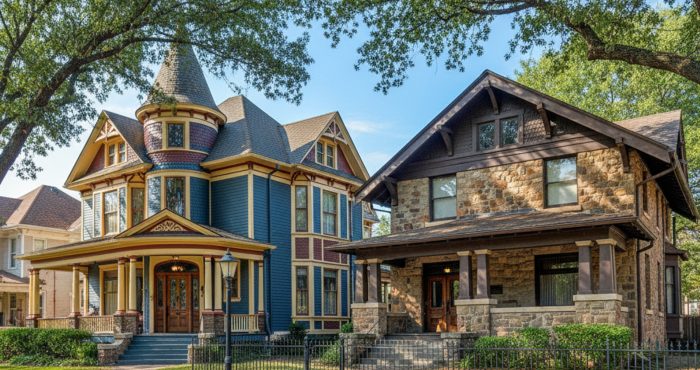
Prevalent styles include classic Victorian and Craftsman properties, many of which feature large front porches and original millwork. Property owners in these designated zones must navigate specific historical preservation guidelines when planning exterior renovations.

Purchasing a home in a historic district requires patience for compliance approvals, but the strict preservation rules protect neighborhood character. These guidelines prevent mismatched modern infill from disrupting the established streetscape.

These older neighborhoods also offer excellent proximity to downtown boutique retail and the DART Red Line transit station. Residents enjoy the rare combination of a walkable historic core paired with immediate regional transit access.

Preserving the Past: Key Historical Landmarks

The city maintains several prominent sites that document its transition from a rural outpost to a modern commercial center. These landmarks provide tangible connections to the early days of Collin County.

  • Heritage Farmstead Museum: This preserved 1891 Victorian farm home sits on a 4-acre site depicting early agricultural life in the region.
  • Interurban Railway Museum: Located downtown, this facility details the history of the Texas electric railway system that operated from 1908 to 1948.
  • Plano Independent School District Roots: The city assumed control of the public school system in 1881, setting the stage for the massive educational infrastructure present today.


Infrastructure Development and Commuting in Modern Plano

The historical expansion of major roadways directly dictated which neighborhoods developed first. The widening of US Highway 75 and the extension of the Dallas North Tollway accelerated the integration of local real estate into the broader Dallas – Fort Worth metroplex.

For those living in Plano today, the commute to downtown Dallas via Highway 75 takes approximately 35 to 50 minutes during peak rush hour. Off-peak travel times drop significantly, making the corridor highly efficient for flexible work schedules.

Public transit provides a reliable alternative to highway driving for daily commuters. The DART Red Line offers a direct route to the Dallas urban core, with an average travel time of about 48 minutes.

Proximity to the Dallas North Tollway is the single biggest factor in reducing daily commute friction for west-side residents. Buyers should test both the tollway and DART routes during rush hour before committing to a specific zip code.

How to Position Yourself for Success in the Plano Market

Navigating the Plano real estate market takes more than just watching prices. The Bale Real Estate Group, ranked in the top 1% of North Texas Realtors, helps buyers and sellers understand how to position themselves based on current competition, not just past sales. From identifying the right neighborhoods to negotiating stronger terms, their approach is focused on preparation, strategy, and results.

Frequently Asked Questions

How did Plano, Texas get its name?

The city took its name from the Spanish word for “flat” to accurately describe the local terrain. Early settlers chose this moniker in the 1800s because the surrounding Texas Blackland Prairies offered level, unobstructed land ideal for farming.

When did Plano experience its biggest population boom?

The most explosive growth occurred between 1970 and 1990 as the local economy shifted from agriculture to corporate enterprise. The population jumped from approximately 17,872 to over 128,000 residents during this window, largely driven by the development of the 2,600-acre Legacy Business Park.

What are the most popular historic sites in Plano?

The Heritage Farmstead Museum and the Interurban Railway Museum are the two most visited historical landmarks in the city. The Heritage Farmstead offers a look at an 1891 Victorian home, while the Interurban Museum highlights the region’s early electric rail transit.

Posted in: Community Guides, Home Buying, Plano Real Estate, Relocating to North Dallas Tagged: Buyer Guide, Collin County Real Estate, Dallas North Tollway, DART Red Line, Haggard Park Heritage District, Heritage Farmstead Museum, Historic Downtown Plano, History of Plano TX, Interurban Railway Museum, Legacy Business Park, Legacy West, Plano Real Estate, Plano TX, Relocation Guide, US 75

Is Plano TX Good For Families? 2026 Homebuyer Relocation Guide

Buyers relocating to the Dallas-Fort Worth metroplex frequently ask if the northern suburbs match their lifestyle needs. When evaluating whether is Plano TX good for families, house hunters typically look at the density of local parks, the structure of the school district, and the daily commute into Dallas. Collin County has experienced massive growth over the last decade, transforming former prairie land into a highly developed residential corridor.

Plano stands out as a major corporate hub that also maintains thousands of acres of protected green space. Understanding the specific property types, median housing costs, and neighborhood amenities helps buyers make an informed decision before looking at homes for sale in Plano. Navigating this sprawling city requires a clear look at the objective data driving the local real estate market.


Community Amenities and Recreational Facilities in Plano

The city limits contain a massive network of outdoor recreation spaces designed for year-round use. Buyers prioritizing outdoor access will find that Plano maintains an exceptionally high density of parks, playgrounds, and paved trails. This infrastructure ensures that almost every residential block sits within a short distance of a maintained public green space.

Arbor Hills Nature Preserve and Oak Point Park serve as the two major outdoor hubs for the community. These locations provide extensive hiking and biking trails that wind through natural creeks and forested areas. Having these massive preserves nearby means residents do not have to drive out of the metroplex to find substantial hiking routes.

Beyond the natural preserves, the city operates multiple municipal indoor recreational centers. Facilities like the Tom Muehlenbeck Recreation Center are equipped with indoor tracks, swimming pools, and extensive fitness equipment. These municipal buildings give residents an alternative to private gym memberships while keeping community activities accessible during the hot Texas summers.


Plano Independent School District (PISD) Overview

The local public education system is a primary driver for real estate demand across Collin County. Plano Independent School District serves approximately 48,000 to 52,000 students distributed across more than 70 campuses. The sheer size of the district means that buyers have numerous neighborhood options while still remaining within the PISD boundaries.

A defining characteristic of this district is the unique division between high schools and senior high schools. Students attend a dedicated high school for ninth and tenth grades before transitioning to a senior high campus for eleventh and twelfth grades. This structure allows the senior high campuses to function much like college environments, offering an extensive catalog of Advanced Placement courses.

Class sizes remain manageable despite the massive overall student population within the city. The district maintains an approximate 14:1 or 15:1 student-teacher ratio across its various educational facilities. This ratio gives buyers confidence that the local educational infrastructure can support the continuing population growth in the area.


Plano Housing Market Breakdown

Navigating the local real estate landscape requires understanding the distinct price tiers across different property styles. The overall median home price in Plano sits between $480,000 and $500,000 as of early 2026. Buyers evaluating affordability must factor in local property taxes, which significantly impact the total monthly mortgage payment.

Buyers looking specifically for detached single-family houses should expect to see higher entry points. Those properties typically average between $600,000 and $760,000, depending heavily on the specific zip code and proximity to major retail centers. Understanding these baseline figures helps buyers set realistic expectations for their down payment requirements.

The market maintains a steady level of competitiveness, with well-priced homes going under contract quickly. Inventory levels fluctuate seasonally, but buyers will generally find a mix of older properties requiring updates and fully renovated homes carrying a premium price tag. Working with a local agent is crucial to identifying which neighborhoods offer the best long-term value.

Property Types and Lot Characteristics

The residential layout of the city offers distinct architectural choices depending on which side of the US-75 highway you explore. Single-family detached homes are the dominant property type, often featuring three to four bedrooms and traditional brick exteriors. These houses form the backbone of the local housing inventory.

Buyers will notice a stark contrast in housing age and lot size as they move from east to west. Central and East Plano feature older construction from the 1970s and 1980s, typically sitting on larger lots with mature, established trees. These older neighborhoods frequently operate without mandatory homeowners associations.

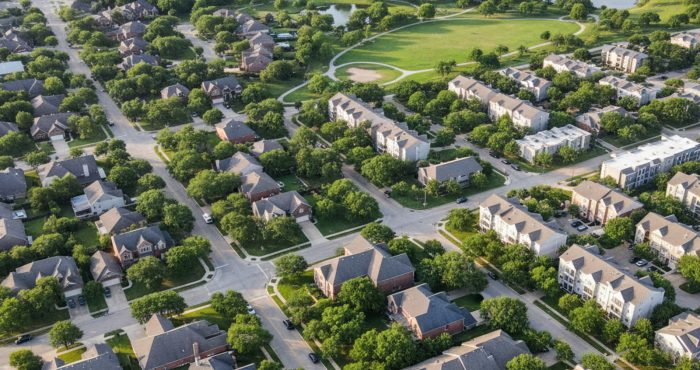
Moving toward West Plano, the real estate landscape shifts toward newer developments built in the 1990s and 2000s. These homes boast larger square footage but are often built on tighter lot lines with strict HOA oversight. Townhomes and condominiums are also increasingly available near retail hubs, providing a lower-maintenance alternative to traditional detached houses.


Commuting from Plano to Dallas Employment Centers

Transportation logistics are a crucial factor when evaluating real estate in the northern suburbs. The city is bordered and intersected by several major highway routes, including the Dallas North Tollway and US-75. These arterial roads dictate the daily traffic flow for thousands of local residents.

Driving into downtown Dallas during morning rush hour typically takes 45 to 60 minutes. Buyers who secure employment in neighboring Frisco or within the Legacy West corporate hub in Plano itself can drastically cut this daily travel time. Evaluating your specific office location against the local toll road map is essential for calculating your true monthly commuting costs.

Public transit provides a viable alternative to sitting in highway traffic during peak hours. The DART rail system operates several stations within the city limits, connecting the northern suburbs directly to the urban core. Taking the DART Red Line from central Plano to downtown Dallas takes approximately 48 minutes, offering a predictable and stress-free transit option.

How to Position Yourself For Success in the Plano Market

Navigating the Plano real estate market takes more than just watching prices. The Bale Real Estate Group, ranked in the top 1% of North Texas Realtors, helps buyers and sellers understand how to position themselves based on current competition, not just past sales. From identifying the right neighborhoods to negotiating stronger terms, their approach is focused on preparation, strategy, and results.

Why Homeowners Choose Bale Real Estate Group

Buying or selling in Plano requires more than just timing the market. The Bale Real Estate Group helps clients understand pricing, competition, and how to position a home so it stands out immediately. For sellers, that includes strategic pricing, professional staging, targeted marketing, Zillow Showcase exposure, and our Certified Pre-Owned Home Listing Program. The goal is simple: maximize exposure and drive stronger offers.
________________________________________

Frequently Asked Questions

Is Plano TX good for families looking to relocate?

Buyers frequently search this exact question when analyzing the Dallas-Fort Worth metroplex. The city offers objective benefits like an extensive 70-campus school district and thousands of acres of municipal parkland. These structural features provide a strong foundation for buyers prioritizing educational access and outdoor recreation.

What is the average commute time from Plano to downtown Dallas?

Drivers should expect a 45 to 60-minute commute to downtown Dallas during peak rush hour traffic. Taking the DART Red Line offers a comparable alternative, taking roughly 48 minutes from station to station. Both options require planning for daily travel expenses like toll tags or transit passes.

How much are typical HOA fees in Plano neighborhoods?

Mandatory homeowners association fees vary widely depending on the neighborhood amenities and property type. Single-family home HOAs often range from $300 to $800 annually to cover common green spaces and community pools. Condominium and townhome owners will see much higher monthly assessments that cover exterior building maintenance and master insurance policies.

Posted in: Community Guides, Home Buying, Market Updates, Plano Real Estate, Relocating to North Dallas Tagged: 2026 Homebuyer Guide, Arbor Hills Nature Preserve, Buyer Guide, Dallas North Tollway, DART Red Line, HOA Fees, Is Plano TX Good For Families, Oak Point Park, Plano Families, Plano Home Prices, Plano Housing Market, Plano ISD, Plano Parks, Plano Real Estate, Plano Relocation, Plano TX, Property Taxes, Relocation Guide, Tom Muehlenbeck Recreation Center, US 75

Bale Real Estate Group
(972) 469-0332
TREC - Information About Brokerage Services
TREC - Consumer Protection Notice
Site created by Michael Tritthart Team. | View Privacy Policy