
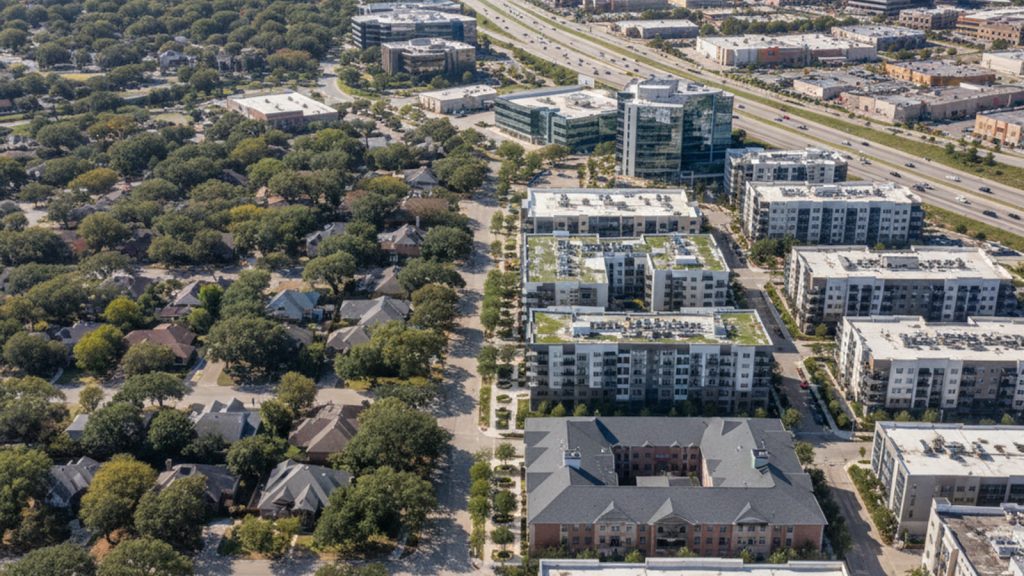
The massive population shift across Collin County has completely transformed the landscape of North Texas real estate. Buyers evaluating plano tx vs prosper often find themselves weighing two very distinct suburban experiences. As we move through 2026, understanding the objective nuances of these two cities is critical for making an informed investment.
The demographics of Collin County continue to evolve as new corporate relocations bring a steady stream of buyers to the region. This influx creates a highly competitive environment for anyone looking to secure a property in the DFW metroplex. Analyzing the specific price range and lifestyle offerings of each municipality ensures a smoother relocation process.
Plano offers an established, urban-suburban mix with immediate access to major corporate headquarters and extensive transportation networks. Prosper presents a rapidly expanding, low-density environment defined by newer master-planned communities and significant acreage. Exploring homes for sale in either city requires a clear understanding of your daily priorities regarding travel, space, and budget.
Ultimately, Plano provides unparalleled proximity to major employment hubs and a dense retail environment. Prosper commands a premium for larger lots and expansive new construction away from the immediate urban core. Recognizing which layout serves your daily routine best is the first step in choosing your ideal Texas location.
Real Estate Market Trends and Housing Costs
The financial commitment required to buy a home differs significantly between these two cities. Plano currently presents a more accessible entry point, with median home prices hovering around $500,000 to $540,000. The price range here accommodates a wide demographic of buyers looking for established infrastructure.
Buyers exploring Plano typically find mature neighborhoods with established tree canopies and older architectural styles. The city also features high-density, mixed-use developments that appeal to buyers wanting walkable access to dining. This established market moves at a steady pace, reflecting its status as a mature urban center.
Prosper operates at a noticeably higher price point for incoming residents. Median home values in this area range from $825,000 to $870,000. The housing stock leans heavily toward newer, large-scale master-planned communities featuring expansive lots and modern floor plans.
Buyers paying the Prosper premium are usually prioritizing square footage and new construction over central location. The city borders rapidly growing areas like Celina and McKinney, pushing development further north. This expansion creates a landscape dominated by fresh builds rather than renovated properties.
Property taxes also shape the long-term cost of ownership in both municipalities. Plano maintains a historically low combined tax rate of approximately 1.71 percent. The established utility infrastructure means residents avoid the steep municipal utility district fees common in newer suburbs.
In contrast, Prosper buyers often encounter total tax rates between 1.9 percent and 2.4 percent. These higher rates are primarily due to Municipal Utility Districts funding new water and road infrastructure. When combined with higher HOA fees, these tax differences drastically impact monthly affordability for the average buyer.
The rental market also reflects the distinct development phases of each municipality. Investors evaluating properties find a robust market for long-term lease options in Plano due to the established corporate presence. Prosper sees fewer traditional rental properties, as the area is heavily dominated by owner-occupied new construction.
Commute Times and Highway Access
Daily travel logistics are a major deciding factor for anyone relocating to the DFW metroplex. Plano benefits from a highly developed transportation infrastructure, sitting squarely on the Dallas North Tollway, US 75, and the President George Bush Turnpike. This central positioning provides multiple route options depending on daily traffic patterns.
An average commute for residents traveling from Plano to downtown Dallas takes roughly 30 to 45 minutes. The drive covers about 19 miles of well-maintained, multi-lane highways. This proximity makes the city highly functional for professionals commuting to the urban core five days a week.
Prosper is situated further north along US 380 and the northern extension of the tollway. Driving from Prosper to downtown Dallas covers approximately 34 miles. This route typically takes 45 to 60 minutes or more during peak morning and evening hours.
However, the northern location does not isolate residents of Prosper entirely. The city provides quick, straightforward access to the booming Frisco employment hub and neighboring Allen. Buyers working in these northern sectors often find the drive highly manageable.
Future transportation projects aim to alleviate some of the congestion moving north toward Celina and beyond. The current reality requires buyers to carefully calculate their expected time on the road. Understanding the average commute for residents prevents unexpected frustration after closing on a property.
Public transit commuters have different options depending on their exact location. Plano residents can utilize the local DART rail station for a direct train ride into the city center. The historic Plano station area, home to the Interurban Railway Museum, serves as a hub for this modern transit access.
The clear takeaway is that Plano serves daily Dallas commuters best. Prosper works incredibly well for those employed locally in the northern suburbs or those with remote schedules.
Objective School Data: Plano ISD vs Prosper ISD
Evaluating the local school district is a standard part of the homebuying process in Collin County. Plano ISD is a massive, established district with an enrollment of approximately 44,000 to 46,000 students. The district maintains a student-teacher ratio of roughly 14:1 or 15:1 across its numerous campuses.
The sheer size of Plano ISD allows it to offer highly specialized academic and extracurricular programs. Campuses like Plano West Senior High School and East Senior High School provide extensive advanced placement tracks. Students have access to specialized academies focusing on science, art, and advanced mathematics.
Prosper ISD is smaller overall but ranks among the fastest-growing districts in Texas. Current enrollment sits between 32,000 and 33,000 students. The student-teacher ratio here ranges from 15:1 to 18:1, reflecting the rapid influx of new residents.
The district is actively expanding its footprint to accommodate the population surge. New facilities like Rock Hill High School feature state-of-the-art technology and modern athletic complexes. Some homes on the border may also zone into the neighboring Frisco ISD, depending on the specific neighborhood boundaries.
District size directly dictates the breadth of available programs and the age of the facilities. Plano holds an edge in specialized curriculum and established arts programs. The newer district boasts modern facilities and a rapidly expanding campus network.
Both districts maintain excellent reputations that drive significant real estate demand across the region. Buyers often target specific attendance zones to secure access to preferred academic tracks. Verifying the exact school district boundaries is crucial, as city limits do not always align with educational zoning.
Local Amenities, Shopping, and Recreation
Entertainment and retail options vary based on the density and development stage of each city. Plano features a robust, highly developed retail and dining scene anchored by Legacy West. Residents of Plano also benefit from immediate proximity to Stonebriar Center and numerous Cinemark theaters.
The established nature of Plano means commercial zones are fully built out and integrated into the neighborhoods. Residents have immediate access to specialized child care centers, insurance agencies, and diverse dining options. The local art scene is also more pronounced, supported by city-funded installations and galleries.
Prosper delivers a different lifestyle experience centered around master-planned community amenities. Upscale retail developments are rapidly filling in along the US 380 corridor to serve the growing population. Residents still frequently drive south to access larger shopping mall complexes.
Neighborhoods in the northern suburbs often feature exclusive draws built directly into the subdivisions. These can include expansive private clubhouses, artificial lagoons, and extensive private trail systems. The focus is heavily on localized, community-centric entertainment rather than large commercial hubs.
Outdoor recreation highlights the contrast between the two areas perfectly. Plano is home to the massive Oak Point Park and Nature Preserve. This area offers miles of trails and kayaking opportunities within a dense urban environment near the Trinity River watershed.
Prosper focuses its green spaces within specific developments and central hubs like Frontier Park. Buyers seeking immediate access to high-end dining will prefer Plano. Outdoor enthusiasts looking for community-centric recreation often lean toward Prosper.
Living in this region means you are never far from major entertainment venues regardless of your specific zip code. The broader Collin County area provides excellent access to professional sports facilities and large-scale event centers. Buyers simply need to decide if they want these amenities in their immediate backyard or a short drive away.
Why Buyers and Sellers Choose Bale Real Estate Group
Buying or selling in Plano requires more than just timing the market. The Bale Real Estate Group helps clients understand pricing, competition, and how to position a home to stand out from day one. For sellers, that includes strategic pricing, professional staging, targeted marketing, Zillow Showcase exposure, and our Certified Pre-Owned Home Listing Program. The goal is simple: create stronger demand and better results in today’s market.
Frequently Asked Questions
How far is Plano from Prosper?
The two cities are located roughly 15 to 20 miles apart, depending on the exact zip code. Driving between the central points of both municipalities usually takes about 25 to 35 minutes. The route primarily follows the Dallas North Tollway or Preston Road.
Are housing costs cheaper in Plano or Prosper?
Plano generally offers a more accessible price point for homebuyers. Median home prices in Plano sit near $500,000 to $540,000, while Prosper homes typically range from $825,000 to $870,000. Lower property tax rates in Plano also contribute to a lower overall cost of ownership.
How does the cost of living compare between Plano and Prosper?
The overall cost of living is noticeably higher in Prosper due to elevated housing prices and property taxes. Utility costs, insurance, and daily expenses are relatively similar across Collin County. The premium placed on large-lot real estate makes Prosper the more expensive option overall.
Planning to sell? Learn how Bale Real Estate Group helps sellers prepare, price, and market their homes. Why Sellers Hire Bale Real Estate Group.
Planning to buy? Learn how Bale Real Estate Group helps buyers evaluate homes and navigate their purchase. Why Buyers Choose Bale Real Estate Group.