
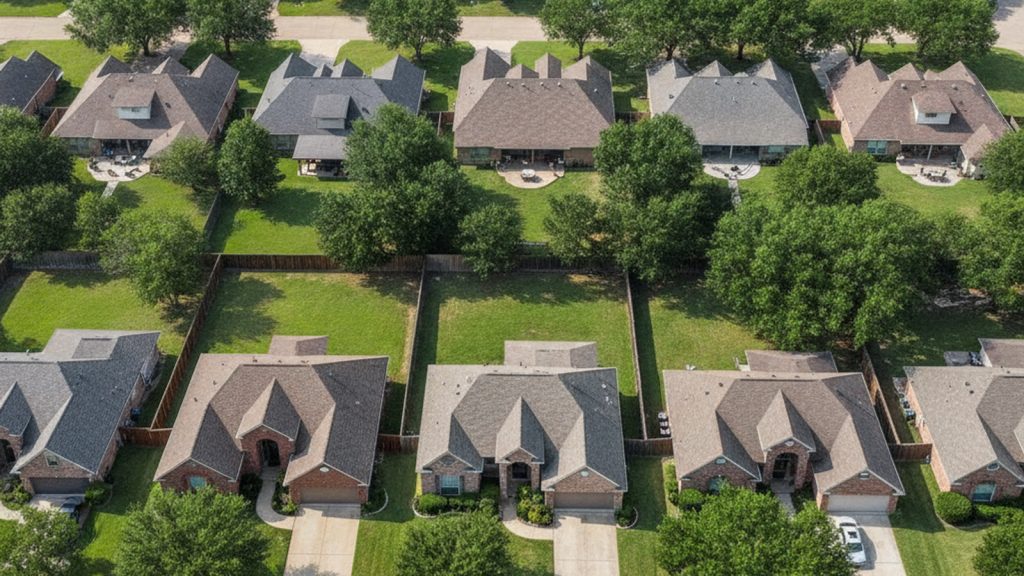
The median sale price in Plano, TX is around $540,000. Homes are currently spending about 35 days on the market before going under contract. With roughly 19% of properties selling above list price, the local market remains active for sellers who present their homes well. Hiring the best real estate agent in Plano, TX helps you prepare your property for buyers.
Handling seller disclosures in Plano, TX requires understanding state law and local market expectations. With inventory sitting at roughly 702 available properties, buyers have options. They are paying close attention to property conditions and histories before making an offer.
When you prepare to list your house, state law mandates that you provide paperwork detailing the property’s history. Filling out this form correctly protects you from legal liability. It also keeps the transaction moving smoothly toward closing.
The Purpose of the Texas Seller’s Disclosure Notice
Under Section 5.008 of the Texas Property Code, anyone selling a previously occupied single-family residence must provide a specific disclosure document. This form reveals known material facts about the physical condition of the house. It covers everything from the type of plumbing installed to the condition of the driveway.
Most homeowners use either the standard Texas Real Estate Commission (TREC) form or the slightly more detailed Texas Association of Realtors (TAR) version. Both documents serve the same goal of keeping the real estate transaction transparent. Your broker will usually provide the version their brokerage prefers.
Providing this information upfront allows potential buyers to understand exactly what they are purchasing. It prevents surprises during the home inspection and reduces the chance of deals falling apart right before closing.
Common Property Issues to Report in Plano
Collin County features expansive clay soil, which expands when wet and shrinks during dry summers. This constant movement causes settling, meaning foundation repairs and history are standard disclosures for Plano homes. Buyers expect to see these reports.
Other common items you must report include:
- Roof condition: North Texas experiences intense spring weather, so past roof damage or full replacements from hail storms must be recorded.
- Aging systems: Many of Plano’s established neighborhoods were built in the 1980s and 1990s, requiring you to detail the age and repair history of major systems like the HVAC and plumbing.
- Water and environmental issues: You must report any previous water damage, flooding incidents, or known environmental hazards on the lot.
Supplying receipts and warranties for any professional repairs you have completed helps reassure buyers.
When to Provide the Disclosure Paperwork
Texas law dictates that sellers must provide the completed disclosure notice to buyers before a contract for the sale is signed. Delivering the paperwork early gives buyers time to review the property’s history and factor it into their offer.
If you deliver the notice after both parties sign the contract, the buyer gains the right to terminate the agreement for any reason within seven days of receiving the form. This termination window can disrupt your timeline. It may even force you to put the home back on the market.
To avoid delays, you should gather your repair records and complete the disclosure form before your real estate agent lists the property on the MLS. Having the document ready on day one shows buyers you are prepared and transparent.
Rules for Known Defects Versus Unknown Problems
The law only requires you to disclose known defects that currently exist or existed in the past. You are not required to hire a home inspector to search for unknown issues just to fill out the form.
If you know about a structural flaw, a recurring plumbing leak, or a broken appliance, you must list it. You must also disclose deaths on the property if they were caused by the property’s condition.
State law exempts you from disclosing certain events, such as deaths resulting from natural causes, suicide, or accidents unrelated to the home’s structure. If you are genuinely unaware of a defect, you simply indicate that you do not know the answer on the form.
Legal Risks of Hiding Property Defects
Failing to report known issues upfront exposes you to serious legal liabilities long after the sale closes. If a buyer discovers hidden damage and proves you knew about it, they can file a lawsuit for misrepresentation or fraud. Texas courts take these disclosure violations seriously.
These lawsuits can result in you paying for the repairs or covering the buyer’s legal fees. You might even face a forced contract termination. Hiding a defect to protect your asking price usually costs much more in the long run than simply disclosing the issue.
If you are unsure how to answer a specific question on the disclosure document, you should consult a real estate attorney or your broker. Answering honestly and thoroughly is the best defense against future claims.
How Home Age Affects Disclosure Details
A home built in 2024 will have a very different disclosure profile than one built in 1985. Newer builds generally have shorter repair histories, but sellers must still document soil grading issues, builder warranties, and any early component failures. Buyers of newer homes expect the paperwork to reflect a relatively untouched property.
For older resale homes, the paperwork often involves an extensive list of replaced systems, cosmetic updates, and long-term maintenance records. Buyers expect a 30-year-old house to have a history, so a long list of past repairs is normal. Disclosing a replaced water heater or an updated electrical panel shows that the home has been maintained.
Regardless of the home’s age, practicing diligence by keeping your maintenance records organized helps buyers feel confident. Proving that a defect was professionally resolved is often just as good as having a home with no issues at all.
Frequently Asked Questions
Are seller disclosures required in Texas?
Yes, Section 5.008 of the Texas Property Code mandates that sellers of previously occupied single-family homes provide a disclosure notice. This legal requirement ensures buyers are aware of the property’s condition before purchasing.
Are there exemptions to the Texas seller disclosure rules?
Yes, certain transactions do not require this form. Common exemptions include foreclosure sales, transfers between direct family members, and sales of new construction homes that have never been occupied.
How can I find or obtain a seller’s disclosure form?
Your real estate agent will typically provide the standard TREC or TAR disclosure forms when you sign a listing agreement. You can also download the basic TREC form directly from the Texas Real Estate Commission website.
When exactly must a seller provide the disclosure notice to a buyer in Plano?
Sellers must present the completed form to the buyer before the purchase contract is signed. If it is provided late, the buyer has a seven-day window to terminate the contract for any reason.
What are the most common property defects sellers have to disclose in Plano, TX?
Because of Collin County’s soil, foundation movement and repairs are the most frequently reported issues. Sellers also regularly disclose roof replacements from hail storms and updates to aging HVAC systems.
Do disclosure requirements differ for older homes versus newer construction in Plano?
The legal requirement remains the same, but the volume of information differs. An older home will naturally have a longer history of replaced systems and repairs, while a newer home might only list builder warranties and minor fixes.
What happens if a buyer finds a defect after closing?
If the buyer can prove the seller knew about the defect and intentionally hid it, the buyer can sue for fraud or misrepresentation. If the defect was genuinely unknown to the seller, the buyer is generally responsible for the repairs.
Planning to sell? Learn how Bale Real Estate Group helps sellers prepare, price, and market their homes. Why Sellers Hire Bale Real Estate Group.