Top 1% Frisco & Plano Realtors | Bale Real Estate GroupTop 1% Frisco & Plano Realtors | Bale Real Estate Group

Top 1% North Texas luxury real estate team with $50M+ in sales and 80+ 5-star reviews. Frisco, Plano, Preston Hollow & North Dallas.

  • Home
  • Search
  • Communities We Serve
    • Allen
    • Aubrey
    • Celina
    • Coppell
    • Dallas
      • Oakdale
    • Frisco
      • Country Club Ridge at The Trails
      • Custer Creek Farms
      • Griffin Parc
      • Heather Ridge Estates
      • Shaddock Creek Estates
      • Newman Village
      • Phillips Creek Ranch
      • Richwoods
      • Starwood
      • Stonebriar
      • The Canals at Grand Park
      • The Fairways
      • The Hills of Kingswood
      • Villages of Stonebriar Park
    • McKinney
    • Park Cities
    • Plano
      • Avignon Windhaven
      • Cliffs of Gleneagles
      • Crystal Creek
      • Deerfield
      • Lakeside on Preston
      • Normandy Estates
      • Shoal Creek
      • Wentworth Estates
      • Willow Bend Polo Estates
      • Willow Bend
      • Windrose Tower
    • Preston Hollow
    • Princeton
    • Prosper
    • Southlake
  • Buyers
    • Buying a Home in Dallas
    • 8 Steps to Buying a Home
    • First-Time Home Buyers
    • Smart Buyer Strategy
      • DFW Property Taxes
      • HOA Communities in North Texas
      • Homestead Exemptions
      • MUD and PID Districts
      • Cost of Home Ownership
    • Home Loan Process
      • Credit Score Requirements
      • How Much Home Can You Afford?
      • Down Payment Options
      • Interest Rates Explained
      • Mortgage Pre-Approval
    • Relocating to North Dallas
      • Choosing the Right Community & Location
      • School Districts
      • Commute Considerations
      • Community Comparisons
      • Cost of Living
    • New Construction Buyer Representation
    • Offer Strategy
    • Home Inspections
    • Buyer Closing Costs
    • Buying and Selling at the Same Time
      • Downsizing & Rightsizing
  • Sellers
    • Selling Your Home in North Dallas
    • 8 Steps to Selling a Home
    • Pre-Listing Appointment
    • Preparing Your Home for Sale
      • Professional Home Staging
    • Certified Pre-Owned Home Listing Program
    • Marketing Your Home for Maximum Exposure
      • Professional Photography
      • Drone Photography
      • Zillow Showcase
      • Social Media Marketing
      • Digital Advertising
    • Strategic Pricing & Market Positioning
    • Seller Closing Costs & Net Proceeds
      • Calculate Your Estimated Seller Net Proceeds
    • Offer Strategy & Seller Protection
    • Buying and Selling at the Same Time
      • Downsizing & Rightsizing
  • Our Advantage
    • Why Work With Bale Real Estate Group
    • Why Sellers Hire Bale Real Estate Group
    • Meet the Team
    • Real Producers: Cover Story
    • Our Story
    • Client Testimonials
    • Proven Results
    • Certified Pre-Owned Home Listing Program
    • Zillow Showcase
    • Professional Home Staging
    • Concierge Vendor Network
    • What if?
    • Videos
  • Blog
  • Contact

Plano TX vs McKinney: North Dallas Real Estate and Relocation Guide for 2026


Buyers searching for properties in the North Dallas suburbs inevitably find themselves comparing these two heavyweights. Both cities are located in Collin County and offer robust local economies, but they deliver entirely different living experiences.

Choosing the right location depends heavily on your daily commute, architectural preferences, and budget constraints. Understanding the objective data behind real estate trends, property taxes, and infrastructure in both markets will help you make a confident investment.


Plano vs. McKinney: Comparing Two Premier North Dallas Suburbs

The geographical relationship between these two cities plays a massive role in their real estate dynamics. Plano sits immediately north of Dallas, acting as a major transitional hub between the central city and the expanding northern suburbs.

McKinney is located just north of Plano, which historically gave it a more removed, rural atmosphere. Today, rapid development has connected the two cities seamlessly, though McKinney still retains distinct pockets of undeveloped land and historic architecture.

When evaluating homes for sale in Collin County, buyers must weigh the premium of Plano’s central location against McKinney’s expanding footprint. The core comparison factors usually come down to home prices, the age of available properties, and the long-term carrying costs associated with local property taxes.

Average Home Prices and Available Property Types

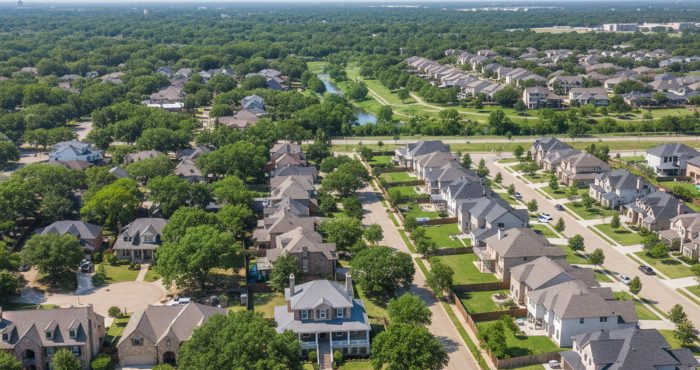
Real estate markets in both cities are highly competitive, but they offer different types of inventory. Plano is largely built out, meaning buyers will mostly find established, master-planned developments from the 1980s through the early 2000s.

McKinney offers a wider spectrum of property ages, blending historic homes near its downtown core with expansive new construction neighborhoods on its northern and western edges. Average home prices in Plano currently hover between approximately $500,000 and $669,000, depending on the neighborhood and updates.

In contrast, McKinney average home prices range from roughly $483,000 to $621,000. Buyers often find that their dollar stretches slightly further in McKinney, though this usually comes with a longer drive to central Dallas.

Property Tax Rates and Collin County Assessments

Carrying costs are a critical consideration for any Texas homebuyer, as the state relies heavily on property taxes rather than state income tax. For 2025 and 2026, the combined property tax rate for homeowners in Plano sits at approximately 1.71 percent.

McKinney homeowners face a slightly higher combined property tax rate of roughly 1.75 percent. While a fractional difference might seem small, recent Collin County property assessments have increased valuations across the board.

This means holding costs have risen in both cities, directly impacting your monthly mortgage payment. Buyers must factor these specific tax rates into their long-term housing budget before submitting an offer.


Commute Times, Traffic, and Transportation Logistics

Daily travel is often the deciding factor for buyers choosing between these two cities. Collin County relies heavily on a network of tollways and state highways to move residents across the Dallas-Fort Worth metroplex.

Plano offers a distinct advantage for public transit users through its integration with the Dallas Area Rapid Transit system. The city features multiple DART rail stations, providing a direct, traffic-free commute into downtown Dallas.

McKinney, by contrast, is entirely car-dependent and does not currently have DART rail access. Residents here rely exclusively on personal vehicles to navigate the local infrastructure and reach regional commercial centers.

Highway Access and Proximity to Major Employment Hubs

Highway positioning dictates the rhythm of daily life in both municipalities. Both cities are bisected by US-75, but Plano benefits from direct access to the Dallas North Tollway and State Highway 121.

This infrastructure gives Plano residents a significant edge when traveling to major regional employment centers. To understand the daily driving reality, consider these approximate commute times during typical traffic conditions:

  • Downtown Dallas requires a 30 to 40-minute drive from Plano, compared to a 45 to 55-minute drive from McKinney.
  • Legacy West and the Telecom Corridor are highly accessible for Plano residents, often requiring just a 10 to 15-minute local drive.
  • McKinney drivers typically face a 20 to 30-minute commute down the Sam Rayburn Tollway to reach those same corporate campuses.


Commercial Districts, Dining, and Local Amenities

The commercial layouts of these two cities reflect their different stages of development. Plano operates as a major corporate headquarters destination, resulting in a heavy concentration of upscale retail and modern office parks.

The city zoning prioritizes large-scale, mixed-use developments that blend luxury apartments, high-end dining, and retail into dense, walkable pockets. This creates a highly structured, modern commercial environment.

McKinney leans heavily into its historical roots, maintaining a commercial identity built around boutique shopping and independent restaurants. While the city has added modern retail centers along the highway corridors, its core identity remains tied to preserved historical districts.

Legacy West and The Shops at Legacy vs. Historic Downtown McKinney

The specific commercial zones defining each city offer completely different architectural and dining experiences. Legacy West and The Shops at Legacy in Plano feature modern, newly constructed mixed-use spaces focused on luxury retail and high-density dining.

These areas provide a highly manicured, contemporary environment with upscale steakhouses, designer storefronts, and structured parking garages. It is a hub built for modern convenience and premium commercial access.

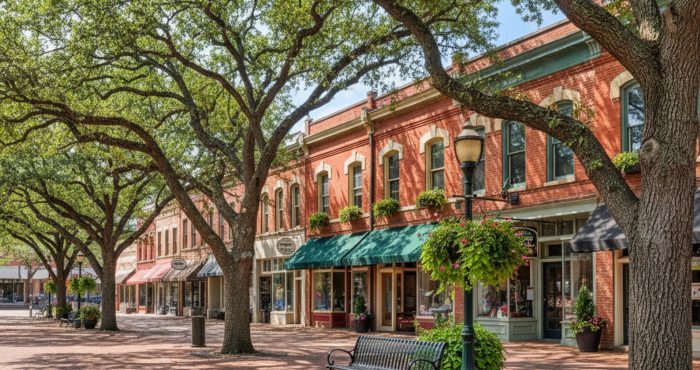
Historic Downtown McKinney offers a stark contrast with its preserved 19th-century architecture and European-style Adriatica Village. This area delivers a walkable, traditional town square experience filled with independent cafes, antique shops, and local breweries.


Educational Infrastructure: Plano ISD vs. McKinney ISD

Public school districts are a major driver of real estate demand in Collin County. Plano Independent School District is a massive, fully established system with dozens of campuses serving the entire city and portions of neighboring towns.

Plano ISD accounts for approximately 61 percent of a typical Plano property tax bill, reflecting the heavy municipal investment in educational facilities. The district features extensive academic program offerings, specialized academies, and massive athletic complexes.

McKinney Independent School District is smaller but is currently managing significant residential growth as new neighborhoods expand the city limits. The district has invested heavily in modernizing its infrastructure, including a state-of-the-art high school stadium and updated extracurricular facilities.

Buyers looking at homes for sale in either city should carefully verify school boundaries, as zoning lines frequently shift to accommodate population growth. Both districts offer robust programs, but their scale and campus ages differ significantly.


Parks, Recreation, and Outdoor Green Spaces

Access to outdoor recreation is a strong selling point for both municipalities. Plano features a fully mature municipal parks system with integrated trail networks connecting various neighborhoods and commercial centers.

The city has prioritized continuous greenbelts, allowing residents to navigate miles of paved trails without crossing major intersections. McKinney approaches outdoor space differently, integrating its parks into the natural landscape and rolling hills of northern Collin County.

McKinney has invested heavily in massive sports complexes and natural preserves, utilizing its larger available land footprint. Both cities maintain excellent public facilities, but the style of outdoor access varies from highly structured trails to expansive natural areas.

Oak Point Park vs. Towne Lake Recreation Area

A direct comparison of each city’s premier public park highlights their different approaches to municipal recreation. Oak Point Park and Nature Preserve serves as the crown jewel of Plano, while Towne Lake Recreation Area is the central hub for McKinney.

Both parks offer extensive amenities, but they operate on vastly different scales. Here is a breakdown of what each location provides to local residents:

  • Oak Point Park in Plano covers roughly 800 acres, featuring miles of soft-surface trails along Rowlett Creek and a Go Ape zipline course.
  • Towne Lake Recreation Area in McKinney covers roughly 108 acres, focusing on a large central lake with paddleboat rentals and fishing piers.
  • Oak Point emphasizes expansive nature preservation and long-distance running, whereas Towne Lake provides dense, centralized amenities like specialized sports fields and horseshoe-pitching courts.

Why Homeowners Choose Bale Real Estate Group

Buying or selling in Plano requires more than just timing the market. The Bale Real Estate Group helps clients understand pricing, competition, and how to position a home so it stands out immediately. For sellers, that includes strategic pricing, professional staging, targeted marketing, Zillow Showcase exposure, and our Certified Pre-Owned Home Listing Program. The goal is simple: maximize exposure and drive stronger offers.

Frequently Asked Questions

Is McKinney more expensive than Plano?

Generally, McKinney offers slightly lower housing costs compared to Plano. Average home prices in McKinney range from roughly $483,000 to $621,000, while Plano homes typically cost between $500,000 and $669,000. However, McKinney does have a slightly higher combined property tax rate of 1.75 percent.

Which city offers a shorter commute to Downtown Dallas?

Plano provides a significantly shorter commute to Downtown Dallas. Drivers can expect a 30 to 40-minute trip from Plano, whereas the drive from McKinney usually takes 45 to 55 minutes. Plano also offers direct rail access to downtown via the Dallas Area Rapid Transit system.

How do property tax rates compare between Plano and McKinney?

Property tax rates are very similar, but Plano holds a slight edge with a combined rate of approximately 1.71 percent. McKinney residents pay a combined rate of roughly 1.75 percent on their Collin County tax assessments. In both cities, the local school districts account for the largest portion of the annual tax levy.

Posted in: Home Buying, Market Updates, McKinney Real Estate, Plano Real Estate, Relocating to North Dallas Tagged: 2026 Housing Market, Buyer Guide, Collin County Real Estate, Cost of Living, Dallas North Tollway, DART Rail, Historic Downtown McKinney, Legacy West, McKinney ISD, McKinney Real Estate, North Dallas Real Estate, Oak Point Park, Plano ISD, Plano Real Estate, Plano TX vs McKinney, Property Taxes, Relocation Guide, Towne Lake Recreation Area, US 75

Frisco vs. McKinney: Which North Dallas Suburb is Right for You?

If you are looking at homes in Collin County, you have almost certainly narrowed your list down to two heavy hitters: Frisco and McKinney. They sit right next to each other, they are both massive economic engines, and they both offer incredible quality of life. But if you spend a Saturday afternoon in each, you will realize they feel completely different.

Frisco is the shiny, modern commercial hub that hugs the Dallas North Tollway. It feels built for speed, sports, and corporate growth. McKinney, on the other hand, is the historic county seat sitting a bit further northeast. It has a distinct soul, rooted in its 19th-century downtown and rolling terrain.

Choosing between them usually comes down to lifestyle preference rather than just stats. Do you want the high-energy, polished feel of a master-planned city? That is Frisco. Or are you looking for authentic charm, mature trees, and a slightly slower pace? That is McKinney. With Frisco’s population sitting around 227,000 and McKinney not far behind at over 200,000, both are major cities in their own right—but they offer two very different versions of the Texas dream.


The Vibe: Modern Energy vs. Historic Charm

When I take clients out touring, the difference in atmosphere is usually the first thing they notice. Frisco often earns the nickname “Sports City USA,” and for good reason. It is polished, fast-paced, and feels immaculately groomed. The aesthetic here is defined by glass office buildings, sprawling mixed-use developments, and endless rows of crisp, new construction. It feels like a city that was built all at once with a very specific, modern vision in mind.

McKinney flips the script. Its motto is “Unique by Nature,” and it leans heavily into a sense of history and community connection. The heart of the city is its authentic downtown square, which is arguably the best in Texas. Instead of corporate gloss, you get red brick storefronts, towering oak trees, and a landscape that actually has some hills. Life here feels a little less about the “hustle” and more about grabbing a craft beer on a patio or attending a neighborhood festival.


Real Estate & Cost of Living: What Your Budget Buys

Let’s get down to the numbers, because this is often the deciding factor for buyers. Generally speaking, your money goes further in McKinney. Frisco commands a premium due to its location and its inventory of newer, high-end homes.

In Frisco, the market is dominated by master-planned communities that are typically 5 to 15 years old, alongside plenty of brand-new builds. Because the housing stock is newer and the demand is incredibly high, prices reflect that. As of 2026, you are looking at a median home price somewhere between $640,000 and $670,000. It is a competitive market where buyers expect top-tier amenities and modern finishes.

McKinney offers a much more diverse range of housing. You can find a restored historic bungalow from the 1900s near the square, a standard suburban build from the 90s, or a brand-new home on the outskirts of town. Because of this mix, the median price sits lower, roughly in the $495,000 to $510,000 range. If you are looking for a larger lot or more square footage for your dollar, looking at McKinney homes for sale is a smart move.

A quick note on taxes: Frisco often touts a slightly lower combined tax rate. However, because property values are generally higher in Frisco, the actual check you write to the county might end up being the same or higher than what you would pay in McKinney.


Schools: Frisco ISD vs. McKinney ISD

For many people moving here, schools are the priority. The good news is that you really cannot make a bad choice, but the districts operate with different philosophies.

Frisco ISD is famous for its “Small School Model.” Instead of building massive high schools with 4,000 students, they build more high schools to keep student populations smaller. The idea is that fewer students per school means more opportunities for kids to make the varsity team, join the band, or lead a club. The district is consistently A-rated (90) and is a huge draw for those looking for homes for sale in Frisco.

McKinney ISD offers a more traditional Texas high school experience. They have large, spirited high schools with deep traditions and incredible facilities—including a $70 million stadium that rivals some colleges. The district holds a solid B rating (88) and offers elite extracurricular programs.

One tricky detail to watch for: School boundaries do not always match city limits. There are neighborhoods in McKinney that actually attend Frisco ISD or Prosper ISD. Always check the specific address if a certain district is a dealbreaker for you.


Commute & Location: Tollway vs. US-75

Your daily drive is going to depend heavily on which highway you live near. The two cities run along parallel lifelines.

Frisco is built around the Dallas North Tollway (DNT). If you work in Legacy West, at the Toyota North America HQ, or anywhere in that “Platinum Corridor” of Plano, Frisco is incredibly convenient. The commute to Downtown Dallas is about 28 miles, which usually takes 45 to 60 minutes during rush hour.

McKinney relies on US-75 (Central Expressway). This makes it a better location if your job is in Richardson, the Telecom Corridor, or the eastern side of Dallas. However, McKinney is further north—about 33 miles from Downtown Dallas. That extra distance can mean a commute of 50 to 70 minutes or more when traffic is heavy.


Lifestyle & Amenities: The Star vs. The Square

When the work week ends, where do you want to hang out?

Frisco is about big-ticket entertainment and luxury. It is home to The Star (the Dallas Cowboys World Headquarters), where you can watch practice, dine at high-end steakhouses, or shop at upscale boutiques. You also have PGA Frisco for golf lovers, Toyota Stadium for FC Dallas games, and the massive Stonebriar Centre mall. It is a destination city where there is always an event happening.

McKinney’s lifestyle revolves around “The Square.” The Historic Downtown McKinney square is lined with independent boutiques, farm-to-table restaurants, and wineries. It is the kind of place where locals walk around on Friday nights. Beyond downtown, you have Adriatica Village, a development modeled after a Croatian fishing village, and the Heard Natural Science Museum for hiking and nature trails.


At a Glance: Frisco vs. McKinney Comparison

If you are trying to scan the differences quickly, here is how they stack up side-by-side.

FeatureFriscoMcKinneyMedian Home Price~$670,000~$500,000Primary VibeModern, Corporate, polishedHistoric, Nature-focused, charmingMain HighwayDallas North Tollway (DNT)US-75 (Central Expressway)School District RatingA-Rated (Small School Model)B-Rated (Traditional/Large HS)Best For…Professionals & Sports FansNature Lovers & Community Seekers

Expert Guidance for Buying and Selling 

Navigating the real estate market takes more than just watching prices. The Bale Real Estate Group, ranked in the top 1% of North Texas Realtors, helps buyers and sellers understand how to position themselves based on current competition, not just past sales. From identifying the right neighborhoods to negotiating stronger terms, their approach is focused on preparation, strategy, and results.

Frequently Asked Questions

Is Frisco or McKinney closer to Dallas?

Frisco is generally closer to Downtown Dallas and major employment hubs like Legacy West. It sits about 28 miles north of downtown, whereas McKinney is further northeast, sitting roughly 33 miles out. Access via the Dallas North Tollway often makes the Frisco commute more predictable than the drive from McKinney on US-75.

Is cost of living higher in Frisco or McKinney?

Frisco has a higher cost of living, primarily driven by housing costs. You can expect to pay about 20% to 25% more for a home in Frisco compared to a similar property in McKinney. Daily expenses like groceries and utilities are comparable between the two.

Which city has better schools, Frisco or McKinney?

Both districts are excellent, but Frisco ISD consistently earns slightly higher ratings (A-rated) due to high test scores and its small-school model. McKinney ISD is a strong B-rated district (88/100) that excels in facilities and extracurriculars, offering a “big Texas football” environment that some prefer.

Is McKinney bigger than Frisco?

In terms of population, Frisco has recently surpassed McKinney. Frisco has grown to approximately 227,000 residents, while McKinney is just over the 200,000 mark. Frisco also tends to feel denser because of its commercial development, while McKinney retains more open green space and spread-out subdivisions.

Posted in: Community Guides, Frisco Real Estate, Home Buying, Market Updates, McKinney Real Estate, Relocating to North Dallas Tagged: 2026 Housing Market, Adriatica Village, Buyer Guide, Collin County Real Estate, Cost of Living, Dallas North Tollway, Frisco ISD, Frisco Real Estate, Frisco vs McKinney, Heard Natural Science Museum, Historic Downtown McKinney, McKinney ISD, McKinney Real Estate, North Dallas Real Estate, PGA Frisco, Property Taxes, Prosper ISD, Relocation Guide, Stonebriar Centre, The Star Frisco, US 75

Bale Real Estate Group
(972) 469-0332
TREC - Information About Brokerage Services
TREC - Consumer Protection Notice
Site created by Michael Tritthart Team. | View Privacy Policy