
Top 1% Frisco & Plano Realtors | Bale Real Estate GroupTop 1% Frisco & Plano Realtors | Bale Real Estate Group

Top 1% North Texas luxury real estate team with $50M+ in sales and 80+ 5-star reviews. Frisco, Plano, Preston Hollow & North Dallas.

  • Home
  • Search
  • Communities We Serve
    • Allen
    • Aubrey
    • Celina
    • Coppell
    • Dallas
      • Oakdale
    • Frisco
      • Chapel Creek
      • Country Club Ridge at The Trails
      • Custer Creek Farms
      • Edgestone at Legacy
      • Griffin Parc
      • Heather Ridge Estates
      • Newman Village
      • Park Place Estates
      • Phillips Creek Ranch
      • Richwoods
      • Shaddock Creek Estates
      • Starwood
      • Stonebriar
      • The Canals at Grand Park
      • The Fairways
      • The Hills of Kingswood
      • Villages of Stonebriar Park
    • McKinney
    • Park Cities
    • Plano
      • Avignon Windhaven
      • Cliffs of Gleneagles
      • Crystal Creek
      • Deerfield
      • Kings Gate
      • Lakeside on Preston
      • Normandy Estates
      • Shoal Creek
      • Wentworth Estates
      • Willow Bend Polo Estates
      • Willow Bend
      • Windrose Tower
    • Preston Hollow
    • Princeton
    • Prosper
    • Southlake
  • Buyers
    • Buying a Home in Dallas
    • 8 Steps to Buying a Home
    • First-Time Home Buyers
    • Smart Buyer Strategy
      • DFW Property Taxes
      • HOA Communities in North Texas
      • Homestead Exemptions
      • MUD and PID Districts
      • Cost of Home Ownership
    • Home Loan Process
      • Credit Score Requirements
      • Mortgage Pre-Approval
      • How Much Home Can You Afford?
      • Down Payment Options
      • Interest Rates Explained
    • Relocating to North Dallas
      • Choosing the Right Community & Location
      • School Districts
      • Commute Considerations
      • Community Comparisons
      • Cost of Living
    • New Construction Buyer Representation
    • Offer Strategy
      • What Happens After the Seller Accepts Your Offer on a Home?
    • Home Inspections
    • Buyer Closing Costs
    • Military & Veteran Services
    • Buying and Selling at the Same Time
      • Downsizing & Rightsizing
  • Sellers
    • Selling Your Home in North Dallas
    • 8 Steps to Selling a Home
    • Pre-Listing Appointment
    • Preparing Your Home for Sale
    • Certified Pre-Owned Home Listing Program
    • Marketing Your Home for Maximum Exposure
      • Professional Photography
      • Drone Photography
      • Zillow Showcase
      • Social Media Marketing
      • Digital Advertising
    • Strategic Pricing & Market Positioning
    • Seller Closing Costs & Net Proceeds
      • Calculate Your Estimated Seller Net Proceeds
    • Offer Strategy & Seller Protection
      • What Happens After You Accept an Offer on Your Home?
    • Buying and Selling at the Same Time
      • Downsizing & Rightsizing
  • Our Advantage
    • Why Sellers Hire Bale Real Estate Group
    • Why Buyers Choose Bale Real Estate Group
    • Meet the Team
    • Real Producers: Cover Story
    • Our Story
    • Client Testimonials
    • Proven Results
    • Certified Pre-Owned Home Listing Program
    • Zillow Showcase
    • Professional Home Staging
    • Concierge Vendor Network
    • Videos
  • Blog
  • Contact

Is Private Mortgage Insurance (PMI) a Rip-Off?

Is Private Mortgage Insurance (PMI) a Rip-Off?

For many homebuyers, especially first-time buyers, navigating the various costs of homeownership can be overwhelming. Among the costs that often come as an unwelcome surprise is private mortgage insurance, or PMI. If you’re buying a home with a down payment of less than 20%, you’ll likely be required to pay for PMI. This begs the question many homebuyers ask: Is PMI just another way for lenders to squeeze more money out of you, or does it actually serve a purpose? Let’s dive in and separate the facts from the myths.

What is PMI?

Private mortgage insurance is a type of insurance that protects the lender if you, the borrower, stop making mortgage payments. Unlike other forms of insurance, it doesn’t protect you or your home; it solely benefits the lender. Typically, PMI applies to conventional loans where the down payment is less than 20% of the home’s purchase price.

PMI is usually paid monthly along with your mortgage payment. The exact amount depends on factors like the size of your loan, your credit score, and the loan-to-value (LTV) ratio.

Why PMI Exists

To understand if PMI is a rip-off or a necessary expense, it’s helpful to know why it exists in the first place. PMI makes it possible for many people to become homeowners without having to save for a 20% down payment. Without this insurance, lenders would likely be far more restrictive about lending money, particularly for low-down-payment loans. PMI essentially reduces the lender’s risk, making homeownership more accessible for millions of buyers.

How PMI Benefits Buyers

While it’s true that PMI can feel like a burden, it offers some notable benefits:

  1. Homeownership Sooner: Instead of waiting years to save up a 20% down payment, PMI allows you to buy a home with a smaller down payment, often as low as 3-5%. This can get you out of the rental market and into homeownership sooner, building equity and potentially benefiting from appreciation in property value.

  2. Lower Initial Costs: PMI reduces the amount of upfront cash needed to buy a home, freeing up funds for other important expenses, such as moving costs, home improvements, or emergency savings.

  3. Refinancing Options Later: Once you’ve built enough equity in your home (usually 20-22%), you can request to have PMI removed or refinance into a different loan, eliminating the additional cost.

Home Search
Home Value
Contact Us

Why It’s Perceived as a “Rip-Off”

Despite its benefits, many buyers resent paying PMI for several reasons:

  1. No Direct Benefit to the Borrower: Unlike homeowners insurance, which covers your property, PMI doesn’t provide any direct benefit to you. It’s purely for the lender’s protection, which can feel unfair.

  2. Additional Monthly Cost: PMI can cost anywhere from 0.3% to 1.5% of your original loan amount annually. Depending on your loan size, this can add hundreds of dollars per month to your housing costs.

  3. Harder to Cancel: While PMI can be canceled once you’ve reached 20% equity in your home, the process isn’t always automatic. You may need to contact your lender, request an appraisal, or meet other conditions to have it removed.

  4. Variable Costs: PMI rates vary based on your credit score, LTV ratio, and loan size. Borrowers with lower credit scores may pay significantly more for PMI, which can exacerbate feelings of unfairness.

Strategies to Minimize or Avoid PMI

If you’re concerned about the cost of PMI, here are some ways to potentially reduce or avoid it:

  1. Save for a Larger Down Payment: While it may take longer, saving up a 20% down payment will eliminate the need for PMI entirely.
  2. Look for Loans That Don’t Require PMI: Some government-backed loans, like VA loans, don’t require PMI. There may also be lender-specific programs with alternatives to traditional PMI.
  3. Consider Lender-Paid PMI (LPMI): With this option, the lender covers the cost of PMI in exchange for a slightly higher interest rate. This can reduce your monthly payment but may lead to paying more in interest over the life of the loan.
  4. Work to Improve Your Credit Score: A higher credit score often results in lower PMI premiums. Improving your score before applying for a loan can save you money on PMI and your interest rate.

Is It Worth It?

So, is PMI a rip-off? The answer depends on your perspective. For some, it’s an unwelcome expense with no tangible benefits. For others, it’s a necessary cost that opens the door to homeownership. While paying for something that benefits the lender more than you may sting, the ability to purchase a home without a 20% down payment is a huge advantage for many buyers.

Final Thoughts

Instead of viewing PMI as a rip-off, it can be helpful to see it as a stepping stone to achieving homeownership. It’s a cost, yes, but one that can bring you closer to your dream home faster. Understanding how PMI works, exploring your options, and planning your path to remove it as quickly as possible can help reduce its financial impact.

If you have questions about how PMI will affect your mortgage payment or strategies to minimize your costs, we’re here to help at Bale Real Estate Group. Let’s make your path to homeownership as smooth as possible!

Home Search
Home Value
Contact Us

Posted in: Uncategorized

Why Sellers Should Counter an Offer Instead of Rejecting It

Why Sellers Should Counter an Offer Instead of Rejecting It

Selling your home is a deeply personal and often emotional process. When a buyer submits an offer that’s lower than you’d hoped or includes terms you find unappealing, it can feel like a setback. While the initial instinct might be to reject it outright, doing so may not always be in your best interest. Instead, consider the power and opportunity behind a counteroffer. Here’s why it can be a better approach.

1. Keep the Lines of Communication Open

Rejecting an offer shuts down communication immediately. A counteroffer, on the other hand, sends a signal that you’re still willing to engage. Even if the original terms were less than ideal, responding with your expectations shows the buyer that you’re willing to negotiate and find middle ground. It keeps the conversation alive, potentially leading to a mutually agreeable sale.

2. Every Buyer Has a Maximum Price

Remember that the buyer’s first offer is rarely their maximum offer. It’s common for buyers to start low, expecting some negotiation. A counteroffer lets you test how much the buyer is really willing to pay. By presenting your terms, you give them an opportunity to move closer to your desired price or conditions.

3. Adjust the Terms, Not Just the Price

Sometimes, it’s not just about the sale price. A counteroffer can address other aspects of the agreement, such as closing dates, contingencies, repairs, or buyer concessions. Perhaps you’d be willing to accept a slightly lower price if the buyer covers certain closing costs or waives specific contingencies. Countering allows you to reshape the deal in ways that align with your priorities.

Home Search
Home Value
Contact Us

4. Gauge Seriousness and Flexibility

Responding with a counteroffer also helps determine how serious the buyer is. If they counter back, you know they’re motivated and willing to work toward a deal. Even if you don’t reach an agreement initially, it provides valuable insight into what the buyer values most. You can use this information to make more strategic decisions in future negotiations.

5. Create a Sense of Urgency

By countering, you place the ball back in the buyer’s court, often with a time limit for response. This can create a sense of urgency and encourage the buyer to move more quickly, especially if they sense other potential buyers could be in play. In contrast, rejecting an offer leaves no path forward and gives buyers time to look elsewhere.

6. Market Conditions Can Shift

If your home has been on the market for a while or if market conditions are less favorable to sellers, rejecting offers without negotiation could mean missed opportunities. Countering gives you a chance to work with what you have while still advocating for your needs. In a shifting market, each serious buyer is worth engaging with.

7. It’s a Learning Opportunity

Every offer, whether ideal or not, offers insights into market perception. What buyers offer often reflects their perception of the home’s value and local market trends. Even if you don’t ultimately strike a deal, the process of countering and negotiating can help refine your pricing strategy or highlight areas for improvement.

8. Avoid Future Regret

Imagine rejecting an offer outright and then facing weeks or months of waiting without another bite. Market dynamics can be unpredictable, and even a less-than-perfect offer may have been the key to moving on to your next chapter. Countering helps mitigate that risk by at least attempting to find common ground before closing the door.

Strategies for Effective Counteroffers

  • Be Prompt: Timely responses demonstrate your interest and help keep momentum in negotiations.
  • Be Realistic: Don’t counter with a price far above market value; you risk scaring the buyer away.
  • Identify Your Priorities: Determine what matters most — price, timeline, or specific terms — and structure your counter accordingly.
  • Lean on Your Agent: An experienced real estate agent can provide guidance on crafting effective counteroffers and negotiating strategically.

Final Thoughts

In real estate, rejection is final, but negotiation opens doors. By countering an offer instead of rejecting it, you give yourself and the buyer a chance to find common ground and achieve a successful sale. The art of compromise can make all the difference, helping you achieve your selling goals while keeping the process respectful and constructive.

At Bale Real Estate Group, we’re here to help you navigate every negotiation with confidence and expertise. If you have questions about selling your home or strategies to maximize your sale, let’s connect!

Home Search
Home Value
Contact Us

Posted in: Uncategorized

What Does “As-Is” Mean When Buying a Home in Texas?

When searching for a home, you may come across a property advertised for sale “as-is.”

At first glance, that phrase can sound intimidating. Buyers may assume it means they must accept every defect, waive inspections, lose the ability to negotiate, and take responsibility for anything that goes wrong after signing the contract.

That is not necessarily what “as-is” means.

In most cases, an as-is listing signals that the seller intends to sell the property in its current condition and does not plan to complete repairs. However, the buyer may still be able to inspect the home, evaluate its condition, negotiate before or after the inspection, and exercise applicable contractual rights.

The specific contract language, deadlines, financing requirements, and circumstances of the transaction ultimately control what the buyer and seller may do.

Bale Real Estate Group helps buyers throughout Greater Dallas evaluate as-is properties, understand potential risks, complete appropriate due diligence, and develop an offer strategy based on the home’s condition and market value.

Watch: Does “As-Is” Really Mean As-Is?

Watch our video about purchasing an as-is home

For WordPress, you may also paste the YouTube URL directly into a video block:

https://youtu.be/yS-0XwFN8zw?si=q479odfj5VduRLTD

The Real Meaning of “As-Is”

When a seller markets a home as-is, the seller is generally communicating that the property is being offered in its present condition.

The seller may not intend to:

  • Complete repairs before closing

  • Replace aging systems

  • Correct cosmetic defects

  • Provide repair allowances

  • Renegotiate after an inspection

  • Offer credits for deferred maintenance

However, the words “as-is” in a listing description do not automatically eliminate every buyer protection or prevent a buyer from asking questions, conducting inspections, or proposing different terms.

The seller can decline those requests, but the buyer can still evaluate whether the property and contract terms are acceptable.

Before making an offer, work with an experienced agent who can review the property’s condition, market history, comparable sales, seller disclosures, financing considerations, and available contractual options.

Learn more about why buyers work with Bale Real Estate Group.

A Home Inspection Is Still Important

An as-is designation is not a reason to skip a home inspection. In many cases, it makes a professional inspection even more important.

A qualified inspector may identify concerns involving:

  • Foundation movement

  • Roof condition

  • Plumbing or sewer lines

  • Electrical systems

  • Heating and air-conditioning equipment

  • Water intrusion

  • Drainage

  • Termite or wood-destroying insect activity

  • Pool equipment

  • Windows and doors

  • Appliances

  • Safety concerns

  • Deferred maintenance

A general inspection cannot guarantee that every defect will be discovered. It can, however, give you substantially more information about the property before you complete the purchase.

Depending on the findings, additional evaluations may be appropriate from a structural engineer, roofer, plumber, electrician, HVAC contractor, pool specialist, foundation company, or other qualified professional.

An Appraisal Is Not a Home Inspection

Buyers should not rely on a lender’s appraisal as a substitute for an independent home inspection.

An appraisal primarily addresses the property’s value and any applicable lender or loan-program requirements. A home inspection is a more detailed evaluation of the property’s visible condition and systems.

The Department of Veterans Affairs specifically advises buyers to obtain an inspection and explains that a VA appraisal is not the same as a home inspection. A VA-approved appraiser evaluates value and applicable minimum property requirements, while the buyer’s inspector evaluates the condition of the property more broadly. 

Negotiation May Still Be Possible

An as-is listing does not necessarily prevent negotiation.

A buyer may initially account for the home’s condition when determining the offer price. If an inspection later reveals unexpected or significant problems, the buyer may ask the seller to consider:

  • A purchase-price adjustment

  • A closing-cost contribution

  • A repair credit

  • Specific repairs

  • An interest-rate buydown

  • A home warranty

  • A change to another contract term

The seller is not required to accept these requests merely because the buyer obtained an inspection. The seller may refuse, agree to part of the request, or propose different terms.

Market conditions matter.

A seller with multiple offers may be less willing to negotiate. A seller whose property has been on the market for an extended period may be more open to reconsidering the original as-is position.

Bale Real Estate Group evaluates recent comparable sales, days on market, price reductions, property condition, competition, financing, and seller motivation before recommending an approach.

Learn more about creating a thoughtful homebuyer offer strategy.

Understand Your Contractual Exit Options

Your ability to terminate a contract depends on the agreement you signed, the deadlines in that agreement, and the circumstances of the transaction.

In Texas, buyers may sometimes negotiate an option period that gives them a limited contractual right to terminate. Other provisions involving financing, appraisal, title, property approval, or lender requirements may also affect a buyer’s options.

These protections are not automatic in every transaction, and deadlines matter.

Before signing an offer, make sure you understand:

  • Whether you have an option period

  • When the option period expires

  • The amount of the option fee

  • Inspection deadlines

  • Financing deadlines

  • Appraisal provisions

  • Title-objection deadlines

  • Required notices

  • What funds may be at risk

  • How termination must be delivered

Do not assume that you can walk away at any time simply because an inspection uncovers a problem.

Your real estate agent should explain the transaction process, but questions about the legal meaning of a contract or your legal rights should be directed to a qualified Texas real estate attorney.

Seller Disclosures Still Matter

Selling a property as-is does not automatically relieve a seller of applicable disclosure obligations.

Texas generally requires sellers of previously occupied single-family residential property to provide a Seller’s Disclosure Notice, although exemptions can apply in certain circumstances. The disclosure addresses the seller’s knowledge of the property’s condition and material facts. It is not a warranty and is not a substitute for inspections. 

Depending on the property and the seller’s knowledge, relevant disclosures may include matters involving:

  • Water penetration or previous flooding

  • Foundation or structural conditions

  • Roof repairs or defects

  • Termite damage

  • Plumbing or sewer problems

  • Electrical issues

  • Previous fires

  • Environmental concerns

  • Unpermitted additions or alterations

  • Insurance claims

  • Other known defects or conditions

Buyers should review the disclosure carefully, compare it with the inspection findings, and ask appropriate follow-up questions.

A disclosure reflects the seller’s knowledge. It does not guarantee that the property has no additional problems.

Some Loan Programs May Require Property Issues to Be Addressed

A seller may intend to make no repairs, but the buyer’s financing can affect whether the transaction can close in its current condition.

Government-backed and other loan programs may impose property-condition or appraisal requirements.

VA-approved appraisers evaluate whether a property meets applicable minimum property requirements. VA revised portions of these requirements in June 2026, so buyers and sellers should rely on the current lender and VA guidance rather than older online checklists. (VA News)

FHA-insured financing also includes property standards intended to address the safety and soundness of homes securing FHA loans. (HUD)

Depending on the issue, possible outcomes may include:

  • The seller completing a required repair

  • The buyer and seller renegotiating

  • A lender-approved repair arrangement

  • The buyer selecting a different loan program

  • The buyer paying for an allowable repair

  • The transaction being delayed

  • The property failing to qualify for the selected financing

A contract should not be written with the assumption that an FHA or VA lender will ignore a property-condition issue simply because the home is listed as-is.

Speak with your lender before submitting an offer on a property with visible damage, deferred maintenance, safety concerns, or major unfinished repairs.

Estimate the True Cost of the Property

An as-is home may have an attractive list price, but the price alone does not establish whether it is a good value.

Consider the complete cost of ownership:

  • Immediate repairs

  • Future system replacements

  • Contractor expenses

  • Permit requirements

  • Temporary housing

  • Utility costs

  • Insurance availability and premiums

  • Property taxes

  • Homeowners-association dues

  • Financing costs

  • Renovation overruns

  • Ongoing maintenance

A home priced below comparable properties may still be expensive if it requires extensive foundation, roof, plumbing, electrical, HVAC, drainage, or structural work.

Whenever possible, obtain realistic estimates from qualified professionals rather than relying on informal assumptions.

Obtain an Insurance Quote Early

Insurance deserves special attention when purchasing an as-is property.

A property with an aging roof, previous claims, water damage, electrical concerns, unrepaired storm damage, or other significant conditions may be more difficult or expensive to insure.

Ask an insurance professional to evaluate the property early in the transaction.

Confirm:

  • Whether the property is insurable

  • The estimated premium

  • The deductible

  • Coverage limitations

  • Roof-payment provisions

  • Flood-insurance considerations

  • Whether repairs are required before coverage begins

  • Whether previous claims affect eligibility

A low purchase price can lose much of its appeal if the property cannot be insured at a reasonable cost.

Do Not Ignore Resale Value

Even when you plan to live in the home for many years, consider how its condition and location may affect its eventual resale.

Evaluate:

  • The quality of the neighborhood

  • Surrounding property conditions

  • Lot location

  • Floor-plan functionality

  • Renovation potential

  • School and commute considerations

  • Future development

  • Comparable renovated-home values

  • The cost of improving the property

  • Whether improvements are likely to be overbuilt for the area

Not every repair or renovation produces an equal return.

The goal is not simply to purchase the least expensive property. The goal is to understand whether the home represents a sound overall decision based on its price, condition, location, financing, and long-term potential.

Buying an As-Is New-Construction or Investor Property

The as-is designation may also appear in transactions involving:

  • Investor-owned properties

  • Estate sales

  • Relocation companies

  • Foreclosures

  • Bank-owned homes

  • Older homes

  • Rental properties

  • Partially renovated homes

  • Builder inventory

  • Properties requiring substantial rehabilitation

Each type of seller can present different contract terms, disclosures, negotiation limitations, and due-diligence concerns.

Investor renovations deserve careful review. New finishes do not necessarily mean that the roof, foundation, plumbing, electrical system, drainage, permits, or work behind the walls have been fully evaluated.

How Bale Real Estate Group Helps Buyers Evaluate As-Is Homes

A successful purchase involves much more than opening the door and viewing the property.

Gary and Linda Bale help Greater Dallas buyers:

  • Review the property’s listing and sales history

  • Evaluate comparable sales

  • Analyze current market competition

  • Review available seller disclosures

  • Identify visible areas requiring further investigation

  • Develop an offer strategy

  • Coordinate inspections

  • Obtain specialist evaluations when appropriate

  • Review estimated repair costs

  • Negotiate based on the circumstances

  • Track contractual deadlines

  • Coordinate with the lender, title company, inspector, and other professionals

  • Prepare for closing

We do not tell buyers that every as-is property is a bad purchase—or that every discounted property is a good opportunity.

Our role is to help you gather information, understand the potential risk, and make a decision based on your goals and circumstances.

Read our client testimonials and meet Gary and Linda Bale.

Tips for Buying an As-Is Home

Before purchasing an as-is property:

  1. Obtain a professional home inspection.

  2. Review the seller’s disclosure carefully.

  3. Investigate significant findings with qualified specialists.

  4. Understand your option period and other contractual deadlines.

  5. Confirm financing requirements with your lender.

  6. Obtain an insurance quote early.

  7. Estimate immediate and future repair costs.

  8. Compare the total investment with renovated comparable homes.

  9. Maintain an emergency reserve for unexpected repairs.

  10. Work with an experienced Greater Dallas real estate agent.

Frequently Asked Questions

Does an as-is listing mean I cannot obtain an inspection?

No. Buyers can generally request and complete inspections subject to the contract and the seller’s access requirements. Whether the buyer has the right to terminate or renegotiate depends on the contract.

Is the seller required to make repairs after the inspection?

Not necessarily. A buyer may request repairs, credits, or other concessions, but the seller may decline unless the contract or another applicable requirement obligates the seller to address the issue.

Can I terminate if the inspection is bad?

Possibly, but only if your contract gives you an applicable termination right and you act properly before the relevant deadline. Do not assume an inspection creates an automatic right to terminate.

Does as-is mean the seller can hide known defects?

No. An as-is designation does not automatically eliminate applicable disclosure obligations. Many Texas residential sellers must provide a disclosure of their knowledge of the property’s condition, subject to statutory exemptions. (TREC)

Can I use FHA or VA financing on an as-is home?

Potentially. The property must satisfy the lender’s underwriting and applicable loan-program requirements. Certain conditions may need to be resolved before the loan can close. (VA News)

Is an as-is home always a bargain?

No. Some are good opportunities; others require repairs that outweigh the apparent discount. Evaluate the complete cost, not merely the list price.

Start With a No-Pressure Conversation

Buying an as-is home can provide an opportunity, but it can also create financial and contractual risks that need to be evaluated carefully.

The right decision depends on the home’s condition, price, location, repair costs, financing, insurance, contract terms, and your tolerance for unexpected expenses.

Gary and Linda Bale would be pleased to help you evaluate homes throughout Greater Dallas and develop a strategy based on your needs.

Contact Bale Real Estate Group to begin a no-pressure conversation.

Gary and Linda Bale
Bale Real Estate Group
972-469-0332

Posted in: Buyer Resources, Greater Dallas Real Estate Tagged: #AsIsHome, #BuyerResources, #DallasRealtor, #GreaterDallasRealEstate, #HomeBuyingProcess, #HomeInspection, #SellerDisclosure, #TexasHomebuyers

What’s the Difference Between Pre-Approval and Pre-Qualification?

What’s the Difference Between Pre-Approval and Pre-Qualification?

When buying a home, the terms “pre-approval” and “pre-qualification” often come up, and while they may sound similar, they have distinct meanings in the mortgage process. Understanding these terms is crucial for making informed decisions as a buyer. Here’s what you need to know about the differences between pre-qualification and pre-approval.

Home Search
Home Value
Contact Us

1. What is Pre-Qualification?

  • Definition: Pre-qualification is an initial assessment that gives you a general idea of how much money you might be able to borrow. It’s typically a quick and informal process where you provide basic financial information to a lender, such as your income, assets, and debts.
  • Process: You usually don’t need to submit detailed documentation. Instead, the lender uses the information you provide to estimate how much home you can afford.
  • Purpose: Pre-qualification is often considered the first step for buyers who want an initial understanding of their buying power. It’s not a commitment to lend money but rather an estimate of your potential borrowing capacity.

Pros of Pre-Qualification

  • Quick and Easy: The process is straightforward and doesn’t require a hard credit check, making it a simple way to gauge your financial position.
  • Good for Planning: It gives you a broad sense of what you can afford, helping you begin your home search with realistic expectations.

2. What is Pre-Approval?

  • Definition: Pre-approval is a more in-depth and formal process where the lender verifies your financial details and creditworthiness. It provides a specific loan amount that you’re likely to be approved for, based on documented evidence.
  • Process: During pre-approval, you’ll need to complete a mortgage application and provide documentation such as pay stubs, tax returns, credit reports, and bank statements. The lender conducts a thorough review of your financial history, including a hard credit check.
  • Purpose: A pre-approval letter demonstrates to sellers that you are a serious buyer with a lender’s commitment to lend a specific amount, subject to conditions. This can give you an advantage in competitive markets.

Pros of Pre-Approval

  • Stronger Offer: A pre-approval letter shows sellers you’re a serious buyer with financing in place, making your offer more appealing.
  • Clearer Budget: Knowing exactly how much you can borrow allows you to shop for homes with confidence and focus on properties within your price range.

Key Differences at a Glance

  1. Level of Detail: Pre-qualification is based on self-reported information and does not require verification. Pre-approval involves a comprehensive review and verification of your financial details.
  2. Commitment: Pre-qualification is not a guarantee of loan approval, while pre-approval is a more reliable indication that a lender is willing to extend you credit (subject to conditions).
  3. Usefulness in the Buying Process: Pre-qualification is a preliminary step, helpful for early-stage buyers. Pre-approval is more impactful and often necessary when making an offer on a home.

Which Should You Get?

For serious buyers, a pre-approval is highly recommended. It gives you a competitive edge, demonstrates financial readiness to sellers, and allows for a smoother offer process. Pre-qualification is a good starting point for those just beginning to explore their home-buying options but shouldn’t be relied upon when you’re ready to make offers.

Final Thoughts

Understanding the difference between pre-qualification and pre-approval is essential to navigating the home-buying process with confidence. At Bale Real Estate Group, we’re here to help you every step of the way, ensuring you’re fully prepared for your home purchase. If you have questions or need guidance on the mortgage process, don’t hesitate to reach out!


For personalized advice and more helpful tips, contact the Bale Real Estate Group today. We’re committed to making your real estate journey a seamless experience! 

Home Search
Home Value
Contact Us

Posted in: Uncategorized

Navigating the Challenges of a Home Inspection During the Option Period

Home InspectionThe option period is one of the most critical phases in the home-buying process. This is the time when buyers can perform due diligence on the property, often starting with a home inspection. While it may seem straightforward, navigating this stage can present several challenges. Understanding these obstacles and how to overcome them can be the difference between a successful transaction and a stressful ordeal. Here’s what you need to know:
 

1. Time Constraints

  • Challenge: The option period is typically short—often between 5 to 10 days. This window can feel like a race against the clock when you’re coordinating schedules with inspectors, reviewing reports, and making decisions.
  • Solution: Schedule your home inspection as early in the option period as possible. This gives you more time to digest the findings, gather additional opinions if needed, and negotiate repairs or credits with the seller.

2. Unexpected Findings

  • Challenge: Inspections often uncover issues not visible during a typical showing. This could range from minor repairs to significant problems, like foundation issues, plumbing leaks, or outdated electrical systems.
  • Solution: Remain calm and approach the inspection report with a clear head. Work with your realtor to prioritize which items need to be addressed. Some repairs may be non-negotiable, while others can be managed through repair credits or seller concessions.

3. Cost of Repairs

  • Challenge: Major issues can come with high repair costs, which may affect your budget or overall willingness to move forward with the home purchase.
  • Solution: Leverage the inspection findings during negotiations. Depending on the severity, you may be able to ask the seller for repairs, reduce the sale price, or request credits to address the issues yourself after closing.
Home Search
Home Value
Contact Us

4. Negotiation Frustrations

  • Challenge: Not all sellers are willing to negotiate on repairs. They may push back, offer minimal concessions, or refuse altogether.
  • Solution: Understand your non-negotiables and be prepared to walk away if necessary. While it can be disappointing, buying a home with unresolved issues can be costly and stressful long-term. Your realtor can help guide you through effective negotiation strategies.

5. Specialized Inspections May Be Needed

  • Challenge: A general inspection might reveal issues that require specialized inspections (e.g., mold, asbestos, structural concerns). This can delay decision-making during the option period.
  • Solution: Be prepared for this possibility and act quickly. Engage specialists as soon as the need arises. While it may cost more upfront, thorough due diligence ensures you make an informed decision.

6. Emotional Stress

  • Challenge: Inspections can be emotionally taxing. Concerns about hidden issues or fear of losing your dream home may surface, adding stress to an already tense process.
  • Solution: Keep your emotions in check by focusing on the facts. Remember that an inspection is an opportunity to learn about the home’s true condition and potentially save yourself from costly surprises. Lean on your realtor for advice and reassurance.

Final Thoughts

The home inspection process during the option period doesn’t have to be overwhelming. With preparation, a proactive approach, and expert guidance from your realtor, you can navigate these challenges successfully. This stage is about protecting your investment and ensuring you’re making an informed decision. Don’t shy away from difficult conversations and remain open to solutions—this will help you emerge confident in your purchase decision.


For more information or to discuss your buying journey, contact the Bale Real Estate Group. We’re here to ensure every step of your transaction is as smooth as possible! Visit our website at https://balerealestategroup.com/

Home Search
Home Value
Contact Us

Posted in: Uncategorized

The Advantages of Staging Your House When Selling

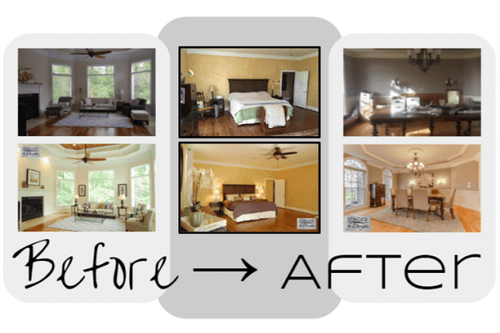
Staging your home - before and after
Staging your home – before and after

When it comes to selling your home, first impressions matter. You want potential buyers to walk through the door and instantly envision themselves living there. Staging is a powerful tool that can help you achieve this goal by presenting your home in its best possible light. Here are the key advantages of staging your house when selling:

1. Creates a Strong First Impression

Buyers often form their first impressions within seconds of entering a home. Staging helps create a warm, inviting atmosphere that highlights your home’s best features. A well-staged home feels clean, bright, and spacious, making buyers more likely to develop an emotional connection with the property.

2. Makes Your Home Stand Out

In a competitive real estate market, it is crucial to stand out. Staged homes are more likely to attract attention in online listings and during showings. Professional photos of a staged home are often more appealing, which can lead to increased buyer interest and more showings.

3. Helps Buyers Visualize Living There

Staging a home allows potential buyers to see themselves living in the space. By strategically arranging furniture, adding tasteful decor, and creating a neutral and inviting environment, staging removes the distractions of your personal belongings. This helps buyers focus on the potential of the home rather than feeling like they are intruding on someone else’s space.

Home Search
Home Value
Contact Us

4. Maximizes the Perception of Space

Proper staging can make a room appear larger and more functional. By arranging furniture to optimize the flow of traffic, decluttering, and using light colors and mirrors, staging creates the illusion of more space. This is particularly important in smaller homes or apartments, where maximizing every square foot is essential.

5. Highlights Key Features of the Home

Staging draws attention to your home’s unique features. Whether it’s a beautiful fireplace, high ceilings, or an open floor plan, staging can showcase these elements and make them stand out. This ensures that buyers notice and appreciate what makes your home special.

6. Minimizes Flaws

While staging can’t completely hide flaws, it can help minimize their impact. For example, placing furniture strategically can downplay awkward room layouts or unattractive views. By highlighting the positives and subtly downplaying the negatives, staging makes the overall home more appealing.

7. Increases Perceived Value

Staged homes are often perceived as well-maintained and “move-in ready,” which can lead to higher offers. Buyers are willing to pay more for homes that feel like they are in excellent condition and require little work. Staging helps convey that your home is worth its asking price—or even more.

8. Speeds Up the Sale Process

According to industry research, staged homes tend to sell faster than non-staged homes. The combination of increased buyer interest, better first impressions, and the emotional appeal of a staged home often results in quicker offers and a faster sales process. This can reduce the stress of having your home on the market for an extended period.

9. Justifies Asking Price

A beautifully staged home can help justify your asking price by showing buyers the true potential and value of the property. When buyers see a home that looks polished and ready to move into, they may be less likely to make lowball offers or negotiate as aggressively.

10. Online Appeal

With the majority of homebuyers starting their search online, your home’s photos play a critical role in generating interest. Staged homes photograph better and are more likely to catch the eye of potential buyers scrolling through listings. This can lead to more showings and, ultimately, a quicker sale.

Tips for Successful Staging

  • Declutter and Depersonalize: Remove excess items and personal photos to create a clean slate for buyers.
  • Clean Thoroughly: Ensure every surface shines and every room smells fresh.
  • Optimize Lighting: Use natural light when possible and add lamps or bright bulbs to illuminate darker areas.
  • Highlight Key Rooms: Focus on the living room, kitchen, master bedroom, and dining areas.
  • Use Neutral Colors: Stick to neutral tones that appeal to a wide range of tastes.

Conclusion

Staging your home is an investment that can yield significant returns. By creating a welcoming and visually appealing space, you can attract more buyers, justify your asking price, and sell your home faster. If you’re preparing to sell, consider partnering with a professional stager or asking your real estate agent for guidance on maximizing your home’s appeal.

Ready to stage your home for success? Contact Bale Real Estate Group today to learn how we can help you make a lasting impression on potential buyers! https://balerealestategroup.com/

Home Search
Home Value
Contact Us

Posted in: Uncategorized

Why You Should Not Overprice Your House When Selling

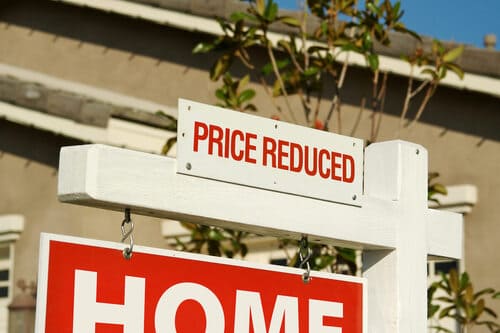
pricing-your-home-overpricing.When selling a home, it can be tempting to set a high asking price with the hope of negotiating down later or capturing the maximum value possible. However, overpricing your house often leads to challenges that can cost you both time and money. Here are the key reasons why overpricing your home is a mistake you should avoid.

1. Reduced Buyer Interest

The real estate market is highly competitive, and buyers often conduct extensive online research before visiting homes in person. When your home is overpriced, it may not show up in search results for buyers who are looking within a realistic price range. This leads to fewer showings and a lack of interest from serious buyers, making it difficult to attract potential offers.

2. Prolonged Time on the Market

Overpriced homes tend to linger on the market longer than competitively priced properties. This extended market time can create a perception that there is something wrong with the house, even if it is in excellent condition. Buyers may assume that the home is undesirable or overpriced for a reason, and they may lose confidence in making an offer.

3. Lowball Offers

When a home is overpriced, even if it eventually attracts some interest, the offers you receive may be lower than you hoped. Buyers who are interested may see the inflated price as a starting point for aggressive negotiations, leading to offers far below your expectations.

4. Missed Optimal Selling Window

The first few weeks after listing a home are the most critical for attracting buyer interest. This is when the home is “fresh” and new to the market. If your home is overpriced during this period, you risk missing out on potential buyers who would otherwise be eager to make competitive offers. Once that window passes, re-listing at a lower price later may not generate the same level of enthusiasm.

5. Appraisal Issues

Even if you receive an offer at an inflated price, the sale is contingent on the home appraisal meeting or exceeding the agreed-upon price. If the appraisal comes in lower, the buyer’s lender may not approve the loan, causing the sale to fall through or forcing you to lower the price anyway. This can lead to additional stress and wasted time for all parties involved.

6. Opportunity Cost

Overpricing your home can result in lost opportunities. The longer your home stays on the market, the more carrying costs you may have, such as mortgage payments, taxes, and maintenance expenses. This means your net proceeds may be lower than if you had priced it correctly from the start.

7. Potential Damage to Your Reputation

Buyers and agents in your local market pay close attention to price changes and how long properties have been listed. If your home undergoes multiple price reductions, it may signal desperation to sell. This can reduce your negotiating power and harm your reputation as a seller.

How to Price Your Home Correctly

Pricing your home competitively from the outset is crucial for maximizing buyer interest and achieving a successful sale. Work with a real estate professional who understands the local market, conducts a comparative market analysis (CMA), and considers market conditions, neighborhood trends, and your home’s unique features. Their expertise will help you set a price that attracts serious buyers and ultimately yields the best possible outcome.

The Bottom Line

While it’s natural to want to get the most value out of your home, overpricing can lead to delays, frustration, and lower overall returns. By setting a realistic and market-driven price from the start, you increase your chances of selling quickly, smoothly, and at a fair value that aligns with buyer expectations.

Thinking of selling? Let our team at Bale Real Estate Group help you set the right price and maximize your home’s potential. Contact us today! 972-469-0332  or visit our website at https://balerealestategroup.com/

Home Search
Home Value
Contact Us

Posted in: Uncategorized

Posts navigation

  • « Previous Page
  • 1
  • …
  • 20
  • 21
  • 22
Bale Real Estate Group
(972) 469-0332
TREC - Information About Brokerage Services
TREC - Consumer Protection Notice
Site created by Michael Tritthart Team. | View Privacy Policy