Top 1% Frisco & Plano Realtors | Bale Real Estate GroupTop 1% Frisco & Plano Realtors | Bale Real Estate Group

Top 1% North Texas luxury real estate team with $50M+ in sales and 80+ 5-star reviews. Frisco, Plano, Preston Hollow & North Dallas.

  • Home
  • Search
  • Buyers
    • 8 Steps to Buying a Home
    • Smart Buyer Strategy
    • How Much Home Can You Afford?
    • Choosing the Right Community & Location
    • New Construction Buyer Representation
    • Buying and Selling at the Same Time
    • Relocating to North Dallas
    • DFW Property Taxes
  • Sellers
    • 8 Steps to Selling a Home
    • Pre-Listing Appointment
    • Certified Pre-Owned Home Listing Program
    • Strategic Pricing & Market Positioning
    • Professional Home Preparation
    • Marketing Your Home for Maximum Exposure
    • Zillow Showcase
      • Zillow Showcase – Example of Listing Your Home
    • Offer Strategy & Seller Protection
    • How Much Will I Make Selling My House?
  • Communities
    • Allen
    • Coppell
    • Dallas
      • Oakdale
    • Frisco
      • Country Club Ridge at The Trails
      • Custer Creek Farms
      • Griffin Parc
      • Heather Ridge Estates
      • Shaddock Creek Estates
      • Starwood
      • The Canals at Grand Park
      • The Fairways
      • Villages of Stonebriar Park
    • McKinney
    • Park Cities
    • Plano
      • Avignon Windhaven
      • Cliffs of Gleneagles
      • Crystal Creek
      • Deerfield
      • Lakeside on Preston
      • Shoal Creek
      • Wentworth Estates
      • Willow Bend Polo Estates
      • Windrose Tower
    • Preston Hollow
    • Prosper
    • Southlake
  • Our Advantage
    • Our Story
    • Real Producers: Cover Story
    • Resume
    • What if?
    • Testimonials
    • Past Sold Map
    • Blog
  • Videos
  • Contact

Frisco vs Celina: New Build Expansion Path

The Golden Corridor Shifts North: Frisco vs. Celina

If you have been watching the North Texas real estate market for any length of time, you know about the “Golden Corridor.” For decades, growth has surged strictly north along the Dallas North Tollway (DNT) and Preston Road. It started in Plano, moved into Frisco, and is now pushing firmly into Celina.

For buyers today, the choice often comes down to two distinct strategies: buying into a mature market or betting on the path of progress. Frisco is the established heavyweight. It is roughly 85% developed, meaning you are buying into a “finished” product with immediate access to high-end retail and dining. It is the safe, blue-chip investment.

Celina, on the other hand, is the successor. It is currently in the early-to-mid stages of a massive residential boom. When you look at Celina real estate market trends, you are looking at a city that is where Frisco was 15 years ago. The core investment thesis here is simple: Do you want to pay a premium for the finished luxury of Frisco, or do you want to buy early equity in Celina and ride the growth wave?


The Infrastructure Driver: Dallas North Tollway Extension

You cannot talk about property value in this region without talking about concrete. The Dallas North Tollway (DNT) is the primary artery feeding value into these suburbs, and its extension is the single biggest catalyst for Celina’s future appreciation.

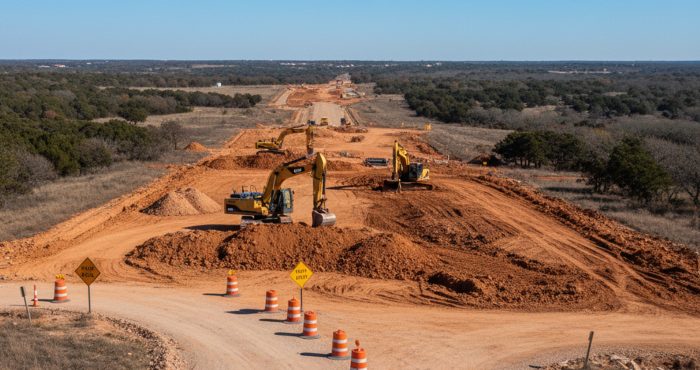
Right now, construction is underway to extend the tollway from US 380 all the way north to FM 428. For residents, this is currently a bit of a headache. You have to deal with service roads and construction dust. However, for investors, this is a signal. Historically in North Texas, highway access correlates with significant appreciation – often seeing values jump 20-30% once the commute becomes seamless.

Here is the timeline you need to know:

  • Project Status: Construction is active north of US 380.
  • Target Completion: Phase 4A is targeted to open by Fall 2027.
  • The Trade-off: You deal with the construction now to lock in today’s prices before the “convenience premium” hits in 2027.

If you are looking at DFW infrastructure projects, this extension is arguably the most impactful for residential home values in the northern sector.


Market Snapshot 2026: Price & Inventory Comparison

When we sit down and crunch the numbers, the financial differences between these two markets become stark. It is not just about the price tag; it is about what that money actually buys you in terms of dirt and square footage.

Frisco has become a high-barrier entry market. With the city nearing build-out, inventory is shifting toward high-density developments and luxury infill. If you are looking at new builds in premier areas like “The Fields,” you are likely starting between $800,000 and $1,000,000+.

Celina offers a more approachable entry point for volume building. You can still find substantial inventory from production builders in the $500,000 to $700,000 range.

At a Glance: The Affordability Gap

  • Frisco Median Price: Approximately $700,000+ (New construction often higher).
  • Celina Median Price: Approximately $600,000.
  • The Spread: Celina new builds are typically 15-25% lower than comparable luxury product in Frisco.

While checking the cost of living in Frisco, realize that you are paying for proximity. In Celina, you are trading a few extra miles of driving for a significantly lower mortgage payment and usually a larger homesite.


Master-Planned Communities: Lifestyle Differences

The “vibe” in these two cities is diverging. Frisco is doubling down on an urban-suburban feel, while Celina is perfecting the “modern resort” lifestyle.

Frisco: The Urban Luxury Experience

Frisco’s development is culminating in “The Fields.” This is not just a neighborhood; it is a massive mixed-use destination surrounding the new PGA Headquarters and the upcoming Universal Kids Resort. The focus here is on energy, walkability, and high-end retail.

Because land is scarce, density is higher. Standard new build lots in Frisco are often 40 to 50 feet wide. You are paying for the address and the amenities outside your front door, rather than a massive backyard. For a deeper dive, you might look for a The Fields Frisco guide to understand just how massive this project is.

Celina: The Resort Lifestyle

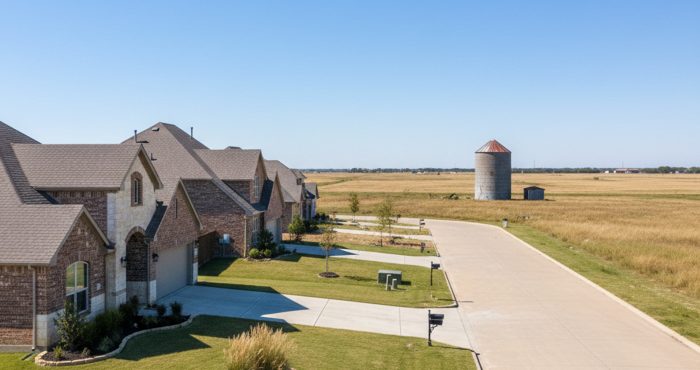
Celina developers know they have more land to work with, and they are using it. Communities like Light Farms, Mustang Lakes, and Cambridge Crossing focus on “agri-hood” concepts and resort amenities. We are talking about massive central pools, fishing lakes, dedicated event barns, and miles of greenbelts.

If you want space, this is where you look. It is much easier to find 60-foot, 70-foot, or even 1-acre lots in Celina. If you are browsing best neighborhoods in Celina, you will see that the lifestyle is centered around community events and outdoor living rather than high-density commercial entertainment.


School Districts: Prosper ISD vs. Celina ISD

One of the most common misconceptions is that living in Celina means you are automatically in Celina ISD. That is not always true. A large portion of southern Celina – including the massive Light Farms development – is actually zoned to Prosper ISD.

Here is the objective breakdown based on the 2025/2026 TEA ratings:

Prosper ISD Rated an ‘A’ (91), Prosper ISD is known for its rapid expansion and collegiate-level facilities. The high schools here are massive, offering specialized tracks and stadiums that rival small universities. If you are looking at specific Prosper ISD school zones, you will find they cover a wide swath of both Prosper and southern Celina.

Celina ISD Rated a ‘B’ (87), Celina ISD maintains a very specific culture. It is famous for its “Friday Night Lights” tradition and a historically tight-knit community feel. While growing fast, it still retains a bit more of that small-town connection compared to the massive scale of Prosper.

Both districts are aggressively building new campuses to keep up with the expansion path, so overcrowding is being managed with new bonds and construction.


The Verdict: Which Expansion Path Fits You?

Deciding between these two comes down to your timeline and your lifestyle preference.

Choose Frisco if:

  • You want immediate access to world-class entertainment and dining.
  • You prefer a shorter commute to Plano or Dallas right now.
  • You prioritize “blue-chip” asset stability over high-risk/high-reward appreciation.
  • You want an urban-suburban feel and don’t mind smaller lot sizes.

Choose Celina if:

  • You are looking for maximum appreciation potential over the next 5-7 years.
  • You want more land, a larger yard, or a 70-foot lot.
  • You prefer a resort-style, community-centric atmosphere.
  • You are willing to tolerate construction traffic for a few years to wait for the DNT extension.

If you are ready to dig into the numbers, you should contact real estate agent who knows the specific builder incentives available in both markets right now.

Expert Guidance for Buying and Selling in Frisco

Navigating the Frisco real estate market takes more than just watching prices. The Bale Real Estate Group, ranked in the top 1% of North Texas Realtors, helps buyers and sellers understand how to position themselves based on current competition, not just past sales. From identifying the right neighborhoods to negotiating stronger terms, their approach is focused on preparation, strategy, and results.

Frequently Asked Questions

Is Celina the next Frisco?

In terms of appreciation and growth trajectory, yes. Celina is following the same “Golden Corridor” expansion model that fueled Frisco’s rise. However, Celina will likely feel different at maturity; the topography is more rolling, and the master plans are designed with slightly lower density and more open space than Frisco’s urban core.

How long is the commute from Celina to Downtown Dallas?

Currently, with construction on the DNT, you should budget 45 to 60 minutes during peak hours. Once the Dallas North Tollway extension (Phase 4A) is completed around Fall 2027, that drive time will become much more consistent and direct, likely shaving off significant stress from the commute.

Are taxes higher in Celina or Frisco?

Property tax rates are generally comparable, but the total bill can be higher in Celina due to MUDs (Municipal Utility Districts) or PIDs (Public Improvement Districts). These are special assessments used to fund infrastructure in new developments, which are very common in Celina’s “extra-territorial jurisdiction” but less common in established parts of Frisco.

What is the difference between Fields Frisco and Light Farms?

The Fields in Frisco is an “Urban Luxury” concept centered around the PGA and high-end commercial districts with higher residential density. Light Farms in Celina is a “Suburban Resort” concept, focusing on amenities like pools, green spaces, and community events with a more relaxed, residential-heavy atmosphere.

Posted in: Community Guides, Frisco Real Estate, Home Buying, Market Updates, New Construction, Relocating to North Dallas Tagged: 2026 Housing Market, Buyer Guide, Cambridge Crossing, Celina ISD, Celina New Builds, Celina Real Estate, Dallas North Tollway, DNT Extension, Frisco New Builds, Frisco Real Estate, Frisco vs Celina, Golden Corridor, Light Farms, MUD Taxes, Mustang Lakes, New Construction Homes, North Texas Real Estate, PID Taxes, Property Taxes, Prosper ISD, Relocation Guide, The Fields Frisco

Frisco vs. Little Elm: Platinum Corridor or Lake Attitude?

Frisco vs. Little Elm: Platinum Corridor or Lake Attitude?

If you are looking to move to North Texas, you have almost certainly narrowed your search to the booming northern suburbs. Two of the most popular contenders sit right next to each other, yet they feel like different worlds.

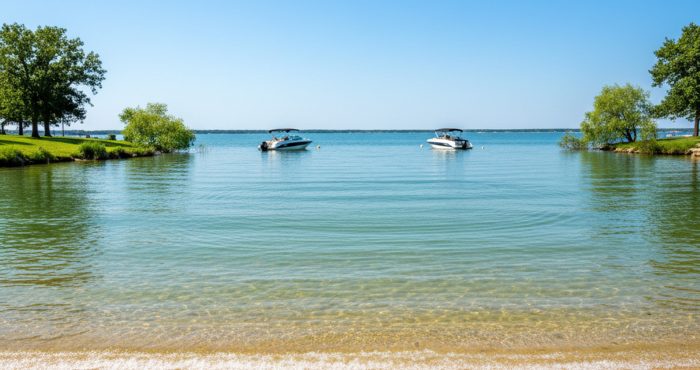
On one side, you have Frisco—often called “Sports City USA”—which feels like the polished, high-energy center of the universe right now. It is defined by the “Platinum Corridor” of business, endless luxury retail, and headquarters for the Dallas Cowboys. On the other side is Little Elm, a town that has exploded in growth by embracing a “Lake Attitude.” It is laid-back, water-centric, and offers a sandy beach right in the middle of town.

For many buyers, the choice comes down to lifestyle preference versus budget. Frisco is for those who want to be in the absolute center of the action with premier amenities at their doorstep. Little Elm appeals to those seeking more square footage for their money and a relaxed vibe, all while staying just a 15-minute drive from the Frisco border.


Cost of Living & Housing Market Comparison

Let’s get straight to the numbers, because this is usually where the decision starts. When you look at the sticker prices, Little Elm seems like the obvious bargain, but there is a little more math involved than just the purchase price.

The median home price gap here is significant. In Frisco, you are generally looking at a median price range between $580,000 and $690,000. It is a premium market. In contrast, Little Elm offers a median range closer to $340,000 to $400,000. For buyers, this means you can often find a brand-new construction home in Little Elm for the same price—or less—than an older resale home in Frisco.

However, you need to watch out for the “tax trap.” This is the most common surprise for people relocating to North Texas. While Frisco’s tax rate hovers around 2.18%, Little Elm’s base rate is often higher, around 2.46%. But that isn’t the whole story.

Many newer neighborhoods in Little Elm are situated in MUDs (Municipal Utility Districts) or PIDs (Public Improvement Districts). These are special taxing jurisdictions used to fund infrastructure like roads and water lines. If you buy in one of these areas, your total property tax bill could be significantly higher than a comparable home in Frisco. Sometimes, the lower mortgage payment from a cheaper house is offset by a higher monthly tax bill, so always review the total monthly payment, not just the sales price.

For those not ready to buy, the rental market in Little Elm generally offers more affordable options for single-family homes compared to the luxury apartment-heavy inventory in Frisco.


Lifestyle & Amenities: The Star vs. The Lakefront

The difference in how you spend your Saturday afternoon defines the rivalry between these two towns. Frisco is built for entertainment, major events, and high-end leisure.

Living in Frisco means you are neighbors with The Star (the Dallas Cowboys World Headquarters), the massive new PGA Frisco district, and Stonebriar Centre. The dining scene is vast, ranging from upscale steakhouses to trendy patios. The parks are manicured and polished, fitting the city’s corporate, professional aesthetic. It is a busy, vibrant place where there is always something happening.

Little Elm flips the script with a focus on nature and water. The crown jewel here is Little Elm Park, which features one of the largest swim beaches in North Texas and boat ramps for easy access to Lake Lewisville. The town has developed “The Lakefront” district, a destination with restaurants, bars, and sand volleyball courts right along the water. If you prefer hiking trails and paddleboarding over watching professional sports practice, Little Elm is likely your speed.

That said, for major shopping runs—think furniture, high-end fashion, or specialty electronics—Little Elm residents frequently make the short drive into Frisco.


School Districts: Frisco ISD vs. Little Elm ISD

For households prioritizing education, the school district boundaries are often the deciding factor.

Frisco ISD is a massive draw for relocation. It consistently earns “A” ratings from the Texas Education Agency (TEA) and is known for its small-schools model, which aims to give students more opportunities to participate in extracurriculars despite the district’s massive size. It is highly competitive and widely recognized across the state.

Little Elm ISD generally holds a “B” rating from the TEA. It is a rapidly improving district with modern facilities, and many parents love the community feel and slightly smaller class sizes found in certain campuses.

Here is a “secret” that savvy buyers look for: the city limits and school district boundaries do not always align. There are specific neighborhoods physically located in Little Elm—such as Frisco Hills or parts of the Valencia corridor—that are zoned for Frisco ISD or Denton ISD. Buying in these pockets can be a strategic move, allowing you to get the lower home price of Little Elm while securing the school zoning that often drives resale value.


Location & Commute: The Hwy 380 Factor

If you commute to an office in Plano, Addison, or Downtown Dallas, your drive time will vary significantly between these two locations.

Frisco enjoys a central position with excellent access to the Dallas North Tollway (DNT) and State Highway 121. This infrastructure makes getting to the Legacy West business hub in Plano a breeze—often just a 10 to 15-minute drive. It is designed for the commuter who needs efficiency.

Little Elm is located further west and north. To get to the major highways, residents often have to travel via FM 423 or the notorious Highway 380. Highway 380 can struggle with congestion due to the area’s rapid growth. Living in Little Elm generally adds about 15 to 20 minutes to a commute to Downtown Dallas compared to living in Frisco.

However, if your workplace is actually in Frisco or the northern part of Plano, the commute from Little Elm is very manageable. The drive from the center of Little Elm to the center of Frisco is only about 10 to 15 minutes, making it easy to live in the lake town and work in the “Platinum Corridor.”


Crime Rates & Safety: What the Data Says

A common question from newcomers is simply, “Is it safe?” The short answer for both cities is yes.

When looking at the data, both Frisco and Little Elm consistently rank as significantly safer than national and state averages. Frisco is frequently cited in national rankings as one of the safest cities in America for its size.

Little Elm also boasts impressive numbers, with crime rates safer than approximately 61% of U.S. cities. While Frisco gets more headlines for its safety rankings, Little Elm is a quiet, secure community. For most buyers, safety is not a differentiator here because both options offer peace of mind.

Why Homeowners Choose Bale Real Estate Group

Buying or selling in Frisco requires more than just timing the market. The Bale Real Estate Group helps clients understand pricing, competition, and how to position a home so it stands out immediately. For sellers, that includes strategic pricing, professional staging, targeted marketing, Zillow Showcase exposure, and our Certified Pre-Owned Home Listing Program. The goal is simple: maximize exposure and drive stronger offers.

FAQ: Common Buyer Questions

Is Little Elm cheaper than Frisco?

Yes, housing prices in Little Elm are significantly lower, often by $200,000 or more. However, buyers must check for MUD or PID taxes, which can make monthly payments closer than the purchase price suggests.

How far is Little Elm from Frisco?

They are direct neighbors. Depending on where you start and end, it is about a 10 to 15-minute drive from the center of Little Elm to the amenities in Frisco.

Does Little Elm have good schools?

Yes, Little Elm ISD is TEA-rated “B” and offers modern facilities. Additionally, several neighborhoods inside Little Elm city limits are actually zoned for the highly-rated Frisco ISD.

Is Little Elm safe?

Yes. Little Elm has crime rates well below the national average, making it a very secure place to live, similar to its neighbor Frisco.


Verdict: Which City is Right for You?

Choosing between these two really comes down to what you value most in your daily life.

You should choose Frisco if:

  • You have a higher budget and want to protect resale value through a premier address.
  • Schools are your absolute number one priority.
  • You want the shortest possible commute to Plano or Dallas.
  • You prefer a polished, corporate city feel with high-end dining and shopping minutes away.

You should choose Little Elm if:

  • You want to maximize your square footage and get a newer home for your money.
  • You love the idea of “Lake Attitude”—beaches, boats, and trails.
  • You work in Frisco or Plano and don’t mind a slightly longer drive.
  • You prefer a more laid-back, casual vibe over the hustle of a major commercial hub.

Whether you choose the bustle of the Platinum Corridor or the breeze of the lake, both cities offer an incredible quality of life in North Texas. If you are ready to look at homes for sale in Frisco or explore the new construction in Little Elm, the best next step is to drive the neighborhoods and see which vibe feels like home.

Posted in: Community Guides, Frisco Real Estate, Home Buying, Market Updates, Relocating to North Dallas Tagged: 2026 Housing Market, Buyer Guide, Cost of Living, Dallas North Tollway, Denton ISD, FM 423, Frisco ISD, Frisco Real Estate, Frisco vs Little Elm, Highway 380, Lake Lewisville, Little Elm ISD, Little Elm Park, Little Elm Real Estate, MUD Taxes, North Texas Real Estate, PGA Frisco, PID Taxes, Property Taxes, Relocation Guide, Stonebriar Centre, The Lakefront Little Elm, The Star Frisco

Frisco vs. Prosper: The North Dallas Suburb Showdown

If you are looking at homes in North Texas, you have almost certainly narrowed your search down to two heavy hitters: Frisco and Prosper. It is the most common debate I hear from clients relocating to Dallas from the West Coast or the Northeast.

On a map, these two cities sit right next to each other, separated only by a highway. But on the ground, the lifestyle difference is massive.

Frisco is the “Mini-City.” It is established, energetic, and packed with corporate headquarters and entertainment districts. Prosper, on the other hand, is “Country Luxury.” It offers room to breathe, massive lots, and a sense of exclusivity that comes with being just a little further out.

Choosing between living in Frisco and living in Prosper isn’t just about the house; it’s about the daily rhythm of your life. Let’s break down the numbers, the schools, and the commute to help you decide.


The Vibe: Urban Energy vs. Country Luxury

The first thing you will notice when crossing the border from Frisco into Prosper is a shift in density.

Frisco feels developed. It is bustling. Over the last two decades, it has transformed from a bedroom community into a major economic hub. You have mid-rise office buildings, The Star (Dallas Cowboys HQ), and dense retail centers. If you like having five different grocery stores within a two-mile radius and urban walkability in pockets, Frisco delivers that energy.

Prosper feels like a wealthy small town that is rapidly growing up. The town motto involves “dark skies” and a rural feel, even though luxury subdivisions are replacing the farmland. You will still see the historic grain silos in downtown Prosper, contrasting sharply with the corporate glass buildings you just left behind in Frisco. It is quieter, more spacious, and feels distinctively more “Texas” in its atmosphere.


Real Estate Market: Prices, Lots, and Availability

When we talk about the market, we are really talking about what your money buys you. The biggest differentiator here is land.

Lot Sizes are Critical This is usually the deciding factor for my clients. In Frisco, the real estate market is largely “built out.” Most homes sit on standard suburban lots, typically between 0.15 and 0.25 acres. You have a yard, but you can definitely see your neighbor’s patio furniture.

In Prosper, land is the luxury. It is famous for larger lots, with many master-planned communities offering 0.35 acres up to 1.0+ acre homesites. If your dream includes a sprawling backyard with a pool, outdoor kitchen, and plenty of grass left over, Prosper is the place to look.

Price Point and Inventory Because the homes and lots are larger, the entry price in Prosper is generally higher.

  • Frisco Median Price: Approximately $700,000.
  • Prosper Median Price: Approximately $850,000.

New Construction If you want a brand-new build, you will find far more options in Prosper. It is currently in a construction boom with massive developments like Windsong Ranch expanding rapidly. Frisco still has new construction, but it is often limited to smaller infill communities or ultra-luxury pockets, as the city runs low on undeveloped land.


The Hidden Cost: Property Tax Rates and MUDs

Before you sign a contract, we need to talk about the monthly payment, specifically property taxes. This is where Prosper can give buyers a bit of sticker shock compared to Frisco.

Frisco has a very competitive tax rate, generally hovering around 2.18%. Because the city has a massive commercial tax base (thanks to all those office parks and malls), the burden on homeowners is lighter. Also, Frisco has mature infrastructure, so you rarely see special assessments.

Prosper is different. The tax rates here are typically higher, often ranging from 2.39% to 2.58%.

Why the difference? Many of the popular new communities in Prosper are situated in MUDs (Municipal Utility Districts) or PIDs (Public Improvement Districts). These are special taxing jurisdictions used to pay for the roads and water lines in new developments. If you are buying a new home in Prosper, always check the total tax rate—that extra 0.3% or 0.4% adds up significantly on an $850,000 home.


Frisco ISD vs. Prosper ISD: A Clash of Philosophies

Both the Frisco Independent School District and Prosper Independent School District are A-rated and are primary drivers for why people move here. However, they approach education and athletics very differently.

Frisco’s “Small School” Model FISD has a unique philosophy: they believe in keeping high schools smaller (typically 5A classification) to give more students a chance to participate. Instead of building one giant high school, they build several. The logic is that more kids get to play varsity football, make the cheer squad, or lead the debate team if there are more schools to go around.

Prosper’s “Mega-School” Approach Prosper ISD leans into the collegiate-style “Mega School” model (6A). They build massive campuses with facilities that rival small universities—we are talking about $50 million stadiums and indoor practice facilities. This fosters a massive sense of community unity (“One Town, One Team”), but it also means the competition to make the varsity team is incredibly fierce.

Note: School boundaries do not always align with city limits. Some Frisco residents are zoned to Prosper ISD, and vice versa. Always check the specific address.


The Commute: The ‘Highway 380’ Factor

Geography matters. The physical dividing line between these two cities is Highway 380. This road is a major artery, and it can be a significant congestion point.

Distance to Dallas

  • Frisco: Approximately 25 miles to downtown Dallas.
  • Prosper: Approximately 35 miles to downtown Dallas.

It might not look like much on a map, but crossing Highway 380 and getting through the lights to reach the Dallas North Tollway can add 15 to 20 minutes to your drive.

Job Hubs Frisco is not just a suburb; it is a major employment center. If you work at The Star, Hall Park, or Legacy West, living in Frisco means a 10-15 minute commute. If you live in Prosper, you are strictly in a bedroom community. You will almost certainly be commuting to work, and you will pay more in tolls annually to cover that extra distance.


Lifestyle & Amenities: The Star vs. The Lagoon

Where will you spend your Saturday?

Frisco Amenities Frisco is the playground of North Texas. You have The Star (dining, shopping, and Cowboys practice facility), the new PGA Frisco headquarters with its massive resort, Stonebriar Centre, and the RoughRiders baseball stadium. For kids, the new Universal Kids Resort is a major draw. If you want high-end dining or nightlife, it is all in your backyard.

Prosper Amenities Prosper is quieter, but the amenities are upscale. The crown jewel is Windsong Ranch, famous for its 5-acre crystal lagoon that looks like a Caribbean beach. The Gates of Prosper offers plenty of retail (Target, dining, shops), and the downtown area features boutique shops near the silos.

The Trade-off The reality is that many Prosper residents drive into Frisco for date nights, movies, or high-end shopping. Frisco residents have immediate access to these things, but they also deal with the traffic that comes with them.


Summary: Pros and Cons at a Glance

If you are trying to weigh the options, here is the quick breakdown:

Frisco vs Prosper

  • Primary Pro
    • Frisco: Unmatched convenience and amenities
    • Prosper: Luxury living with massive backyards
  • Primary Con
    • Frisco: Smaller lots and heavier traffic
    • Prosper: Higher taxes and longer commute
  • Housing Stock
    • Frisco: Mix of older resale homes and infill developments
    • Prosper: Booming new construction
  • Vibe
    • Frisco: Energetic, polished, busy
    • Prosper: Relaxed, spacious, more exclusive

Quick Take

  • Frisco = Convenience, lifestyle, and access
  • Prosper = Space, luxury, and newer homes

Expert Guidance for Buying and Selling in Frisco

Navigating the Frisco real estate market takes more than just watching prices. The Bale Real Estate Group, ranked in the top 1% of North Texas Realtors, helps buyers and sellers understand how to position themselves based on current competition, not just past sales. From identifying the right neighborhoods to negotiating stronger terms, their approach is focused on preparation, strategy, and results.

FAQ: Common Questions from Buyers

Is Frisco or Prosper more expensive?

Generally, Prosper is more expensive in terms of total purchase price. The median home price in Prosper hovers around $850,000 compared to $700,000 in Frisco, largely because homes in Prosper are newer and sit on significantly larger lots.

Which school district is better, Frisco ISD or Prosper ISD?

“Better” is subjective as both are top-tier, A-rated districts. If you value your child having a higher statistical chance of making a varsity team, Frisco’s small-school model is advantageous. If you prefer the “Friday Night Lights” experience of a massive 6A high school with collegiate facilities, Prosper ISD is the winner.

Does Prosper have high property taxes?

Yes, property taxes in Prosper are generally higher than in Frisco. While Frisco’s rate is often near 2.18%, new developments in Prosper often include MUD or PID assessments that can push the total effective tax rate over 2.5%.

How far is the commute from Prosper to Downtown Dallas?

You should plan for a commute of 50 to 60+ minutes during peak traffic. Prosper is about 10 miles further north than Frisco, and navigating the congestion on Highway 380 to reach the tollway adds time compared to the 35-45 minute drive from Frisco.


Final Verdict: Which City Fits Your Family?

Deciding between Frisco and Prosper usually comes down to what you are willing to compromise on: the commute or the backyard.

Choose Frisco if: You work in Plano or Dallas and want to minimize your time in the car. You want lower tax rates, immediate access to dining and entertainment, and you prefer the “small school” philosophy for student activities.

Choose Prosper if: You work remotely or in the northern suburbs and don’t mind a longer drive. You are looking for a 0.5-acre lot or larger, you want a brand-new luxury build, and you are willing to pay a premium for a quieter, more exclusive atmosphere.

Both cities are incredible places to put down roots. Whether you choose the established energy of Frisco or the spacious luxury of Prosper, you are buying into one of the strongest real estate markets in the country.

Posted in: Community Guides, Frisco Real Estate, Home Buying, Market Updates, Prosper Real Estate, Relocating to North Dallas Tagged: 2026 Housing Market, Buyer Guide, Collin County Real Estate, Cost of Living, Dallas North Tollway, Frisco ISD, Frisco Real Estate, Frisco vs Prosper, Gates of Prosper, Highway 380, MUD Taxes, New Construction Homes, North Dallas Real Estate, PGA Frisco, PID Taxes, Property Taxes, Prosper ISD, Prosper Real Estate, Relocation Guide, Stonebriar Centre, The Star Frisco, Windsong Ranch

Bale Real Estate Group
(972) 469-0332
TREC - Information About Brokerage Services
TREC - Consumer Protection Notice
Site created by Michael Tritthart Team. | View Privacy Policy