Top 1% Frisco & Plano Realtors | Bale Real Estate GroupTop 1% Frisco & Plano Realtors | Bale Real Estate Group

Top 1% North Texas luxury real estate team with $50M+ in sales and 80+ 5-star reviews. Frisco, Plano, Preston Hollow & North Dallas.

  • Home
  • Search
  • Communities We Serve
    • Allen
    • Aubrey
    • Celina
    • Coppell
    • Dallas
      • Oakdale
    • Frisco
      • Country Club Ridge at The Trails
      • Custer Creek Farms
      • Griffin Parc
      • Heather Ridge Estates
      • Shaddock Creek Estates
      • Newman Village
      • Phillips Creek Ranch
      • Richwoods
      • Starwood
      • Stonebriar
      • The Canals at Grand Park
      • The Fairways
      • The Hills of Kingswood
      • Villages of Stonebriar Park
    • McKinney
    • Park Cities
    • Plano
      • Avignon Windhaven
      • Cliffs of Gleneagles
      • Crystal Creek
      • Deerfield
      • Lakeside on Preston
      • Normandy Estates
      • Shoal Creek
      • Wentworth Estates
      • Willow Bend Polo Estates
      • Willow Bend
      • Windrose Tower
    • Preston Hollow
    • Princeton
    • Prosper
    • Southlake
  • Buyers
    • Buying a Home in Dallas
    • 8 Steps to Buying a Home
    • First-Time Home Buyers
    • Smart Buyer Strategy
      • DFW Property Taxes
      • HOA Communities in North Texas
      • Homestead Exemptions
      • MUD and PID Districts
      • Cost of Home Ownership
    • Home Loan Process
      • Credit Score Requirements
      • How Much Home Can You Afford?
      • Down Payment Options
      • Interest Rates Explained
      • Mortgage Pre-Approval
    • Relocating to North Dallas
      • Choosing the Right Community & Location
      • School Districts
      • Commute Considerations
      • Community Comparisons
      • Cost of Living
    • New Construction Buyer Representation
    • Offer Strategy
    • Home Inspections
    • Buyer Closing Costs
    • Buying and Selling at the Same Time
      • Downsizing & Rightsizing
  • Sellers
    • Selling Your Home in North Dallas
    • 8 Steps to Selling a Home
    • Pre-Listing Appointment
    • Preparing Your Home for Sale
      • Professional Home Staging
    • Certified Pre-Owned Home Listing Program
    • Marketing Your Home for Maximum Exposure
      • Professional Photography
      • Drone Photography
      • Zillow Showcase
      • Social Media Marketing
      • Digital Advertising
    • Strategic Pricing & Market Positioning
    • Seller Closing Costs & Net Proceeds
      • Calculate Your Estimated Seller Net Proceeds
    • Offer Strategy & Seller Protection
    • Buying and Selling at the Same Time
      • Downsizing & Rightsizing
  • Our Advantage
    • Why Work With Bale Real Estate Group
    • Why Sellers Hire Bale Real Estate Group
    • Meet the Team
    • Real Producers: Cover Story
    • Our Story
    • Client Testimonials
    • Proven Results
    • Certified Pre-Owned Home Listing Program
    • Zillow Showcase
    • Professional Home Staging
    • Concierge Vendor Network
    • What if?
    • Videos
  • Blog
  • Contact

Frisco vs Celina: New Build Expansion Path

The Golden Corridor Shifts North: Frisco vs. Celina

If you have been watching the North Texas real estate market for any length of time, you know about the “Golden Corridor.” For decades, growth has surged strictly north along the Dallas North Tollway (DNT) and Preston Road. It started in Plano, moved into Frisco, and is now pushing firmly into Celina.

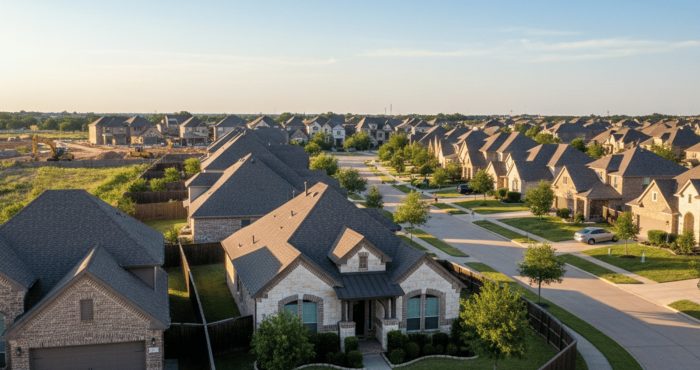
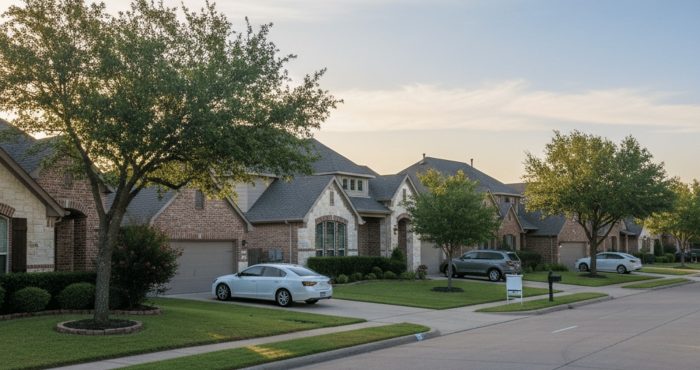
For buyers today, the choice often comes down to two distinct strategies: buying into a mature market or betting on the path of progress. Frisco is the established heavyweight. It is roughly 85% developed, meaning you are buying into a “finished” product with immediate access to high-end retail and dining. It is the safe, blue-chip investment.

Celina, on the other hand, is the successor. It is currently in the early-to-mid stages of a massive residential boom. When you look at Celina real estate market trends, you are looking at a city that is where Frisco was 15 years ago. The core investment thesis here is simple: Do you want to pay a premium for the finished luxury of Frisco, or do you want to buy early equity in Celina and ride the growth wave?


The Infrastructure Driver: Dallas North Tollway Extension

You cannot talk about property value in this region without talking about concrete. The Dallas North Tollway (DNT) is the primary artery feeding value into these suburbs, and its extension is the single biggest catalyst for Celina’s future appreciation.

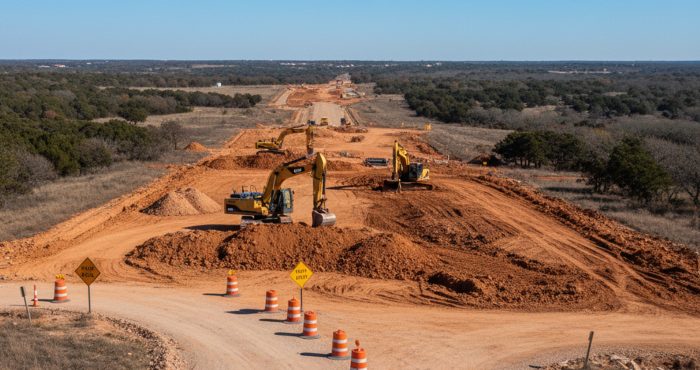
Right now, construction is underway to extend the tollway from US 380 all the way north to FM 428. For residents, this is currently a bit of a headache. You have to deal with service roads and construction dust. However, for investors, this is a signal. Historically in North Texas, highway access correlates with significant appreciation – often seeing values jump 20-30% once the commute becomes seamless.

Here is the timeline you need to know:

  • Project Status: Construction is active north of US 380.
  • Target Completion: Phase 4A is targeted to open by Fall 2027.
  • The Trade-off: You deal with the construction now to lock in today’s prices before the “convenience premium” hits in 2027.

If you are looking at DFW infrastructure projects, this extension is arguably the most impactful for residential home values in the northern sector.


Market Snapshot 2026: Price & Inventory Comparison

When we sit down and crunch the numbers, the financial differences between these two markets become stark. It is not just about the price tag; it is about what that money actually buys you in terms of dirt and square footage.

Frisco has become a high-barrier entry market. With the city nearing build-out, inventory is shifting toward high-density developments and luxury infill. If you are looking at new builds in premier areas like “The Fields,” you are likely starting between $800,000 and $1,000,000+.

Celina offers a more approachable entry point for volume building. You can still find substantial inventory from production builders in the $500,000 to $700,000 range.

At a Glance: The Affordability Gap

  • Frisco Median Price: Approximately $700,000+ (New construction often higher).
  • Celina Median Price: Approximately $600,000.
  • The Spread: Celina new builds are typically 15-25% lower than comparable luxury product in Frisco.

While checking the cost of living in Frisco, realize that you are paying for proximity. In Celina, you are trading a few extra miles of driving for a significantly lower mortgage payment and usually a larger homesite.


Master-Planned Communities: Lifestyle Differences

The “vibe” in these two cities is diverging. Frisco is doubling down on an urban-suburban feel, while Celina is perfecting the “modern resort” lifestyle.

Frisco: The Urban Luxury Experience

Frisco’s development is culminating in “The Fields.” This is not just a neighborhood; it is a massive mixed-use destination surrounding the new PGA Headquarters and the upcoming Universal Kids Resort. The focus here is on energy, walkability, and high-end retail.

Because land is scarce, density is higher. Standard new build lots in Frisco are often 40 to 50 feet wide. You are paying for the address and the amenities outside your front door, rather than a massive backyard. For a deeper dive, you might look for a The Fields Frisco guide to understand just how massive this project is.

Celina: The Resort Lifestyle

Celina developers know they have more land to work with, and they are using it. Communities like Light Farms, Mustang Lakes, and Cambridge Crossing focus on “agri-hood” concepts and resort amenities. We are talking about massive central pools, fishing lakes, dedicated event barns, and miles of greenbelts.

If you want space, this is where you look. It is much easier to find 60-foot, 70-foot, or even 1-acre lots in Celina. If you are browsing best neighborhoods in Celina, you will see that the lifestyle is centered around community events and outdoor living rather than high-density commercial entertainment.


School Districts: Prosper ISD vs. Celina ISD

One of the most common misconceptions is that living in Celina means you are automatically in Celina ISD. That is not always true. A large portion of southern Celina – including the massive Light Farms development – is actually zoned to Prosper ISD.

Here is the objective breakdown based on the 2025/2026 TEA ratings:

Prosper ISD Rated an ‘A’ (91), Prosper ISD is known for its rapid expansion and collegiate-level facilities. The high schools here are massive, offering specialized tracks and stadiums that rival small universities. If you are looking at specific Prosper ISD school zones, you will find they cover a wide swath of both Prosper and southern Celina.

Celina ISD Rated a ‘B’ (87), Celina ISD maintains a very specific culture. It is famous for its “Friday Night Lights” tradition and a historically tight-knit community feel. While growing fast, it still retains a bit more of that small-town connection compared to the massive scale of Prosper.

Both districts are aggressively building new campuses to keep up with the expansion path, so overcrowding is being managed with new bonds and construction.


The Verdict: Which Expansion Path Fits You?

Deciding between these two comes down to your timeline and your lifestyle preference.

Choose Frisco if:

  • You want immediate access to world-class entertainment and dining.
  • You prefer a shorter commute to Plano or Dallas right now.
  • You prioritize “blue-chip” asset stability over high-risk/high-reward appreciation.
  • You want an urban-suburban feel and don’t mind smaller lot sizes.

Choose Celina if:

  • You are looking for maximum appreciation potential over the next 5-7 years.
  • You want more land, a larger yard, or a 70-foot lot.
  • You prefer a resort-style, community-centric atmosphere.
  • You are willing to tolerate construction traffic for a few years to wait for the DNT extension.

If you are ready to dig into the numbers, you should contact real estate agent who knows the specific builder incentives available in both markets right now.

Expert Guidance for Buying and Selling in Frisco

Navigating the Frisco real estate market takes more than just watching prices. The Bale Real Estate Group, ranked in the top 1% of North Texas Realtors, helps buyers and sellers understand how to position themselves based on current competition, not just past sales. From identifying the right neighborhoods to negotiating stronger terms, their approach is focused on preparation, strategy, and results.

Frequently Asked Questions

Is Celina the next Frisco?

In terms of appreciation and growth trajectory, yes. Celina is following the same “Golden Corridor” expansion model that fueled Frisco’s rise. However, Celina will likely feel different at maturity; the topography is more rolling, and the master plans are designed with slightly lower density and more open space than Frisco’s urban core.

How long is the commute from Celina to Downtown Dallas?

Currently, with construction on the DNT, you should budget 45 to 60 minutes during peak hours. Once the Dallas North Tollway extension (Phase 4A) is completed around Fall 2027, that drive time will become much more consistent and direct, likely shaving off significant stress from the commute.

Are taxes higher in Celina or Frisco?

Property tax rates are generally comparable, but the total bill can be higher in Celina due to MUDs (Municipal Utility Districts) or PIDs (Public Improvement Districts). These are special assessments used to fund infrastructure in new developments, which are very common in Celina’s “extra-territorial jurisdiction” but less common in established parts of Frisco.

What is the difference between Fields Frisco and Light Farms?

The Fields in Frisco is an “Urban Luxury” concept centered around the PGA and high-end commercial districts with higher residential density. Light Farms in Celina is a “Suburban Resort” concept, focusing on amenities like pools, green spaces, and community events with a more relaxed, residential-heavy atmosphere.

Posted in: Community Guides, Frisco Real Estate, Home Buying, Market Updates, New Construction, Relocating to North Dallas Tagged: 2026 Housing Market, Buyer Guide, Cambridge Crossing, Celina ISD, Celina New Builds, Celina Real Estate, Dallas North Tollway, DNT Extension, Frisco New Builds, Frisco Real Estate, Frisco vs Celina, Golden Corridor, Light Farms, MUD Taxes, Mustang Lakes, New Construction Homes, North Texas Real Estate, PID Taxes, Property Taxes, Prosper ISD, Relocation Guide, The Fields Frisco

Selling Your Home in Frisco, TX: The 2026 Market Guide

If you are thinking about selling your home in Frisco this year, the first thing we need to do is reset expectations. If you talk to neighbors who sold back in 2021 or 2022, they might tell you stories about putting a sign in the yard on Friday and having twenty offers over asking price by Sunday. That was a unique frenzy, but as we sit here in February 2026, the landscape has shifted. We aren’t in a crash, but we are definitely in a “skill-based” market where strategy matters more than luck.

Right now, inventory has balanced out significantly. We are seeing about a 4-month supply of homes, which is a healthy, neutral territory. Prices have stabilized, with the median sitting comfortably in the $650,000 to $750,000 range. However, the biggest change you will feel is the timeline. Days on Market (DOM) has normalized to around 60 to 85 days. That feels long compared to a few years ago, but it is actually quite normal for a healthy market. Monitoring current market trends helps you stay ahead of pricing and timing decisions.

The good news is that the “Why Now” factor for Frisco is stronger than ever. With the Universal Kids Resort set to open this June and the continued expansion around PGA Frisco and The Fields, demand is high. People want to live here. The goal of this guide is to help you navigate the specifics—like MUD taxes, aggressive HOAs, and pricing strategy—to make sure you walk away with the most money possible.

Step 1: Pricing Strategy for a ‘Normal’ Market

Pricing is where the battle is won or lost in 2026. Because buyers have more choices now, they are much more sensitive to price. If you start with “aspirational pricing”—listing high just to see if anyone bites—you run a real risk. In this market, homes that sit for more than 100 days tend to get stigmatized. Buyers start wondering what’s wrong with the house, and pricing correctly from day one becomes critical to maximizing your results. Otherwise, you end up chasing the market down with price cuts.

To price it right, we have to look at the anatomy of a comparable sale (a “comp”). We cannot rely on what your neighbor is asking for their house; we have to look at what homes actually sold for in late 2025 and early 2026. This data tells us what a buyer is willing to sign on the dotted line for. Currently, the list-to-sale ratio is hovering between 96% and 98%. This means negotiation is back on the table, and you need to price with that slightly flexible margin in mind.

  • The Fields Effect: If your property is located near the new PGA or Universal developments, we need to highlight that potential appreciation. Buyers are willing to pay a premium for that proximity.
  • Price Bands: Keep in mind that the market moves at different speeds depending on price. Homes under $700,000 are moving briskly. If you have a luxury estate over $1,000,000, specifically in gated communities like Stonebriar, you need to prepare for a slightly longer timeline.

Step 2: Frisco-Specific Prep & Staging

Once we have the price, we have to look at the product. One of the biggest challenges for sellers in Frisco is the sheer volume of new construction. Builders are offering incentives, rate buydowns, and brand-new warranties. If you are selling a home built in 2010, you are directly competing with these 2026 new builds. Your home cannot look “tired.”

Buyers in our area are looking for the “Frisco Look.” They want light, bright, and decluttered spaces. The era of dark woods, heavy drapes, and Tuscan-style kitchens is largely behind us. Simple updates like painting cabinets white, updating light fixtures to modern LEDs, and removing heavy furniture can make your home feel ten years younger.

We also have to talk about the unsexy structural stuff. North Texas soil is expansive—it moves. Before we list, it is often smart to do a pre-listing inspection, especially for the foundation and the roof. We have had plenty of hail storms over the last few years, and buyers will almost certainly request a roof inspection. Catching these issues upfront prevents a deal from falling apart three weeks into the contract.

  • Curb Appeal & HOAs: Frisco HOAs are notoriously strict. Before you list, make sure your fence is stained to code, your trees are trimmed, and your lawn is weed-free. You don’t want a buyer’s first impression to be a violation notice.

Step 3: Marketing Your Home (Beyond the MLS)

Putting your home on the MLS is just the baseline. In 2026, a massive chunk of our buyer pool is coming from out of state—specifically corporate relocations from California and New York. These buyers are often shortlisting homes from thousands of miles away. This means professional photography and 3D tours are non-negotiable. If a buyer can’t walk through your home digitally on their phone, they often won’t bother booking a flight to see it in person.

We also need to market the lifestyle, not just the drywall. When someone buys a home in West Frisco, they are buying the easy commute on the Dallas North Tollway (DNT). They are buying weekends at The Star or afternoons at the new parks in the Fields development. Your marketing materials should highlight the walkability to highly rated Frisco ISD schools and proximity to these major hubs.

We can also generate buzz before the clock starts ticking on your Days on Market. Using a “Coming Soon” campaign allows us to gauge interest and perhaps line up showings for the very first weekend, creating a sense of urgency even in a balanced market.

Step 4: Navigating Disclosures (MUDs, PIDs, & HOAs)

Texas paperwork is extensive, but Frisco has a few specific wrinkles that can derail a sale if you aren’t careful. The most critical one is the Municipal Utility District (MUD) notice.

Many neighborhoods in Frisco, especially those developed in the last 20 years, are located in a MUD. Texas law is extremely strict about this: you must provide the buyer with the specific MUD notice that updates the tax rate and bond debt before the contract is signed. If you forget this form, or use an old one from 2024, the buyer can legally terminate the contract at the closing table and get their earnest money back. We ensure the 2026 forms are in the file from day one.

  • Seller’s Disclosure: You must be honest about the history of the house. If you had a roof leak fixed in 2023, disclose it and show the repair receipt. Transparency builds trust.
  • HOA Resale Certificate: We need to order this early. It documents the fees, any rule violations on the property, and transfer costs.
  • Survey: If you have your existing survey and it accurately shows your current fences, pool, and patio, we can use a T-47 affidavit. This can save you about $500, but it has to be accurate.

Cost to Sell a Home in Frisco (2026 Estimates)

When you are calculating your net proceeds, it is safe to estimate that the total cost to sell will be roughly 7% to 9% of the final sales price. This covers everything from commissions to taxes.

Here is how that usually shakes out at the closing table:

  • Title Policy: In Texas, it is customary for the seller to pay for the owner’s title policy. On a $700,000 home, this is regulated by the state and will cost roughly $4,000 or more.
  • Property Taxes: Taxes in Texas are paid in arrears. You will owe the buyer a credit for the taxes from January 1st through the day of closing.
  • HOA Transfer Fees: These vary wildly by community but usually range from $200 to over $500. Some communities also have capitalization fees.
  • Repairs: Even if your home is in great shape, budget about 1% to 2% of the sales price for inspection concessions. Buyers in 2026 are asking for repairs again.

For a more detailed estimate, using a closing costs calculator can help you plan your net proceeds.

Best Time to Sell in Frisco

Timing your sale in Frisco often revolves around the school calendar. Since so many buyers move here for the schools, the prime window is typically late February through May. This allows buyers to close, do some renovations, and get settled before the new school year begins in August.

However, 2026 has a unique driver: the Universal Kids Resort opening in June. We are seeing increased interest from investors and workers who want to be settled before the park opens its doors. Listing in the Spring of 2026 allows you to capture this wave of demand.

If you miss the spring window, don’t panic. Winter selling (December and January) is slower in terms of volume, but the buyers who are looking during the holidays are usually very serious. You face less competition from other sellers, even if there are fewer buyers overall.

Your Advantage in Today’s Frisco Market

Selling your home in Frisco today requires more than just putting it on the market. With increased inventory and more selective buyers, the homes that stand out are the ones that are properly prepared, strategically priced, and professionally marketed from day one. The Bale Real Estate Group helps homeowners position their homes to attract strong buyer interest through targeted exposure, high-quality presentation, and proven negotiation strategies designed to maximize results in today’s market.

Frequently Asked Questions About Selling in Frisco

Do I have to pay MUD taxes when I sell?

No, you do not pay a lump sum “exit tax” for the MUD. However, you are responsible for disclosing the MUD information to the buyer, and you will pay your prorated share of the property taxes (which includes the MUD tax) for the portion of the year you owned the home.

How long does it take to close in Texas?

The standard closing time is usually 30 to 45 days from the time you sign the contract. That said, seller lease-backs are very common in Frisco. This allows you to close on the home, get your funds, and stay in the property for a few extra days or weeks to facilitate your move.

Is Frisco a buyer’s or seller’s market in 2026?

We are currently in a balanced market. It is advantageous for sellers who have homes in great condition and priced correctly, but it can be punishing for sellers who overprice or skip necessary repairs. It’s a fair market, especially when selling your home in Frisco in today’s market.

Posted in: Certified Pre-Owned Home Listing Program, Community Guides, Frisco Real Estate, Home Selling, Home Value / Pricing Strategy, Market Updates, Marketing Your Home for Maximum Exposure, Preparing Your Home to Sell, Professional Home Staging, Seller Closing Costs, Seller Resources, Uncategorized, Zillow Showcase Tagged: 2026 Seller Guide, Bale Real Estate Group, Collin County Real Estate, Dallas North Tollway, Denton County Real Estate, Frisco Curb Appeal, Frisco Foundation Issues, Frisco HOA Fees, Frisco Home Inspection, Frisco Home Selling, Frisco Home Staging, Frisco Home Value, Frisco ISD, Frisco Market Update, Frisco MUD Taxes, Frisco New Construction Competition, Frisco PID Taxes, Frisco Pre-Listing Preparation, Frisco Pricing Strategy, Frisco Real Estate, Frisco Real Estate Market, Frisco Roof Inspection, Frisco Seller Closing Costs, Frisco Seller Disclosure, Frisco Seller Guide, PGA Frisco, Sell My Home Frisco TX, Selling a Home in Frisco, Selling Your Home in Frisco, Texas Option Period, Texas Seller Closing Costs, Texas Seller Disclosure Notice, The Fields Frisco, Universal Kids Resort

Frisco Housing Market 2026: A Local’s Guide to Costs and Trends

If you have been keeping an eye on Frisco real estate over the last few years, you probably remember the chaos. We all saw the lines of cars wrapped around open houses and buyers waiving inspections just to get a foot in the door. I have good news for you: those days are in the rearview mirror.

As we settle into early 2026, the Frisco housing market has shifted into a much more balanced rhythm. We aren’t seeing a crash, but we are definitely seeing the return of “breathing room.” Buyers finally have time to think, compare options, and actually negotiate. The primary driver here is interest rates; with mortgage rates hovering in the 6% to 6.5% range, the frantic demand has cooled off, which has helped prices stabilize.

For many looking at living in Frisco TX, this year represents a unique “sweet spot.” You have a chance to get into a home without a bidding war, potentially before any future rate drops trigger a new wave of competition when buying a home in Frisco.

By the Numbers

Here is what the market looks like on the ground right now:

  • Median Sold Price: Prices have stabilized, generally landing between $655,000 and $715,000. This represents a stabilization or a very slight correction of about 4% to 8% year-over-year.
  • Market Pace: Homes are taking longer to sell. The Days on Market (DOM) average has extended to 60–85 days, a stark contrast to the 30-day (or less) frenzy of previous years.

Key Trends Shaping Frisco Real Estate in 2026

To understand where we are going, we have to look at the metrics defining the market this year. The headline is that price stabilization is real, and reviewing current market data helps both buyers and sellers stay informed. Prices are no longer skyrocketing month-over-month. Instead, they are holding steady or softening slightly, which gives buyers much better value for their dollar than we saw in 2024 or 2025.

Inventory growth is the other major story. We currently have approximately 1,200 active listings in the area. That is significantly more options than we had just a year or two ago. When you combine steady prices with more choices, the power dynamic shifts away from sellers.

It is also worth noting the rental market context. With median rents for a decent single-family home sitting at $2,000+ per month, homeownership remains an attractive goal for long-term residents, despite the higher interest rates.

Market Health at a Glance:

  • Inventory Supply: We are trending toward 3+ months of supply. This is a healthy, balanced number—not a crash, but not a shortage either.
  • Price per Square Foot: Most resale homes are hovering around $225 to $240 per square foot.

Buying a Home in Frisco: The 2026 Strategy

If you are looking to buy this year, your strategy should be very different from what worked in the past. The biggest change is your negotiation power. Because inventory is sitting a little longer, sellers are much more open to contingencies. You can—and should—ask for inspections, necessary repairs, and even concessions to help cover your closing costs.

Many savvy buyers are adopting the “date the rate” mindset. The idea is to lock in a home now at a negotiated price point while competition is low, with the plan to refinance later if and when rates drop. If you wait for rates to drop first, you might find yourself competing with ten other offers and driving the price up, which erases the savings from the lower rate.

Patience pays off in this market. With the average home sitting for over two months, you can view homes for sale in Frisco TX multiple times. You can drive the neighborhood at night, check the commute, and make a decision without the fear that the house will be sold five minutes after you leave.

New Construction vs. Resale: Where is the Value?

One of the most common questions I get is whether to buy a shiny new build or an established home. In 2026, this is a battle between incentives and location.

Builders, especially those with inventory north of US-380, are being very aggressive. To combat high interest rates, many are offering rate buy-downs, sometimes getting your rate as low as 4.5% or 5.5% for the first year. That is a massive monthly savings that a regular seller simply cannot match. However, you pay for it in the sales price; new homes often command a 20% premium over resale homes of similar size.

On the flip side, resale value in established neighborhoods like Stonebriar or Phillips Creek Ranch is strong. These areas offer mature landscaping, established communities, and often lower tax rates because they don’t always have the MUD or PID assessments found in newer developments.

  • Premium Zones: High-end developments like The Fields and the PGA Frisco district are commanding top dollar, with prices often exceeding $1M.
  • Builder Incentives: Look for “flex cash” offers that can be used to buy down your interest rate permanently or temporarily.

Selling in Frisco: Adjusting Expectations

If you are planning to sell, I have to be real with you: you cannot price your home like it is 2022. Sellers who try to “test the market” with an inflated price are seeing their homes sit for 100+ days, making it critical to position your home correctly to maximize your results. Pricing at accurate market value from day one is critical to getting traffic through the door.

Preparation is also mandatory again. When interest rates were 3%, buyers would overlook ugly carpet or old paint. With rates over 6%, buyers are picky. Your home needs to be staged and minor repairs need to be handled before you list.

Remember who you are competing against. You are in a direct fight with new construction builders who are offering shiny new appliances and rate buy-downs. If you can’t offer a lower interest rate, you have to win on price and condition. Currently, the sale-to-list ratio has dropped to about 96-98%, meaning most homes are selling slightly below their asking price.

Frisco vs. Plano and McKinney: The Market Difference

Is the Frisco premium worth it? It is true that Frisco remains the most expensive non-luxury outlier in the region. The median price point here ($670K+) is noticeably higher than McKinney ($500K+) or Plano ($500K-$600K).

However, you are paying for the age of the inventory. Frisco offers much newer housing stock. Plano is largely landlocked with older homes that often need renovation, while McKinney offers a mix of historic charm and new fringes, but often with a longer commute.

The “Lifestyle ROI” in Frisco is also a major factor. The “Sports City USA” branding, the influx of corporate HQs, and the sheer volume of newer infrastructure drive that demand premium. You are buying into a city that is still actively growing its commercial tax base.

Forecast: What to Expect for the Rest of 2026

Looking ahead, the most likely scenario for the rest of 2026 is stability. As long as interest rates stay above 6%, prices will likely remain flat or grow very slowly (think 2-3%). This is a healthy, sustainable pace.

The risk—or opportunity, depending on how you look at it—is the “Rate Drop” scenario. If rates dip below 6% significantly, there is a lot of pent-up demand sitting on the sidelines. That could trigger a price spike and an inventory shortage all over again.

Long-term, the outlook remains incredibly positive. Major projects like the Universal Kids Resort and the continued build-out of the PGA district ensure that property values have a high ceiling. Even if we see a short-term lull, the commercial anchors in this city make it a safe bet for long-term appreciation.

Your Advantage in Today’s Frisco Market

Navigating the Frisco housing market in 2026 requires more than just watching prices. With a more balanced market and increased inventory, success comes down to strategy, preparation, and execution. The Bale Real Estate Group helps buyers and sellers position themselves effectively through accurate pricing, targeted marketing, and clear guidance at every step. Whether you are buying or selling, the focus is on helping you make confident decisions and maximize your results in today’s market.

Frisco Real Estate FAQ

Is house pricing dropping in Frisco, TX, ESPECIALLY WHEN BUYING A HOME IN FRISCO IN TODAY’s MARKET?

We are seeing a stabilization rather than a freefall. While some segments of the market have seen a slight correction of 4-8% compared to the absolute peak, prices are generally holding steady. It is less about value dropping and more about the overheated premiums disappearing.

Is Frisco currently a buyer’s or seller’s market?

It has shifted to a balanced market that leans toward buyers. With inventory rising and days on market extending, buyers have more leverage to negotiate price and repairs than they have had in years.

What is the average days on market in Frisco for 2026?

Currently, homes are averaging 60 to 85 days on the market. This is a significant increase from previous years, giving buyers plenty of time to view homes without feeling rushed.

How do property taxes in Frisco affect affordability?

Property taxes are a major part of the cost of living in Frisco. Although Texas has no state income tax, property taxes here are high, often hovering around 2.0% to 2.5% depending on the specific county (Collin or Denton) and school district taxes. If you buy in a newer development with a MUD or PID, that rate can be even higher.

Posted in: Cost of Living, Frisco Real Estate, Home Buying, Home Selling, Market Updates, Relocating to North Dallas, Uncategorized Tagged: 2026 Frisco Real Estate, Bale Real Estate Group, Buying a Home in Frisco, Collin County Real Estate, Cost of Living in Frisco, Dallas North Tollway, Denton County Real Estate, Frisco Balanced Market, Frisco Builder Incentives, Frisco Buyer’s Market, Frisco Days on Market, Frisco Home Prices, Frisco Homes for Sale, Frisco Housing Inventory, Frisco Housing Market, Frisco Housing Market 2026, Frisco ISD, Frisco Market Trends, Frisco Market Update, Frisco Median Home Price, Frisco MUD Taxes, Frisco New Construction, Frisco PID Taxes, Frisco Price Per Square Foot, Frisco Property Taxes, Frisco Real Estate, Frisco Real Estate Market, Frisco Real Estate Market 2026, Frisco Resale Homes, Frisco Seller’s Market, Frisco vs McKinney, Frisco vs Plano, Living in Frisco TX, North Dallas Real Estate, PGA Frisco, Phillips Creek Ranch, Selling a Home in Frisco, Stonebriar Frisco, The Fields Frisco, Universal Kids Resort

Bale Real Estate Group
(972) 469-0332
TREC - Information About Brokerage Services
TREC - Consumer Protection Notice
Site created by Michael Tritthart Team. | View Privacy Policy