Top 1% Frisco & Plano Realtors | Bale Real Estate GroupTop 1% Frisco & Plano Realtors | Bale Real Estate Group

Top 1% North Texas luxury real estate team with $50M+ in sales and 80+ 5-star reviews. Frisco, Plano, Preston Hollow & North Dallas.

  • Home
  • Search
  • Buyers
    • 8 Steps to Buying a Home
    • Smart Buyer Strategy
    • How Much Home Can You Afford?
    • Choosing the Right Community & Location
    • New Construction Buyer Representation
    • Buying and Selling at the Same Time
    • Relocating to North Dallas
    • DFW Property Taxes
  • Sellers
    • 8 Steps to Selling a Home
    • Pre-Listing Appointment
    • Certified Pre-Owned Home Listing Program
    • Strategic Pricing & Market Positioning
    • Professional Home Preparation
    • Marketing Your Home for Maximum Exposure
    • Zillow Showcase
      • Zillow Showcase – Example of Listing Your Home
    • Offer Strategy & Seller Protection
    • How Much Will I Make Selling My House?
  • Communities
    • Allen
    • Coppell
    • Dallas
      • Oakdale
    • Frisco
      • Country Club Ridge at The Trails
      • Custer Creek Farms
      • Griffin Parc
      • Heather Ridge Estates
      • Shaddock Creek Estates
      • Starwood
      • The Canals at Grand Park
      • The Fairways
      • Villages of Stonebriar Park
    • McKinney
    • Park Cities
    • Plano
      • Avignon Windhaven
      • Cliffs of Gleneagles
      • Crystal Creek
      • Deerfield
      • Lakeside on Preston
      • Shoal Creek
      • Wentworth Estates
      • Willow Bend Polo Estates
      • Windrose Tower
    • Preston Hollow
    • Prosper
    • Southlake
  • Our Advantage
    • Our Story
    • Real Producers: Cover Story
    • Resume
    • What if?
    • Testimonials
    • Past Sold Map
    • Blog
  • Videos
  • Contact

Moving to Frisco, TX: The Ultimate Relocation Guide (2026 Edition)

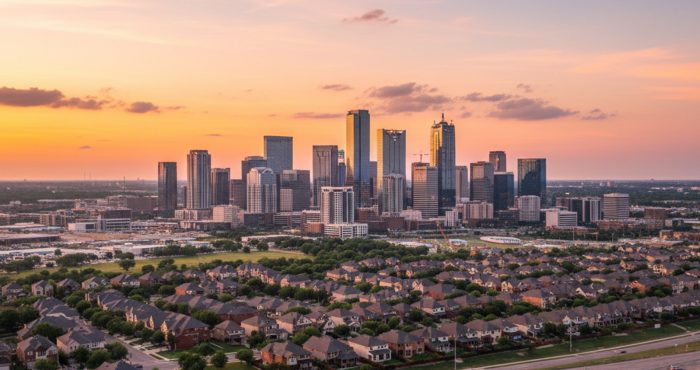
If you have been keeping an eye on the fastest-growing cities in the U.S., you have almost certainly heard of Frisco. Located just about 25 minutes north of Dallas, this city has transformed from a quiet railroad stop into a powerhouse destination often called “Sports City USA.”

But the headlines don’t tell you the whole story. With a population now pushing past 225,000, the secret is definitely out. Frisco frequently lands at the top of national lists for safety and quality of life, yet that popularity comes with specific price tags and logistical realities.

The goal of this guide isn’t to sell you a house—it is to give you a transparent look at what living here actually looks like in 2026. We will cover the real costs, the neighborhood vibes, and the lifestyle shifts you can expect if you decide to make the move.


Living in Frisco, TX: Pros and Cons

Before we dive deep into the data, let’s look at the high-level trade-offs. Every city has its pain points, and Frisco is no exception. Here is a quick snapshot of what residents love and what they gripe about.

The Pros:

  • Top-Tier Education: Access to highly rated schools and a unique district model.
  • Safety: Consistently ranked as one of the safest cities in America.
  • Infrastructure: Modern roads, new master-planned communities, and excellent city services.
  • Tax Benefits: No state income tax keeps more money in your paycheck.

The Cons:

  • Cost of Living: Housing and general costs are higher than the Texas average.
  • Traffic: While roads are modern, congestion is real, and you will likely rely on tollways (DNT and SRT).
  • Property Taxes: The trade-off for no income tax is a higher property tax bill.


Cost of Living & Real Estate Market Trends (2026)

Let’s get straight to the numbers. A few years ago, the market here was in a frenzy, but as we move through 2026, we are seeing a shift toward a more balanced market. Inventory has increased significantly, giving buyers a bit more breathing room than they had in previous years.

However, “balanced” doesn’t necessarily mean cheap. The median home price in Frisco generally hovers between $650,000 and $699,000. While you can find smaller starter homes below this range, competition for them remains steady. If you are looking to rent before you buy, expect to budget around $1,900 or more per month for a standard apartment, with single-family rental homes commanding significantly more.

The biggest financial surprise for newcomers—especially those moving from the coasts—is the tax structure. Texas has no state income tax, which sounds amazing until you see your property tax bill. In Frisco, the property tax rate typically lands between 1.8% and 2.17%, depending on your specific county (Collin or Denton) and if you are in a MUD (Municipal Utility District).

For a home valued at $600,000, you need to budget heavily for that annual tax bill. When calculating your monthly payments, do not forget to factor this in, as it can add several hundred dollars to your mortgage payment.


Is Frisco Safe? Crime Rates & Statistics

One of the primary drivers for relocation to this area is safety. You don’t have to just take a local’s word for it; the data backs it up. Recent rankings from SmartAsset listed Frisco as the #1 Safest City, and MoneyGeek placed it at #2.

When you look at the FBI and NIBRS data, the violent crime rate here is exceptionally low—approximately 90% lower than comparable cities of this size. We are talking about roughly 86 to 95 incidents per 100,000 residents, which is a fraction of the national average.

Property crime is also lower than the national average, though it does happen. The most common issue reported is car break-ins, usually involving unlocked vehicles. The local culture promotes a “lock, take, and hide” mentality. Much of this safety is attributed to a well-funded police department and high levels of community engagement, where neighbors actively look out for one another.


Best Neighborhoods in Frisco, TX

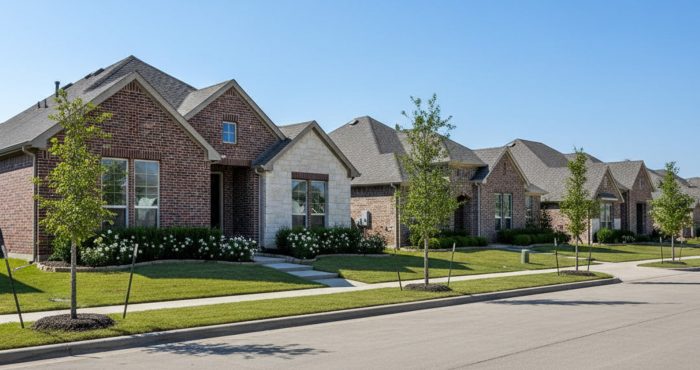
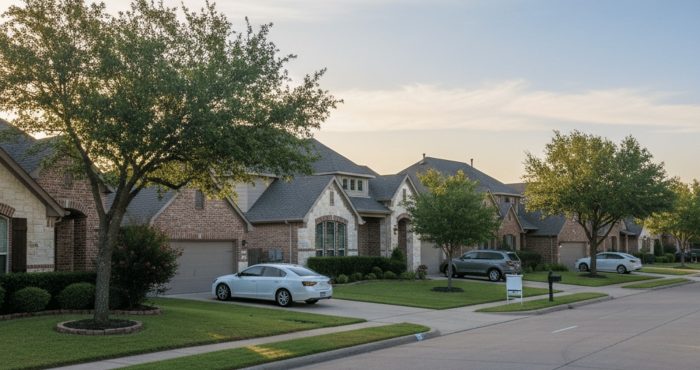
Frisco is geographically large, and the “vibe” changes depending on which pocket you choose. Most housing here is found in Master-Planned Communities (MPCs), which are designed with parks, pools, and walking trails woven into the neighborhood.

Here is how the different areas break down by lifestyle:

  • Luxury & Privacy: If you are looking for custom builds and gated security, Starwood and Newman Village are the premier choices. These areas feature higher price points and often include guard-gated entries.
  • Amenity-Rich Communities: Phillips Creek Ranch and The Grove Frisco are massive developments known for their lifestyle centers. Phillips Creek Ranch, for example, boasts over 100 acres of green space, multiple pools, and extensive paved trails.
  • New Development: Fields Frisco is the newest major project. Located near the new PGA headquarters, this area is rapidly developing and offers modern, new-construction homes.
  • Golf Course Living: For a more established, country-club feel, Stonebriar is the go-to. It is located right around the Stonebriar Country Club and offers mature trees and easy access to the highway.

If you are trying to decide between these areas, it is worth reading a detailed Phillips Creek Ranch Guide or looking specifically for Newman Village Homes to see the architectural differences.


Education: Frisco Independent School District (FISD)

Education is often the deciding factor for people moving here. Frisco ISD does things differently than many other large Texas districts. They utilize a “Small School Model.”

Instead of building massive high schools with 4,000+ students, FISD prefers to build more, smaller high schools. The philosophy is that smaller student bodies give more students the opportunity to participate in extracurriculars—whether that is varsity football, band, theater, or debate.

The results speak for themselves. The district is consistently “A” rated by the Texas Education Agency (TEA). Beyond K-12, the city is also home to higher education opportunities, including a University of North Texas (UNT) campus and Collin College, making lifelong learning accessible. Most neighborhoods are designed so that elementary and middle schools are within walking or biking distance, creating a tight-knit community feel around the campuses.


Job Market & Major Employers

While many people commute from Frisco to Dallas or Plano, the local economy has boomed to the point where you might never need to leave the city limits for work. The job market here has diversified well beyond retail and service.

Major headquarters have relocated here, bringing thousands of corporate jobs. Keurig Dr Pepper, the PGA of America, and Complexity Gaming all call Frisco home. Of course, the Dallas Cowboys world headquarters at The Star is a major economic engine for the area as well.

If you do need to commute, you are in a prime location. Frisco borders the “Platinum Corridor” along the Dallas North Tollway. This puts you just minutes away from Legacy West in Plano, which houses giants like Toyota North America, Liberty Mutual, and JPMorgan Chase. Growth sectors here are heavily leaning toward tech, sports management, and healthcare.


Retiring in Frisco: What to Know

We are seeing a significant increase in retirees moving to the area to be closer to children and grandchildren. If you are considering retiring here, there are specific communities designed for you, such as Frisco Lakes (a Del Webb community), which offers 55+ living with low-maintenance homes and active social calendars.

Healthcare access is excellent, with major facilities like Baylor Scott & White and Texas Health located directly in the city.

However, retirees on a fixed income need to be very aware of the property tax situation. The good news is that Texas offers an “Over 65 Homestead Exemption.” Once you turn 65 and file this exemption, the school district portion of your property taxes (usually the largest chunk) is frozen. It will not go up, even if your home value doubles. This tax freeze is a critical financial tool for long-term affordability.


Things to Do: Sports City USA & Entertainment

You will never be bored here. The city has leaned hard into its “Sports City USA” moniker.

  • Sports: You can watch the Dallas Cowboys practice at The Star, catch an FC Dallas soccer match at Toyota Stadium, or watch the Frisco RoughRiders (minor league baseball) at Riders Field, which features a lazy river in the outfield. The new PGA Frisco district adds world-class golf and dining to the mix.
  • Culture: It’s not just sports. The National Videogame Museum and the Frisco Discovery Center offer great indoor activities.
  • Shopping: Stonebriar Centre is one of the largest malls in North Texas, and the surrounding area is packed with boutiques and furniture stores.
  • Outdoors: For fresh air, Frisco Commons Park and Central Park offer expansive playgrounds, amphitheaters, and walking paths.

Why Homeowners Choose Bale Real Estate Group

Buying or selling in Frisco requires more than just timing the market. The Bale Real Estate Group helps clients understand pricing, competition, and how to position a home to stand out from day one. For sellers, that includes strategic pricing, professional staging, targeted marketing, Zillow Showcase exposure, and our Certified Pre-Owned Home Listing Program. The goal is simple: create stronger demand and better results in today’s market.

Frequently Asked Questions

Is Frisco, TX a good place to live?

Yes, it is widely considered one of the best places to live in the U.S. due to its explosive growth, modern infrastructure, and top-tier schools. The combination of low crime rates and high community engagement makes it highly desirable for those seeking a safe, active lifestyle.

What is a good salary to live in Frisco, TX?

Given housing costs and general inflation, a household income of $100,000 or more is generally recommended to live comfortably. This allows you to manage the costs of a median-priced home ($650,000+) and property taxes without being house-poor.

Does Frisco, TX get tornadoes?

Yes, Frisco is located in North Texas, which is part of Tornado Alley. While direct hits are statistically rare, severe weather and siren warnings are a normal part of spring living here, and most residents rely on weather apps and local alerts to stay safe.

How far is Frisco from Dallas?

Frisco is approximately 25 miles north of downtown Dallas. Without traffic, it is about a 30-minute drive, but during rush hour, commutes can easily stretch to 45 minutes or an hour depending on congestion on the Dallas North Tollway.

Posted in: Community Guides, Frisco Real Estate, Home Buying, Market Updates, Relocating to North Dallas, Senior Living Tagged: 2026 Relocation Guide, Buyer Guide, Cost of Living, Dallas North Tollway, DFW Relocation Guide, Fields Frisco, Frisco Housing Market, Frisco ISD, Frisco Job Market, Frisco Lakes, Frisco Property Taxes, Frisco Real Estate, Frisco Relocation Guide, Frisco Retirement, Frisco TX, Legacy West, Newman Village, PGA Frisco, Phillips Creek Ranch, Sports City USA, Starwood, Stonebriar Centre, The Grove Frisco, The Star Frisco, Universal Kids Resort

Cost of Living in Frisco, TX: A 2026 Budget Guide

If you are looking at homes for sale in Frisco, you have likely heard the buzz. This isn’t just a bedroom community anymore; with major developments like The Star and the new PGA Frisco, this city has become a massive destination for relocation. But with that growth comes a very real question: Can I actually afford to live there?

Let’s be honest—Frisco has a reputation for being affluent. The cost of living here is roughly 12% higher than the national average, and the “sticker shock” on housing can be real for people moving from other parts of the Midwest or South. However, many residents find that the premium price tag is worth it for the modern infrastructure, low crime rates, and top-tier amenities.

When budgeting for a move here, you have to understand the “Texas Trade-off.” We don’t have a state income tax, which sounds great on payday, but the state makes up for that revenue through property taxes and toll roads. Below, we’ll break down exactly what those numbers look like for 2026 so you can build a realistic budget.

Housing Costs: Buying vs. Renting

Housing is going to be your biggest line item, and the market here has shifted quite a bit over the last year. While prices remain higher than the Texas average, we are seeing a shift toward a buyer’s market. Recent reports show inventory is up significantly—about 85% year-over-year—which means buyers finally have some room to negotiate.

Buying a Home

If you are planning to buy, you need to be prepared for the price point. As of January 2026, the median home price in Frisco sits around $648,000. While that is a slight cooling from the peak frenzy of a few years ago, it is still a significant investment. The good news is that the higher inventory levels mean you aren’t rushing into bidding wars as often as you might have in 2022.

The Rental Market

For those not ready to commit to a mortgage, renting is a popular way to get a feel for the area. However, renting a single-family home here isn’t cheap. You can expect median rents to range between $2,100 and $2,400 per month.

There is a distinct price difference depending on what you rent. Luxury apartment complexes near the Dallas North Tollway will command premium pricing similar to single-family homes, while older apartments further from the main arteries offer more competitive rates.

The “Hidden” Cost: Frisco Property Taxes Explained

This is the section that usually surprises newcomers the most. If you are moving from a state with income tax, you might think you are getting a raise. But you have to account for property taxes, which are higher here than in many other states.

In Frisco, your total tax bill is a “layer cake” composed of taxes from the City, the County (either Collin or Denton), the School District (Frisco ISD), and the local College District. When you add all these jurisdictions together, the total estimated tax rate usually lands between 1.8% and 2.1% of the assessed value.

Here is a rough breakdown of where that money goes:

  • Frisco ISD Tax Rate: Approximately $1.0194 per $100 valuation (based on 2025 adopted rates). This is the largest chunk of your bill.
  • City Tax Rate: Approximately $0.42 per $100 valuation.

The most important thing to remember is the Homestead Exemption. If this is your primary residence, filing for this exemption is critical. It caps the amount your taxable value can increase each year and knocks a significant portion off the taxable value of your home for school district taxes.

Utility Bills: Preparing for Summer Spikes

When budgeting for living in Frisco, you cannot look at a monthly average and call it a day. You have to budget for seasonality. The weather here is extreme, and your electricity bill will reflect that.

Texas has a deregulated electricity market, meaning you have the “Power to Choose” your provider. While this allows you to shop for rates, the average electricity rate for 2026 is hovering around $0.13 to $0.14 per kWh.

The real kicker is the air conditioning. In July and August, when temperatures consistently hit triple digits, AC units run non-stop. It is not uncommon for a standard 2,500-square-foot home to see summer bills exceeding $250.

For a standard family home, you should budget a total of $350 to $450 per month for all utilities combined. This includes electricity, gas (common for heating and cooking), and the city bill, which covers water, sewer, and trash services.

Transportation: Tolls and Commuting

Frisco is a car-dependent city. While there are some walkable pockets like Frisco Square or The Star, public transit is virtually non-existent for daily commuting. Most households here own two cars.

If you are commuting from Frisco to Dallas or Plano, you will likely rely on the Dallas North Tollway (DNT) or the Sam Rayburn Tollway (SRT). These are not free highways. To keep costs down, you absolutely must get an NTTA TollTag. Without one, the “ZipCash” (pay-by-mail) rates are roughly double.

Even with the tag, tolls add up. The rate increased in July 2025 to roughly $0.22 per mile. For a daily commuter driving to downtown Dallas, toll costs can easily exceed $1,800 per year. While gas prices here are generally lower than the national average, the high mileage required to get around the metroplex balances that savings out.

Daily Living: Groceries, Healthcare, and Sales Tax

Once you get past the fixed costs of housing and cars, the day-to-day variable expenses are actually quite reasonable.

  • Groceries: We have a highly competitive grocery market. With heavy hitters like HEB, Kroger, Whole Foods, and Walmart all within a short drive, prices tend to stay 4% to 9% lower than the national average.
  • Sales Tax: Be ready for a total sales tax of 8.25% on non-essential goods.
  • Healthcare: Medical costs in the area track slightly higher than the national average (about +4%), but access to care is excellent with major hospital systems located right in town.
  • Entertainment: You have choices here. You can spend money on premium experiences like FC Dallas games or dining at The Star, but there is also an abundance of free amenities, including massive community parks and hiking trails.

What Salary Do You Need to Live in Frisco?

So, what is the bottom line? To live comfortably here—meaning you can cover housing, save for retirement, and enjoy the local lifestyle without financial stress—you need a solid income.

The median household income in Frisco is approximately $146,000, which reflects the area’s affluence.

  • For a Single Adult: To afford a decent one-bedroom apartment and cover vehicle costs, a salary of $80,000 to $90,000 is recommended.
  • For a Family of Four: To buy a home and support two children comfortably, you should aim for a household income of $130,000 to $150,000+.

Is Frisco Worth the Price Tag?

Frisco is no longer the “cheap” Texas suburb it was twenty years ago. It is a premium market. However, when you look at what you get—access to the highly-rated Frisco Independent School District, modern roads, incredible safety, and proximity to major job hubs—the value proposition is strong.

If you are looking for rock-bottom costs, this might not be the spot. But if you are prioritizing lifestyle, amenities, and long-term property value, the cost of living in Frisco is an investment that many find worthwhile.

Frequently Asked Questions

Is it expensive to live in Frisco, Texas?

Yes, living in Frisco is generally more expensive than the Texas average and roughly 12% higher than the national average. The primary driver of this cost is housing, with median home prices significantly higher than neighboring communities, though daily expenses like groceries remain competitive.

What is a good salary for a family in Frisco, TX?

For a family of four to live comfortably, own a home, and handle property taxes without stress, a household income of $130,000 to $150,000 or more is recommended. This aligns with the local median household income, which is roughly $146,000.

Does Frisco have state income tax?

No, Texas does not have a state income tax. This is a major financial benefit for residents, though it is important to budget for higher property taxes and sales taxes, which are used to fund local services and schools.

How much are utilities in Frisco per month?

You should budget between $350 and $450 per month for total utilities in a standard single-family home. Keep in mind that electricity bills are highly seasonal; summer cooling costs can easily push your electric bill over $250 alone during July and August.

Posted in: Community Guides, Frisco Real Estate, Home Buying, Market Updates, Relocating to North Dallas Tagged: 2026 Budget Guide, Buyer Guide, Cost of Living in Frisco TX, Dallas North Tollway, Frisco Cost of Living, Frisco Home Prices, Frisco Housing Market, Frisco Independent School District, Frisco ISD Tax Rate, Frisco Property Taxes, Frisco Real Estate, Frisco Relocation, Frisco Rent, Frisco Salary Guide, Frisco Utilities, Homestead Exemption, Living in Frisco TX, NTTA TollTag, PGA Frisco, Relocation Guide, Sam Rayburn Tollway, Texas Property Taxes, The Star Frisco

Bale Real Estate Group
(972) 469-0332
TREC - Information About Brokerage Services
TREC - Consumer Protection Notice
Site created by Michael Tritthart Team. | View Privacy Policy