
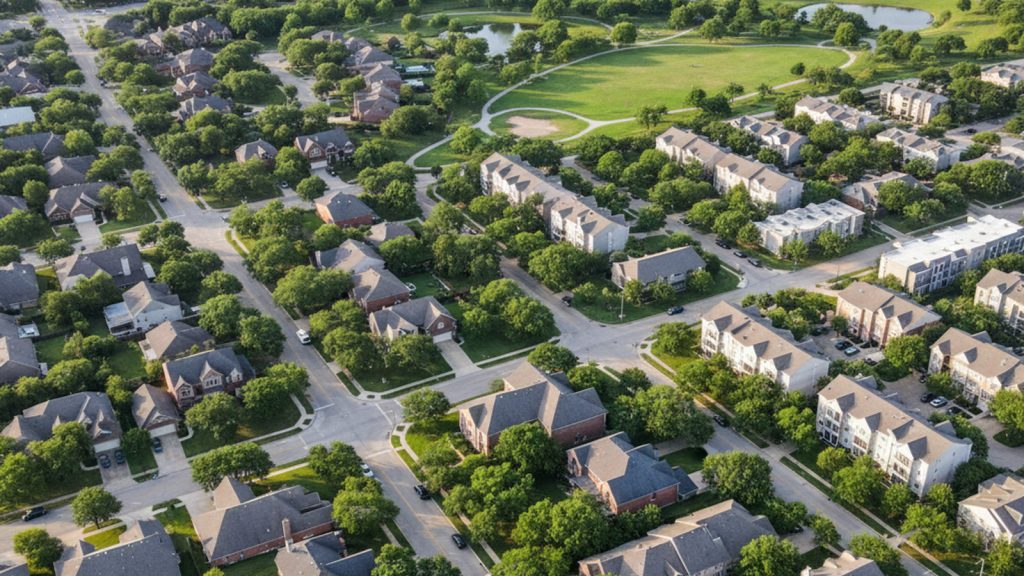
Buyers relocating to the Dallas-Fort Worth metroplex frequently ask if the northern suburbs match their lifestyle needs. When evaluating whether is Plano TX good for families, house hunters typically look at the density of local parks, the structure of the school district, and the daily commute into Dallas. Collin County has experienced massive growth over the last decade, transforming former prairie land into a highly developed residential corridor.
Plano stands out as a major corporate hub that also maintains thousands of acres of protected green space. Understanding the specific property types, median housing costs, and neighborhood amenities helps buyers make an informed decision before looking at homes for sale in Plano. Navigating this sprawling city requires a clear look at the objective data driving the local real estate market.
Community Amenities and Recreational Facilities in Plano
The city limits contain a massive network of outdoor recreation spaces designed for year-round use. Buyers prioritizing outdoor access will find that Plano maintains an exceptionally high density of parks, playgrounds, and paved trails. This infrastructure ensures that almost every residential block sits within a short distance of a maintained public green space.
Arbor Hills Nature Preserve and Oak Point Park serve as the two major outdoor hubs for the community. These locations provide extensive hiking and biking trails that wind through natural creeks and forested areas. Having these massive preserves nearby means residents do not have to drive out of the metroplex to find substantial hiking routes.
Beyond the natural preserves, the city operates multiple municipal indoor recreational centers. Facilities like the Tom Muehlenbeck Recreation Center are equipped with indoor tracks, swimming pools, and extensive fitness equipment. These municipal buildings give residents an alternative to private gym memberships while keeping community activities accessible during the hot Texas summers.
Plano Independent School District (PISD) Overview
The local public education system is a primary driver for real estate demand across Collin County. Plano Independent School District serves approximately 48,000 to 52,000 students distributed across more than 70 campuses. The sheer size of the district means that buyers have numerous neighborhood options while still remaining within the PISD boundaries.
A defining characteristic of this district is the unique division between high schools and senior high schools. Students attend a dedicated high school for ninth and tenth grades before transitioning to a senior high campus for eleventh and twelfth grades. This structure allows the senior high campuses to function much like college environments, offering an extensive catalog of Advanced Placement courses.
Class sizes remain manageable despite the massive overall student population within the city. The district maintains an approximate 14:1 or 15:1 student-teacher ratio across its various educational facilities. This ratio gives buyers confidence that the local educational infrastructure can support the continuing population growth in the area.
Plano Housing Market Breakdown
Navigating the local real estate landscape requires understanding the distinct price tiers across different property styles. The overall median home price in Plano sits between $480,000 and $500,000 as of early 2026. Buyers evaluating affordability must factor in local property taxes, which significantly impact the total monthly mortgage payment.
Buyers looking specifically for detached single-family houses should expect to see higher entry points. Those properties typically average between $600,000 and $760,000, depending heavily on the specific zip code and proximity to major retail centers. Understanding these baseline figures helps buyers set realistic expectations for their down payment requirements.
The market maintains a steady level of competitiveness, with well-priced homes going under contract quickly. Inventory levels fluctuate seasonally, but buyers will generally find a mix of older properties requiring updates and fully renovated homes carrying a premium price tag. Working with a local agent is crucial to identifying which neighborhoods offer the best long-term value.
Property Types and Lot Characteristics
The residential layout of the city offers distinct architectural choices depending on which side of the US-75 highway you explore. Single-family detached homes are the dominant property type, often featuring three to four bedrooms and traditional brick exteriors. These houses form the backbone of the local housing inventory.
Buyers will notice a stark contrast in housing age and lot size as they move from east to west. Central and East Plano feature older construction from the 1970s and 1980s, typically sitting on larger lots with mature, established trees. These older neighborhoods frequently operate without mandatory homeowners associations.
Moving toward West Plano, the real estate landscape shifts toward newer developments built in the 1990s and 2000s. These homes boast larger square footage but are often built on tighter lot lines with strict HOA oversight. Townhomes and condominiums are also increasingly available near retail hubs, providing a lower-maintenance alternative to traditional detached houses.
Commuting from Plano to Dallas Employment Centers
Transportation logistics are a crucial factor when evaluating real estate in the northern suburbs. The city is bordered and intersected by several major highway routes, including the Dallas North Tollway and US-75. These arterial roads dictate the daily traffic flow for thousands of local residents.
Driving into downtown Dallas during morning rush hour typically takes 45 to 60 minutes. Buyers who secure employment in neighboring Frisco or within the Legacy West corporate hub in Plano itself can drastically cut this daily travel time. Evaluating your specific office location against the local toll road map is essential for calculating your true monthly commuting costs.
Public transit provides a viable alternative to sitting in highway traffic during peak hours. The DART rail system operates several stations within the city limits, connecting the northern suburbs directly to the urban core. Taking the DART Red Line from central Plano to downtown Dallas takes approximately 48 minutes, offering a predictable and stress-free transit option.
How to Position Yourself For Success in the Plano Market
Navigating the Plano real estate market takes more than just watching prices. The Bale Real Estate Group, ranked in the top 1% of North Texas Realtors, helps buyers and sellers understand how to position themselves based on current competition, not just past sales. From identifying the right neighborhoods to negotiating stronger terms, their approach is focused on preparation, strategy, and results.
Why Homeowners Choose Bale Real Estate Group
Buying or selling in Plano requires more than just timing the market. The Bale Real Estate Group helps clients understand pricing, competition, and how to position a home so it stands out immediately. For sellers, that includes strategic pricing, professional staging, targeted marketing, Zillow Showcase exposure, and our Certified Pre-Owned Home Listing Program. The goal is simple: maximize exposure and drive stronger offers.
________________________________________
Frequently Asked Questions
Is Plano TX good for families looking to relocate?
Buyers frequently search this exact question when analyzing the Dallas-Fort Worth metroplex. The city offers objective benefits like an extensive 70-campus school district and thousands of acres of municipal parkland. These structural features provide a strong foundation for buyers prioritizing educational access and outdoor recreation.
What is the average commute time from Plano to downtown Dallas?
Drivers should expect a 45 to 60-minute commute to downtown Dallas during peak rush hour traffic. Taking the DART Red Line offers a comparable alternative, taking roughly 48 minutes from station to station. Both options require planning for daily travel expenses like toll tags or transit passes.
How much are typical HOA fees in Plano neighborhoods?
Mandatory homeowners association fees vary widely depending on the neighborhood amenities and property type. Single-family home HOAs often range from $300 to $800 annually to cover common green spaces and community pools. Condominium and townhome owners will see much higher monthly assessments that cover exterior building maintenance and master insurance policies.