Top 1% Frisco & Plano Realtors | Bale Real Estate GroupTop 1% Frisco & Plano Realtors | Bale Real Estate Group

Top 1% North Texas luxury real estate team with $50M+ in sales and 80+ 5-star reviews. Frisco, Plano, Preston Hollow & North Dallas.

  • Home
  • Search
  • Communities We Serve
    • Allen
    • Aubrey
    • Celina
    • Coppell
    • Dallas
      • Oakdale
    • Frisco
      • Country Club Ridge at The Trails
      • Custer Creek Farms
      • Griffin Parc
      • Heather Ridge Estates
      • Shaddock Creek Estates
      • Newman Village
      • Phillips Creek Ranch
      • Richwoods
      • Starwood
      • Stonebriar
      • The Canals at Grand Park
      • The Fairways
      • The Hills of Kingswood
      • Villages of Stonebriar Park
    • McKinney
    • Park Cities
    • Plano
      • Avignon Windhaven
      • Cliffs of Gleneagles
      • Crystal Creek
      • Deerfield
      • Lakeside on Preston
      • Normandy Estates
      • Shoal Creek
      • Wentworth Estates
      • Willow Bend Polo Estates
      • Willow Bend
      • Windrose Tower
    • Preston Hollow
    • Princeton
    • Prosper
    • Southlake
  • Buyers
    • Buying a Home in Dallas
    • 8 Steps to Buying a Home
    • First-Time Home Buyers
    • Smart Buyer Strategy
      • DFW Property Taxes
      • HOA Communities in North Texas
      • Homestead Exemptions
      • MUD and PID Districts
      • Cost of Home Ownership
    • Home Loan Process
      • Credit Score Requirements
      • How Much Home Can You Afford?
      • Down Payment Options
      • Interest Rates Explained
      • Mortgage Pre-Approval
    • Relocating to North Dallas
      • Choosing the Right Community & Location
      • School Districts
      • Commute Considerations
      • Community Comparisons
      • Cost of Living
    • New Construction Buyer Representation
    • Offer Strategy
    • Home Inspections
    • Buyer Closing Costs
    • Buying and Selling at the Same Time
      • Downsizing & Rightsizing
  • Sellers
    • Selling Your Home in North Dallas
    • 8 Steps to Selling a Home
    • Pre-Listing Appointment
    • Preparing Your Home for Sale
      • Professional Home Staging
    • Certified Pre-Owned Home Listing Program
    • Marketing Your Home for Maximum Exposure
      • Professional Photography
      • Drone Photography
      • Zillow Showcase
      • Social Media Marketing
      • Digital Advertising
    • Strategic Pricing & Market Positioning
    • Seller Closing Costs & Net Proceeds
      • Calculate Your Estimated Seller Net Proceeds
    • Offer Strategy & Seller Protection
    • Buying and Selling at the Same Time
      • Downsizing & Rightsizing
  • Our Advantage
    • Why Work With Bale Real Estate Group
    • Why Sellers Hire Bale Real Estate Group
    • Meet the Team
    • Real Producers: Cover Story
    • Our Story
    • Client Testimonials
    • Proven Results
    • Certified Pre-Owned Home Listing Program
    • Zillow Showcase
    • Professional Home Staging
    • Concierge Vendor Network
    • What if?
    • Videos
  • Blog
  • Contact

Is Plano TX Good For Families? 2026 Homebuyer Relocation Guide

Buyers relocating to the Dallas-Fort Worth metroplex frequently ask if the northern suburbs match their lifestyle needs. When evaluating whether is Plano TX good for families, house hunters typically look at the density of local parks, the structure of the school district, and the daily commute into Dallas. Collin County has experienced massive growth over the last decade, transforming former prairie land into a highly developed residential corridor.

Plano stands out as a major corporate hub that also maintains thousands of acres of protected green space. Understanding the specific property types, median housing costs, and neighborhood amenities helps buyers make an informed decision before looking at homes for sale in Plano. Navigating this sprawling city requires a clear look at the objective data driving the local real estate market.


Community Amenities and Recreational Facilities in Plano

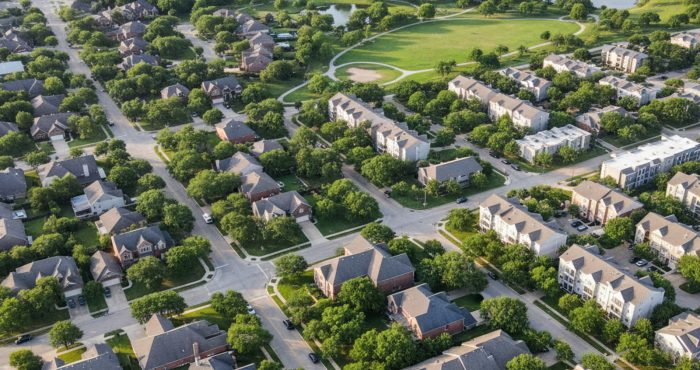
The city limits contain a massive network of outdoor recreation spaces designed for year-round use. Buyers prioritizing outdoor access will find that Plano maintains an exceptionally high density of parks, playgrounds, and paved trails. This infrastructure ensures that almost every residential block sits within a short distance of a maintained public green space.

Arbor Hills Nature Preserve and Oak Point Park serve as the two major outdoor hubs for the community. These locations provide extensive hiking and biking trails that wind through natural creeks and forested areas. Having these massive preserves nearby means residents do not have to drive out of the metroplex to find substantial hiking routes.

Beyond the natural preserves, the city operates multiple municipal indoor recreational centers. Facilities like the Tom Muehlenbeck Recreation Center are equipped with indoor tracks, swimming pools, and extensive fitness equipment. These municipal buildings give residents an alternative to private gym memberships while keeping community activities accessible during the hot Texas summers.


Plano Independent School District (PISD) Overview

The local public education system is a primary driver for real estate demand across Collin County. Plano Independent School District serves approximately 48,000 to 52,000 students distributed across more than 70 campuses. The sheer size of the district means that buyers have numerous neighborhood options while still remaining within the PISD boundaries.

A defining characteristic of this district is the unique division between high schools and senior high schools. Students attend a dedicated high school for ninth and tenth grades before transitioning to a senior high campus for eleventh and twelfth grades. This structure allows the senior high campuses to function much like college environments, offering an extensive catalog of Advanced Placement courses.

Class sizes remain manageable despite the massive overall student population within the city. The district maintains an approximate 14:1 or 15:1 student-teacher ratio across its various educational facilities. This ratio gives buyers confidence that the local educational infrastructure can support the continuing population growth in the area.


Plano Housing Market Breakdown

Navigating the local real estate landscape requires understanding the distinct price tiers across different property styles. The overall median home price in Plano sits between $480,000 and $500,000 as of early 2026. Buyers evaluating affordability must factor in local property taxes, which significantly impact the total monthly mortgage payment.

Buyers looking specifically for detached single-family houses should expect to see higher entry points. Those properties typically average between $600,000 and $760,000, depending heavily on the specific zip code and proximity to major retail centers. Understanding these baseline figures helps buyers set realistic expectations for their down payment requirements.

The market maintains a steady level of competitiveness, with well-priced homes going under contract quickly. Inventory levels fluctuate seasonally, but buyers will generally find a mix of older properties requiring updates and fully renovated homes carrying a premium price tag. Working with a local agent is crucial to identifying which neighborhoods offer the best long-term value.

Property Types and Lot Characteristics

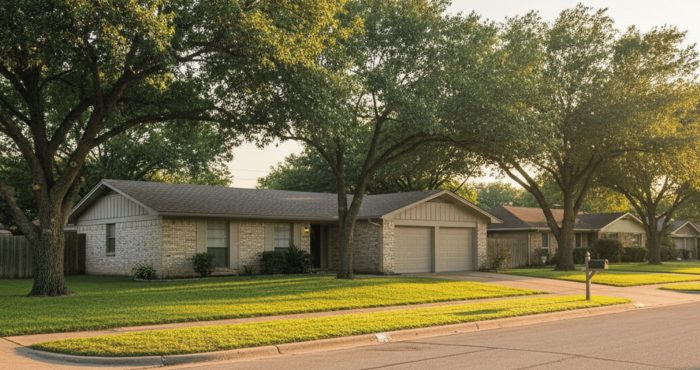
The residential layout of the city offers distinct architectural choices depending on which side of the US-75 highway you explore. Single-family detached homes are the dominant property type, often featuring three to four bedrooms and traditional brick exteriors. These houses form the backbone of the local housing inventory.

Buyers will notice a stark contrast in housing age and lot size as they move from east to west. Central and East Plano feature older construction from the 1970s and 1980s, typically sitting on larger lots with mature, established trees. These older neighborhoods frequently operate without mandatory homeowners associations.

Moving toward West Plano, the real estate landscape shifts toward newer developments built in the 1990s and 2000s. These homes boast larger square footage but are often built on tighter lot lines with strict HOA oversight. Townhomes and condominiums are also increasingly available near retail hubs, providing a lower-maintenance alternative to traditional detached houses.


Commuting from Plano to Dallas Employment Centers

Transportation logistics are a crucial factor when evaluating real estate in the northern suburbs. The city is bordered and intersected by several major highway routes, including the Dallas North Tollway and US-75. These arterial roads dictate the daily traffic flow for thousands of local residents.

Driving into downtown Dallas during morning rush hour typically takes 45 to 60 minutes. Buyers who secure employment in neighboring Frisco or within the Legacy West corporate hub in Plano itself can drastically cut this daily travel time. Evaluating your specific office location against the local toll road map is essential for calculating your true monthly commuting costs.

Public transit provides a viable alternative to sitting in highway traffic during peak hours. The DART rail system operates several stations within the city limits, connecting the northern suburbs directly to the urban core. Taking the DART Red Line from central Plano to downtown Dallas takes approximately 48 minutes, offering a predictable and stress-free transit option.

How to Position Yourself For Success in the Plano Market

Navigating the Plano real estate market takes more than just watching prices. The Bale Real Estate Group, ranked in the top 1% of North Texas Realtors, helps buyers and sellers understand how to position themselves based on current competition, not just past sales. From identifying the right neighborhoods to negotiating stronger terms, their approach is focused on preparation, strategy, and results.

Why Homeowners Choose Bale Real Estate Group

Buying or selling in Plano requires more than just timing the market. The Bale Real Estate Group helps clients understand pricing, competition, and how to position a home so it stands out immediately. For sellers, that includes strategic pricing, professional staging, targeted marketing, Zillow Showcase exposure, and our Certified Pre-Owned Home Listing Program. The goal is simple: maximize exposure and drive stronger offers.
________________________________________

Frequently Asked Questions

Is Plano TX good for families looking to relocate?

Buyers frequently search this exact question when analyzing the Dallas-Fort Worth metroplex. The city offers objective benefits like an extensive 70-campus school district and thousands of acres of municipal parkland. These structural features provide a strong foundation for buyers prioritizing educational access and outdoor recreation.

What is the average commute time from Plano to downtown Dallas?

Drivers should expect a 45 to 60-minute commute to downtown Dallas during peak rush hour traffic. Taking the DART Red Line offers a comparable alternative, taking roughly 48 minutes from station to station. Both options require planning for daily travel expenses like toll tags or transit passes.

How much are typical HOA fees in Plano neighborhoods?

Mandatory homeowners association fees vary widely depending on the neighborhood amenities and property type. Single-family home HOAs often range from $300 to $800 annually to cover common green spaces and community pools. Condominium and townhome owners will see much higher monthly assessments that cover exterior building maintenance and master insurance policies.

Posted in: Community Guides, Home Buying, Market Updates, Plano Real Estate, Relocating to North Dallas Tagged: 2026 Homebuyer Guide, Arbor Hills Nature Preserve, Buyer Guide, Dallas North Tollway, DART Red Line, HOA Fees, Is Plano TX Good For Families, Oak Point Park, Plano Families, Plano Home Prices, Plano Housing Market, Plano ISD, Plano Parks, Plano Real Estate, Plano Relocation, Plano TX, Property Taxes, Relocation Guide, Tom Muehlenbeck Recreation Center, US 75

The Plano, TX Housing Market: A 2026 Update

If you were looking for a home in North Texas a few years ago, you probably remember the chaos—bidding wars, waived inspections, and prices climbing faster than you could sign an offer. But as we settle into February 2026, the narrative in Plano has shifted significantly. We have moved away from that frantic appreciation and arrived at a much more mature, “stabilized” market.

The current moment offers a breath of fresh air for buyers who were previously priced out or exhausted by competition. We are seeing a balanced dynamic where buyers have actual negotiation power, something that was almost unheard of in 2024 and early 2025. However, don’t expect a flood of cheap inventory. Because Plano is effectively “landlocked”—meaning almost all available land has been developed—inventory remains relatively tight compared to the sprawling new subdivisions further north.

Right now, the median home price is hovering in the $500,000 to $550,000 range. That consistency is good news for anyone thinking about moving to Texas this year. It means you can make decisions based on value and lifestyle rather than fear of missing out. If you are looking at the cost of living in Plano, knowing that property values are holding steady rather than spiking is a huge plus for your long-term planning when buying a home in Plano.

Key Market Stats (February 2026)

To understand where your money goes, we need to look at the numbers. But rather than just throwing a spreadsheet at you, let’s look at what these stats actually mean for your buying or selling timeline.

First, let’s talk about price stability. Unlike the rapid gains of the early 2020s, median home prices have remained largely flat or have seen only slight adjustments over the last six months, and reviewing current market data helps both buyers and sellers stay informed.

Another major shift is Days on Market (DOM). Homes are now sitting for an average of 45 to 60 days. If you are a buyer, this is excellent news. It means you have time to view a home, think about it, sleep on it, and maybe even view it a second time without it going under contract in 24 hours.

Inventory levels are hovering around a 3-month supply. In technical real estate terms, anything under 6 months is still a “seller’s market,” but honestly, 3 months feels very balanced in a high-demand area like Plano. Finally, look at the List-to-Sale Ratio. Most homes are selling for about 97% to 99% of their asking price. The days of paying $50,000 over asking are largely behind us; now, homes are transacting right around—or slightly under—what the seller wants.

Is Plano Currently a Buyer’s or Seller’s Market?

This is the most common question I get over coffee. The strict answer is that it is a “Balanced” market with a slight advantage remaining for sellers, simply because people love living here. However, it is a far cry from the extreme seller leverage you might see in rapidly expanding areas like Frisco or Celina.

For buyers, the opportunities in 2026 are real. You are facing less competition, which means fewer multiple-offer scenarios. More importantly, you have the leverage to ask for things. Requesting repairs, asking for closing cost concessions, or demanding a home warranty is standard practice again. You can actually negotiate.

For sellers, the reality check is important. Pricing discipline is critical this year. Because buyers aren’t desperate, an overpriced home will sit stagnant, making it essential to position your home correctly to maximize your results.

Neighborhood & Price Segment Breakdown

One thing newcomers often miss is that there are essentially three different “Plano’s,” each with a distinct vibe and price point. Understanding these segments is key to finding the right fit for your budget.

West Plano (75024, 75093): This is the luxury corridor. If you are looking west of the Dallas North Tollway, you are generally looking at higher-end custom homes, gated communities, and proximity to the high-end retail at Legacy West. Prices here often range from $700,000 to well over $1,000,000. It competes directly with the luxury markets of Frisco and Southlake.

Central Plano (75075, 75023): This area offers a lot of character. You will find established neighborhoods with mid-century architecture, massive mature trees, and larger lots than you get in new construction. It is generally more affordable, with homes trading between $400,000 and $550,000. This is often considered the sweet spot for value.

East Plano (75074): This is where the city started, and it offers great access to the historic downtown arts district. It is traditionally the most accessible price point, with many homes available under $400,000. It’s important to note that “affordability” is relative here—West Plano offers a lifestyle similar to expensive coastal suburbs, while East Plano offers incredible value for being so close to major employment centers.

If you are trying to find the best neighborhoods in Plano, starting with your budget and preferred commute corridor will quickly narrow down which of these three zones is right for you.

New Construction: The “Redevelopment” Era

If you are driving around looking for sprawling fields of new homes, you won’t find them here. Plano is “built out.” Unlike neighbors to the north like Prosper, there is no greenfield land left for massive subdivisions. We have entered the era of redevelopment and infill.

The biggest story in 2025 and 2026 continues to be the transformation of major commercial hubs into mixed-use residential areas. The Collin Creek Mall redevelopment is the prime example. It has shifted from a defunct retail space into a vibrant district with single-family homes, townhomes, and apartments all walkable to parks and dining. This is the new face of “new construction” in Plano.

Aside from major projects like Collin Creek or Haggard Farms, most new inventory comes in the form of townhomes or urban-style living near Legacy West. If you want a brand-new detached single-family home on a quarter-acre lot, you might have to look further north. But if you want a low-maintenance luxury townhome in the middle of the action, Plano has plenty to offer.

Cost of Living & Ownership Costs

The mortgage payment is only one piece of the puzzle. When calculating your monthly budget, you have to factor in the specific carrying costs of owning a home in Collin County.

Let’s start with property taxes. The tax rate in Plano generally hovers between 1.9% and 2.1%. While that sounds high to out-of-state movers, it is actually quite competitive for the area. Because Plano has such a massive commercial tax base—thanks to giants like Toyota North America and Liberty Mutual—the residential tax burden is often lower here than in developing suburbs that rely on MUDs (Municipal Utility Districts) or PIDs (Public Improvement Districts) to fund infrastructure.

Insurance is the next big factor. We pay a “Texas Premium” here, largely due to wind and hail risk. Insurance rates saw a significant hike in 2024 and 2025, so it is vital to get a quote on a specific property before you fall in love with it. A roof with impact-resistant shingles can save you money on premiums.

Finally, check the HOA fees. These vary wildly. In West Plano, HOAs are mandatory and can be pricey, covering gate attendants and common areas. In the older Central Plano neighborhoods, voluntary HOAs—or no HOAs at all—are common, which can save you a few hundred dollars a year but means there is less oversight on neighborhood aesthetics.

Plano vs. Nearby DFW Suburbs

If you are relocating, you are likely comparing Plano against its neighbors. Here is the quick rundown on how they stack up in 2026.

Plano vs. Frisco: Frisco feels newer and shinier, but it is also generally more expensive. Plano is more established. If you love big trees and established character, you pick Plano. If you want the newest build and don’t mind construction traffic, you pick Frisco.

Plano vs. Dallas: This usually comes down to commute and lifestyle. Living in Dallas vs Plano is a trade-off. Plano offers a better price-per-square-foot and arguably more consistent suburban amenities like parks and recreation centers. However, if you work in downtown Dallas, the commute from Plano can be a grind during rush hour.

Plano vs. Richardson/Allen: Richardson is further south, making it closer to the city core, often with slightly older housing stock. Allen, to the north, offers a very similar vibe to Plano but feels slightly more removed from the Dallas core. Allen often serves as a good alternative if you find Central Plano inventory too low.

2026 Market Forecast & Advice

Looking ahead at the rest of 2026, stability is the keyword. We do not predict a market crash, but we also don’t expect home values to jump double-digits overnight.

For Buyers: The old advice holds true: “Date the rate, marry the house.” Mortgage rates are expected to stabilize around 6%, but waiting for a perfect rate often means missing the perfect home. Inventory is better now than it was two years ago, so take advantage of your ability to negotiate.

For Sellers: You are in a beauty contest. You are competing with brand-new construction in nearby cities. If your home has brown shag carpet or original 1990s brass fixtures, you will likely get lowball offers. Staging, painting, and minor updates are mandatory in this market to get top dollar.

Your Advantage in Today’s Plano Market

Navigating the Plano housing market in 2026 requires more than just understanding pricing trends. With a balanced market and more selective buyers, success comes down to preparation, strategy, and execution. The Bale Real Estate Group helps buyers and sellers position themselves effectively through accurate pricing, targeted marketing, and clear guidance at every step. Whether you are entering the market or planning your next move, the focus is on helping you make confident, well-informed decisions.

Frequently Asked Questions

Are home prices dropping in Plano, TX in 2026?

Prices are not dropping significantly; they are stabilizing. After years of rapid increases, we are seeing values flatten out or adjust slightly, but demand remains high enough to prevent a major decline in property values.

Is Plano cheaper than Frisco?

Generally, yes. While West Plano luxury homes rival Frisco prices, Central and East Plano offer median home prices that are typically lower than the newer construction found throughout most of Frisco.

What is the average property tax rate in Plano?

You can expect a total tax rate between 1.9% and 2.1%. This is often lower than newer suburbs with heavy infrastructure debts (MUDs/PIDs) because Plano benefits from a very strong commercial tax base.

Is now a good time to buy a house in Plano?

Yes, if you plan to stay long-term. The market is balanced, allowing you to inspect homes thoroughly and negotiate repairs, which is a luxury buyers didn’t have a few years ago. Buying now secures your spot in a built-out city where land values are historically resilient when buying a home in Plano.


Posted in: Cost of Living, Home Buying, Home Selling, Market Updates, Plano Real Estate, Real Estate Resources, Relocating to North Dallas, Uncategorized Tagged: 2026 Plano Real Estate, Bale Real Estate Group, Buying a Home in Plano, Central Plano Real Estate, Collin County Real Estate, Collin Creek Redevelopment, Dallas North Tollway, East Plano Real Estate, Legacy West, North Dallas Real Estate, Plano Cost of Living, Plano Days on Market, Plano Home Prices, Plano Homeownership Costs, Plano Homes for Sale, Plano Housing Inventory, Plano Housing Market, Plano Housing Market 2026, Plano List to Sale Ratio, Plano Market Trends, Plano Market Update, Plano Median Home Price, Plano New Construction, Plano Property Taxes, Plano Real Estate, Plano Real Estate Market, Plano Real Estate Market 2026, Plano vs Allen, Plano vs Dallas, Plano vs Frisco, Plano vs Richardson, Selling a Home in Plano, US 75 Plano, West Plano Real Estate

Bale Real Estate Group
(972) 469-0332
TREC - Information About Brokerage Services
TREC - Consumer Protection Notice
Site created by Michael Tritthart Team. | View Privacy Policy