Top 1% Frisco & Plano Realtors | Bale Real Estate GroupTop 1% Frisco & Plano Realtors | Bale Real Estate Group

Top 1% North Texas luxury real estate team with $50M+ in sales and 80+ 5-star reviews. Frisco, Plano, Preston Hollow & North Dallas.

  • Home
  • Search
  • Buyers
    • 8 Steps to Buying a Home
    • Smart Buyer Strategy
    • How Much Home Can You Afford?
    • Choosing the Right Community & Location
    • New Construction Buyer Representation
    • Buying and Selling at the Same Time
    • Relocating to North Dallas
    • DFW Property Taxes
  • Sellers
    • 8 Steps to Selling a Home
    • Pre-Listing Appointment
    • Certified Pre-Owned Home Listing Program
    • Strategic Pricing & Market Positioning
    • Professional Home Preparation
    • Marketing Your Home for Maximum Exposure
    • Zillow Showcase
      • Zillow Showcase – Example of Listing Your Home
    • Offer Strategy & Seller Protection
    • How Much Will I Make Selling My House?
  • Communities
    • Allen
    • Coppell
    • Dallas
      • Oakdale
    • Frisco
      • Country Club Ridge at The Trails
      • Custer Creek Farms
      • Griffin Parc
      • Heather Ridge Estates
      • Shaddock Creek Estates
      • Starwood
      • The Canals at Grand Park
      • The Fairways
      • Villages of Stonebriar Park
    • McKinney
    • Park Cities
    • Plano
      • Avignon Windhaven
      • Cliffs of Gleneagles
      • Crystal Creek
      • Deerfield
      • Lakeside on Preston
      • Shoal Creek
      • Wentworth Estates
      • Willow Bend Polo Estates
      • Windrose Tower
    • Preston Hollow
    • Prosper
    • Southlake
  • Our Advantage
    • Our Story
    • Real Producers: Cover Story
    • Resume
    • What if?
    • Testimonials
    • Past Sold Map
    • Blog
  • Videos
  • Contact

Understanding HOA Fees Frisco TX: A Buyer’s Financial Guide for 2026

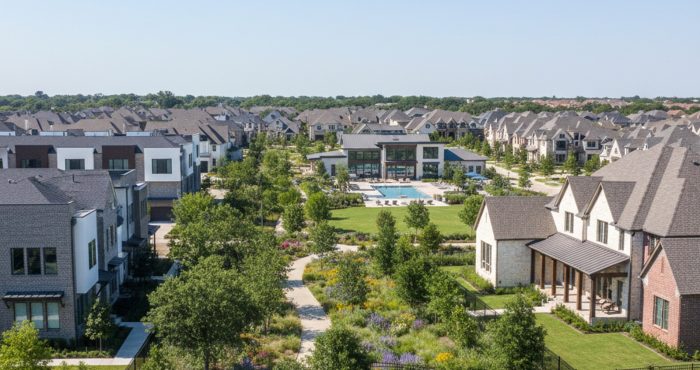
Buying a home in the Dallas-Fort Worth metroplex often means navigating community associations, and Frisco is no exception. Almost every modern neighborhood in this city operates under a homeowner association, making these assessments a mandatory part of your housing budget. Understanding exactly what you are paying for is critical before signing a purchase contract.

Buyers often focus solely on the listing price and interest rates, forgetting that association dues can alter their purchasing power. In Frisco, these costs vary wildly depending on the age of the development, the property type, and the scale of neighborhood amenities. Knowing the baseline costs for 2026 will help you target communities that actually fit your long-term financial goals.

The Reality of HOA Fees in Frisco, TX

The vast majority of housing developments in Frisco are governed by an HOA. These organizations are designed to enforce deed restrictions, maintain common areas, and preserve the overall aesthetic standard of the neighborhood. For a standard single-family home in a basic subdivision, buyers can expect to pay anywhere from $400 to $800 annually.

High-amenity areas push those figures much higher, often exceeding $200 to $300 on a monthly basis. This massive range means you cannot simply assume a flat rate when calculating your monthly carrying costs. My strong advice to buyers is to demand the full HOA disclosure packet before making an offer, as hidden assessments can wreck a carefully planned budget.

Comparing Costs: Master-Planned, Single-Family, and Townhomes

Standard single-family neighborhoods typically bill their residents annually or semi-annually. Established areas like Panther Creek Estates charge around $460 annually, which keeps carrying costs low while funding basic common area landscaping. Townhome communities carry a much steeper monthly due, often because these fees cover exterior building maintenance, roof repairs, and blanket insurance policies.

Master-planned communities represent the middle ground in billing frequency but offer the highest volume of lifestyle features. Developments like The Grove Frisco assess fees of approximately $637 quarterly, funding extensive infrastructure like private clubhouses and trail systems. You are essentially paying a premium for convenience and immediate access to recreation.

How Luxury Estates and Golf Courses Impact Dues

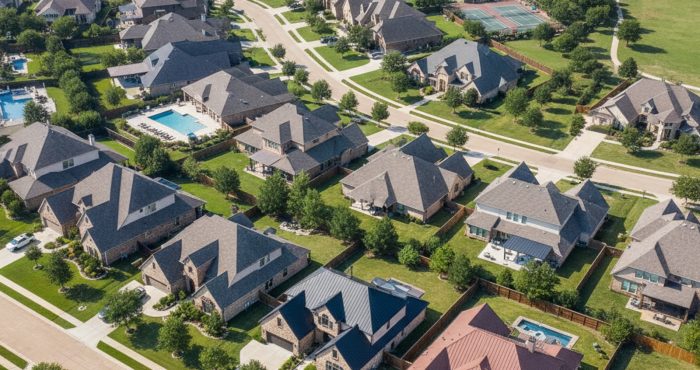
The upper echelon of the Frisco market operates on an entirely different financial scale. Gated communities and country club neighborhoods require extensive funding for 24/7 guarded entrances, private security patrols, and exclusive golf club access. Luxury developments like Stonebriar can carry association fees exceeding $2,000 per quarter.

There is a direct correlation between high property price ranges and proportionally higher mandatory assessments. While these steep quarterly dues represent a significant carrying cost, they act as a strict mechanism for preserving property values in the luxury sector. Buyers in these enclaves are paying for exclusivity and immaculate architectural enforcement.

What Do Your HOA Assessments Actually Cover?

Every homeowner association allocates its budget differently, but the core focus is always on shared infrastructure. A major portion of your dues goes toward community landscaping, seasonal color at the entrances, and the upkeep of neighborhood monuments. These visible elements dictate the curb appeal of the entire subdivision.

Beyond aesthetics, associations must fund administrative costs and reserve accounts. The reserve fund is critical for long-term, expensive repairs like replacing perimeter fencing, dredging retention ponds, or paving private roads. A well-funded reserve is the mark of a healthy HOA, while a depleted one guarantees future special assessments.

Depending on your property type, the specific coverage will shift dramatically. Here is a breakdown of what typical assessments fund across different Frisco developments:

  • Standard single-family homes: Common area landscaping, entrance maintenance, and basic property management company fees.
  • Master-planned communities: Large-scale lifestyle centers, private security, and extensive reserve funds for major infrastructure.
  • Townhomes and condos: Exterior building maintenance, roof replacements, landscaping, and structural insurance policies.

Resort-Style Amenities and Local Park Access

Premier homeowner associations in this market compete heavily on lifestyle benefits. Residents frequently gain access to private community pools, splash pads, commercial-grade fitness centers, and pickleball courts. These facilities reduce the need for expensive private gym memberships or country club affiliations.

Many HOA-maintained greenbelts and walking trails intentionally connect to major municipal spaces like Frisco Commons or Northeast Community Park. From an investment perspective, high-amenity neighborhoods offer an excellent return for active buyers who will actually utilize the facilities. If you never plan to swim or use the trails, you are better off targeting an older, low-fee subdivision.

Property Taxes, Location Data, and Your Total Budget

Calculating your true housing cost requires looking at the combined impact of association fees, property taxes, and geographic location. Frisco carries a base property tax rate of approximately 1.03 percent, which is billed entirely separate from your private association dues. Buyers moving from out of state often confuse the two, but failing to budget for both will leave you severely cash-strapped.

Certain neighborhoods also carry Municipal Utility District or Public Improvement District assessments. These are infrastructure taxes billed alongside your county property taxes, not through the HOA, though they serve a similar purpose in funding local development. You must factor in these additional tax burdens when comparing homes in brand-new master-planned sectors against established neighborhoods.

Location heavily dictates both property values and the demand for specific communities. Neighborhoods positioned near the Dallas North Tollway offer a highly efficient 35 to 45-minute commute to downtown Dallas, driving up baseline home prices and association dues. Furthermore, communities zoned within highly sought-after Frisco Independent School District boundaries typically overlap with premium HOA developments, compounding the total cost of ownership.

Why Homeowners Choose Bale Real Estate Group

Navigating the Frisco real estate market takes more than just watching prices. The Bale Real Estate Group, ranked in the top 1% of North Texas Realtors, helps buyers and sellers understand how to position themselves based on current competition, not just past sales. From identifying the right neighborhoods to negotiating stronger terms, their approach is focused on preparation, strategy, and results.


Frequently Asked Questions About Frisco HOAs

Do HOA fees in Frisco cover property taxes?

No, homeowner association dues never cover your county or city property taxes. Your HOA bill goes directly to a private property management company for neighborhood upkeep. Property taxes are paid to Collin or Denton County and fund municipal services, public schools, and local infrastructure.

Is $500 a month high for an HOA in Frisco?

Yes, $500 per month is considered quite high for a standard single-family home in this market. Fees reaching that level are typically reserved for luxury gated communities, high-end townhomes with exterior maintenance included, or exclusive golf course neighborhoods. A typical single-family home in Frisco averages closer to $500 to $800 annually.

Can HOA fees go up in Frisco?

Association fees can and frequently do increase over time to match inflation and rising vendor costs. Texas property management companies conduct regular reserve studies to ensure the community has enough capital for future repairs. If the reserve fund falls short, the elected board can vote to raise annual dues or levy a one-time special assessment.

What happens if I fail to pay my HOA fees in Texas?

Failing to pay your assessments will result in late fees, interest charges, and the suspension of your amenity privileges. Texas law grants homeowner associations significant power to collect debts, including the ability to place a lien on your property. If the debt remains unpaid, the association can ultimately initiate foreclosure proceedings to recover the owed funds.

Posted in: Frisco Real Estate, Home Buying, Market Updates Tagged: Buyer Guide, Frisco HOA Fees, Frisco TX, HOA Fees, Homeownership Costs, Property Taxes

Exploring New Home Developments in Frisco TX: A 2026 Buyer’s Guide

The real estate landscape across North Texas continues to evolve rapidly as we navigate the 2026 market. Buyers looking at new home developments in Frisco TX will find a city that has completely transformed its approach to residential construction over the last few years. Located approximately 30 miles north of downtown Dallas, Frisco remains a primary destination for relocating professionals and investors seeking high-quality housing inventory.

The current market has shifted heavily toward comprehensive, amenity-rich master-planned communities rather than isolated subdivisions. Navigating this environment requires a clear understanding of current pricing baselines, active builders, and the specific geographic boundaries that dictate school zoning and tax rates.

Top Master-Planned Communities in Frisco

Modern master-planned communities in Frisco offer a distinct lifestyle that goes far beyond simply providing a place to live. Buyers can expect massive footprints that intentionally blend luxury housing with dedicated green spaces and commercial retail centers. The era of the basic residential subdivision is essentially over in this part of North Texas.

Prominent builders like Toll Brothers, Landon Homes, and Huntington Homes are currently driving the local inventory. Investing in one of these premier neighborhoods often means securing immediate access to top-tier infrastructure and community programming. The era of simple subdivisions is gone, as today’s buyers demand resort-style integration.

Fields

The Fields community stands out as a massive 2,500-acre mixed-use development reshaping the northern edge of the city. Current 2026 prices here range from $1,100,000 to well over $2,000,000 for custom luxury builds. This sprawling footprint includes distinct property collections built by some of the most recognized luxury builders in the state.

Location is a major driver of value within this specific neighborhood. The development sits immediately adjacent to the PGA of America headquarters, offering unparalleled access to world-class golf facilities. Additionally, the highly anticipated Universal Kids Resort is opening directly within the community boundaries in 2026.

The Grove Frisco

The Grove Frisco appeals to buyers looking for diverse architectural designs and varying lot sizes. Current inventory includes everything from 40-foot lots for lower-maintenance living to expansive 65-foot footprints. Prices across the neighborhood currently span from the $700,000s to over $1,400,000 depending on the builder and premium lot placement.

This community places a heavy emphasis on outdoor recreation and gathering spaces. Residents have access to extensive trail systems, parks, and the brand-new Mainstay Amenity Center opening this year. These physical amenities provide excellent venues for outdoor activities without requiring residents to leave the neighborhood.

Lexington

Spanning a 950-acre footprint, the Lexington development offers one of the widest spectrums of new construction options in the city. The builder presence here is extensive, providing floor plans that range from efficient zero-lot-line homes to large, gated estates. Pricing begins in the $530,000s for smaller footprints and scales well past $1,500,000 for premium luxury lots.

The community is designed with a strong focus on onsite recreational features. Homeowners benefit from a resort-style pool, a comprehensive fitness center, and multiple playgrounds integrated into the neighborhood layout. This variety in both housing types and onsite amenities makes Lexington a highly versatile option for different buyer budgets.

Property Types and 2026 Price Ranges

Understanding the current cost expectations across Frisco’s new developments is essential before beginning a property search. The market offers distinct tiers of housing, each carrying a different baseline price and set of included features. Setting realistic budget expectations early is crucial for a successful and efficient home search.

Entry-level pricing in the new construction sector primarily consists of townhomes and attached duets. These lower-maintenance properties generally range from $500,000 to $800,000, depending on square footage and proximity to commercial anchors. They offer an excellent entry point into the city’s premium master-planned communities.

Standard single-family detached properties form the bulk of the available inventory. These homes typically range from $700,000 to $1,500,000 and feature modern open-concept layouts, dedicated home offices, and outdoor living spaces. For buyers seeking the ultimate in privacy and customization, the luxury and custom estate tier begins at $2,000,000 and scales upward based on lot size and premium finishes.

School District Boundaries: Frisco ISD and Prosper ISD

Educational zoning boundaries are a critical factor for many buyers evaluating new construction areas. Geographic boundaries for school districts often overlap municipal city limits in North Texas. It is important to realize that possessing a Frisco address does not automatically guarantee zoning within the Frisco Independent School District.

The Frisco Independent School District covers a massive geographic area, but the city’s rapid northern expansion has pushed development into neighboring jurisdictions. Many of the newest and largest developments frequently fall under the jurisdiction of Prosper ISD. Always verify zoning at the street level before signing a purchase contract, as boundaries can shift rapidly.

The sprawling Fields development is a perfect example of this jurisdictional overlap. The community is split, with specific residential zones feeding into either Frisco ISD or Prosper ISD depending on the exact phase and street location. Buyers prioritizing a specific educational pathway must cross-reference their desired lot with the latest district boundary maps.

Property Taxes and HOA Fees in Frisco

Navigating the financial carrying costs of a new home requires a clear look at local property taxes and homeowner association dues. The total property tax rate in Texas is a combination of distinct entities, including the city, the county, the school district, and the local college system. Combined tax rates in these new developments typically range from 1.75% to 2.01% of the assessed property value.

The City of Frisco has established a fiscal year 2026 tax rate of approximately 0.425517 per $100 of valuation. The city recently increased its homestead exemption to 20%, which makes a massive difference for primary residents looking to manage long-term costs. This updated exemption provides substantial annual savings for buyers who make the property their primary residence.

Beyond property taxes, buyers must account for mandatory HOA fees within these master-planned communities. These typical HOA structures fund the maintenance of the expansive resort-style amenities, landscaping of common green spaces, and community programming. While these monthly or annual assessments add to the carrying cost, they directly preserve the aesthetic standard and functional quality of the neighborhood.

Objective Amenities and Local Landmarks

Frisco’s newest developments are intentionally designed to integrate high-end recreational features directly into the residential footprint. Standard physical amenities found within these community boundaries often include expansive trail systems, resort-style pools, and dedicated health clubs. The sheer volume of onsite recreation means residents rarely have to travel far for daily exercise or leisure.

The integration of outdoor recreation is a major selling point for these neighborhoods. Many communities feature multiple pickleball courts, yoga lawns, and direct access to local golf courses. Frisco’s local amenities rival those of major metropolitan downtowns, offering an impressive quality of life.

Geographic proximity to major entertainment venues and corporate headquarters adds significant value to these locations. Residents enjoy short drives to the Dallas Cowboys’ Star facility, which offers premium dining and retail options. The presence of PGA Frisco also anchors the northern sector of the city, providing world-class golf and entertainment infrastructure right in the backyard of these new developments.

Commute Times and Highway Access

The logistical infrastructure supporting Frisco’s northern expansion is robust and continually improving. Immediate tollway access is the defining factor for property values and daily convenience in northern Frisco. The city is primarily serviced by two major arteries that facilitate rapid travel throughout the Dallas-Fort Worth metroplex.

The Dallas North Tollway and the Sam Rayburn Tollway are the critical lifelines connecting these new communities to major employment centers. Residents can expect approximate drive times of 30 miles to reach downtown Dallas, depending on peak traffic conditions. This direct highway access allows professionals to maintain reasonable daily commute times while enjoying a suburban lifestyle.

Access to regional and international travel is equally streamlined from these northern developments. The drive to DFW International Airport is approximately 25 miles via the Sam Rayburn Tollway. This straightforward route is highly advantageous for frequent travelers who require regular airport access.

Expert Guidance for Buying and Selling in Frisco

Navigating the Frisco real estate market takes more than just watching prices. The Bale Real Estate Group, ranked in the top 1% of North Texas Realtors, helps buyers and sellers understand how to position themselves based on current competition, not just past sales. From identifying the right neighborhoods to negotiating stronger terms, their approach is focused on preparation, strategy, and results.

Frequently Asked Questions

What new home communities are available in Frisco, TX?

Currently, the most prominent master-planned communities include Fields, The Grove Frisco, and Lexington. These large-scale developments offer diverse housing options ranging from low-maintenance townhomes to expansive luxury estates. Each neighborhood features distinct architectural styles and extensive onsite recreational facilities.

Are there any quick move-in homes available in Frisco, TX?

Yes, many active builders maintain a steady inventory of quick move-in properties across the city. These homes are typically near completion or fully finished, allowing buyers to bypass the standard 8 to 12-month build timeline. Prices for these rapid-availability homes generally mirror the broader market averages, starting around $500,000 for attached units.

Which builders are active in new home developments in Frisco, TX?

The local market is currently driven by several highly reputable residential developers. Toll Brothers, Landon Homes, and Huntington Homes are among the primary builders shaping the new construction landscape. These companies offer a mix of semi-custom floor plans and premium finishes tailored to the 2026 market demands.

What amenities are typically found in new home developments in Frisco?

Modern communities in the area are known for their comprehensive, resort-style recreational features. Residents typically have access to extensive trail systems, large community pools, state-of-the-art health clubs, and pickleball courts. Additionally, many developments are situated near major local landmarks like PGA Frisco and various world-class golf courses.

Posted in: Frisco Real Estate, Home Buying, Market Updates, New Construction Tagged: Builder Incentives, Buyer Guide, Fields Frisco, Frisco ISD, Frisco New Homes, Frisco TX, HOA Fees, Lexington Frisco, New Construction, New Home Developments, Property Taxes, Prosper ISD, The Grove Frisco

Is Plano TX Good For Families? 2026 Homebuyer Relocation Guide

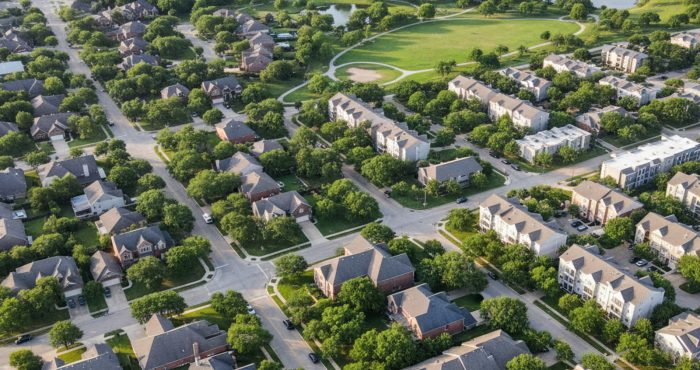
Buyers relocating to the Dallas-Fort Worth metroplex frequently ask if the northern suburbs match their lifestyle needs. When evaluating whether is Plano TX good for families, house hunters typically look at the density of local parks, the structure of the school district, and the daily commute into Dallas. Collin County has experienced massive growth over the last decade, transforming former prairie land into a highly developed residential corridor.

Plano stands out as a major corporate hub that also maintains thousands of acres of protected green space. Understanding the specific property types, median housing costs, and neighborhood amenities helps buyers make an informed decision before looking at homes for sale in Plano. Navigating this sprawling city requires a clear look at the objective data driving the local real estate market.


Community Amenities and Recreational Facilities in Plano

The city limits contain a massive network of outdoor recreation spaces designed for year-round use. Buyers prioritizing outdoor access will find that Plano maintains an exceptionally high density of parks, playgrounds, and paved trails. This infrastructure ensures that almost every residential block sits within a short distance of a maintained public green space.

Arbor Hills Nature Preserve and Oak Point Park serve as the two major outdoor hubs for the community. These locations provide extensive hiking and biking trails that wind through natural creeks and forested areas. Having these massive preserves nearby means residents do not have to drive out of the metroplex to find substantial hiking routes.

Beyond the natural preserves, the city operates multiple municipal indoor recreational centers. Facilities like the Tom Muehlenbeck Recreation Center are equipped with indoor tracks, swimming pools, and extensive fitness equipment. These municipal buildings give residents an alternative to private gym memberships while keeping community activities accessible during the hot Texas summers.


Plano Independent School District (PISD) Overview

The local public education system is a primary driver for real estate demand across Collin County. Plano Independent School District serves approximately 48,000 to 52,000 students distributed across more than 70 campuses. The sheer size of the district means that buyers have numerous neighborhood options while still remaining within the PISD boundaries.

A defining characteristic of this district is the unique division between high schools and senior high schools. Students attend a dedicated high school for ninth and tenth grades before transitioning to a senior high campus for eleventh and twelfth grades. This structure allows the senior high campuses to function much like college environments, offering an extensive catalog of Advanced Placement courses.

Class sizes remain manageable despite the massive overall student population within the city. The district maintains an approximate 14:1 or 15:1 student-teacher ratio across its various educational facilities. This ratio gives buyers confidence that the local educational infrastructure can support the continuing population growth in the area.


Plano Housing Market Breakdown

Navigating the local real estate landscape requires understanding the distinct price tiers across different property styles. The overall median home price in Plano sits between $480,000 and $500,000 as of early 2026. Buyers evaluating affordability must factor in local property taxes, which significantly impact the total monthly mortgage payment.

Buyers looking specifically for detached single-family houses should expect to see higher entry points. Those properties typically average between $600,000 and $760,000, depending heavily on the specific zip code and proximity to major retail centers. Understanding these baseline figures helps buyers set realistic expectations for their down payment requirements.

The market maintains a steady level of competitiveness, with well-priced homes going under contract quickly. Inventory levels fluctuate seasonally, but buyers will generally find a mix of older properties requiring updates and fully renovated homes carrying a premium price tag. Working with a local agent is crucial to identifying which neighborhoods offer the best long-term value.

Property Types and Lot Characteristics

The residential layout of the city offers distinct architectural choices depending on which side of the US-75 highway you explore. Single-family detached homes are the dominant property type, often featuring three to four bedrooms and traditional brick exteriors. These houses form the backbone of the local housing inventory.

Buyers will notice a stark contrast in housing age and lot size as they move from east to west. Central and East Plano feature older construction from the 1970s and 1980s, typically sitting on larger lots with mature, established trees. These older neighborhoods frequently operate without mandatory homeowners associations.

Moving toward West Plano, the real estate landscape shifts toward newer developments built in the 1990s and 2000s. These homes boast larger square footage but are often built on tighter lot lines with strict HOA oversight. Townhomes and condominiums are also increasingly available near retail hubs, providing a lower-maintenance alternative to traditional detached houses.


Commuting from Plano to Dallas Employment Centers

Transportation logistics are a crucial factor when evaluating real estate in the northern suburbs. The city is bordered and intersected by several major highway routes, including the Dallas North Tollway and US-75. These arterial roads dictate the daily traffic flow for thousands of local residents.

Driving into downtown Dallas during morning rush hour typically takes 45 to 60 minutes. Buyers who secure employment in neighboring Frisco or within the Legacy West corporate hub in Plano itself can drastically cut this daily travel time. Evaluating your specific office location against the local toll road map is essential for calculating your true monthly commuting costs.

Public transit provides a viable alternative to sitting in highway traffic during peak hours. The DART rail system operates several stations within the city limits, connecting the northern suburbs directly to the urban core. Taking the DART Red Line from central Plano to downtown Dallas takes approximately 48 minutes, offering a predictable and stress-free transit option.

How to Position Yourself For Success in the Plano Market

Navigating the Plano real estate market takes more than just watching prices. The Bale Real Estate Group, ranked in the top 1% of North Texas Realtors, helps buyers and sellers understand how to position themselves based on current competition, not just past sales. From identifying the right neighborhoods to negotiating stronger terms, their approach is focused on preparation, strategy, and results.

Why Homeowners Choose Bale Real Estate Group

Buying or selling in Plano requires more than just timing the market. The Bale Real Estate Group helps clients understand pricing, competition, and how to position a home so it stands out immediately. For sellers, that includes strategic pricing, professional staging, targeted marketing, Zillow Showcase exposure, and our Certified Pre-Owned Home Listing Program. The goal is simple: maximize exposure and drive stronger offers.
________________________________________

Frequently Asked Questions

Is Plano TX good for families looking to relocate?

Buyers frequently search this exact question when analyzing the Dallas-Fort Worth metroplex. The city offers objective benefits like an extensive 70-campus school district and thousands of acres of municipal parkland. These structural features provide a strong foundation for buyers prioritizing educational access and outdoor recreation.

What is the average commute time from Plano to downtown Dallas?

Drivers should expect a 45 to 60-minute commute to downtown Dallas during peak rush hour traffic. Taking the DART Red Line offers a comparable alternative, taking roughly 48 minutes from station to station. Both options require planning for daily travel expenses like toll tags or transit passes.

How much are typical HOA fees in Plano neighborhoods?

Mandatory homeowners association fees vary widely depending on the neighborhood amenities and property type. Single-family home HOAs often range from $300 to $800 annually to cover common green spaces and community pools. Condominium and townhome owners will see much higher monthly assessments that cover exterior building maintenance and master insurance policies.

Posted in: Community Guides, Home Buying, Market Updates, Plano Real Estate, Relocating to North Dallas Tagged: 2026 Homebuyer Guide, Arbor Hills Nature Preserve, Buyer Guide, Dallas North Tollway, DART Red Line, HOA Fees, Is Plano TX Good For Families, Oak Point Park, Plano Families, Plano Home Prices, Plano Housing Market, Plano ISD, Plano Parks, Plano Real Estate, Plano Relocation, Plano TX, Property Taxes, Relocation Guide, Tom Muehlenbeck Recreation Center, US 75

Bale Real Estate Group
(972) 469-0332
TREC - Information About Brokerage Services
TREC - Consumer Protection Notice
Site created by Michael Tritthart Team. | View Privacy Policy