Top 1% Frisco & Plano Realtors | Bale Real Estate GroupTop 1% Frisco & Plano Realtors | Bale Real Estate Group

Top 1% North Texas luxury real estate team with $50M+ in sales and 80+ 5-star reviews. Frisco, Plano, Preston Hollow & North Dallas.

  • Home
  • Search
  • Buyers
    • 8 Steps to Buying a Home
    • Smart Buyer Strategy
    • How Much Home Can You Afford?
    • Choosing the Right Community & Location
    • New Construction Buyer Representation
    • Buying and Selling at the Same Time
    • Relocating to North Dallas
    • DFW Property Taxes
  • Sellers
    • 8 Steps to Selling a Home
    • Pre-Listing Appointment
    • Certified Pre-Owned Home Listing Program
    • Strategic Pricing & Market Positioning
    • Professional Home Preparation
    • Marketing Your Home for Maximum Exposure
    • Zillow Showcase
      • Zillow Showcase – Example of Listing Your Home
    • Offer Strategy & Seller Protection
    • How Much Will I Make Selling My House?
  • Communities
    • Allen
    • Coppell
    • Dallas
      • Oakdale
    • Frisco
      • Country Club Ridge at The Trails
      • Custer Creek Farms
      • Griffin Parc
      • Heather Ridge Estates
      • Shaddock Creek Estates
      • Starwood
      • The Canals at Grand Park
      • The Fairways
      • Villages of Stonebriar Park
    • McKinney
    • Park Cities
    • Plano
      • Avignon Windhaven
      • Cliffs of Gleneagles
      • Crystal Creek
      • Deerfield
      • Lakeside on Preston
      • Shoal Creek
      • Wentworth Estates
      • Willow Bend Polo Estates
      • Windrose Tower
    • Preston Hollow
    • Prosper
    • Southlake
  • Our Advantage
    • Our Story
    • Real Producers: Cover Story
    • Resume
    • What if?
    • Testimonials
    • Past Sold Map
    • Blog
  • Videos
  • Contact

Is Plano TX Good For Families? 2026 Homebuyer Relocation Guide

Buyers relocating to the Dallas-Fort Worth metroplex frequently ask if the northern suburbs match their lifestyle needs. When evaluating whether is Plano TX good for families, house hunters typically look at the density of local parks, the structure of the school district, and the daily commute into Dallas. Collin County has experienced massive growth over the last decade, transforming former prairie land into a highly developed residential corridor.

Plano stands out as a major corporate hub that also maintains thousands of acres of protected green space. Understanding the specific property types, median housing costs, and neighborhood amenities helps buyers make an informed decision before looking at homes for sale in Plano. Navigating this sprawling city requires a clear look at the objective data driving the local real estate market.


Community Amenities and Recreational Facilities in Plano

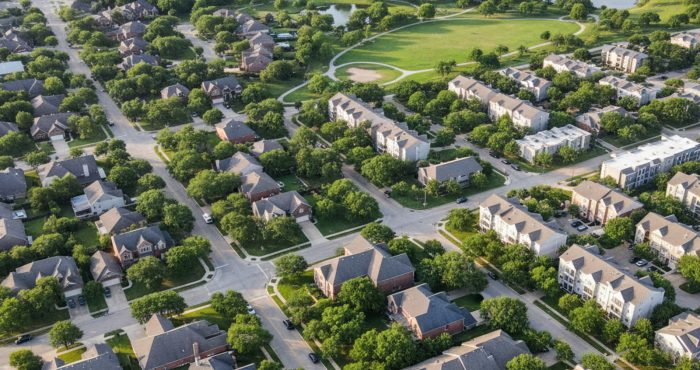
The city limits contain a massive network of outdoor recreation spaces designed for year-round use. Buyers prioritizing outdoor access will find that Plano maintains an exceptionally high density of parks, playgrounds, and paved trails. This infrastructure ensures that almost every residential block sits within a short distance of a maintained public green space.

Arbor Hills Nature Preserve and Oak Point Park serve as the two major outdoor hubs for the community. These locations provide extensive hiking and biking trails that wind through natural creeks and forested areas. Having these massive preserves nearby means residents do not have to drive out of the metroplex to find substantial hiking routes.

Beyond the natural preserves, the city operates multiple municipal indoor recreational centers. Facilities like the Tom Muehlenbeck Recreation Center are equipped with indoor tracks, swimming pools, and extensive fitness equipment. These municipal buildings give residents an alternative to private gym memberships while keeping community activities accessible during the hot Texas summers.


Plano Independent School District (PISD) Overview

The local public education system is a primary driver for real estate demand across Collin County. Plano Independent School District serves approximately 48,000 to 52,000 students distributed across more than 70 campuses. The sheer size of the district means that buyers have numerous neighborhood options while still remaining within the PISD boundaries.

A defining characteristic of this district is the unique division between high schools and senior high schools. Students attend a dedicated high school for ninth and tenth grades before transitioning to a senior high campus for eleventh and twelfth grades. This structure allows the senior high campuses to function much like college environments, offering an extensive catalog of Advanced Placement courses.

Class sizes remain manageable despite the massive overall student population within the city. The district maintains an approximate 14:1 or 15:1 student-teacher ratio across its various educational facilities. This ratio gives buyers confidence that the local educational infrastructure can support the continuing population growth in the area.


Plano Housing Market Breakdown

Navigating the local real estate landscape requires understanding the distinct price tiers across different property styles. The overall median home price in Plano sits between $480,000 and $500,000 as of early 2026. Buyers evaluating affordability must factor in local property taxes, which significantly impact the total monthly mortgage payment.

Buyers looking specifically for detached single-family houses should expect to see higher entry points. Those properties typically average between $600,000 and $760,000, depending heavily on the specific zip code and proximity to major retail centers. Understanding these baseline figures helps buyers set realistic expectations for their down payment requirements.

The market maintains a steady level of competitiveness, with well-priced homes going under contract quickly. Inventory levels fluctuate seasonally, but buyers will generally find a mix of older properties requiring updates and fully renovated homes carrying a premium price tag. Working with a local agent is crucial to identifying which neighborhoods offer the best long-term value.

Property Types and Lot Characteristics

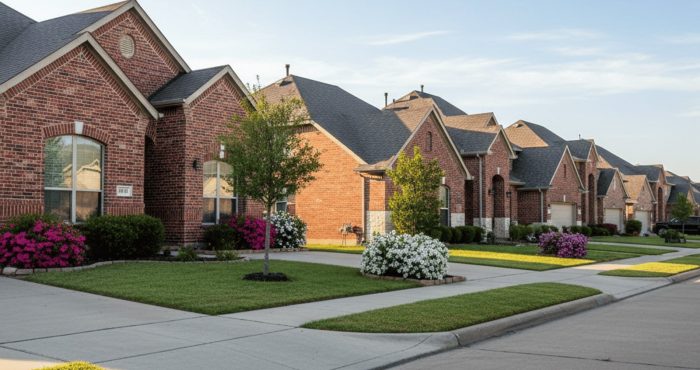
The residential layout of the city offers distinct architectural choices depending on which side of the US-75 highway you explore. Single-family detached homes are the dominant property type, often featuring three to four bedrooms and traditional brick exteriors. These houses form the backbone of the local housing inventory.

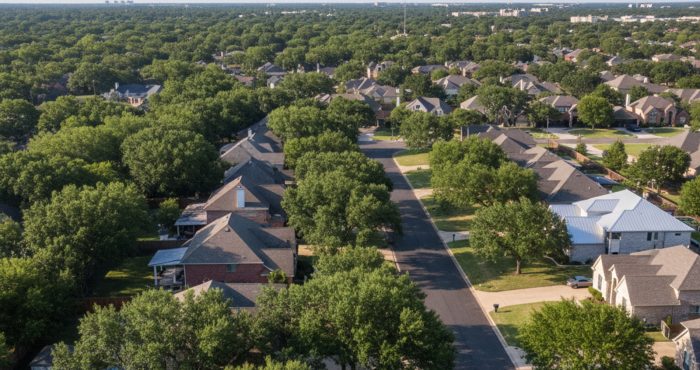
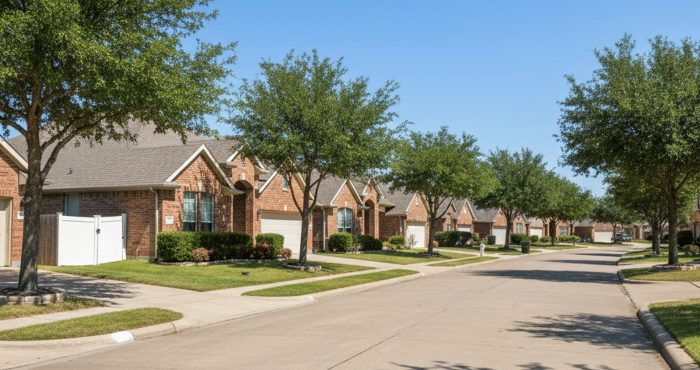
Buyers will notice a stark contrast in housing age and lot size as they move from east to west. Central and East Plano feature older construction from the 1970s and 1980s, typically sitting on larger lots with mature, established trees. These older neighborhoods frequently operate without mandatory homeowners associations.

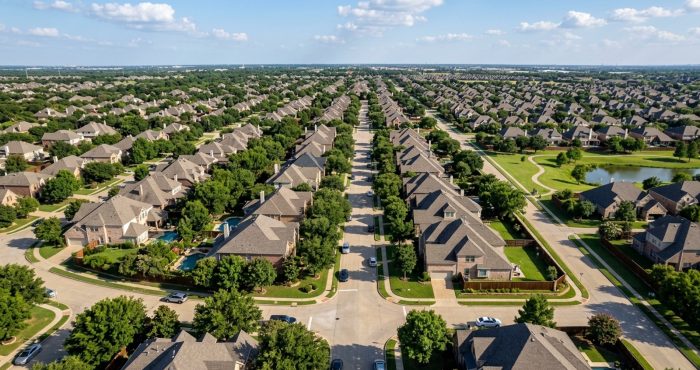
Moving toward West Plano, the real estate landscape shifts toward newer developments built in the 1990s and 2000s. These homes boast larger square footage but are often built on tighter lot lines with strict HOA oversight. Townhomes and condominiums are also increasingly available near retail hubs, providing a lower-maintenance alternative to traditional detached houses.


Commuting from Plano to Dallas Employment Centers

Transportation logistics are a crucial factor when evaluating real estate in the northern suburbs. The city is bordered and intersected by several major highway routes, including the Dallas North Tollway and US-75. These arterial roads dictate the daily traffic flow for thousands of local residents.

Driving into downtown Dallas during morning rush hour typically takes 45 to 60 minutes. Buyers who secure employment in neighboring Frisco or within the Legacy West corporate hub in Plano itself can drastically cut this daily travel time. Evaluating your specific office location against the local toll road map is essential for calculating your true monthly commuting costs.

Public transit provides a viable alternative to sitting in highway traffic during peak hours. The DART rail system operates several stations within the city limits, connecting the northern suburbs directly to the urban core. Taking the DART Red Line from central Plano to downtown Dallas takes approximately 48 minutes, offering a predictable and stress-free transit option.

How to Position Yourself For Success in the Plano Market

Navigating the Plano real estate market takes more than just watching prices. The Bale Real Estate Group, ranked in the top 1% of North Texas Realtors, helps buyers and sellers understand how to position themselves based on current competition, not just past sales. From identifying the right neighborhoods to negotiating stronger terms, their approach is focused on preparation, strategy, and results.

Why Homeowners Choose Bale Real Estate Group

Buying or selling in Plano requires more than just timing the market. The Bale Real Estate Group helps clients understand pricing, competition, and how to position a home so it stands out immediately. For sellers, that includes strategic pricing, professional staging, targeted marketing, Zillow Showcase exposure, and our Certified Pre-Owned Home Listing Program. The goal is simple: maximize exposure and drive stronger offers.
________________________________________

Frequently Asked Questions

Is Plano TX good for families looking to relocate?

Buyers frequently search this exact question when analyzing the Dallas-Fort Worth metroplex. The city offers objective benefits like an extensive 70-campus school district and thousands of acres of municipal parkland. These structural features provide a strong foundation for buyers prioritizing educational access and outdoor recreation.

What is the average commute time from Plano to downtown Dallas?

Drivers should expect a 45 to 60-minute commute to downtown Dallas during peak rush hour traffic. Taking the DART Red Line offers a comparable alternative, taking roughly 48 minutes from station to station. Both options require planning for daily travel expenses like toll tags or transit passes.

How much are typical HOA fees in Plano neighborhoods?

Mandatory homeowners association fees vary widely depending on the neighborhood amenities and property type. Single-family home HOAs often range from $300 to $800 annually to cover common green spaces and community pools. Condominium and townhome owners will see much higher monthly assessments that cover exterior building maintenance and master insurance policies.

Posted in: Community Guides, Home Buying, Market Updates, Plano Real Estate, Relocating to North Dallas Tagged: 2026 Homebuyer Guide, Arbor Hills Nature Preserve, Buyer Guide, Dallas North Tollway, DART Red Line, HOA Fees, Is Plano TX Good For Families, Oak Point Park, Plano Families, Plano Home Prices, Plano Housing Market, Plano ISD, Plano Parks, Plano Real Estate, Plano Relocation, Plano TX, Property Taxes, Relocation Guide, Tom Muehlenbeck Recreation Center, US 75

Moving to Plano: Navigating Real Estate and Schools in Plano TX for 2026


Relocating to the Dallas-Fort Worth metroplex often involves careful consideration of local educational boundaries. Buyers specifically seeking homes for sale in Plano frequently prioritize properties zoned for the city’s robust educational network. The relationship between property values and campus assignments is a defining characteristic of this housing market.

Any parent or guardian navigating the local real estate landscape requires a clear understanding of how attendance zones impact daily commutes and long-term investment potential. Evaluating the structure and performance of schools in Plano TX helps buyers make informed, confident purchasing decisions. A highly rated campus nearby often translates to stronger resale value over a five-to-ten-year hold period.

The city offers a dense concentration of public campuses alongside private and charter options with strict enrollment caps. Understanding this landscape ensures buyers can target neighborhoods that align perfectly with their financial goals. Knowing the nuances of local zoning can make the difference between a frustrating home search and a successful relocation.


Overview of the Plano Independent School District (PISD)

The Plano Independent School District operates on a massive scale, serving the immediate city boundaries and several surrounding communities. The district manages 82 schools in the district, covering a complete educational pathway from kindergarten through secondary school. This extensive network requires buyers to pay close attention to boundary maps when touring properties.

Academic performance remains a primary driver for housing demand within these specific boundaries. The district maintains an approximate graduation rate of 94 to 95 percent, reflecting a consistent standard of academic rigor. Reviewing these local statistics helps buyers gain confidence in the long-term stability of the local housing market.

Classroom density is another critical metric that buyers monitor when evaluating schools in Texas. PISD reports an average student-teacher ratio of 14:1, allowing for more individualized instruction across all grade levels. Lower ratios are frequently cited by relocating buyers as a major factor in their neighborhood selection process.

Understanding the Unique High School vs. Senior High Split

Unlike most public schools in Plano or the broader state, PISD utilizes a distinct grade level separation for older students. Upper grades are split across two different campus types to manage large student populations and specialize instruction. This two-tier system is a unique hallmark of the local educational framework.

Traditional high schools in Plano, such as Clark and Vines, serve students in grades 9 and 10. After completing their sophomore year, students transition to senior high schools, like Plano West Senior High School and Plano East, which serve grades 11 and 12 exclusively. This setup mimics a collegiate environment by grouping upperclassmen together.

This structure can initially confuse out-of-state buyers accustomed to a standard four-year campus model. However, 9th and 10th graders still participate in varsity sports and extracurriculars at the senior high level, ensuring a cohesive experience. The physical separation of campuses rarely disrupts student involvement in major district programs.

PISD Performance Metrics and Specialized Academies

Objective TX school ratings frequently highlight the district’s strong academic outcomes and extensive college readiness programs. The graduating class of 2025 earned over $32,000,000 in approximate scholarship offers, demonstrating the effectiveness of the local curriculum. Many buyers specifically target this area to access some of the best public high schools in the state based on these tangible financial outcomes.

High schoolers have access to extensive Advanced Placement programs and dual-credit opportunities to accelerate their college pathways. Strong school ratings at the best middle school campuses indicate that students are well-prepared before transitioning into these rigorous high school environments. The curriculum is intentionally designed to challenge students at every stage of their development.

Buyers seeking alternative educational models within the public system often look toward the Plano ISD Academy High School. This STEM-based, project-driven campus covers grades 9 through 12 and provides a specialized curriculum focused on collaborative learning. Admission to these specialized academies can heavily influence where buyers choose to submit property offers.


Notable Private and Charter Schools in Plano, TX

While the public system draws many buyers to the area, the city also hosts private and charter public schools with rigorous admission standards. These institutions provide alternatives for residents seeking specialized curricula, religious instruction, or different campus environments. The presence of these schools adds an extra layer of flexibility to the local real estate market.

BASIS Plano stands out as a high-performing, tuition-free public charter school offering an accelerated K-12 curriculum. The program is known for integrating Mandarin language instruction starting in kindergarten and expands by one grade level annually to reach K-12 capacity. Properties located within a ten-minute drive of these prominent charter campuses often see increased buyer interest.

Prominent private institutions, such as John Paul II High School and Prestonwood Christian Academy, offer expansive campus facilities and rigorous academic focuses. Buyers interested in these programs should closely monitor application and enrollment timelines, as local demand heavily outpaces available seats. Living within a few miles of these campuses is a common priority for relocating buyers.

Choosing a private or charter route gives buyers significantly more flexibility in their home search. Without the constraints of strict public school attendance zones, buyers can prioritize other property features like half-acre lot sizes or specific architectural styles. This freedom allows buyers to explore a wider variety of neighborhoods across the city.


Real Estate Market Trends Near Top Plano Schools

Property values in this sector of the Dallas-Fort Worth metroplex are heavily influenced by specific attendance boundaries. Homes zoned for campuses with the highest TX school ratings frequently sell for 5 to 10 percent above the broader market average. Buyers should be prepared for multiple-offer situations when targeting these high-demand zones during the spring market.

Understanding baseline pricing helps buyers set realistic expectations before touring properties. When evaluating homes in these specific zones, buyers should anticipate the following approximate market statistics:

  • Median home prices ranging from $479,000 to $540,000.
  • Average price per square foot landing between $214 and $247.
  • Active transaction bands heavily concentrated between $500,000 and $750,000.

The local housing inventory features a diverse mix of established 1990s brick single-family homes and heavily updated modern properties. Buyers in the $500,000 to $750,000 price bracket typically secure three to four bedrooms on mature, tree-lined lots. Homes in this price range tend to go under contract within 14 to 21 days during peak buying seasons.

Budgeting for a home here requires looking beyond the listing price found on the local MLS. Buyers must carefully evaluate variable HOA fees and local property taxes, which directly impact the total monthly carrying costs of living in Plano. Partnering with a knowledgeable local agent ensures these secondary costs are factored into the overall budget.


Community Amenities and Commuting in Plano

The geographic layout of Plano connects residential neighborhoods seamlessly to major thoroughfares like US-75 and the Dallas North Tollway. This infrastructure provides residents with 25-to-35-minute commute times to major corporate centers in downtown Dallas and neighboring Frisco. Being within a five-mile radius of a major highway is a non-negotiable feature for many buyers relocating for work.

Beyond highway access, the city is defined by an extensive local park system that enhances the appeal of nearby subdivisions. The city maintains over 4,000 approximate acres of parkland, with high concentrations of green spaces and recreation centers located near prominent school campuses. These outdoor amenities provide immediate recreational access for residents within a short walking distance.

Public libraries and civic centers are deeply integrated into the community, providing robust support for local education and student resources. These facilities offer quiet study spaces, technology access, and community programming that supplement traditional classroom learning. Proximity to a well-equipped public library is a frequent request during initial buyer consultations.

The combination of minimal commute friction and dense civic infrastructure heavily drives local real estate demand. Buyers consistently target properties that offer immediate access to both major employment hubs and expansive outdoor recreation. This balance of convenience and community resources keeps property values strong year after year.

Expert Guidance for Buying and Selling in Plano

Navigating the Plano real estate market takes more than just watching prices. The Bale Real Estate Group, ranked in the top 1% of North Texas Realtors, helps buyers and sellers understand how to position themselves based on current competition, not just past sales. From identifying the right neighborhoods to negotiating stronger terms, their approach is focused on preparation, strategy, and results.


Plano TX Real Estate and Schools FAQs

What is the difference between a high school and a senior high school in Plano ISD?

In this district, traditional high schools exclusively serve students in grades 9 and 10. Students then move to a senior high school campus to complete grades 11 and 12. This structure allows the district to offer highly specialized courses and manage student populations across its roughly 82 campuses.

Do I have to live in a specific zip code to attend a charter school in Plano?

Charter schools typically operate with open-enrollment policies that are not restricted by traditional neighborhood attendance zones. However, applicants must still reside within the geographic boundaries defined by the specific charter network, which often spans multiple zip codes. Securing a seat often involves a lottery system due to high demand across the metroplex.

Posted in: Community Guides, Home Buying, Market Updates, Plano Real Estate, Relocating to North Dallas, Schools & Education Tagged: 2026 Homebuyer Guide, BASIS Plano, Buyer Guide, Dallas North Tollway, John Paul II High School, Plano East Senior High School, Plano Home Prices, Plano ISD, Plano ISD Academy High School, Plano Property Values, Plano Real Estate, Plano Relocation, Plano Schools, Plano Senior High School, Plano TX, Plano West Senior High School, Prestonwood Christian Academy, Relocation Guide, School Zoning, Schools in Plano TX, US 75

Bale Real Estate Group
(972) 469-0332
TREC - Information About Brokerage Services
TREC - Consumer Protection Notice
Site created by Michael Tritthart Team. | View Privacy Policy