Top 1% Frisco & Plano Realtors | Bale Real Estate GroupTop 1% Frisco & Plano Realtors | Bale Real Estate Group

Top 1% North Texas luxury real estate team with $50M+ in sales and 80+ 5-star reviews. Frisco, Plano, Preston Hollow & North Dallas.

  • Home
  • Search
  • Buyers
    • 8 Steps to Buying a Home
    • Smart Buyer Strategy
    • How Much Home Can You Afford?
    • Choosing the Right Community & Location
    • New Construction Buyer Representation
    • Buying and Selling at the Same Time
    • Relocating to North Dallas
    • DFW Property Taxes
  • Sellers
    • 8 Steps to Selling a Home
    • Pre-Listing Appointment
    • Certified Pre-Owned Home Listing Program
    • Strategic Pricing & Market Positioning
    • Professional Home Preparation
    • Marketing Your Home for Maximum Exposure
    • Zillow Showcase
      • Zillow Showcase – Example of Listing Your Home
    • Offer Strategy & Seller Protection
    • How Much Will I Make Selling My House?
  • Communities
    • Allen
    • Coppell
    • Dallas
      • Oakdale
    • Frisco
      • Country Club Ridge at The Trails
      • Custer Creek Farms
      • Griffin Parc
      • Heather Ridge Estates
      • Shaddock Creek Estates
      • Starwood
      • The Canals at Grand Park
      • The Fairways
      • Villages of Stonebriar Park
    • McKinney
    • Park Cities
    • Plano
      • Avignon Windhaven
      • Cliffs of Gleneagles
      • Crystal Creek
      • Deerfield
      • Lakeside on Preston
      • Shoal Creek
      • Wentworth Estates
      • Willow Bend Polo Estates
      • Windrose Tower
    • Preston Hollow
    • Prosper
    • Southlake
  • Our Advantage
    • Our Story
    • Real Producers: Cover Story
    • Resume
    • What if?
    • Testimonials
    • Past Sold Map
    • Blog
  • Videos
  • Contact

Moving to North Texas: The 2026 Buyer’s Guide to Getting Around Plano TX


When looking at homes for sale in Plano, understanding the local transportation network is just as important as the property itself. This major suburb sits strategically within the Dallas-Fort Worth metroplex, offering a mix of sprawling highway infrastructure and expanding public transit. Getting around Plano TX efficiently requires knowing which toll roads to take and how to leverage the local rail system.

Whether you commute daily to Downtown Dallas or travel frequently out of DFW Airport, your daily route will heavily influence where you choose to live. The city has recently seen massive upgrades to its transit systems, making navigation more efficient than ever for new residents in 2026. Buyers who map out their commute before purchasing often find they can save hours of weekly travel time.


Driving and Commuting in Plano

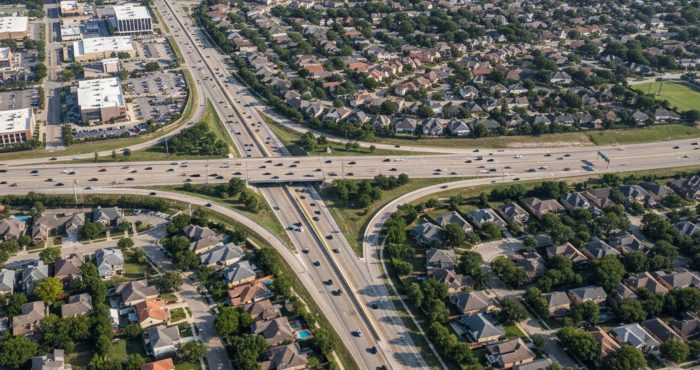
Most residents in North Texas rely on a personal vehicle for their daily commute. Plano is anchored by three primary routes that dictate traffic flow across the broader region. Understanding how these highways intersect is critical for estimating your daily travel times before committing to a neighborhood.

The Dallas North Tollway borders the western edge of the city, providing a straight shot southward into the Dallas core. On the southern border, the President George Bush Turnpike connects drivers east and west across the wider metroplex. Meanwhile, US Highway 75 serves the eastern neighborhoods, acting as a major non-tolled artery for north-south travel.

Because the North Texas Tollway Authority manages the major expressways here, acquiring a TollTag is practically mandatory for daily drivers. Commuting to Downtown Dallas typically takes 40 to 60 minutes during peak rush hour, though that drops closer to 30 minutes in light traffic. The TollTag system automatically deducts fares as you drive, eliminating the need to stop at toll booths entirely.

If your job requires frequent air travel, reaching Dallas Fort Worth International Airport by car takes roughly 30 to 45 minutes. Selecting a home near one of these major highway access points can easily streamline your weekly routine. Traffic conditions fluctuate heavily, so mapping your drive during actual rush hour is always recommended before making a final housing decision.


Dallas Area Rapid Transit (DART) Services

For buyers who prefer to skip the highway traffic, the Dallas Area Rapid Transit system provides a robust alternative. Plano serves as a major northern hub for this sprawling regional transit network. Utilizing public transit here is a highly viable option for those working in central Dallas or near the airport.

The city is currently served by three primary rail connections that cater to different commuting needs:

  • The Red Line terminates at the Parker Road station, offering a direct rail connection to Downtown Dallas in about 45 to 50 minutes.
  • The Orange Line extends into the city during peak commuting hours, providing additional capacity for riders heading south.
  • The Silver Line commuter rail, which opened in late 2025, gives residents a direct, train-to-terminal transit link straight into DFW Airport Terminal B.

Beyond the trains, local bus routes and the GoLink on-demand shuttle service bridge the gap between residential streets and main transit hubs. GoLink operates in specific zones, allowing riders to request a shuttle pickup right from their smartphone. This multimodal approach ensures that even neighborhoods located further from the rail stations remain seamlessly connected.

Riders can manage all of their trips using the GoPass app, which simplifies the entire public transit experience. The application offers real-time tracking, contactless payment, and fare capping to keep daily commuting costs predictable. Fare capping ensures that once you spend a certain amount in a day or month, all subsequent rides are completely free.


Navigating Plano Without a Car

While the broader Dallas-Fort Worth metroplex is famous for its car-centric layout, certain pockets of Plano offer excellent walkability. Buyers seeking a lifestyle where they can walk to dining and amenities should focus their search on specific centralized zones. These areas command a premium but deliver a highly convenient, pedestrian-focused environment that is rare in the suburbs.

Historic Downtown Plano features dense, walkable streets lined with local restaurants, retail spaces, and immediate access to the DART rail. On the western side of the city, the Legacy Business Park and the surrounding Shops at Legacy provide a master-planned, mixed-use setting. In these districts, residential units sit just steps from major employment centers and entertainment venues.

For cyclists, the city maintains an extensive network of shared-use paths and continuous sidewalks that connect neighborhoods to local parks. The newly completed Cotton Belt Regional Trail, which parallels the Silver Line, has drastically improved non-motorized travel across the northern suburbs. This paved path provides a dedicated route for both commuting cyclists and weekend recreational riders.

Living entirely car-free in Plano is challenging unless you reside directly within one of these specific mixed-use districts. However, relying on a multimodal approach – combining a bicycle with the DART train – is a highly practical way to navigate the area. Most residents find that keeping a car for weekend errands while using transit for the workday offers the best balance.


Ridesharing and Regional Connectivity

When public transit does not align with your schedule and you prefer not to drive, ridesharing easily fills the gaps. Uber, Lyft, and other ridesharing company services operate heavily throughout the city at all hours. Wait times are generally very short, even in the more sprawling residential neighborhoods located on the city edges.

A typical rideshare trip from Plano into central Dallas usually costs between $30 and $60, depending on surge pricing and your exact drop-off location. This makes it an easy option for evening events or quick trips across town without worrying about parking. For longer temporary needs, numerous car rental agencies are stationed throughout the city to accommodate residents and visitors.

The city’s centralized location also makes it incredibly easy to reach neighboring communities without a complex transit plan. The seamless blend of transit and highway networks provides quick access to major employment hubs in Richardson, Texas. You can also easily connect to broader regional transit systems heading out toward Fort Worth, Texas.

For those requiring specialized transport, the city and DART offer comprehensive Paratransit services. These programs ensure that riders with disabilities have reliable, accessible transportation options throughout the week. Eligible residents can schedule specialized pickups to reach medical appointments, grocery stores, and community centers with complete ease.

Why Buyers and Sellers Choose Bale Real Estate Group

Buying or selling in Plano requires more than just timing the market. The Bale Real Estate Group helps clients understand pricing, competition, and how to position a home so it stands out immediately. For sellers, that includes strategic pricing, professional staging, targeted marketing, Zillow Showcase exposure, and our Certified Pre-Owned Home Listing Program. The goal is simple: maximize exposure and drive stronger offers.

Frequently Asked Questions About Getting Around Plano

Does Plano have public transportation?

Yes, the city is heavily integrated into the Dallas Area Rapid Transit network. Residents utilize light rail, commuter rail, traditional local bus routes, and on-demand GoLink shuttles for daily travel. This robust infrastructure makes it one of the most transit-connected suburbs in North Texas.

Which DART line goes to Plano?

The city is primarily served by the Red Line, which connects the Parker Road station directly to Downtown Dallas. The Orange Line provides additional peak-hour service, and the newly opened Silver Line offers commuter rail access straight to DFW Airport.

Is Plano, Texas a walkable city?

While the overall suburb requires a vehicle for most daily errands, specific districts offer high walkability. Historic Downtown and the Legacy Business Park feature dense, pedestrian-friendly layouts with immediate access to dining and transit. Outside of these zones, continuous sidewalk networks and trails support recreational walking rather than practical commuting.

Posted in: Home Buying, Plano Real Estate, Relocating to North Dallas Tagged: Buyer Guide, Dallas North Tollway, DART Rail, DART Red Line, DART Silver Line, DFW Airport, Downtown Plano, Getting Around Plano TX, GoLink, Legacy West, Plano Real Estate, Plano Transportation, Plano TX, President George Bush Turnpike, Relocation Guide, The Shops at Legacy, US 75

Is Plano TX Good for Young Professionals? A 2026 Relocation Guide

Plano has transformed from a quiet bedroom community into a massive economic powerhouse within the Dallas-Fort Worth metroplex. Relocating here means stepping into a thriving corporate environment rather than a traditional suburban retreat.

The balance of high-paying career opportunities and premium lifestyle amenities draws thousands of new residents to Collin County each year. If you are weighing a move to Texas, understanding how this city contrasts with urban centers like downtown Dallas is crucial.

This city offers exceptional career growth and high-end retail, but it operates at a different social pace than a dense urban core. The suburban lifestyle here is built around convenience, corporate campuses, and upscale dining.


The Plano TX Job Market and Corporate Headquarters

The local economy is the primary reason so many people move to Plano. The city serves as a major employment center, rivaling the downtown business districts of many mid-sized American cities.

Massive corporate campuses anchor the landscape, providing thousands of high-paying roles in finance, technology, and engineering. Toyota Motor North America, JPMorgan Chase, Frito-Lay, and Capital One all maintain significant operations here.

Living near these corporate hubs drastically improves your daily quality of life by eliminating the need to commute into downtown Dallas. You can build a robust resume while keeping your morning drive under fifteen minutes.

The expansion of these sectors creates a highly competitive but rewarding environment for recent graduates and established experts alike. The sheer volume of corporate roles makes Plano an unmatched destination for career advancement in North Texas.


Cost of Living in Plano TX

Evaluating the cost of living in Plano requires looking beyond the national average. While Texas benefits from having no state income tax, Collin County real estate commands a premium due to the heavy corporate presence.

As of early 2026, the average rent for a one-bedroom apartment ranges from approximately $1,450 to $1,680 per month. These rates typically secure a modern unit in a newer complex with amenities like fitness centers and coworking spaces.

For those looking to buy rather than rent, the median home price in Plano currently sits between $516,000 and $525,000. Purchasing a property at this price point generally buys a mid-sized single-family home or a luxury townhome near commercial centers.

First-time homebuyer tips often emphasize factoring in property taxes, which can be higher in Texas to offset the lack of state income tax. Budgeting for these local variations ensures a smoother transition when you decide to live in Plano.


Popular Neighborhoods in Plano TX for Residents Seeking Career Opportunities

Choosing the right area depends heavily on whether you prefer walkable retail districts or transit-connected historic streets. The city divides roughly into two distinct atmospheres, each offering a different daily routine.

West Plano features newer, upscale corporate hubs, while East Plano centers around historic architecture and rail connections. Both areas provide distinct advantages for anyone looking at homes for sale in Plano.

Here are the standout districts that attract new residents relocating for work. Each offers a unique blend of housing and entertainment.

  • Legacy West: This area offers high-end retail, upscale dining, and luxury apartment complexes right across from major corporate headquarters.
  • Historic Downtown Plano: Known for its unique brick-paved charm and local coffee shops, this neighborhood provides direct Dallas Area Rapid Transit access.
  • The Shops at Legacy: An established mixed-use development featuring walkable streets, independent boutiques, and active patio dining.

Legacy West living represents the peak of modern convenience. Meanwhile, the historic downtown appeals to those wanting a more traditional neighborhood feel.


Plano TX Nightlife, Social Scene, and Dating

The social landscape in this part of the metroplex leans heavily toward upscale dining, craft breweries, and cocktail lounges. It is not a gritty downtown nightclub scene, and expectations should be adjusted accordingly.

The local social environment is heavily shaped by the nearby corporate campuses. Meeting people often happens at local hubs like the Shops at Legacy rather than crowded dance floors.

When you want a more intense nightlife experience, the urban core is still highly accessible. Many residents simply use rideshare apps or the DART rail to spend their weekends in Dallas neighborhoods like Uptown or Deep Ellum.

Plano delivers a refined, relaxed social environment that perfectly suits a busy professional schedule. The local brewery scene and high-end restaurant patios provide plenty of spaces to unwind after work.


Outdoor Recreation and Commuting

Balancing a demanding job with physical activity is easy thanks to the extensive local park system. Green spaces are woven directly into the city layout, offering quick escapes from the office environment.

Arbor Hills Nature Preserve provides miles of unpaved trails for hiking, running, and mountain biking. Oak Point Park offers similar outdoor amenities on the eastern side of the city, complete with zip lines and paddleboarding.

Commuting around the region is streamlined by major thoroughfares like the Dallas North Tollway and the President George Bush Turnpike. These routes allow quick access to other suburbs and the Dallas-Fort Worth International Airport.

For those who prefer public transit, the Dallas Area Rapid Transit Red and Orange lines run directly through the city. This rail access makes navigating the broader metroplex simple and cost-effective.


Pros and Cons of Living in Plano Texas

Every city requires compromises, and understanding the local realities will help you make an informed decision. Plano excels in economic stability but presents challenges in traffic and housing costs.

Reviewing the specific advantages and drawbacks clarifies what daily life actually entails. These are the primary factors to consider before signing a lease or a mortgage.

  • Pros: The thriving job market, high-quality amenities, proximity to a major international airport, and excellent green spaces make daily life incredibly convenient.
  • Cons: A higher cost of living compared to rural Texas, heavy traffic congestion during rush hour, and a quieter nightlife compared to urban centers.

The career advantages generally outweigh the suburban drawbacks for those focused on professional growth. The key is prioritizing what matters most for your current lifestyle.

Why Buyers and Sellers Choose Bale Real Estate Group

Buying or selling in Plano requires more than just timing the market. The Bale Real Estate Group helps clients understand pricing, competition, and how to position a home to stand out from day one. For sellers, that includes strategic pricing, professional staging, targeted marketing, Zillow Showcase exposure, and our Certified Pre-Owned Home Listing Program. The goal is simple: create stronger demand and better results in today’s market.

Frequently Asked Questions

Is Plano a fun place for young adults to live?

Plano offers a refined type of entertainment focused on upscale dining, craft breweries, and luxury retail rather than late-night clubbing. Residents enjoy vibrant spots like Legacy West, which provides plenty of engaging patio bars and restaurants. For heavy nightlife, the 20-mile trip south to Dallas is a common weekend routine.

Where do young professionals live in Plano?

Many career-focused residents cluster around Legacy West and the Shops at Legacy to stay within walking distance of corporate offices and dining. Historic Downtown Plano is another popular choice due to its authentic brick-paved charm and direct DART rail access. Both areas offer dense, walkable environments within a broader suburban landscape.

How long is the commute from Plano to downtown Dallas?

Driving from Plano to the Dallas urban core typically takes 30 to 45 minutes via the Dallas North Tollway or US-75, depending on rush hour traffic. Taking the DART Red or Orange line offers a stress-free alternative that takes approximately 40 to 50 minutes. This reliable transit connection makes attending Dallas sporting events or concerts highly convenient.

Posted in: Community Guides, Home Buying, Plano Real Estate, Relocating to North Dallas Tagged: 2026 Relocation Guide, Arbor Hills Nature Preserve, Buyer Guide, Corporate Relocation, Cost of Living, Dallas North Tollway, DART Rail, Downtown Plano, Is Plano TX Good for Young Professionals, Legacy West, Oak Point Park, Plano Home Prices, Plano Job Market, Plano Real Estate, Plano Relocation, Plano Rent, Plano TX, Plano Young Professionals, The Shops at Legacy

Bale Real Estate Group
(972) 469-0332
TREC - Information About Brokerage Services
TREC - Consumer Protection Notice
Site created by Michael Tritthart Team. | View Privacy Policy