Top 1% Frisco & Plano Realtors | Bale Real Estate GroupTop 1% Frisco & Plano Realtors | Bale Real Estate Group

Top 1% North Texas luxury real estate team with $50M+ in sales and 80+ 5-star reviews. Frisco, Plano, Preston Hollow & North Dallas.

  • Home
  • Search
  • Buyers
    • 8 Steps to Buying a Home
    • Smart Buyer Strategy
    • How Much Home Can You Afford?
    • Choosing the Right Community & Location
    • New Construction Buyer Representation
    • Buying and Selling at the Same Time
    • Relocating to North Dallas
    • DFW Property Taxes
  • Sellers
    • 8 Steps to Selling a Home
    • Pre-Listing Appointment
    • Certified Pre-Owned Home Listing Program
    • Strategic Pricing & Market Positioning
    • Professional Home Preparation
    • Marketing Your Home for Maximum Exposure
    • Zillow Showcase
      • Zillow Showcase – Example of Listing Your Home
    • Offer Strategy & Seller Protection
    • How Much Will I Make Selling My House?
  • Communities
    • Allen
    • Coppell
    • Dallas
      • Oakdale
    • Frisco
      • Country Club Ridge at The Trails
      • Custer Creek Farms
      • Griffin Parc
      • Heather Ridge Estates
      • Shaddock Creek Estates
      • Starwood
      • The Canals at Grand Park
      • The Fairways
      • Villages of Stonebriar Park
    • McKinney
    • Park Cities
    • Plano
      • Avignon Windhaven
      • Cliffs of Gleneagles
      • Crystal Creek
      • Deerfield
      • Lakeside on Preston
      • Shoal Creek
      • Wentworth Estates
      • Willow Bend Polo Estates
      • Windrose Tower
    • Preston Hollow
    • Prosper
    • Southlake
  • Our Advantage
    • Our Story
    • Real Producers: Cover Story
    • Resume
    • What if?
    • Testimonials
    • Past Sold Map
    • Blog
  • Videos
  • Contact

Relocating to North Texas in 2026: Plano TX vs Carrollton Real Estate Comparison


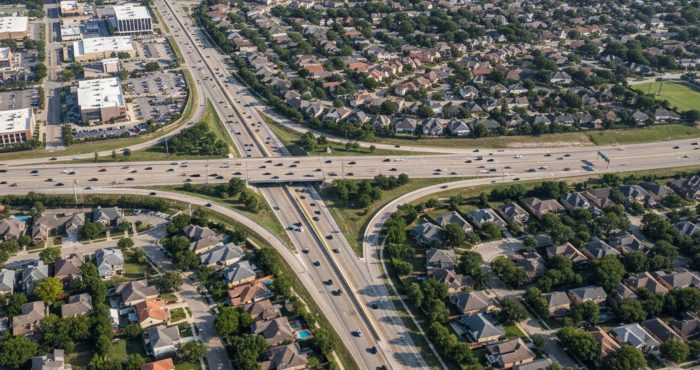
For those living in Dallas and looking to move north, the Dallas-Fort Worth metroplex continues to expand with robust local infrastructure. Two of the most prominent residential hubs in North Texas are Plano and Carrollton. Both municipalities offer distinct housing styles, significant commercial development, and extensive public transit networks.

Choosing between these cities comes down to evaluating objective data points like median home prices, commute times, and property tax rates. Buyers prioritizing proximity to major airports often lean one way, while those seeking expansive master-planned commercial districts may look the other. This guide compares the factual realities of both markets to help you determine which location aligns with your purchasing goals.

Relocating to the northern Dallas suburbs requires a clear understanding of how micro-markets operate within the broader region. Real estate values and neighborhood features can shift dramatically from one zip code to the next. Analyzing the specific infrastructure and housing inventory of each city ensures you make a sound investment.


Housing Markets, Property Types, and Median Price Ranges

Understanding the localized housing inventory is the first step in comparing these two Dallas suburbs. Both cities provide a wide spectrum of property styles, but they cater to different baseline budgets. Real estate pricing in this region heavily reflects the age of the housing stock and the proximity to major commercial hubs.

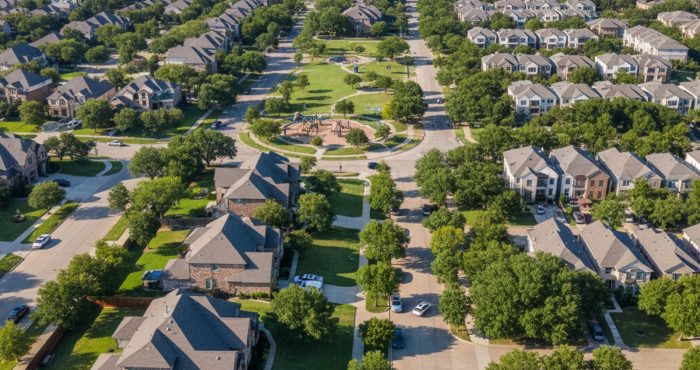
In 2026, the median home price in Plano sits approximately between $500,000 and $540,000. When researching homes for sale in Plano, buyers looking in the western portion of the city typically encounter large single-family homes with extensive square footage and premium finishes. These western neighborhoods often feature strict homeowners associations and master-planned streetscapes.

East Plano features older, more established properties that often require updating but provide mature trees and larger lot sizes. The housing density is slightly lower in these eastern sections, offering a different architectural feel. Buyers focused on mid-century designs frequently target this side of the city for renovation projects.

Carrollton presents a different financial entry point, with current median home prices ranging from $390,000 to $430,000. The housing market here includes a strong mix of traditional single-family homes built in the late twentieth century. You will also find a growing inventory of newer townhome developments clustered near major transit centers.

This pricing gap means buyers generally secure more interior space and larger lots for their money in Carrollton. The property tax burden also scales with these purchase prices, making the overall monthly payment noticeably different between the two municipalities. Evaluating your required square footage against your budget is essential before touring properties.

The clear takeaway for buyers is that budget and desired property style will heavily dictate the target city. Plano offers a massive inventory of higher-end properties, while Carrollton delivers a more accessible price point for standard single-family layouts.


Cost of Living and Property Tax Rates

Texas does not levy a state income tax, which shifts the burden of funding public services directly onto property taxes. This makes understanding the local tax assessment crucial when calculating your monthly housing costs. Municipal rates, county taxes, and school district levies all combine to form the final annual bill.

Plano residents typically see a combined property tax rate of approximately 1.71 percent. This total encompasses the city rate, Collin County taxes, and the local school district assessment. Because a large portion of Plano sits in Collin County, the valuation trends here can heavily influence year-over-year tax increases.

Homebuyers in Plano should also account for mandatory homeowners association dues, which are prevalent in the western and northern neighborhoods. These fees cover the maintenance of community pools, private parks, and landscaped medians. Factoring these monthly dues into your budget alongside the 1.71 percent tax rate is vital for accurate financial planning.

Carrollton spans portions of Denton, Dallas, and Collin counties, meaning a resident’s tax burden depends entirely on their specific address. The baseline city tax rate for Carrollton is roughly 0.5375 percent, but the total combined bill will fluctuate based on the overlapping county and school district. Buyers must verify the exact tax breakdown for any individual property before making an offer.

Texas homeowners can mitigate some of this property tax burden by filing for a residential homestead exemption. This exemption removes a portion of the home’s appraised value from taxation, lowering the final bill in either city. It also places a cap on how much the taxable value can increase from one year to the next.

The most critical takeaway regarding North Texas taxes is that municipal rates are only a fraction of the story. School district assessments generally make up the largest portion of the tax bill in both Plano and Carrollton. Always request a detailed property tax history from your real estate agent to avoid unexpected monthly payment adjustments.


Transportation Infrastructure and Commute Times

Commuting logistics play a major role in real estate decisions across the Dallas-Fort Worth metroplex. Both municipalities benefit from direct access to major tollways and interstate highways. The Dallas Area Rapid Transit system also provides light rail service to both cities, connecting residents directly to downtown Dallas.

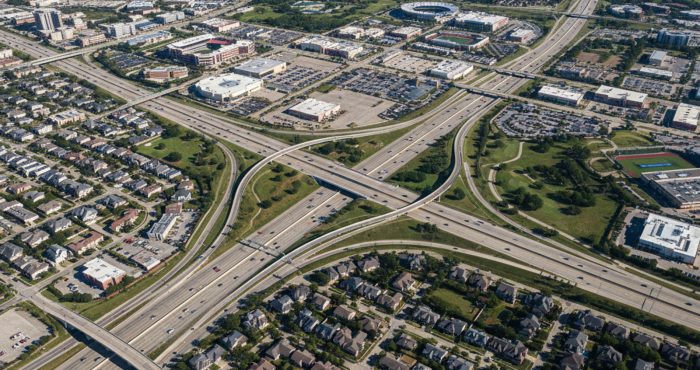
Plano relies heavily on US-75 and the Dallas North Tollway for primary north-to-south travel. These major arteries provide a direct path into the Dallas urban core and connect to the broader regional highway network. Residents utilizing the DART system can access the Red and Orange lines from multiple stations throughout the city.

Driving from Plano to DFW International Airport generally takes about 30 to 35 minutes under normal traffic conditions. The route typically involves utilizing the Sam Rayburn Tollway or the President George Bush Turnpike. During peak rush hour, these travel times can easily extend, requiring careful schedule planning for frequent travelers.

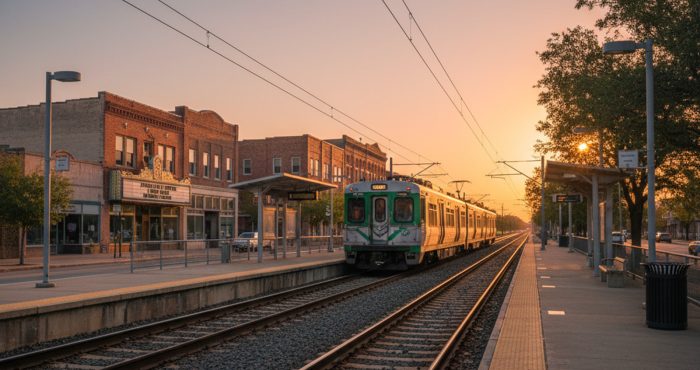
Carrollton is positioned further west, providing immediate access to I-35E and the President George Bush Turnpike. Transit riders in this area utilize the DART Green Line, which features several stations integrated into pedestrian-friendly mixed-use developments. This geographic positioning gives Carrollton a distinct advantage for regional mobility.

The drive times from Carrollton to DFW International Airport average just 15 to 25 minutes. This straight-shot access via the tollway bypasses much of the heavy central Dallas congestion, making it a major selling point for corporate professionals.

For real estate investors and buyers, the commute takeaway is heavily dependent on the employment destination. Frequent flyers and those working in the western portion of the metroplex will find Carrollton highly efficient. Buyers commuting to the telecom corridor or the northern tollway business parks will likely prefer the highway access found in Plano.


Educational Infrastructure: PISD vs. CFBISD

The public education infrastructure is a major consideration for many buyers moving to the northern Dallas suburbs. Plano and Carrollton are served by two distinct, massive independent school districts. Evaluating these districts involves looking at the sheer scale of the campuses and the specialized academic programs available.

Plano Independent School District operates as the primary educational network for Plano residents. The district manages dozens of campuses and supports a massive student population with a wide array of specialized academic facilities. Property values within specific PISD attendance zones often reflect the high demand for housing near these campuses.

The senior high school system in Plano utilizes a unique structural model that separates upperclassmen. Students attend standard high schools for ninth and tenth grades before moving to dedicated senior high campuses for eleventh and twelfth grades. This format allows the district to consolidate advanced placement courses and specialized career training facilities.

Carrollton is primarily served by the Carrollton-Farmers Branch Independent School District. This district also manages a large portfolio of elementary, middle, and high school campuses across multiple municipalities. CFBISD maintains a strong focus on integrating technology and career-readiness programs into its standard curriculum.

The district features several specialized academies that allow students to focus on specific career paths, including engineering and health sciences. These programs draw students from across the district boundaries, providing unique educational opportunities. The presence of these facilities adds distinct value to the surrounding residential neighborhoods.

A crucial detail for homebuyers is that school zoning borders rarely align perfectly with municipal city limits. A home with a Carrollton address might be zoned for a neighboring district, and the same applies to the outer edges of Plano. Always verify the exact school zoning assignments through the official district portals rather than relying solely on the property zip code.


Local Amenities, Parks, and Recreational Facilities

Access to commercial retail and outdoor recreation significantly impacts property values in North Texas. Both cities maintain extensive parks departments and support large-scale commercial developments. The primary difference lies in the scale and style of these local amenities.

Plano is renowned for its massive commercial hubs, most notably Legacy West and the Shops at Legacy. These sprawling developments feature high-end dining, luxury retail, and significant corporate office spaces. The integration of residential lofts and apartments within these centers creates a dense, urban-style environment in the middle of the suburb.

On the recreational side, the city maintains thousands of acres of dedicated parkland. Arbor Hills Nature Preserve and Oak Point Park are standout facilities, offering extensive hiking trails and natural landscapes. These parks provide residents with off-road cycling paths, pavilions, and large open spaces right inside the city limits.

Carrollton provides a different pace, anchored by its historic downtown square. This revitalized central district features independent restaurants, boutique shopping, and seasonal community events. The architecture preserves the mid-century aesthetic of the original town, offering a stark contrast to modern mixed-use developments.

The city also prioritizes green space, maintaining the expansive Green Trail system that connects various neighborhoods. The Elm Fork Nature Preserve offers residents a densely wooded environment for hiking and wildlife observation along the Trinity River corridor. These interconnected trails make it easy for residents to navigate the city without relying entirely on major roadways.

The takeaway for buyers is a choice between sprawling modern development and historic, localized charm. Plano delivers master-planned commercial centers, whereas Carrollton offers a more traditional suburban layout with a strong emphasis on continuous greenbelt trails.

Your Advantage With Bale Real Estate Group

Buying or selling in Plano requires a clear strategy. The Bale Real Estate Group helps clients navigate pricing, competition, and how to position a home to attract serious buyers from day one. For sellers, that includes professional staging, targeted marketing, Zillow Showcase exposure, and our Certified Pre-Owned Home Listing Program. The goal is simple: create demand and deliver stronger results.

Frequently Asked Questions

Are housing costs lower in Carrollton or Plano?

Carrollton consistently features lower median home prices than Plano across the general real estate market. The 2026 median price in Carrollton sits between $390,000 and $430,000, making it a more accessible entry point for buyers. Plano’s median of $500,000 to $540,000 is heavily skewed by the dense concentration of luxury real estate in the western portion of the city.

Which city offers a shorter commute to DFW Airport?

Carrollton offers a noticeably shorter commute to DFW International Airport due to its western geographic positioning. Drivers can typically reach the airport terminals in 15 to 25 minutes using the President George Bush Turnpike or State Highway 121. In contrast, residents traveling from Plano should expect a drive time of 30 to 35 minutes under standard traffic conditions.

Posted in: Dallas Real Estate, Home Buying, Market Updates, Plano Real Estate, Relocating to North Dallas Tagged: 2026 Housing Market, Arbor Hills Nature Preserve, Buyer Guide, Carrollton Real Estate, Carrollton-Farmers Branch ISD, Cost of Living, Dallas Area Relocation, DART Rail, DFW Airport, Legacy West, North Texas Real Estate, Plano ISD, Plano Real Estate, Plano TX vs Carrollton, Property Taxes, Relocation Guide

Moving to North Texas: The 2026 Buyer’s Guide to Getting Around Plano TX


When looking at homes for sale in Plano, understanding the local transportation network is just as important as the property itself. This major suburb sits strategically within the Dallas-Fort Worth metroplex, offering a mix of sprawling highway infrastructure and expanding public transit. Getting around Plano TX efficiently requires knowing which toll roads to take and how to leverage the local rail system.

Whether you commute daily to Downtown Dallas or travel frequently out of DFW Airport, your daily route will heavily influence where you choose to live. The city has recently seen massive upgrades to its transit systems, making navigation more efficient than ever for new residents in 2026. Buyers who map out their commute before purchasing often find they can save hours of weekly travel time.


Driving and Commuting in Plano

Most residents in North Texas rely on a personal vehicle for their daily commute. Plano is anchored by three primary routes that dictate traffic flow across the broader region. Understanding how these highways intersect is critical for estimating your daily travel times before committing to a neighborhood.

The Dallas North Tollway borders the western edge of the city, providing a straight shot southward into the Dallas core. On the southern border, the President George Bush Turnpike connects drivers east and west across the wider metroplex. Meanwhile, US Highway 75 serves the eastern neighborhoods, acting as a major non-tolled artery for north-south travel.

Because the North Texas Tollway Authority manages the major expressways here, acquiring a TollTag is practically mandatory for daily drivers. Commuting to Downtown Dallas typically takes 40 to 60 minutes during peak rush hour, though that drops closer to 30 minutes in light traffic. The TollTag system automatically deducts fares as you drive, eliminating the need to stop at toll booths entirely.

If your job requires frequent air travel, reaching Dallas Fort Worth International Airport by car takes roughly 30 to 45 minutes. Selecting a home near one of these major highway access points can easily streamline your weekly routine. Traffic conditions fluctuate heavily, so mapping your drive during actual rush hour is always recommended before making a final housing decision.


Dallas Area Rapid Transit (DART) Services

For buyers who prefer to skip the highway traffic, the Dallas Area Rapid Transit system provides a robust alternative. Plano serves as a major northern hub for this sprawling regional transit network. Utilizing public transit here is a highly viable option for those working in central Dallas or near the airport.

The city is currently served by three primary rail connections that cater to different commuting needs:

  • The Red Line terminates at the Parker Road station, offering a direct rail connection to Downtown Dallas in about 45 to 50 minutes.
  • The Orange Line extends into the city during peak commuting hours, providing additional capacity for riders heading south.
  • The Silver Line commuter rail, which opened in late 2025, gives residents a direct, train-to-terminal transit link straight into DFW Airport Terminal B.

Beyond the trains, local bus routes and the GoLink on-demand shuttle service bridge the gap between residential streets and main transit hubs. GoLink operates in specific zones, allowing riders to request a shuttle pickup right from their smartphone. This multimodal approach ensures that even neighborhoods located further from the rail stations remain seamlessly connected.

Riders can manage all of their trips using the GoPass app, which simplifies the entire public transit experience. The application offers real-time tracking, contactless payment, and fare capping to keep daily commuting costs predictable. Fare capping ensures that once you spend a certain amount in a day or month, all subsequent rides are completely free.


Navigating Plano Without a Car

While the broader Dallas-Fort Worth metroplex is famous for its car-centric layout, certain pockets of Plano offer excellent walkability. Buyers seeking a lifestyle where they can walk to dining and amenities should focus their search on specific centralized zones. These areas command a premium but deliver a highly convenient, pedestrian-focused environment that is rare in the suburbs.

Historic Downtown Plano features dense, walkable streets lined with local restaurants, retail spaces, and immediate access to the DART rail. On the western side of the city, the Legacy Business Park and the surrounding Shops at Legacy provide a master-planned, mixed-use setting. In these districts, residential units sit just steps from major employment centers and entertainment venues.

For cyclists, the city maintains an extensive network of shared-use paths and continuous sidewalks that connect neighborhoods to local parks. The newly completed Cotton Belt Regional Trail, which parallels the Silver Line, has drastically improved non-motorized travel across the northern suburbs. This paved path provides a dedicated route for both commuting cyclists and weekend recreational riders.

Living entirely car-free in Plano is challenging unless you reside directly within one of these specific mixed-use districts. However, relying on a multimodal approach – combining a bicycle with the DART train – is a highly practical way to navigate the area. Most residents find that keeping a car for weekend errands while using transit for the workday offers the best balance.


Ridesharing and Regional Connectivity

When public transit does not align with your schedule and you prefer not to drive, ridesharing easily fills the gaps. Uber, Lyft, and other ridesharing company services operate heavily throughout the city at all hours. Wait times are generally very short, even in the more sprawling residential neighborhoods located on the city edges.

A typical rideshare trip from Plano into central Dallas usually costs between $30 and $60, depending on surge pricing and your exact drop-off location. This makes it an easy option for evening events or quick trips across town without worrying about parking. For longer temporary needs, numerous car rental agencies are stationed throughout the city to accommodate residents and visitors.

The city’s centralized location also makes it incredibly easy to reach neighboring communities without a complex transit plan. The seamless blend of transit and highway networks provides quick access to major employment hubs in Richardson, Texas. You can also easily connect to broader regional transit systems heading out toward Fort Worth, Texas.

For those requiring specialized transport, the city and DART offer comprehensive Paratransit services. These programs ensure that riders with disabilities have reliable, accessible transportation options throughout the week. Eligible residents can schedule specialized pickups to reach medical appointments, grocery stores, and community centers with complete ease.

Why Buyers and Sellers Choose Bale Real Estate Group

Buying or selling in Plano requires more than just timing the market. The Bale Real Estate Group helps clients understand pricing, competition, and how to position a home so it stands out immediately. For sellers, that includes strategic pricing, professional staging, targeted marketing, Zillow Showcase exposure, and our Certified Pre-Owned Home Listing Program. The goal is simple: maximize exposure and drive stronger offers.

Frequently Asked Questions About Getting Around Plano

Does Plano have public transportation?

Yes, the city is heavily integrated into the Dallas Area Rapid Transit network. Residents utilize light rail, commuter rail, traditional local bus routes, and on-demand GoLink shuttles for daily travel. This robust infrastructure makes it one of the most transit-connected suburbs in North Texas.

Which DART line goes to Plano?

The city is primarily served by the Red Line, which connects the Parker Road station directly to Downtown Dallas. The Orange Line provides additional peak-hour service, and the newly opened Silver Line offers commuter rail access straight to DFW Airport.

Is Plano, Texas a walkable city?

While the overall suburb requires a vehicle for most daily errands, specific districts offer high walkability. Historic Downtown and the Legacy Business Park feature dense, pedestrian-friendly layouts with immediate access to dining and transit. Outside of these zones, continuous sidewalk networks and trails support recreational walking rather than practical commuting.

Posted in: Home Buying, Plano Real Estate, Relocating to North Dallas Tagged: Buyer Guide, Dallas North Tollway, DART Rail, DART Red Line, DART Silver Line, DFW Airport, Downtown Plano, Getting Around Plano TX, GoLink, Legacy West, Plano Real Estate, Plano Transportation, Plano TX, President George Bush Turnpike, Relocation Guide, The Shops at Legacy, US 75

Evaluating the Job Market Plano TX Offers: 2026 Relocation Guide


Relocating to North Texas requires a solid grasp of the local economy before committing to a home purchase. Understanding the job market Plano TX provides is a crucial first step for anyone planning a relocation. Buyers often prioritize this area because of its transition from a quiet suburb to a massive center of commerce.

Steady employment opportunities directly influence housing demand and long-term property values. Whether you are looking for homes for sale in Plano or simply evaluating the region for a future move, understanding the local corporate landscape is essential. The city offers a unique blend of high-paying roles, robust infrastructure, and diverse industries that support a resilient real estate market.

The broader North Texas region continues to attract massive investments, but this specific municipality stands out for its strategic planning. City officials have spent decades cultivating an environment that attracts top-tier corporations while maintaining high-quality residential spaces. Prospective homebuyers who understand these economic drivers are better equipped to make informed real estate decisions.


Overview of the Job Market in Plano

Plano has evolved into a premier destination for corporate relocations and business expansions over the last decade. This steady influx of companies creates a constant demand for housing, keeping the local real estate market highly active. A strong local economy means buyers can feel more confident about the long-term retention of their property values.

Objective economic indicators highlight the impressive stability of the city. The early 2026 unemployment rate for Plano sits at approximately 3.5 percent, showcasing a tight labor market with plenty of opportunities. This local performance outpaces many national metrics and aligns well with the broader Texas job growth projection of roughly 1.1 percent for the year.

Many suburban housing markets across the country experience extreme volatility because they depend entirely on one major employer. The job market in Plano avoids this trap by maintaining a healthy mix of corporate headquarters, retail centers, and professional services. This balanced economic ecosystem ensures that property values remain steady even if one specific sector experiences a temporary slowdown.

Economic resilience here is driven by a wide variety of industries rather than a reliance on a single sector. Professionals easily find roles in accounting, customer service, technology, and healthcare. For prospective buyers, this diverse foundation means the city is less vulnerable to isolated industry downturns, making a home purchase a more secure long-term investment.


Top Employers and Corporate Headquarters

The massive corporate presence in the city is anchored by the highly developed Legacy West development. This sprawling district serves as a primary economic engine, drawing thousands of professionals to the region every day. The concentration of business hubs directly fuels demand for nearby residential neighborhoods and modern apartment complexes.

Beyond the immediate office spaces, the Legacy West development integrates high-end retail and dining options that serve the local workforce. This mixed-use approach creates a vibrant atmosphere that appeals strongly to relocating professionals seeking convenience. Real estate investors often target properties near these mixed-use centers because the tenant demand from corporate employees remains incredibly consistent.

Many globally recognized brands have chosen to establish their corporate headquarters or major regional campuses within the city limits. These operations bring a massive variety of specialized jobs in Plano, ranging from executive leadership to technical support. The proximity of these massive campuses to residential areas allows many locals to enjoy a remarkably short daily commute.

The local employment landscape is dominated by several massive corporate campuses. Some of the most notable major employers driving the local economy include:

  • Toyota Motor North America, which operates a massive headquarters supporting thousands of administrative and corporate roles.
  • Liberty Mutual, offering extensive opportunities in insurance, customer service, and corporate strategy.
  • JPMorgan Chase, which anchors a significant portion of the local finance and banking sector.
  • Capital One, providing a massive regional hub for tech development, finance, and human resources.

While these massive corporate campuses command the most attention, the city of Plano also supports a thriving network of mid-sized businesses. Supply chain logistics, regional healthcare providers, and specialized consulting firms provide thousands of additional job opportunities. This dense concentration of diverse employers ensures that residents have ample room for career advancement without needing to relocate.

The constant hiring needs of these major corporations ensure a steady stream of relocating professionals entering the housing market. Buyers competing for properties near these headquarters should expect sustained demand, as proximity to work remains a top priority. Securing a home near these employment centers is a proven strategy for maximizing long-term real estate appreciation.


Average Salary and Economic Growth

Earning potential in the area strongly supports the local cost of living and the competitive housing market. Average salaries in Plano generally range from approximately $77,000 to well over $92,000, depending heavily on the specific sector and level of experience. These figures consistently outpace the national average, giving residents substantial purchasing power.

High compensation levels are particularly common in the tech, finance, and executive management sectors. When local salaries remain strong, residents are better positioned to navigate property taxes, home maintenance, and mortgage requirements. This purchasing power creates a stable environment for sellers, as there is a consistent pool of qualified buyers ready to enter the market.

The prevalence of high-paying roles also means that dual-income households in the area often possess significant financial leverage. When both partners have access to competitive salaries in Plano, buyers can confidently explore premium real estate options. This combined purchasing power is a major reason why the local housing market sustains its strong pricing compared to neighboring suburbs.

While the cost of living here is higher than in some rural Texas towns, the elevated average salaries more than compensate for the difference. Buyers quickly realize that the income potential heavily outweighs the local tax rates and housing premiums. Ultimately, the strong compensation packages offered by local employers make homeownership highly attainable for dedicated professionals.

Projected job growth statistics indicate that the region will continue to expand its economic footprint. Emerging opportunities in software development and financial technology are actively driving up average compensation packages. For anyone considering living in Plano, this upward trajectory signals a healthy, forward-moving local economy.


Commuting and Local Infrastructure

A strong employment sector requires robust transportation infrastructure to keep professionals moving efficiently. The city is highly connected by major arterial routes, including the Dallas North Tollway and the Sam Rayburn Tollway. These thoroughfares allow residents to navigate between corporate campuses and residential zones with relative ease.

Homebuyers frequently select their specific neighborhoods based on their preferred access to these major transportation arteries. Properties located within a five-minute drive of the Dallas North Tollway historically command a premium due to the sheer convenience. Buyers must balance their desire for a short commute with their overall budget when navigating the local housing market.

While many residents work locally, those commuting to neighboring economic hubs still enjoy manageable travel times. A typical drive to downtown Dallas takes approximately 30 to 45 minutes, depending heavily on peak traffic patterns. Understanding these commute times is crucial for buyers trying to choose the right location for their daily routine.

City planners continue to invest in roadway expansions and smart traffic management systems to accommodate the growing workforce. These ongoing infrastructure improvements help mitigate the congestion that typically accompanies massive corporate expansions. For real estate investors, these civic investments signal a long-term commitment to maintaining the city’s status as a premier employment destination.

Public transit options also play a significant role in supporting the local workforce. The DART system provides extensive rail and bus networks that connect the city to the broader Dallas-Fort Worth metroplex. This infrastructure offers a practical alternative for professionals who prefer to avoid highway traffic during rush hour.

Regional connectivity recently saw a massive upgrade with the completion of the DART Silver Line in late 2025. This new rail service provides a direct connection from the city to DFW International Airport, boasting an approximate travel time of just 58 minutes. For traveling professionals and corporate executives, this direct airport access makes the area exceptionally appealing.

Why Homeowners Choose Bale Real Estate Group

Buying or selling in Plano requires more than just timing the market. The Bale Real Estate Group helps clients understand pricing, competition, and how to position a home to stand out from day one. For sellers, that includes strategic pricing, professional staging, targeted marketing, Zillow Showcase exposure, and our Certified Pre-Owned Home Listing Program. The goal is simple: create stronger demand and better results in today’s market.

Frequently Asked Questions

What is a good salary in Plano, TX?

A good salary in the area typically aligns with the local averages of $77,000 to $92,000, which provides comfortable purchasing power for housing. Earning above this range is common in specialized finance and technology roles. This level of income generally allows residents to comfortably manage local property costs and living expenses.

Is Plano’s job market reliant on the tech sector?

The local economy is highly diversified and does not rely solely on technology companies for stability. While tech roles are prominent, the city features massive employment bases in finance, insurance, manufacturing, and consumer goods. This diverse corporate presence protects the local housing market from volatility in any single industry.

Posted in: Home Buying, Market Updates, Plano Real Estate, Relocating to North Dallas Tagged: 2026 Market Guide, Buyer Guide, Capital One Plano, Corporate Relocation, Dallas North Tollway, DART Silver Line, DFW Airport, Job Market Plano TX, JPMorgan Chase Plano, Legacy West, Liberty Mutual Plano, North Dallas Real Estate, Plano Economy, Plano Jobs, Plano Real Estate, Plano Relocation, Relocation Guide, Toyota Plano

Frisco vs. Carrollton: Commute and Value Comparison

If you are looking at homes north of Dallas, you have likely hit a very common fork in the road. On one side, you have the shiny, polished allure of Frisco. On the other, you have the practical, central convenience of Carrollton.

I talk to buyers about this tradeoff constantly. It usually comes down to a battle between the “dream home” lifestyle and the reality of your daily schedule. Frisco offers the “new” factor—newer homes, newer schools, and massive mixed-use developments. Carrollton offers the “time” factor—a significantly shorter commute and a much lower mortgage payment for the same square footage.

Let’s break down the numbers and the daily reality so you can decide which city fits your life.


Frisco vs. Carrollton: The Core Tradeoff

Think of Frisco as the “destination” suburb and Carrollton as the “connected” suburb. Frisco is located in Far North Dallas. It has exploded in growth over the last two decades, meaning most of what you see there was built after 2000. It feels grand, manicured, and very intentional.

Carrollton, by contrast, is an “inner-ring” suburb that borders Dallas proper. It was largely developed in the 1970s and 80s. It doesn’t have the same “brand new” shine, but it has something Frisco can’t buy: location.

Here is the main thesis I tell my clients: Choose Frisco if you want top-tier schools and a luxury lifestyle and don’t mind paying for it with both money and drive time. Choose Carrollton if you want to save 20 minutes on your commute and $200,000 on your mortgage.


Commute Deep Dive: The Real Cost of Distance

For many professionals, this is where the decision is actually made. When you look at a map, Frisco and Carrollton seem like neighbors. In rush hour traffic, they are worlds apart.

The Drive to Downtown

If you work in Downtown Dallas, Carrollton is the clear winner. You are looking at a commute of roughly 15 miles. Depending on where you live in the city, you have multiple options, including I-35E, the Dallas North Tollway (DNT), or even surface streets if the highways jam up. You can usually get downtown in 25 to 35 minutes.

Frisco is a different story. You are about 28 miles north of the city center. During rush hour, that drive often stretches to 45 or even 60+ minutes. There are fewer bail-out routes; you are heavily reliant on the Dallas North Tollway, which can become a parking lot during peak times.

The “Toll Tax”

We need to talk about the hidden cost of living in Frisco: tolls. Commuting from Frisco to Dallas essentially mandates using the DNT. If you are driving round-trip five days a week, you are looking at roughly $7 to $8 a day with a TollTag. That adds up to over $150 a month—or nearly $2,000 a year—just for the privilege of driving to work.

Carrollton drivers often have the option to take I-35E, which is toll-free (unless you opt for the Express Lanes). This offers significant monthly savings that many buyers forget to factor into their budget.

The Public Transit Wildcard

This is a massive differentiator. Frisco opted out of the DART (Dallas Area Rapid Transit) system years ago. There are no trains and limited bus options. You must have a car to survive there.

Carrollton is fully integrated into DART. The Green Line runs right through the city with a major hub at the Downtown Carrollton Station. If you work downtown or at the Medical Center, you can park your car, hop on the train, and read a book while you commute. For some buyers, this access alone seals the deal.

Airport Access

If you are a consultant or travel frequently, Carrollton is arguably the best location in the metroplex. You are roughly 15 to 20 minutes from both DFW International and Dallas Love Field. From Frisco, getting to DFW can take 30 to 45 minutes depending on traffic on Highway 121, and getting to Love Field is a long haul south.


Cost of Living & Housing Market (2026 Update)

When we look at homes for sale in Frisco versus Carrollton, we are comparing two different financial tiers.

Home Prices

The price gap is real. As of 2026, the median home value in Frisco hovers between $650,000 and $700,000. For that price, you are typically getting a home built in the last 15 years with modern open floor plans, high ceilings, and community amenities.

In Carrollton, the median sits closer to $415,000 to $450,000. Your money goes much further here, but the inventory is older. A $500,000 budget in Carrollton might get you a fully renovated 1980s home with a pool and mature trees. In Frisco, $500,000 is often the entry point for a smaller starter home or a townhome.

The Tax Rate Paradox

This confuses almost every buyer I work with. You will often hear that Frisco has a lower tax rate than Carrollton. This is generally true. Frisco’s rate is often around 2.1% to 2.2% because their massive commercial developments (like The Star and corporate HQs) help subsidize the residential tax base. Carrollton’s rate is typically higher, often around 2.5% to 2.6%.

However, do not let the rate fool you. Because homes in Frisco are significantly more expensive, your actual annual tax bill is usually higher.

  • 2.6% on a $450,000 Carrollton home = ~$11,700/year.
  • 2.2% on a $700,000 Frisco home = ~$15,400/year.

Housing Stock and HOAs

If you hate Homeowners Associations (HOAs), Frisco might be tough for you. Almost every neighborhood in Frisco is a master-planned community with mandatory HOAs that enforce strict rules on everything from fencing to lawn ornaments.

Carrollton is a mix. While there are some HOA communities, many of the established neighborhoods have voluntary associations or no HOA at all. If you want to park a boat in your driveway or paint your front door a unique color, you will have an easier time finding a place to do that in Carrollton.


Schools & Education: Frisco ISD vs. CFBISD

For families with school-aged children, the school district is often the primary driver for moving to Frisco.

Frisco ISD

Frisco ISD is a powerhouse. It is consistently A-rated and is famous for its “small school model.” Rather than building massive high schools with 5,000 students, they build more schools to keep student populations smaller, allowing more kids to participate in sports and arts. The facilities are college-level, especially with partnerships like The Star. If you want the “Friday Night Lights” experience with top-tier AP offerings, this is it.

Carrollton (CFBISD and LISD)

Most of Carrollton falls under the Carrollton-Farmers Branch ISD (CFBISD), though some northern parts are in Lewisville ISD (LISD). CFBISD is a solid district that often earns B ratings. While it lacks the uniform “prestige” branding of Frisco, it has incredible magnet programs, International Baccalaureate (IB) options, and strong dual-language programs.

The Value Play

Here is the hard truth: If you do not have school-aged children, or if your children are in private school, paying the “Frisco Premium” on your home price might not make financial sense. You are paying for a school system you aren’t using. For empty nesters or young professionals, Carrollton offers a way to opt out of that premium while still living in a safe, well-maintained community.


Lifestyle: The Star vs. Koreatown

The “vibe” of these two cities could not be more different.

Frisco feels like a “Disney” suburb. It is polished, grand, and new. It is the home of the Dallas Cowboys World Headquarters at The Star, the PGA of America, and FC Dallas. The social scene revolves around high-end retail at places like Legacy West (just over the border) and large-scale entertainment districts. It is fantastic for youth sports and luxury shopping.

Carrollton is the cultural hub. It feels more grounded and authentic. It is home to the “Asian Town Center” at Old Denton Road and George Bush Turnpike. This is the place to go for authentic Korean BBQ, H Mart, K-Pop stores, and arguably the best diverse dining scene in the metroplex. It also features a charming Historic Downtown square with independent shops and breweries. If you prefer hole-in-the-wall gems over national chains, you will prefer the lifestyle here.

Green space is different, too. Frisco has massive, manicured sports parks. Carrollton utilizes its natural landscape better, with extensive Greenbelt trails and nature preserves that feel a bit more wild and secluded.


Verdict: Who Wins?

There is no bad choice here, only the choice that fits your stage of life.

Choose Frisco If:

  • You prioritize highly-rated schools and modern educational facilities.
  • You want a newer home with high ceilings, open concepts, and community amenities.
  • You want the “luxury suburb” feel and don’t mind the higher price tag.
  • You work remotely or in the northern suburbs (Plano/Frisco) and don’t have to commute downtown.

Choose Carrollton If:

  • You work in Downtown Dallas, near the airports, or need central access to the whole metroplex.
  • You want to maximize your budget and get more house for your money.
  • You value food culture, diversity, and a more “down to earth” neighborhood feel.
  • You prefer mature trees and character over new construction and HOAs.

Your Advantage With Bale Real Estate Group

Buying or selling in Frisco requires a clear strategy. The Bale Real Estate Group helps clients navigate pricing, competition, and how to position a home to attract serious buyers from day one. For sellers, that includes professional staging, targeted marketing, Zillow Showcase exposure, and our Certified Pre-Owned Home Listing Program. The goal is simple: create demand and deliver stronger results.

Frequently Asked Questions

Is the commute from Frisco to Dallas really that bad?

Yes, you need to be prepared for it. While it is a manageable 35 minutes on a Sunday, rush hour traffic on the Dallas North Tollway can easily push the drive to an hour or more each way. If you commit to living in Frisco and working downtown, you are committing to spending 10+ hours a week in your car.

Which city has lower property taxes, Frisco or Carrollton?

Technically, Frisco usually has a lower tax rate (around 2.2%). However, because the average home price in Frisco is $200,000+ higher than in Carrollton, your actual annual tax bill will almost certainly be higher in Frisco.

Is Carrollton safer than Frisco?

Both cities are considered very desirable places to live with strong community policing. Frisco is often cited as one of the safest cities in the country due to its newer infrastructure and affluence, but Carrollton also maintains low crime rates and a strong reputation for safety, particularly in its established residential neighborhoods.

Can I take public transit from Frisco to Dallas?

No, not directly. Frisco does not have DART rail service. To take the train, you would have to drive south to a Plano station. Carrollton, however, has direct access to the DART Green Line, which can take you straight into Downtown Dallas without fighting traffic.

Posted in: Community Guides, Frisco Real Estate, Home Buying, Market Updates, Relocating to North Dallas Tagged: 2026 Housing Market, Buyer Guide, Carrollton Real Estate, Carrollton-Farmers Branch ISD, Commute Times, Cost of Living, Dallas Love Field, Dallas North Tollway, DART Green Line, DFW Airport, Frisco ISD, Frisco Real Estate, Frisco vs Carrollton, Historic Downtown Carrollton, Koreatown Carrollton, Legacy West, Lewisville ISD, North Dallas Real Estate, PGA Frisco, Property Taxes, Relocation Guide, The Star Frisco

Frisco vs The Colony: Which North Dallas Suburb Fits Your Lifestyle?

If you are looking at homes along the booming Highway 121 corridor, you have likely narrowed your search down to two heavy hitters: Frisco and The Colony. On a map, they look like neighbors separated only by a highway. In reality, living in Frisco vs The Colony offers two very distinct experiences.

Frisco is the polished, master-planned corporate powerhouse known for its rapid growth and immaculate aesthetic. It feels like the “new downtown” of the northern suburbs. On the other side of the highway, The Colony offers a more eclectic, recreational vibe with direct access to Lake Lewisville and some of the best entertainment districts in the metroplex.

For many buyers, the choice comes down to budget, vibe, and priorities. Frisco generally appeals to those looking for top-tier school ratings and consistent property appreciation, while The Colony attracts buyers wanting more affordability, lakeside living, or a more relaxed atmosphere.


Cost of Living & Housing Market Comparison

Let’s get right to the numbers, because this is usually where the decision-making process starts. Generally speaking, Frisco is the more expensive market, but the math isn’t as straightforward as just looking at the price tag.

Home Prices and Rent In Frisco, the median home price typically hovers in the high $500,000s to $700,000 range. You are paying a premium for the address, the school district, and the newer infrastructure. If you are looking for new construction homes in Frisco, the price point often pushes even higher.

The Colony, by contrast, offers a lower barrier to entry. You can often find decent single-family homes in the low $400,000s. This makes it an attractive option if you want to buy your first home or need more square footage for your dollar. Renting follows a similar trend, though high-demand luxury apartments near Grandscape have narrowed the rental gap between the two cities.

The Property Tax Twist Here is where you need to pay close attention. A lower home price in The Colony doesn’t always equal a proportionately lower monthly payment.

Frisco generally has a lower total property tax rate, often around 1.7% to 1.8%. The Colony usually has a higher base tax rate, often exceeding 2.0%. Furthermore, if you are looking at “New Colony” developments like The Tribute or Austin Ranch, you might encounter MUD (Municipal Utility District) or PID (Public Improvement District) taxes. These can push your total tax obligation closer to 2.7%.

So, while you get “more house for less money” in The Colony, be sure to calculate your estimated monthly taxes carefully. A $450,000 home with a 2.7% tax rate carries a tax bill similar to a much more expensive home in a low-tax area.


School Districts: Frisco ISD vs. Lewisville ISD

For many households, schools are the primary driver of the home search. Both cities offer solid educational opportunities, but they operate differently.

Frisco ISDFrisco ISD is often considered the “gold standard” for buyers in this region. It is rated “A” (90/100) by the state and is famous for its “small school model.” Instead of building massive high schools with thousands of students, Frisco builds more high schools to keep student counts lower. This is designed to give more students a chance to participate in sports, arts, and leadership roles.

Lewisville ISD (The Colony) Most of The Colony is served by Lewisville ISD. LISD is a strong competitor, generally holding “B” to “A-” ratings. The district has a robust reputation for STEM programs and athletics. The Colony High School has deep community roots and a spirited atmosphere that many residents love.

It is also worth checking the specific zoning for any home you view. Boundaries can be tricky; some northern parts of Frisco actually fall into Prosper ISD or Lewisville ISD, and there are rare pockets where boundaries blur. Always verify the specific address before falling in love with a house.


Lifestyle & Entertainment: Corporate Polish vs. Lakeside Fun

The “vibe” difference is arguably the biggest differentiator between these two suburbs.

Frisco: Sports City USA Frisco feels manicured and corporate. It is known as “Sports City USA” for good reason—it is home to The Star (Dallas Cowboys World Headquarters), the PGA Headquarters, and FC Dallas. The dining scene leans toward upscale steakhouses and polished concepts, particularly around The Star and the nearby Legacy West area. If you like walking out of your office and into a high-end happy hour, Frisco fits the bill.

The Colony: City by the Lake The Colony feels more like a weekend destination. It calls itself the “City by the Lake,” and for good reason. You have direct access to Lake Lewisville for boating, fishing, and camping at Hidden Cove Park.

Then there is Grandscape. This massive entertainment district has completely changed the local landscape. Anchored by Scheels and Nebraska Furniture Mart, it features a Ferris wheel, an outdoor stage, and tons of patio dining. The vibe here is less “corporate lunch” and more “live music and beer,” especially at places like Truck Yard.


Commute & Location: Access to DFW Airport and Jobs

Since these cities are neighbors, you might think the commute is identical. However, small geographic differences can add up to 15 or 20 minutes of drive time depending on where you are headed.

DFW Airport Access The Colony wins this category handily. Because it sits further south and west along Highway 121, you can often get to DFW International Airport in about 20 to 25 minutes. From central or north Frisco, that drive is closer to 30 or 40 minutes, depending on traffic lights getting to the highway.

Downtown Dallas and Corporate HQs If you work in Downtown Dallas, Frisco offers a straight shot down the Dallas North Tollway (DNT). It is a direct, albeit busy, route. From The Colony, you often have to take Highway 121 to the Tollway or risk the traffic on I-35E, which can be unpredictable.

For those working at Toyota HQ or Legacy West, both locations are excellent. The Austin Ranch area of The Colony is practically across the street from these corporate hubs, making it a favorite for young professionals who want a five-minute commute.

Traffic Patterns One bottleneck to watch is Highway 423, which runs vertically through The Colony and western Frisco. It has seen massive development and can get congested. Frisco generally has more arteries (Preston, DNT, Custer, etc.) to disperse traffic, whereas The Colony relies heavily on 423 and 121.


Safety & Crime Rate Statistics

Safety is a top priority for anyone relocating to a new area. Both cities are generally considered safe places to live within the DFW metroplex, but the statistics show a slight difference.

Frisco is consistently ranked as one of the safest cities in America. In 2024, MoneyGeek ranked it the #2 safest city in the U.S. based on crime cost per capita. The high volume of new construction and master-planned subdivisions contributes to this environment.

The Colony is also statistically safe, though it tends to have slightly higher incident rates than Frisco. This is partly due to having older, denser neighborhoods and major entertainment districts that draw millions of visitors annually. As with any city, it is smart to check local police maps for specific neighborhood data before making a decision.

Why Buyers and Sellers Choose Bale Real Estate Group

Buying or selling in Frisco requires more than just timing the market. The Bale Real Estate Group helps clients understand pricing, competition, and how to position a home to stand out from day one. For sellers, that includes strategic pricing, professional staging, targeted marketing, Zillow Showcase exposure, and our Certified Pre-Owned Home Listing Program. The goal is simple: create stronger demand and better results in today’s market.

Frequently Asked Questions

Is it cheaper to live in Frisco or The Colony?

Generally, The Colony is cheaper regarding home prices and rent. You can typically buy a home for $100,000 to $200,000 less than a comparable property in Frisco. However, keep an eye on property taxes, as higher rates in The Colony can narrow the gap in your monthly payment.

Which city has better schools, Frisco or The Colony?

Frisco ISD generally holds higher state ratings (“A”) and is a major draw for buyers prioritizing education. Lewisville ISD, which serves The Colony, is a strong district with “B” to “A-” ratings and excellent specialized programs, so the “better” choice often depends on your specific student’s needs.

Does The Colony have high property taxes?

It can. While Frisco’s tax rate is often around 1.7%, The Colony’s rate is usually over 2.0%. If you buy in a newer development with MUD or PID assessments—like The Tribute—your total tax rate could approach 2.7%, which significantly impacts affordability.


The Verdict: Should You Move to Frisco or The Colony?

Choosing between Frisco vs The Colony ultimately comes down to what you value most in your daily life.

You should choose Frisco if:

  • You have a higher budget and want to maximize resale value.
  • Schools are your absolute number one priority.
  • You prefer a “new construction” feel with master-planned subdivisions.
  • You want quick access to the Dallas North Tollway for a downtown commute.

You should choose The Colony if:

  • You want a more affordable entry price into the housing market.
  • You love the idea of being minutes away from Lake Lewisville or Grandscape.
  • You need a shorter commute to DFW Airport.
  • You prefer an eclectic, entertainment-focused community over a corporate atmosphere.

Both cities offer an incredible quality of life. Whether you choose the polished streets of Frisco or the lakeside charm of The Colony, you are buying into one of the most dynamic regions in North Texas.

Posted in: Community Guides, Frisco Real Estate, Home Buying, Market Updates, Relocating to North Dallas Tagged: 2026 Housing Market, Austin Ranch, Buyer Guide, Dallas North Tollway, DFW Airport, Frisco ISD, Frisco Real Estate, Frisco vs The Colony, Grandscape, Highway 121, Lake Lewisville, Legacy West, Lewisville ISD, North Dallas Real Estate, PGA Frisco, Property Taxes, Relocation Guide, The Colony Real Estate, The Star Frisco, The Tribute

Bale Real Estate Group
(972) 469-0332
TREC - Information About Brokerage Services
TREC - Consumer Protection Notice
Site created by Michael Tritthart Team. | View Privacy Policy