Top 1% Frisco & Plano Realtors | Bale Real Estate GroupTop 1% Frisco & Plano Realtors | Bale Real Estate Group

Top 1% North Texas luxury real estate team with $50M+ in sales and 80+ 5-star reviews. Frisco, Plano, Preston Hollow & North Dallas.

  • Home
  • Search
  • Communities We Serve
    • Allen
    • Aubrey
    • Celina
    • Coppell
    • Dallas
      • Oakdale
    • Frisco
      • Country Club Ridge at The Trails
      • Custer Creek Farms
      • Griffin Parc
      • Heather Ridge Estates
      • Shaddock Creek Estates
      • Newman Village
      • Phillips Creek Ranch
      • Richwoods
      • Starwood
      • Stonebriar
      • The Canals at Grand Park
      • The Fairways
      • The Hills of Kingswood
      • Villages of Stonebriar Park
    • McKinney
    • Park Cities
    • Plano
      • Avignon Windhaven
      • Cliffs of Gleneagles
      • Crystal Creek
      • Deerfield
      • Lakeside on Preston
      • Normandy Estates
      • Shoal Creek
      • Wentworth Estates
      • Willow Bend Polo Estates
      • Willow Bend
      • Windrose Tower
    • Preston Hollow
    • Princeton
    • Prosper
    • Southlake
  • Buyers
    • Buying a Home in Dallas
    • 8 Steps to Buying a Home
    • First-Time Home Buyers
    • Smart Buyer Strategy
      • DFW Property Taxes
      • HOA Communities in North Texas
      • Homestead Exemptions
      • MUD and PID Districts
      • Cost of Home Ownership
    • Home Loan Process
      • Credit Score Requirements
      • How Much Home Can You Afford?
      • Down Payment Options
      • Interest Rates Explained
      • Mortgage Pre-Approval
    • Relocating to North Dallas
      • Choosing the Right Community & Location
      • School Districts
      • Commute Considerations
      • Community Comparisons
      • Cost of Living
    • New Construction Buyer Representation
    • Offer Strategy
    • Home Inspections
    • Buyer Closing Costs
    • Buying and Selling at the Same Time
      • Downsizing & Rightsizing
  • Sellers
    • Selling Your Home in North Dallas
    • 8 Steps to Selling a Home
    • Pre-Listing Appointment
    • Preparing Your Home for Sale
      • Professional Home Staging
    • Certified Pre-Owned Home Listing Program
    • Marketing Your Home for Maximum Exposure
      • Professional Photography
      • Drone Photography
      • Zillow Showcase
      • Social Media Marketing
      • Digital Advertising
    • Strategic Pricing & Market Positioning
    • Seller Closing Costs & Net Proceeds
      • Calculate Your Estimated Seller Net Proceeds
    • Offer Strategy & Seller Protection
    • Buying and Selling at the Same Time
      • Downsizing & Rightsizing
  • Our Advantage
    • Why Work With Bale Real Estate Group
    • Why Sellers Hire Bale Real Estate Group
    • Meet the Team
    • Real Producers: Cover Story
    • Our Story
    • Client Testimonials
    • Proven Results
    • Certified Pre-Owned Home Listing Program
    • Zillow Showcase
    • Professional Home Staging
    • Concierge Vendor Network
    • What if?
    • Videos
  • Blog
  • Contact

Frisco vs. Carrollton: Commute and Value Comparison

If you are looking at homes north of Dallas, you have likely hit a very common fork in the road. On one side, you have the shiny, polished allure of Frisco. On the other, you have the practical, central convenience of Carrollton.

I talk to buyers about this tradeoff constantly. It usually comes down to a battle between the “dream home” lifestyle and the reality of your daily schedule. Frisco offers the “new” factor—newer homes, newer schools, and massive mixed-use developments. Carrollton offers the “time” factor—a significantly shorter commute and a much lower mortgage payment for the same square footage.

Let’s break down the numbers and the daily reality so you can decide which city fits your life.


Frisco vs. Carrollton: The Core Tradeoff

Think of Frisco as the “destination” suburb and Carrollton as the “connected” suburb. Frisco is located in Far North Dallas. It has exploded in growth over the last two decades, meaning most of what you see there was built after 2000. It feels grand, manicured, and very intentional.

Carrollton, by contrast, is an “inner-ring” suburb that borders Dallas proper. It was largely developed in the 1970s and 80s. It doesn’t have the same “brand new” shine, but it has something Frisco can’t buy: location.

Here is the main thesis I tell my clients: Choose Frisco if you want top-tier schools and a luxury lifestyle and don’t mind paying for it with both money and drive time. Choose Carrollton if you want to save 20 minutes on your commute and $200,000 on your mortgage.


Commute Deep Dive: The Real Cost of Distance

For many professionals, this is where the decision is actually made. When you look at a map, Frisco and Carrollton seem like neighbors. In rush hour traffic, they are worlds apart.

The Drive to Downtown

If you work in Downtown Dallas, Carrollton is the clear winner. You are looking at a commute of roughly 15 miles. Depending on where you live in the city, you have multiple options, including I-35E, the Dallas North Tollway (DNT), or even surface streets if the highways jam up. You can usually get downtown in 25 to 35 minutes.

Frisco is a different story. You are about 28 miles north of the city center. During rush hour, that drive often stretches to 45 or even 60+ minutes. There are fewer bail-out routes; you are heavily reliant on the Dallas North Tollway, which can become a parking lot during peak times.

The “Toll Tax”

We need to talk about the hidden cost of living in Frisco: tolls. Commuting from Frisco to Dallas essentially mandates using the DNT. If you are driving round-trip five days a week, you are looking at roughly $7 to $8 a day with a TollTag. That adds up to over $150 a month—or nearly $2,000 a year—just for the privilege of driving to work.

Carrollton drivers often have the option to take I-35E, which is toll-free (unless you opt for the Express Lanes). This offers significant monthly savings that many buyers forget to factor into their budget.

The Public Transit Wildcard

This is a massive differentiator. Frisco opted out of the DART (Dallas Area Rapid Transit) system years ago. There are no trains and limited bus options. You must have a car to survive there.

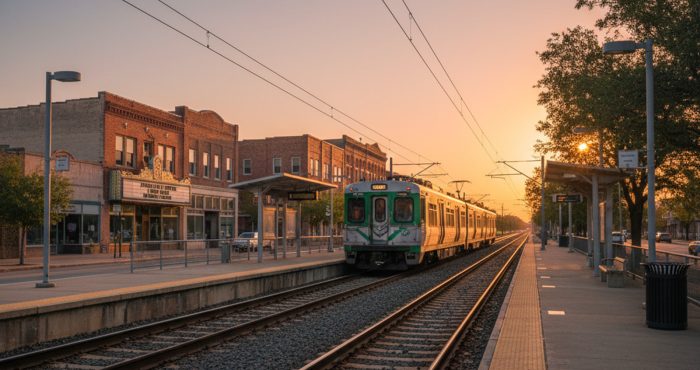
Carrollton is fully integrated into DART. The Green Line runs right through the city with a major hub at the Downtown Carrollton Station. If you work downtown or at the Medical Center, you can park your car, hop on the train, and read a book while you commute. For some buyers, this access alone seals the deal.

Airport Access

If you are a consultant or travel frequently, Carrollton is arguably the best location in the metroplex. You are roughly 15 to 20 minutes from both DFW International and Dallas Love Field. From Frisco, getting to DFW can take 30 to 45 minutes depending on traffic on Highway 121, and getting to Love Field is a long haul south.


Cost of Living & Housing Market (2026 Update)

When we look at homes for sale in Frisco versus Carrollton, we are comparing two different financial tiers.

Home Prices

The price gap is real. As of 2026, the median home value in Frisco hovers between $650,000 and $700,000. For that price, you are typically getting a home built in the last 15 years with modern open floor plans, high ceilings, and community amenities.

In Carrollton, the median sits closer to $415,000 to $450,000. Your money goes much further here, but the inventory is older. A $500,000 budget in Carrollton might get you a fully renovated 1980s home with a pool and mature trees. In Frisco, $500,000 is often the entry point for a smaller starter home or a townhome.

The Tax Rate Paradox

This confuses almost every buyer I work with. You will often hear that Frisco has a lower tax rate than Carrollton. This is generally true. Frisco’s rate is often around 2.1% to 2.2% because their massive commercial developments (like The Star and corporate HQs) help subsidize the residential tax base. Carrollton’s rate is typically higher, often around 2.5% to 2.6%.

However, do not let the rate fool you. Because homes in Frisco are significantly more expensive, your actual annual tax bill is usually higher.

  • 2.6% on a $450,000 Carrollton home = ~$11,700/year.
  • 2.2% on a $700,000 Frisco home = ~$15,400/year.

Housing Stock and HOAs

If you hate Homeowners Associations (HOAs), Frisco might be tough for you. Almost every neighborhood in Frisco is a master-planned community with mandatory HOAs that enforce strict rules on everything from fencing to lawn ornaments.

Carrollton is a mix. While there are some HOA communities, many of the established neighborhoods have voluntary associations or no HOA at all. If you want to park a boat in your driveway or paint your front door a unique color, you will have an easier time finding a place to do that in Carrollton.


Schools & Education: Frisco ISD vs. CFBISD

For families with school-aged children, the school district is often the primary driver for moving to Frisco.

Frisco ISD

Frisco ISD is a powerhouse. It is consistently A-rated and is famous for its “small school model.” Rather than building massive high schools with 5,000 students, they build more schools to keep student populations smaller, allowing more kids to participate in sports and arts. The facilities are college-level, especially with partnerships like The Star. If you want the “Friday Night Lights” experience with top-tier AP offerings, this is it.

Carrollton (CFBISD and LISD)

Most of Carrollton falls under the Carrollton-Farmers Branch ISD (CFBISD), though some northern parts are in Lewisville ISD (LISD). CFBISD is a solid district that often earns B ratings. While it lacks the uniform “prestige” branding of Frisco, it has incredible magnet programs, International Baccalaureate (IB) options, and strong dual-language programs.

The Value Play

Here is the hard truth: If you do not have school-aged children, or if your children are in private school, paying the “Frisco Premium” on your home price might not make financial sense. You are paying for a school system you aren’t using. For empty nesters or young professionals, Carrollton offers a way to opt out of that premium while still living in a safe, well-maintained community.


Lifestyle: The Star vs. Koreatown

The “vibe” of these two cities could not be more different.

Frisco feels like a “Disney” suburb. It is polished, grand, and new. It is the home of the Dallas Cowboys World Headquarters at The Star, the PGA of America, and FC Dallas. The social scene revolves around high-end retail at places like Legacy West (just over the border) and large-scale entertainment districts. It is fantastic for youth sports and luxury shopping.

Carrollton is the cultural hub. It feels more grounded and authentic. It is home to the “Asian Town Center” at Old Denton Road and George Bush Turnpike. This is the place to go for authentic Korean BBQ, H Mart, K-Pop stores, and arguably the best diverse dining scene in the metroplex. It also features a charming Historic Downtown square with independent shops and breweries. If you prefer hole-in-the-wall gems over national chains, you will prefer the lifestyle here.

Green space is different, too. Frisco has massive, manicured sports parks. Carrollton utilizes its natural landscape better, with extensive Greenbelt trails and nature preserves that feel a bit more wild and secluded.


Verdict: Who Wins?

There is no bad choice here, only the choice that fits your stage of life.

Choose Frisco If:

  • You prioritize highly-rated schools and modern educational facilities.
  • You want a newer home with high ceilings, open concepts, and community amenities.
  • You want the “luxury suburb” feel and don’t mind the higher price tag.
  • You work remotely or in the northern suburbs (Plano/Frisco) and don’t have to commute downtown.

Choose Carrollton If:

  • You work in Downtown Dallas, near the airports, or need central access to the whole metroplex.
  • You want to maximize your budget and get more house for your money.
  • You value food culture, diversity, and a more “down to earth” neighborhood feel.
  • You prefer mature trees and character over new construction and HOAs.

Your Advantage With Bale Real Estate Group

Buying or selling in Frisco requires a clear strategy. The Bale Real Estate Group helps clients navigate pricing, competition, and how to position a home to attract serious buyers from day one. For sellers, that includes professional staging, targeted marketing, Zillow Showcase exposure, and our Certified Pre-Owned Home Listing Program. The goal is simple: create demand and deliver stronger results.

Frequently Asked Questions

Is the commute from Frisco to Dallas really that bad?

Yes, you need to be prepared for it. While it is a manageable 35 minutes on a Sunday, rush hour traffic on the Dallas North Tollway can easily push the drive to an hour or more each way. If you commit to living in Frisco and working downtown, you are committing to spending 10+ hours a week in your car.

Which city has lower property taxes, Frisco or Carrollton?

Technically, Frisco usually has a lower tax rate (around 2.2%). However, because the average home price in Frisco is $200,000+ higher than in Carrollton, your actual annual tax bill will almost certainly be higher in Frisco.

Is Carrollton safer than Frisco?

Both cities are considered very desirable places to live with strong community policing. Frisco is often cited as one of the safest cities in the country due to its newer infrastructure and affluence, but Carrollton also maintains low crime rates and a strong reputation for safety, particularly in its established residential neighborhoods.

Can I take public transit from Frisco to Dallas?

No, not directly. Frisco does not have DART rail service. To take the train, you would have to drive south to a Plano station. Carrollton, however, has direct access to the DART Green Line, which can take you straight into Downtown Dallas without fighting traffic.

Posted in: Community Guides, Frisco Real Estate, Home Buying, Market Updates, Relocating to North Dallas Tagged: 2026 Housing Market, Buyer Guide, Carrollton Real Estate, Carrollton-Farmers Branch ISD, Commute Times, Cost of Living, Dallas Love Field, Dallas North Tollway, DART Green Line, DFW Airport, Frisco ISD, Frisco Real Estate, Frisco vs Carrollton, Historic Downtown Carrollton, Koreatown Carrollton, Legacy West, Lewisville ISD, North Dallas Real Estate, PGA Frisco, Property Taxes, Relocation Guide, The Star Frisco

Getting Around Frisco, TX: A Complete Commuter’s Guide

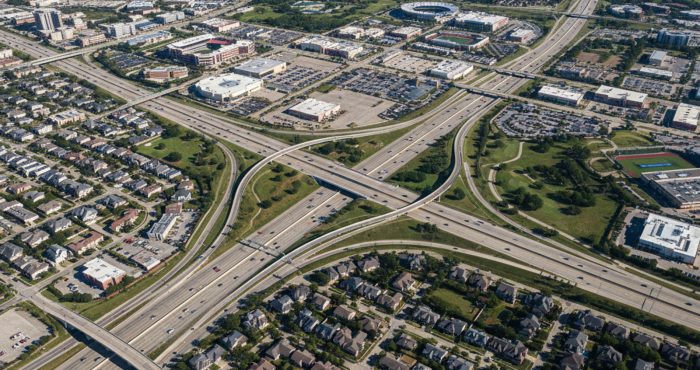
If you are thinking about relocating to Frisco, one of the first things you’ll notice is the energy. This city is a booming suburb located about 25 miles north of Downtown Dallas, and it has grown incredibly fast over the last two decades. But with that growth comes a very specific reality regarding transportation: Frisco was built for the car.

Unlike some older urban centers, Frisco is designed with the assumption that residents own vehicles. While there are pockets of walkability and some exciting future tech on the horizon, getting around here requires understanding the highway systems, the toll costs, and the commute patterns. Here is the local scoop on how to navigate the city, from the “spine” of the Tollway to the best way to get to the airport.


Driving in Frisco: The Primary Mode of Transport

Because Frisco is relatively new in terms of major development, it benefits from a very logical, master-planned grid system. If you look at a map, you’ll see major thoroughfares running north-south (like Preston Road and Coit Road) and east-west (like Main Street and Eldorado Parkway) roughly every mile.

This grid makes navigation fairly forgiving; if you miss a turn, you can usually just take the next major road and loop back. However, the secret is out about living in Frisco TX, and that popularity means traffic volume has increased. You should expect congestion during school drop-off/pick-up times and traditional rush hours, especially near popular retail hubs.

Navigating the Toll Roads: DNT vs. SRT

To survive the commute here, you need to get comfortable with toll roads. They are the arteries that keep the city moving. There are two massive highways you will use almost daily, both managed by the North Texas Tollway Authority (NTTA).

  • Dallas North Tollway (DNT): Think of this as the “spine” of Frisco. It runs North-South right through the center of West Frisco. This is your primary route for commuting to Plano, Addison, or Downtown Dallas.
  • Sam Rayburn Tollway (SH 121): This runs along the southern border of Frisco. It is your primary East-West connector. You’ll take the SRT to go east toward McKinney or west to reach DFW Airport.
  • US 380: This highway forms the northern border of Frisco (University Dr). It is not a toll road, but it is currently known for heavy construction and traffic as development pushes north.
  • Preston Road (SH 289): If you want to avoid tolls, Preston is the main North-South alternative. However, it is dense with traffic lights, shopping centers, and restaurants, so it is significantly slower than the DNT.

A Local’s Tip on the TollTag: If you drive in Frisco, you absolutely need a TollTag. There are no cash booths on these roads. If you drive without a tag, the cameras will snap your license plate, and you will receive a “ZipCash” bill in the mail. ZipCash rates are roughly 50% higher than the TollTag rate. You can pick up a sticker at local grocery stores or order one online—it saves you a fortune in the long run.


Public Transportation Options in Frisco

This is the part of the conversation where I have to manage expectations. If you are moving from a city with a robust metro or subway system, Frisco will be a culture shock.

The DART Void Frisco is not a member of DART (Dallas Area Rapid Transit). Years ago, the city voted to use its sales tax revenue for the Economic Development Corporation (EDC) rather than paying into the regional transit system. This strategy helped build the multi-billion dollar mile and attract corporate HQs, but it means there are no DART trains or buses running within Frisco city limits.

DCTA Demand Response You might hear about the Denton County Transportation Authority (DCTA) operating here. It is important to clarify that this is a “Demand Response” service. It is not a bus you can just hop on. It is a curb-to-curb service specifically designed for seniors (65+), individuals with disabilities, or specific medical trips. It generally requires an application and eligibility approval.

Ride-Sharing is the Standard For the general population, if you don’t have a car, you are likely using Uber or Lyft. These services are the de facto public transit for a night out or a trip to the airport. They are plentiful and reliable, but they can get pricey if used for a daily commute.


Estimated Commute Times to Major Hubs

One of the biggest questions we get from people pros and cons of living in Frisco is, “How long will I be in the car?” It depends heavily on where you work. Rush hour on the DNT generally hits hardest from 7:00–9:00 AM and 4:30–6:30 PM.

Here is a realistic look at commute times:

  • Frisco to Downtown Dallas: Expect 45–60+ minutes during rush hour via the DNT. Without traffic, it’s closer to 35 minutes, but “no traffic” is rare during the work week.
  • Frisco to Legacy West (Plano): This is a massive employment hub (Toyota, Liberty Mutual, JPMorgan Chase) just south of the border. It’s a breezy 10–15 minute drive.
  • Frisco to DFW International Airport: Thanks to the Sam Rayburn Tollway (SRT), this is a very consistent 25–35 minute drive. It is a fast, direct shot west.
  • Frisco to Dallas Love Field: This airport is closer to downtown, so you’ll take the DNT south. Plan for 35–45 minutes.


Walkability and Biking: Can You Ditch the Car?

In general, Frisco has a low “walkability” score. Most residential neighborhoods are strictly residential, meaning you can’t easily walk to a grocery store or coffee shop from your front door.

However, the city has done a great job creating “park-once-and-walk” districts. The Star (where the Dallas Cowboys practice) and Frisco Square (near City Hall and the library) are designed to be pedestrian-friendly. You can park your car and spend the whole evening walking between restaurants, shops, and entertainment venues.

If you are looking for recreation rather than transportation, Frisco has an incredible hike and bike trail system. The city is working on the “Six Cities Trail” connectivity, and local paths like the Cottonwood Creek Trail and Taychas Trail are fantastic for cycling and running. While some residents use these to bike to work if they live close to their office, they are primarily used for lifestyle and fitness.


The Future of Frisco Transport: AVs and Vertiports

Frisco prides itself on being a “Smart City” sandbox, often testing new technology before the rest of the country. You might remember the Drive.ai pilot program a few years back, where bright orange self-driving vans were ferrying people around office parks. While that specific pilot has ended, the infrastructure for Autonomous Vehicles (AVs) is still a priority for city planners.

Looking further ahead, Frisco Station has partnered with companies like Uber Elevate and Joby Aviation to plan for “Vertiports.” The goal is to eventually offer urban air mobility—essentially flying taxis—to whisk commuters from Frisco to DFW Airport in minutes. While you can’t book a flight just yet, it’s a sign of how the city is trying to innovate its way out of traditional traffic congestion.

Why Buyers and Sellers Choose Bale Real Estate Group

Buying or selling in Frisco requires more than just timing the market. The Bale Real Estate Group helps clients understand pricing, competition, and how to position a home to stand out from day one. For sellers, that includes strategic pricing, professional staging, targeted marketing, Zillow Showcase exposure, and our Certified Pre-Owned Home Listing Program. The goal is simple: create stronger demand and better results in today’s market.

Frequently Asked Questions About Getting Around Frisco

Does DART run in Frisco?

No, DART (Dallas Area Rapid Transit) does not operate trains or bus lines in Frisco. The train line ends in Plano to the south. To use the train, you would need to drive to the Parker Road Station in Plano.

Can I get around Frisco without a car?

It is very difficult to live here without a personal vehicle. While you can use ride-share apps like Uber and Lyft for occasional trips, the city’s layout and lack of general public transit make a car essential for daily errands and commuting.

How much is an Uber from DFW Airport to Frisco?

The cost varies based on demand and the specific drop-off location, but you should typically budget between $45 and $60. During peak surge times or holidays, this rate can be higher.

Does Frisco have public transportation?

Frisco does not have a general public bus system. The DCTA operates a limited “Demand Response” service, but this is primarily for seniors and individuals with disabilities and requires eligibility approval.

Posted in: Community Guides, Frisco Real Estate, Home Buying, Relocating to North Dallas Tagged: Buyer Guide, Cottonwood Creek Trail, Dallas Love Field, Dallas North Tollway, DART, DCTA, DFW Airport, Frisco Commute, Frisco Real Estate, Frisco Relocation, Frisco Square, Frisco Transportation, Getting Around Frisco TX, Highway 380, NTTA, Preston Road, Relocation Guide, Sam Rayburn Tollway, Taychas Trail, The Star Frisco, TollTag

Preston Hollow Real Estate: Market Trends & Insights for Early 2026

If you are looking for estate-style living within the Dallas city limits, Preston Hollow has likely been at the top of your list for a while. It is one of the few places in the metroplex where you can find acre-plus lots, mature tree canopies, and genuine privacy just minutes from downtown. As we settle into February 2026, the conversations I’m having with clients are notably different than they were a year or two ago.

The frenzied bidding wars have largely quieted down, replaced by a market that sends mixed signals depending on where exactly you look. We are seeing rising inventory levels across the board, yet prices in the top-tier luxury segments remain stubborn. While the broader Dallas markets are stabilizing, Preston Hollow remains a segment-specific beast. You can’t just look at “average” data here because a $10 million estate sale skews the numbers differently than a $900K lot-value transaction. For anyone thinking about living in Dallas, understanding these nuances is key to making a smart move this spring when buying a home in Dallas.

Preston Hollow Market Snapshot (February 2026)

To understand what is happening right now, we have to look beyond the headlines. If you were to pull a general report for the area, you might see median sales prices fluctuating wildly. That is because the data often lumps ultra-luxury mansions together with smaller 1950s ranch homes. In reality, some metrics show the luxury median hovering near $2.2M, while the broader mix—including the “cottage” inventory—sits closer to $890K. The takeaway here is that you need to filter your search by property type, not just zip code, and reviewing current market data helps both buyers and sellers stay informed.

Inventory is the biggest story of early 2026. Compared to the tight squeeze of early 2025, active listings are up significantly—some reports suggest nearly a 50% increase year-over-year. This influx of homes means buyers finally have options.

Consequently, the Days on Market (DOM) average has stretched out. We are seeing homes average 45 to 70 days on the market before going under contract. This is a breath of fresh air for buyers who are used to having 24 hours to make a decision. Now, you generally have time to view the home twice and run the numbers properly. The data suggests inventory supply is trending toward 4+ months, signaling a definite shift toward a balanced playing field.

A Tale of Two Markets: 75225 vs. 75230

Preston Hollow isn’t monolithic; it is really two (or more) distinct markets operating side-by-side. If you are looking at Dallas luxury homes, you are likely focused on the “Estate Section,” primarily located in the 75225 zip code. This is “Old Preston Hollow,” where the price floors are high, and the lots are massive. Here, median prices often exceed $1.9M, and it is not uncommon to see “tear-down” properties selling for land value alone because the dirt itself is so valuable.

On the periphery, largely in 75230, the dynamics change. This area offers more accessible price points, often ranging from $900K to $1.2M. The stock here includes smaller ranch-style homes and an increasing amount of new construction Dallas builders are putting up on subdivided lots.

Why does this matter to you? Because when you hear about a “median price drop” in the news, it often just means more smaller homes in 75230 sold that month, not that the value of the estates in 75225 has crashed. Recognizing this geographical split is crucial for setting realistic price expectations.

Buyer’s or Seller’s Market? Understanding the 2026 Dynamic

So, who has the upper hand right now? As of January 2026, the data points to a technically “Balanced Market,” though it is leaning slightly toward buyers in that $1M to $2M range. This is due to the absorption rate sitting at approximately 4.1 months of supply. In simple terms, if no new homes came on the market, it would take about four months to sell everything currently listed.

This shift has brought negotiation power back to the buyer’s side of the table. For the first time in years, list-to-sale price ratios have dipped below 100%—landing somewhere around 95% to 97% for many transactions. Buyers are finding they have room to negotiate not just on the price, but on inspection items and closing costs.

For sellers, this means strategy is everything. The days of “aspirational pricing” are over. Homes that are priced based on 2024 hype are sitting stagnant, accumulating days on market that hurt their final value, making it essential to position your home correctly to maximize your results.

Property Types & Architectural Trends

The physical inventory in Preston Hollow is in a state of transition. If you drive the streets, you will essentially see three main categories of homes.

First, you have the mid-century ranches. These are the original stock of the neighborhood. While some have been beautifully renovated, many are marketed primarily for their land value, destined to be replaced.

Second, there is a wave of new construction. The trend right now is heavily favored toward “Transitional” and Modern Farmhouse styles. These homes are replacing the older ranches, offering open floor plans and modern amenities that today’s buyers demand.

Finally, there are the luxury estates. These are the properties that put Preston Hollow on the map—gated homes on significant acreage (often 1+ acres) featuring guest houses, tennis courts, and extensive outdoor living spaces.

Preston Hollow vs. The Park Cities: A Comparative Look

Buyers often wrestle with the choice between Preston Hollow and the Park Cities (Highland Park and University Park). While both areas command high prices, the value proposition is different.

The biggest differentiator is lot size. In Preston Hollow, your money buys you land. You get setbacks, expansive lawns, and privacy. In contrast, Highland Park real estate is denser; you are paying for the location and the municipality, but you will likely be much closer to your neighbor.

The “vibe” is also distinct. Preston Hollow is quieter, darker at night (no streetlights in many parts), and less grid-like. The Park Cities area offers a more walkable, community-centric lifestyle where you might walk to dinner or the park.

From a financial perspective, the price per square foot in the Park Cities often exceeds $1,000. Preston Hollow generally offers value below that threshold, meaning you get more actual house and land for your investment.

Cost of Living Factors: Taxes and Fees

Beyond the purchase price, it is important to factor in the carrying costs of these properties. Since Preston Hollow is located within the city of Dallas, you are subject to Dallas County tax rates. Because valuations have risen over the last few years, property tax bills can be substantial, and it is smart to budget for this monthly.

Unlike some of the newer suburban developments, most of Preston Hollow does not have mandatory Homeowners Associations (HOAs). There are voluntary neighborhood associations that look after common areas and security patrols, but you typically won’t face the high monthly fees found in gated communities.

Insurance is another factor to watch. With the recent weather patterns in North Texas, premiums for high-value homes have risen. When calculating the cost of living in Dallas luxury neighborhoods, ensure you get an insurance quote early in the process, as coverage for older roofs or specific estate features can vary.

Lifestyle Drivers: Why Demand Persists

Despite the costs, demand for this area remains resilient. The primary driver for many residents is access to education. Preston Hollow is located along the “Private School Corridor,” placing it minutes away from top-tier institutions like St. Mark’s, Hockaday, Ursuline, and Jesuit. For households prioritizing education, this location is unbeatable.

Commute and logistics also play a huge role. The neighborhood flanks the Dallas North Tollway, offering a straight shot downtown or north to Plano and Frisco. You are also close to Love Field Airport for easy travel, and the luxury retail hubs of Preston Center and North Park Center are practically in your backyard.

2026 Forecast: What to Expect

Looking ahead to the rest of 2026, we expect price stability rather than sharp inclines or declines. Prices are likely to flatten, which is actually good news for the long-term health of the market. It offers stability for buyers and sellers alike, removing the fear of buying at the “top” or selling too low.

We are also keeping a close eye on inventory. If the supply continues to rise as it has in early 2026, buyers may see even better terms by mid-year. However, interest rates remain a variable. Minor rate fluctuations tend to impact the $1M–$3M buyer pool more than the ultra-luxury cash buyer, so the lower end of the Preston Hollow market may be more sensitive to banking changes in the coming months.

Your Advantage in Today’s Preston Hollow Market

Navigating the Preston Hollow market in 2026 requires more than just understanding price points. With varying property types, shifting inventory, and a more balanced dynamic, success comes down to strategy and execution. The Bale Real Estate Group helps buyers and sellers position themselves effectively through accurate pricing, targeted marketing, and clear guidance at every stage. The focus is on helping you make confident decisions while maximizing your results in one of Dallas’s most competitive luxury markets.

Frequently Asked Questions

Is Preston Hollow a buyer’s or seller’s market in 2026, ESPECIALLY WHEN BUYING A HOME IN DALLAS IN TODAY’S MARKET?

As of early 2026, it is technically a balanced market, though it leans toward the buyer in the $1M to $2M range due to rising inventory. Buyers currently have more leverage to negotiate inspection repairs and closing costs than they have had in recent years.

What is the average home price in Preston Hollow?

This varies significantly by location. The luxury “Estate” market (mostly 75225) often sees median prices around $2.2M, while the peripheral areas (75230) and smaller home segments average closer to $900K–$1.2M.

How does Preston Hollow real estate compare to Highland Park?

Preston Hollow offers significantly larger lots and more privacy for a lower price per square foot compared to Highland Park. Highland Park is denser, more walkable, and operates as its own municipality, which generally commands a higher price premium.

What zip codes are considered Preston Hollow?

The core of Preston Hollow falls primarily into 75225 and 75230. However, parts of the neighborhood and its immediate influence extend into 75244 and 75229, depending on how strictly you define the boundaries.

Posted in: Cost of Living, Home Buying, Home Selling, Luxury Real Estate, Market Updates, Preston Hollow Real Estate, Relocating to North Dallas, Uncategorized Tagged: 2026 Preston Hollow Real Estate, Bale Real Estate Group, Buying a Home in Dallas, Buying a Home in Preston Hollow, Dallas Housing Market, Dallas Love Field, Dallas Luxury Homes, Dallas Luxury Real Estate, Dallas North Tollway, Dallas Real Estate Market, Highland Park Real Estate, Hockaday School, Jesuit Dallas, North Dallas Real Estate, NorthPark Center, Old Preston Hollow, Park Cities Real Estate, Preston Center, Preston Hollow 75225, Preston Hollow 75230, Preston Hollow Days on Market, Preston Hollow Home Prices, Preston Hollow Homes for Sale, Preston Hollow Housing Market, Preston Hollow Inventory, Preston Hollow Luxury Homes, Preston Hollow Market Trends, Preston Hollow Market Update, Preston Hollow Median Price, Preston Hollow Price Per Square Foot, Preston Hollow Real Estate, Preston Hollow Real Estate Market, Preston Hollow vs Highland Park, Preston Hollow vs Park Cities, Private School Corridor, Selling a Home in Dallas, Selling a Home in Preston Hollow, St. Mark’s School of Texas, University Park Real Estate, Ursuline Academy

Living in Preston Hollow: A 2026 Guide to Dallas’ Premier Enclave

If you are thinking about moving to Dallas and asking locals where the true “power players” live, the answer is almost always Preston Hollow, one of the most sought-after luxury areas in Dallas for buyers working with the Bale Real Estate Group.

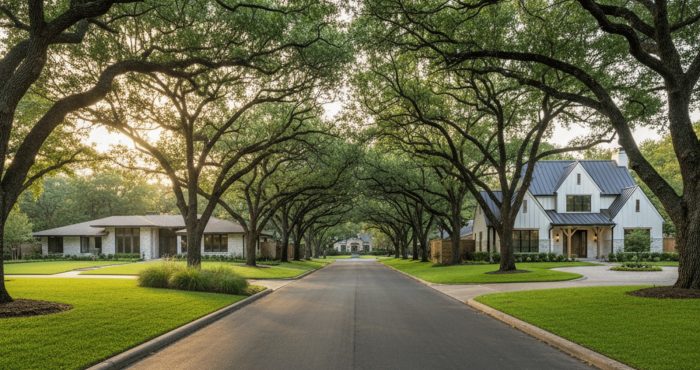
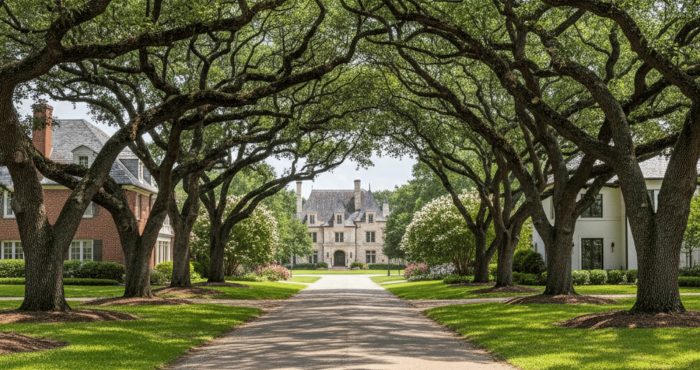
Located in North Dallas within the “LBJ Loop,” this neighborhood is bounded roughly by the Dallas North Tollway to the west, US-75 (Central Expressway) to the east, and I-635 to the north. It is the chosen home of business tycoons, former U.S. presidents, and tech billionaires. But beyond the headlines, the real appeal here is the layout. unlike the manicured, shoulder-to-shoulder density of Highland Park, Preston Hollow is defined by winding country lanes, mature oak trees, and sprawling estate lots that allow you to retreat from the city while staying right in the middle of it.

The Vibe: Country Quiet in the Heart of the City

The first thing you notice when you turn off the main thoroughfares is the topography. Dallas is generally known for being flat, but Preston Hollow features rolling hills, creek beds, and genuine elevation changes—geographical features known locally as the “hollows.” This natural landscape dictates the lifestyle here.

Because the area was developed with privacy in mind, you won’t find sidewalks in many of the residential sections, particularly in the estate areas. The lack of curbs and the presence of deep setbacks give the streets a rural, “country lane” aesthetic. It feels miles away from the bustle of downtown, yet you are rarely more than 15 minutes from anything you need.

The architecture is just as varied as the terrain. You will see 1950s ranch-style homes sitting next to French chateaus and sleek, glass-walled modern masterpieces. In 2026, the trend of replacing older stock with modern estates continues, but the neighborhood’s strict adherence to preserving its tree canopy keeps the area feeling established and lush.

Preston Hollow Real Estate Market (2026 Update)

If you are looking for homes for sale in Preston Hollow, the market landscape has shifted slightly as we moved into 2026. After the frenzy of previous years, we are currently seeing a more balanced market. Inventory has stabilized, giving buyers a bit more breathing room and negotiating power than we saw in the early 2020s.

However, it is crucial to understand that there are essentially two markets here:

  • Old Preston Hollow (The Estate Section): Generally found west of Preston Road, this is where you find the iconic “honey pot” streets like Strait Lane. Lots here are typically one acre or more. Prices in this specific enclave often range from $3M to well over $15M depending on the pedigree of the estate.
  • Eastern & Northern Sections: The areas closer to Hillcrest and Royal Lane offer more traditional lot sizes (though still generous by Dallas standards). Here, you find a mix of original mid-century homes and new construction, with prices that are more accessible relative to the estate section.

For those not looking for a single-family estate, there is a limited but growing selection of luxury condos and townhomes near Preston Center and the Preston Hollow Village development.

  • Median Home Price: Approximately $2.2M – $2.7M (highly dependent on the specific section).
  • Luxury Rentals: High-end homes and apartments generally average $3,300+ per month.

Cost of Living in Preston Hollow

Living in one of Texas’s most prestigious zip codes comes with a premium. Housing is naturally the biggest line item, running approximately 64% higher than the national average. But when budgeting for life here, you need to look beyond the mortgage principal and interest.

Because Preston Hollow is part of the City of Dallas, residents pay City of Dallas property taxes. This is a key distinction from the nearby Park Cities, which have their own tax jurisdictions. While the tax rate is standard for the city, the high property valuations translate to significant annual bills.

Maintenance costs also tend to be higher here than in standard suburban neighborhoods. If you buy in the estate section, you are maintaining an acre or more of land. That means higher landscaping bills, pool maintenance, and often contributions to voluntary HOA dues or neighborhood associations that fund private security patrols to supplement the Dallas Police Department coverage.

  • Cost of Living Index: Roughly 32% higher than the Dallas average.

Preston Hollow vs. Highland Park: Which is Right for You?

The most common debate for high-net-worth buyers is choosing between living in Highland Park or Preston Hollow. While both offer luxury, the lifestyles are fundamentally different.

The biggest difference is governance. Highland Park is its own municipality (part of the Park Cities) with its own police force, fire department, and utility services. Preston Hollow is a neighborhood within the City of Dallas. This means Highland Park often offers quicker emergency response times and stricter code enforcement, while Preston Hollow offers more architectural freedom and less bureaucratic oversight on minor property changes.

Then there is the “feel.” Highland Park is social, walkable, and dense. You see your neighbors when you walk the dog, and the homes are set closer to the street. Preston Hollow is about seclusion. If you want to drive through your gate, disappear behind a hedge, and not be seen until you leave the next morning, Preston Hollow is the better choice.

Commute patterns also matter. If your business is in Plano, Frisco, or Legacy West, Preston Hollow saves you 10–15 minutes of fighting traffic compared to Highland Park. If you work in Downtown or Uptown, Highland Park has the slight edge.

Education: The Private School Corridor

For many residents, the primary draw to this area is education. Preston Hollow is often referred to as the “Private School Corridor” of Dallas. While the area is zoned for Dallas ISD (with schools like Hillcrest High servicing the area), the culture here is heavily oriented toward private education.

You are within minutes of arguably the best collection of private institutions in the state, including:

  • St. Mark’s School of Texas
  • The Hockaday School
  • Ursuline Academy
  • Jesuit College Preparatory School
  • Episcopal School of Dallas (ESD)

This concentration of schools creates a unique daily rhythm. During drop-off and pick-up times, traffic on main arteries like Walnut Hill Lane and Preston Road increases significantly. It’s a small price to pay for having elite education options essentially in your backyard.

Amenities: Shopping & Dining

Preston Hollow doesn’t have a traditional “Main Street,” but it has two distinct commercial hubs that serve as the community’s downtown.

Preston Center is the upscale heart of the area, straddling the line between University Park and Preston Hollow. The Plaza at Preston Center features luxury shopping, dining, boutiques, and professional services, while nearby Preston Royal offers a more neighborhood-focused mix of restaurants, grocery options, and daily conveniences.

For serious shopping, you are just minutes away from North Park Center, one of Dallas’s premier luxury shopping destinations with more than 200 retailers, restaurants, and entertainment options. The dining scene mirrors the neighborhood’s vibe: sophisticated but comfortable, with iconic steakhouses, polished neighborhood restaurants, and casual spots where you might spot a business leader grabbing lunch.

Parks & Recreation: The Northaven Trail

If you enjoy the outdoors, the crown jewel of the neighborhood is the Northaven Trail. This commuter and recreational trail runs east-west through North Dallas and gives residents a dedicated space for walking, running, and cycling without relying on the area’s sidewalk-limited estate streets.

While the residential streets in the estate section often lack sidewalks, the Trail provides a safe, dedicated space for exercise. For tennis enthusiasts, Netherland Park offers quiet courts tucked away from the main roads.

Golf is also a major part of the social fabric here. Many residents belong to exclusive nearby clubs such as the Northwood Club or Preston Trail Golf Club, both of which offer premier amenities and a high degree of privacy.

Commute & Location: The Strategic Triangle

Real estate agents often call Preston Hollow’s location the “Strategic Triangle.” It is bordered by US-75, the Dallas North Tollway, and I-635 (LBJ Freeway).

This positioning makes it arguably the most convenient location for couples with split commutes. If one spouse works in the Arts District downtown and the other works at the Toyota headquarters in Plano, Preston Hollow is the perfect geographic midpoint.

  • Drive to Downtown: ~15–20 minutes (non-peak).
  • Drive to Love Field Airport: ~10–15 minutes.

Proximity to Dallas Love Field is a massive selling point for executives who travel frequently. You can leave your house and be at the gate in under 25 minutes.

Pros and Cons of Living in Preston Hollow

Before making a move, it helps to weigh the tradeoffs and make the right move based on your lifestyle and long-term goals.

Pros:

  • Privacy and Land: It is the only place in Dallas proper to find acre-plus lots.
  • Location: Central access to both downtown and the northern suburbs.
  • Prestige: It remains one of the most desirable addresses in Texas.
  • Architecture: A stunning mix of historic and modern estates.

Cons:

  • Cost of Entry: High home prices and high property taxes.
  • Education Costs: Most residents pay for private school on top of property taxes.
  • Walkability: Outside of the Northaven Trail and commercial corners, it is not a “sidewalk community.”
  • Confusing Boundaries: Navigating the difference between “Old Preston Hollow” and surrounding areas can be tricky for newcomers.

Your Advantage When Buying in Preston Hollow

Buying in Preston Hollow requires more than just choosing a beautiful home. With varying lot sizes, price points, and lifestyle differences between sections, having a clear strategy is key. The Bale Real Estate Group helps buyers understand these nuances, navigate the luxury market, and identify the right opportunities based on their goals. From evaluating location to negotiating terms, the focus is on helping you make confident, informed decisions in one of Dallas’s most prestigious neighborhoods.

Frequently Asked Questions

Is Preston Hollow considered safe WHEN BUYING A HOME IN DALLAS IN TODAAY’s MARKET?

Preston Hollow is generally considered a safe and quiet area. While it is part of the City of Dallas, the low density and lack of cut-through traffic in the estate sections contribute to a secure atmosphere. Many residents also subscribe to private security patrols that monitor specific neighborhood blocks 24/7.

What famous people live in Preston Hollow?

The neighborhood is known for its high-profile residents, including former U.S. President George W. Bush, Dallas Mavericks owner Mark Cuban, and various other professional athletes and business moguls. The area’s privacy features, such as deep setbacks and gated driveways, make it attractive to public figures.

What is the difference between Preston Hollow and Highland Park?

The main difference is the “town versus city” dynamic. Highland Park is its own town with its own services, smaller lots, and a highly social, walkable atmosphere. Preston Hollow is part of Dallas, offering significantly larger lots, more trees, and a lifestyle focused on privacy and seclusion rather than walkability.

Does Preston Hollow have a downtown area?

Preston Hollow does not have a municipal downtown, but Preston Center and Preston Royal serve as the commercial hubs. These intersections offer grocery stores, high-end boutiques, restaurants, and professional services, acting as the community gathering spots.

Posted in: Cost of Living, Home Buying, Luxury Real Estate, Market Updates, Neighborhood Guides, Preston Hollow Real Estate, Relocating to North Dallas, Schools & Education, Uncategorized Tagged: 2026 Preston Hollow Real Estate, Bale Real Estate Group, Buying a Home in Dallas, Buying a Home in Preston Hollow, Dallas Love Field, Dallas Luxury Homes, Dallas Luxury Real Estate, Dallas North Tollway, Episcopal School of Dallas, Highland Park Real Estate, Hockaday School, I-635 Dallas, Jesuit Dallas, Living in Preston Hollow, North Dallas Real Estate, Northaven Trail, NorthPark Center, Northwood Club, Old Preston Hollow, Park Cities Real Estate, Preston Center, Preston Hollow Cost of Living, Preston Hollow Dallas, Preston Hollow Dallas TX, Preston Hollow Estate Homes, Preston Hollow Home Prices, Preston Hollow Homes for Sale, Preston Hollow Luxury Homes, Preston Hollow Market 2026, Preston Hollow Neighborhood Guide, Preston Hollow Real Estate, Preston Hollow vs Highland Park, Preston Royal, Preston Trail Golf Club, Private School Corridor, St. Mark’s School of Texas, Strait Lane, Ursuline Academy, US 75 Dallas

Bale Real Estate Group
(972) 469-0332
TREC - Information About Brokerage Services
TREC - Consumer Protection Notice
Site created by Michael Tritthart Team. | View Privacy Policy