Top 1% Frisco & Plano Realtors | Bale Real Estate GroupTop 1% Frisco & Plano Realtors | Bale Real Estate Group

Top 1% North Texas luxury real estate team with $50M+ in sales and 80+ 5-star reviews. Frisco, Plano, Preston Hollow & North Dallas.

  • Home
  • Search
  • Communities We Serve
    • Allen
    • Aubrey
    • Celina
    • Coppell
    • Dallas
      • Oakdale
    • Frisco
      • Country Club Ridge at The Trails
      • Custer Creek Farms
      • Griffin Parc
      • Heather Ridge Estates
      • Shaddock Creek Estates
      • Newman Village
      • Phillips Creek Ranch
      • Richwoods
      • Starwood
      • Stonebriar
      • The Canals at Grand Park
      • The Fairways
      • The Hills of Kingswood
      • Villages of Stonebriar Park
    • McKinney
    • Park Cities
    • Plano
      • Avignon Windhaven
      • Cliffs of Gleneagles
      • Crystal Creek
      • Deerfield
      • Lakeside on Preston
      • Normandy Estates
      • Shoal Creek
      • Wentworth Estates
      • Willow Bend Polo Estates
      • Willow Bend
      • Windrose Tower
    • Preston Hollow
    • Princeton
    • Prosper
    • Southlake
  • Buyers
    • Buying a Home in Dallas
    • 8 Steps to Buying a Home
    • First-Time Home Buyers
    • Smart Buyer Strategy
      • DFW Property Taxes
      • HOA Communities in North Texas
      • Homestead Exemptions
      • MUD and PID Districts
      • Cost of Home Ownership
    • Home Loan Process
      • Credit Score Requirements
      • How Much Home Can You Afford?
      • Down Payment Options
      • Interest Rates Explained
      • Mortgage Pre-Approval
    • Relocating to North Dallas
      • Choosing the Right Community & Location
      • School Districts
      • Commute Considerations
      • Community Comparisons
      • Cost of Living
    • New Construction Buyer Representation
    • Offer Strategy
    • Home Inspections
    • Buyer Closing Costs
    • Buying and Selling at the Same Time
      • Downsizing & Rightsizing
  • Sellers
    • Selling Your Home in North Dallas
    • 8 Steps to Selling a Home
    • Pre-Listing Appointment
    • Preparing Your Home for Sale
      • Professional Home Staging
    • Certified Pre-Owned Home Listing Program
    • Marketing Your Home for Maximum Exposure
      • Professional Photography
      • Drone Photography
      • Zillow Showcase
      • Social Media Marketing
      • Digital Advertising
    • Strategic Pricing & Market Positioning
    • Seller Closing Costs & Net Proceeds
      • Calculate Your Estimated Seller Net Proceeds
    • Offer Strategy & Seller Protection
    • Buying and Selling at the Same Time
      • Downsizing & Rightsizing
  • Our Advantage
    • Why Work With Bale Real Estate Group
    • Why Sellers Hire Bale Real Estate Group
    • Meet the Team
    • Real Producers: Cover Story
    • Our Story
    • Client Testimonials
    • Proven Results
    • Certified Pre-Owned Home Listing Program
    • Zillow Showcase
    • Professional Home Staging
    • Concierge Vendor Network
    • What if?
    • Videos
  • Blog
  • Contact

Moving to Frisco, TX: The Ultimate Relocation Guide (2026 Edition)

If you have been keeping an eye on the fastest-growing cities in the U.S., you have almost certainly heard of Frisco. Located just about 25 minutes north of Dallas, this city has transformed from a quiet railroad stop into a powerhouse destination often called “Sports City USA.”

But the headlines don’t tell you the whole story. With a population now pushing past 225,000, the secret is definitely out. Frisco frequently lands at the top of national lists for safety and quality of life, yet that popularity comes with specific price tags and logistical realities.

The goal of this guide isn’t to sell you a house—it is to give you a transparent look at what living here actually looks like in 2026. We will cover the real costs, the neighborhood vibes, and the lifestyle shifts you can expect if you decide to make the move.


Living in Frisco, TX: Pros and Cons

Before we dive deep into the data, let’s look at the high-level trade-offs. Every city has its pain points, and Frisco is no exception. Here is a quick snapshot of what residents love and what they gripe about.

The Pros:

  • Top-Tier Education: Access to highly rated schools and a unique district model.
  • Safety: Consistently ranked as one of the safest cities in America.
  • Infrastructure: Modern roads, new master-planned communities, and excellent city services.
  • Tax Benefits: No state income tax keeps more money in your paycheck.

The Cons:

  • Cost of Living: Housing and general costs are higher than the Texas average.
  • Traffic: While roads are modern, congestion is real, and you will likely rely on tollways (DNT and SRT).
  • Property Taxes: The trade-off for no income tax is a higher property tax bill.


Cost of Living & Real Estate Market Trends (2026)

Let’s get straight to the numbers. A few years ago, the market here was in a frenzy, but as we move through 2026, we are seeing a shift toward a more balanced market. Inventory has increased significantly, giving buyers a bit more breathing room than they had in previous years.

However, “balanced” doesn’t necessarily mean cheap. The median home price in Frisco generally hovers between $650,000 and $699,000. While you can find smaller starter homes below this range, competition for them remains steady. If you are looking to rent before you buy, expect to budget around $1,900 or more per month for a standard apartment, with single-family rental homes commanding significantly more.

The biggest financial surprise for newcomers—especially those moving from the coasts—is the tax structure. Texas has no state income tax, which sounds amazing until you see your property tax bill. In Frisco, the property tax rate typically lands between 1.8% and 2.17%, depending on your specific county (Collin or Denton) and if you are in a MUD (Municipal Utility District).

For a home valued at $600,000, you need to budget heavily for that annual tax bill. When calculating your monthly payments, do not forget to factor this in, as it can add several hundred dollars to your mortgage payment.


Is Frisco Safe? Crime Rates & Statistics

One of the primary drivers for relocation to this area is safety. You don’t have to just take a local’s word for it; the data backs it up. Recent rankings from SmartAsset listed Frisco as the #1 Safest City, and MoneyGeek placed it at #2.

When you look at the FBI and NIBRS data, the violent crime rate here is exceptionally low—approximately 90% lower than comparable cities of this size. We are talking about roughly 86 to 95 incidents per 100,000 residents, which is a fraction of the national average.

Property crime is also lower than the national average, though it does happen. The most common issue reported is car break-ins, usually involving unlocked vehicles. The local culture promotes a “lock, take, and hide” mentality. Much of this safety is attributed to a well-funded police department and high levels of community engagement, where neighbors actively look out for one another.


Best Neighborhoods in Frisco, TX

Frisco is geographically large, and the “vibe” changes depending on which pocket you choose. Most housing here is found in Master-Planned Communities (MPCs), which are designed with parks, pools, and walking trails woven into the neighborhood.

Here is how the different areas break down by lifestyle:

  • Luxury & Privacy: If you are looking for custom builds and gated security, Starwood and Newman Village are the premier choices. These areas feature higher price points and often include guard-gated entries.
  • Amenity-Rich Communities: Phillips Creek Ranch and The Grove Frisco are massive developments known for their lifestyle centers. Phillips Creek Ranch, for example, boasts over 100 acres of green space, multiple pools, and extensive paved trails.
  • New Development: Fields Frisco is the newest major project. Located near the new PGA headquarters, this area is rapidly developing and offers modern, new-construction homes.
  • Golf Course Living: For a more established, country-club feel, Stonebriar is the go-to. It is located right around the Stonebriar Country Club and offers mature trees and easy access to the highway.

If you are trying to decide between these areas, it is worth reading a detailed Phillips Creek Ranch Guide or looking specifically for Newman Village Homes to see the architectural differences.


Education: Frisco Independent School District (FISD)

Education is often the deciding factor for people moving here. Frisco ISD does things differently than many other large Texas districts. They utilize a “Small School Model.”

Instead of building massive high schools with 4,000+ students, FISD prefers to build more, smaller high schools. The philosophy is that smaller student bodies give more students the opportunity to participate in extracurriculars—whether that is varsity football, band, theater, or debate.

The results speak for themselves. The district is consistently “A” rated by the Texas Education Agency (TEA). Beyond K-12, the city is also home to higher education opportunities, including a University of North Texas (UNT) campus and Collin College, making lifelong learning accessible. Most neighborhoods are designed so that elementary and middle schools are within walking or biking distance, creating a tight-knit community feel around the campuses.


Job Market & Major Employers

While many people commute from Frisco to Dallas or Plano, the local economy has boomed to the point where you might never need to leave the city limits for work. The job market here has diversified well beyond retail and service.

Major headquarters have relocated here, bringing thousands of corporate jobs. Keurig Dr Pepper, the PGA of America, and Complexity Gaming all call Frisco home. Of course, the Dallas Cowboys world headquarters at The Star is a major economic engine for the area as well.

If you do need to commute, you are in a prime location. Frisco borders the “Platinum Corridor” along the Dallas North Tollway. This puts you just minutes away from Legacy West in Plano, which houses giants like Toyota North America, Liberty Mutual, and JPMorgan Chase. Growth sectors here are heavily leaning toward tech, sports management, and healthcare.


Retiring in Frisco: What to Know

We are seeing a significant increase in retirees moving to the area to be closer to children and grandchildren. If you are considering retiring here, there are specific communities designed for you, such as Frisco Lakes (a Del Webb community), which offers 55+ living with low-maintenance homes and active social calendars.

Healthcare access is excellent, with major facilities like Baylor Scott & White and Texas Health located directly in the city.

However, retirees on a fixed income need to be very aware of the property tax situation. The good news is that Texas offers an “Over 65 Homestead Exemption.” Once you turn 65 and file this exemption, the school district portion of your property taxes (usually the largest chunk) is frozen. It will not go up, even if your home value doubles. This tax freeze is a critical financial tool for long-term affordability.


Things to Do: Sports City USA & Entertainment

You will never be bored here. The city has leaned hard into its “Sports City USA” moniker.

  • Sports: You can watch the Dallas Cowboys practice at The Star, catch an FC Dallas soccer match at Toyota Stadium, or watch the Frisco RoughRiders (minor league baseball) at Riders Field, which features a lazy river in the outfield. The new PGA Frisco district adds world-class golf and dining to the mix.
  • Culture: It’s not just sports. The National Videogame Museum and the Frisco Discovery Center offer great indoor activities.
  • Shopping: Stonebriar Centre is one of the largest malls in North Texas, and the surrounding area is packed with boutiques and furniture stores.
  • Outdoors: For fresh air, Frisco Commons Park and Central Park offer expansive playgrounds, amphitheaters, and walking paths.

Why Homeowners Choose Bale Real Estate Group

Buying or selling in Frisco requires more than just timing the market. The Bale Real Estate Group helps clients understand pricing, competition, and how to position a home to stand out from day one. For sellers, that includes strategic pricing, professional staging, targeted marketing, Zillow Showcase exposure, and our Certified Pre-Owned Home Listing Program. The goal is simple: create stronger demand and better results in today’s market.

Frequently Asked Questions

Is Frisco, TX a good place to live?

Yes, it is widely considered one of the best places to live in the U.S. due to its explosive growth, modern infrastructure, and top-tier schools. The combination of low crime rates and high community engagement makes it highly desirable for those seeking a safe, active lifestyle.

What is a good salary to live in Frisco, TX?

Given housing costs and general inflation, a household income of $100,000 or more is generally recommended to live comfortably. This allows you to manage the costs of a median-priced home ($650,000+) and property taxes without being house-poor.

Does Frisco, TX get tornadoes?

Yes, Frisco is located in North Texas, which is part of Tornado Alley. While direct hits are statistically rare, severe weather and siren warnings are a normal part of spring living here, and most residents rely on weather apps and local alerts to stay safe.

How far is Frisco from Dallas?

Frisco is approximately 25 miles north of downtown Dallas. Without traffic, it is about a 30-minute drive, but during rush hour, commutes can easily stretch to 45 minutes or an hour depending on congestion on the Dallas North Tollway.

Posted in: Community Guides, Frisco Real Estate, Home Buying, Market Updates, Relocating to North Dallas, Senior Living Tagged: 2026 Relocation Guide, Buyer Guide, Cost of Living, Dallas North Tollway, DFW Relocation Guide, Fields Frisco, Frisco Housing Market, Frisco ISD, Frisco Job Market, Frisco Lakes, Frisco Property Taxes, Frisco Real Estate, Frisco Relocation Guide, Frisco Retirement, Frisco TX, Legacy West, Newman Village, PGA Frisco, Phillips Creek Ranch, Sports City USA, Starwood, Stonebriar Centre, The Grove Frisco, The Star Frisco, Universal Kids Resort

History of Frisco, TX: From Watering Stop to Sports City USA

If you drive down the Dallas North Tollway today, passing the glistening glass of The Star or the massive PGA headquarters, it is genuinely hard to imagine that not too long ago, this was all blackland prairie.

Frisco feels brand new. It’s often headline news for being one of the fastest-growing cities in the country, known for the “$5 Billion Mile” and high-end retail. But here is the secret that adds so much character to living in Frisco TX: this isn’t just a pop-up suburb. It is a town born from grit, steam engines, and a very literal migration.

The city’s success has always been defined by transportation. First, it was the cattle trails, then the iron rails, and today, the tollways. While many assume the name connects us to the West Coast, the reality is a lot more local and a lot more interesting. Let’s grab a coffee and look at how a steam engine watering stop turned into a corporate powerhouse.


Before the Rails: The Story of Lebanon and the Shawnee Trail

Before we talk about Frisco, we have to talk about the town that was supposed to be the hub of the area: Lebanon.

If you drive down Preston Road (State Hwy 289) today, you are driving on top of the historic Shawnee Trail. In the mid-1800s, this was the main artery for millions of longhorn cattle being driven north to markets in Missouri and Kansas. Naturally, settlements popped up along this route to service the drovers and farmers.

Lebanon was established around 1860 (when it got its post office) and sat about four miles east of where downtown Frisco is today. By the late 1800s, Lebanon was thriving. It had a flour mill, a cotton gin, and a school. It was the center of gravity for the area.

So, why isn’t it the major city today? It came down to elevation. Lebanon sat on the “Preston Ridge,” which was high ground. When the steam trains came calling, they needed a flat route and, crucially, a water source. Lebanon was just too high up for the steam engines to pump water effectively.


1902: The Train Arrives and a Town Moves on Logs

This is where the story gets cinematic. In 1902, the St. Louis-San Francisco Railway decided to push a line through the area. Since they couldn’t service the trains in Lebanon, they chose a spot about four miles west where the elevation was lower and water was accessible.

The railroad built a depot, and that changed everything. The residents and business owners of Lebanon realized that if they wanted to survive economically, they had to be near the tracks. But they didn’t just move themselves—they moved their buildings.

In a massive undertaking often called the “Great Migration,” residents placed their homes and businesses on logs. Using steam engines and mules, they literally rolled the town of Lebanon four miles west to the new depot site.

One of the most famous examples of this is the T.J. Campbell house. It was rolled on logs to the new townsite and stands today as Randy’s Steakhouse, a local dining staple. This collection of moved buildings formed the original townsite, which you can still explore if you look at Downtown Frisco Rail District real estate.


Why is it Called Frisco? (It’s Not San Francisco)

There is a lot of confusion about the name. You will often hear people joke that it’s “Little San Francisco,” but the connection is strictly industrial, not cultural.

When the town first formed around the depot, the residents named it Emerson in honor of Francis Emerson, a wealthy banker and landowner who had promised to place a bank in the new town. It seemed like a solid plan until the federal government stepped in.

Here is how the name evolved:

  • The Rejection: The U.S. Postal Service rejected the name “Emerson” because it was too similar to “Emberson,” another town in Lamar County. They were worried about mail getting mixed up.
  • The Pivot: The residents needed a new name fast. They looked to the lifeline of their economy: the St. Louis-San Francisco Railway.
  • The Choice: They voted for “Frisco City” to honor the line.
  • The Shortening: Over time, “City” was dropped, and it became simply Frisco.

And if you have ever wondered about the city’s logo (the shield shape that looks a bit like a stretched hide), that comes from the railroad too. It is known as the “coonskin” logo. Railroad lore says a station agent in Neosho, Missouri, tacked a raccoon skin up on the depot wall to dry, and the railway executives liked the unique shape enough to adopt it as their emblem. Frisco adopted it right along with the name.


King Cotton and the Blackland Prairie

For most of the 20th century, Frisco wasn’t about sports or corporate HQs; it was about agriculture. The town sat right on top of the Blackland Prairie, which boasts some of the richest, deepest soil in the world.

Cotton was king here. By the mid-1900s, this small town supported five different cotton gins. It was a major shipping point for the region, sending agricultural products north and south along the rails.

Despite the industry, the town remained quiet. For decades, the population hovered under 2,000 people. It was a tight-knit community where everyone knew everyone, centered around the school and the grain elevators—some of which you can still see towering over the downtown area today.


From Bedroom Community to Corporate Powerhouse

The shift from a sleepy farm town to a major destination began in the 1990s, and once again, transportation was the catalyst.

The expansion of the Dallas North Tollway north of Highway 121 opened the floodgates. Suddenly, the commute to Dallas was manageable, and land was plentiful.

  • Population Explosion: In 1990, Frisco had a population of roughly 6,000. Today, that number has soared past 200,000. It held the title of the fastest-growing city in the U.S. for much of the 2000s (specifically 2000-2009 and again in 2017).
  • Economic Shift: We moved from cotton fields to corporate campuses. The development of the “$5 Billion Mile” brought massive mixed-use projects.
  • Sports City USA: Frisco leaned hard into public-private partnerships. This strategy brought us The Star (World Headquarters of the Dallas Cowboys), Toyota Stadium (FC Dallas), and the new PGA Frisco headquarters.

This rapid development has created a diverse inventory of new construction homes in Frisco, attracting buyers who want modern amenities but appreciate the stability of a well-planned city.


Preserving the Past: Where to See History Today

For those of us who live here, it’s important to remember that the shiny new developments are built on a deep foundation. If you want to connect with the history of Frisco, there are a few places you should visit:

  • Frisco Heritage Museum: Located near the city center, this is the best place to see the actual steam locomotives and historic structures that define the city’s past.
  • The Rail District: This is the original downtown. It’s currently undergoing revitalization, but it retains the original street grid and many historic buildings now serving as boutiques and restaurants.
  • Randy’s Steakhouse: As mentioned earlier, this is a piece of Lebanon that survived the move. Eating there is literally dining inside history.
  • Historical Markers: Keep an eye out along Preston Road for markers denoting the path of the Shawnee Trail.

The blend of this preserved history with modern luxury is what gives local real estate its edge. You aren’t just buying a house; you’re buying into a story of resilience and growth.

Your Advantage With Bale Real Estate Group

Buying or selling in Frisco requires more than just timing the market. The Bale Real Estate Group helps clients understand pricing, competition, and how to position a home to stand out from day one. For sellers, that includes strategic pricing, professional staging, targeted marketing, Zillow Showcase exposure, and our Certified Pre-Owned Home Listing Program. The goal is simple: create stronger demand and better results in today’s market.

Frequently Asked Questions

Was Frisco named after San Francisco?

No, not directly. The city was named after the St. Louis-San Francisco Railway line that ran through town. While the railway’s name obviously references the California city, Frisco, Texas, was named to honor the train company that gave the town life.

What was the original name of Frisco, Texas?

The town was originally named Emerson in 1902. However, the U.S. Postal Service rejected it because it was too similar to another Texas town called Emberson, leading the residents to choose “Frisco City” instead.

Why did the town of Lebanon disappear?

Lebanon sat on a high ridge, which made it difficult for steam engines to pump the water they needed. When the railroad bypassed Lebanon in 1902 for a lower route, the residents and businesses moved their buildings to the new railway stop, effectively dissolving the old town.

What is the meaning of the Frisco logo?

The unique shield shape used by the city is based on the logo of the St. Louis-San Francisco Railway. It is known as the “coonskin” logo, said to be modeled after a raccoon skin that was pinned up to dry on a depot wall in Missouri.

Posted in: Community Guides, Frisco Real Estate, Home Buying, Relocating to North Dallas Tagged: Blackland Prairie, Buyer Guide, Dallas North Tollway, Downtown Frisco, Frisco Heritage Museum, Frisco History, Frisco Rail District, Frisco Real Estate, Frisco Relocation, Frisco TX, History of Frisco TX, Lebanon Texas, Living in Frisco TX, New Construction Homes in Frisco, PGA Frisco, Randy’s Steakhouse, Relocation Guide, Shawnee Trail, Sports City USA, St. Louis-San Francisco Railway, The Star Frisco

Is Frisco, TX Good for Families? The Verdict on “Sports City USA”

If you are looking at the Dallas-Fort Worth metroplex and trying to decide where to plant your roots, you have almost certainly heard the buzz about Frisco. It is not just a suburb anymore; it has become a destination in its own right.

People call it “Sports City USA,” and while the stadiums and headquarters are impressive, that is usually not the main reason people buy a home here. You are likely looking for safety, solid schools, and a community that feels worth the investment.

The accolades back up the hype. In recent 2024 and 2025 rankings, Frisco has been named the #2 Safest City in the U.S. by MoneyGeek and recognized by Fortune as one of the Best Places to Raise a Family. But let’s be real for a moment—that reputation comes with a price tag.

Living here isn’t cheap. The cost of entry has risen significantly over the last decade. The real question isn’t just “is it good,” but “is it worth the premium?” For most of the clients I talk to, the answer is a resounding yes, provided the budget numbers make sense for their financial goals.


The Primary Driver: Frisco Independent School District (FISD)

Let’s get right to the biggest factor for most households moving here: the schools. Frisco Independent School District (FISD) operates differently than almost any other district of its size in Texas, and it is a huge selling point.

Most fast-growing suburbs build massive high schools that house 4,000 or 5,000 students. FISD took a different path. They use a “Small School Model,” which means they cap high school enrollment at lower numbers. The philosophy is simple: with fewer students per school, more kids get the chance to make the varsity team, lead a club, or get a role in the school play. It is about participation and opportunity, not just warehousing students.

The results speak for themselves. The district consistently pulls in top marks, including an “A” rating (100/100) from the Texas Education Agency for the 2024-2025 school year. The graduation rate sits impressively high at around 98.8%.

Another practical perk is the layout. Because the district builds more, smaller schools, they are embedded deep within the neighborhoods. For many residents, the elementary or middle school is just a short walk or bike ride away, which adds a layer of community feel that is hard to replicate in older, more spread-out districts. If you are comparing areas, seeing how Frisco ISD vs. Plano ISD stacks up is often the first step in your research.


Safety First: Crime Rates in Frisco vs. Dallas

When you are moving to a new area, “safety” is often a vague term. In Frisco, however, we can look at hard numbers. The contrast between Frisco and the denser urban core of Dallas is stark.

Recent data paints a clear picture. While no city is immune to crime, Frisco’s violent crime rate is exceptionally low—hovering around 86 incidents per 100,000 residents, which is a fraction of the national average. This is a huge reason why MoneyGeek’s 2025 study highlighted the city for its low “societal cost of crime.”

You will still see property crime occasionally—mostly things like theft from unlocked cars—but the numbers are still significantly below what you would see in Dallas proper.

Beyond the stats, there is a tangible “suburban feel” here. The streets are well-lit, the police presence is active and visible, and community engagement is high. The Fire Department also holds an ISO Class 1 rating, which is the highest possible score for fire protection capabilities (and can sometimes help with your home insurance premiums).


Beyond Football: Family-Friendly Attractions & Amenities

The “Sports City USA” nickname is well-earned, but you don’t have to be a professional athlete to enjoy the perks. The city has done an incredible job of turning corporate HQs into public playgrounds.

Take The Star, for example. Yes, it is the World Headquarters of the Dallas Cowboys, but for locals, it is a place to grab dinner, let the kids run around on the turf field during events, or watch the massive Christmas spectacular in the winter.

Then you have PGA Frisco. This is a newer addition that has brought championship golf to the area, but they designed it with the community in mind. There is a massive putting green and entertainment district that is open to the public, making it a fun evening out even if you aren’t playing a full round.

For indoor fun, the city offers unique spots like KidZania and the National Videogame Museum. And I can’t forget the Frisco Public Library. They recently opened a new 158,000-square-foot facility that is an absolute showstopper—complete with a life-sized dinosaur skeleton that greets you when you walk in.

Looking ahead, the entertainment scene is only getting bigger. The Universal Kids Resort is slated to open in 2026. This theme park is designed specifically for younger children, further cementing Frisco as a hub for entertainment. If you are looking for things to do in Frisco with kids, the list is getting longer every year.


Where to Live: Master-Planned Communities with Top Amenities

Frisco is famous for its master-planned communities. If you aren’t familiar with the term, think of these as self-contained neighborhoods designed with lifestyle in mind. They almost always come with a Homeowners Association (HOA), but in exchange, you get access to incredible shared facilities.

When we talk about “amenity-rich” living, we are talking about developments like Newman Village, known for its art sculptures and plaza-style layout, or Phillips Creek Ranch, which features over 100 acres of green space, lakes, and parks. Another popular spot is The Trails, which integrates a golf course directly into the neighborhood layout.

These communities are connected by an extensive hike-and-bike trail system. You will often see neighbors out walking dogs or cycling on weekends. The design intent here is to get people out of their houses and into the common areas.

It is worth noting that these neighborhoods vary in style and price point. Checking out a best neighborhoods in Frisco guide can help you distinguish between the established areas with mature trees and the newer developments offering the latest in modern home design.


The Cost of Living Reality Check

Here is where we have to be realistic. Frisco offers a premium lifestyle, and the market reflects that. If you are moving from a high-cost coastal city, it might still look like a bargain, but for Texas, it is on the higher end.

As of late 2024 and early 2025, the median home price in Frisco generally hovers in the $695,000 to $725,000 range. That is significantly higher than the national and state averages. You are paying for the schools, the safety, and the manicured boulevards.

You also need to factor in property taxes. Texas has no state income tax, which is great for your paycheck, but we make up for it with property taxes. In Frisco, you should budget for a tax rate of approximately 2.0% to 2.5% of your home’s assessed value annually.

Rent is also competitive. If you aren’t ready to buy, a decent apartment or rental home will likely cost you around $1,900 a month or more, depending on the location and luxury level.

However, most residents feel the ROI is there. You are buying access to top-tier municipal services, parks that are manicured like golf courses, and infrastructure that works. It is smart to run the numbers on a cost of living in Texas breakdown to make sure your monthly budget aligns with the lifestyle you want.


Commute & Location: Access to Jobs

One of the reasons Frisco exploded in popularity is its location. It isn’t just a bedroom community; it is adjacent to some of the biggest employment hubs in North Texas.

Many residents work in the “Platinum Corridor” along the Dallas North Tollway. You are just a 10 to 15-minute drive from Legacy West in Plano, which houses corporate giants like Toyota North America, Liberty Mutual, and JPMorgan Chase.

Within Frisco itself, the “5 Billion Dollar Mile” and other commercial developments mean many people don’t even have to leave the city limits to go to work.

If you need to commute to Downtown Dallas, you are looking at a longer haul. Via the Dallas North Tollway, that drive can take anywhere from 35 to 50 minutes, and likely longer during peak rush hour. Traffic congestion is the inevitable side effect of such rapid growth, so that is something to keep in mind when choosing your specific neighborhood.


Summary: Pros and Cons of Raising a Family in Frisco

If you are skimming, here is the quick verdict on what life is actually like here.

Pros:

  • Safety: Consistently ranked as a top safe city (MoneyGeek #2).
  • Schools: The FISD small school model ensures high engagement and ‘A’ rated academics.
  • Activities: Massive investment in youth sports, libraries, and parks.
  • Infrastructure: Clean, modern roads and master-planned aesthetics.

Cons:

  • Cost: Housing entry price is near $700k, which prices out many buyers.
  • Taxes: High property tax rates (though no state income tax).
  • Traffic: The Tollway gets congested, and infrastructure is constantly playing catch-up with growth.
  • Climate: Summers are hot—triple-digit heat is standard in July and August.

Expert Guidance for Buying and Selling in Frisco

Navigating the Frisco real estate market takes more than just watching prices. The Bale Real Estate Group, ranked in the top 1% of North Texas Realtors, helps buyers and sellers understand how to position themselves based on current competition, not just past sales. From identifying the right neighborhoods to negotiating stronger terms, their approach is focused on preparation, strategy, and results.

Frequently Asked Questions

Is Frisco or Plano better for families?

This is the most common comparison we see. Plano is more established with mature trees and a slightly more central location, while Frisco is newer and still growing rapidly. Both have excellent schools, but if you prefer newer construction and modern master-planned communities, Frisco often wins out; if you want a more traditional neighborhood feel, Plano might be the pick.

Does Frisco TX have good public schools?

Absolutely. The Frisco Independent School District (FISD) is the primary draw for many new residents, boasting an “A” rating (100/100) from the Texas Education Agency. Their unique small-school model helps keep student-to-teacher ratios favorable and encourages higher student participation in extracurriculars.

Is Frisco expensive to live in?

Relative to the Texas and national average, yes, it is expensive. With median home prices around $700,000 and housing costs roughly 21% higher than the national average, it is a premium market. However, compared to tech hubs like California or New York, many buyers still find it offers significant value for the money.

What is the crime rate in Frisco, Texas?

Frisco is statistically very safe. The violent crime rate is exceptionally low—around 86 incidents per 100k residents—and it was recently ranked the #2 Safest City in the U.S. by MoneyGeek in 2025. While property crime exists, it remains far below the levels seen in major urban centers like Dallas.

Posted in: Community Guides, Frisco Real Estate, Home Buying, Market Updates, Relocating to North Dallas, Schools & Education Tagged: 2026 Housing Market, Buyer Guide, Cost of Living in Frisco, Dallas North Tollway, Frisco Crime Rate, Frisco Families, Frisco ISD, Frisco Public Library, Frisco Real Estate, Frisco Relocation, Frisco Safety, Frisco Schools, Frisco TX, Is Frisco TX Good for Families, Legacy West, Newman Village, PGA Frisco, Phillips Creek Ranch, Relocation Guide, Sports City USA, The Star Frisco, The Trails Frisco, Universal Kids Resort

Things to Do in Frisco, TX: A Local’s Guide to Sports City USA

Welcome to Frisco, or as we like to call it around here, “Sports City USA.” If you haven’t been to this part of North Texas lately, you might be surprised by just how much it has evolved. What used to be a quiet bedroom community about 25 minutes north of Dallas has exploded into a major travel destination packed with professional sports, high-end retail, and immersive entertainment.

Whether you are scouting the area because you are thinking about living in Frisco or you are just in town for the weekend, the energy here is undeniable. We have the Dallas Cowboys World Headquarters, the PGA of America, and a constant stream of new developments popping up. In fact, with the recent opening of Kaleidoscope Park in late 2024 and the highly anticipated Universal Kids Resort set to open later in 2026, the city is growing faster than ever.

Let’s dive into what makes this city such a magnet for visitors and locals alike.

Top-Rated Tourist Attractions in Frisco

If you only have a day or two, you want to hit the landmarks that really define the city. These are the heavy hitters that put Frisco on the map.

The Star in Frisco This is the crown jewel of the city. The Star is the 91-acre campus that serves as the World Headquarters for the Dallas Cowboys. Even if you aren’t a die-hard football fan, it is impressive. You can take a guided tour of the Ford Center, see the Super Bowl trophies, and walk through the Ring of Honor. It’s not just offices and practice fields; the campus flows right into a luxury entertainment district.

PGA Frisco (The Monument Realty PGA District) Opened in May 2023, this massive resort has turned Frisco into the Silicon Valley of golf. While the championship courses are a draw, the real fun for the general public is “The Dance Floor,” a massive lighted putting course, and “The Swing,” a relaxed par-3 course. You don’t need to be a pro to enjoy it; grab a drink, grab a putter, and hang out.

Stonebriar Centre Calling Stonebriar a “mall” feels like an understatement. It is a major hub for dining and entertainment. Beyond the usual retail, this is where you will find KidZania (more on that later), a massive movie theater, and plenty of dining options. It is essentially the anchor of the city’s retail scene.

Sports & Recreation: Catch a Game or Play a Round

There is a reason we have the “Sports City” nickname. We aren’t just watching sports here; we are usually playing them or living right next door to them.

Frisco RoughRiders If you are looking for a relaxed evening, head to Riders Field to watch the Frisco RoughRiders, the Double-A affiliate of the Texas Rangers. The stadium (formerly Dr Pepper Ballpark) has one of the coolest features in minor league baseball: the Lazy River. You can literally float in the water while watching the game. It’s a unique experience you won’t find just anywhere.

FC Dallas & The National Soccer Hall of Fame Soccer is huge here. Toyota Stadium is home to FC Dallas (MLS), and the atmosphere during a match is electric. The stadium also houses the National Soccer Hall of Fame, which uses facial recognition technology to customize the exhibits to your interests. It’s a great stop even on non-game days.

Texas Legends & Golf Basketball fans can catch the Texas Legends, the G-League affiliate of the Mavericks, at the Comerica Center. It’s high-energy and very accessible. If you prefer to play rather than watch, and you want something beyond the PGA resort, check out public courses like Frisco Lakes. The greens are well-kept, and the views of the lake are fantastic.

Family-Friendly Things to Do in Frisco

If you are traveling with kids or teenagers, you need activities that burn off energy and keep them engaged. Fortunately, Frisco was built with active households in mind.

  • National Videogame Museum: This place hits the nostalgia button hard. It’s not just a museum behind glass; it’s an interactive history of gaming with playable consoles from the 80s, 90s, and today.
  • KidZania: Located inside Stonebriar, this is the US flagship for the global brand. It’s a role-playing city built for kids where they can “work” as firefighters, doctors, or pilots to earn currency. It is incredibly immersive.
  • Sci-Tech Discovery Center: If you want something educational that doesn’t feel like school, this is the spot. The STEM-based exhibits are hands-on, encouraging kids to build, test, and explore.
  • TrainTopia (Museum of the American Railroad): This features a massive model train exhibit that is mesmerizing to watch. You can also take walking tours of real, vintage locomotives and cars outside.

Museums, Arts & Culture

Frisco isn’t just about touchdowns and tee times. There is a growing cultural scene here that offers a nice change of pace.

Texas Sculpture Garden Located at HALL Park, this is the largest private collection of contemporary Texas sculpture available to the public. It is free to walk around, and the winding trails take you past incredible works of art set against lakes and fountains. It’s a peaceful spot to grab a coffee and take a walk.

Frisco Heritage Museum To understand where we came from, stop by the Heritage Museum. It chronicles the transition of the area from a small railroad stop to the boomtown it is today. They have vintage cars, historic buildings, and plenty of local lore.

Frisco Discovery Center This is the hub for the local arts scene. It houses the Black Box Theater and an art gallery. If you are looking for community theater or local art exhibitions, this is usually where they are happening.

Shopping & Dining: The Rail District to The Star

When it comes to food and shopping, Frisco is split between the ultra-modern and the charmingly historic.

The Rail District This is Frisco’s historic downtown. Over the last few years, the city has poured resources into revitalizing this area. While some construction has been wrapping up in 2026, the businesses are vibrant. Check out The Heritage Table for scratch-made food in a converted Victorian home, or grab a local pint at Three Empires Brewing. It has a much more “local” vibe than the big developments.

The Star District On the other end of the spectrum is The Star District. This is where you go for upscale dining and nightlife. Places like Dee Lincoln Prime offer high-end steakhouses experiences perfect for a date night or a business dinner. It’s polished, energetic, and very walkable.

Legacy West While technically just across the border in Plano, it’s worth mentioning because it’s so close to the Frisco real estate market action. It’s a massive open-air shopping dining district that many Frisco residents frequent for high-end brands and food halls.

Free Things to Do in Frisco for Families

You don’t have to spend a fortune to have a good time here. There are plenty of high-quality spaces that are completely free to enjoy.

  • Kaleidoscope Park: Opened in October 2024, this 5.7-acre park is the city’s newest gathering space. The centerpiece is a stunning net sculpture by Janet Echelman that glows at night.
  • Central Park: This isn’t New York, but our Central Park is famous for the “Cattle Drive” bronze sculptures. It’s a great photo op and a nice place for a walk.
  • Frisco Public Library: The new building opened in 2023 and it is architecturally stunning. The highlight for kids is “Rex,” a life-size T-Rex skeleton replica in the main atrium.
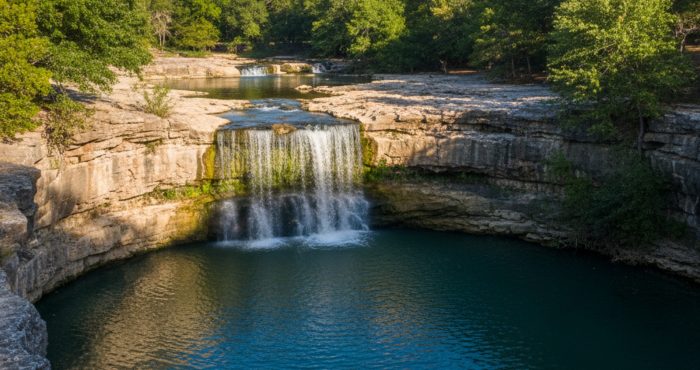
  • Limestone Quarry Park: If you want a bit of nature, this park offers hiking trails and views of a waterfall carved out of the limestone. It feels miles away from the city traffic.

Plan Your Visit: Weather, Safety & Logistics

If you are planning a trip, here are a few practical things you should know to make your visit smoother.

Getting Around You really need a car here. Frisco is spread out, and while ride-share apps like Uber and Lyft are readily available, having your own vehicle is the most convenient way to hop between The Star and the Rail District.

Best Time to Visit Spring and Fall are the sweet spots. April brings the wildflowers, and October brings perfect patio weather (and football season). Summer can be intense with the heat, so plan for indoor activities like the Videogame Museum if you visit in July.

Safety Frisco consistently ranks as a low-crime city based on FBI data. It is generally very safe to walk around the entertainment districts at night, though standard big-city precautions always apply.

Expert Guidance for Buying and Selling in Frisco

Navigating the Frisco real estate market takes more than just watching prices. The Bale Real Estate Group, ranked in the top 1% of North Texas Realtors, helps buyers and sellers understand how to position themselves based on current competition, not just past sales. From identifying the right neighborhoods to negotiating stronger terms, their approach is focused on preparation, strategy, and results.

Frequently Asked Questions

What is Frisco, Texas, known for?

Frisco is widely known as “Sports City USA.” It is the headquarters for the Dallas Cowboys, the PGA of America, and is home to multiple professional sports venues including The Star, Toyota Stadium, and Riders Field.

Is Frisco or Plano better for tourists?

It depends on what you are looking for. Frisco offers newer developments, the PGA district, and a focus on sports entertainment, while Plano has a more established downtown arts district and the massive Legacy West shopping area. Both are excellent, but Frisco tends to feel newer and more sports-centric.

Are there free activities in Frisco?

Yes, there are several excellent free options. You can visit the Texas Sculpture Garden, explore the new Kaleidoscope Park, see the cattle sculptures at Central Park, or visit the Frisco Public Library to see the dinosaur exhibit without spending a dime.

What is opening in Frisco in 2026?

The biggest addition for 2026 is the Universal Kids Resort, a theme park designed specifically for younger children. Additionally, the major revitalization projects in the historic Rail District are scheduled to be fully completed this year, bringing new walkability to downtown.

Posted in: Community Guides, Frisco Real Estate, Home Buying, Market Updates, Relocating to North Dallas Tagged: Buyer Guide, FC Dallas, Frisco Attractions, Frisco Discovery Center, Frisco Heritage Museum, Frisco Public Library, Frisco Rail District, Frisco Real Estate, Frisco Relocation, Frisco RoughRiders, Kaleidoscope Park, KidZania Frisco, Legacy West, Limestone Quarry Park, Living in Frisco TX, National Soccer Hall of Fame, National Videogame Museum, PGA Frisco, Relocation Guide, Riders Field, Sci-Tech Discovery Center, Sports City USA, Stonebriar Centre, Texas Legends, Texas Sculpture Garden, The Star Frisco, Things to Do in Frisco TX, Toyota Stadium, TrainTopia, Universal Kids Resort

Cost of Living in Frisco, TX: A 2026 Budget Guide

If you are looking at homes for sale in Frisco, you have likely heard the buzz. This isn’t just a bedroom community anymore; with major developments like The Star and the new PGA Frisco, this city has become a massive destination for relocation. But with that growth comes a very real question: Can I actually afford to live there?

Let’s be honest—Frisco has a reputation for being affluent. The cost of living here is roughly 12% higher than the national average, and the “sticker shock” on housing can be real for people moving from other parts of the Midwest or South. However, many residents find that the premium price tag is worth it for the modern infrastructure, low crime rates, and top-tier amenities.

When budgeting for a move here, you have to understand the “Texas Trade-off.” We don’t have a state income tax, which sounds great on payday, but the state makes up for that revenue through property taxes and toll roads. Below, we’ll break down exactly what those numbers look like for 2026 so you can build a realistic budget.

Housing Costs: Buying vs. Renting

Housing is going to be your biggest line item, and the market here has shifted quite a bit over the last year. While prices remain higher than the Texas average, we are seeing a shift toward a buyer’s market. Recent reports show inventory is up significantly—about 85% year-over-year—which means buyers finally have some room to negotiate.

Buying a Home

If you are planning to buy, you need to be prepared for the price point. As of January 2026, the median home price in Frisco sits around $648,000. While that is a slight cooling from the peak frenzy of a few years ago, it is still a significant investment. The good news is that the higher inventory levels mean you aren’t rushing into bidding wars as often as you might have in 2022.

The Rental Market

For those not ready to commit to a mortgage, renting is a popular way to get a feel for the area. However, renting a single-family home here isn’t cheap. You can expect median rents to range between $2,100 and $2,400 per month.

There is a distinct price difference depending on what you rent. Luxury apartment complexes near the Dallas North Tollway will command premium pricing similar to single-family homes, while older apartments further from the main arteries offer more competitive rates.

The “Hidden” Cost: Frisco Property Taxes Explained

This is the section that usually surprises newcomers the most. If you are moving from a state with income tax, you might think you are getting a raise. But you have to account for property taxes, which are higher here than in many other states.

In Frisco, your total tax bill is a “layer cake” composed of taxes from the City, the County (either Collin or Denton), the School District (Frisco ISD), and the local College District. When you add all these jurisdictions together, the total estimated tax rate usually lands between 1.8% and 2.1% of the assessed value.

Here is a rough breakdown of where that money goes:

  • Frisco ISD Tax Rate: Approximately $1.0194 per $100 valuation (based on 2025 adopted rates). This is the largest chunk of your bill.
  • City Tax Rate: Approximately $0.42 per $100 valuation.

The most important thing to remember is the Homestead Exemption. If this is your primary residence, filing for this exemption is critical. It caps the amount your taxable value can increase each year and knocks a significant portion off the taxable value of your home for school district taxes.

Utility Bills: Preparing for Summer Spikes

When budgeting for living in Frisco, you cannot look at a monthly average and call it a day. You have to budget for seasonality. The weather here is extreme, and your electricity bill will reflect that.

Texas has a deregulated electricity market, meaning you have the “Power to Choose” your provider. While this allows you to shop for rates, the average electricity rate for 2026 is hovering around $0.13 to $0.14 per kWh.

The real kicker is the air conditioning. In July and August, when temperatures consistently hit triple digits, AC units run non-stop. It is not uncommon for a standard 2,500-square-foot home to see summer bills exceeding $250.

For a standard family home, you should budget a total of $350 to $450 per month for all utilities combined. This includes electricity, gas (common for heating and cooking), and the city bill, which covers water, sewer, and trash services.

Transportation: Tolls and Commuting

Frisco is a car-dependent city. While there are some walkable pockets like Frisco Square or The Star, public transit is virtually non-existent for daily commuting. Most households here own two cars.

If you are commuting from Frisco to Dallas or Plano, you will likely rely on the Dallas North Tollway (DNT) or the Sam Rayburn Tollway (SRT). These are not free highways. To keep costs down, you absolutely must get an NTTA TollTag. Without one, the “ZipCash” (pay-by-mail) rates are roughly double.

Even with the tag, tolls add up. The rate increased in July 2025 to roughly $0.22 per mile. For a daily commuter driving to downtown Dallas, toll costs can easily exceed $1,800 per year. While gas prices here are generally lower than the national average, the high mileage required to get around the metroplex balances that savings out.

Daily Living: Groceries, Healthcare, and Sales Tax

Once you get past the fixed costs of housing and cars, the day-to-day variable expenses are actually quite reasonable.

  • Groceries: We have a highly competitive grocery market. With heavy hitters like HEB, Kroger, Whole Foods, and Walmart all within a short drive, prices tend to stay 4% to 9% lower than the national average.
  • Sales Tax: Be ready for a total sales tax of 8.25% on non-essential goods.
  • Healthcare: Medical costs in the area track slightly higher than the national average (about +4%), but access to care is excellent with major hospital systems located right in town.
  • Entertainment: You have choices here. You can spend money on premium experiences like FC Dallas games or dining at The Star, but there is also an abundance of free amenities, including massive community parks and hiking trails.

What Salary Do You Need to Live in Frisco?

So, what is the bottom line? To live comfortably here—meaning you can cover housing, save for retirement, and enjoy the local lifestyle without financial stress—you need a solid income.

The median household income in Frisco is approximately $146,000, which reflects the area’s affluence.

  • For a Single Adult: To afford a decent one-bedroom apartment and cover vehicle costs, a salary of $80,000 to $90,000 is recommended.
  • For a Family of Four: To buy a home and support two children comfortably, you should aim for a household income of $130,000 to $150,000+.

Is Frisco Worth the Price Tag?

Frisco is no longer the “cheap” Texas suburb it was twenty years ago. It is a premium market. However, when you look at what you get—access to the highly-rated Frisco Independent School District, modern roads, incredible safety, and proximity to major job hubs—the value proposition is strong.

If you are looking for rock-bottom costs, this might not be the spot. But if you are prioritizing lifestyle, amenities, and long-term property value, the cost of living in Frisco is an investment that many find worthwhile.

Frequently Asked Questions

Is it expensive to live in Frisco, Texas?

Yes, living in Frisco is generally more expensive than the Texas average and roughly 12% higher than the national average. The primary driver of this cost is housing, with median home prices significantly higher than neighboring communities, though daily expenses like groceries remain competitive.

What is a good salary for a family in Frisco, TX?

For a family of four to live comfortably, own a home, and handle property taxes without stress, a household income of $130,000 to $150,000 or more is recommended. This aligns with the local median household income, which is roughly $146,000.

Does Frisco have state income tax?

No, Texas does not have a state income tax. This is a major financial benefit for residents, though it is important to budget for higher property taxes and sales taxes, which are used to fund local services and schools.

How much are utilities in Frisco per month?

You should budget between $350 and $450 per month for total utilities in a standard single-family home. Keep in mind that electricity bills are highly seasonal; summer cooling costs can easily push your electric bill over $250 alone during July and August.

Posted in: Community Guides, Frisco Real Estate, Home Buying, Market Updates, Relocating to North Dallas Tagged: 2026 Budget Guide, Buyer Guide, Cost of Living in Frisco TX, Dallas North Tollway, Frisco Cost of Living, Frisco Home Prices, Frisco Housing Market, Frisco Independent School District, Frisco ISD Tax Rate, Frisco Property Taxes, Frisco Real Estate, Frisco Relocation, Frisco Rent, Frisco Salary Guide, Frisco Utilities, Homestead Exemption, Living in Frisco TX, NTTA TollTag, PGA Frisco, Relocation Guide, Sam Rayburn Tollway, Texas Property Taxes, The Star Frisco

Selling Your Home in Frisco, TX: The 2026 Market Guide

If you are thinking about selling your home in Frisco this year, the first thing we need to do is reset expectations. If you talk to neighbors who sold back in 2021 or 2022, they might tell you stories about putting a sign in the yard on Friday and having twenty offers over asking price by Sunday. That was a unique frenzy, but as we sit here in February 2026, the landscape has shifted. We aren’t in a crash, but we are definitely in a “skill-based” market where strategy matters more than luck.

Right now, inventory has balanced out significantly. We are seeing about a 4-month supply of homes, which is a healthy, neutral territory. Prices have stabilized, with the median sitting comfortably in the $650,000 to $750,000 range. However, the biggest change you will feel is the timeline. Days on Market (DOM) has normalized to around 60 to 85 days. That feels long compared to a few years ago, but it is actually quite normal for a healthy market. Monitoring current market trends helps you stay ahead of pricing and timing decisions.

The good news is that the “Why Now” factor for Frisco is stronger than ever. With the Universal Kids Resort set to open this June and the continued expansion around PGA Frisco and The Fields, demand is high. People want to live here. The goal of this guide is to help you navigate the specifics—like MUD taxes, aggressive HOAs, and pricing strategy—to make sure you walk away with the most money possible.

Step 1: Pricing Strategy for a ‘Normal’ Market

Pricing is where the battle is won or lost in 2026. Because buyers have more choices now, they are much more sensitive to price. If you start with “aspirational pricing”—listing high just to see if anyone bites—you run a real risk. In this market, homes that sit for more than 100 days tend to get stigmatized. Buyers start wondering what’s wrong with the house, and pricing correctly from day one becomes critical to maximizing your results. Otherwise, you end up chasing the market down with price cuts.

To price it right, we have to look at the anatomy of a comparable sale (a “comp”). We cannot rely on what your neighbor is asking for their house; we have to look at what homes actually sold for in late 2025 and early 2026. This data tells us what a buyer is willing to sign on the dotted line for. Currently, the list-to-sale ratio is hovering between 96% and 98%. This means negotiation is back on the table, and you need to price with that slightly flexible margin in mind.

  • The Fields Effect: If your property is located near the new PGA or Universal developments, we need to highlight that potential appreciation. Buyers are willing to pay a premium for that proximity.
  • Price Bands: Keep in mind that the market moves at different speeds depending on price. Homes under $700,000 are moving briskly. If you have a luxury estate over $1,000,000, specifically in gated communities like Stonebriar, you need to prepare for a slightly longer timeline.

Step 2: Frisco-Specific Prep & Staging

Once we have the price, we have to look at the product. One of the biggest challenges for sellers in Frisco is the sheer volume of new construction. Builders are offering incentives, rate buydowns, and brand-new warranties. If you are selling a home built in 2010, you are directly competing with these 2026 new builds. Your home cannot look “tired.”

Buyers in our area are looking for the “Frisco Look.” They want light, bright, and decluttered spaces. The era of dark woods, heavy drapes, and Tuscan-style kitchens is largely behind us. Simple updates like painting cabinets white, updating light fixtures to modern LEDs, and removing heavy furniture can make your home feel ten years younger.

We also have to talk about the unsexy structural stuff. North Texas soil is expansive—it moves. Before we list, it is often smart to do a pre-listing inspection, especially for the foundation and the roof. We have had plenty of hail storms over the last few years, and buyers will almost certainly request a roof inspection. Catching these issues upfront prevents a deal from falling apart three weeks into the contract.

  • Curb Appeal & HOAs: Frisco HOAs are notoriously strict. Before you list, make sure your fence is stained to code, your trees are trimmed, and your lawn is weed-free. You don’t want a buyer’s first impression to be a violation notice.

Step 3: Marketing Your Home (Beyond the MLS)

Putting your home on the MLS is just the baseline. In 2026, a massive chunk of our buyer pool is coming from out of state—specifically corporate relocations from California and New York. These buyers are often shortlisting homes from thousands of miles away. This means professional photography and 3D tours are non-negotiable. If a buyer can’t walk through your home digitally on their phone, they often won’t bother booking a flight to see it in person.

We also need to market the lifestyle, not just the drywall. When someone buys a home in West Frisco, they are buying the easy commute on the Dallas North Tollway (DNT). They are buying weekends at The Star or afternoons at the new parks in the Fields development. Your marketing materials should highlight the walkability to highly rated Frisco ISD schools and proximity to these major hubs.

We can also generate buzz before the clock starts ticking on your Days on Market. Using a “Coming Soon” campaign allows us to gauge interest and perhaps line up showings for the very first weekend, creating a sense of urgency even in a balanced market.

Step 4: Navigating Disclosures (MUDs, PIDs, & HOAs)

Texas paperwork is extensive, but Frisco has a few specific wrinkles that can derail a sale if you aren’t careful. The most critical one is the Municipal Utility District (MUD) notice.

Many neighborhoods in Frisco, especially those developed in the last 20 years, are located in a MUD. Texas law is extremely strict about this: you must provide the buyer with the specific MUD notice that updates the tax rate and bond debt before the contract is signed. If you forget this form, or use an old one from 2024, the buyer can legally terminate the contract at the closing table and get their earnest money back. We ensure the 2026 forms are in the file from day one.

  • Seller’s Disclosure: You must be honest about the history of the house. If you had a roof leak fixed in 2023, disclose it and show the repair receipt. Transparency builds trust.
  • HOA Resale Certificate: We need to order this early. It documents the fees, any rule violations on the property, and transfer costs.
  • Survey: If you have your existing survey and it accurately shows your current fences, pool, and patio, we can use a T-47 affidavit. This can save you about $500, but it has to be accurate.

Cost to Sell a Home in Frisco (2026 Estimates)

When you are calculating your net proceeds, it is safe to estimate that the total cost to sell will be roughly 7% to 9% of the final sales price. This covers everything from commissions to taxes.

Here is how that usually shakes out at the closing table:

  • Title Policy: In Texas, it is customary for the seller to pay for the owner’s title policy. On a $700,000 home, this is regulated by the state and will cost roughly $4,000 or more.
  • Property Taxes: Taxes in Texas are paid in arrears. You will owe the buyer a credit for the taxes from January 1st through the day of closing.
  • HOA Transfer Fees: These vary wildly by community but usually range from $200 to over $500. Some communities also have capitalization fees.
  • Repairs: Even if your home is in great shape, budget about 1% to 2% of the sales price for inspection concessions. Buyers in 2026 are asking for repairs again.

For a more detailed estimate, using a closing costs calculator can help you plan your net proceeds.

Best Time to Sell in Frisco

Timing your sale in Frisco often revolves around the school calendar. Since so many buyers move here for the schools, the prime window is typically late February through May. This allows buyers to close, do some renovations, and get settled before the new school year begins in August.

However, 2026 has a unique driver: the Universal Kids Resort opening in June. We are seeing increased interest from investors and workers who want to be settled before the park opens its doors. Listing in the Spring of 2026 allows you to capture this wave of demand.

If you miss the spring window, don’t panic. Winter selling (December and January) is slower in terms of volume, but the buyers who are looking during the holidays are usually very serious. You face less competition from other sellers, even if there are fewer buyers overall.

Your Advantage in Today’s Frisco Market

Selling your home in Frisco today requires more than just putting it on the market. With increased inventory and more selective buyers, the homes that stand out are the ones that are properly prepared, strategically priced, and professionally marketed from day one. The Bale Real Estate Group helps homeowners position their homes to attract strong buyer interest through targeted exposure, high-quality presentation, and proven negotiation strategies designed to maximize results in today’s market.

Frequently Asked Questions About Selling in Frisco

Do I have to pay MUD taxes when I sell?

No, you do not pay a lump sum “exit tax” for the MUD. However, you are responsible for disclosing the MUD information to the buyer, and you will pay your prorated share of the property taxes (which includes the MUD tax) for the portion of the year you owned the home.

How long does it take to close in Texas?

The standard closing time is usually 30 to 45 days from the time you sign the contract. That said, seller lease-backs are very common in Frisco. This allows you to close on the home, get your funds, and stay in the property for a few extra days or weeks to facilitate your move.

Is Frisco a buyer’s or seller’s market in 2026?

We are currently in a balanced market. It is advantageous for sellers who have homes in great condition and priced correctly, but it can be punishing for sellers who overprice or skip necessary repairs. It’s a fair market, especially when selling your home in Frisco in today’s market.

Posted in: Certified Pre-Owned Home Listing Program, Community Guides, Frisco Real Estate, Home Selling, Home Value / Pricing Strategy, Market Updates, Marketing Your Home for Maximum Exposure, Preparing Your Home to Sell, Professional Home Staging, Seller Closing Costs, Seller Resources, Uncategorized, Zillow Showcase Tagged: 2026 Seller Guide, Bale Real Estate Group, Collin County Real Estate, Dallas North Tollway, Denton County Real Estate, Frisco Curb Appeal, Frisco Foundation Issues, Frisco HOA Fees, Frisco Home Inspection, Frisco Home Selling, Frisco Home Staging, Frisco Home Value, Frisco ISD, Frisco Market Update, Frisco MUD Taxes, Frisco New Construction Competition, Frisco PID Taxes, Frisco Pre-Listing Preparation, Frisco Pricing Strategy, Frisco Real Estate, Frisco Real Estate Market, Frisco Roof Inspection, Frisco Seller Closing Costs, Frisco Seller Disclosure, Frisco Seller Guide, PGA Frisco, Sell My Home Frisco TX, Selling a Home in Frisco, Selling Your Home in Frisco, Texas Option Period, Texas Seller Closing Costs, Texas Seller Disclosure Notice, The Fields Frisco, Universal Kids Resort

Living in Frisco: Best Neighborhoods & Cost of Living Guide

If you still think of Frisco as just a sleeper suburb north of Dallas, you might be working with outdated information. Over the last decade, Frisco has aggressively pivoted from a commuter town to a destination in its own right—often called “Sports City USA.” By now, in February 2026, the transformation is undeniable. We have the PGA headquarters fully established, The Star anchoring the Cowboys’ operations, and the Universal Kids Resort set to open its doors this May.

For homebuyers, this shift means you aren’t just buying a house in Frisco; you’re buying into a lifestyle hub. The market has shifted, too. Unlike the chaotic frenzy of a few years ago, early 2026 is seeing a more balanced buyer’s market with stabilizing prices. That said, entry is still competitive, with median home prices hovering around the $650k–$700k mark. Whether you need quick access to the Dallas North Tollway (DNT) for work or want to be minutes from the golf course, knowing the neighborhood personalities is half the battle.

Fields: The New Center of Gravity

If you are looking for the absolute heartbeat of new development in North Texas, you have to look at Fields. This isn’t just a neighborhood; it is a massive 2,500-acre master-planned district that has effectively shifted the center of gravity for the entire city.

Because it serves as the anchor for the PGA Frisco golf courses and the Omni Resort, the vibe here is distinctly resort-centric and high-energy. It feels brand new because it is. You have incredible proximity to the upcoming Universal Kids Resort, which is a massive draw for tourism and local entertainment.

Housing here runs the gamut, which is part of the appeal. You can find “Brookside” homes starting around $700k, but if you drive into “The Preserve,” you are looking at ultra-luxury estates that can easily climb from $2M up to $10M+. It is currently the primary target for anyone seeking new construction homes in Frisco 2026 with immediate access to world-class amenities.

Phillips Creek Ranch: The Amenity Heavyweight

Before Fields stole the headlines, Phillips Creek Ranch was the undisputed king of West Frisco, and for many buyers, it still is. This community was designed for people who want to be active outside without having to drive to a state park.

The sheer scale of the amenities is what sells this neighborhood. We are talking about over 100 acres of green space and more than 18 miles of paved trails weaving through the community. It features multiple pools, a serious fitness center, and an open-air pavilion that serves as a community hub.

Another major logistical perk is the school setup. The community features multiple onsite elementary schools within Frisco ISD, meaning morning drop-offs are often just a short walk or bike ride away. Prices here reflect the established nature of the area, typically ranging from the high $600s to over $1.6M, with a median price sitting near $960k.

Newman Village: European Elegance & Art

If you drive through most North Texas suburbs, you might get fatigue from seeing the same brick elevations over and over. Newman Village is the antidote to that “cookie-cutter” feeling. It is arguably the most artistically driven, aesthetically disciplined community in West Frisco.

The vibe here is prestigious and manicured, but with a distinct European flare. The architecture leans heavily into Mediterranean, Classical, and European styles, ensuring the streetscape looks curated rather than mass-produced. A central plaza features sculptures and a community pool, giving it a town-square feel.

Because it is a gated community with larger-than-average lot sizes, it commands a premium. You should expect prices to start around $1.3M and easily exceed $3M. It’s a top contender for buyers searching for luxury homes in Frisco TX who value privacy and architectural character over the resort-style bustle of newer developments.

The Grove Frisco: Modern & Connected

Located in the “Four Corners” area—where Frisco, Allen, McKinney, and Plano converge—The Grove Frisco offers a very different flavor. The developers aimed for a “modern village” concept, and it feels much more social and contemporary than older neighborhoods.

The heart of the community is “Orchard House,” a bakery and cafe-style amenity center that encourages neighbors to actually hang out. The amenities are modern and thoughtful, including two pools, a splash pad, and playgrounds that feel integrated into the landscape rather than stuck on a concrete slab.

The homes here are built by reputable names like American Legend and Highland Homes, but with more modern elevations that ditch the heavy stone of the 2000s for cleaner lines. Pricing is generally approachable for the luxury segment, running from $600k to $1.3M.

Starwood & Stonebriar: The Established Elite

While Fields and The Grove are shiny and new, Starwood and Stonebriar represent the “old money” establishment of Frisco. If you want mature trees that actually shade the street and a quiet, guard-gated atmosphere, these are the neighborhoods to tour.

Starwood is famous for its privacy. It is a 24/7 guard-gated community with wooded terrain and custom estates that were mostly built in the late 90s and 2000s. Stonebriar, on the other hand, is all about the golf lifestyle. Located right next to the Stonebriar Country Club and SH-121, it offers incredible access for commuters.

The distinction here is character. You won’t find the grey-and-white modern farmhouse look unless a home has been extensively remodeled. Many buyers specifically seek out these areas to buy older estates ($1.1M to $5M+) and renovate them, capitalizing on lot sizes and security that new developments just can’t match.

Other Notable Neighborhoods

Frisco is large, and sometimes the best fit is a specialized community that targets a specific lifestyle or price point.

  • Hollyhock: This offers a boutique feel near PGA Frisco. It operates on a slightly smaller scale than Phillips Creek Ranch but still delivers a robust trail system and pool, with pricing usually starting north of $700k.
  • Lexington: A direct competitor to The Grove, this community features a massive clubhouse and resort-style pool. It’s a strong option for buyers who prioritize high-end community facilities.
  • Frisco Lakes: This is the premier 55+ active adult community in the area. It wraps around Lake Lewisville and features its own golf course and social clubs. Prices here are more moderate, generally between $450k and $750k.
  • Grand Park / The Canals: If you want less yard work and more walkability, these areas offer a denser, urban residential feel closer to downtown Frisco.

Buying in Frisco: 2026 Market Insights

Navigating the local market requires more than just picking a favorite house, it requires a strategy to make the right move in today’s market. As of early 2026, inventory levels have stabilized, giving you a bit more negotiation power than buyers had during the erratic years of 2021–2024. However, smart buyers need to keep a close eye on the total monthly payment, not just the purchase price.

Property Taxes & MUDs: Texas has no state income tax, which is great, but we make up for it with property taxes. In newer developments like Fields, you often have MUD (Municipal Utility District) or PID (Public Improvement District) taxes on top of the standard rate to pay for infrastructure. It is vital to check the specific tax rate of the neighborhood you are considering, as it can swing your monthly payment by hundreds of dollars.

The Schools Factor: Frisco ISD is a primary driver for people moving here. One thing that sets the district apart is its “small school model.” Rather than building massive high schools with 4,000 students, they build more high schools to keep student populations smaller. This is designed to give students more opportunities to make the varsity team, lead a club, or get involved in theater.

Your Advantage When Buying in Frisco

Buying in Frisco today requires more than just choosing the right neighborhood. With multiple developments, varying tax structures, and a wide range of price points, having a clear strategy is key. The Bale Real Estate Group helps buyers understand the differences between communities, navigate financing options, and identify the best opportunities based on lifestyle and long-term value. The goal is simple: help you make a confident, informed decision in one of the fastest-growing markets in North Texas.

Frequently Asked Questions

What is the most expensive neighborhood in Frisco, TX?

The highest price points are typically found in The Preserve at Fields, Starwood, and Newman Village. These areas feature custom estates and large lots, with prices frequently reaching into the multi-millions.

Which Frisco neighborhoods are gated?

For buyers prioritizing privacy and security, Starwood and Newman Village are the most prominent gated communities. You will also find gated sections within Richwoods, Stonebriar, and specific luxury enclaves inside the Fields development.

Do all Frisco neighborhoods have high HOA fees?

Most master-planned communities will have significant HOA dues to cover the maintenance of pools, trails, and amenity centers. However, there are older pockets of homes, particularly near downtown Frisco, that do not have HOAs, though they lack the resort-style amenities of newer developments.

How far is the commute from Frisco to Downtown Dallas?

You should plan for a 30 to 45-minute drive via the Dallas North Tollway (DNT) for those buying a home in Frisco, depending on traffic conditions. While the tollway is the fastest route, costs can add up for daily commuters.

Posted in: Community Guides, Frisco Real Estate, Home Buying, Luxury Real Estate, Neighborhood Guides, Relocating to North Dallas, Uncategorized Tagged: Bale Real Estate Group, Best Neighborhoods in Frisco, Buying a Home in Frisco, Collin County Real Estate, Cost of Living in Frisco, Dallas North Tollway, Denton County Real Estate, Fields Frisco, Frisco Cost of Living, Frisco HOA Fees, Frisco Homes for Sale, Frisco ISD, Frisco Lakes, Frisco Luxury Homes, Frisco Master-Planned Communities, Frisco MUD Taxes, Frisco Neighborhood Guide, Frisco PID Taxes, Frisco Property Taxes, Frisco Real Estate, Frisco Relocation Guide, Grand Park Frisco, Hollyhock Frisco, Lexington Frisco, Living in Frisco, Living in Frisco TX, Newman Village, North Frisco, North Texas Relocation, PGA Frisco, Phillips Creek Ranch, Starwood Frisco, Stonebriar Frisco, The Canals at Grand Park, The Grove Frisco, The Preserve at Fields, Universal Kids Resort, West Frisco

Frisco Housing Market 2026: A Local’s Guide to Costs and Trends

If you have been keeping an eye on Frisco real estate over the last few years, you probably remember the chaos. We all saw the lines of cars wrapped around open houses and buyers waiving inspections just to get a foot in the door. I have good news for you: those days are in the rearview mirror.

As we settle into early 2026, the Frisco housing market has shifted into a much more balanced rhythm. We aren’t seeing a crash, but we are definitely seeing the return of “breathing room.” Buyers finally have time to think, compare options, and actually negotiate. The primary driver here is interest rates; with mortgage rates hovering in the 6% to 6.5% range, the frantic demand has cooled off, which has helped prices stabilize.

For many looking at living in Frisco TX, this year represents a unique “sweet spot.” You have a chance to get into a home without a bidding war, potentially before any future rate drops trigger a new wave of competition when buying a home in Frisco.

By the Numbers

Here is what the market looks like on the ground right now:

  • Median Sold Price: Prices have stabilized, generally landing between $655,000 and $715,000. This represents a stabilization or a very slight correction of about 4% to 8% year-over-year.
  • Market Pace: Homes are taking longer to sell. The Days on Market (DOM) average has extended to 60–85 days, a stark contrast to the 30-day (or less) frenzy of previous years.

Key Trends Shaping Frisco Real Estate in 2026

To understand where we are going, we have to look at the metrics defining the market this year. The headline is that price stabilization is real, and reviewing current market data helps both buyers and sellers stay informed. Prices are no longer skyrocketing month-over-month. Instead, they are holding steady or softening slightly, which gives buyers much better value for their dollar than we saw in 2024 or 2025.

Inventory growth is the other major story. We currently have approximately 1,200 active listings in the area. That is significantly more options than we had just a year or two ago. When you combine steady prices with more choices, the power dynamic shifts away from sellers.

It is also worth noting the rental market context. With median rents for a decent single-family home sitting at $2,000+ per month, homeownership remains an attractive goal for long-term residents, despite the higher interest rates.

Market Health at a Glance:

  • Inventory Supply: We are trending toward 3+ months of supply. This is a healthy, balanced number—not a crash, but not a shortage either.
  • Price per Square Foot: Most resale homes are hovering around $225 to $240 per square foot.

Buying a Home in Frisco: The 2026 Strategy

If you are looking to buy this year, your strategy should be very different from what worked in the past. The biggest change is your negotiation power. Because inventory is sitting a little longer, sellers are much more open to contingencies. You can—and should—ask for inspections, necessary repairs, and even concessions to help cover your closing costs.

Many savvy buyers are adopting the “date the rate” mindset. The idea is to lock in a home now at a negotiated price point while competition is low, with the plan to refinance later if and when rates drop. If you wait for rates to drop first, you might find yourself competing with ten other offers and driving the price up, which erases the savings from the lower rate.

Patience pays off in this market. With the average home sitting for over two months, you can view homes for sale in Frisco TX multiple times. You can drive the neighborhood at night, check the commute, and make a decision without the fear that the house will be sold five minutes after you leave.

New Construction vs. Resale: Where is the Value?

One of the most common questions I get is whether to buy a shiny new build or an established home. In 2026, this is a battle between incentives and location.

Builders, especially those with inventory north of US-380, are being very aggressive. To combat high interest rates, many are offering rate buy-downs, sometimes getting your rate as low as 4.5% or 5.5% for the first year. That is a massive monthly savings that a regular seller simply cannot match. However, you pay for it in the sales price; new homes often command a 20% premium over resale homes of similar size.

On the flip side, resale value in established neighborhoods like Stonebriar or Phillips Creek Ranch is strong. These areas offer mature landscaping, established communities, and often lower tax rates because they don’t always have the MUD or PID assessments found in newer developments.

  • Premium Zones: High-end developments like The Fields and the PGA Frisco district are commanding top dollar, with prices often exceeding $1M.
  • Builder Incentives: Look for “flex cash” offers that can be used to buy down your interest rate permanently or temporarily.

Selling in Frisco: Adjusting Expectations

If you are planning to sell, I have to be real with you: you cannot price your home like it is 2022. Sellers who try to “test the market” with an inflated price are seeing their homes sit for 100+ days, making it critical to position your home correctly to maximize your results. Pricing at accurate market value from day one is critical to getting traffic through the door.

Preparation is also mandatory again. When interest rates were 3%, buyers would overlook ugly carpet or old paint. With rates over 6%, buyers are picky. Your home needs to be staged and minor repairs need to be handled before you list.

Remember who you are competing against. You are in a direct fight with new construction builders who are offering shiny new appliances and rate buy-downs. If you can’t offer a lower interest rate, you have to win on price and condition. Currently, the sale-to-list ratio has dropped to about 96-98%, meaning most homes are selling slightly below their asking price.

Frisco vs. Plano and McKinney: The Market Difference

Is the Frisco premium worth it? It is true that Frisco remains the most expensive non-luxury outlier in the region. The median price point here ($670K+) is noticeably higher than McKinney ($500K+) or Plano ($500K-$600K).

However, you are paying for the age of the inventory. Frisco offers much newer housing stock. Plano is largely landlocked with older homes that often need renovation, while McKinney offers a mix of historic charm and new fringes, but often with a longer commute.

The “Lifestyle ROI” in Frisco is also a major factor. The “Sports City USA” branding, the influx of corporate HQs, and the sheer volume of newer infrastructure drive that demand premium. You are buying into a city that is still actively growing its commercial tax base.

Forecast: What to Expect for the Rest of 2026

Looking ahead, the most likely scenario for the rest of 2026 is stability. As long as interest rates stay above 6%, prices will likely remain flat or grow very slowly (think 2-3%). This is a healthy, sustainable pace.

The risk—or opportunity, depending on how you look at it—is the “Rate Drop” scenario. If rates dip below 6% significantly, there is a lot of pent-up demand sitting on the sidelines. That could trigger a price spike and an inventory shortage all over again.

Long-term, the outlook remains incredibly positive. Major projects like the Universal Kids Resort and the continued build-out of the PGA district ensure that property values have a high ceiling. Even if we see a short-term lull, the commercial anchors in this city make it a safe bet for long-term appreciation.

Your Advantage in Today’s Frisco Market

Navigating the Frisco housing market in 2026 requires more than just watching prices. With a more balanced market and increased inventory, success comes down to strategy, preparation, and execution. The Bale Real Estate Group helps buyers and sellers position themselves effectively through accurate pricing, targeted marketing, and clear guidance at every step. Whether you are buying or selling, the focus is on helping you make confident decisions and maximize your results in today’s market.

Frisco Real Estate FAQ

Is house pricing dropping in Frisco, TX, ESPECIALLY WHEN BUYING A HOME IN FRISCO IN TODAY’s MARKET?

We are seeing a stabilization rather than a freefall. While some segments of the market have seen a slight correction of 4-8% compared to the absolute peak, prices are generally holding steady. It is less about value dropping and more about the overheated premiums disappearing.

Is Frisco currently a buyer’s or seller’s market?

It has shifted to a balanced market that leans toward buyers. With inventory rising and days on market extending, buyers have more leverage to negotiate price and repairs than they have had in years.

What is the average days on market in Frisco for 2026?

Currently, homes are averaging 60 to 85 days on the market. This is a significant increase from previous years, giving buyers plenty of time to view homes without feeling rushed.

How do property taxes in Frisco affect affordability?

Property taxes are a major part of the cost of living in Frisco. Although Texas has no state income tax, property taxes here are high, often hovering around 2.0% to 2.5% depending on the specific county (Collin or Denton) and school district taxes. If you buy in a newer development with a MUD or PID, that rate can be even higher.

Posted in: Cost of Living, Frisco Real Estate, Home Buying, Home Selling, Market Updates, Relocating to North Dallas, Uncategorized Tagged: 2026 Frisco Real Estate, Bale Real Estate Group, Buying a Home in Frisco, Collin County Real Estate, Cost of Living in Frisco, Dallas North Tollway, Denton County Real Estate, Frisco Balanced Market, Frisco Builder Incentives, Frisco Buyer’s Market, Frisco Days on Market, Frisco Home Prices, Frisco Homes for Sale, Frisco Housing Inventory, Frisco Housing Market, Frisco Housing Market 2026, Frisco ISD, Frisco Market Trends, Frisco Market Update, Frisco Median Home Price, Frisco MUD Taxes, Frisco New Construction, Frisco PID Taxes, Frisco Price Per Square Foot, Frisco Property Taxes, Frisco Real Estate, Frisco Real Estate Market, Frisco Real Estate Market 2026, Frisco Resale Homes, Frisco Seller’s Market, Frisco vs McKinney, Frisco vs Plano, Living in Frisco TX, North Dallas Real Estate, PGA Frisco, Phillips Creek Ranch, Selling a Home in Frisco, Stonebriar Frisco, The Fields Frisco, Universal Kids Resort

Living in Frisco, TX: The 2026 Perspective

If you haven’t looked at Frisco lately, you might still think of it as that quiet bedroom community north of Plano where land was cheap and traffic was nonexistent. Let me stop you right there—that Frisco is long gone. As we settle into 2026, living in Frisco feels less like a traditional suburb and more like residing in a high-end, resort-style city that happens to be attached to Dallas when buying a home in Frisco.

We are seeing a major shift this year. With the PGA headquarters fully established, the Universal Kids Resort gearing up for its big opening, and the massive Fields development reshaping the northern horizon, Frisco has solidified its reputation as the “crown jewel” of the northern suburbs. It is energetic, polished, and undeniably expensive.

However, the real estate market has shifted gears. After the frantic pace of the last few years, 2026 has brought a welcome cooling trend. Buyers finally have room to breathe and negotiate, even if prices remain at a premium. It’s a fascinating time to be looking here—you get the maturity of a city that has “arrived” mixed with the fresh energy of new developments. But the big question remains: is the resort lifestyle worth the highest price tag in the metroplex? Let’s break it down.

Pros and Cons of Living in Frisco

Every city has its trade-offs, and Frisco is no exception. When I sit down with clients moving to Frisco, I usually tell them they are paying for the amenities, the safety, and the “newness” of everything. The infrastructure here is modern, the streets are wide, and the landscaping is meticulously manicured.

On the plus side, the amenities are unmatched. You have The Star (the Dallas Cowboys’ world headquarters) which has evolved into a legitimate nightlife and dining district, and the PGA District which offers a golf-centric lifestyle you basically can’t find anywhere else in Texas. Safety ratings consistently remain high, and the job market is incredibly robust, meaning many residents don’t even have to commute down to Dallas anymore.

But we have to talk about the traffic. As the city has filled in, particularly with the explosion of development in the north near the new Fields community, getting around has become a chore. The Dallas North Tollway (DNT) is the main artery, and during rush hour, it can feel more like a parking lot than a highway. You also have to make peace with construction noise. Even though the southern part of the city is built out, the northern sector is a symphony of jackhammers and backup beepers as commercial and residential projects race to completion.

At a Glance:

  • The Wins: Incredible amenities like The Star and PGA District, top-tier safety, and modern infrastructure.
  • The Schools: Frisco ISD still maintains its “small school” feel for the most part, though things are evolving (more on that later).
  • The Trade-offs: Cost of living is significantly higher than neighbors like Plano or McKinney.
  • The Headache: Traffic congestion on the DNT is real, and construction is a constant companion in the north.

Frisco Cost of Living & Real Estate Market (2026 Update)

Let’s talk numbers, because this is usually the biggest hurdle for new residents. For a long time, Frisco was a seller’s paradise, but 2026 is telling a different story. The market has softened. We aren’t seeing the wild bidding wars of the early 2020s. Instead, we have a more balanced environment where buyers can actually ask for repairs or concessions.

Currently, the median home price is hovering in the $655,000 to $700,000 range. While that sounds high—and it is—it’s actually a stabilization from the peak. This gives you, the buyer, a bit more leverage. You can find stunning homes in that range, but if you are looking for new construction in the premier developments, you should be prepared to go significantly higher.

For those not ready to buy, the rental market is robust but pricey. There is high demand for luxury apartments, especially walkable units near The Star and Frisco Square. You’re paying for the convenience of walking to coffee shops and workspaces, and the rates reflect that.

Taxes and Utilities

The elephant in the room in Texas is always property taxes. Since we don’t have a state income tax, the local governments lean heavily on property owners. In Frisco, you can expect a tax rate generally between 1.8% and 2.2%. This varies significantly depending on if you are in a newer development with a MUD (Municipal Utility District) tax or an older, established neighborhood.

There is some good news this year, though. The city adopted a full 20% homestead exemption for the 2026 fiscal year. That’s the maximum allowed by state law, and while it might only save you about $120 a year on the city portion of your taxes, every little bit helps when you’re budgeting.

Don’t forget to factor in your “hidden” costs. Commuting via the DNT adds up quickly in tolls—easily a few hundred dollars a month if you drive daily. And with our Texas summers, keeping a 3,000-square-foot home cool can lead to some eye-watering electricity bills from June through September.

Best Neighborhoods & Master-Planned Communities

Frisco is essentially a collection of master-planned communities, each with its own vibe. When you’re looking at fields Frisco community guide materials, it can get overwhelming, so I like to categorize them by lifestyle. You have the established luxury of the “old guard” and the flashy appeal of the new northern developments.

The New “It” Factor: Fields Frisco

If you want to be where the action is in 2026, you are looking at Fields. This is a massive 2,500-acre development that is practically a city within a city. The buzz right now is all about “The Preserve,” which offers high-end luxury lots, and “Fields West.” Vertical construction on Fields West started late last year, and it is positioned to be the new commercial core—think of it as Frisco’s answer to Legacy West. It’s fresh, it’s expensive, and it’s where everyone wants to be.

Established Luxury

If you prefer mature trees and quiet streets over construction dust, neighborhoods like Starwood and Newman Village are your best bet. These are gated communities with custom homes that have stood the test of time. You get a sense of privacy here that is hard to find in the newer, denser subdivisions. The landscaping is lush, the HOAs are strict (in a good way, usually), and the homes have unique architectural character.

Resort-Style Living

For those who want their neighborhood to feel like a vacation, Phillips Creek Ranch and The Grove are the heavy hitters. These communities were designed with socialization in mind. We’re talking extensive trail systems, multiple community pools, fitness centers, and social calendars packed with events. If you are looking for Phillips Creek Ranch homes, you are generally looking for that connected, active lifestyle where neighbors know each other from the splash pad or the community gym.

Golf Course Living

Finally, you can’t talk about Frisco without mentioning Stonebriar. This is country club living at its finest. It feels a bit more traditional and settled than the PGA District, offering a classic golf course environment with easy access to the Stonebriar Centre and the highway.

Frisco ISD: Schools, Sports, and 2026 Changes

For many of my clients, the schools are the number one driver for moving here. Frisco Independent School District (FISD) has a stellar reputation, consistently ranking near the top in Texas. They have historically operated on a “small school model,” meaning they preferred to build more high schools with smaller student bodies rather than a few massive mega-schools. The logic was simple: smaller schools mean more kids get to make the varsity team, lead the debate club, or get the lead in the play.

However, 2026 has brought a major shake-up. In a controversial move this January, it was announced that Wakeland High School is moving to the 6A classification. This challenges that long-held philosophy and puts Wakeland in a much more competitive bracket for sports and academics. It’s a hot topic at PTA meetings right now, as parents adjust to what this means for student opportunities.

Despite the shifts, the district remains a powerhouse. The youth sports culture here is intense—Friday night lights are a religion, and soccer at Toyota Stadium is a big deal. The fine arts programs are equally supported, so whether your kid is a linebacker or a violinist, they will have world-class facilities.

We also have great proximity to higher education now, with the University of North Texas at Frisco and Collin College offering growing campuses, which adds a layer of educational depth to the city that wasn’t here a decade ago.

Job Market & Commuting

Frisco isn’t just a place to sleep; it’s a place to work. The economic engine here is humming. Major employers like T-Mobile, the PGA of America, and Keurig Dr Pepper have large operations right in our backyard. Plus, you are just a stone’s throw from the Toyota North America headquarters and Liberty Mutual in nearby Plano.

For remote or hybrid workers, the infrastructure is ready for you. High-speed fiber internet is standard in almost every neighborhood, making the home office life seamless.

If you do have to commute to Downtown Dallas, you need to be realistic about the drive. The Dallas North Tollway is your lifeline, but it is also a bottleneck. On a good day with no accidents, you might make it in 35 minutes. In peak traffic? Plan for 50 minutes or more. It is a sleek, well-maintained road, but the volume of cars in 2026 is higher than ever.

Lifestyle: Dining, Shopping, & Entertainment

They call it “Sports City USA” for a reason, but the lifestyle appeal goes beyond just watching a game. The Star District has really matured into a hub for dining and nightlife. It’s not just about watching the Cowboys practice; it’s about grabbing a high-end steak, catching a concert, or just people-watching on a Friday night.

Then there is the PGA District. This is effectively the “Silicon Valley of Golf.” The Omni resort is fully active, the courses are pristine, and the retail and dining options there have created a new center of gravity for the city. It’s a great place to spend a Saturday, even if you don’t play golf.

Retail therapy is easy to find, with Stonebriar Centre remaining a major regional draw. But all eyes are on the upcoming Fields West to see how it reshapes the shopping landscape. And we have to mention the Universal Kids Resort. It is opening later this year, and while it’s going to be amazing for tourism, locals are bracing for the impact it will have on traffic. It’s definitely something to keep in mind when choosing which side of the tollway you want to live on.

Weather: What to Expect

If you are relocating from out of state, the weather is the final piece of the puzzle. We have four seasons, but they aren’t equal. Summers are hot—expect temperatures consistently over 100°F from July through August. It’s a dry-ish heat, but it is intense. Winters are generally mild, but we do get the occasional freeze.

Spring is beautiful but volatile. This is storm season, and hail is a real risk. When you are looking at homes, pay attention to the age of the roof and ask about hail-resistant materials. A good HVAC system isn’t a luxury here; it’s a life support system.

Why Buyers and Sellers Choose Bale Real Estate Group

Buying or selling in Frisco requires more than just timing the market. The Bale Real Estate Group helps clients understand pricing, competition, and how to position a home to stand out from day one. For sellers, that includes strategic pricing, professional staging, targeted marketing, Zillow Showcase exposure, and our Certified Pre-Owned Home Listing Program. The goal is simple: create stronger demand and better results in today’s market.

Frequently Asked Questions

Is Frisco TX expensive to live in?

Yes, compared to the rest of the DFW metroplex, Frisco is at the top of the price bracket. While you get incredible amenities and safety for your money, housing costs and property taxes are higher here than in neighboring cities.

What is the new Fields development in Frisco?

Fields is a massive 2,500-acre master-planned community in north Frisco that is being called a “city within a city.” It includes luxury residential areas like The Preserve and a major commercial hub called Fields West that will rival Legacy West.

Does Frisco TX have good schools?

Absolutely. Frisco ISD is consistently rated as one of the best districts in Texas, known for high academic standards and robust extracurriculars. However, parents should be aware of recent changes, such as Wakeland High School moving to the 6A classification in 2026.

How far is Frisco from Dallas/Fort Worth Airport (DFW)?

It typically takes about 25 to 35 minutes to get to DFW Airport from Frisco, depending on where you live in the city and the time of day. The connection via Sam Rayburn Tollway makes it a relatively straight shot for business travelers.

Is Frisco or Plano better for living?

It depends on what you value. Frisco offers a newer, flashier “resort” feel with more modern construction, while Plano is more established with mature trees, slightly lower housing costs, and a more central location to Dallas.

Posted in: Cost of Living, Frisco Real Estate, Home Buying, Luxury Real Estate, Market Updates, Neighborhood Guides, Relocating to North Dallas, Schools & Education, Uncategorized Tagged: 2026 Frisco Real Estate, Bale Real Estate Group, Best Neighborhoods in Frisco, Buying a Home in Frisco, Collin College, Dallas North Tollway, DFW Airport, Fields Frisco, Fields West, Frisco Cost of Living, Frisco Home Prices, Frisco Homes for Sale, Frisco Homestead Exemption, Frisco Housing Market 2026, Frisco ISD, Frisco Luxury Homes, Frisco Master-Planned Communities, Frisco MUD Taxes, Frisco Neighborhood Guide, Frisco PID Taxes, Frisco Property Taxes, Frisco Real Estate, Frisco Real Estate Market, Frisco Relocation Guide, Frisco vs Plano, Living in Frisco TX, Moving to Frisco TX, Newman Village, North Dallas Real Estate, PGA Frisco, Phillips Creek Ranch, Sam Rayburn Tollway, Starwood Frisco, Stonebriar Centre, Stonebriar Frisco, The Grove Frisco, The Preserve Frisco, The Star Frisco, Universal Kids Resort, UNT Frisco, Wakeland High School

Posts navigation

  • « Previous Page
  • 1
  • 2
Bale Real Estate Group
(972) 469-0332
TREC - Information About Brokerage Services
TREC - Consumer Protection Notice
Site created by Michael Tritthart Team. | View Privacy Policy