Top 1% Frisco & Plano Realtors | Bale Real Estate GroupTop 1% Frisco & Plano Realtors | Bale Real Estate Group

Top 1% North Texas luxury real estate team with $50M+ in sales and 80+ 5-star reviews. Frisco, Plano, Preston Hollow & North Dallas.

  • Home
  • Search
  • Communities We Serve
    • Allen
    • Aubrey
    • Celina
    • Coppell
    • Dallas
      • Oakdale
    • Frisco
      • Country Club Ridge at The Trails
      • Custer Creek Farms
      • Griffin Parc
      • Heather Ridge Estates
      • Shaddock Creek Estates
      • Newman Village
      • Phillips Creek Ranch
      • Richwoods
      • Starwood
      • Stonebriar
      • The Canals at Grand Park
      • The Fairways
      • The Hills of Kingswood
      • Villages of Stonebriar Park
    • McKinney
    • Park Cities
    • Plano
      • Avignon Windhaven
      • Cliffs of Gleneagles
      • Crystal Creek
      • Deerfield
      • Lakeside on Preston
      • Normandy Estates
      • Shoal Creek
      • Wentworth Estates
      • Willow Bend Polo Estates
      • Willow Bend
      • Windrose Tower
    • Preston Hollow
    • Princeton
    • Prosper
    • Southlake
  • Buyers
    • Buying a Home in Dallas
    • 8 Steps to Buying a Home
    • First-Time Home Buyers
    • Smart Buyer Strategy
      • DFW Property Taxes
      • HOA Communities in North Texas
      • Homestead Exemptions
      • MUD and PID Districts
      • Cost of Home Ownership
    • Home Loan Process
      • Credit Score Requirements
      • How Much Home Can You Afford?
      • Down Payment Options
      • Interest Rates Explained
      • Mortgage Pre-Approval
    • Relocating to North Dallas
      • Choosing the Right Community & Location
      • School Districts
      • Commute Considerations
      • Community Comparisons
      • Cost of Living
    • New Construction Buyer Representation
    • Offer Strategy
    • Home Inspections
    • Buyer Closing Costs
    • Buying and Selling at the Same Time
      • Downsizing & Rightsizing
  • Sellers
    • Selling Your Home in North Dallas
    • 8 Steps to Selling a Home
    • Pre-Listing Appointment
    • Preparing Your Home for Sale
      • Professional Home Staging
    • Certified Pre-Owned Home Listing Program
    • Marketing Your Home for Maximum Exposure
      • Professional Photography
      • Drone Photography
      • Zillow Showcase
      • Social Media Marketing
      • Digital Advertising
    • Strategic Pricing & Market Positioning
    • Seller Closing Costs & Net Proceeds
      • Calculate Your Estimated Seller Net Proceeds
    • Offer Strategy & Seller Protection
    • Buying and Selling at the Same Time
      • Downsizing & Rightsizing
  • Our Advantage
    • Why Work With Bale Real Estate Group
    • Why Sellers Hire Bale Real Estate Group
    • Meet the Team
    • Real Producers: Cover Story
    • Our Story
    • Client Testimonials
    • Proven Results
    • Certified Pre-Owned Home Listing Program
    • Zillow Showcase
    • Professional Home Staging
    • Concierge Vendor Network
    • What if?
    • Videos
  • Blog
  • Contact

Evaluating the Job Market Plano TX Offers: 2026 Relocation Guide


Relocating to North Texas requires a solid grasp of the local economy before committing to a home purchase. Understanding the job market Plano TX provides is a crucial first step for anyone planning a relocation. Buyers often prioritize this area because of its transition from a quiet suburb to a massive center of commerce.

Steady employment opportunities directly influence housing demand and long-term property values. Whether you are looking for homes for sale in Plano or simply evaluating the region for a future move, understanding the local corporate landscape is essential. The city offers a unique blend of high-paying roles, robust infrastructure, and diverse industries that support a resilient real estate market.

The broader North Texas region continues to attract massive investments, but this specific municipality stands out for its strategic planning. City officials have spent decades cultivating an environment that attracts top-tier corporations while maintaining high-quality residential spaces. Prospective homebuyers who understand these economic drivers are better equipped to make informed real estate decisions.


Overview of the Job Market in Plano

Plano has evolved into a premier destination for corporate relocations and business expansions over the last decade. This steady influx of companies creates a constant demand for housing, keeping the local real estate market highly active. A strong local economy means buyers can feel more confident about the long-term retention of their property values.

Objective economic indicators highlight the impressive stability of the city. The early 2026 unemployment rate for Plano sits at approximately 3.5 percent, showcasing a tight labor market with plenty of opportunities. This local performance outpaces many national metrics and aligns well with the broader Texas job growth projection of roughly 1.1 percent for the year.

Many suburban housing markets across the country experience extreme volatility because they depend entirely on one major employer. The job market in Plano avoids this trap by maintaining a healthy mix of corporate headquarters, retail centers, and professional services. This balanced economic ecosystem ensures that property values remain steady even if one specific sector experiences a temporary slowdown.

Economic resilience here is driven by a wide variety of industries rather than a reliance on a single sector. Professionals easily find roles in accounting, customer service, technology, and healthcare. For prospective buyers, this diverse foundation means the city is less vulnerable to isolated industry downturns, making a home purchase a more secure long-term investment.


Top Employers and Corporate Headquarters

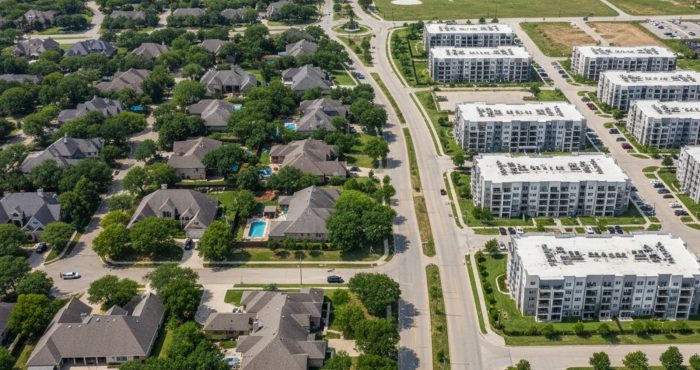
The massive corporate presence in the city is anchored by the highly developed Legacy West development. This sprawling district serves as a primary economic engine, drawing thousands of professionals to the region every day. The concentration of business hubs directly fuels demand for nearby residential neighborhoods and modern apartment complexes.

Beyond the immediate office spaces, the Legacy West development integrates high-end retail and dining options that serve the local workforce. This mixed-use approach creates a vibrant atmosphere that appeals strongly to relocating professionals seeking convenience. Real estate investors often target properties near these mixed-use centers because the tenant demand from corporate employees remains incredibly consistent.

Many globally recognized brands have chosen to establish their corporate headquarters or major regional campuses within the city limits. These operations bring a massive variety of specialized jobs in Plano, ranging from executive leadership to technical support. The proximity of these massive campuses to residential areas allows many locals to enjoy a remarkably short daily commute.

The local employment landscape is dominated by several massive corporate campuses. Some of the most notable major employers driving the local economy include:

  • Toyota Motor North America, which operates a massive headquarters supporting thousands of administrative and corporate roles.
  • Liberty Mutual, offering extensive opportunities in insurance, customer service, and corporate strategy.
  • JPMorgan Chase, which anchors a significant portion of the local finance and banking sector.
  • Capital One, providing a massive regional hub for tech development, finance, and human resources.

While these massive corporate campuses command the most attention, the city of Plano also supports a thriving network of mid-sized businesses. Supply chain logistics, regional healthcare providers, and specialized consulting firms provide thousands of additional job opportunities. This dense concentration of diverse employers ensures that residents have ample room for career advancement without needing to relocate.

The constant hiring needs of these major corporations ensure a steady stream of relocating professionals entering the housing market. Buyers competing for properties near these headquarters should expect sustained demand, as proximity to work remains a top priority. Securing a home near these employment centers is a proven strategy for maximizing long-term real estate appreciation.


Average Salary and Economic Growth

Earning potential in the area strongly supports the local cost of living and the competitive housing market. Average salaries in Plano generally range from approximately $77,000 to well over $92,000, depending heavily on the specific sector and level of experience. These figures consistently outpace the national average, giving residents substantial purchasing power.

High compensation levels are particularly common in the tech, finance, and executive management sectors. When local salaries remain strong, residents are better positioned to navigate property taxes, home maintenance, and mortgage requirements. This purchasing power creates a stable environment for sellers, as there is a consistent pool of qualified buyers ready to enter the market.

The prevalence of high-paying roles also means that dual-income households in the area often possess significant financial leverage. When both partners have access to competitive salaries in Plano, buyers can confidently explore premium real estate options. This combined purchasing power is a major reason why the local housing market sustains its strong pricing compared to neighboring suburbs.

While the cost of living here is higher than in some rural Texas towns, the elevated average salaries more than compensate for the difference. Buyers quickly realize that the income potential heavily outweighs the local tax rates and housing premiums. Ultimately, the strong compensation packages offered by local employers make homeownership highly attainable for dedicated professionals.

Projected job growth statistics indicate that the region will continue to expand its economic footprint. Emerging opportunities in software development and financial technology are actively driving up average compensation packages. For anyone considering living in Plano, this upward trajectory signals a healthy, forward-moving local economy.


Commuting and Local Infrastructure

A strong employment sector requires robust transportation infrastructure to keep professionals moving efficiently. The city is highly connected by major arterial routes, including the Dallas North Tollway and the Sam Rayburn Tollway. These thoroughfares allow residents to navigate between corporate campuses and residential zones with relative ease.

Homebuyers frequently select their specific neighborhoods based on their preferred access to these major transportation arteries. Properties located within a five-minute drive of the Dallas North Tollway historically command a premium due to the sheer convenience. Buyers must balance their desire for a short commute with their overall budget when navigating the local housing market.

While many residents work locally, those commuting to neighboring economic hubs still enjoy manageable travel times. A typical drive to downtown Dallas takes approximately 30 to 45 minutes, depending heavily on peak traffic patterns. Understanding these commute times is crucial for buyers trying to choose the right location for their daily routine.

City planners continue to invest in roadway expansions and smart traffic management systems to accommodate the growing workforce. These ongoing infrastructure improvements help mitigate the congestion that typically accompanies massive corporate expansions. For real estate investors, these civic investments signal a long-term commitment to maintaining the city’s status as a premier employment destination.

Public transit options also play a significant role in supporting the local workforce. The DART system provides extensive rail and bus networks that connect the city to the broader Dallas-Fort Worth metroplex. This infrastructure offers a practical alternative for professionals who prefer to avoid highway traffic during rush hour.

Regional connectivity recently saw a massive upgrade with the completion of the DART Silver Line in late 2025. This new rail service provides a direct connection from the city to DFW International Airport, boasting an approximate travel time of just 58 minutes. For traveling professionals and corporate executives, this direct airport access makes the area exceptionally appealing.

Why Homeowners Choose Bale Real Estate Group

Buying or selling in Plano requires more than just timing the market. The Bale Real Estate Group helps clients understand pricing, competition, and how to position a home to stand out from day one. For sellers, that includes strategic pricing, professional staging, targeted marketing, Zillow Showcase exposure, and our Certified Pre-Owned Home Listing Program. The goal is simple: create stronger demand and better results in today’s market.

Frequently Asked Questions

What is a good salary in Plano, TX?

A good salary in the area typically aligns with the local averages of $77,000 to $92,000, which provides comfortable purchasing power for housing. Earning above this range is common in specialized finance and technology roles. This level of income generally allows residents to comfortably manage local property costs and living expenses.

Is Plano’s job market reliant on the tech sector?

The local economy is highly diversified and does not rely solely on technology companies for stability. While tech roles are prominent, the city features massive employment bases in finance, insurance, manufacturing, and consumer goods. This diverse corporate presence protects the local housing market from volatility in any single industry.

Posted in: Home Buying, Market Updates, Plano Real Estate, Relocating to North Dallas Tagged: 2026 Market Guide, Buyer Guide, Capital One Plano, Corporate Relocation, Dallas North Tollway, DART Silver Line, DFW Airport, Job Market Plano TX, JPMorgan Chase Plano, Legacy West, Liberty Mutual Plano, North Dallas Real Estate, Plano Economy, Plano Jobs, Plano Real Estate, Plano Relocation, Relocation Guide, Toyota Plano

Moving to Plano TX: Housing Costs, Commutes, and the Job Market in 2026


Relocating to the Dallas-Fort Worth metroplex often leads buyers to search for specific suburbs that balance corporate access with substantial local amenities. Those considering moving to Plano TX will find a city that operates as a major economic engine in North Texas rather than a simple bedroom community.

Understanding the local housing inventory, commuting logistics, and school zoning is essential before making a real estate decision. This guide outlines the objective data buyers need to navigate the current property market, evaluate daily travel times, and calculate true living costs across the city.

The municipality provides a unique blend of suburban space and dense commercial infrastructure. Relocating buyers must weigh the advantages of robust employment hubs against the realities of higher property taxes and summer climate demands.


Cost of Living and Local Taxes in Plano

Evaluating the financial realities of this city requires looking beyond the purchase price of a home. Buyers must factor in local tax rates and seasonal utility spikes to understand their true monthly obligations.

The overall cost of living in the Plano area runs approximately 8.5 percent higher than the national average. A significant portion of this premium comes from local real estate valuations and the associated property tax burden.

For the 2025-2026 fiscal year, the adopted combined property tax rate sits at an approximate 1.71 percent per $100 of assessed value. This combined figure includes the City of Plano tax rate of roughly 0.4376 and the Plano Independent School District rate of approximately 1.0396. Buyers should calculate these exact percentages against their anticipated purchase price to avoid surprises at closing.

Utility costs also demand careful budgeting, running about 12.8 percent above the national average due to intense summer cooling requirements. Fortunately, residents benefit from the lack of a state income tax in the Lone Star State. This tax structure often offsets the higher property tax and energy expenses for the corporate workforce.


Plano Real Estate Market and Property Types

The local housing inventory offers everything from sprawling single-family estates to dense, walkable condominium developments. Prices vary significantly depending on the neighborhood and proximity to major corporate centers.

Current market data shows median home prices hovering between an approximate $536,000 and $540,000. Buyers looking at homes for sale in Plano will find that properties in the western half of the city generally command higher price points. East Plano tends to offer more affordable housing options, often featuring established neighborhoods with larger lot sizes and mature trees.

Renters and buyers seeking lower-maintenance lifestyles have plenty of options in the higher-density developments. Average rent prices range from an approximate $1,450 to $1,700 depending on the building amenities and location. Luxury mixed-use condominiums and townhomes are highly concentrated around Legacy West and the Shops at Legacy.

The market remains highly active, meaning buyers need to act decisively when a well-priced single-family home hits the Multiple Listing Service. Securing a property in the more accessible price tiers often requires submitting an offer within the first few days on the market.


Major Employers and Job Market Hubs

Employment density is one of the primary drivers of housing demand in this part of Collin County. The city hosts a massive concentration of corporate headquarters and regional offices.

The Legacy Business Park serves as the central economic node for the entire North Texas region. This massive development houses thousands of employees across the finance, technology, and automotive sectors. Major corporations with headquarters or significant campuses here include Toyota, Frito-Lay, JPMorgan Chase, and Capital One.

The healthcare sector also provides a robust foundation for the local labor market. Medical City Plano and various Texas Health facilities employ thousands of medical professionals and administrative staff. This strong medical infrastructure supports both the local economy and the residents requiring specialized care.

This density of high-paying jobs creates a hyper-local housing demand around the major employment centers. Buyers relocating for work will find that purchasing a home near the Dallas North Tollway corridor drastically cuts daily commute times for corporate employees.


Transportation, Commute Times, and Transit Options

Navigating the Dallas area requires a clear understanding of the regional toll roads and public transit networks. Daily travel times depend heavily on proximity to these major transportation arteries.

Several major highways serve the city, including the Dallas North Tollway, the President George Bush Turnpike, and US-75. Drivers should budget for monthly toll expenses, as utilizing the tollway system is often the most efficient way to travel across Denton County and Collin County. For frequent travelers, the Dallas Fort Worth International Airport is typically a 30-minute drive under normal traffic conditions.

Public transportation offers a viable alternative to driving for many residents. The Dallas Area Rapid Transit system operates extensive bus routes and light rail services throughout the region. The DART Red and Orange rail lines connect the Downtown Plano station directly to Downtown Dallas, bypassing rush hour traffic entirely.

Utilizing the DART rail system is the most predictable way to navigate morning commutes into the city center. Buyers prioritizing public transit should focus their property search near the historic downtown sector to maximize access to the train station.


Plano Independent School District (PISD)

The public education infrastructure is a massive consideration for anyone researching life in Plano. The local district operates with a unique structural model that differs from many other metropolitan areas.

The Plano Independent School District manages dozens of campuses that serve students across the municipality and into neighboring jurisdictions. The district boundaries are expansive, occasionally overlapping into parts of neighboring cities. Buyers should always verify exact zoning lines with a real estate agent before finalizing a purchase contract.

The district utilizes a distinct campus split for older students rather than a traditional four-year model. Students in the ninth and tenth grades attend standard high schools, while eleventh and twelfth graders transition to dedicated senior high schools. Plano Senior High School is one example of these specialized upper-level campuses.

This structural division allows the district to consolidate advanced academic tracks and specialized facilities for older students. The area also provides strong tertiary education options, anchored by the expansive Collin College system.


Parks, Recreation, and Outdoor Amenities

Balancing the intense corporate environment, the city maintains an impressive network of municipal parks and nature trails. Residents have immediate access to hundreds of acres of protected green spaces.

Arbor Hills Nature Preserve stands out as a premier destination for outdoor recreation in the western part of the city. The preserve features extensive hiking trails, dedicated off-road cycling paths, and a multi-story observation tower. This natural amenity provides a critical counterbalance to the heavily developed corporate corridors nearby.

On the eastern side of the city, Oak Point Park and Nature Preserve serves as the largest continuous park space in the area. Visitors can utilize the expansive lake, navigate the zip-lining courses, or explore miles of unpaved nature trails. Bob Woodruff Park connects directly to this system, offering local fishing piers and community pavilions.

For those who prefer urban recreation, the city integrates highly walkable retail districts with outdoor gathering spaces. Developments like Legacy West blend open-air patios and pedestrian walkways with local dining and commerce.

Expert Guidance for Buying and Selling in Plano

Navigating the Plano real estate market takes more than just watching prices. The Bale Real Estate Group, ranked in the top 1% of North Texas Realtors, helps buyers and sellers understand how to position themselves based on current competition, not just past sales. From identifying the right neighborhoods to negotiating stronger terms, their approach is focused on preparation, strategy, and results.

Frequently Asked Questions About Moving to Plano

Is Plano, TX an expensive place to live?

The overall cost of living is approximately 8.5 percent higher than the national average, largely driven by housing prices and property taxes. However, residents do not pay a state income tax in Texas. This tax structure often balances out the higher local costs for workers moving from higher-tax states.

What is the average commute time from Plano to Downtown Dallas?

Driving down US-75 to Downtown Dallas typically takes 30 to 45 minutes during standard rush hour traffic. Residents looking to avoid highway congestion can take the DART rail lines instead. The train ride from the historic downtown station to the city center takes approximately 40 minutes.

Does Plano have public transportation?

Yes, the city is fully integrated into the Dallas Area Rapid Transit network. The system provides extensive local bus routes and direct light rail access. The Red and Orange lines operate daily, connecting local stations to major employment hubs across the metropolitan area.

Posted in: Home Buying, Market Updates, Plano Real Estate, Relocating to North Dallas Tagged: 2026 Housing Market, Arbor Hills Nature Preserve, Buyer Guide, Capital One Plano, Cost of Living, Dallas North Tollway, DART Rail, JPMorgan Chase Plano, Legacy West, Moving to Plano TX, Oak Point Park, Plano Commute, Plano Housing Costs, Plano ISD, Plano Job Market, Plano Real Estate, Plano Relocation, Plano TX, Property Taxes, Relocation Guide, Toyota Plano

Living in Plano, TX: The “City of Excellence” in 2026

If you’re thinking about moving to North Texas, you’ve likely heard about Plano. A decade ago, people thought of it as just a bedroom community for Dallas commuters. But as we settle into 2026, Plano has firmly established itself as a powerhouse in its own right. It’s no longer just a place to sleep; it’s a place to work, eat, shop, and thrive.

Located about 20 miles north of Dallas in the heart of Collin County, Plano bridges the gap between the big city energy to the south and the booming suburbs of Frisco to the north. It offers a unique blend of safety and sophistication that consistently lands it on lists for the happiest and safest cities in the U.S.

However, the city has a split personality that newcomers need to understand. There is a distinct “West vs. East” dynamic here. The west side feels newer, flashier, and denser, while the east side offers established neighborhoods, mature trees, and a slightly slower pace. Whether you are relocating for a job at Toyota or just looking for a solid real estate investment, understanding this local geography is key to finding your spot.

Cost of Living in Plano: What to Expect

Let’s talk numbers. Living in Plano generally costs a bit more than the Texas average—usually hovering 9–21% higher than national figures—but that premium buys you access to top-tier amenities, safety, and schools. While the sticker price on housing might give you pause, it’s important to remember that salaries in this area are often adjusted to match the cost of living.

Housing Costs

As of early 2026, the housing market here has stabilized but remains competitive. The median home price sits between $496,000 and $540,000, depending heavily on which side of the tollway you choose.

If you are coming from the coasts, this might look like a bargain. If you are comparing it to living in Dallas proper, you’ll notice a difference: Plano is significantly more expensive than many Dallas neighborhoods (often 30–60% higher), but the trade-off is usually newer inventory, larger square footage, and bigger lots.

For those not ready to buy, the rental market is active but pricey. You can expect to pay around $1,700 for a decent 1-bedroom apartment. If you are looking at luxury units in high-demand areas like Legacy West, those rents can easily exceed $2,700 a month.

Taxes and Daily Expenses

The lack of state income tax is a massive financial win for Texas residents, but you have to budget for property taxes. In Plano, prepare for a rate of roughly 2.1% to 2.5%. This is where your monthly payment can creep up, so always factor this into your mortgage calculations.

As for the day-to-day, utilities and groceries generally align with national averages. The one outlier is electricity. During our intense summers, AC bills can spike significantly, so energy efficiency becomes a major factor when choosing a home.

Real Estate & Neighborhoods: Where to Live

Plano is huge, and the vibe changes drastically depending on your zip code. Local real estate agents usually break the city down into three distinct “personalities.”

West Plano (West of the Dallas North Tollway)

This is the area most people picture when they think of “Luxury Plano.” It is home to massive estates, upscale shopping, and proximity to major corporate headquarters. Neighborhoods like Willow Bend and Gleneagles offer grand homes and country club lifestyles. If you want to be five minutes from high-end dining and your office at Legacy West, this is where you look.

Central Plano

If you love mid-century modern charm or 1980s brick traditionalism, Central Plano is a goldmine. Neighborhoods like Whiffletree and Deerfield are famous for their character and community spirit (Deerfield’s Christmas lights are legendary). This area often provides a sweet spot for buyers looking for slightly more affordable starter homes without sacrificing access to schools and parks.

East Plano (East of US-75)

East Plano feels like a different town entirely. It’s where the city started, so you get the Historic Downtown area, massive mature trees, and parks that feel like nature preserves rather than manicured lawns. Areas like Timber Brook or homes near Oak Point Park offer larger lots and are generally more affordable than the west side.

A Note on Inventory

If you are looking at homes for sale in Plano, be prepared to move fast. In early 2026, inventory remains tight. Desirable homes often go pending in under 45 days, so having your financing lined up before you tour is essential.

The Job Market: Why People Move Here

A major reason housing is so competitive is the booming job market. People aren’t just moving here to commute to Dallas anymore; they are moving here because the jobs are here.

The Corporate Giants

Plano is home to an impressive roster of corporate heavy hitters. Toyota North America, JPMorgan Chase, Capital One, PepsiCo, FedEx Office, and Liberty Mutual all have massive campuses here. The economy is diverse, with a heavy emphasis on finance, technology, automotive, and corporate services.

The Commute Flip

Because of this corporate density, the traditional commute model has flipped. Many residents actually work in Plano and live in Dallas, or they live in Plano and work just a few miles away. The average household income here is significantly higher than the Texas median (often $96k+), reflecting the concentration of high-paying professional roles.

Schools & Education: The Plano ISD Advantage

For many movers, the search starts and ends with the Plano Independent School District (PISD). The district consistently holds an “A” rating and is a primary driver for property values in the area.

The Senior High Structure

One thing that confuses newcomers is the district’s grade structure. PISD separates grades 9–10 (High Schools) from grades 11–12 (Senior High Schools). This creates a unique dynamic where the Senior High campuses feel almost like small colleges. It allows for a higher concentration of specialized AP, IB, and career-tech resources for older students.

Specialized Academies

Beyond the standard curriculum, PISD is known for specialized options like the Health Sciences Academy and the IB World School. If your student is an athlete, you should know that Plano West and the other Senior Highs have highly competitive sports programs that are well-scouted by universities.

Lifestyle: Dining, Shopping, and Outdoors

You don’t need to drive to Dallas for a night out. Plano has developed its own distinct cultural and entertainment districts.

Legacy West & Shops at Legacy: Think of this as the “Rodeo Drive” of Plano. It’s an open-air district featuring high-end dining, luxury brands, and the massive Legacy Hall food court. It is the place to see and be seen on a Friday night.

Historic Downtown Plano: For a more authentic, small-town feel, head downtown. This Arts District features red-brick streets, local coffee shops, and independent venues. Events at McCall Plaza often bring live music and community gatherings to the heart of the city.

Parks and Recreation: The Plano Park System is nationally ranked for a reason. Arbor Hills Nature Preserve offers legit hiking trails on the west side, while Oak Point Park on the east side features ziplining and canoeing. And you can’t talk about local culture without mentioning the Plano Balloon Festival—the city’s signature event every September that draws crowds from all over the state.

Getting Around: Traffic and Transportation

While the lifestyle is great, the traffic is a reality you have to accept. Like most of Texas, Plano is car-dependent.

The Tollway Reality: If you are living in Plano, you need a TollTag. The Dallas North Tollway (DNT) and Sam Rayburn Tollway (SRT) are the arteries that keep traffic moving. They are clean and fast, but they are not free. Monthly toll bills can add up, so budget for it as a transportation cost.

Rush Hour & Commutes: Traffic on US-75 and the DNT gets heavy during peak hours. A typical commute to Downtown Dallas takes 30–50 minutes, but bad weather or an accident can easily push that over an hour.

Public Transit Options: You aren’t totally out of luck without a car, though. The DART Rail (Red and Orange lines) runs through the eastern side of the city, with stops at Parker Road and Downtown Plano. It’s a fantastic option for commuting to downtown Dallas or heading to a sports game without paying for parking.

Weather: Heat, Hail, and ‘Dallaska’

The climate here is intense. We have beautiful shoulder seasons, but the extremes require preparation.

Summer Heat: From June through September, highs consistently stay above 95°F. Air conditioning isn’t a luxury; it’s a life support system. You will learn to run errands early in the morning or late at evening.

Storm Season: Spring and Fall bring pleasant temps but also severe weather. Thunderstorms can produce large hail, so checking the roof age and insurance coverage on a home is a critical step during inspections.

Winter Surprises: Winters are generally mild, but recent years (like the freezes in 2021 and early 2026) have taught locals to take cold snaps seriously. “Dallaska” jokes aside, when the temperature drops, knowing how to insulate your pipes is a mandatory homeowner skill here.

Summary: Pros and Cons of Living in Plano

If you are on the fence, here is the quick breakdown of what you are signing up for.

Pros:

  • Access to top-tier education and specialized school programs.
  • A robust job market with global HQs right in your backyard.
  • Exceptional parks and outdoor preserves.
  • No state income tax.
  • Low crime rates compared to major metro areas.

Cons:

  • High property taxes (roughly 2.1%–2.5%).
  • Heavy traffic congestion on major arteries.
  • Intense summer heat that lasts for months.
  • Housing costs are higher than in neighboring cities.

Verdict: Plano is ideal for those who prioritize safety, education, and career growth. It may lack the walkable nightlife of a dense city center, but it makes up for it with convenience and a high standard of living.

Your Advantage With Bale Real Estate Group

Buying or selling in Plano requires more than just timing the market. The Bale Real Estate Group helps clients understand pricing, competition, and how to position a home to stand out from day one. For sellers, that includes strategic pricing, professional staging, targeted marketing, Zillow Showcase exposure, and our Certified Pre-Owned Home Listing Program. The goal is simple: create stronger demand and better results in today’s market.

Frequently Asked Questions

Is living in Plano TX expensive?

Compared to the national average, yes, Plano is more expensive, primarily due to housing costs. However, when you compare the cost of living in Plano vs Dallas or coastal tech hubs, it remains relatively affordable, especially considering the high local salaries and lack of state income tax.

What is the best neighborhood in Plano for families?

There isn’t one single “best” spot, as it depends on what you value. Buyers looking for luxury and new construction often flock to West Plano (Willow Bend), while those seeking larger lots, trees, and affordability often prefer East Plano neighborhoods near Oak Point Park.

Does it snow in Plano Texas?

True snow is somewhat rare, but the area does experience ice storms and freezing temperatures a few times a year. While it’s not a snowy climate, the infrastructure can struggle during these freeze events, so preparedness is important.

How far is Plano from Dallas?

Plano is located about 20 miles north of Downtown Dallas. Without traffic, it’s a quick 25-minute drive, but during rush hour, you should plan for 45 minutes to an hour.

Posted in: Cost of Living, Home Buying, Luxury Real Estate, Market Updates, Neighborhood Guides, Plano Real Estate, Relocating to North Dallas, Schools & Education, Uncategorized Tagged: 2026 Plano Real Estate, Arbor Hills Nature Preserve, Bale Real Estate Group, Best Neighborhoods in Plano, Buying a Home in Plano, Central Plano, Collin County Real Estate, Dallas North Tollway, DART Plano, Deerfield Plano, East Plano, Gleneagles Plano, Historic Downtown Plano, JPMorgan Chase Plano, Legacy West, Liberty Mutual Plano, Living in Plano TX, Moving to Plano TX, North Dallas Real Estate, Oak Point Park, Plano Arts District, Plano Balloon Festival, Plano Cost of Living, Plano Home Prices, Plano Homes for Sale, Plano Housing Market 2026, Plano ISD, Plano Neighborhood Guide, Plano Property Taxes, Plano Real Estate, Plano Real Estate Market, Plano Relocation Guide, Plano Schools, Plano Senior High School Model, Plano vs Dallas, Plano vs Frisco, Sam Rayburn Tollway, The Shops at Legacy, Timber Brook Plano, Toyota North America, US 75 Plano, West Plano, Whiffletree Plano, Willow Bend

Bale Real Estate Group
(972) 469-0332
TREC - Information About Brokerage Services
TREC - Consumer Protection Notice
Site created by Michael Tritthart Team. | View Privacy Policy