Top 1% Frisco & Plano Realtors | Bale Real Estate GroupTop 1% Frisco & Plano Realtors | Bale Real Estate Group

Top 1% North Texas luxury real estate team with $50M+ in sales and 80+ 5-star reviews. Frisco, Plano, Preston Hollow & North Dallas.

  • Home
  • Search
  • Communities We Serve
    • Allen
    • Aubrey
    • Celina
    • Coppell
    • Dallas
      • Oakdale
    • Frisco
      • Country Club Ridge at The Trails
      • Custer Creek Farms
      • Griffin Parc
      • Heather Ridge Estates
      • Shaddock Creek Estates
      • Newman Village
      • Phillips Creek Ranch
      • Richwoods
      • Starwood
      • Stonebriar
      • The Canals at Grand Park
      • The Fairways
      • The Hills of Kingswood
      • Villages of Stonebriar Park
    • McKinney
    • Park Cities
    • Plano
      • Avignon Windhaven
      • Cliffs of Gleneagles
      • Crystal Creek
      • Deerfield
      • Lakeside on Preston
      • Normandy Estates
      • Shoal Creek
      • Wentworth Estates
      • Willow Bend Polo Estates
      • Willow Bend
      • Windrose Tower
    • Preston Hollow
    • Princeton
    • Prosper
    • Southlake
  • Buyers
    • Buying a Home in Dallas
    • 8 Steps to Buying a Home
    • First-Time Home Buyers
    • Smart Buyer Strategy
      • DFW Property Taxes
      • HOA Communities in North Texas
      • Homestead Exemptions
      • MUD and PID Districts
      • Cost of Home Ownership
    • Home Loan Process
      • Credit Score Requirements
      • How Much Home Can You Afford?
      • Down Payment Options
      • Interest Rates Explained
      • Mortgage Pre-Approval
    • Relocating to North Dallas
      • Choosing the Right Community & Location
      • School Districts
      • Commute Considerations
      • Community Comparisons
      • Cost of Living
    • New Construction Buyer Representation
    • Offer Strategy
    • Home Inspections
    • Buyer Closing Costs
    • Buying and Selling at the Same Time
      • Downsizing & Rightsizing
  • Sellers
    • Selling Your Home in North Dallas
    • 8 Steps to Selling a Home
    • Pre-Listing Appointment
    • Preparing Your Home for Sale
      • Professional Home Staging
    • Certified Pre-Owned Home Listing Program
    • Marketing Your Home for Maximum Exposure
      • Professional Photography
      • Drone Photography
      • Zillow Showcase
      • Social Media Marketing
      • Digital Advertising
    • Strategic Pricing & Market Positioning
    • Seller Closing Costs & Net Proceeds
      • Calculate Your Estimated Seller Net Proceeds
    • Offer Strategy & Seller Protection
    • Buying and Selling at the Same Time
      • Downsizing & Rightsizing
  • Our Advantage
    • Why Work With Bale Real Estate Group
    • Why Sellers Hire Bale Real Estate Group
    • Meet the Team
    • Real Producers: Cover Story
    • Our Story
    • Client Testimonials
    • Proven Results
    • Certified Pre-Owned Home Listing Program
    • Zillow Showcase
    • Professional Home Staging
    • Concierge Vendor Network
    • What if?
    • Videos
  • Blog
  • Contact

Is Frisco, TX Safe? A Data-Driven Guide for New Residents

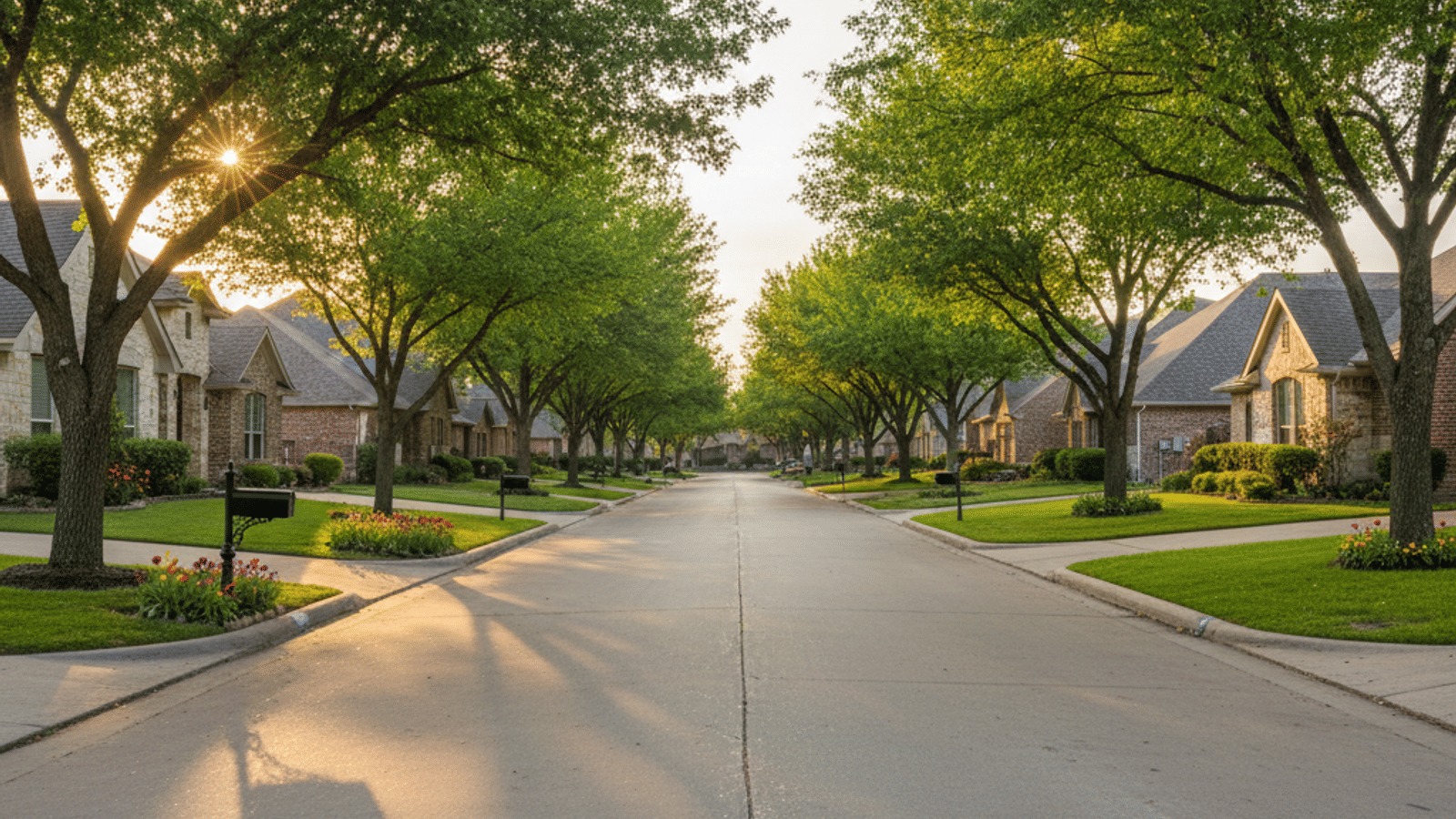
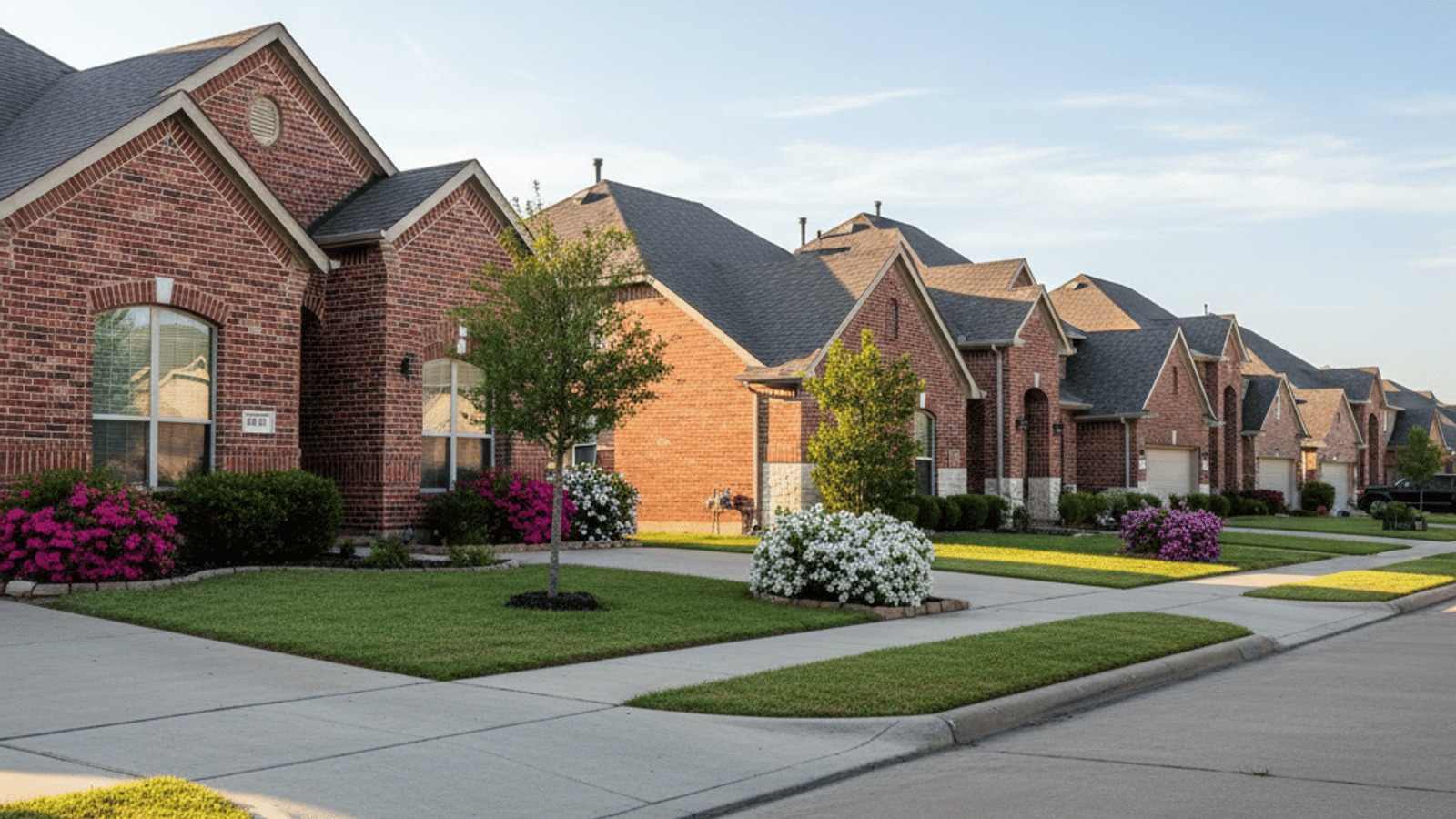
If you are looking into homes for sale in Frisco, you have likely heard the buzz. Frisco frequently dominates the headlines as one of the safest cities in the United States. It is a massive draw for people moving to North Texas, and for good reason.

But as a local, I know that “safety” means more than just crime statistics. It’s about whether you feel comfortable walking your dog at night, how the roads handle the morning commute, and what happens when the Texas weather turns severe. While Frisco’s population has exploded to around 235,000 residents, it has managed a rare feat: maintaining a small-town safety profile despite big-city growth.

In this guide, we are going to look past the marketing brochures and dig into the real numbers for 2026. We will cover crime rates, environmental risks, and infrastructure so you can decide if Frisco is the right fit for you.


Frisco Crime Rates vs. National Averages (2026 Data)

Let’s start with the question on everyone’s mind: crime. When you look at the data from sources like SmartAsset and MoneyGeek, Frisco consistently ranks in the #1 or #2 spots for safety nationwide. The numbers back this up, especially when you compare them to national baselines.

Violent Crime Violent crime in Frisco is exceptionally low. Recent data indicates a rate of approximately 86 to 95 incidents per 100,000 people. To put that in perspective, that is a fraction of the national average. It is one of the main reasons residents feel comfortable in the best neighborhoods in Frisco, even after dark.

Property Crime While violent crime is rare, property crime is the most common issue here, though it is still lower than the national average. This usually looks like “crimes of opportunity”—things like porch piracy or theft from unlocked vehicles. The economic impact of crime here is remarkably low; the cost of crime per capita in Frisco is estimated around $287, whereas the national average hovers near $2,178.

The Bottom Line

  • Violent Crime: Extremely rare compared to US averages.
  • Traffic Fatality Rate: 1.59 per 100k (significantly lower than nearby major cities).
  • Rankings: Consistently top-tier in 2024/2025 reports from SmartAsset and MoneyGeek.


Environmental Risks: Tornadoes, Hail, and Weather Safety

If the crime stats look too good to be true, here is the reality check: the weather. Living in North Texas means dealing with the elements, and this is the one area where new residents need to be vigilant.

Tornado Risk Frisco is located in a higher-risk zone for tornado activity, with a risk score hovering near 99/100. While direct hits from massive storms are statistically rare, they do happen. For example, in March 2024, a minor tornado (EF0) touched down near the UNT Frisco campus. It caused minimal damage, but it served as a reminder that severe weather is a part of life here.

Hail and Wind Frankly, hail is the safety risk that is most likely to impact your wallet. High winds and hail are the most frequent causes of property damage in the region, affecting roofs and parked cars. When budgeting for a move, it is smart to look closely at insurance deductibles regarding wind and hail.

Emergency Preparation The city is well-prepared for this. Frisco utilizes an extensive Outdoor Warning Siren System to alert residents of severe weather. Most locals also rely on weather apps and weather radios. The summer heat is another safety factor; with days consistently topping 100°F, staying hydrated and avoiding midday sun is mandatory.


Infrastructure & Health: Water, Roads, and Hospitals

Safety also covers the infrastructure you use every day. From the water coming out of your tap to the roads you drive on, Frisco generally scores very high marks.

Water Quality You might see questions online about water safety, but the official reports are solid. The Texas Commission on Environmental Quality (TCEQ) rates Frisco’s water supply as “Superior,” which is the highest rating a water system can achieve in the state. According to the 2025/2026 Annual Water Quality Report, the city meets or exceeds all federal safety standards.

Road Safety Traffic is a common complaint in any growing city, but strictly speaking, Frisco roads are safe. The traffic fatality rate is roughly 1.59 per 100,000 people. For context, the rate in Dallas is roughly eight times higher (around 14.42 per 100k).

Areas of Caution That said, congestion can create risks. High-volume areas like the intersection of US 380 and Dallas Parkway, as well as stretches of Preston Road, require extra defensive driving.

Healthcare Access If you have a medical emergency, you are in good hands. Frisco is home to major medical centers, including Baylor Scott & White and Texas Health, ensuring that high-level care is just minutes away for most residents.

For a deeper dive into the daily logistics of the city, you might want to read about living in Frisco pros and cons.


Community Demographics & Inclusivity

A common question for anyone relocating is, “Will I fit in?” Frisco has become increasingly diverse over the last decade, transforming from a quiet exurb into a cultural melting pot.

Who Lives Here? According to recent 2026 Census estimates, the population breakdown is approximately:

  • White: ~48%
  • Asian: ~28%
  • Hispanic: ~13%
  • Black: ~9%

Safety Sentiment Physical safety is high across all demographics. Whether you are browsing forums like Reddit or talking to neighbors, the consensus is that residents of all backgrounds feel physically secure in their homes and public spaces.

Community FeelFrisco ISD is known for its diversity, particularly its high Asian student population, which has fostered a variety of cultural events and inclusion initiatives. However, some residents note in online discussions that for specific cultural hubs—like niche grocery stores or specific dining scenes—they sometimes travel to neighboring Plano or Dallas. While Frisco is catching up rapidly, it is still developing its own deep cultural roots compared to the older suburbs.


Safety Comparison: Frisco vs. Plano, McKinney, and Dallas

When you are looking at the metroplex, it helps to compare Frisco to its neighbors.

Frisco vs. Dallas The difference here is stark. Frisco is exponentially safer than Dallas regarding both violent crime and traffic incidents. The “Frisco Bubble” is a real feeling; the transition from the dense urban environment of Dallas to the manicured streets of Frisco is immediate.

Frisco vs. Plano and McKinney This comparison is much closer. Plano and McKinney are also consistently ranked as some of the safest cities in America.

  • Plano: Very comparable to Frisco, though an older city with slightly different infrastructure.
  • McKinney: Also incredibly safe, with a historic downtown feel.

In recent 2025 and 2026 studies, Frisco often edges out its neighbors slightly in safety rankings, but the difference is marginal. You really can’t go wrong with any of the three if safety is your priority.


Verdict: Is Frisco a Good Place to Live?

So, is Frisco safe? By almost every statistical measure, the answer is a resounding yes.

For Families: The combination of low violent crime and a “Superior” rated water system makes it a top-tier choice. The biggest “threat” you are likely to face is a severe thunderstorm or a hailstorm, not criminal activity.

For Commuters: While traffic on US 380 can be stressful, the roads are statistically much safer than those in the urban core of Dallas.

Overall, Frisco remains one of the safest cities in the nation. As long as you prepare for the Texas weather and practice defensive driving in construction zones, it is an excellent place to put down roots.

Expert Guidance for Buying and Selling in Frisco

Navigating the Frisco real estate market takes more than just watching prices. The Bale Real Estate Group, ranked in the top 1% of North Texas Realtors, helps buyers and sellers understand how to position themselves based on current competition, not just past sales. From identifying the right neighborhoods to negotiating stronger terms, their approach is focused on preparation, strategy, and results.

Frequently Asked Questions About Frisco Safety

Is Frisco TX safe from tornadoes?

Frisco is located in a high-risk zone for tornadoes, consistent with the rest of North Texas. While direct hits are statistically rare, the city takes this risk seriously with a robust siren system. A minor tornado did touch down near UNT Frisco in March 2024, so having a weather plan is essential.

Is Frisco tap water safe to drink?

Yes, Frisco’s tap water is safe. The Texas Commission on Environmental Quality (TCEQ) has rated the city’s water system as “Superior,” which is the highest rating available. The water meets or exceeds all federal safety standards.

What is the crime rate in Frisco Texas?

Frisco has one of the lowest crime rates in the country. The violent crime rate is approximately 86 incidents per 100,000 people, which is significantly below the national average. Property crime is also low, though it is the most common type of police report filed in the city.

Is Frisco safer than Plano?

Both cities are exceptionally safe and frequently appear at the top of national safety rankings. In recent 2025 and 2026 studies, Frisco often ranks slightly higher than Plano, but the difference is minimal. Both offer a safety profile far superior to national averages.
Posted in: Community Guides, Frisco Real Estate, Home Buying, Market Updates, Relocating to North Dallas Tagged: 2026 Safety Guide, Baylor Scott & White Frisco, Best Neighborhoods in Frisco, Buyer Guide, Dallas Parkway, Frisco Crime Rate, Frisco Crime Statistics, Frisco Real Estate, Frisco Relocation, Frisco Roads, Frisco Safety, Frisco Tornado Risk, Frisco TX, Frisco vs Dallas, Frisco vs McKinney, Frisco vs Plano, Frisco Water Quality, Frisco Weather Safety, Is Frisco TX Safe, Living in Frisco TX, North Texas Relocation, Relocation Guide, TCEQ Superior Water Rating, Texas Health Frisco, US 380 Frisco

Buying a Home in Frisco: Financial Help is Available

Let’s be honest—buying a home in Frisco is an investment. We all know the market here is high-demand, and with that comes a price tag that can feel daunting, especially if you’re trying to break into the market for the first time. But there is a huge misconception floating around that I want to clear up right away: financial assistance isn’t just for low-income buyers.

In 2026, the landscape of down payment assistance has evolved. There are programs designed specifically to help moderate-income households, veterans, and local professionals bridge the affordability gap. You might be surprised to find that a household earning a solid middle-class income can still qualify for significant aid.

When we look for help buying a home in Frisco, we usually look at three layers: City-specific programs, County resources, and Statewide initiatives. While the City of Frisco has very specific targeted options, the Statewide programs are often where the magic happens for the general public. Let’s break down the numbers and see what might work for you.

City of Frisco Specific Homebuyer Assistance

First, let’s look at what is available directly from the city. I often hear people ask if there is a general grant for anyone moving to Frisco. The short answer is generally no—unless you work for the City or the School District.

The City of Frisco & Frisco ISD Employee Down Payment Assistance Program is the main local tool. If you are a full-time employee of either the City or Frisco ISD and have been on the job for at least six months, you should absolutely look into this. It offers a $10,000 forgivable loan to help cover your down payment and closing costs.

The “forgivable” part is key here. It essentially acts as a 0% interest loan that is forgiven over five years, provided you stay in the home and keep your job with the City or District. To qualify, you generally need to be a first-time homebuyer (or haven’t owned in three years).

The financial limits for 2026 are generous enough to cover many staff members. The maximum household income limit is currently hovering around $146,158, and the maximum sales price for a home is approximately $563,500. You will also need to complete a HUD-approved homebuyer education class, which is standard for almost all assistance programs.

Texas State Affordable Housing Corporation (TSAHC)

If you don’t work for the City or ISD, don’t worry. The Texas State Affordable Housing Corporation (TSAHC) is likely your best bet, and it’s arguably the most popular option for buyers in the Dallas-Fort Worth metroplex.

TSAHC operates two main programs that are fantastic for Frisco buyers:

  • Home Sweet Texas: Designed for low-to-moderate income homebuyers.
  • Homes for Texas Heroes: Specifically for teachers, police officers, firefighters, EMS personnel, corrections officers, and veterans. This version often comes with slightly higher income limits or more favorable terms.

The assistance usually comes in two flavors: a grant (which is essentially free money you don’t pay back) or a forgivable second lien loan. The amount is typically calculated as 2% to 5% of your total loan amount.

Beyond just the down payment, you should ask your lender about the Mortgage Credit Certificate (MCC). This is a special tax credit that can save you up to $2,000 every year on your federal income taxes for as long as you live in the home and pay on the mortgage. It’s a powerful long-term savings tool.

Qualifying isn’t as hard as you might think. You generally need a credit score of at least 620. As for income, in the Dallas metro area, limits for 2026 are sitting around $117,300 to $134,895, depending on your household size.

Texas Department of Housing and Community Affairs (TDHCA)

Another major player is the Texas Department of Housing and Community Affairs (TDHCA). They offer similar benefits to TSAHC but with slightly different rules, which can be helpful if you don’t fit perfectly into the TSAHC box.

They offer the My First Texas Home program, which is strictly for first-time buyers or those who haven’t owned a home in the last three years. If you are a repeat buyer, they also have the My Choice Texas Home program, which is more flexible.

The assistance here is often structured as a 3-year deferred forgivable loan or a 30-year second loan. This means you might have a small second mortgage to pay off, or it might vanish after three years of residency.

When you are looking at the math, it is worth comparing the interest rates between TDHCA and TSAHC. Sometimes one will offer a slightly lower rate on the main mortgage than the other. Purchase price limits here are also healthy, generally covering homes up to roughly $585,000 in our target areas, with down payment assistance up to 5% of the loan.

SETH 5 Star Texas Advantage Program

A lesser-known but excellent option for Frisco buyers is the SETH 5 Star Texas Advantage Program. While it excludes some parts of Texas like Travis County, it is fully active in Collin and Denton counties.

One of the biggest perks of SETH is that there is no first-time homebuyer requirement. If you owned a home five years ago and are looking to buy again, this program is still on the table for you.

The income limits are tiered. For the standard program, household income limits can go up to approximately $158,000, while the “Charter” level (which offers lower rates) caps out around $90,000. The assistance is usually a 3-year forgivable second lien or a deferred payment loan, giving you flexibility depending on how long you plan to stay in the home.

Programs for Veterans in Frisco

Frisco has a strong veteran community, and if you served, you have access to some of the best loan products in the country through the Texas Veterans Land Board (VLB).

The Veterans Housing Assistance Program (VHAP) provides below-market interest rates for purchasing a primary residence. These rates are set weekly and are often significantly lower than standard conventional or FHA rates.

The best part? You can “stack” this benefit. You can use a VA loan (which requires 0% down) and combine it with the VLB interest rate discount.

Additionally, if you are looking to build a custom home or just want some acreage, the VLB offers land loans that require only 5% down—a rarity in the land financing world. They also offer home improvement loans if you buy a fixer-upper that needs some work.

Navigating Collin and Denton County Resources

Geography matters here. Because Frisco straddles both Collin County and Denton County, confusion often arises about which “county” programs you can use.

Generally speaking, the Collin County Housing Finance Corporation focuses more on funding for developers and non-profits rather than direct checks to individual buyers. For most residents on the Collin County side, the State programs (TSAHC/TDHCA) are the intended route.

On the Denton County side, you might see programs labeled “City of Denton Homebuyer Assistance.” Be careful here—these usually require you to buy a home within the city limits of Denton, not just anywhere in the county. If you are buying in Frisco, you likely won’t qualify for Denton-specific city grants.

My advice? Don’t get bogged down hunting for a county-specific grant that might not exist. Stick to the robust statewide programs (TSAHC, TDHCA, SETH) which apply regardless of which side of the county line your new home sits on.

How to Qualify and Apply in 2026

If you’re ready to move forward, the process is fairly streamlined. You don’t apply for these grants directly through a government website; you apply through your lender.

Step 1: Check your credit. Most of these programs have a hard floor at a 620 credit score. If you are close, talk to a lender about rapid rescoring or small tweaks to get you over that hump.

Step 2: Find a participating lender. This is crucial. Not every bank or loan officer is approved to offer TSAHC, TDHCA, or SETH loans. You need to find a loan officer who specifically works with these agencies.

Step 3: Take a Homebuyer Education Course. Almost every single program listed above requires you to take a homebuyer education class. These can usually be done online and are a prerequisite for closing.

Step 4: Verify your household income. Remember, these programs look at “household” income, not just the borrower’s income. If your spouse works but isn’t on the loan, their income may still count toward the limit, so be prepared to show documentation for everyone over 18 in the house.

Why Buyers and Sellers Choose Bale Real Estate Group

Buying or selling in Frisco requires more than just timing the market. The Bale Real Estate Group helps clients understand pricing, competition, and how to position a home to stand out from day one. For sellers, that includes strategic pricing, professional staging, targeted marketing, Zillow Showcase exposure, and our Certified Pre-Owned Home Listing Program. The goal is simple: create stronger demand and better results in today’s market.

Frequently Asked Questions

Does Frisco have a first-time homebuyer grant?

The City of Frisco itself does not offer a general grant for the public; its specific program is only for City and ISD employees. However, most Frisco residents utilize statewide programs like TSAHC or TDHCA when buying a home in Frisco, which offer grants and forgivable loans to first-time buyers in the area. 

What is the income limit for homebuyer assistance in Frisco?

Income limits vary by program and household size, but for 2026, most programs like TSAHC and SETH have limits ranging from approximately $117,000 to $158,000. This means moderate-income households often qualify even if they don’t consider themselves “low income.”

Do I have to pay back down payment assistance in Texas?

It depends on the program. “Grants” generally do not need to be paid back. “Forgivable loans” (like TSAHC or the City Employee program) are forgiven over time (usually 3 to 5 years) if you stay in the home. Deferred loans, however, must be repaid when you sell the home or refinance.

Can I use TSAHC or TDHCA programs in Frisco?

Yes, absolutely. Both are statewide programs and are fully applicable for homes purchased in Frisco, regardless of whether you are in the Collin County or Denton County portion of the city.

Is there help for buying land in Frisco?

Yes, specifically for veterans. The Texas Veterans Land Board (VLB) offers land loans with a minimum of 5% down, which is much lower than the typical 20% or more required by traditional banks for land purchases.

Why Work with  Bale REal Estate Group?

Navigating homebuyer assistance programs in Frisco can feel overwhelming, especially with multiple options, income limits, and lender requirements. The Bale Real Estate Group helps buyers identify the right programs, connect with experienced lenders, and structure offers that align with both their financial goals and today’s competitive market. From first-time buyers to those re-entering the market, having a clear strategy ensures you take full advantage of available opportunities while positioning yourself to secure the right home with confidence.

Posted in: Community Guides, Frisco Real Estate, Home Buying, Market Updates, Relocating to North Dallas, Uncategorized Tagged: 2026 Homebuyer Guide, Buyer Guide, Buying a Home in Frisco, City of Frisco Employee Assistance, Collin County Homebuyer Assistance, Denton County Homebuyer Assistance, Down Payment Assistance Texas, First-Time Buyer Frisco, Frisco Buyer Guide, Frisco Down Payment Assistance, Frisco First-Time Homebuyer, Frisco Home Buying, Frisco Homebuyer Assistance, Frisco Housing Programs, Frisco ISD Employee Assistance, Frisco Real Estate, Frisco Relocation, Home Buying Assistance Texas, Living in Frisco TX, Mortgage Credit Certificate, SETH 5 Star Texas Advantage, TDHCA, Texas Veterans Land Board, TSAHC, VA Loan Frisco

Financial Assistance and Homebuyer Programs in Plano TX

Buying a home in Plano has changed a lot over the last few years. If you’ve been watching the market, you know that finding a single-family home under $400,000 is becoming a rare event. For many first-time buyers, the monthly payment isn’t the biggest hurdle—it’s the upfront cash. Coming up with a down payment plus closing costs can easily run $20,000 to $40,000, which is a steep hill to climb even if you have a great job.

The good news is that you don’t have to navigate this alone. There are several layers of financial assistance available right here in Plano, ranging from city-specific grants to statewide programs designed for teachers and first responders. Financial assistance isn’t just for very low-income earners; it often extends to middle-income professionals who just need a boost to get into the market.

Before you start touring open houses, it is crucial to understand where this money comes from. Generally, you have two main buckets: the City of Plano’s direct programs and Texas-wide initiatives. Each has its own rules, income limits, and application quirks. Let’s break down how you can use these tools to make buying a home in Plano a reality.

Navigating Financial Assistance for Homebuyers in Plano

When we talk about financial assistance, we are usually looking at three things: down payment assistance (DPA), grants specifically for closing costs, and tax credits. In a competitive market like ours, these programs can be the difference between renewing your lease or getting the keys to your own place.

It is important to know that these programs are not “one size fits all.” Some are strictly for first-time buyers, while others are open to repeat buyers. Some are limited by your household income, while others focus on your profession. The most critical step is figuring out which bucket you fall into before you fall in love with a specific house.

We will start by looking at the local programs run directly by the City of Plano, as these often offer the largest dollar amounts but come with stricter rules. Then, we will look at state programs that offer more flexibility and are often easier to use in a fast-moving market.

City of Plano First Time Homebuyers Assistance Program

The City of Plano operates a dedicated First Time Homebuyers Assistance Program managed by its Community Services Division. The goal here is simple: to help low-to-moderate income families put down roots in the community. Unlike a bank loan that strictly looks at your credit, this program looks at your community impact and need.

One of the first things you need to know is that education is mandatory. To participate, you must complete a Homebuyer Education Class. These are typically around 8 hours long and cover everything from budgeting to understanding your mortgage. It is smart to get this done early, as you cannot close on a home with this assistance until the class is complete.

Funding for this program generally comes from two federal sources, and the amount you can get depends on which pot of money is available and your financial situation:

  • CDBG (Community Development Block Grant): This typically offers up to $10,000 in assistance. It usually comes as a 5-year forgivable lien.
  • HOME Program: This is for buyers with slightly different income profiles and can offer significantly more—often up to $55,000 for lower-income households or $45,000 for moderate-income households. This larger amount usually comes with a 15-year forgivable lien.

The “forgivable lien” part is important. These are technically loans, but they are 0% interest and payments are deferred. That means you don’t write a check for them every month. Instead, if you live in the home for the required period (5 years for CDBG or 15 years for HOME), the loan is forgiven completely. It essentially becomes a grant. However, if you sell the home or move out before that time is up, you will likely have to repay a portion of the assistance.

Eligibility for Plano City Assistance

Since this money comes from federal grants, the city has to follow strict guidelines on who qualifies. First and foremost, you must be a first-time homebuyer. In the eyes of the program, this means you haven’t owned a home in the last three years. There are some exceptions for displaced homemakers, so it is worth asking if your situation is unique.

Income is the next big filter. Your total household income generally must be at or below 80% of the Area Median Income (AMI) for the Dallas-Fort Worth-Arlington metro area. As of early 2026, for a single person, this limit often hovers around the $55,000 to $60,000 range, and it goes up for larger households. You will want to check the latest HUD limits on the City of Plano website to see exactly where you land.

Your financial health matters, too. You typically need a credit score of at least 620. There is also a “Cash Asset” limit that catches many people off guard. If you have too much liquid cash in the bank—usually over $36,000—you might not qualify. Retirement accounts generally don’t count toward this cap, but checking and savings accounts do.

Finally, there are limits on the house itself. The sales price is capped, often aligned with FHA limits (around $418,000, though this changes annually). Also, you have to have some skin in the game. The program requires the buyer to contribute at least $1,000 toward the transaction, with at least $500 of that coming from your own personal funds.

Texas Statewide Assistance Programs

If you make too much money for the City of Plano program, or if the city’s funds are currently depleted (which happens), don’t worry. You still have options through the State of Texas. These programs are not managed by the city directly; instead, you access them through participating private lenders.

State programs are often faster to process than city programs, which can be a huge advantage when you are making an offer in a hot market. They generally work by offering you a slightly higher interest rate on your mortgage in exchange for down payment assistance funds.

TSAHC: Heroes and Home Sweet Texas

The Texas State Affordable Housing Corporation (TSAHC) is a favorite for many buyers because they have specific tracks for public service professionals.

Homes for Texas Heroes is designed specifically for teachers, police officers, firefighters, EMS personnel, veterans, and corrections officers. If you work in these fields, you can get down payment assistance even if you are not a first-time buyer.

Home Sweet Texas is the track for everyone else. It is designed for low-to-moderate income buyers in standard professions.

For both tracks, the assistance usually comes as a percentage of your loan amount—typically 3% to 5%. You can choose to take this as a grant (which never has to be repaid) or as a deferred forgivable second lien.

One of the best features of TSAHC is the Mortgage Credit Certificate (MCC). This is a special tax credit that reduces your federal income tax liability every year you have the mortgage. It is not just a deduction; it is a dollar-for-dollar credit that can save you thousands over the life of the loan.

You will typically need a credit score of 620 or higher to qualify. The income limits for TSAHC in Collin County are also generally higher than the strict 80% AMI limits used by the City of Plano, making this a great option for middle-income households.

TDHCA: My First Texas Home

The Texas Department of Housing and Community Affairs (TDHCA) offers another robust set of tools. Their flagship program is My First Texas Home, which is geared toward first-time buyers and veterans.

If you are a repeat buyer, they also have the My Choice Texas Home program. This is excellent for people who may have owned a home previously but are now renting and want to get back into the market.

Like TSAHC, TDHCA provides down payment and closing cost assistance, usually up to 5% of the loan amount. You can also combine these loans with the Mortgage Credit Certificate (MCC) for that extra tax savings. These programs are available through a network of lenders, so you don’t apply to the state directly.

Regional & Lender Programs (SETH)

Another option worth discussing with your lender is the Southeast Texas Housing Finance Corporation (SETH). Despite the name, their SETH 5 Star Texas Advantage program is available to buyers in Plano.

This program provides up to 5% assistance, which is often forgivable after three years. It can be a great alternative if you don’t fit the boxes for TSAHC or TDHCA. SETH programs sometimes offer different income limits or debt-to-income allowances, giving you a little more flexibility depending on your financial picture.

Federal Loan Options in Plano

Sometimes the best “assistance” isn’t a grant, but a loan type that requires very little cash upfront. Even without specific down payment assistance programs, federal loans can make entry much easier.

FHA Loans are the most common route for first-time buyers with smaller savings. They require only 3.5% down and have more lenient credit requirements than conventional loans.

VA Loans are arguably the best deal in real estate if you qualify. They offer 0% down payment options for veterans and active military, and they don’t require monthly mortgage insurance.

USDA Loans are typically for rural areas. While Plano is mostly urban, if you are looking at the very far outskirts or neighboring communities in the ETJ (Extraterritorial Jurisdiction), it might be worth checking the eligibility map. However, for 99% of Plano, this won’t apply.

There is also the Good Neighbor Next Door program by HUD, which offers homes at a 50% discount to law enforcement, teachers, and firefighters. However, inventory for this is extremely limited and these homes are often “fixer-uppers” that require significant work.

How to Apply for Assistance in Plano

Getting this money requires a bit of strategy. You can’t just find a house and then hope to apply for aid later. Here is the typical workflow:

Step 1: Education. If you are aiming for the City of Plano program, sign up for the HUD-approved homebuyer class immediately. Do not wait until you find a house.

Step 2: Pre-approval. Find a lender and start your home search with a team that understands how to navigate these programs. Not every loan officer is set up to process TSAHC or TDHCA loans. Ask them specifically: “Do you participate in Texas down payment assistance programs?”

Step 3: Check City Funds. If you want to use the City of Plano’s $55,000 HOME program, call the Plano Community Services division first. Verify that funds are currently available. It is heartbreaking to qualify for a program only to find out the grant money for the year has been exhausted.

Step 4: The Offer. When you are ready to write an offer, your real estate agent needs to know you are using assistance. City programs specifically can take 30 to 45 days (or longer) to close. Your contract needs to reflect a realistic timeline so the seller doesn’t get frustrated.

Your Advantage With Bale Real Estate Group

Buying or selling in Plano requires more than just timing the market. The Bale Real Estate Group helps clients understand pricing, competition, and how to position a home so it stands out immediately. For sellers, that includes strategic pricing, professional staging, targeted marketing, Zillow Showcase exposure, and our Certified Pre-Owned Home Listing Program. The goal is simple: maximize exposure and drive stronger offers.

Frequently Asked Questions

What is the income limit for down payment assistance in Plano?

For the City of Plano’s direct programs, the limit is strictly capped at 80% of the Area Median Income (AMI), which varies by household size but is often around $55,000 to $65,000 for smaller households. State programs like TSAHC and TDHCA have significantly higher income limits, for buyers purchasing a home in Plano often allowing households earning over $100,000 to qualify depending on family size and county.

Can I qualify for assistance if I am not a first-time homebuyer?

Yes, certain programs allow repeat buyers. The TDHCA “My Choice Texas Home” program and the TSAHC “Homes for Texas Heroes” program generally do not require you to be a first-time buyer. However, the City of Plano’s direct assistance is strictly for first-time buyers (or those who haven’t owned in 3 years).

How much down payment assistance can I get in Plano?

It varies widely by program. The City of Plano offers the highest potential amounts, ranging from $10,000 up to $55,000 depending on the specific fund and your need. State programs (TSAHC/TDHCA) typically offer a percentage of your loan amount, usually between 3% and 5%.

Do I have to pay back the down payment assistance?

It depends on the specific program terms. Grants from TSAHC are never repaid, while the City of Plano’s assistance is usually a “forgivable lien” that requires you to live in the home for 5 to 15 years to avoid repayment. If you sell the home or move out before that period ends, you will likely have to repay the balance.

Are there special homebuyer programs for teachers in Plano?

Yes, the TSAHC “Homes for Texas Heroes” program is specifically designed for teachers, as well as police officers, firefighters, and veterans. It offers down payment assistance and can be combined with a Mortgage Credit Certificate to reduce your federal tax bill.

Your Advantage in Today’s Plano Market?

Navigating homebuyer programs in Plano can be complex, especially with varying income limits, timelines, and lender requirements. The Bale Real Estate Group helps buyers identify the right programs, connect with experienced lenders, and structure offers that align with today’s competitive market. Whether you’re a first-time buyer or re-entering the market, having a clear strategy ensures you take full advantage of available opportunities while positioning yourself to secure the right home with confidence.


Note: Program funding and eligibility rules change frequently. Always verify the latest income limits and fund availability directly with the City of Plano Community Services or a qualified lender.

Posted in: Community Guides, Home Buying, Homebuyer Assistance & Financing, Market Updates, Plano Real Estate, Relocating to North Dallas, Uncategorized Tagged: 2026 Homebuyer Guide, Buying a Home in Plano, CDBG Homebuyer Assistance, City of Plano First Time Homebuyer Program, Collin County Homebuyer Assistance, Down Payment Assistance Texas, FHA Loans Plano, Financial Assistance Plano TX, Good Neighbor Next Door, Home Buying Assistance Texas, HOME Program Plano, Home Sweet Texas, Homes for Texas Heroes, Mortgage Credit Certificate, My Choice Texas Home, My First Texas Home, Plano Buyer Guide, Plano Community Services, Plano Down Payment Assistance, Plano First-Time Homebuyer, Plano Home Buying, Plano Homebuyer Programs, Plano Real Estate, Relocation Guide, SETH 5 Star Texas Advantage, TDHCA, TSAHC, VA Loans Plano

Buying Your First Home in Frisco: A 2026 Guide

If you have been renting in the DFW metroplex and watching the Frisco skyline change, you know this city isn’t the quiet suburb it was ten years ago. Between the massive growth at the Fields development, the headquarters moving in, and the constant buzz of new activity, Frisco has become one of the most desirable places to live in North Texas.

For first-time buyers in 2026, however, that desirability comes with a price tag. You might be looking at Zillow and wondering if you missed the boat. The median prices look steep, and the competition is real.

But here is the good news: despite the headlines about luxury estates, buying your first home here is still very possible. It just requires a different strategy than buying a forever home. With inventory levels stabilizing early this year and some excellent state-level assistance programs available, you can still find your footing in this market.

Frisco Real Estate Market Snapshot (Early 2026)

Before we talk about budgets, let’s look at what is actually happening on the ground. If you look at the broad data, it can be intimidating. As of early 2026, the median list price in Frisco tends to hover between $630,000 and $700,000.

But as a first-time buyer, you shouldn’t be focused on the median—that number is skewed by multi-million dollar properties in gated communities. You are looking for the “entry-level” segment.

Here is what the starter market looks like right now:

  • Realistic Entry Price: You can find solid single-family homes and townhomes in the $400,000 to $550,000 range.
  • Inventory: Compared to the frantic markets of 2024 and 2025, inventory has improved. There are more homes on the market, which gives you a little more breathing room to make decisions.
  • Competition: While you might not face twenty offers on day one like in the past, homes priced under $500,000 move very fast because that is where the highest demand lives.

The Financial Reality: What You Actually Need to Save

Let’s get down to the numbers. A common misconception is that you need 20% down to buy a house. In reality, very few first-time buyers put that much down.

Let’s use a $450,000 home as our example for what you need to have in the bank.

The Down Payment: Most first-time buyers utilize FHA loans or Conventional loans with low down payment options.

  • FHA Loan (3.5% down): On a $450,000 home, you need $15,750.
  • Conventional Loan (5% down): You would need $22,500.

Closing Costs: This is the part that often catches renters off guard. Closing costs in Texas generally run between 2% and 5% of the purchase price. This covers your title policy, lender fees, pre-paid property taxes, and insurance.

  • On that same $450,000 house, you should budget anywhere from $10,000 to $18,000 for closing costs.

Reserves: Finally, don’t drain your bank account to zero to close the deal. Lenders like to see “reserves”—money left over for emergencies. Plus, as a new homeowner, you will want a cushion for when the water heater breaks or you need to buy a lawnmower.

2026 First-Time Home Buyer Programs in Frisco

If those savings targets look high, don’t panic. One of the best things about buying in Texas is the robust network of assistance programs. Since Frisco sits in both Collin and Denton counties, residents have access to state-level programs that can significantly reduce your upfront cash requirements.

TSAHC (Texas State Affordable Housing Corporation)

This is often the gold standard for assistance in Texas. They offer two main programs:

  • Homes for Texas Heroes: Specific to teachers, police officers, firefighters, EMS personnel, and veterans.
  • Home Sweet Texas: Available to home buyers with low-to-moderate incomes.

These programs provide down payment assistance (DPA) worth up to 5% of the loan amount. This can come as a grant (which you never pay back) or a deferred forgivable second lien.

TDHCA (Texas Department of Housing and Community Affairs)

The “My First Texas Home” program offers a mortgage loan with a competitive interest rate and down payment assistance (usually up to 5% of the mortgage amount). This is a strong option if you don’t fit the specific occupational categories of the TSAHC “Heroes” program.

Mortgage Credit Certificates (MCC)

This is a powerful tool often paired with the programs above. An MCC allows you to take a portion of the annual interest you pay on your mortgage as a special tax credit, rather than just a deduction. This can save you thousands over the life of the loan and can even help you qualify for a higher loan amount by reducing your debt-to-income ratio.

TSAHC vs. TDHCA: Which Program is Right for You?

Choosing between these usually comes down to your job and your credit score. TSAHC is often the clear winner for “Heroes” (educators and first responders) because the assistance options are very aggressive. However, TDHCA can sometimes offer a slightly better interest rate for the general public.

The best move is to ask a local lender who is certified in both programs to run the numbers side-by-side for your specific situation.

Understanding Monthly Costs: Taxes, Insurance, & HOA

When calculating your monthly payment, the mortgage principal and interest are only part of the story. In Frisco, the “extras” make up a big chunk of your monthly check.

Property Taxes: Texas has no state income tax, so we fund everything through property taxes. In Frisco, you are generally looking at a total tax rate of 1.8% to 2.2% of the assessed value.

  • This includes the City of Frisco (~0.42), the School District (~1.02), Collin College (~0.08), and the County (~0.15).
  • Note: If you buy in a newer neighborhood with a MUD (Municipal Utility District), your rate will be higher.

Homestead Exemption: Here is a major win for 2026 buyers: The City of Frisco has increased its homestead exemption to 20%. This means if your home is valued at $450,000, the city taxes you as if it were worth $360,000. Make sure you file for this immediately after closing; it is a huge money saver.

HOA Fees: Almost every neighborhood in Frisco has a Homeowners Association. These ensure the community stays looking sharp, but they cost money.

  • Older neighborhoods: Fees might be as low as $500 per year.
  • Master-planned communities: Fees can easily exceed $2,000 per year to cover pools, gyms, and gated entries.

Homeowners Insurance: Insurance rates in North Texas have been rising due to hail and wind events. You should budget conservatively here. When you are looking at the cost of living in Frisco, don’t underestimate the insurance line item.

Best Frisco Neighborhoods for First-Time Buyers

If you are looking for that $400,000 to $550,000 sweet spot, you generally need to look at established neighborhoods rather than brand-new construction. These areas offer mature trees, central locations, and great access to schools and parks.

Preston Vineyards: Located right in the heart of town near Preston Road, this neighborhood was built mostly in the 90s. The homes are smaller (usually 1,500 to 2,200 sq ft), which keeps the price point approachable. It is highly sought after because of its proximity to everything.

Plantation Resort: This is a unique pocket centered around a golf course. While some homes here are larger, there are plenty of entry-level options. It has a distinct community feel and offers easy access to Highway 121 for commuters.

Panther Creek: This is a massive area with diverse housing types. While parts of Panther Creek are expensive, you can often find smaller homes or zero-lot-line homes that fit a first-time budget. It is located further north, offering great access to the newer developments near the PGA headquarters.

Grayhawk & Hunter Creek: These neighborhoods offer a nice balance of amenities and value. You might pay slightly more here than in Preston Vineyards, but the homes are often a bit newer (early 2000s).

Townhomes as an Alternative: If you want to be in Frisco but can’t stretch the budget to a single-family home, look at townhomes in areas like The Grove or older condos near the city center. These act as great stepping stones into the market.

Step-by-Step: How to Buy a House in Frisco

Ready to move forward? Here is what the timeline looks like.

Step 1: Get Pre-approved: Do not skip this. Get pre-approved and start your home search with a clear strategy. You need to know exactly how much you can borrow and if you qualify for those TSAHC or TDHCA programs before you fall in love with a house.

Step 2: Define ‘Must-Haves’ vs. ‘Nice-to-Haves’: In the starter price range, you will likely have to compromise. Decide what matters more: a shorter commute or a bigger backyard? A renovated kitchen or a lower monthly payment?

Step 3: House Hunting: Once you have your pre-approval letter, the search begins. Be prepared to move quickly. Even in a balanced market, the best homes go under contract in days, not weeks.

Step 4: Making an Offer: In Texas, we use an “Option Period.” You will pay a small fee (usually $100-$200) for the unrestricted right to terminate the contract within a few days (usually 5-7 days). This is when you get your inspection done. If the house has major issues, you can walk away and only lose that small option fee.

Step 5: Closing: Once your offer is accepted and inspections are done, it takes about 30 to 45 days to close. This gives your lender time to finalize the loan and the title company time to prepare the paperwork.

Expert Guidance for Buying and Selling in Frisco

Navigating the Frisco real estate market takes more than just watching prices. The Bale Real Estate Group, ranked in the top 1% of North Texas Realtors, helps buyers and sellers understand how to position themselves based on current competition, not just past sales. From identifying the right neighborhoods to negotiating stronger terms, their approach is focused on preparation, strategy, and results.

FAQ: Buying Your First Home in Frisco

What is the minimum down payment for a house in Frisco, TX?

You do not need 20% down. For an FHA loan, the minimum is 3.5% of the purchase price. For a Conventional loan, first-time buyers can often qualify with as little as 3% to 5% down.

Does Frisco have its own first-time home buyer grant?

The City of Frisco itself does not typically issue direct grants to individual buyers. However, residents buying a home in Frisco typically use state-level programs (TSAHC and TDHCA) or county-specific assistance available in Collin and Denton counties.

How much are closing costs in Frisco in 2026?

You should budget between 2% and 5% of the home’s purchase price for closing costs. On a $450,000 home, that means roughly $10,000 to $18,000, depending on your lender and tax pre-payments.

What is the property tax rate in Frisco?

Property tax rates vary depending on the specific county and utility district, but a safe estimate for planning is roughly 2.0% to 2.2% of the home’s value. This covers city, school, county, and college taxes.

Can I use down payment assistance if I’m not a first-time buyer?

Yes. Certain programs, like the TSAHC “Home Sweet Texas” or “Homes for Texas Heroes,” are not restricted to first-time buyers. They are generally based on income limits and credit score requirements rather than your ownership history.

Is 2026 Your Year to Buy in Frisco?

Buying a home in Frisco is an investment in a community that is still growing. While the prices are higher than they were a decade ago, the long-term value of owning here is undeniable.

With interest rates stabilizing and inventory ticking up, 2026 offers a window of opportunity for buyers who are prepared. If you are tired of renting and ready to start building equity, the first step is simple: connect with a local lender and see what you qualify for. You might be closer to that set of keys than you think.

Your Advantage in Today’s Frisco Market

Buying your first home in Frisco requires more than just getting pre-approved. It takes a clear strategy, understanding how to position your offer, and knowing how to take advantage of available programs without slowing down the process. The Bale Real Estate Group helps buyers navigate financing options, connect with the right lenders, and compete effectively in today’s market. From identifying the right opportunities to structuring strong offers, the goal is simple: help you move from renting to owning with confidence.

Posted in: Community Guides, First-Time Home Buyers, Frisco Real Estate, Home Buying, Homebuyer Assistance & Financing, Market Updates, Relocating to North Dallas Tagged: 2026 Homebuyer Guide, Buying a Home in Frisco, Buying Your First Home in Frisco, Conventional Loan Frisco, FHA Loan Frisco, First-Time Home Buyer Frisco, Frisco Buyer Guide, Frisco Closing Costs, Frisco Down Payment Assistance, Frisco First-Time Buyer Guide, Frisco Home Buying, Frisco Homebuyer Assistance, Frisco Homestead Exemption, Frisco Property Taxes, Frisco Real Estate, Frisco Starter Homes, Frisco Townhomes, Grayhawk Frisco, Home Sweet Texas, Homes for Texas Heroes, Hunter Creek Frisco, My First Texas Home, Panther Creek Frisco, Plantation Resort Frisco, Preston Vineyards Frisco, Relocation Guide, TDHCA Mortgage Credit Certificate, TSAHC

Buying Your First Home in Plano: A 2026 Guide for New Buyers

If you’ve been renting in the DFW metroplex or are planning a relocation to North Texas, you probably already know that Plano is a highly desirable place to land. It has established neighborhoods, incredible parks, and serves as a major employment hub. But you also probably know that buying a house here isn’t as cheap as it was a decade ago.

The good news? The market in early 2026 looks a lot different than the chaotic bidding wars of the past few years. It’s steadier, more predictable, and there are distinct pockets of affordability if you know where to look.

Here is a roadmap for first time home buyers Plano TX, from breaking down the budget to navigating the specific quirks of Texas real estate contracts.

Buying a Home in Plano: The 2026 Market Outlook

Let’s start by setting the scene for what you’re walking into right now. As of February 2026, the Plano real estate market has shifted into what most local agents call a “balanced” state.

A few years ago, buyers had hours to make a decision. Today, inventory has improved. You likely won’t face twenty competing offers on a Tuesday afternoon, but that doesn’t mean you can lowball, either. There is still healthy competition for well-priced starter homes, especially those that are move-in ready.

Interest rates have also stabilized in the 6–7% range. While that isn’t the rock-bottom rate environment of 2021, the stability allows for much better financial planning. You aren’t chasing a rate that changes drastically week to week.

When it comes to pricing, let’s be real about the numbers. The median home price in Plano generally hovers between $515k and $550k. However, as a first-time buyer, you aren’t necessarily looking for the median. You are looking for the entry-level sweet spot. It is absolutely possible to find homes in the $350k–$450k range, provided you are looking in the right neighborhoods and are open to homes that might need a little cosmetic updating.

If you want to dive deeper into the stats, checking out current Plano real estate market trends is a smart way to see exactly what sold last month near your target area.

Financial Requirements for Plano Buyers

One of the biggest hurdles for renters is the “20% down” myth. Many people stay on the sidelines believing they need $80,000 or $100,000 in the bank to buy a home here. That is simply not true.

Here is what the financials actually look like for most first-time buyers:

  • Down Payment: For most first-time buyers using FHA or Conventional loans, the standard down payment is between 3% and 3.5%. On a $400,000 home, that is roughly $12,000 to $14,000—a much more manageable goal than 20%.
  • Credit Score: While a higher score gets you a better interest rate, you don’t need perfection. A score of 620 is a common benchmark for many assistance programs, though FHA loans can sometimes work with scores down to 580.
  • Closing Costs: This is the hidden cost that surprises many people. On top of your down payment, you need to budget for closing costs, which cover title insurance, lender fees, and pre-paid taxes. In Texas, a safe bet is to budget 2–5% of the purchase price. For a starter home, that’s usually $8,000–$15,000.
  • Cash Reserves: Lenders like to see that you aren’t draining your bank account to zero. It’s wise to have a “repair fund” set aside post-closing for the inevitable trip to the hardware store.

Additionally, in Texas, you need a little liquidity right when you make an offer. You will need about 1% of the offer price for “Earnest Money” and another $200–$500 for the “Option Fee” (we’ll explain that in a moment).

If you are trying to crunch the numbers on your own, a closing costs calculator Texas specific can help you estimate how much cash you need to bring to the table.

First-Time Home Buyer Programs in Plano & Texas

If the down payment and closing costs still feel like a stretch, you need to look into assistance programs. Texas has some of the best programs in the country for helping buyers get into their first home.

TSAHC (The “Gold Standard”)

The Texas State Affordable Housing Corporation (TSAHC) runs two main programs: “Homes for Texas Heroes” (for teachers, first responders, nurses) and “Home Sweet Texas” (for low-to-moderate income buyers).

These are excellent options for 2026. They typically offer assistance ranging from 2% to 5% of the loan amount. This can come as a grant (which you don’t pay back) or a deferred forgivable second lien (which goes away if you stay in the home for three years). TSAHC also offers a Mortgage Credit Certificate (MCC), which allows you to claim a tax credit for some of the mortgage interest you pay every year.

TDHCA (My First Texas Home)

The Texas Department of Housing and Community Affairs (TDHCA) is another state-level option. Their “My First Texas Home” program offers up to 5% assistance for down payment and closing costs. It’s highly competitive and works well for buyers who need maximum cash assistance to get to the closing table.

City of Plano Programs

The City of Plano occasionally offers its own First Time Homebuyer Assistance Program. However, a word of caution: these local funds are often limited. They may run out of budget mid-year or have stricter income caps than the state programs. It is always worth checking with the city or your lender to see if funds are currently available, but don’t bank your entire strategy on this one source.

Eligibility for most of these depends on income limits and credit scores. The good news is that because the cost of living in Collin County is higher, the income limits for these programs are often higher here ($100k+) than in other parts of Texas. Reading up on a Texas down payment assistance guide can give you the granular details on these limits.

Loan Options for First-Time Buyers

Choosing the right loan is just as important as choosing the right house. Here is a quick look at what most Plano buyers are using:

  • FHA Loans: These are backed by the government and are very popular for first-timers. They allow for a 3.5% down payment and are more lenient if your credit history has a few bumps.
  • Conventional Loans: If your credit is strong (typically 680+), a conventional loan is often the better route. You can still buy with as little as 3% down, and unlike FHA, the mortgage insurance (PMI) eventually drops off once you build enough equity.
  • VA Loans: Plano has a strong veteran population. If you are eligible, the VA loan is arguably the best product on the market—0% down payment and no monthly mortgage insurance.
  • Texas Vet Land Board (VLB): This is a unique perk for Texas residents. The VLB offers competitive interest rates and discounts for veterans living in Texas, and it can often be combined with VA loans.

Best Plano Neighborhoods for First-Time Buyers

Plano is large, and prices can swing by hundreds of thousands of dollars depending on which side of US-75 or the Dallas North Tollway you are on.

Central & East Plano: If you are looking for homes for sale in Plano TX under $450k, this is where you should start. Neighborhoods in Central and East Plano generally feature older stock—homes built in the 70s and 80s—that offer great bones and larger yards. Look at areas like Park Forest, Timber Brook, or Pitman Creek. You get excellent access to amenities like Bob Woodruff Park and the Oak Point Nature Preserve without the premium price tag of the west side.

West Plano: West Plano is known for luxury builds, newer infrastructure, and proximity to Legacy West and Toyota’s headquarters. While the median price here is significantly higher ($600k+), you can sometimes find entry-level options if you look at condos or townhomes near the Shops at Legacy or the tollway corridor.

Condos and Townhomes: Don’t rule out attached living. Older condo complexes, particularly those near US-75 or Parker Road, can offer ownership opportunities under $350k. This is a great way to enter the market, build equity for a few years, and then move up to a single-family home later.

Step-by-Step: Buying Your House in Plano

Buying a home in Texas involves a few specific steps that differ from other states. Here is the chronological flow:

  • Pre-Approval: Before you tour a single home, start your home search with clear strategy…get pre-approved. This locks in your budget and proves to sellers that you are a serious buyer.
  • The Search: Work with a local agent who knows the “pockets” of affordability. They can help you spot the difference between a bargain and a money pit.
  • Making an Offer & The Option Period: This is the most “Texas” part of the process. When you make an offer, you will usually pay a small “Option Fee” ($100–$500). In exchange, you get an “Option Period” (usually 5–7 days). During this time, you can cancel the contract for any reason—cold feet, bad inspection, or just changing your mind—and only lose that small fee.
  • Inspections: You typically do your inspections during the Option Period. In Central and East Plano, where homes are older, paying close attention to foundation and cast-iron plumbing is vital.
  • Closing: Once financing is approved and repairs are negotiated, you’ll head to a title company to sign the paperwork.

Understanding Taxes, HOAs, and Insurance

If you are looking at living in Plano, you have to look beyond the mortgage payment. There are three big ongoing costs to watch.

Property Taxes: Texas has high property taxes because there is no state income tax. In Plano, the total effective tax rate is usually around 2.0% to 2.2% of the home’s value. Valuations have risen, meaning tax bills have gone up. However, as soon as you move in, you should file for your Homestead Exemption. This lowers the taxable value of your home and caps how much your taxable value can rise each year (currently capped at 10%).

Home Insurance: North Texas weather can be rough on roofs. Between hail and wind events, insurance premiums have risen in the last few years. When budgeting, get quotes early to make sure the premium doesn’t throw off your debt-to-income ratio.

HOA Fees: Many subdivisions in Plano, especially newer ones, have Homeowners Associations. These fees vary wildly from $200 a year to $300 a month depending on amenities. Always factor this into your monthly payment capabilities.

Expert Guidance for Buying and Selling in Plano

Buying or selling in Plano requires more than just timing the market. The Bale Real Estate Group helps clients understand pricing, competition, and how to position a home to stand out from day one. For sellers, that includes strategic pricing, professional staging, targeted marketing, Zillow Showcase exposure, and our Certified Pre-Owned Home Listing Program. The goal is simple: create stronger demand and better results in today’s market.

FAQ: Common Questions for Plano Buyers

Does Plano have a specific first-time home buyer grant?

The City of Plano does have a program, but funding is often limited or restricted to lower income brackets. Most buyers purchasing a home in Plano have more consistent success using statewide programs like TSAHC or TDHCA, which are available to residents of Plano and have broader eligibility requirements.

How much cash do I need to buy a house in Plano?

For a $400,000 home, you should aim to have roughly $20,000 to $25,000 accessible. This covers a 3.5% down payment ($14,000) and estimated closing costs. However, down payment assistance programs can significantly reduce the amount of cash you need to bring to the table personally.

What is the minimum credit score for buying a house in Texas?

Generally, a score of 620 is the benchmark for most conventional loans and down payment assistance programs. FHA loans can sometimes accept scores as low as 580 with a slightly higher down payment or interest rate.

Is it cheaper to buy or rent in Plano in 2026?

With rents in Plano continuing to rise, buying is often comparable in terms of monthly outlay, especially when you factor in the tax benefits and equity building. While the upfront cost of buying is higher, a fixed-rate mortgage protects you from annual rent hikes, offering long-term stability that renting cannot.

Is 2026 Your Year to Buy in Plano?

While prices in Plano aren’t “cheap,” the market in 2026 offers stability that we haven’t seen in a while. Between the available inventory in East and Central Plano and the robust assistance programs offered by the state, homeownership is feasible for first-time buyers who prepare.

The key is getting your financial ducks in a row before you fall in love with a house. Connect with a local lender or agent today to start the pre-approval process and see exactly what you can afford.

Your Advantage in Today’s Plano Market

Buying your first home in Plano requires more than just getting pre-approved. It takes a clear strategy, understanding how to compete in a balanced but still competitive market, and knowing how to leverage available programs without slowing down your offer. The Bale Real Estate Group helps buyers navigate financing options, connect with experienced lenders, and position strong offers that stand out. The goal is simple: help you move from renting to owning with confidence in today’s Plano market.


Posted in: Community Guides, First-Time Home Buyers, Home Buying, Homebuyer Assistance & Financing, Market Updates, Plano Real Estate, Relocating to North Dallas, Uncategorized Tagged: 2026 Homebuyer Guide, Buying a Home in Plano, Buying Your First Home in Plano, Central Plano Homes, East Plano Homes, FHA Loan Plano, First-Time Home Buyers Plano TX, Home Sweet Texas, Homes for Texas Heroes, Mortgage Credit Certificate, My First Texas Home, Park Forest Plano, Pitman Creek Plano, Plano Buyer Guide, Plano Closing Costs, Plano Down Payment Assistance, Plano First-Time Buyer Guide, Plano Home Buying, Plano Homebuyer Assistance, Plano Homestead Exemption, Plano Property Taxes, Plano Real Estate, Plano Starter Homes, Plano Townhomes, Relocation Guide, TDHCA, Texas Vet Land Board, Timber Brook Plano, TSAHC, VA Loan Plano, West Plano Homes

Living in Frisco: Best Neighborhoods & Cost of Living Guide

If you still think of Frisco as just a sleeper suburb north of Dallas, you might be working with outdated information. Over the last decade, Frisco has aggressively pivoted from a commuter town to a destination in its own right—often called “Sports City USA.” By now, in February 2026, the transformation is undeniable. We have the PGA headquarters fully established, The Star anchoring the Cowboys’ operations, and the Universal Kids Resort set to open its doors this May.

For homebuyers, this shift means you aren’t just buying a house in Frisco; you’re buying into a lifestyle hub. The market has shifted, too. Unlike the chaotic frenzy of a few years ago, early 2026 is seeing a more balanced buyer’s market with stabilizing prices. That said, entry is still competitive, with median home prices hovering around the $650k–$700k mark. Whether you need quick access to the Dallas North Tollway (DNT) for work or want to be minutes from the golf course, knowing the neighborhood personalities is half the battle.

Fields: The New Center of Gravity

If you are looking for the absolute heartbeat of new development in North Texas, you have to look at Fields. This isn’t just a neighborhood; it is a massive 2,500-acre master-planned district that has effectively shifted the center of gravity for the entire city.

Because it serves as the anchor for the PGA Frisco golf courses and the Omni Resort, the vibe here is distinctly resort-centric and high-energy. It feels brand new because it is. You have incredible proximity to the upcoming Universal Kids Resort, which is a massive draw for tourism and local entertainment.

Housing here runs the gamut, which is part of the appeal. You can find “Brookside” homes starting around $700k, but if you drive into “The Preserve,” you are looking at ultra-luxury estates that can easily climb from $2M up to $10M+. It is currently the primary target for anyone seeking new construction homes in Frisco 2026 with immediate access to world-class amenities.

Phillips Creek Ranch: The Amenity Heavyweight

Before Fields stole the headlines, Phillips Creek Ranch was the undisputed king of West Frisco, and for many buyers, it still is. This community was designed for people who want to be active outside without having to drive to a state park.

The sheer scale of the amenities is what sells this neighborhood. We are talking about over 100 acres of green space and more than 18 miles of paved trails weaving through the community. It features multiple pools, a serious fitness center, and an open-air pavilion that serves as a community hub.

Another major logistical perk is the school setup. The community features multiple onsite elementary schools within Frisco ISD, meaning morning drop-offs are often just a short walk or bike ride away. Prices here reflect the established nature of the area, typically ranging from the high $600s to over $1.6M, with a median price sitting near $960k.

Newman Village: European Elegance & Art

If you drive through most North Texas suburbs, you might get fatigue from seeing the same brick elevations over and over. Newman Village is the antidote to that “cookie-cutter” feeling. It is arguably the most artistically driven, aesthetically disciplined community in West Frisco.

The vibe here is prestigious and manicured, but with a distinct European flare. The architecture leans heavily into Mediterranean, Classical, and European styles, ensuring the streetscape looks curated rather than mass-produced. A central plaza features sculptures and a community pool, giving it a town-square feel.

Because it is a gated community with larger-than-average lot sizes, it commands a premium. You should expect prices to start around $1.3M and easily exceed $3M. It’s a top contender for buyers searching for luxury homes in Frisco TX who value privacy and architectural character over the resort-style bustle of newer developments.

The Grove Frisco: Modern & Connected

Located in the “Four Corners” area—where Frisco, Allen, McKinney, and Plano converge—The Grove Frisco offers a very different flavor. The developers aimed for a “modern village” concept, and it feels much more social and contemporary than older neighborhoods.

The heart of the community is “Orchard House,” a bakery and cafe-style amenity center that encourages neighbors to actually hang out. The amenities are modern and thoughtful, including two pools, a splash pad, and playgrounds that feel integrated into the landscape rather than stuck on a concrete slab.

The homes here are built by reputable names like American Legend and Highland Homes, but with more modern elevations that ditch the heavy stone of the 2000s for cleaner lines. Pricing is generally approachable for the luxury segment, running from $600k to $1.3M.

Starwood & Stonebriar: The Established Elite

While Fields and The Grove are shiny and new, Starwood and Stonebriar represent the “old money” establishment of Frisco. If you want mature trees that actually shade the street and a quiet, guard-gated atmosphere, these are the neighborhoods to tour.

Starwood is famous for its privacy. It is a 24/7 guard-gated community with wooded terrain and custom estates that were mostly built in the late 90s and 2000s. Stonebriar, on the other hand, is all about the golf lifestyle. Located right next to the Stonebriar Country Club and SH-121, it offers incredible access for commuters.

The distinction here is character. You won’t find the grey-and-white modern farmhouse look unless a home has been extensively remodeled. Many buyers specifically seek out these areas to buy older estates ($1.1M to $5M+) and renovate them, capitalizing on lot sizes and security that new developments just can’t match.

Other Notable Neighborhoods

Frisco is large, and sometimes the best fit is a specialized community that targets a specific lifestyle or price point.

  • Hollyhock: This offers a boutique feel near PGA Frisco. It operates on a slightly smaller scale than Phillips Creek Ranch but still delivers a robust trail system and pool, with pricing usually starting north of $700k.
  • Lexington: A direct competitor to The Grove, this community features a massive clubhouse and resort-style pool. It’s a strong option for buyers who prioritize high-end community facilities.
  • Frisco Lakes: This is the premier 55+ active adult community in the area. It wraps around Lake Lewisville and features its own golf course and social clubs. Prices here are more moderate, generally between $450k and $750k.
  • Grand Park / The Canals: If you want less yard work and more walkability, these areas offer a denser, urban residential feel closer to downtown Frisco.

Buying in Frisco: 2026 Market Insights

Navigating the local market requires more than just picking a favorite house, it requires a strategy to make the right move in today’s market. As of early 2026, inventory levels have stabilized, giving you a bit more negotiation power than buyers had during the erratic years of 2021–2024. However, smart buyers need to keep a close eye on the total monthly payment, not just the purchase price.

Property Taxes & MUDs: Texas has no state income tax, which is great, but we make up for it with property taxes. In newer developments like Fields, you often have MUD (Municipal Utility District) or PID (Public Improvement District) taxes on top of the standard rate to pay for infrastructure. It is vital to check the specific tax rate of the neighborhood you are considering, as it can swing your monthly payment by hundreds of dollars.

The Schools Factor: Frisco ISD is a primary driver for people moving here. One thing that sets the district apart is its “small school model.” Rather than building massive high schools with 4,000 students, they build more high schools to keep student populations smaller. This is designed to give students more opportunities to make the varsity team, lead a club, or get involved in theater.

Your Advantage When Buying in Frisco

Buying in Frisco today requires more than just choosing the right neighborhood. With multiple developments, varying tax structures, and a wide range of price points, having a clear strategy is key. The Bale Real Estate Group helps buyers understand the differences between communities, navigate financing options, and identify the best opportunities based on lifestyle and long-term value. The goal is simple: help you make a confident, informed decision in one of the fastest-growing markets in North Texas.

Frequently Asked Questions

What is the most expensive neighborhood in Frisco, TX?

The highest price points are typically found in The Preserve at Fields, Starwood, and Newman Village. These areas feature custom estates and large lots, with prices frequently reaching into the multi-millions.

Which Frisco neighborhoods are gated?

For buyers prioritizing privacy and security, Starwood and Newman Village are the most prominent gated communities. You will also find gated sections within Richwoods, Stonebriar, and specific luxury enclaves inside the Fields development.

Do all Frisco neighborhoods have high HOA fees?

Most master-planned communities will have significant HOA dues to cover the maintenance of pools, trails, and amenity centers. However, there are older pockets of homes, particularly near downtown Frisco, that do not have HOAs, though they lack the resort-style amenities of newer developments.

How far is the commute from Frisco to Downtown Dallas?

You should plan for a 30 to 45-minute drive via the Dallas North Tollway (DNT) for those buying a home in Frisco, depending on traffic conditions. While the tollway is the fastest route, costs can add up for daily commuters.

Posted in: Community Guides, Frisco Real Estate, Home Buying, Luxury Real Estate, Neighborhood Guides, Relocating to North Dallas, Uncategorized Tagged: Bale Real Estate Group, Best Neighborhoods in Frisco, Buying a Home in Frisco, Collin County Real Estate, Cost of Living in Frisco, Dallas North Tollway, Denton County Real Estate, Fields Frisco, Frisco Cost of Living, Frisco HOA Fees, Frisco Homes for Sale, Frisco ISD, Frisco Lakes, Frisco Luxury Homes, Frisco Master-Planned Communities, Frisco MUD Taxes, Frisco Neighborhood Guide, Frisco PID Taxes, Frisco Property Taxes, Frisco Real Estate, Frisco Relocation Guide, Grand Park Frisco, Hollyhock Frisco, Lexington Frisco, Living in Frisco, Living in Frisco TX, Newman Village, North Frisco, North Texas Relocation, PGA Frisco, Phillips Creek Ranch, Starwood Frisco, Stonebriar Frisco, The Canals at Grand Park, The Grove Frisco, The Preserve at Fields, Universal Kids Resort, West Frisco

Best Neighborhoods in Plano, TX: A Local’s Guide to Living in Plano (2026 Edition)

If you are thinking about moving to North Texas in 2026, Plano is likely already on your radar. It’s no longer just a bedroom community for Dallas; it is a corporate powerhouse in its own right. With major headquarters for companies like Toyota, Liberty Mutual, and JP Morgan Chase anchored here, the city has evolved into a unique blend of big-city economic energy and small-town community feel.

But for anyone looking at homes for sale in Plano TX, the options can be overwhelming. You have ultra-modern luxury condos, sprawling 1980s estates with massive trees, and brand-new construction all within the same city limits. The goal of this guide is to help you navigate the local landscape, understand the price points, and figure out which pocket of town fits your lifestyle.

Whether you are relocating to the Dallas-Fort Worth area for a job transfer or simply looking for top-tier schools and a change of pace, here is the lay of the land.

West Plano vs. East Plano: Understanding the Divide

Before we dive into specific subdivisions, you have to understand the “Two Planos.” Locals almost always categorize the city as either “West Plano” or “East Plano,” and the vibe between the two is distinct. The dividing line is roughly US-75 (Central Expressway), though some consider the divide to start closer to Coit or Preston Road.

West Plano (Zip codes 75024, 75093) is generally characterized by newer construction, higher price points, and a “new money” aesthetic. This is where you find the luxury retail hubs, proximity to the Dallas North Tollway (DNT), and the major corporate headquarters. If you want high ceilings, stucco and stone facades, and a 10-minute commute to Legacy West, this is your spot. However, prepare for the price tag; median prices here frequently exceed $800K, with many estates well over $1M.

East and Central Plano (Zip codes 75074, 75075, 75023) offer a completely different atmosphere. These neighborhoods were largely developed in the 1970s and 80s. The streets are lined with mature, towering oak trees, and the lots tend to be larger. The homes here have character—think brick ranch-style architecture—and offer much better affordability. It’s common to find solid entry points in the $400K–$600K range.

Your commute will likely dictate your choice. If you work in Downtown Dallas, US-75 (East Plano) is your direct vein. If you work in Frisco or at the Toyota campus, the Dallas North Tollway (West Plano) is your lifeline.

Top Luxury Neighborhoods in Plano

If budget is less of a concern and you are looking for prestige, privacy, and square footage, Plano has some of the most impressive residential pockets in the DFW metroplex. These areas are known for tight security measures, active HOAs, and meticulously manicured grounds.

Willow Bend

Willow Bend is arguably the gold standard for luxury homes in Dallas Fort Worth. It isn’t just one neighborhood; it’s a collection of sub-neighborhoods like the Lakes and Polo Estates. The area is defined by winding streets, multi-million dollar estates, and the prestigious Gleneagles Country Club. Prices here generally run from $1M to over $3M. It’s the kind of place where high HOA standards keep the landscaping pristine and the property values insulated.

Lakeside on Preston

Just as the name suggests, this neighborhood is famous for its water features. It offers a mix of zero-lot-line luxury homes (for those who want less yard maintenance) and larger estate lots. Residents here love the scenic walking trails and the feeling of being in a secluded enclave while still being right off Preston Road.

Kings Ridge

Located in the far Northwest corner of Plano, bordering Lewisville and Frisco, Kings Ridge offers a slightly different feel. It’s quieter and removed from the central traffic of the city. The homes are newer construction compared to central Plano, and the neighborhood backs up to greenbelts, offering a private atmosphere that appeals to buyers wanting a retreat at the end of the day.

Best for Urban Living & Walkability

Not everyone wants a quarter-acre lot and a lawn mower. In 2026, the demand for a “city within a suburb” lifestyle is higher than ever. Plano has adapted beautifully to this trend, offering high-density areas that are perfect for professionals who want minimal maintenance and maximum walkability.

Legacy West

This is the epicenter of modern Plano. Legacy West is where you live if you want to walk to your office at Toyota or Boeing, grab dinner at a high-end steakhouse, and visit Legacy Hall without ever starting your car. The housing here consists of high-end condos and luxury apartments. Rents often average $2,300+, and purchase prices for condos can easily span $600K to $1M+. It’s high-energy, expensive, and incredibly convenient.

The Shops at Legacy

Located just across the highway from Legacy West, “The Shops” is the original mixed-use development in the area. It has a slightly more established, village-like feel with townhomes and brownstones mixed in with retail. It remains a vibrant hub for nightlife and dining.

Downtown Plano (Arts District)

For a more historic, authentic urban vibe, look at the Downtown Plano Arts District. Here, you’ll find red brick streets, local coffee shops, and loft-style living. It has a distinct personality that feels less corporate than Legacy West. Plus, it has a DART rail station, giving you a direct train link to Downtown Dallas for work or events.

Top Neighborhoods for Community & Amenities

If your priority is a strong social fabric—places where neighbors know each other and community events are the norm—there are a few standouts. These areas are often sought after for their parks, pools, and active resident associations.

Deerfield

You can’t talk about Plano without mentioning Deerfield. Located in Northwest Plano, this neighborhood is famous across North Texas for its spectacular holiday light displays. Beyond the seasonal tourism, it’s a tight-knit community with 24-hour security patrol and a very active HOA. Homes here typically range from $600K to $850K, offering a secure environment with a lot of community pride.

Whiffletree

If you are tired of “cookie-cutter” houses, check out Whiffletree. Built largely in the 1980s, this neighborhood features custom homes with unique architectural details you don’t see in newer volume builds. The landscaping is lush, and the location is central, making it easy to get anywhere in town.

Ridgeview Ranch

This is a go-to spot for golf lovers. Ridgeview Ranch is a master-planned community featuring a golf course, multiple swimming pools, and easy access to SH-121. It attracts a mix of residents who want resort-style amenities right at their doorstep.

Best Value & Outdoor Access

For buyers who want to maximize their budget or prioritize access to nature, the central and eastern parts of Plano offer incredible value. You can often get more square footage here, along with direct access to the city’s extensive trail system.

  • Forest Creek: Situated near Chisholm Trail and Spring Creek, this area is a hidden gem for nature lovers. You get a great mix of affordability and immediate access to greenbelts for cycling and jogging.
  • Timber Brook / Oak Point Area: This area surrounds Oak Point Park, which is Plano’s largest park (covering 800 acres). Residents here are minutes away from zip-lining, hiking, and kayaking. The lots are larger, the vibe is quieter, and prices generally hover in the $400K–$600K range.
  • Pitman Creek: One of Plano’s older neighborhoods, Pitman Creek features charming homes, often with creek views and heavy tree coverage. It’s an excellent option for buyers looking to enter the Plano real estate market trends without the luxury price tag of the west side.

Living in Plano: Schools, Safety & Commute

When you are looking at the practical logistics of living here, there are three main factors that usually drive the decision: the schools, safety, and the daily drive, all of which play a role in helping you make the right move.

Schools

The Plano Independent School District (PISD) is a major draw for the area. However, newcomers should know that PISD uses a “Senior High” system. This means grades 9-10 are at a “High School,” and grades 11-12 attend a “Senior High.” It’s a unique structure that allows for specialized upper-level coursework. Also, be aware that some northern borders of Plano actually feed into Frisco ISD or Lewisville ISD, so always verify the specific district for any home you view.

Safety

Generally speaking, Plano consistently ranks well regarding safety for a city of its size. The violent crime rates remain below national averages according to 2025/2026 data. The Northwest and West Plano neighborhoods (like Kings Ridge and Willow Bend) tend to have the lowest statistical crime rates, often due to private security patrols and lower density. However, older neighborhoods in Central Plano are also known for their quiet streets and active neighborhood watch programs.

Commute & Taxes

Traffic in DFW is a reality, and your commute will largely depend on “The Tollway vs. 75” decision. Expect a 30-45 minute drive to Downtown Dallas from most parts of Plano, though weather and accidents can change that instantly. regarding costs, remember that Texas has no state income tax, but property taxes are higher to compensate. In Collin County, you should budget for a tax rate of approximately 2.0-2.5% of your home’s assessed value.

FAQ: Questions Buyers Ask About Plano

What is the most expensive neighborhood in Plano?

Willow Bend is widely considered the most expensive and exclusive area. With sub-neighborhoods like Polo Estates and proximity to Gleneagles Country Club, multi-million dollar estates here set the ceiling for the local market.

Is West Plano or East Plano better?

Neither is strictly “better,” but they offer different lifestyles when buying a home in Plano. West Plano is better for buyers seeking modern luxury, new construction, and proximity to high-end retail like Legacy West. East Plano is better for buyers seeking character, mature trees, larger lots, and more affordability.

Which Plano neighborhoods are closest to Legacy West?

If you want to live near the corporate HQs at Legacy West, look at the condos within Legacy West itself, or the nearby single-family neighborhoods of Kings Ridge, Shoal Creek, and Willow Bend.

What are the safest areas in Plano, TX?

While the city is generally safe, statistically, the gated communities and low-density neighborhoods in Northwest Plano (such as Kings Ridge and Willow Bend) report the lowest incident rates.

Your Advantage When Buying in Plano

Choosing the right neighborhood in Plano requires more than just comparing price points. Each area offers a different lifestyle, commute, and long-term value. The Bale Real Estate Group helps buyers navigate these differences, understand market trends, and identify the best opportunities based on their goals. From established neighborhoods to newer developments, the focus is on helping you make a confident, informed decision in one of North Texas’s most competitive markets.

Conclusion

Plano, Texas, manages to pull off a difficult balancing act. It is an economic heavyweight that still cares about parks, community events, and neighborhood character. Whether you are drawn to the glitz of the West side or the wooded charm of the East side, there is likely a pocket of this city that feels like home.

If you are planning on moving to Texas guide yourself through the different neighborhoods in person. Drive the streets of Willow Bend, walk the trails at Oak Point, and grab a coffee in Downtown Plano. You will feel the difference in atmosphere immediately. When you are ready to make a move, connect with a local expert who can help you navigate the nuances of this fast-moving market.

Posted in: Community Guides, Cost of Living, Home Buying, Luxury Real Estate, Neighborhood Guides, Plano Real Estate, Relocating to North Dallas, Uncategorized Tagged: Bale Real Estate Group, Best Neighborhoods in Plano, Best Neighborhoods in Plano TX, Buying a Home in Plano, Central Plano, Collin County Real Estate, Cost of Living in Plano, Dallas North Tollway, Deerfield Plano, Downtown Plano Arts District, East Plano, Forest Creek Plano, Frisco ISD, Gleneagles Country Club, Kings Ridge Plano, Lakeside on Preston, Legacy West, Lewisville ISD, Living in Plano, Living in Plano TX, North Dallas Relocation, Oak Point Plano, Pitman Creek Plano, Plano Cost of Living, Plano Homes for Sale, Plano ISD, Plano Luxury Homes, Plano Neighborhood Guide, Plano Property Taxes, Plano Real Estate, Plano Relocation Guide, Ridgeview Ranch Plano, The Shops at Legacy, Timber Brook Plano, US 75 Plano, West Plano, Whiffletree Plano, Willow Bend Plano, Willow Bend Polo Estates

Who Is the Best Realtor in Frisco, TX?

The “best real estate agent in frisco tx” is the one whose skills, style, and availability line up with what you actually need. For many homeowners and buyers, Gary and Linda Bale of Bale Real Estate Group end up being a strong fit. They’re based in Frisco, focus on residential and luxury homes, and spend most of their time in North Dallas communities like Frisco and Plano. If you want an agent team that blends sharp pricing strategy with steady, day‑to‑day guidance, they are worth a closer look. This is usually where people start their search: who knows the area well and will also tell them the truth.

Why Gary and Linda Bale Are a Strong Choice in Frisco, TX

Choosing a Frisco real estate agent is less about flashy claims and more about who will do the detailed work on your specific property or search. Gary and Linda divide roles in a way many clients find helpful: Gary leads marketing strategy, digital positioning, and advanced pricing analysis, while Linda handles the client-facing side, from showings to negotiations and contract details.

They specialize in residential and luxury listings in Frisco and Plano, so they’re tuned into what local buyers expect at different price points. They’ll slow down here to explain what really moves the needle in your neighborhood versus what sounds good but doesn’t matter. Their style is direct and data-driven, but still personal enough that you don’t feel like just another transaction.

Proven Results and Track Record

Gary and Linda Bale are top-producing Realtors and team leaders with Bale Real Estate Group, consistently ranked in the top 1% of North Texas Realtors. Over the past 36 months, they have helped clients close more than $50,000,000 in residential real estate volume across North Dallas. In that same period, they’ve completed over 70 successful transactions in markets like Frisco, Plano, Prosper, Allen, McKinney, and Preston Hollow, helping clients make the right move based on their goals and timing. Buyers often pause at that, because it shows they’re active in the exact areas they talk about every day.

What Clients Say About Working with Gary and Linda Bale

When you’re checking reviews for realtors in Frisco, it helps to look past star scores and dig into the details. Comments about clear communication, realistic pricing advice, and steady follow‑through usually tell you more than anything else. This is where most people lean in.

For a team like Gary and Linda, pay attention to whether clients mention feeling informed at each step, getting honest feedback on condition and pricing, and seeing a real plan for marketing or home search. Feedback about how problems were handled during inspection or appraisal can also tell you a lot about their negotiation and problem‑solving style.

Local Expertise Across Frisco, TX and Nearby Areas

Gary and Linda live and work in Frisco, which means most of their days are spent moving between showings, listing appointments, and closings along major corridors like the Dallas North Tollway and Sam Rayburn Tollway. They understand how commute routes, planned road work, and nearby retail can impact day‑to‑day life and buyer interest.

Their core focus is on Frisco and Plano, but they regularly handle transactions in Prosper, Allen, McKinney, and Preston Hollow as well. They’re familiar with how different school districts, city services, and HOA rules can affect both value and resale. Gary likes to point that out early, because those details often matter more than the paint color buyers fixate on.

Whether you’re relocating to North Dallas or shifting neighborhoods within Frisco, they keep the conversation grounded in how you actually live: commute patterns, activities, and long‑term plans.

2026 Market Snapshot for Frisco, TX

  • Median sale price: $710,000
  • Median days on market: 53
  • Median price per square foot: $228
  • Homes sold in the last 30 days: 169

For buyers, this points to a market where you still need to move with intent, but you’re not racing the clock like a few years ago. Sellers should expect more questions from buyers and lean on accurate pricing and strong presentation to stay competitive reviewing current market data helps buyers and sellers stay informed.

FRISCO TX HOMES FOR SALE

No Results Found.

Buyer & Seller FAQs About Gary and Linda Bale

How do I know if Gary and Linda are the right real estate agents for me?

Start with a short conversation about your timing, budget, and goals when buying or selling a home in Frisco. Notice how clearly they explain the buying or selling process, how they talk about specific streets and areas in Frisco, and whether their plan feels tailored instead of generic. Your comfort level in that first talk matters.

What should I do after deciding to hire Gary and Linda as my agents?

Once you choose them, the next step is a strategy meeting. For sellers, that usually means a walk‑through, staging guidance, and a clear pricing plan. For buyers, it’s pre‑approval, must‑have lists, and neighborhoods that match your budget. Linda keeps it simple here so you’re not overwhelmed on day one.

How should I compare Frisco real estate agents before choosing one?

Look at three things: local experience in the neighborhoods you care about, how they explain pricing and recent sales, and how reachable they are when you call or text. It’s worth noting how they handle tough questions about repairs, appraisal risks, and timing, not just the easy ones.

Are Gary and Linda full‑time Frisco real estate agents?

Yes. Real estate is their full‑time work, and their business is centered on North Dallas, with a heavy emphasis on Frisco and Plano. That day‑to‑day focus means they’re actively watching what goes under contract, what sits, and where buyers are hesitating, rather than checking in on the market once in a while.

Should I rely only on online “top agent” lists when picking a Frisco realtor?

Online rankings can be a starting point, but they don’t tell you how an agent communicates or negotiates. Use those lists to build a short list, then talk to each agent, ask about recent transactions near your price point, and see who actually listens to your concerns.

What happens during a listing consultation with Gary and Linda?

They’ll walk through your home, note conditions and updates, and talk through a pricing range based on recent Frisco real estate activity. You can expect a candid conversation about prep work, photography, and timing. This is usually when clients realize how many small decisions go into a solid listing.

Why Bale Real Estate Group Stands Out in Frisco

Choosing the right real estate team in Frisco comes down to strategy, communication, and results. The Bale Real Estate Group combines data-driven pricing, targeted marketing, and hands-on client support to help buyers and sellers navigate today’s market with confidence. With a strong presence across Frisco and Plano, their approach is focused on delivering clear guidance, strong negotiation, and a seamless experience from start to finish.

About Gary and Linda Bale & How to Get in Touch

Gary and Linda Bale lead Bale Real Estate Group, a Frisco‑based team focused on residential and luxury real estate in Frisco, Plano, and the surrounding North Dallas communities. Their business model is simple: Gary handles the analytics, pricing strategy, and marketing engine; Linda manages the hands‑on client work and negotiations.

They offer a concierge‑style experience that covers staging guidance, photography, digital marketing, and contract management. Clients work directly with them, not a rotating cast of assistants. If you’re thinking about buying or selling a home in Frisco, they welcome an initial conversation to see whether their approach matches what you need.


Posted in: Frisco Real Estate, Home Buying, Home Selling, Luxury Real Estate, Relocating to North Dallas, Uncategorized Tagged: 2026 Frisco Real Estate, Allen Realtor, Bale Real Estate Group, Best Real Estate Agent in Frisco TX, Best Realtor in Frisco TX, Buying a Home in Frisco, Dallas North Tollway, Frisco Buyer Agent, Frisco Home Buying, Frisco Home Selling, Frisco Homes for Sale, Frisco ISD, Frisco Listing Agent, Frisco Luxury Homes, Frisco Luxury Realtor, Frisco Market Snapshot, Frisco Pricing Strategy, Frisco Real Estate, Frisco Real Estate Agent, Frisco Real Estate Market, Frisco Realtor, Frisco Relocation, Gary and Linda Bale, Gary Bale, Linda Bale, McKinney Realtor, North Dallas Realtor, North Texas Realtor, Plano Realtor, Preston Hollow Realtor, Prosper Realtor, Sam Rayburn Tollway, Selling a Home in Frisco, Top 1% North Texas Realtors

Who Is the Best Realtor in Plano, TX?

The “best” real estate agent in Plano TX isn’t a single name on a list. It’s the agent or team whose experience, style, and process match what you need right now. For many buyers and sellers in Plano and North Dallas, Gary and Linda Bale of Bale Real Estate Group fit that bill because they combine top-tier production with calm, hands-on guidance. They focus on clear pricing strategy, strong marketing, and steady communication so clients understand each step and every offer. If you’re comparing top real estate agents in Plano, the real question is who listens well, knows the local streets and market trends, and will tell you the truth about your options. That’s where Gary and Linda spend most of their time.

Why Gary and Linda Bale Are a Strong Choice in Plano, TX

Gary and Linda Bale are full-time Realtors who focus on residential and luxury properties in Plano, Frisco, and the surrounding North Texas communities. They know the Plano real estate market block by block, from established neighborhoods off US-75 to newer areas near the Dallas North Tollway and Sam Rayburn Tollway.

What sets them apart for many clients is how they split roles. Gary handles pricing analysis, marketing, and digital positioning so each listing is prepared, staged, and pushed to the right buyers. Linda is the day‑to‑day, client‑facing Plano real estate agent, walking people through inspections, offers, and repairs.

They focus on negotiation, contract details, and timing, not just photos and signs. She’ll slow down here and make sure you understand how each move affects your bottom line. For buyers, that same approach helps them avoid overpaying and spot red flags early.

Proven Results and Track Record

Gary and Linda are consistently ranked in the top 1% of North Texas Realtors, which reflects both volume and experience across many types of transactions. Over the past 36 months, they’ve helped clients close more than $50,000,000 in residential real estate and successfully completed over 70 closings across Plano, Frisco, and North Dallas, helping clients make the right move based on their goals and timing.

They run Bale Real Estate Group as a true team: Gary leads strategy and pricing, while Linda leads negotiations and contract work. That mix of analytics and hands‑on advocacy is what many past clients point to when they refer friends and coworkers.

What Clients Say About Working with Gary and Linda Bale

Most people deciding who might be the best real estate agent in Plano tx start by reading reviews or asking for referrals. With Gary and Linda, the feedback often centers on whether expectations were clear, how quickly questions were answered, and how smoothly issues were handled once under contract.

When you look at feedback for any Plano real estate agent, you’ll want to notice a few things: do clients mention clear communication, steady updates, and honest advice when the news isn’t perfect? Do they say they would use the same agent again or send family to them? That’s usually where the real story shows up. Gary and Linda pay close attention to those patterns.

Local Expertise Across Plano, TX and Nearby Areas

Gary and Linda focus their work around Plano and Frisco, with regular activity in Prosper, Allen, McKinney, and Preston Hollow. They understand how commute routes like US‑75, the Dallas North Tollway, and the George Bush Turnpike affect value and buyer demand. That’s something they talk through early with both buyers and sellers.

They’re comfortable pricing homes near Legacy West and major corporate campuses as well as quieter residential streets closer to Plano ISD and Frisco ISD schools. They also keep an eye on how nearby cities interact: for example, how a buyer choosing between a home in Plano and one in Frisco or Allen might weigh taxes, drive time, and amenities.

From established neighborhoods near Oak Point Park and Nature Preserve to newer construction closer to the tollway, they track how each area moves. This is usually when clients lean in and start comparing not just homes, but lifestyles and daily routines.

2026 Market Snapshot for Plano, TX

  • Median sale price: $490,000
  • Median days on market: 43
  • Average price per square foot: $221
  • Homes sold in the most recent month: 201

For buyers and sellers in Plano, conditions feel more balanced than in the rapid‑fire years. Homes still move, but buyers have more room to compare options and negotiate, and sellers need sharper pricing and presentation to stand out.

PLANO TX HOMES FOR SALE

No Results Found.

Buyer & Seller FAQs About Gary and Linda Bale

How do Gary and Linda help buyers find the right real estate agent in Plano fit?

Gary and Linda start by asking about timing, budget, and how you like to communicate when buying or selling a home in Plano. From there, Linda sets clear expectations on touring schedules, offer strategies, and what compromises might come up between Plano and nearby North Texas cities. People mention that this upfront talk lowers stress later.

What makes their approach different from other real estate agents and Realtors in Plano?

They divide roles clearly: Gary focuses on pricing, data, and marketing strategy, while Linda lives in the details of showings, offers, and negotiations. That setup gives clients a Plano real estate agent who is present day to day, supported by strong back‑end analysis. It’s a practical, team‑based style.

How do they handle the selling process for a listing in Plano?

For sellers, Gary and Linda walk the property, discuss small make‑ready steps, and line up professional photos and staging guidance. Gary sets a pricing plan tied to current Plano market trends, while Linda manages showings, feedback, and offers. She’s candid when an offer looks light or a term isn’t in your favor.

Can Gary and Linda help if I’m relocating to Plano or North Texas?

Yes. They regularly work with people moving into the Plano and Frisco area for work. They’ll narrow areas based on commute patterns, general school district zones, and lifestyle needs, then layer in current market data. Buyers often pause here while they balance wish lists against what’s actually available.

Do they work only in Plano or across North Dallas as well?

While a lot of their work is as a real estate agent in Plano and Frisco, Gary and Linda also represent clients in Prosper, Allen, McKinney, and Preston Hollow. They stay within areas they know well so their pricing advice, contract strategy, and negotiation approach are grounded in real, recent experience.

How should I compare Gary and Linda with other top real estate agents in Plano?

When you’re choosing among top agents, it helps to ask each one about their recent work in your specific part of town, how they handle multiple‑offer situations, and who you’ll actually talk to day to day. Gary and Linda encourage those questions. They’d rather you see exactly how they work before you decide.

Why Bale Real Estate Group Stands Out in Plano

Choosing the right real estate team in Plano comes down to experience, communication, and strategy. The Bale Real Estate Group combines data-driven pricing, targeted marketing, and hands-on client support to help buyers and sellers navigate a competitive market with confidence. With consistent activity across Plano and North Dallas, their approach is focused on clear guidance, strong negotiation, and delivering results that align with each client’s goals.

About Gary and Linda Bale & How to Get in Touch

Gary and Linda Bale lead Bale Real Estate Group, a realty group focused on residential and luxury real estate across Plano, Frisco, and North Dallas. Based in Frisco, they regularly represent clients in Prosper, Allen, McKinney, and Preston Hollow as well.

Gary brings a strong background in marketing strategy, digital positioning, and pricing analysis, which helps each listing come to market with a clear plan. Linda serves as the primary client contact and negotiation lead, guiding buyers and sellers through every step from the first meeting through closing.

They run their business with a concierge‑style, high‑touch approach: careful preparation, direct conversations, and steady communication. If you’re weighing who might be the best real estate agent in Plano, TX for your situation, a straightforward conversation with Gary and Linda is usually a good place to start.


Posted in: Choosing a Realtor, Home Buying, Home Selling, Luxury Real Estate, Plano Real Estate, Real Estate Resources, Relocating to North Dallas, Uncategorized Tagged: 2026 Plano Real Estate, Allen Realtor, Bale Real Estate Group, Best Real Estate Agent in Plano TX, Best Realtor in Plano TX, Buying a Home in Plano, Dallas North Tollway, Frisco ISD, Frisco Realtor, Gary and Linda Bale, Gary Bale, George Bush Turnpike, Legacy West, Linda Bale, McKinney Realtor, North Dallas Real Estate, North Dallas Realtor, North Texas Realtor, Oak Point Park, Plano Buyer Agent, Plano Home Buying, Plano Home Selling, Plano Homes for Sale, Plano ISD, Plano Listing Agent, Plano Luxury Homes, Plano Luxury Realtor, Plano Market Snapshot, Plano Pricing Strategy, Plano Real Estate, Plano Real Estate Agent, Plano Real Estate Market, Plano Realtor, Plano Relocation, Preston Hollow Realtor, Prosper Realtor, Sam Rayburn Tollway, Selling a Home in Plano, Top 1% North Texas Realtors, US 75 Plano

The Plano, TX Housing Market: A 2026 Update

If you were looking for a home in North Texas a few years ago, you probably remember the chaos—bidding wars, waived inspections, and prices climbing faster than you could sign an offer. But as we settle into February 2026, the narrative in Plano has shifted significantly. We have moved away from that frantic appreciation and arrived at a much more mature, “stabilized” market.

The current moment offers a breath of fresh air for buyers who were previously priced out or exhausted by competition. We are seeing a balanced dynamic where buyers have actual negotiation power, something that was almost unheard of in 2024 and early 2025. However, don’t expect a flood of cheap inventory. Because Plano is effectively “landlocked”—meaning almost all available land has been developed—inventory remains relatively tight compared to the sprawling new subdivisions further north.

Right now, the median home price is hovering in the $500,000 to $550,000 range. That consistency is good news for anyone thinking about moving to Texas this year. It means you can make decisions based on value and lifestyle rather than fear of missing out. If you are looking at the cost of living in Plano, knowing that property values are holding steady rather than spiking is a huge plus for your long-term planning when buying a home in Plano.

Key Market Stats (February 2026)

To understand where your money goes, we need to look at the numbers. But rather than just throwing a spreadsheet at you, let’s look at what these stats actually mean for your buying or selling timeline.

First, let’s talk about price stability. Unlike the rapid gains of the early 2020s, median home prices have remained largely flat or have seen only slight adjustments over the last six months, and reviewing current market data helps both buyers and sellers stay informed.

Another major shift is Days on Market (DOM). Homes are now sitting for an average of 45 to 60 days. If you are a buyer, this is excellent news. It means you have time to view a home, think about it, sleep on it, and maybe even view it a second time without it going under contract in 24 hours.

Inventory levels are hovering around a 3-month supply. In technical real estate terms, anything under 6 months is still a “seller’s market,” but honestly, 3 months feels very balanced in a high-demand area like Plano. Finally, look at the List-to-Sale Ratio. Most homes are selling for about 97% to 99% of their asking price. The days of paying $50,000 over asking are largely behind us; now, homes are transacting right around—or slightly under—what the seller wants.

Is Plano Currently a Buyer’s or Seller’s Market?

This is the most common question I get over coffee. The strict answer is that it is a “Balanced” market with a slight advantage remaining for sellers, simply because people love living here. However, it is a far cry from the extreme seller leverage you might see in rapidly expanding areas like Frisco or Celina.

For buyers, the opportunities in 2026 are real. You are facing less competition, which means fewer multiple-offer scenarios. More importantly, you have the leverage to ask for things. Requesting repairs, asking for closing cost concessions, or demanding a home warranty is standard practice again. You can actually negotiate.

For sellers, the reality check is important. Pricing discipline is critical this year. Because buyers aren’t desperate, an overpriced home will sit stagnant, making it essential to position your home correctly to maximize your results.

Neighborhood & Price Segment Breakdown

One thing newcomers often miss is that there are essentially three different “Plano’s,” each with a distinct vibe and price point. Understanding these segments is key to finding the right fit for your budget.

West Plano (75024, 75093): This is the luxury corridor. If you are looking west of the Dallas North Tollway, you are generally looking at higher-end custom homes, gated communities, and proximity to the high-end retail at Legacy West. Prices here often range from $700,000 to well over $1,000,000. It competes directly with the luxury markets of Frisco and Southlake.

Central Plano (75075, 75023): This area offers a lot of character. You will find established neighborhoods with mid-century architecture, massive mature trees, and larger lots than you get in new construction. It is generally more affordable, with homes trading between $400,000 and $550,000. This is often considered the sweet spot for value.

East Plano (75074): This is where the city started, and it offers great access to the historic downtown arts district. It is traditionally the most accessible price point, with many homes available under $400,000. It’s important to note that “affordability” is relative here—West Plano offers a lifestyle similar to expensive coastal suburbs, while East Plano offers incredible value for being so close to major employment centers.

If you are trying to find the best neighborhoods in Plano, starting with your budget and preferred commute corridor will quickly narrow down which of these three zones is right for you.

New Construction: The “Redevelopment” Era

If you are driving around looking for sprawling fields of new homes, you won’t find them here. Plano is “built out.” Unlike neighbors to the north like Prosper, there is no greenfield land left for massive subdivisions. We have entered the era of redevelopment and infill.

The biggest story in 2025 and 2026 continues to be the transformation of major commercial hubs into mixed-use residential areas. The Collin Creek Mall redevelopment is the prime example. It has shifted from a defunct retail space into a vibrant district with single-family homes, townhomes, and apartments all walkable to parks and dining. This is the new face of “new construction” in Plano.

Aside from major projects like Collin Creek or Haggard Farms, most new inventory comes in the form of townhomes or urban-style living near Legacy West. If you want a brand-new detached single-family home on a quarter-acre lot, you might have to look further north. But if you want a low-maintenance luxury townhome in the middle of the action, Plano has plenty to offer.

Cost of Living & Ownership Costs

The mortgage payment is only one piece of the puzzle. When calculating your monthly budget, you have to factor in the specific carrying costs of owning a home in Collin County.

Let’s start with property taxes. The tax rate in Plano generally hovers between 1.9% and 2.1%. While that sounds high to out-of-state movers, it is actually quite competitive for the area. Because Plano has such a massive commercial tax base—thanks to giants like Toyota North America and Liberty Mutual—the residential tax burden is often lower here than in developing suburbs that rely on MUDs (Municipal Utility Districts) or PIDs (Public Improvement Districts) to fund infrastructure.

Insurance is the next big factor. We pay a “Texas Premium” here, largely due to wind and hail risk. Insurance rates saw a significant hike in 2024 and 2025, so it is vital to get a quote on a specific property before you fall in love with it. A roof with impact-resistant shingles can save you money on premiums.

Finally, check the HOA fees. These vary wildly. In West Plano, HOAs are mandatory and can be pricey, covering gate attendants and common areas. In the older Central Plano neighborhoods, voluntary HOAs—or no HOAs at all—are common, which can save you a few hundred dollars a year but means there is less oversight on neighborhood aesthetics.

Plano vs. Nearby DFW Suburbs

If you are relocating, you are likely comparing Plano against its neighbors. Here is the quick rundown on how they stack up in 2026.

Plano vs. Frisco: Frisco feels newer and shinier, but it is also generally more expensive. Plano is more established. If you love big trees and established character, you pick Plano. If you want the newest build and don’t mind construction traffic, you pick Frisco.

Plano vs. Dallas: This usually comes down to commute and lifestyle. Living in Dallas vs Plano is a trade-off. Plano offers a better price-per-square-foot and arguably more consistent suburban amenities like parks and recreation centers. However, if you work in downtown Dallas, the commute from Plano can be a grind during rush hour.

Plano vs. Richardson/Allen: Richardson is further south, making it closer to the city core, often with slightly older housing stock. Allen, to the north, offers a very similar vibe to Plano but feels slightly more removed from the Dallas core. Allen often serves as a good alternative if you find Central Plano inventory too low.

2026 Market Forecast & Advice

Looking ahead at the rest of 2026, stability is the keyword. We do not predict a market crash, but we also don’t expect home values to jump double-digits overnight.

For Buyers: The old advice holds true: “Date the rate, marry the house.” Mortgage rates are expected to stabilize around 6%, but waiting for a perfect rate often means missing the perfect home. Inventory is better now than it was two years ago, so take advantage of your ability to negotiate.

For Sellers: You are in a beauty contest. You are competing with brand-new construction in nearby cities. If your home has brown shag carpet or original 1990s brass fixtures, you will likely get lowball offers. Staging, painting, and minor updates are mandatory in this market to get top dollar.

Your Advantage in Today’s Plano Market

Navigating the Plano housing market in 2026 requires more than just understanding pricing trends. With a balanced market and more selective buyers, success comes down to preparation, strategy, and execution. The Bale Real Estate Group helps buyers and sellers position themselves effectively through accurate pricing, targeted marketing, and clear guidance at every step. Whether you are entering the market or planning your next move, the focus is on helping you make confident, well-informed decisions.

Frequently Asked Questions

Are home prices dropping in Plano, TX in 2026?

Prices are not dropping significantly; they are stabilizing. After years of rapid increases, we are seeing values flatten out or adjust slightly, but demand remains high enough to prevent a major decline in property values.

Is Plano cheaper than Frisco?

Generally, yes. While West Plano luxury homes rival Frisco prices, Central and East Plano offer median home prices that are typically lower than the newer construction found throughout most of Frisco.

What is the average property tax rate in Plano?

You can expect a total tax rate between 1.9% and 2.1%. This is often lower than newer suburbs with heavy infrastructure debts (MUDs/PIDs) because Plano benefits from a very strong commercial tax base.

Is now a good time to buy a house in Plano?

Yes, if you plan to stay long-term. The market is balanced, allowing you to inspect homes thoroughly and negotiate repairs, which is a luxury buyers didn’t have a few years ago. Buying now secures your spot in a built-out city where land values are historically resilient when buying a home in Plano.


Posted in: Cost of Living, Home Buying, Home Selling, Market Updates, Plano Real Estate, Real Estate Resources, Relocating to North Dallas, Uncategorized Tagged: 2026 Plano Real Estate, Bale Real Estate Group, Buying a Home in Plano, Central Plano Real Estate, Collin County Real Estate, Collin Creek Redevelopment, Dallas North Tollway, East Plano Real Estate, Legacy West, North Dallas Real Estate, Plano Cost of Living, Plano Days on Market, Plano Home Prices, Plano Homeownership Costs, Plano Homes for Sale, Plano Housing Inventory, Plano Housing Market, Plano Housing Market 2026, Plano List to Sale Ratio, Plano Market Trends, Plano Market Update, Plano Median Home Price, Plano New Construction, Plano Property Taxes, Plano Real Estate, Plano Real Estate Market, Plano Real Estate Market 2026, Plano vs Allen, Plano vs Dallas, Plano vs Frisco, Plano vs Richardson, Selling a Home in Plano, US 75 Plano, West Plano Real Estate

Posts navigation

  • « Previous Page
  • 1
  • …
  • 3
  • 4
  • 5
  • 6
  • Next Page »
Bale Real Estate Group
(972) 469-0332
TREC - Information About Brokerage Services
TREC - Consumer Protection Notice
Site created by Michael Tritthart Team. | View Privacy Policy