Top 1% Frisco & Plano Realtors | Bale Real Estate GroupTop 1% Frisco & Plano Realtors | Bale Real Estate Group

Top 1% North Texas luxury real estate team with $50M+ in sales and 80+ 5-star reviews. Frisco, Plano, Preston Hollow & North Dallas.

  • Home
  • Search
  • Communities We Serve
    • Allen
    • Aubrey
    • Celina
    • Coppell
    • Dallas
      • Oakdale
    • Frisco
      • Country Club Ridge at The Trails
      • Custer Creek Farms
      • Griffin Parc
      • Heather Ridge Estates
      • Shaddock Creek Estates
      • Newman Village
      • Phillips Creek Ranch
      • Richwoods
      • Starwood
      • Stonebriar
      • The Canals at Grand Park
      • The Fairways
      • The Hills of Kingswood
      • Villages of Stonebriar Park
    • McKinney
    • Park Cities
    • Plano
      • Avignon Windhaven
      • Cliffs of Gleneagles
      • Crystal Creek
      • Deerfield
      • Lakeside on Preston
      • Normandy Estates
      • Shoal Creek
      • Wentworth Estates
      • Willow Bend Polo Estates
      • Willow Bend
      • Windrose Tower
    • Preston Hollow
    • Princeton
    • Prosper
    • Southlake
  • Buyers
    • Buying a Home in Dallas
    • 8 Steps to Buying a Home
    • First-Time Home Buyers
    • Smart Buyer Strategy
      • DFW Property Taxes
      • HOA Communities in North Texas
      • Homestead Exemptions
      • MUD and PID Districts
      • Cost of Home Ownership
    • Home Loan Process
      • Mortgage Pre-Approval
      • Credit Score Requirements
      • How Much Home Can You Afford?
      • Down Payment Options
      • Interest Rates Explained
    • Relocating to North Dallas
      • Choosing the Right Community & Location
      • School Districts
      • Commute Considerations
      • Community Comparisons
      • Cost of Living
    • New Construction Buyer Representation
    • Offer Strategy
    • Home Inspections
    • Buyer Closing Costs
    • Buying and Selling at the Same Time
      • Downsizing & Rightsizing
  • Sellers
    • Selling Your Home in North Dallas
    • 8 Steps to Selling a Home
    • Pre-Listing Appointment
    • Preparing Your Home for Sale
    • Certified Pre-Owned Home Listing Program
    • Marketing Your Home for Maximum Exposure
      • Professional Photography
      • Drone Photography
      • Zillow Showcase
      • Social Media Marketing
      • Digital Advertising
    • Strategic Pricing & Market Positioning
    • Seller Closing Costs & Net Proceeds
      • Calculate Your Estimated Seller Net Proceeds
    • Offer Strategy & Seller Protection
    • Buying and Selling at the Same Time
      • Downsizing & Rightsizing
  • Our Advantage
    • Why Work With Bale Real Estate Group
    • Why Sellers Hire Bale Real Estate Group
    • Meet the Team
    • Real Producers: Cover Story
    • Our Story
    • Client Testimonials
    • Proven Results
    • Certified Pre-Owned Home Listing Program
    • Zillow Showcase
    • Professional Home Staging
    • Concierge Vendor Network
    • What if?
    • Videos
  • Blog
  • Contact

Exploring Retirement Communities in Plano TX: Costs, Care, and Housing Options for 2026


Finding the right housing arrangement in the Dallas-Fort Worth metroplex requires understanding a vast array of property types and pricing structures. Buyers exploring retirement communities in plano tx will find a market that caters heavily to low-maintenance living and comprehensive care.

The local real estate landscape offers everything from deeded townhomes to full-service rental apartments for those considering living in Plano. Choosing the right property depends on balancing upfront real estate costs with long-term health care needs and monthly amenity fees.

Whether the goal is downsizing into an independent condo or securing a spot in a continuing care facility, the city provides numerous structured environments. Navigating these choices requires a clear look at current market values, homeowner association requirements, and proximity to essential services.

Making an informed decision also involves evaluating how different facilities handle future medical transitions. A well-chosen property provides stability and predictable costs even as personal care requirements evolve over time.


Plano 55+ Communities: Property Types and Price Ranges

The retirement housing market in Plano features a distinct split between traditional real estate purchases and rental-based senior apartments. Buyers must decide whether they want to retain home equity through a deeded purchase or prioritize flexibility through a monthly lease.

Deeded properties offer traditional ownership but often come with strict homeowner association guidelines that dictate exterior maintenance and community age restrictions. Rental models, on the other hand, bundle housing, dining, and daily care services into a single monthly payment without the burden of property taxes.

The city also provides specialized facilities that cater directly to independent living, assisted living, and memory care. Identifying the correct property type early in the search process prevents the need for a secondary, stressful move if long-term health needs change.

Understanding these distinct financial models is the first step in narrowing down the local inventory.

Low-Maintenance Condos and Townhomes

Gated 55+ neighborhoods like The Village at Prestonwood offer single-story condos and attached townhomes designed for easy accessibility. When looking at age-restricted homes for sale in Plano, current real estate prices for a two-bedroom unit generally fall between $300,000 and $400,000.

Ownership in these specific neighborhoods requires paying mandatory monthly HOA fees, which currently range from $455 to $475. These fixed monthly costs typically cover exterior building maintenance, landscaping, roof upkeep, and the master insurance policies for the structures.

Purchasing a deeded property in an age-restricted enclave is generally best for buyers who want to build equity while eliminating yard work. It provides a traditional homeowner experience without the physical demands of maintaining a large single-family lot.

Independent Senior Living Apartments

For those seeking resort-style amenities without the financial commitment of a mortgage, rental-based retirement communities are a highly practical route. Properties like Conservatory at Plano and The Oaks at Plano operate strictly on a leasing model tailored to active adults.

Monthly rental costs at these facilities typically range from $2,840 to $4,500, depending on whether the resident chooses a studio, one-bedroom, or two-bedroom floor plan. This pricing structure removes the unpredictability of home repairs and annual property tax assessments.

A standard monthly lease generally includes weekly housekeeping, restaurant-style dining, fitness center access, and a calendar of scheduled social events. Residents benefit from a highly social environment built around convenience and immediate access to daily support staff.

Continuing Care and Life Care Communities

Facilities offering a full continuum of care allow residents to transition seamlessly from independent living to skilled nursing without leaving the campus. The Legacy Willow Bend stands out as the only Life Care community in Collin County offering this comprehensive, tiered structure.

The financial model for a Life Care community involves a substantial initial entrance fee starting around $350,000, coupled with predictable monthly fees that begin at $3,600. This upfront investment acts as a hedge against future medical costs by locking in lower rates for advanced care later on.

Moving through the continuum of care ensures residents receive uninterrupted support as they transition into assisted living or skilled nursing. These campuses also feature specialized programs and secure wings dedicated specifically to residents navigating Alzheimer’s disease or dementia.


Proximity to Plano Healthcare Facilities

A major factor driving interest in local real estate is the robust healthcare infrastructure available within the immediate area. Access to specialized medical centers is crucial for managing chronic conditions and ensuring a rapid emergency response.

The city features multiple high-tier medical campuses, including Texas Health Presbyterian Hospital Plano and Baylor Scott & White Medical Center. These primary hospitals provide comprehensive emergency care, advanced surgical units, and extensive outpatient services.

The surrounding commercial corridors also host numerous specialized clinics, orthopedic centers, and dedicated outpatient rehabilitation facilities. Having these resources concentrated within the city limits allows residents to easily coordinate complex care plans with multiple specialists.

Living within a few miles of these top-tier health services drastically reduces travel time for specialist appointments and routine preventative care.


Recreation, Parks, and Golf Courses in Plano

Active adult living in Collin County extends well beyond the gates of individual residential developments. The local municipal infrastructure heavily supports outdoor recreation, trail accessibility, and organized community programming.

Evaluating the local amenities is just as important as reviewing floor plans when selecting a property for the long term. The city maintains several key recreational hubs that provide residents with extensive opportunities for fitness and leisure:

  • Oak Point Park and Nature Preserve: This massive 800-acre green space features miles of paved trails that are highly accessible for walking and light cycling.
  • Pecan Hollow Golf Course: A popular municipal course offering approachable play and well-maintained greens for golfers of all skill levels.
  • Plano Senior Recreation Center: A dedicated city facility providing structured fitness classes, arts and crafts, and organized social events.

Access to these public amenities enhances the overall lifestyle available within the broader metroplex. Buyers routinely prioritize neighborhoods situated within a short drive of these specific parks and recreation centers to maintain an active daily routine.


Transportation, Accessibility, and Commuting Options

Navigating the broader Dallas area requires a clear understanding of the local transportation infrastructure. The city is highly connected by major highway routes, making travel straightforward for residents and visiting guests.

The local grid is anchored by US-75 and the Dallas North Tollway, which serve as the primary north-south arteries. These expressways provide a direct route to downtown Dallas, typically requiring a 30-minute drive during non-peak traffic hours.

For those who prefer public transit, the Dallas Area Rapid Transit system operates extensively throughout the region. The DART Red and Orange lines are accessible from multiple local stations, offering a reliable alternative to driving in heavy metroplex traffic.

Many independent living facilities provide their own concierge shuttle services for scheduled grocery runs and medical appointments. The close proximity to Dallas/Fort Worth International Airport also makes the area highly convenient for residents who travel frequently.

Your Advantage With Bale Real Estate Group

Buying or selling in Plano requires a clear strategy. The Bale Real Estate Group helps clients navigate pricing, competition, and how to position a home to attract serious buyers from day one. For sellers, that includes professional staging, targeted marketing, Zillow Showcase exposure, and our Certified Pre-Owned Home Listing Program. The goal is simple: create demand and deliver stronger results.

Frequently Asked Questions About Plano Senior Living

What is the 80/20 rule for 55+ communities in Texas?

The 80/20 rule is a federal Fair Housing Act exemption requiring that at least 80 percent of the occupied units in an age-restricted development have at least one resident who is 55 or older. This regulation allows communities like The Village at Prestonwood to legally restrict their resident demographics. The remaining 20 percent of units can theoretically house younger residents, though individual HOA bylaws often enforce stricter age minimums.

Are there 55+ communities in Plano with no HOA fees?

There are virtually no deed-restricted 55+ communities in the Plano area that operate without a mandatory homeowner association fee. Buyers should expect to pay around $450 to $475 monthly for association dues in these local neighborhoods. These fixed costs are necessary to fund the master insurance policies and manage the shared exterior maintenance that defines low-maintenance living.

How does the average cost of assisted living in Plano compare to other Texas cities?

The average cost of assisted living in the Plano area generally runs higher than the statewide average due to the premium amenities and high real estate values in Collin County. Residents typically pay between $4,000 and $5,500 per month for base assisted living services here. This pricing is comparable to other affluent Dallas suburbs but noticeably more expensive than facilities in more rural Texas counties.
Posted in: Community Guides, Home Buying, Market Updates, Plano Real Estate, Relocating to North Dallas, Senior Living Tagged: 2026 Housing Market, Assisted Living, Baylor Scott & White Medical Center, Buyer Guide, Dallas North Tollway, DART Rail, Independent Living, Memory Care, Oak Point Park, Pecan Hollow Golf Course, Plano 55+ Communities, Plano Real Estate, Plano Senior Living, Plano Senior Recreation Center, Plano TX, Retirement Communities in Plano TX, Senior Housing, Texas Health Presbyterian Hospital Plano, The Legacy Willow Bend, The Village at Prestonwood

Moving to Plano: Navigating Real Estate and Schools in Plano TX for 2026


Relocating to the Dallas-Fort Worth metroplex often involves careful consideration of local educational boundaries. Buyers specifically seeking homes for sale in Plano frequently prioritize properties zoned for the city’s robust educational network. The relationship between property values and campus assignments is a defining characteristic of this housing market.

Any parent or guardian navigating the local real estate landscape requires a clear understanding of how attendance zones impact daily commutes and long-term investment potential. Evaluating the structure and performance of schools in Plano TX helps buyers make informed, confident purchasing decisions. A highly rated campus nearby often translates to stronger resale value over a five-to-ten-year hold period.

The city offers a dense concentration of public campuses alongside private and charter options with strict enrollment caps. Understanding this landscape ensures buyers can target neighborhoods that align perfectly with their financial goals. Knowing the nuances of local zoning can make the difference between a frustrating home search and a successful relocation.


Overview of the Plano Independent School District (PISD)

The Plano Independent School District operates on a massive scale, serving the immediate city boundaries and several surrounding communities. The district manages 82 schools in the district, covering a complete educational pathway from kindergarten through secondary school. This extensive network requires buyers to pay close attention to boundary maps when touring properties.

Academic performance remains a primary driver for housing demand within these specific boundaries. The district maintains an approximate graduation rate of 94 to 95 percent, reflecting a consistent standard of academic rigor. Reviewing these local statistics helps buyers gain confidence in the long-term stability of the local housing market.

Classroom density is another critical metric that buyers monitor when evaluating schools in Texas. PISD reports an average student-teacher ratio of 14:1, allowing for more individualized instruction across all grade levels. Lower ratios are frequently cited by relocating buyers as a major factor in their neighborhood selection process.

Understanding the Unique High School vs. Senior High Split

Unlike most public schools in Plano or the broader state, PISD utilizes a distinct grade level separation for older students. Upper grades are split across two different campus types to manage large student populations and specialize instruction. This two-tier system is a unique hallmark of the local educational framework.

Traditional high schools in Plano, such as Clark and Vines, serve students in grades 9 and 10. After completing their sophomore year, students transition to senior high schools, like Plano West Senior High School and Plano East, which serve grades 11 and 12 exclusively. This setup mimics a collegiate environment by grouping upperclassmen together.

This structure can initially confuse out-of-state buyers accustomed to a standard four-year campus model. However, 9th and 10th graders still participate in varsity sports and extracurriculars at the senior high level, ensuring a cohesive experience. The physical separation of campuses rarely disrupts student involvement in major district programs.

PISD Performance Metrics and Specialized Academies

Objective TX school ratings frequently highlight the district’s strong academic outcomes and extensive college readiness programs. The graduating class of 2025 earned over $32,000,000 in approximate scholarship offers, demonstrating the effectiveness of the local curriculum. Many buyers specifically target this area to access some of the best public high schools in the state based on these tangible financial outcomes.

High schoolers have access to extensive Advanced Placement programs and dual-credit opportunities to accelerate their college pathways. Strong school ratings at the best middle school campuses indicate that students are well-prepared before transitioning into these rigorous high school environments. The curriculum is intentionally designed to challenge students at every stage of their development.

Buyers seeking alternative educational models within the public system often look toward the Plano ISD Academy High School. This STEM-based, project-driven campus covers grades 9 through 12 and provides a specialized curriculum focused on collaborative learning. Admission to these specialized academies can heavily influence where buyers choose to submit property offers.


Notable Private and Charter Schools in Plano, TX

While the public system draws many buyers to the area, the city also hosts private and charter public schools with rigorous admission standards. These institutions provide alternatives for residents seeking specialized curricula, religious instruction, or different campus environments. The presence of these schools adds an extra layer of flexibility to the local real estate market.

BASIS Plano stands out as a high-performing, tuition-free public charter school offering an accelerated K-12 curriculum. The program is known for integrating Mandarin language instruction starting in kindergarten and expands by one grade level annually to reach K-12 capacity. Properties located within a ten-minute drive of these prominent charter campuses often see increased buyer interest.

Prominent private institutions, such as John Paul II High School and Prestonwood Christian Academy, offer expansive campus facilities and rigorous academic focuses. Buyers interested in these programs should closely monitor application and enrollment timelines, as local demand heavily outpaces available seats. Living within a few miles of these campuses is a common priority for relocating buyers.

Choosing a private or charter route gives buyers significantly more flexibility in their home search. Without the constraints of strict public school attendance zones, buyers can prioritize other property features like half-acre lot sizes or specific architectural styles. This freedom allows buyers to explore a wider variety of neighborhoods across the city.


Real Estate Market Trends Near Top Plano Schools

Property values in this sector of the Dallas-Fort Worth metroplex are heavily influenced by specific attendance boundaries. Homes zoned for campuses with the highest TX school ratings frequently sell for 5 to 10 percent above the broader market average. Buyers should be prepared for multiple-offer situations when targeting these high-demand zones during the spring market.

Understanding baseline pricing helps buyers set realistic expectations before touring properties. When evaluating homes in these specific zones, buyers should anticipate the following approximate market statistics:

  • Median home prices ranging from $479,000 to $540,000.
  • Average price per square foot landing between $214 and $247.
  • Active transaction bands heavily concentrated between $500,000 and $750,000.

The local housing inventory features a diverse mix of established 1990s brick single-family homes and heavily updated modern properties. Buyers in the $500,000 to $750,000 price bracket typically secure three to four bedrooms on mature, tree-lined lots. Homes in this price range tend to go under contract within 14 to 21 days during peak buying seasons.

Budgeting for a home here requires looking beyond the listing price found on the local MLS. Buyers must carefully evaluate variable HOA fees and local property taxes, which directly impact the total monthly carrying costs of living in Plano. Partnering with a knowledgeable local agent ensures these secondary costs are factored into the overall budget.


Community Amenities and Commuting in Plano

The geographic layout of Plano connects residential neighborhoods seamlessly to major thoroughfares like US-75 and the Dallas North Tollway. This infrastructure provides residents with 25-to-35-minute commute times to major corporate centers in downtown Dallas and neighboring Frisco. Being within a five-mile radius of a major highway is a non-negotiable feature for many buyers relocating for work.

Beyond highway access, the city is defined by an extensive local park system that enhances the appeal of nearby subdivisions. The city maintains over 4,000 approximate acres of parkland, with high concentrations of green spaces and recreation centers located near prominent school campuses. These outdoor amenities provide immediate recreational access for residents within a short walking distance.

Public libraries and civic centers are deeply integrated into the community, providing robust support for local education and student resources. These facilities offer quiet study spaces, technology access, and community programming that supplement traditional classroom learning. Proximity to a well-equipped public library is a frequent request during initial buyer consultations.

The combination of minimal commute friction and dense civic infrastructure heavily drives local real estate demand. Buyers consistently target properties that offer immediate access to both major employment hubs and expansive outdoor recreation. This balance of convenience and community resources keeps property values strong year after year.

Expert Guidance for Buying and Selling in Plano

Navigating the Plano real estate market takes more than just watching prices. The Bale Real Estate Group, ranked in the top 1% of North Texas Realtors, helps buyers and sellers understand how to position themselves based on current competition, not just past sales. From identifying the right neighborhoods to negotiating stronger terms, their approach is focused on preparation, strategy, and results.


Plano TX Real Estate and Schools FAQs

What is the difference between a high school and a senior high school in Plano ISD?

In this district, traditional high schools exclusively serve students in grades 9 and 10. Students then move to a senior high school campus to complete grades 11 and 12. This structure allows the district to offer highly specialized courses and manage student populations across its roughly 82 campuses.

Do I have to live in a specific zip code to attend a charter school in Plano?

Charter schools typically operate with open-enrollment policies that are not restricted by traditional neighborhood attendance zones. However, applicants must still reside within the geographic boundaries defined by the specific charter network, which often spans multiple zip codes. Securing a seat often involves a lottery system due to high demand across the metroplex.

Posted in: Community Guides, Home Buying, Market Updates, Plano Real Estate, Relocating to North Dallas, Schools & Education Tagged: 2026 Homebuyer Guide, BASIS Plano, Buyer Guide, Dallas North Tollway, John Paul II High School, Plano East Senior High School, Plano Home Prices, Plano ISD, Plano ISD Academy High School, Plano Property Values, Plano Real Estate, Plano Relocation, Plano Schools, Plano Senior High School, Plano TX, Plano West Senior High School, Prestonwood Christian Academy, Relocation Guide, School Zoning, Schools in Plano TX, US 75

Finding Things to Do in Plano TX: A 2026 Guide to Amenities and Real Estate Values


Buyers evaluating Collin County often look closely at the sheer variety of things to do in Plano TX before making a final property decision. This major Dallas suburb has evolved into a powerhouse of corporate headquarters, master-planned retail districts, and extensive green spaces.

Understanding the layout of these local attractions is essential for anyone navigating the current housing market. Proximity to major dining hubs or nature trails directly impacts property valuations, commute times, and daily lifestyle routines.

Whether you are looking at homes for sale in Plano near transit lines or luxury high-rises near upscale shopping, the local amenities drive consistent demand. Evaluating these features helps buyers make informed investments in a highly active market.

Navigating the different sectors of the city reveals a diverse range of property styles and price points. From sprawling suburban lots to dense urban centers, the local real estate market provides options for a wide variety of preferences. Knowing exactly where the premier attractions are located helps narrow down the ideal neighborhood for your specific needs.


Exploring Plano’s Premier Retail and Dining Hubs

The economic landscape of this city is heavily anchored by its massive mixed-use developments. These commercial centers provide robust entertainment options while stabilizing the surrounding residential property values.

In 2026, the median home price in Plano sits at approximately $536,750, a figure supported by the dense concentration of upscale retail and dining. Buyers consistently pay a premium for properties that offer short drives or walkable routes to these major lifestyle hubs.

The key takeaway for investors is that residential lots located within a two-mile radius of these commercial zones tend to hold their value exceptionally well during market shifts. Access to high-end grocery stores, restaurants, and boutique shopping remains a top priority for house hunters.

The sheer volume of retail space also means that residents enjoy a highly competitive local economy. Job growth tied to these commercial centers fuels continuous housing demand across Collin County. This dynamic creates a robust environment for real estate investors looking for stable, long-term appreciation.

Legacy West and The Shops at Legacy

Located in West Plano, this expansive district features luxury boutiques, high-energy dining, and the massive three-story Legacy Hall food and entertainment venue. The area sits immediately adjacent to the Dallas North Tollway, providing residents with fast commuter access to the broader Dallas-Fort Worth metroplex.

The housing inventory surrounding this upscale shopping center consists primarily of luxury high-rise condos and modern townhomes. Properties near Legacy West currently range from approximately $800,000 to over $1,500,000, reflecting the high demand for walkable, maintenance-free living.

Historic Downtown Plano Arts District

The historic center offers a completely different atmosphere, characterized by classic brick storefronts, local art galleries, and the Interurban Railway Museum. Visitors and residents frequent the independent coffee shops and craft cocktail lounges that line the walkable streets.

Real estate in this sector provides a mix of restored historic homes and modern infill townhomes situated near the Downtown Plano station. Homes in the immediate downtown area frequently trade between $400,000 and $600,000, offering a slightly more accessible entry point for buyers prioritizing transit access.


Parks, Trails, and Outdoor Recreation in Collin County

Beyond the retail sectors, objective outdoor amenities play a massive role in local property demand. The city maintains over 4,000 acres of parkland, creating a vast network of green spaces that intersect with major residential neighborhoods.

Access to public recreation areas strongly influences real estate desirability and overall land values across the region. Neighborhoods connected to paved trail systems often see faster sales cycles than those situated further from municipal parks.

For buyers prioritizing outdoor recreation, focusing a home search near these established nature reserves ensures long-term access to biking, hiking, and water features. The sheer volume of maintained parkland acts as a major stabilizing factor for the local housing market.

Municipal investment in outdoor infrastructure remains a priority for city planners year after year. Maintaining these natural environments requires significant resources, but the payoff is evident in the sustained buyer interest. Well-kept parks and nature trails serve as a permanent draw for house hunters evaluating the region.

Oak Point Park and Nature Preserve

Spanning 800 acres, this massive preserve is the largest park in the city and features miles of paved nature trails for biking and walking. The grounds also host the Go Ape treetop adventure course, providing a unique outdoor attraction within city limits.

East Plano single-family neighborhoods situated near the preserve benefit from immediate access to these sprawling outdoor facilities. The location also offers a short commute to Plano Independent School District campuses, including the nearby Plano East Senior High.

The Boardwalk at Granite Park

This waterfront dining and recreation area blends commercial office space with accessible outdoor entertainment. The scenic water features and waterfront trails connect the dining hubs directly to local corporate campuses.

Buyers looking at residential master-planned communities nearby will find that this area serves as a major local gathering point. The Boardwalk features several distinct dining concepts that draw consistent crowds:

  • The Biscuit Bar, offering casual Southern-inspired menu items.
  • Union Bear brewery, providing local craft beer and expansive patio dining.
  • Various upscale coffeehouses and waterfront seating areas for daytime meetings.

These establishments provide a relaxed environment for both weekend outings and after-work networking.


Evaluating Real Estate Near Major Plano Attractions

The connection between local entertainment zones and property demand is highly visible throughout the city. Master-planned entertainment zones stabilize neighborhood values by ensuring residents never have to travel far for dining or recreation.

Strategic placement between the Dallas North Tollway and US-75 allows these attractions to serve both local residents and regional commuters. This infrastructure ensures that commercial hubs remain economically viable, which in turn supports the residential tax base.

The most critical takeaway for anyone living in Plano is that the correlation between transit corridors, school campuses, and lifestyle amenities dictates pricing tiers. Homes situated at the intersection of top-rated educational facilities and major retail centers will always command top dollar.

Evaluating these factors alongside current interest rates and market inventory provides a complete picture of the local housing landscape. Buyers who prioritize location and amenity access consistently secure the most resilient assets. Focusing on the physical features of the community ensures a sound real estate decision.

Expert Guidance for Buying and Selling in Plano

Navigating the Plano real estate market takes more than just watching prices. The Bale Real Estate Group, ranked in the top 1% of North Texas Realtors, helps buyers and sellers understand how to position themselves based on current competition, not just past sales. From identifying the right neighborhoods to negotiating stronger terms, their approach is focused on preparation, strategy, and results.

Frequently Asked Questions

What are the primary retail centers in Plano, TX?

The major shopping and dining hubs include Legacy West, The Shops at Legacy, and the Historic Downtown Plano Arts District. These centers anchor the local economy and provide a mix of luxury retail, craft cocktails, and high-energy dining. Properties located near these districts consistently hold high real estate values.

How much do homes cost near Legacy West?

Residential properties immediately surrounding this upscale district typically range from $800,000 to over $1,500,000. The inventory is heavily focused on luxury high-rise condos and modern townhomes. This pricing reflects the premium buyers pay for walkable access to high-end amenities and the tollway.

Does Plano have large outdoor recreation areas?

The city manages over 4,000 acres of public parkland, including the massive 800-acre Oak Point Park and Nature Preserve. These spaces offer extensive nature trails, water features, and outdoor courses. Many of these parks are strategically located near major Plano Independent School District campuses.

Posted in: Community Guides, Home Buying, Market Updates, Plano Real Estate, Relocating to North Dallas Tagged: 2026 Housing Market, Arbor Hills Nature Preserve, Buyer Guide, Collin County Real Estate, Dallas North Tollway, Downtown Plano Arts District, Granite Park Plano, Historic Downtown Plano, Legacy West, Oak Point Park, Plano Amenities, Plano Home Values, Plano Parks, Plano Real Estate, Plano TX, Relocation Guide, The Boardwalk at Granite Park, The Shops at Legacy, Things to Do in Plano TX

Understanding the Cost of Living in Plano TX for 2026 Buyers


Relocating to North Texas requires a clear understanding of local expenses beyond just the sticker price of a house. Evaluating the cost of living in Plano TX means looking closely at property taxes, commuting tolls, and utility rates. This city offers robust infrastructure and major corporate campuses, but those features come with a specific financial footprint.

Buyers and renters often find that Plano balances premium pricing with high-level municipal services. Navigating the housing market here requires factoring in everything from deregulated electricity plans to Collin County tax assessments. Having a realistic budget helps ensure a smooth transition into this highly active real estate market.

Real estate professionals often remind clients that living in Plano means investing in a specific lifestyle and level of convenience. The local amenities are robust, but they require a solid financial foundation to enjoy fully. Understanding these specific numbers will help you determine exactly what you can afford in this vibrant North Texas market.

From the historic downtown arts district to the modern high-rises out west, the city presents multiple distinct living experiences. Each neighborhood carries its own unique pricing structure and commuting advantages. Breaking down these expenses category by category provides the clearest picture of what to expect.


Housing Costs in Plano: Renting vs. Owning

Securing a place to live will be your largest monthly expense in this market by a significant margin. Plano offers a diverse mix of established single-family neighborhoods and dense, mixed-use apartment developments. Navigating these options requires a clear understanding of current property values and local tax assessments.

The median home price in Plano currently sits between $508,000 and $540,000, depending heavily on the specific zip code. Properties located near major commercial centers or recently updated homes often command prices well above that average. Buyers must also factor in the combined Collin County property tax rate, which hovers around 1.71 percent.

This property tax rate includes assessments for the City of Plano, Collin County, and the Plano Independent School District. Taxes are assessed annually based on the market value of the property, which has steadily increased over the last decade. Texas does not collect a state income tax, making these property taxes the primary funding mechanism for local infrastructure.

Renters looking at apartments will find that one-bedroom units typically range from $1,450 to $1,700 per month. Newer builds situated near the western tollways consistently command the higher end of that rental spectrum. Many of these luxury complexes include premium amenities like resort-style pools and co-working spaces built into the lease price.

Leasing can offer a predictable short-term budget, especially since maintenance and property taxes are absorbed directly by the landlord. However, exploring homes for sale in Plano makes more financial sense than renting if you plan to stay in the area for at least five years. The historical equity growth in Collin County generally outpaces the flexibility of renting, making homeownership a stronger long-term strategy.


Average Utility Bills in Plano

Budgeting for monthly utilities requires understanding the local climate and the unique structure of the Texas energy grid. North Texas experiences extreme summer heat, which heavily influences seasonal cooling expenses. Preparing for these seasonal shifts is crucial for maintaining a balanced household budget.

A typical household in Plano pays approximately $342 per month for combined standard utilities. This estimate covers municipal water, natural gas, high-speed internet, and weekly trash collection services. Water rates can fluctuate slightly during the summer months when lawn irrigation systems run much more frequently.

The City of Plano manages water and trash services directly, meaning those costs remain relatively stable and predictable. Natural gas is typically used for winter heating and water heaters, keeping those specific bills low during the summer. High-speed internet is highly competitive here, with multiple fiber-optic providers driving down monthly connection costs.

Electricity is the most variable component of your utility budget due to the deregulated energy market in Texas. Residents must choose their own retail electric provider, with average monthly bills ranging from $150 to $203 based on home square footage. Running an HVAC system continuously from June through September easily pushes these costs toward the higher end of that range.

The most effective strategy for managing Plano utility costs is locking in a fixed-rate electricity plan during the milder spring or fall months. Variable-rate plans often lead to severe budget shocks when wholesale power prices spike during August heatwaves. Establishing a predictable rate ensures your cooling costs remain manageable even when temperatures soar.


Transportation Infrastructure and Commuting Costs

Getting around the sprawling Dallas-Fort Worth metroplex involves navigating a vast network of highways and transit systems. Your daily commute distance will significantly impact your monthly transportation budget and overall schedule. Evaluating these transit options early will help you choose the right neighborhood for your daily routine.

Plano features direct access to the Dallas Area Rapid Transit system, known locally as DART. The city hosts several active rail stations along the Red Line and Orange Line that provide straightforward access to downtown Dallas. While public transit is available, the sprawling nature of North Texas means most residents still rely heavily on personal vehicles.

The local road infrastructure is heavily reliant on tollways designed to move traffic quickly across long distances. Commuters traveling to neighboring cities like Frisco or downtown Dallas use these expressways daily. Commuting by car introduces several distinct expenses into your monthly budget that require careful planning.

Drivers must account for the following recurring transportation costs:

  • Toll roads are a daily reality, with heavy commuter usage concentrated on the Dallas North Tollway and the Sam Rayburn Tollway.
  • Gasoline expenses vary by commute length, but drivers frequently spend above the national average on fuel due to long driving distances.
  • Car insurance premiums in the DFW area tend to be elevated due to high traffic volume and severe weather events like spring hailstorms.

Relying strictly on public transit or rideshares in Plano is highly impractical for the vast majority of residents. Owning a personal vehicle is an absolute necessity to access suburban employment centers, grocery stores, and medical facilities efficiently. You should budget generously for toll tags and auto insurance when calculating your final relocation expenses.


Groceries, Healthcare, and Community Features

Beyond housing and transit, daily living expenses in Plano align closely with other major suburban centers across the country. The local economy is driven by massive commercial developments that bring premium amenities directly to residents. These conveniences contribute heavily to the overall standard of living in the area.

Grocery and healthcare expenses in the region generally track near or slightly above the national average. The city offers a wide spectrum of shopping options, ranging from massive regional supermarket chains to premium organic markets. Residents have easy access to diverse food options that can fit almost any household grocery budget.

Medical facilities are abundant, with several major hospital networks operating large, specialized campuses within the city limits. This dense concentration of healthcare providers ensures competitive pricing for routine medical services and urgent care visits. Having these facilities close by also reduces travel time during medical emergencies.

A major financial advantage of living in Plano is the immediate proximity to the Legacy West business district. This massive employment hub houses numerous corporate headquarters, allowing many residents to work just minutes from their front door. A significantly shorter commute directly reduces annual transportation expenses and daily toll fees.

Local taxes heavily fund the Plano Independent School District facilities and a dense network of public parks. These municipal investments provide highly maintained green spaces, recreation centers, and community pools throughout the city. Access to these well-funded public resources offsets the need for expensive private club memberships.

The sheer density of community amenities and nearby corporate headquarters easily justifies the higher local cost of housing. Residents pay a premium to live here, but they recoup that value through reduced commute times and immediate access to top-tier municipal services. This balance of cost and convenience is exactly what keeps the local real estate market so active.

How to Position Yourself for Success in the Plano Market

Buying or selling in Plano requires more than just timing the market. The Bale Real Estate Group helps clients understand pricing, competition, and how to position a home to stand out from day one. For sellers, that includes strategic pricing, professional staging, targeted marketing, Zillow Showcase exposure, and our Certified Pre-Owned Home Listing Program. The goal is simple: create stronger demand and better results in today’s market.

Frequently Asked Questions

How much do I need to make to live comfortably in Plano, Texas?

A household income of at least $100,000 is generally recommended to live comfortably in Plano while managing local housing costs. This income level provides enough room in the budget to handle a median-priced home of $508,000 alongside property taxes and toll road fees. Earning this amount ensures you can cover essential expenses while still saving for the future.

Is Plano, TX more expensive than Dallas?

Housing costs in Plano are often higher than the overall average for the city of Dallas, largely due to a concentration of newer, larger single-family homes. However, Dallas features ultra-luxury neighborhoods that far exceed Plano prices. Everyday expenses like groceries and utilities remain relatively comparable between the two cities.

What are the property tax rates in Collin County?

The combined property tax rate in the Collin County portion of Plano is approximately 1.71 percent of a property’s assessed value. This total includes individual tax rates levied by the county, the city, and the local school district. Texas does not have a state income tax, so local municipalities rely heavily on these property taxes to fund public services.

Posted in: Home Buying, Market Updates, Plano Real Estate, Relocating to North Dallas Tagged: 2026 Housing Market, Buyer Guide, Collin County Property Taxes, Cost of Living in Plano TX, Dallas North Tollway, DART Rail, Legacy West, Plano Cost of Living, Plano Home Prices, Plano Housing Costs, Plano ISD, Plano Property Taxes, Plano Real Estate, Plano Rent, Plano TX, Plano Utilities, Relocation Guide, Sam Rayburn Tollway

Moving to the Dallas Area: Is Plano TX Safe and Ready for 2026 Buyers?


Relocating to the Dallas – Fort Worth metroplex requires carefully evaluating multiple suburbs before making a major financial commitment. Many buyers look closely at Collin County to understand local infrastructure, commute times, and daily livability.

A frequent question from out-of-state buyers is: is plano tx safe compared to the national average? Evaluating a city involves looking objectively at recent crime data, emergency response capabilities, and the overall health of the real estate market.


Understanding Crime Rates and Statistics in Plano

Reviewing objective data provides the most accurate picture of city operations. Plano maintains detailed public records that help prospective residents understand local law enforcement trends.

The overall crime rate in Plano sits at approximately 16.1 incidents per 1,000 residents. This figure falls well below the national average, placing the city favorably in regional rankings across the United States. Lower statistical crime rates often correlate with stable property values over time.

Violent crime in the area is particularly low, recorded at roughly 1.6 incidents per 1,000 residents. Most reported incidents in the city fall under property crime categories rather than violent offenses like aggravated assault or robbery. The Plano Police Department regularly reports historic lows in major crime categories compared to other parts of the Lone Star State.

Relying on hard data rather than neighborhood rumors is the best way to evaluate any residential area. The clear takeaway for buyers is that Plano offers a statistically lower-risk environment than many comparable major suburbs. This baseline provides strong peace of mind for anyone purchasing a Plano home.


Civic Infrastructure and Emergency Services

A robust emergency response system is a core component of municipal infrastructure. Plano invests heavily in its police, fire, and medical services to maintain rapid response times.

The Plano Police Department operates with high efficiency, maintaining an average response time of under four minutes for Priority One calls. This rapid deployment capability is supported by proactive community policing efforts and civilian home security awareness programs. Strong civic funding ensures that patrol divisions remain well-staffed across all city sectors.

Fire and medical emergencies are handled by Plano Fire-Rescue, which averages a response time of approximately 5.5 minutes. This department is one of the few agencies globally to hold both CFAI/CAAS accreditations and an ISO 1 rating. These top-tier ratings can occasionally positively impact homeowner insurance premiums.

Healthcare access is another major structural advantage for the city. Residents are situated close to major medical centers, including Medical City Plano and Texas Health Presbyterian. The takeaway here is that Plano’s emergency and medical infrastructure is exceptionally well-funded and highly accredited.


Plano Real Estate Market Overview

The housing inventory in Collin County features a wide mix of properties. Buyers entering this market need to understand current pricing dynamics and standard property taxes.

The current median price for a single-family home in Plano is approximately $540,000. Prices can vary significantly depending on the zip code, with distinct valuation differences between the eastern and western portions of the city. Buyers will find everything from established single-family homes with HOAs to newer townhomes and urban condos.

Properties in this market move relatively quickly, with average days on market ranging from 25 to 39 days depending on the season. Most residential areas feature mature lots, though the age of the housing stock means some properties may require aesthetic updates. Buyers must also factor in standard Collin County property tax rates when calculating their total monthly carrying costs.

Navigating homes for sale in Plano requires a decisive approach due to the steady demand. The primary takeaway for the current market is that buyers must be financially prepared and ready to submit strong offers. Waiting too long on a well-priced property often results in missed opportunities.


Location Features, Transit, and Schools

Geography and daily logistics play massive roles in real estate decisions. Plano offers a strategic location that connects easily to major employment hubs.

Commuting to downtown Dallas typically involves a 20-mile drive via US-75 or the Dallas North Tollway. For those who prefer public transportation, the Dallas Area Rapid Transit network provides extensive light rail and bus access. This connectivity makes living in Plano highly convenient for professionals working throughout the Dallas – Fort Worth metroplex.

The educational infrastructure is managed by the Plano Independent School District, which utilizes a specific organizational model. PISD operates with a unique structure that includes separate senior high schools dedicated exclusively to 11th and 12th grades. This district layout is a major consideration for many buyers moving into the region.

Outdoor amenities add significant value to the local real estate landscape. The city maintains extensive green spaces, highlighted by the 200-acre Arbor Hills Nature Preserve and the massive Oak Point Park. The clear takeaway is that Plano balances dense suburban development with highly accessible natural preservation areas.

Why Buyers and Sellers Choose Bale Real Estate Group

Buying or selling in Plano requires more than just timing the market. The Bale Real Estate Group helps clients understand pricing, competition, and how to position a home so it stands out immediately. For sellers, that includes strategic pricing, professional staging, targeted marketing, Zillow Showcase exposure, and our Certified Pre-Owned Home Listing Program. The goal is simple: maximize exposure and drive stronger offers.

Frequently Asked Questions About Moving to Plano

Is Plano safer than Dallas?

Statistical data shows that Plano maintains a lower overall crime rate compared to the neighboring city of Dallas. Violent crime in Plano sits at approximately 1.6 incidents per 1,000 residents, which is notably lower than Dallas averages. Buyers often choose Collin County suburbs specifically for these favorable statistical comparisons.

Is Plano, TX safe from natural disasters?

Like all of North Texas, the city experiences severe weather, including spring thunderstorms and occasional tornado warnings. Properties are not located in coastal hurricane zones, but buyers should review local flood maps for specific residential areas. Standard home insurance policies generally cover the most common environmental risks in the region.

What is the average cost of a home in Plano?

The median price for a single-family property in the city currently hovers around $540,000. Prices fluctuate based on the specific zip code, lot size, and whether the home has been recently updated. Buyers should expect properties to stay on the market for an average of 25 to 39 days.

Posted in: Community Guides, Home Buying, Market Updates, Plano Real Estate, Relocating to North Dallas Tagged: 2026 Housing Market, Arbor Hills Nature Preserve, Buyer Guide, Collin County Real Estate, Dallas North Tollway, DART Rail, Is Plano TX Safe, Medical City Plano, Oak Point Park, Plano Crime Rate, Plano Fire-Rescue, Plano Home Prices, Plano ISD, Plano Police Department, Plano Real Estate, Plano Relocation, Plano Safety, Plano TX, Relocation Guide, Texas Health Presbyterian, US 75

Frisco vs. Plano: Which North Dallas Suburb Fits Your Lifestyle?

If you are looking at moving to the Dallas-Fort Worth metroplex, you have almost certainly narrowed your search down to the two heavyweights of Collin County: Frisco and Plano. It is the most common debate I hear from clients. On a map, they look like neighbors blending into one another, but on the ground, they offer two very different living experiences.

Plano is the established powerhouse—the corporate hub with mature neighborhoods, central access, and a grounded atmosphere. Frisco is the energetic newcomer, known as “Sports City USA,” defined by explosive growth and manicured new developments. Both are consistently ranked among the best places to live in America, so you aren’t going to make a “bad” choice here.

However, the decision usually comes down to a preference for housing style and lifestyle pace: Do you want the modern polish of new construction, or do you prefer the character and location of an established community?


The Vibe Check: New Energy vs. Established Maturity

When you drive from Plano into Frisco, the shift is subtle but distinct. It’s a change in energy.

Frisco feels master-planned and high-energy. It is home to The Star (the Dallas Cowboys HQ), the PGA headquarters, and a younger demographic that feeds off this momentum. The aesthetic is incredibly manicured—think wide boulevards, perfectly landscaped medians, and rows of modern retail centers. It feels like a city that was built all at once with a clear vision for the future.

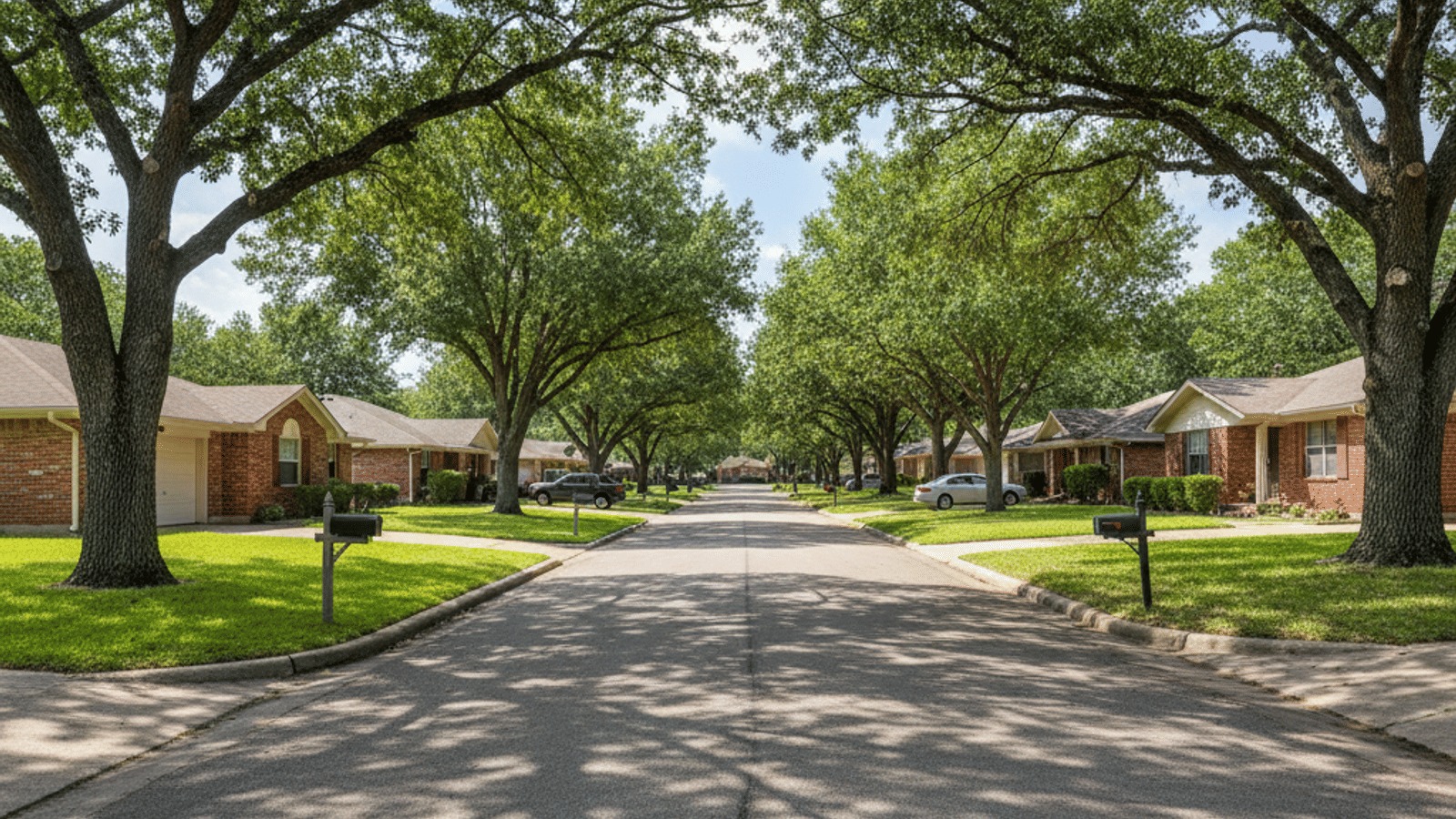
Plano, by contrast, feels more grounded and organic. Because it developed earlier, the city has a diverse dining scene that feels less “chain-heavy” and more authentic. The streets in neighborhoods are lined with massive, mature trees—something Frisco won’t have for another 20 years.

It is also important to note that Plano has two distinct personalities. “West Plano” offers luxury and sprawling estates that rival anything in Frisco, while “Central Plano” offers more modest, affordable housing stock. Both cities boast highly international communities, making them culturally rich places to call home.


Housing Market: New Construction vs. Renovation Potential

For most buyers, the house itself is the deciding factor. The inventory in these two cities caters to different tastes.

Frisco is dominated by homes built from the 2000s to the present. If you want open floor plans, high ceilings, modern insulation, and move-in ready aesthetics, this is your market. However, because land prices were higher during this boom, lot sizes in Frisco tend to be smaller. You are paying a premium price per square foot for that “new” smell and modern finish out.

Plano is dominated by builds from the 1980s and 1990s. While you might need to budget for renovations to open up a kitchen or update bathrooms, you generally get more land for your money. The lots are wider, the backyards are deeper, and the landscaping is lush.

If you are looking for luxury without the commute of Frisco, West Plano is a specific market you should watch. It features high-end estates that offer the square footage of Frisco mansions but with the benefit of mature trees and a closer location to Dallas.


Cost of Living: Taxes, Tolls, and Home Prices

When comparing the cost of living in North Dallas, you have to look beyond the listing price. The monthly “carry” costs can differ significantly between the two.

Home Prices Generally, Frisco commands a higher median price. This isn’t necessarily because the land is more valuable, but because the houses are newer. You are paying for the depreciation schedule of a 2015 build versus a 1985 build.

Property Taxes This is where buyers often get confused. The tax rates (City + School District + County) in both cities are comparable—roughly around a 2.2% effective rate. However, your actual bill in Frisco is often higher. Why? Because the assessed value of a brand-new $800,000 home is usually higher than an older Plano home that hasn’t changed hands in a decade.

Tolls and HOAs There are two hidden budget items to watch in Frisco:

  • Tolls: Frisco residents commuting south almost exclusively rely on the Dallas North Tollway (DNT). Those tolls add up quickly, often costing commuters hundreds of dollars a month.
  • HOA Fees: Frisco is famous for its “resort-style” communities with massive amenity centers, pools, and clubhouses. These are fantastic, but they come with higher monthly HOA dues compared to Plano neighborhoods, many of which have low fees or no HOA at all.


Battle of the School Districts: Frisco ISD vs. Plano ISD

If education is a priority, you are in luck—both districts are A-rated and premier destinations for education in Texas. However, they operate on very different structural philosophies.

Frisco ISD uses a “Small School Model.” Their philosophy is that smaller high schools allow more students to participate in extracurriculars. Instead of building one massive high school for 4,000 kids, they build four high schools for 1,000 kids each. This means your student has a statistically better chance of making the varsity team, the lead role in the play, or the student council.

Plano ISD utilizes a “Senior High Model.” Grades 9 and 10 attend High School, while grades 11 and 12 attend a dedicated Senior High. These Senior High campuses are massive. The benefit here is scale—they can offer specialized AP classes, IB programs, and niche electives that smaller schools simply can’t fund. It is a more collegiate atmosphere for juniors and seniors.

A note on Zoning: Always check the specific address. City limits and school district boundaries do not align perfectly. There are pockets of residents living in Plano who are actually zoned to Frisco ISD, and vice versa.


Commute & Location: Accessibility to Dallas

For professionals working in Downtown Dallas, the difference in commute time is arguably the biggest differentiator.

Plano is significantly closer to the city center. A commute from Plano to Downtown Dallas might take 20 to 30 minutes on a good day. From Frisco, that same drive can easily stretch to 40, 50, or 60+ minutes during rush hour. You are simply adding 10–15 miles of traffic to your day.

If you work at Legacy West or the Toyota Headquarters, you are in the sweet spot. This major economic hub sits right on the border of the two cities, making the commute negligible for residents of either.

Public Transit If you prefer not to drive, Plano is the clear winner. Plano is a member of DART (Dallas Area Rapid Transit) and has Red and Orange line rail stations that run directly to Downtown Dallas and DFW Airport. Frisco opted out of the DART system, meaning there is no rail connection. If you live in Frisco, you are driving.


Safety & Crime Statistics

When looking at crime statistics, both Frisco and Plano consistently rank as some of the safest cities in the United States relative to their population size.

The data shows that crime rates in both cities are significantly lower than the national average and the surrounding Dallas metro area. Frisco often edges out Plano slightly in rankings. This is largely due to Frisco being newer, less dense, and having fewer commercial transition zones than Plano. However, for the average resident, the difference is statistical rather than felt. Both cities offer a sense of security that draws people to the area.

Expert Guidance for Buying and Selling

Navigating the real estate market takes more than just watching prices. The Bale Real Estate Group, ranked in the top 1% of North Texas Realtors, helps buyers and sellers understand how to position themselves based on current competition, not just past sales. From identifying the right neighborhoods to negotiating stronger terms, their approach is focused on preparation, strategy, and results.

FAQs

Is Plano or Frisco closer to Downtown Dallas?

Plano is significantly closer to Downtown Dallas. Depending on where you live in the city, you are roughly 20 miles from downtown, whereas Frisco is located further north, adding an extra 15-20 minutes to a typical commute.

Are taxes higher in Frisco or Plano?

The actual tax rates are very similar for both cities. However, homeowners often pay a higher total tax bill in Frisco because the homes are newer and typically have higher assessed property valuations than the older housing stock in Plano.

Which school district is better, Frisco or Plano?

Both are top-tier districts, so “better” depends on your child’s needs. Frisco ISD offers smaller high schools which maximizes student participation in activities, while Plano ISD uses a Senior High model (grades 11-12) that offers massive scale for advanced academics and AP programs.

Why is Frisco growing faster than Plano?

Frisco is growing faster because it still has undeveloped land available for new construction. Plano is “landlocked,” meaning it is almost fully developed, so its market is driven by resale homes and renovations rather than new subdivisions.


Final Verdict: Which City Wins?

There is no wrong answer here, but there is likely a right answer for your specific situation.

Choose Plano if:

  • You commute to Downtown Dallas and want to minimize time in the car.
  • You value public transit access (DART) or proximity to airports.
  • You love mature trees, character-rich neighborhoods, and larger lots.
  • You prefer a more grounded, established community feel.

Choose Frisco if:

  • You want a brand-new home with modern finishes and energy efficiency.
  • You love the “master-planned” lifestyle with resort-style community amenities.
  • You prefer the “small school” educational model for student involvement.
  • You work in Legacy West or locally in Frisco and don’t mind the tolls.

Whether you are drawn to the established charm of living in Plano or the modern excitement of buying a home in Frisco, both cities offer an incredible quality of life in North Texas.

Posted in: Community Guides, Frisco Real Estate, Home Buying, Market Updates, Plano Real Estate, Relocating to North Dallas Tagged: 2026 Housing Market, Buyer Guide, Collin County Real Estate, Cost of Living, Dallas North Tollway, DART Rail, Downtown Dallas Commute, Frisco ISD, Frisco Real Estate, Frisco vs Plano, Legacy West, North Dallas Real Estate, PGA Frisco, Plano ISD, Plano Real Estate, Property Taxes, Relocation Guide, The Star Frisco, Toyota Headquarters, West Plano

Financial Assistance and Homebuyer Programs in Plano TX

Buying a home in Plano has changed a lot over the last few years. If you’ve been watching the market, you know that finding a single-family home under $400,000 is becoming a rare event. For many first-time buyers, the monthly payment isn’t the biggest hurdle—it’s the upfront cash. Coming up with a down payment plus closing costs can easily run $20,000 to $40,000, which is a steep hill to climb even if you have a great job.

The good news is that you don’t have to navigate this alone. There are several layers of financial assistance available right here in Plano, ranging from city-specific grants to statewide programs designed for teachers and first responders. Financial assistance isn’t just for very low-income earners; it often extends to middle-income professionals who just need a boost to get into the market.

Before you start touring open houses, it is crucial to understand where this money comes from. Generally, you have two main buckets: the City of Plano’s direct programs and Texas-wide initiatives. Each has its own rules, income limits, and application quirks. Let’s break down how you can use these tools to make buying a home in Plano a reality.

Navigating Financial Assistance for Homebuyers in Plano

When we talk about financial assistance, we are usually looking at three things: down payment assistance (DPA), grants specifically for closing costs, and tax credits. In a competitive market like ours, these programs can be the difference between renewing your lease or getting the keys to your own place.

It is important to know that these programs are not “one size fits all.” Some are strictly for first-time buyers, while others are open to repeat buyers. Some are limited by your household income, while others focus on your profession. The most critical step is figuring out which bucket you fall into before you fall in love with a specific house.

We will start by looking at the local programs run directly by the City of Plano, as these often offer the largest dollar amounts but come with stricter rules. Then, we will look at state programs that offer more flexibility and are often easier to use in a fast-moving market.

City of Plano First Time Homebuyers Assistance Program

The City of Plano operates a dedicated First Time Homebuyers Assistance Program managed by its Community Services Division. The goal here is simple: to help low-to-moderate income families put down roots in the community. Unlike a bank loan that strictly looks at your credit, this program looks at your community impact and need.

One of the first things you need to know is that education is mandatory. To participate, you must complete a Homebuyer Education Class. These are typically around 8 hours long and cover everything from budgeting to understanding your mortgage. It is smart to get this done early, as you cannot close on a home with this assistance until the class is complete.

Funding for this program generally comes from two federal sources, and the amount you can get depends on which pot of money is available and your financial situation:

  • CDBG (Community Development Block Grant): This typically offers up to $10,000 in assistance. It usually comes as a 5-year forgivable lien.
  • HOME Program: This is for buyers with slightly different income profiles and can offer significantly more—often up to $55,000 for lower-income households or $45,000 for moderate-income households. This larger amount usually comes with a 15-year forgivable lien.

The “forgivable lien” part is important. These are technically loans, but they are 0% interest and payments are deferred. That means you don’t write a check for them every month. Instead, if you live in the home for the required period (5 years for CDBG or 15 years for HOME), the loan is forgiven completely. It essentially becomes a grant. However, if you sell the home or move out before that time is up, you will likely have to repay a portion of the assistance.

Eligibility for Plano City Assistance

Since this money comes from federal grants, the city has to follow strict guidelines on who qualifies. First and foremost, you must be a first-time homebuyer. In the eyes of the program, this means you haven’t owned a home in the last three years. There are some exceptions for displaced homemakers, so it is worth asking if your situation is unique.

Income is the next big filter. Your total household income generally must be at or below 80% of the Area Median Income (AMI) for the Dallas-Fort Worth-Arlington metro area. As of early 2026, for a single person, this limit often hovers around the $55,000 to $60,000 range, and it goes up for larger households. You will want to check the latest HUD limits on the City of Plano website to see exactly where you land.

Your financial health matters, too. You typically need a credit score of at least 620. There is also a “Cash Asset” limit that catches many people off guard. If you have too much liquid cash in the bank—usually over $36,000—you might not qualify. Retirement accounts generally don’t count toward this cap, but checking and savings accounts do.

Finally, there are limits on the house itself. The sales price is capped, often aligned with FHA limits (around $418,000, though this changes annually). Also, you have to have some skin in the game. The program requires the buyer to contribute at least $1,000 toward the transaction, with at least $500 of that coming from your own personal funds.

Texas Statewide Assistance Programs

If you make too much money for the City of Plano program, or if the city’s funds are currently depleted (which happens), don’t worry. You still have options through the State of Texas. These programs are not managed by the city directly; instead, you access them through participating private lenders.

State programs are often faster to process than city programs, which can be a huge advantage when you are making an offer in a hot market. They generally work by offering you a slightly higher interest rate on your mortgage in exchange for down payment assistance funds.

TSAHC: Heroes and Home Sweet Texas

The Texas State Affordable Housing Corporation (TSAHC) is a favorite for many buyers because they have specific tracks for public service professionals.

Homes for Texas Heroes is designed specifically for teachers, police officers, firefighters, EMS personnel, veterans, and corrections officers. If you work in these fields, you can get down payment assistance even if you are not a first-time buyer.

Home Sweet Texas is the track for everyone else. It is designed for low-to-moderate income buyers in standard professions.

For both tracks, the assistance usually comes as a percentage of your loan amount—typically 3% to 5%. You can choose to take this as a grant (which never has to be repaid) or as a deferred forgivable second lien.

One of the best features of TSAHC is the Mortgage Credit Certificate (MCC). This is a special tax credit that reduces your federal income tax liability every year you have the mortgage. It is not just a deduction; it is a dollar-for-dollar credit that can save you thousands over the life of the loan.

You will typically need a credit score of 620 or higher to qualify. The income limits for TSAHC in Collin County are also generally higher than the strict 80% AMI limits used by the City of Plano, making this a great option for middle-income households.

TDHCA: My First Texas Home

The Texas Department of Housing and Community Affairs (TDHCA) offers another robust set of tools. Their flagship program is My First Texas Home, which is geared toward first-time buyers and veterans.

If you are a repeat buyer, they also have the My Choice Texas Home program. This is excellent for people who may have owned a home previously but are now renting and want to get back into the market.

Like TSAHC, TDHCA provides down payment and closing cost assistance, usually up to 5% of the loan amount. You can also combine these loans with the Mortgage Credit Certificate (MCC) for that extra tax savings. These programs are available through a network of lenders, so you don’t apply to the state directly.

Regional & Lender Programs (SETH)

Another option worth discussing with your lender is the Southeast Texas Housing Finance Corporation (SETH). Despite the name, their SETH 5 Star Texas Advantage program is available to buyers in Plano.

This program provides up to 5% assistance, which is often forgivable after three years. It can be a great alternative if you don’t fit the boxes for TSAHC or TDHCA. SETH programs sometimes offer different income limits or debt-to-income allowances, giving you a little more flexibility depending on your financial picture.

Federal Loan Options in Plano

Sometimes the best “assistance” isn’t a grant, but a loan type that requires very little cash upfront. Even without specific down payment assistance programs, federal loans can make entry much easier.

FHA Loans are the most common route for first-time buyers with smaller savings. They require only 3.5% down and have more lenient credit requirements than conventional loans.

VA Loans are arguably the best deal in real estate if you qualify. They offer 0% down payment options for veterans and active military, and they don’t require monthly mortgage insurance.

USDA Loans are typically for rural areas. While Plano is mostly urban, if you are looking at the very far outskirts or neighboring communities in the ETJ (Extraterritorial Jurisdiction), it might be worth checking the eligibility map. However, for 99% of Plano, this won’t apply.

There is also the Good Neighbor Next Door program by HUD, which offers homes at a 50% discount to law enforcement, teachers, and firefighters. However, inventory for this is extremely limited and these homes are often “fixer-uppers” that require significant work.

How to Apply for Assistance in Plano

Getting this money requires a bit of strategy. You can’t just find a house and then hope to apply for aid later. Here is the typical workflow:

Step 1: Education. If you are aiming for the City of Plano program, sign up for the HUD-approved homebuyer class immediately. Do not wait until you find a house.

Step 2: Pre-approval. Find a lender and start your home search with a team that understands how to navigate these programs. Not every loan officer is set up to process TSAHC or TDHCA loans. Ask them specifically: “Do you participate in Texas down payment assistance programs?”

Step 3: Check City Funds. If you want to use the City of Plano’s $55,000 HOME program, call the Plano Community Services division first. Verify that funds are currently available. It is heartbreaking to qualify for a program only to find out the grant money for the year has been exhausted.

Step 4: The Offer. When you are ready to write an offer, your real estate agent needs to know you are using assistance. City programs specifically can take 30 to 45 days (or longer) to close. Your contract needs to reflect a realistic timeline so the seller doesn’t get frustrated.

Your Advantage With Bale Real Estate Group

Buying or selling in Plano requires more than just timing the market. The Bale Real Estate Group helps clients understand pricing, competition, and how to position a home so it stands out immediately. For sellers, that includes strategic pricing, professional staging, targeted marketing, Zillow Showcase exposure, and our Certified Pre-Owned Home Listing Program. The goal is simple: maximize exposure and drive stronger offers.

Frequently Asked Questions

What is the income limit for down payment assistance in Plano?

For the City of Plano’s direct programs, the limit is strictly capped at 80% of the Area Median Income (AMI), which varies by household size but is often around $55,000 to $65,000 for smaller households. State programs like TSAHC and TDHCA have significantly higher income limits, for buyers purchasing a home in Plano often allowing households earning over $100,000 to qualify depending on family size and county.

Can I qualify for assistance if I am not a first-time homebuyer?

Yes, certain programs allow repeat buyers. The TDHCA “My Choice Texas Home” program and the TSAHC “Homes for Texas Heroes” program generally do not require you to be a first-time buyer. However, the City of Plano’s direct assistance is strictly for first-time buyers (or those who haven’t owned in 3 years).

How much down payment assistance can I get in Plano?

It varies widely by program. The City of Plano offers the highest potential amounts, ranging from $10,000 up to $55,000 depending on the specific fund and your need. State programs (TSAHC/TDHCA) typically offer a percentage of your loan amount, usually between 3% and 5%.

Do I have to pay back the down payment assistance?

It depends on the specific program terms. Grants from TSAHC are never repaid, while the City of Plano’s assistance is usually a “forgivable lien” that requires you to live in the home for 5 to 15 years to avoid repayment. If you sell the home or move out before that period ends, you will likely have to repay the balance.

Are there special homebuyer programs for teachers in Plano?

Yes, the TSAHC “Homes for Texas Heroes” program is specifically designed for teachers, as well as police officers, firefighters, and veterans. It offers down payment assistance and can be combined with a Mortgage Credit Certificate to reduce your federal tax bill.

Your Advantage in Today’s Plano Market?

Navigating homebuyer programs in Plano can be complex, especially with varying income limits, timelines, and lender requirements. The Bale Real Estate Group helps buyers identify the right programs, connect with experienced lenders, and structure offers that align with today’s competitive market. Whether you’re a first-time buyer or re-entering the market, having a clear strategy ensures you take full advantage of available opportunities while positioning yourself to secure the right home with confidence.


Note: Program funding and eligibility rules change frequently. Always verify the latest income limits and fund availability directly with the City of Plano Community Services or a qualified lender.

Posted in: Community Guides, Home Buying, Homebuyer Assistance & Financing, Market Updates, Plano Real Estate, Relocating to North Dallas, Uncategorized Tagged: 2026 Homebuyer Guide, Buying a Home in Plano, CDBG Homebuyer Assistance, City of Plano First Time Homebuyer Program, Collin County Homebuyer Assistance, Down Payment Assistance Texas, FHA Loans Plano, Financial Assistance Plano TX, Good Neighbor Next Door, Home Buying Assistance Texas, HOME Program Plano, Home Sweet Texas, Homes for Texas Heroes, Mortgage Credit Certificate, My Choice Texas Home, My First Texas Home, Plano Buyer Guide, Plano Community Services, Plano Down Payment Assistance, Plano First-Time Homebuyer, Plano Home Buying, Plano Homebuyer Programs, Plano Real Estate, Relocation Guide, SETH 5 Star Texas Advantage, TDHCA, TSAHC, VA Loans Plano

Buying Your First Home in Plano: A 2026 Guide for New Buyers

If you’ve been renting in the DFW metroplex or are planning a relocation to North Texas, you probably already know that Plano is a highly desirable place to land. It has established neighborhoods, incredible parks, and serves as a major employment hub. But you also probably know that buying a house here isn’t as cheap as it was a decade ago.

The good news? The market in early 2026 looks a lot different than the chaotic bidding wars of the past few years. It’s steadier, more predictable, and there are distinct pockets of affordability if you know where to look.

Here is a roadmap for first time home buyers Plano TX, from breaking down the budget to navigating the specific quirks of Texas real estate contracts.

Buying a Home in Plano: The 2026 Market Outlook

Let’s start by setting the scene for what you’re walking into right now. As of February 2026, the Plano real estate market has shifted into what most local agents call a “balanced” state.

A few years ago, buyers had hours to make a decision. Today, inventory has improved. You likely won’t face twenty competing offers on a Tuesday afternoon, but that doesn’t mean you can lowball, either. There is still healthy competition for well-priced starter homes, especially those that are move-in ready.

Interest rates have also stabilized in the 6–7% range. While that isn’t the rock-bottom rate environment of 2021, the stability allows for much better financial planning. You aren’t chasing a rate that changes drastically week to week.

When it comes to pricing, let’s be real about the numbers. The median home price in Plano generally hovers between $515k and $550k. However, as a first-time buyer, you aren’t necessarily looking for the median. You are looking for the entry-level sweet spot. It is absolutely possible to find homes in the $350k–$450k range, provided you are looking in the right neighborhoods and are open to homes that might need a little cosmetic updating.

If you want to dive deeper into the stats, checking out current Plano real estate market trends is a smart way to see exactly what sold last month near your target area.

Financial Requirements for Plano Buyers

One of the biggest hurdles for renters is the “20% down” myth. Many people stay on the sidelines believing they need $80,000 or $100,000 in the bank to buy a home here. That is simply not true.

Here is what the financials actually look like for most first-time buyers:

  • Down Payment: For most first-time buyers using FHA or Conventional loans, the standard down payment is between 3% and 3.5%. On a $400,000 home, that is roughly $12,000 to $14,000—a much more manageable goal than 20%.
  • Credit Score: While a higher score gets you a better interest rate, you don’t need perfection. A score of 620 is a common benchmark for many assistance programs, though FHA loans can sometimes work with scores down to 580.
  • Closing Costs: This is the hidden cost that surprises many people. On top of your down payment, you need to budget for closing costs, which cover title insurance, lender fees, and pre-paid taxes. In Texas, a safe bet is to budget 2–5% of the purchase price. For a starter home, that’s usually $8,000–$15,000.
  • Cash Reserves: Lenders like to see that you aren’t draining your bank account to zero. It’s wise to have a “repair fund” set aside post-closing for the inevitable trip to the hardware store.

Additionally, in Texas, you need a little liquidity right when you make an offer. You will need about 1% of the offer price for “Earnest Money” and another $200–$500 for the “Option Fee” (we’ll explain that in a moment).

If you are trying to crunch the numbers on your own, a closing costs calculator Texas specific can help you estimate how much cash you need to bring to the table.

First-Time Home Buyer Programs in Plano & Texas

If the down payment and closing costs still feel like a stretch, you need to look into assistance programs. Texas has some of the best programs in the country for helping buyers get into their first home.

TSAHC (The “Gold Standard”)

The Texas State Affordable Housing Corporation (TSAHC) runs two main programs: “Homes for Texas Heroes” (for teachers, first responders, nurses) and “Home Sweet Texas” (for low-to-moderate income buyers).

These are excellent options for 2026. They typically offer assistance ranging from 2% to 5% of the loan amount. This can come as a grant (which you don’t pay back) or a deferred forgivable second lien (which goes away if you stay in the home for three years). TSAHC also offers a Mortgage Credit Certificate (MCC), which allows you to claim a tax credit for some of the mortgage interest you pay every year.

TDHCA (My First Texas Home)

The Texas Department of Housing and Community Affairs (TDHCA) is another state-level option. Their “My First Texas Home” program offers up to 5% assistance for down payment and closing costs. It’s highly competitive and works well for buyers who need maximum cash assistance to get to the closing table.

City of Plano Programs

The City of Plano occasionally offers its own First Time Homebuyer Assistance Program. However, a word of caution: these local funds are often limited. They may run out of budget mid-year or have stricter income caps than the state programs. It is always worth checking with the city or your lender to see if funds are currently available, but don’t bank your entire strategy on this one source.

Eligibility for most of these depends on income limits and credit scores. The good news is that because the cost of living in Collin County is higher, the income limits for these programs are often higher here ($100k+) than in other parts of Texas. Reading up on a Texas down payment assistance guide can give you the granular details on these limits.

Loan Options for First-Time Buyers

Choosing the right loan is just as important as choosing the right house. Here is a quick look at what most Plano buyers are using:

  • FHA Loans: These are backed by the government and are very popular for first-timers. They allow for a 3.5% down payment and are more lenient if your credit history has a few bumps.
  • Conventional Loans: If your credit is strong (typically 680+), a conventional loan is often the better route. You can still buy with as little as 3% down, and unlike FHA, the mortgage insurance (PMI) eventually drops off once you build enough equity.
  • VA Loans: Plano has a strong veteran population. If you are eligible, the VA loan is arguably the best product on the market—0% down payment and no monthly mortgage insurance.
  • Texas Vet Land Board (VLB): This is a unique perk for Texas residents. The VLB offers competitive interest rates and discounts for veterans living in Texas, and it can often be combined with VA loans.

Best Plano Neighborhoods for First-Time Buyers

Plano is large, and prices can swing by hundreds of thousands of dollars depending on which side of US-75 or the Dallas North Tollway you are on.

Central & East Plano: If you are looking for homes for sale in Plano TX under $450k, this is where you should start. Neighborhoods in Central and East Plano generally feature older stock—homes built in the 70s and 80s—that offer great bones and larger yards. Look at areas like Park Forest, Timber Brook, or Pitman Creek. You get excellent access to amenities like Bob Woodruff Park and the Oak Point Nature Preserve without the premium price tag of the west side.

West Plano: West Plano is known for luxury builds, newer infrastructure, and proximity to Legacy West and Toyota’s headquarters. While the median price here is significantly higher ($600k+), you can sometimes find entry-level options if you look at condos or townhomes near the Shops at Legacy or the tollway corridor.

Condos and Townhomes: Don’t rule out attached living. Older condo complexes, particularly those near US-75 or Parker Road, can offer ownership opportunities under $350k. This is a great way to enter the market, build equity for a few years, and then move up to a single-family home later.

Step-by-Step: Buying Your House in Plano

Buying a home in Texas involves a few specific steps that differ from other states. Here is the chronological flow:

  • Pre-Approval: Before you tour a single home, start your home search with clear strategy…get pre-approved. This locks in your budget and proves to sellers that you are a serious buyer.
  • The Search: Work with a local agent who knows the “pockets” of affordability. They can help you spot the difference between a bargain and a money pit.
  • Making an Offer & The Option Period: This is the most “Texas” part of the process. When you make an offer, you will usually pay a small “Option Fee” ($100–$500). In exchange, you get an “Option Period” (usually 5–7 days). During this time, you can cancel the contract for any reason—cold feet, bad inspection, or just changing your mind—and only lose that small fee.
  • Inspections: You typically do your inspections during the Option Period. In Central and East Plano, where homes are older, paying close attention to foundation and cast-iron plumbing is vital.
  • Closing: Once financing is approved and repairs are negotiated, you’ll head to a title company to sign the paperwork.

Understanding Taxes, HOAs, and Insurance

If you are looking at living in Plano, you have to look beyond the mortgage payment. There are three big ongoing costs to watch.

Property Taxes: Texas has high property taxes because there is no state income tax. In Plano, the total effective tax rate is usually around 2.0% to 2.2% of the home’s value. Valuations have risen, meaning tax bills have gone up. However, as soon as you move in, you should file for your Homestead Exemption. This lowers the taxable value of your home and caps how much your taxable value can rise each year (currently capped at 10%).

Home Insurance: North Texas weather can be rough on roofs. Between hail and wind events, insurance premiums have risen in the last few years. When budgeting, get quotes early to make sure the premium doesn’t throw off your debt-to-income ratio.

HOA Fees: Many subdivisions in Plano, especially newer ones, have Homeowners Associations. These fees vary wildly from $200 a year to $300 a month depending on amenities. Always factor this into your monthly payment capabilities.

Expert Guidance for Buying and Selling in Plano

Buying or selling in Plano requires more than just timing the market. The Bale Real Estate Group helps clients understand pricing, competition, and how to position a home to stand out from day one. For sellers, that includes strategic pricing, professional staging, targeted marketing, Zillow Showcase exposure, and our Certified Pre-Owned Home Listing Program. The goal is simple: create stronger demand and better results in today’s market.

FAQ: Common Questions for Plano Buyers

Does Plano have a specific first-time home buyer grant?

The City of Plano does have a program, but funding is often limited or restricted to lower income brackets. Most buyers purchasing a home in Plano have more consistent success using statewide programs like TSAHC or TDHCA, which are available to residents of Plano and have broader eligibility requirements.

How much cash do I need to buy a house in Plano?

For a $400,000 home, you should aim to have roughly $20,000 to $25,000 accessible. This covers a 3.5% down payment ($14,000) and estimated closing costs. However, down payment assistance programs can significantly reduce the amount of cash you need to bring to the table personally.

What is the minimum credit score for buying a house in Texas?

Generally, a score of 620 is the benchmark for most conventional loans and down payment assistance programs. FHA loans can sometimes accept scores as low as 580 with a slightly higher down payment or interest rate.

Is it cheaper to buy or rent in Plano in 2026?

With rents in Plano continuing to rise, buying is often comparable in terms of monthly outlay, especially when you factor in the tax benefits and equity building. While the upfront cost of buying is higher, a fixed-rate mortgage protects you from annual rent hikes, offering long-term stability that renting cannot.

Is 2026 Your Year to Buy in Plano?

While prices in Plano aren’t “cheap,” the market in 2026 offers stability that we haven’t seen in a while. Between the available inventory in East and Central Plano and the robust assistance programs offered by the state, homeownership is feasible for first-time buyers who prepare.

The key is getting your financial ducks in a row before you fall in love with a house. Connect with a local lender or agent today to start the pre-approval process and see exactly what you can afford.

Your Advantage in Today’s Plano Market

Buying your first home in Plano requires more than just getting pre-approved. It takes a clear strategy, understanding how to compete in a balanced but still competitive market, and knowing how to leverage available programs without slowing down your offer. The Bale Real Estate Group helps buyers navigate financing options, connect with experienced lenders, and position strong offers that stand out. The goal is simple: help you move from renting to owning with confidence in today’s Plano market.


Posted in: Community Guides, First-Time Home Buyers, Home Buying, Homebuyer Assistance & Financing, Market Updates, Plano Real Estate, Relocating to North Dallas, Uncategorized Tagged: 2026 Homebuyer Guide, Buying a Home in Plano, Buying Your First Home in Plano, Central Plano Homes, East Plano Homes, FHA Loan Plano, First-Time Home Buyers Plano TX, Home Sweet Texas, Homes for Texas Heroes, Mortgage Credit Certificate, My First Texas Home, Park Forest Plano, Pitman Creek Plano, Plano Buyer Guide, Plano Closing Costs, Plano Down Payment Assistance, Plano First-Time Buyer Guide, Plano Home Buying, Plano Homebuyer Assistance, Plano Homestead Exemption, Plano Property Taxes, Plano Real Estate, Plano Starter Homes, Plano Townhomes, Relocation Guide, TDHCA, Texas Vet Land Board, Timber Brook Plano, TSAHC, VA Loan Plano, West Plano Homes

Selling Your Home in Plano, TX: A 2026 Guide for Homeowners

If you are sitting at your kitchen table in Plano, sipping coffee and wondering if now is the right time to put a “For Sale” sign in the yard, you aren’t alone. It is early February 2026, and homeowners across Collin County are asking the same question. The market has shifted since last year, and navigating a sale today requires a slightly different playbook than it did even 12 months ago.

Selling a home is about more than just cleaning up and taking photos. It involves navigating Texas-specific contracts, understanding local buyer expectations, and knowing exactly where your money goes at the closing table. Whether you are in a classic West Plano custom home or a townhome near Legacy West, this guide walks you through what to expect when you decide to sell your home in Plano this year.

The Plano Real Estate Market: A 2026 Snapshot

Let’s look at the numbers. As we move into the Spring 2026 selling season, the market feels much more balanced. We aren’t seeing the chaotic frenzy of a few years ago, but buyer demand remains healthy due to the strength of the local economy and the continued draw of Plano Independent School District (PISD).

Currently, inventory levels are stabilizing. This means we are in a balanced market—neither fully favoring the buyer nor the seller. For you, this means you can get a great price, but you can’t get away with overpricing a home that needs work.

Here is what the landscape looks like right now:

  • Median Sales Price: Most single-family homes in the area are trading in the $500,000 to $530,000 range.
  • Pacing: Homes are taking a little longer to go under contract. You should expect an average of 40–60 days on the market.
  • Inventory: We are sitting at about 2.5 to 3 months of inventory, which is a healthy, neutral spot.

If you want to dive deeper into specific neighborhoods, checking current Plano market trends is a smart first step.

Cost to Sell a House in Plano (2026 Estimates)

One of the biggest surprises for first-time sellers is the “net sheet”—the document that shows how much money you actually walk away with. It is easy to fixate on the top-line sales price, but fees in Texas can add up.

Generally, you should budget about 7–9% of the sales price for total selling costs. Here is where that money goes:

  • Agent Commissions: This is typically the largest chunk, historically around 5–6% of the sales price, which is usually split between your listing agent and the buyer’s agent.
  • Title Policy: In Texas, this is a negotiable item, but it is highly customary for the seller to pay for the owner’s title policy. On a $500,000 home, expect this to run between $2,900 and $3,500.
  • Closing Costs: You will have miscellaneous fees like escrow fees, tax certificates, and recording fees. Budget roughly 1% of the sale price here to be safe.
  • HOA Fees: Most Plano neighborhoods have an HOA. You will likely need to pay for a resale certificate (which lets the buyer know you are current on dues), costing around $300–$500, plus potential transfer fees.
  • Property Taxes: This is a big one. You will owe property taxes for the portion of the year you owned the home. This appears as a credit to the buyer at closing.

To get a precise figure based on your equity, you can calculate your closing costs before listing.

Timeline: From “Thinking About It” to Listed

If you want to hit the market at the peak of the spring season, you typically need to start working backward from your target date. Rushing the process often leads to leaving money on the table.

  • 3–6 Months Out: Start with the “unsexy” work. If you have deferred maintenance—especially roof issues from past hail storms or foundation concerns—address them now. This is also the time to start decluttering. If you haven’t used it in a year, box it, donate it, or toss it.
  • 1–2 Months Out: This is when things get real. Deep clean the house (including windows and grout). This is also the right time to interview agents and schedule a staging consultation. You want to view your home through a buyer’s eyes, not a homeowner’s eyes.
  • 2 Weeks Out: Your home should be “show ready” by now. The photographer will come in to take professional shots. Do not skip this; online photos are your first showing. You will also finalize your listing price based on the most recent comps.
  • Listing Day: Ideally, you want to go live on the MLS on a Thursday or Friday. This generates momentum heading into the weekend when most buyers are free to tour.

For a more detailed breakdown of what to fix, a home maintenance checklist can keep you on track.

Preparing Your Plano Home for Sale

Prepping a home in North Texas has a few specific requirements that sellers in other parts of the country don’t have to worry about.

Foundation, Foundation, Foundation: We live on clay soil that expands and contracts. It is the number one concern for buyers in Collin County. If you have had repairs, gather that lifetime transferable warranty paperwork—it is like gold to a buyer. If you have cracks you haven’t investigated, get a structural engineer’s report so you aren’t blindsided during the inspection.

Curb Appeal for the Texas Climate: Our landscaping takes a beating from summer heat and occasional winter freezes. Fresh mulch and hardy, drought-tolerant plants can make a massive difference. You want the buyer to feel good the moment they pull into the driveway.

Updates vs. As-Is: You are competing against brand-new construction in places like Prosper or Celina. While you don’t need to gut-renovate, your kitchen and primary bath need to look sharp. If you have 1990s brass fixtures or original builder-grade carpet, swapping those out usually offers a solid return on investment.

Staging Matters: Because inventory is balanced, buyers can afford to be picky. Staging helps them visualize living there and distracts from the fact that the home might be 30 years old.

Essential Texas Documents & Disclosures

Texas real estate law involves a lot of paperwork designed to protect both parties, but mostly the buyer. Being organized here can save you thousands of dollars and legal headaches.

Seller’s Disclosure Notice (SDN): This is mandatory. You must disclose everything you know about the property’s condition. Did the roof leak in 2019? Put it down. Did you fix it? Put that down too. In Texas, over-disclosure is always safer than under-disclosure.

Survey & T-47 Affidavit: If you have your existing survey from when you bought the house, and you haven’t added a pool or a fence, you can sign a T-47 Residential Real Property Affidavit. This notarized document tells the title company the survey is still accurate. Doing this saves you (or the buyer) from paying $500+ for a new survey.

HOA Documents: In Plano, you almost certainly live in an HOA. The buyer has a right to review the bylaws and restrictions. The title company will order these, but be prepared for the upfront cost of the resale certificate.

MUD/PID Notices: While less common in central Plano than in newer developments, check if your home is in a Municipal Utility District (MUD) or Public Improvement District (PID). If so, there are specific forms you must provide before the buyer signs an offer.

The Selling Process: Listing to Closing

Once the sign is in the yard, the process moves quickly. Here is the typical flow of a transaction in our area.

Showings: You will likely use a showing service that texts you when an agent wants to bring a client by. You should have a lockbox on the door. It is inconvenient to leave your house constantly, but restricting showings kills deals.

Reviewing Offers: Don’t just look at the price. Look at the closing date, the type of financing (cash is king, but conventional is great), and whether they are asking for a leaseback (staying in the home for a few days after closing).

The Option Period: This is unique to Texas and arguably the most stressful part for sellers. The buyer will pay a small fee (usually $100–$500) for the unrestricted right to terminate the contract for any reason within a set number of days (usually 5–10). This is when they will do their inspection. Expect them to come back and negotiate repairs or ask for a price reduction during this window.

The Appraisal: If the buyer is getting a loan, the bank will send an appraiser to verify the value. If the appraisal comes in low, you have to decide whether to lower the price or ask the buyer to cover the gap.

Closing Day: You will go to the title company (or have a mobile notary come to you) to sign the deed and transfer ownership. Once the loan funds, the keys belong to the new owner.

For more on navigating the inspection phase, it helps to spend time understanding the option period.

Do You Need a Plano Real Estate Agent?

With technology today, some homeowners consider “For Sale By Owner” (FSBO) to save on commissions. It is a valid option, but it comes with trade-offs.

The FSBO Route: The main appeal is saving that listing commission. However, you are responsible for accurate pricing, marketing, and legal liability regarding the Seller’s Disclosure. Without access to the MLS, your buyer pool is significantly smaller.

The Agent Advantage: A local expert does more than open doors. They provide a buffer during negotiations (which can get emotional) and manage the complex timeline of the Texas contract. Statistically, agent-assisted homes tend to sell for more money, often enough to offset the commission cost.

If you are unsure, you can interview a few professionals to see if their strategy aligns with your goals.

Why Homeowners Choose Bale Real Estate Group

Buying or selling in Plano requires more than just timing the market. The Bale Real Estate Group helps clients understand pricing, competition, and how to position a home to stand out from day one. For sellers, that includes strategic pricing, professional staging, targeted marketing, Zillow Showcase exposure, and our Certified Pre-Owned Home Listing Program. The goal is simple: create stronger demand and better results in today’s market.

3 Tips to Maximize Your Sale Price in 2026

If you want to get the best possible result this year, keep these three strategies in mind.

  1. Time it Right: Spring is historically the peak season in Plano. Families want to be settled before the next school year starts. Listing between March and May puts you in front of the largest pool of motivated buyers.
  2. Price Strategically: In a balanced market, pricing slightly below market value can generate buzz and potentially trigger multiple offers. Pricing too high often leads to a stale listing and eventual price cuts. Pricing correctly from day one is critical to maximizing your results in today’s market.
  3. Be Flexible: Make your home easy to show. If a buyer can’t see it on their schedule, they will go look at the house down the street. The more eyes on your property, the better your odds of a great offer.

Your Advantage in Today’s Plano Market

Selling your home in Plano requires more than just listing it on the market. It takes a clear pricing strategy, strong presentation, and the ability to navigate negotiations with today’s more selective buyers. The Bale Real Estate Group helps homeowners position their homes to stand out through professional staging, targeted exposure, and proven marketing strategies. From preparation to closing, every step is designed to maximize your home’s value while keeping the process smooth and predictable.

Frequently Asked Questions

What is the best month to sell a house in Plano, TX?

Late spring is typically the sweet spot. Listing in March, April, or May when selling your home in Plano allows you to capture buyers who want to close and move in during the summer break, which is a major driver for families zoning into Plano ISD.

Who pays for the title policy in Texas?

While everything in a real estate contract is negotiable, it is standard practice in Texas for the seller to pay for the owner’s title policy. This protects the buyer against past ownership disputes or liens on the property.

How long does the option period last in Texas?

The option period is negotiated between the buyer and seller, but it generally lasts between 5 and 10 days. During this time, the buyer conducts inspections and can back out of the contract without losing their earnest money.

Do I have to fix foundation issues before selling?

You are not legally required to fix foundation issues, but you must disclose them on the Seller’s Disclosure Notice. However, unrepaired foundation issues will significantly lower your buyer pool and sale price, limiting you mostly to cash investors.

Posted in: Certified Pre-Owned Home Listing Program, Community Guides, Home Selling, Home Value / Pricing Strategy, Market Updates, Plano Real Estate, Preparing Your Home to Sell, Professional Home Staging, Seller Closing Costs, Seller Resources, Zillow Showcase Tagged: 2026 Seller Guide, Bale Real Estate Group, Central Plano Homes, Collin County Real Estate, East Plano Homes, Legacy West Plano, Owner’s Title Policy Texas, Plano Curb Appeal, Plano Foundation Issues, Plano HOA Fees, Plano Home Inspection, Plano Home Selling, Plano Home Staging, Plano Home Value, Plano ISD, Plano Market Update, Plano Pre-Listing Preparation, Plano Pricing Strategy, Plano Property Taxes, Plano Real Estate, Plano Real Estate Market, Plano Seller Closing Costs, Plano Seller Disclosure, Plano Seller Guide, Sell My Home Plano TX, Selling a Home in Plano, Selling Your Home in Plano, Texas Option Period, Texas Seller Closing Costs, Texas Seller Disclosure Notice, West Plano Homes

Best Neighborhoods in Plano, TX: A Local’s Guide to Living in Plano (2026 Edition)

If you are thinking about moving to North Texas in 2026, Plano is likely already on your radar. It’s no longer just a bedroom community for Dallas; it is a corporate powerhouse in its own right. With major headquarters for companies like Toyota, Liberty Mutual, and JP Morgan Chase anchored here, the city has evolved into a unique blend of big-city economic energy and small-town community feel.

But for anyone looking at homes for sale in Plano TX, the options can be overwhelming. You have ultra-modern luxury condos, sprawling 1980s estates with massive trees, and brand-new construction all within the same city limits. The goal of this guide is to help you navigate the local landscape, understand the price points, and figure out which pocket of town fits your lifestyle.

Whether you are relocating to the Dallas-Fort Worth area for a job transfer or simply looking for top-tier schools and a change of pace, here is the lay of the land.

West Plano vs. East Plano: Understanding the Divide

Before we dive into specific subdivisions, you have to understand the “Two Planos.” Locals almost always categorize the city as either “West Plano” or “East Plano,” and the vibe between the two is distinct. The dividing line is roughly US-75 (Central Expressway), though some consider the divide to start closer to Coit or Preston Road.

West Plano (Zip codes 75024, 75093) is generally characterized by newer construction, higher price points, and a “new money” aesthetic. This is where you find the luxury retail hubs, proximity to the Dallas North Tollway (DNT), and the major corporate headquarters. If you want high ceilings, stucco and stone facades, and a 10-minute commute to Legacy West, this is your spot. However, prepare for the price tag; median prices here frequently exceed $800K, with many estates well over $1M.

East and Central Plano (Zip codes 75074, 75075, 75023) offer a completely different atmosphere. These neighborhoods were largely developed in the 1970s and 80s. The streets are lined with mature, towering oak trees, and the lots tend to be larger. The homes here have character—think brick ranch-style architecture—and offer much better affordability. It’s common to find solid entry points in the $400K–$600K range.

Your commute will likely dictate your choice. If you work in Downtown Dallas, US-75 (East Plano) is your direct vein. If you work in Frisco or at the Toyota campus, the Dallas North Tollway (West Plano) is your lifeline.

Top Luxury Neighborhoods in Plano

If budget is less of a concern and you are looking for prestige, privacy, and square footage, Plano has some of the most impressive residential pockets in the DFW metroplex. These areas are known for tight security measures, active HOAs, and meticulously manicured grounds.

Willow Bend

Willow Bend is arguably the gold standard for luxury homes in Dallas Fort Worth. It isn’t just one neighborhood; it’s a collection of sub-neighborhoods like the Lakes and Polo Estates. The area is defined by winding streets, multi-million dollar estates, and the prestigious Gleneagles Country Club. Prices here generally run from $1M to over $3M. It’s the kind of place where high HOA standards keep the landscaping pristine and the property values insulated.

Lakeside on Preston

Just as the name suggests, this neighborhood is famous for its water features. It offers a mix of zero-lot-line luxury homes (for those who want less yard maintenance) and larger estate lots. Residents here love the scenic walking trails and the feeling of being in a secluded enclave while still being right off Preston Road.

Kings Ridge

Located in the far Northwest corner of Plano, bordering Lewisville and Frisco, Kings Ridge offers a slightly different feel. It’s quieter and removed from the central traffic of the city. The homes are newer construction compared to central Plano, and the neighborhood backs up to greenbelts, offering a private atmosphere that appeals to buyers wanting a retreat at the end of the day.

Best for Urban Living & Walkability

Not everyone wants a quarter-acre lot and a lawn mower. In 2026, the demand for a “city within a suburb” lifestyle is higher than ever. Plano has adapted beautifully to this trend, offering high-density areas that are perfect for professionals who want minimal maintenance and maximum walkability.

Legacy West

This is the epicenter of modern Plano. Legacy West is where you live if you want to walk to your office at Toyota or Boeing, grab dinner at a high-end steakhouse, and visit Legacy Hall without ever starting your car. The housing here consists of high-end condos and luxury apartments. Rents often average $2,300+, and purchase prices for condos can easily span $600K to $1M+. It’s high-energy, expensive, and incredibly convenient.

The Shops at Legacy

Located just across the highway from Legacy West, “The Shops” is the original mixed-use development in the area. It has a slightly more established, village-like feel with townhomes and brownstones mixed in with retail. It remains a vibrant hub for nightlife and dining.

Downtown Plano (Arts District)

For a more historic, authentic urban vibe, look at the Downtown Plano Arts District. Here, you’ll find red brick streets, local coffee shops, and loft-style living. It has a distinct personality that feels less corporate than Legacy West. Plus, it has a DART rail station, giving you a direct train link to Downtown Dallas for work or events.

Top Neighborhoods for Community & Amenities

If your priority is a strong social fabric—places where neighbors know each other and community events are the norm—there are a few standouts. These areas are often sought after for their parks, pools, and active resident associations.

Deerfield

You can’t talk about Plano without mentioning Deerfield. Located in Northwest Plano, this neighborhood is famous across North Texas for its spectacular holiday light displays. Beyond the seasonal tourism, it’s a tight-knit community with 24-hour security patrol and a very active HOA. Homes here typically range from $600K to $850K, offering a secure environment with a lot of community pride.

Whiffletree

If you are tired of “cookie-cutter” houses, check out Whiffletree. Built largely in the 1980s, this neighborhood features custom homes with unique architectural details you don’t see in newer volume builds. The landscaping is lush, and the location is central, making it easy to get anywhere in town.

Ridgeview Ranch

This is a go-to spot for golf lovers. Ridgeview Ranch is a master-planned community featuring a golf course, multiple swimming pools, and easy access to SH-121. It attracts a mix of residents who want resort-style amenities right at their doorstep.

Best Value & Outdoor Access

For buyers who want to maximize their budget or prioritize access to nature, the central and eastern parts of Plano offer incredible value. You can often get more square footage here, along with direct access to the city’s extensive trail system.

  • Forest Creek: Situated near Chisholm Trail and Spring Creek, this area is a hidden gem for nature lovers. You get a great mix of affordability and immediate access to greenbelts for cycling and jogging.
  • Timber Brook / Oak Point Area: This area surrounds Oak Point Park, which is Plano’s largest park (covering 800 acres). Residents here are minutes away from zip-lining, hiking, and kayaking. The lots are larger, the vibe is quieter, and prices generally hover in the $400K–$600K range.
  • Pitman Creek: One of Plano’s older neighborhoods, Pitman Creek features charming homes, often with creek views and heavy tree coverage. It’s an excellent option for buyers looking to enter the Plano real estate market trends without the luxury price tag of the west side.

Living in Plano: Schools, Safety & Commute

When you are looking at the practical logistics of living here, there are three main factors that usually drive the decision: the schools, safety, and the daily drive, all of which play a role in helping you make the right move.

Schools

The Plano Independent School District (PISD) is a major draw for the area. However, newcomers should know that PISD uses a “Senior High” system. This means grades 9-10 are at a “High School,” and grades 11-12 attend a “Senior High.” It’s a unique structure that allows for specialized upper-level coursework. Also, be aware that some northern borders of Plano actually feed into Frisco ISD or Lewisville ISD, so always verify the specific district for any home you view.

Safety

Generally speaking, Plano consistently ranks well regarding safety for a city of its size. The violent crime rates remain below national averages according to 2025/2026 data. The Northwest and West Plano neighborhoods (like Kings Ridge and Willow Bend) tend to have the lowest statistical crime rates, often due to private security patrols and lower density. However, older neighborhoods in Central Plano are also known for their quiet streets and active neighborhood watch programs.

Commute & Taxes

Traffic in DFW is a reality, and your commute will largely depend on “The Tollway vs. 75” decision. Expect a 30-45 minute drive to Downtown Dallas from most parts of Plano, though weather and accidents can change that instantly. regarding costs, remember that Texas has no state income tax, but property taxes are higher to compensate. In Collin County, you should budget for a tax rate of approximately 2.0-2.5% of your home’s assessed value.

FAQ: Questions Buyers Ask About Plano

What is the most expensive neighborhood in Plano?

Willow Bend is widely considered the most expensive and exclusive area. With sub-neighborhoods like Polo Estates and proximity to Gleneagles Country Club, multi-million dollar estates here set the ceiling for the local market.

Is West Plano or East Plano better?

Neither is strictly “better,” but they offer different lifestyles when buying a home in Plano. West Plano is better for buyers seeking modern luxury, new construction, and proximity to high-end retail like Legacy West. East Plano is better for buyers seeking character, mature trees, larger lots, and more affordability.

Which Plano neighborhoods are closest to Legacy West?

If you want to live near the corporate HQs at Legacy West, look at the condos within Legacy West itself, or the nearby single-family neighborhoods of Kings Ridge, Shoal Creek, and Willow Bend.

What are the safest areas in Plano, TX?

While the city is generally safe, statistically, the gated communities and low-density neighborhoods in Northwest Plano (such as Kings Ridge and Willow Bend) report the lowest incident rates.

Your Advantage When Buying in Plano

Choosing the right neighborhood in Plano requires more than just comparing price points. Each area offers a different lifestyle, commute, and long-term value. The Bale Real Estate Group helps buyers navigate these differences, understand market trends, and identify the best opportunities based on their goals. From established neighborhoods to newer developments, the focus is on helping you make a confident, informed decision in one of North Texas’s most competitive markets.

Conclusion

Plano, Texas, manages to pull off a difficult balancing act. It is an economic heavyweight that still cares about parks, community events, and neighborhood character. Whether you are drawn to the glitz of the West side or the wooded charm of the East side, there is likely a pocket of this city that feels like home.

If you are planning on moving to Texas guide yourself through the different neighborhoods in person. Drive the streets of Willow Bend, walk the trails at Oak Point, and grab a coffee in Downtown Plano. You will feel the difference in atmosphere immediately. When you are ready to make a move, connect with a local expert who can help you navigate the nuances of this fast-moving market.

Posted in: Community Guides, Cost of Living, Home Buying, Luxury Real Estate, Neighborhood Guides, Plano Real Estate, Relocating to North Dallas, Uncategorized Tagged: Bale Real Estate Group, Best Neighborhoods in Plano, Best Neighborhoods in Plano TX, Buying a Home in Plano, Central Plano, Collin County Real Estate, Cost of Living in Plano, Dallas North Tollway, Deerfield Plano, Downtown Plano Arts District, East Plano, Forest Creek Plano, Frisco ISD, Gleneagles Country Club, Kings Ridge Plano, Lakeside on Preston, Legacy West, Lewisville ISD, Living in Plano, Living in Plano TX, North Dallas Relocation, Oak Point Plano, Pitman Creek Plano, Plano Cost of Living, Plano Homes for Sale, Plano ISD, Plano Luxury Homes, Plano Neighborhood Guide, Plano Property Taxes, Plano Real Estate, Plano Relocation Guide, Ridgeview Ranch Plano, The Shops at Legacy, Timber Brook Plano, US 75 Plano, West Plano, Whiffletree Plano, Willow Bend Plano, Willow Bend Polo Estates

Posts navigation

  • « Previous Page
  • 1
  • …
  • 10
  • 11
  • 12
  • 13
  • 14
  • …
  • 16
  • Next Page »
Bale Real Estate Group
(972) 469-0332
TREC - Information About Brokerage Services
TREC - Consumer Protection Notice
Site created by Michael Tritthart Team. | View Privacy Policy