Top 1% Frisco & Plano Realtors | Bale Real Estate GroupTop 1% Frisco & Plano Realtors | Bale Real Estate Group

Top 1% North Texas luxury real estate team with $50M+ in sales and 80+ 5-star reviews. Frisco, Plano, Preston Hollow & North Dallas.

  • Home
  • Search
  • Communities We Serve
    • Allen
    • Aubrey
    • Celina
    • Coppell
    • Dallas
      • Oakdale
    • Frisco
      • Country Club Ridge at The Trails
      • Custer Creek Farms
      • Griffin Parc
      • Heather Ridge Estates
      • Shaddock Creek Estates
      • Newman Village
      • Phillips Creek Ranch
      • Richwoods
      • Starwood
      • Stonebriar
      • The Canals at Grand Park
      • The Fairways
      • The Hills of Kingswood
      • Villages of Stonebriar Park
    • McKinney
    • Park Cities
    • Plano
      • Avignon Windhaven
      • Cliffs of Gleneagles
      • Crystal Creek
      • Deerfield
      • Lakeside on Preston
      • Normandy Estates
      • Shoal Creek
      • Wentworth Estates
      • Willow Bend Polo Estates
      • Willow Bend
      • Windrose Tower
    • Preston Hollow
    • Princeton
    • Prosper
    • Southlake
  • Buyers
    • Buying a Home in Dallas
    • 8 Steps to Buying a Home
    • First-Time Home Buyers
    • Smart Buyer Strategy
      • DFW Property Taxes
      • HOA Communities in North Texas
      • Homestead Exemptions
      • MUD and PID Districts
      • Cost of Home Ownership
    • Home Loan Process
      • Credit Score Requirements
      • How Much Home Can You Afford?
      • Down Payment Options
      • Interest Rates Explained
      • Mortgage Pre-Approval
    • Relocating to North Dallas
      • Choosing the Right Community & Location
      • School Districts
      • Commute Considerations
      • Community Comparisons
      • Cost of Living
    • New Construction Buyer Representation
    • Offer Strategy
    • Home Inspections
    • Buyer Closing Costs
    • Buying and Selling at the Same Time
      • Downsizing & Rightsizing
  • Sellers
    • Selling Your Home in North Dallas
    • 8 Steps to Selling a Home
    • Pre-Listing Appointment
    • Preparing Your Home for Sale
      • Professional Home Staging
    • Certified Pre-Owned Home Listing Program
    • Marketing Your Home for Maximum Exposure
      • Professional Photography
      • Drone Photography
      • Zillow Showcase
      • Social Media Marketing
      • Digital Advertising
    • Strategic Pricing & Market Positioning
    • Seller Closing Costs & Net Proceeds
      • Calculate Your Estimated Seller Net Proceeds
    • Offer Strategy & Seller Protection
    • Buying and Selling at the Same Time
      • Downsizing & Rightsizing
  • Our Advantage
    • Why Work With Bale Real Estate Group
    • Why Sellers Hire Bale Real Estate Group
    • Meet the Team
    • Real Producers: Cover Story
    • Our Story
    • Client Testimonials
    • Proven Results
    • Certified Pre-Owned Home Listing Program
    • Zillow Showcase
    • Professional Home Staging
    • Concierge Vendor Network
    • What if?
    • Videos
  • Blog
  • Contact

Frisco vs. McKinney: Which North Dallas Suburb is Right for You?

If you are looking at homes in Collin County, you have almost certainly narrowed your list down to two heavy hitters: Frisco and McKinney. They sit right next to each other, they are both massive economic engines, and they both offer incredible quality of life. But if you spend a Saturday afternoon in each, you will realize they feel completely different.

Frisco is the shiny, modern commercial hub that hugs the Dallas North Tollway. It feels built for speed, sports, and corporate growth. McKinney, on the other hand, is the historic county seat sitting a bit further northeast. It has a distinct soul, rooted in its 19th-century downtown and rolling terrain.

Choosing between them usually comes down to lifestyle preference rather than just stats. Do you want the high-energy, polished feel of a master-planned city? That is Frisco. Or are you looking for authentic charm, mature trees, and a slightly slower pace? That is McKinney. With Frisco’s population sitting around 227,000 and McKinney not far behind at over 200,000, both are major cities in their own right—but they offer two very different versions of the Texas dream.


The Vibe: Modern Energy vs. Historic Charm

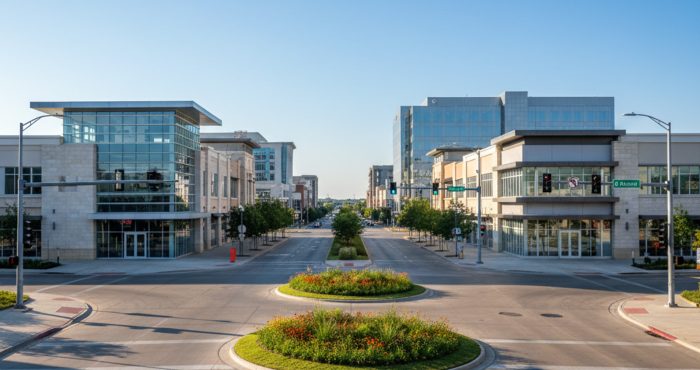
When I take clients out touring, the difference in atmosphere is usually the first thing they notice. Frisco often earns the nickname “Sports City USA,” and for good reason. It is polished, fast-paced, and feels immaculately groomed. The aesthetic here is defined by glass office buildings, sprawling mixed-use developments, and endless rows of crisp, new construction. It feels like a city that was built all at once with a very specific, modern vision in mind.

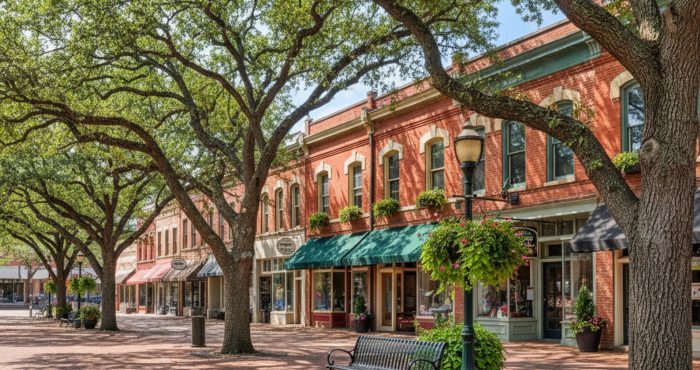
McKinney flips the script. Its motto is “Unique by Nature,” and it leans heavily into a sense of history and community connection. The heart of the city is its authentic downtown square, which is arguably the best in Texas. Instead of corporate gloss, you get red brick storefronts, towering oak trees, and a landscape that actually has some hills. Life here feels a little less about the “hustle” and more about grabbing a craft beer on a patio or attending a neighborhood festival.


Real Estate & Cost of Living: What Your Budget Buys

Let’s get down to the numbers, because this is often the deciding factor for buyers. Generally speaking, your money goes further in McKinney. Frisco commands a premium due to its location and its inventory of newer, high-end homes.

In Frisco, the market is dominated by master-planned communities that are typically 5 to 15 years old, alongside plenty of brand-new builds. Because the housing stock is newer and the demand is incredibly high, prices reflect that. As of 2026, you are looking at a median home price somewhere between $640,000 and $670,000. It is a competitive market where buyers expect top-tier amenities and modern finishes.

McKinney offers a much more diverse range of housing. You can find a restored historic bungalow from the 1900s near the square, a standard suburban build from the 90s, or a brand-new home on the outskirts of town. Because of this mix, the median price sits lower, roughly in the $495,000 to $510,000 range. If you are looking for a larger lot or more square footage for your dollar, looking at McKinney homes for sale is a smart move.

A quick note on taxes: Frisco often touts a slightly lower combined tax rate. However, because property values are generally higher in Frisco, the actual check you write to the county might end up being the same or higher than what you would pay in McKinney.


Schools: Frisco ISD vs. McKinney ISD

For many people moving here, schools are the priority. The good news is that you really cannot make a bad choice, but the districts operate with different philosophies.

Frisco ISD is famous for its “Small School Model.” Instead of building massive high schools with 4,000 students, they build more high schools to keep student populations smaller. The idea is that fewer students per school means more opportunities for kids to make the varsity team, join the band, or lead a club. The district is consistently A-rated (90) and is a huge draw for those looking for homes for sale in Frisco.

McKinney ISD offers a more traditional Texas high school experience. They have large, spirited high schools with deep traditions and incredible facilities—including a $70 million stadium that rivals some colleges. The district holds a solid B rating (88) and offers elite extracurricular programs.

One tricky detail to watch for: School boundaries do not always match city limits. There are neighborhoods in McKinney that actually attend Frisco ISD or Prosper ISD. Always check the specific address if a certain district is a dealbreaker for you.


Commute & Location: Tollway vs. US-75

Your daily drive is going to depend heavily on which highway you live near. The two cities run along parallel lifelines.

Frisco is built around the Dallas North Tollway (DNT). If you work in Legacy West, at the Toyota North America HQ, or anywhere in that “Platinum Corridor” of Plano, Frisco is incredibly convenient. The commute to Downtown Dallas is about 28 miles, which usually takes 45 to 60 minutes during rush hour.

McKinney relies on US-75 (Central Expressway). This makes it a better location if your job is in Richardson, the Telecom Corridor, or the eastern side of Dallas. However, McKinney is further north—about 33 miles from Downtown Dallas. That extra distance can mean a commute of 50 to 70 minutes or more when traffic is heavy.


Lifestyle & Amenities: The Star vs. The Square

When the work week ends, where do you want to hang out?

Frisco is about big-ticket entertainment and luxury. It is home to The Star (the Dallas Cowboys World Headquarters), where you can watch practice, dine at high-end steakhouses, or shop at upscale boutiques. You also have PGA Frisco for golf lovers, Toyota Stadium for FC Dallas games, and the massive Stonebriar Centre mall. It is a destination city where there is always an event happening.

McKinney’s lifestyle revolves around “The Square.” The Historic Downtown McKinney square is lined with independent boutiques, farm-to-table restaurants, and wineries. It is the kind of place where locals walk around on Friday nights. Beyond downtown, you have Adriatica Village, a development modeled after a Croatian fishing village, and the Heard Natural Science Museum for hiking and nature trails.


At a Glance: Frisco vs. McKinney Comparison

If you are trying to scan the differences quickly, here is how they stack up side-by-side.

FeatureFriscoMcKinneyMedian Home Price~$670,000~$500,000Primary VibeModern, Corporate, polishedHistoric, Nature-focused, charmingMain HighwayDallas North Tollway (DNT)US-75 (Central Expressway)School District RatingA-Rated (Small School Model)B-Rated (Traditional/Large HS)Best For…Professionals & Sports FansNature Lovers & Community Seekers

Expert Guidance for Buying and Selling 

Navigating the real estate market takes more than just watching prices. The Bale Real Estate Group, ranked in the top 1% of North Texas Realtors, helps buyers and sellers understand how to position themselves based on current competition, not just past sales. From identifying the right neighborhoods to negotiating stronger terms, their approach is focused on preparation, strategy, and results.

Frequently Asked Questions

Is Frisco or McKinney closer to Dallas?

Frisco is generally closer to Downtown Dallas and major employment hubs like Legacy West. It sits about 28 miles north of downtown, whereas McKinney is further northeast, sitting roughly 33 miles out. Access via the Dallas North Tollway often makes the Frisco commute more predictable than the drive from McKinney on US-75.

Is cost of living higher in Frisco or McKinney?

Frisco has a higher cost of living, primarily driven by housing costs. You can expect to pay about 20% to 25% more for a home in Frisco compared to a similar property in McKinney. Daily expenses like groceries and utilities are comparable between the two.

Which city has better schools, Frisco or McKinney?

Both districts are excellent, but Frisco ISD consistently earns slightly higher ratings (A-rated) due to high test scores and its small-school model. McKinney ISD is a strong B-rated district (88/100) that excels in facilities and extracurriculars, offering a “big Texas football” environment that some prefer.

Is McKinney bigger than Frisco?

In terms of population, Frisco has recently surpassed McKinney. Frisco has grown to approximately 227,000 residents, while McKinney is just over the 200,000 mark. Frisco also tends to feel denser because of its commercial development, while McKinney retains more open green space and spread-out subdivisions.

Posted in: Community Guides, Frisco Real Estate, Home Buying, Market Updates, McKinney Real Estate, Relocating to North Dallas Tagged: 2026 Housing Market, Adriatica Village, Buyer Guide, Collin County Real Estate, Cost of Living, Dallas North Tollway, Frisco ISD, Frisco Real Estate, Frisco vs McKinney, Heard Natural Science Museum, Historic Downtown McKinney, McKinney ISD, McKinney Real Estate, North Dallas Real Estate, PGA Frisco, Property Taxes, Prosper ISD, Relocation Guide, Stonebriar Centre, The Star Frisco, US 75

Frisco vs. Plano: Which North Dallas Suburb Fits Your Lifestyle?

If you are looking at moving to the Dallas-Fort Worth metroplex, you have almost certainly narrowed your search down to the two heavyweights of Collin County: Frisco and Plano. It is the most common debate I hear from clients. On a map, they look like neighbors blending into one another, but on the ground, they offer two very different living experiences.

Plano is the established powerhouse—the corporate hub with mature neighborhoods, central access, and a grounded atmosphere. Frisco is the energetic newcomer, known as “Sports City USA,” defined by explosive growth and manicured new developments. Both are consistently ranked among the best places to live in America, so you aren’t going to make a “bad” choice here.

However, the decision usually comes down to a preference for housing style and lifestyle pace: Do you want the modern polish of new construction, or do you prefer the character and location of an established community?


The Vibe Check: New Energy vs. Established Maturity

When you drive from Plano into Frisco, the shift is subtle but distinct. It’s a change in energy.

Frisco feels master-planned and high-energy. It is home to The Star (the Dallas Cowboys HQ), the PGA headquarters, and a younger demographic that feeds off this momentum. The aesthetic is incredibly manicured—think wide boulevards, perfectly landscaped medians, and rows of modern retail centers. It feels like a city that was built all at once with a clear vision for the future.

Plano, by contrast, feels more grounded and organic. Because it developed earlier, the city has a diverse dining scene that feels less “chain-heavy” and more authentic. The streets in neighborhoods are lined with massive, mature trees—something Frisco won’t have for another 20 years.

It is also important to note that Plano has two distinct personalities. “West Plano” offers luxury and sprawling estates that rival anything in Frisco, while “Central Plano” offers more modest, affordable housing stock. Both cities boast highly international communities, making them culturally rich places to call home.


Housing Market: New Construction vs. Renovation Potential

For most buyers, the house itself is the deciding factor. The inventory in these two cities caters to different tastes.

Frisco is dominated by homes built from the 2000s to the present. If you want open floor plans, high ceilings, modern insulation, and move-in ready aesthetics, this is your market. However, because land prices were higher during this boom, lot sizes in Frisco tend to be smaller. You are paying a premium price per square foot for that “new” smell and modern finish out.

Plano is dominated by builds from the 1980s and 1990s. While you might need to budget for renovations to open up a kitchen or update bathrooms, you generally get more land for your money. The lots are wider, the backyards are deeper, and the landscaping is lush.

If you are looking for luxury without the commute of Frisco, West Plano is a specific market you should watch. It features high-end estates that offer the square footage of Frisco mansions but with the benefit of mature trees and a closer location to Dallas.


Cost of Living: Taxes, Tolls, and Home Prices

When comparing the cost of living in North Dallas, you have to look beyond the listing price. The monthly “carry” costs can differ significantly between the two.

Home Prices Generally, Frisco commands a higher median price. This isn’t necessarily because the land is more valuable, but because the houses are newer. You are paying for the depreciation schedule of a 2015 build versus a 1985 build.

Property Taxes This is where buyers often get confused. The tax rates (City + School District + County) in both cities are comparable—roughly around a 2.2% effective rate. However, your actual bill in Frisco is often higher. Why? Because the assessed value of a brand-new $800,000 home is usually higher than an older Plano home that hasn’t changed hands in a decade.

Tolls and HOAs There are two hidden budget items to watch in Frisco:

  • Tolls: Frisco residents commuting south almost exclusively rely on the Dallas North Tollway (DNT). Those tolls add up quickly, often costing commuters hundreds of dollars a month.
  • HOA Fees: Frisco is famous for its “resort-style” communities with massive amenity centers, pools, and clubhouses. These are fantastic, but they come with higher monthly HOA dues compared to Plano neighborhoods, many of which have low fees or no HOA at all.


Battle of the School Districts: Frisco ISD vs. Plano ISD

If education is a priority, you are in luck—both districts are A-rated and premier destinations for education in Texas. However, they operate on very different structural philosophies.

Frisco ISD uses a “Small School Model.” Their philosophy is that smaller high schools allow more students to participate in extracurriculars. Instead of building one massive high school for 4,000 kids, they build four high schools for 1,000 kids each. This means your student has a statistically better chance of making the varsity team, the lead role in the play, or the student council.

Plano ISD utilizes a “Senior High Model.” Grades 9 and 10 attend High School, while grades 11 and 12 attend a dedicated Senior High. These Senior High campuses are massive. The benefit here is scale—they can offer specialized AP classes, IB programs, and niche electives that smaller schools simply can’t fund. It is a more collegiate atmosphere for juniors and seniors.

A note on Zoning: Always check the specific address. City limits and school district boundaries do not align perfectly. There are pockets of residents living in Plano who are actually zoned to Frisco ISD, and vice versa.


Commute & Location: Accessibility to Dallas

For professionals working in Downtown Dallas, the difference in commute time is arguably the biggest differentiator.

Plano is significantly closer to the city center. A commute from Plano to Downtown Dallas might take 20 to 30 minutes on a good day. From Frisco, that same drive can easily stretch to 40, 50, or 60+ minutes during rush hour. You are simply adding 10–15 miles of traffic to your day.

If you work at Legacy West or the Toyota Headquarters, you are in the sweet spot. This major economic hub sits right on the border of the two cities, making the commute negligible for residents of either.

Public Transit If you prefer not to drive, Plano is the clear winner. Plano is a member of DART (Dallas Area Rapid Transit) and has Red and Orange line rail stations that run directly to Downtown Dallas and DFW Airport. Frisco opted out of the DART system, meaning there is no rail connection. If you live in Frisco, you are driving.


Safety & Crime Statistics

When looking at crime statistics, both Frisco and Plano consistently rank as some of the safest cities in the United States relative to their population size.

The data shows that crime rates in both cities are significantly lower than the national average and the surrounding Dallas metro area. Frisco often edges out Plano slightly in rankings. This is largely due to Frisco being newer, less dense, and having fewer commercial transition zones than Plano. However, for the average resident, the difference is statistical rather than felt. Both cities offer a sense of security that draws people to the area.

Expert Guidance for Buying and Selling

Navigating the real estate market takes more than just watching prices. The Bale Real Estate Group, ranked in the top 1% of North Texas Realtors, helps buyers and sellers understand how to position themselves based on current competition, not just past sales. From identifying the right neighborhoods to negotiating stronger terms, their approach is focused on preparation, strategy, and results.

FAQs

Is Plano or Frisco closer to Downtown Dallas?

Plano is significantly closer to Downtown Dallas. Depending on where you live in the city, you are roughly 20 miles from downtown, whereas Frisco is located further north, adding an extra 15-20 minutes to a typical commute.

Are taxes higher in Frisco or Plano?

The actual tax rates are very similar for both cities. However, homeowners often pay a higher total tax bill in Frisco because the homes are newer and typically have higher assessed property valuations than the older housing stock in Plano.

Which school district is better, Frisco or Plano?

Both are top-tier districts, so “better” depends on your child’s needs. Frisco ISD offers smaller high schools which maximizes student participation in activities, while Plano ISD uses a Senior High model (grades 11-12) that offers massive scale for advanced academics and AP programs.

Why is Frisco growing faster than Plano?

Frisco is growing faster because it still has undeveloped land available for new construction. Plano is “landlocked,” meaning it is almost fully developed, so its market is driven by resale homes and renovations rather than new subdivisions.


Final Verdict: Which City Wins?

There is no wrong answer here, but there is likely a right answer for your specific situation.

Choose Plano if:

  • You commute to Downtown Dallas and want to minimize time in the car.
  • You value public transit access (DART) or proximity to airports.
  • You love mature trees, character-rich neighborhoods, and larger lots.
  • You prefer a more grounded, established community feel.

Choose Frisco if:

  • You want a brand-new home with modern finishes and energy efficiency.
  • You love the “master-planned” lifestyle with resort-style community amenities.
  • You prefer the “small school” educational model for student involvement.
  • You work in Legacy West or locally in Frisco and don’t mind the tolls.

Whether you are drawn to the established charm of living in Plano or the modern excitement of buying a home in Frisco, both cities offer an incredible quality of life in North Texas.

Posted in: Community Guides, Frisco Real Estate, Home Buying, Market Updates, Plano Real Estate, Relocating to North Dallas Tagged: 2026 Housing Market, Buyer Guide, Collin County Real Estate, Cost of Living, Dallas North Tollway, DART Rail, Downtown Dallas Commute, Frisco ISD, Frisco Real Estate, Frisco vs Plano, Legacy West, North Dallas Real Estate, PGA Frisco, Plano ISD, Plano Real Estate, Property Taxes, Relocation Guide, The Star Frisco, Toyota Headquarters, West Plano

Selling Your Home in Plano, TX: A 2026 Guide for Homeowners

If you are sitting at your kitchen table in Plano, sipping coffee and wondering if now is the right time to put a “For Sale” sign in the yard, you aren’t alone. It is early February 2026, and homeowners across Collin County are asking the same question. The market has shifted since last year, and navigating a sale today requires a slightly different playbook than it did even 12 months ago.

Selling a home is about more than just cleaning up and taking photos. It involves navigating Texas-specific contracts, understanding local buyer expectations, and knowing exactly where your money goes at the closing table. Whether you are in a classic West Plano custom home or a townhome near Legacy West, this guide walks you through what to expect when you decide to sell your home in Plano this year.

The Plano Real Estate Market: A 2026 Snapshot

Let’s look at the numbers. As we move into the Spring 2026 selling season, the market feels much more balanced. We aren’t seeing the chaotic frenzy of a few years ago, but buyer demand remains healthy due to the strength of the local economy and the continued draw of Plano Independent School District (PISD).

Currently, inventory levels are stabilizing. This means we are in a balanced market—neither fully favoring the buyer nor the seller. For you, this means you can get a great price, but you can’t get away with overpricing a home that needs work.

Here is what the landscape looks like right now:

  • Median Sales Price: Most single-family homes in the area are trading in the $500,000 to $530,000 range.
  • Pacing: Homes are taking a little longer to go under contract. You should expect an average of 40–60 days on the market.
  • Inventory: We are sitting at about 2.5 to 3 months of inventory, which is a healthy, neutral spot.

If you want to dive deeper into specific neighborhoods, checking current Plano market trends is a smart first step.

Cost to Sell a House in Plano (2026 Estimates)

One of the biggest surprises for first-time sellers is the “net sheet”—the document that shows how much money you actually walk away with. It is easy to fixate on the top-line sales price, but fees in Texas can add up.

Generally, you should budget about 7–9% of the sales price for total selling costs. Here is where that money goes:

  • Agent Commissions: This is typically the largest chunk, historically around 5–6% of the sales price, which is usually split between your listing agent and the buyer’s agent.
  • Title Policy: In Texas, this is a negotiable item, but it is highly customary for the seller to pay for the owner’s title policy. On a $500,000 home, expect this to run between $2,900 and $3,500.
  • Closing Costs: You will have miscellaneous fees like escrow fees, tax certificates, and recording fees. Budget roughly 1% of the sale price here to be safe.
  • HOA Fees: Most Plano neighborhoods have an HOA. You will likely need to pay for a resale certificate (which lets the buyer know you are current on dues), costing around $300–$500, plus potential transfer fees.
  • Property Taxes: This is a big one. You will owe property taxes for the portion of the year you owned the home. This appears as a credit to the buyer at closing.

To get a precise figure based on your equity, you can calculate your closing costs before listing.

Timeline: From “Thinking About It” to Listed

If you want to hit the market at the peak of the spring season, you typically need to start working backward from your target date. Rushing the process often leads to leaving money on the table.

  • 3–6 Months Out: Start with the “unsexy” work. If you have deferred maintenance—especially roof issues from past hail storms or foundation concerns—address them now. This is also the time to start decluttering. If you haven’t used it in a year, box it, donate it, or toss it.
  • 1–2 Months Out: This is when things get real. Deep clean the house (including windows and grout). This is also the right time to interview agents and schedule a staging consultation. You want to view your home through a buyer’s eyes, not a homeowner’s eyes.
  • 2 Weeks Out: Your home should be “show ready” by now. The photographer will come in to take professional shots. Do not skip this; online photos are your first showing. You will also finalize your listing price based on the most recent comps.
  • Listing Day: Ideally, you want to go live on the MLS on a Thursday or Friday. This generates momentum heading into the weekend when most buyers are free to tour.

For a more detailed breakdown of what to fix, a home maintenance checklist can keep you on track.

Preparing Your Plano Home for Sale

Prepping a home in North Texas has a few specific requirements that sellers in other parts of the country don’t have to worry about.

Foundation, Foundation, Foundation: We live on clay soil that expands and contracts. It is the number one concern for buyers in Collin County. If you have had repairs, gather that lifetime transferable warranty paperwork—it is like gold to a buyer. If you have cracks you haven’t investigated, get a structural engineer’s report so you aren’t blindsided during the inspection.

Curb Appeal for the Texas Climate: Our landscaping takes a beating from summer heat and occasional winter freezes. Fresh mulch and hardy, drought-tolerant plants can make a massive difference. You want the buyer to feel good the moment they pull into the driveway.

Updates vs. As-Is: You are competing against brand-new construction in places like Prosper or Celina. While you don’t need to gut-renovate, your kitchen and primary bath need to look sharp. If you have 1990s brass fixtures or original builder-grade carpet, swapping those out usually offers a solid return on investment.

Staging Matters: Because inventory is balanced, buyers can afford to be picky. Staging helps them visualize living there and distracts from the fact that the home might be 30 years old.

Essential Texas Documents & Disclosures

Texas real estate law involves a lot of paperwork designed to protect both parties, but mostly the buyer. Being organized here can save you thousands of dollars and legal headaches.

Seller’s Disclosure Notice (SDN): This is mandatory. You must disclose everything you know about the property’s condition. Did the roof leak in 2019? Put it down. Did you fix it? Put that down too. In Texas, over-disclosure is always safer than under-disclosure.

Survey & T-47 Affidavit: If you have your existing survey from when you bought the house, and you haven’t added a pool or a fence, you can sign a T-47 Residential Real Property Affidavit. This notarized document tells the title company the survey is still accurate. Doing this saves you (or the buyer) from paying $500+ for a new survey.

HOA Documents: In Plano, you almost certainly live in an HOA. The buyer has a right to review the bylaws and restrictions. The title company will order these, but be prepared for the upfront cost of the resale certificate.

MUD/PID Notices: While less common in central Plano than in newer developments, check if your home is in a Municipal Utility District (MUD) or Public Improvement District (PID). If so, there are specific forms you must provide before the buyer signs an offer.

The Selling Process: Listing to Closing

Once the sign is in the yard, the process moves quickly. Here is the typical flow of a transaction in our area.

Showings: You will likely use a showing service that texts you when an agent wants to bring a client by. You should have a lockbox on the door. It is inconvenient to leave your house constantly, but restricting showings kills deals.

Reviewing Offers: Don’t just look at the price. Look at the closing date, the type of financing (cash is king, but conventional is great), and whether they are asking for a leaseback (staying in the home for a few days after closing).

The Option Period: This is unique to Texas and arguably the most stressful part for sellers. The buyer will pay a small fee (usually $100–$500) for the unrestricted right to terminate the contract for any reason within a set number of days (usually 5–10). This is when they will do their inspection. Expect them to come back and negotiate repairs or ask for a price reduction during this window.

The Appraisal: If the buyer is getting a loan, the bank will send an appraiser to verify the value. If the appraisal comes in low, you have to decide whether to lower the price or ask the buyer to cover the gap.

Closing Day: You will go to the title company (or have a mobile notary come to you) to sign the deed and transfer ownership. Once the loan funds, the keys belong to the new owner.

For more on navigating the inspection phase, it helps to spend time understanding the option period.

Do You Need a Plano Real Estate Agent?

With technology today, some homeowners consider “For Sale By Owner” (FSBO) to save on commissions. It is a valid option, but it comes with trade-offs.

The FSBO Route: The main appeal is saving that listing commission. However, you are responsible for accurate pricing, marketing, and legal liability regarding the Seller’s Disclosure. Without access to the MLS, your buyer pool is significantly smaller.

The Agent Advantage: A local expert does more than open doors. They provide a buffer during negotiations (which can get emotional) and manage the complex timeline of the Texas contract. Statistically, agent-assisted homes tend to sell for more money, often enough to offset the commission cost.

If you are unsure, you can interview a few professionals to see if their strategy aligns with your goals.

Why Homeowners Choose Bale Real Estate Group

Buying or selling in Plano requires more than just timing the market. The Bale Real Estate Group helps clients understand pricing, competition, and how to position a home to stand out from day one. For sellers, that includes strategic pricing, professional staging, targeted marketing, Zillow Showcase exposure, and our Certified Pre-Owned Home Listing Program. The goal is simple: create stronger demand and better results in today’s market.

3 Tips to Maximize Your Sale Price in 2026

If you want to get the best possible result this year, keep these three strategies in mind.

  1. Time it Right: Spring is historically the peak season in Plano. Families want to be settled before the next school year starts. Listing between March and May puts you in front of the largest pool of motivated buyers.
  2. Price Strategically: In a balanced market, pricing slightly below market value can generate buzz and potentially trigger multiple offers. Pricing too high often leads to a stale listing and eventual price cuts. Pricing correctly from day one is critical to maximizing your results in today’s market.
  3. Be Flexible: Make your home easy to show. If a buyer can’t see it on their schedule, they will go look at the house down the street. The more eyes on your property, the better your odds of a great offer.

Your Advantage in Today’s Plano Market

Selling your home in Plano requires more than just listing it on the market. It takes a clear pricing strategy, strong presentation, and the ability to navigate negotiations with today’s more selective buyers. The Bale Real Estate Group helps homeowners position their homes to stand out through professional staging, targeted exposure, and proven marketing strategies. From preparation to closing, every step is designed to maximize your home’s value while keeping the process smooth and predictable.

Frequently Asked Questions

What is the best month to sell a house in Plano, TX?

Late spring is typically the sweet spot. Listing in March, April, or May when selling your home in Plano allows you to capture buyers who want to close and move in during the summer break, which is a major driver for families zoning into Plano ISD.

Who pays for the title policy in Texas?

While everything in a real estate contract is negotiable, it is standard practice in Texas for the seller to pay for the owner’s title policy. This protects the buyer against past ownership disputes or liens on the property.

How long does the option period last in Texas?

The option period is negotiated between the buyer and seller, but it generally lasts between 5 and 10 days. During this time, the buyer conducts inspections and can back out of the contract without losing their earnest money.

Do I have to fix foundation issues before selling?

You are not legally required to fix foundation issues, but you must disclose them on the Seller’s Disclosure Notice. However, unrepaired foundation issues will significantly lower your buyer pool and sale price, limiting you mostly to cash investors.

Posted in: Certified Pre-Owned Home Listing Program, Community Guides, Home Selling, Home Value / Pricing Strategy, Market Updates, Plano Real Estate, Preparing Your Home to Sell, Professional Home Staging, Seller Closing Costs, Seller Resources, Zillow Showcase Tagged: 2026 Seller Guide, Bale Real Estate Group, Central Plano Homes, Collin County Real Estate, East Plano Homes, Legacy West Plano, Owner’s Title Policy Texas, Plano Curb Appeal, Plano Foundation Issues, Plano HOA Fees, Plano Home Inspection, Plano Home Selling, Plano Home Staging, Plano Home Value, Plano ISD, Plano Market Update, Plano Pre-Listing Preparation, Plano Pricing Strategy, Plano Property Taxes, Plano Real Estate, Plano Real Estate Market, Plano Seller Closing Costs, Plano Seller Disclosure, Plano Seller Guide, Sell My Home Plano TX, Selling a Home in Plano, Selling Your Home in Plano, Texas Option Period, Texas Seller Closing Costs, Texas Seller Disclosure Notice, West Plano Homes

Selling Your Home in Frisco, TX: The 2026 Market Guide

If you are thinking about selling your home in Frisco this year, the first thing we need to do is reset expectations. If you talk to neighbors who sold back in 2021 or 2022, they might tell you stories about putting a sign in the yard on Friday and having twenty offers over asking price by Sunday. That was a unique frenzy, but as we sit here in February 2026, the landscape has shifted. We aren’t in a crash, but we are definitely in a “skill-based” market where strategy matters more than luck.

Right now, inventory has balanced out significantly. We are seeing about a 4-month supply of homes, which is a healthy, neutral territory. Prices have stabilized, with the median sitting comfortably in the $650,000 to $750,000 range. However, the biggest change you will feel is the timeline. Days on Market (DOM) has normalized to around 60 to 85 days. That feels long compared to a few years ago, but it is actually quite normal for a healthy market. Monitoring current market trends helps you stay ahead of pricing and timing decisions.

The good news is that the “Why Now” factor for Frisco is stronger than ever. With the Universal Kids Resort set to open this June and the continued expansion around PGA Frisco and The Fields, demand is high. People want to live here. The goal of this guide is to help you navigate the specifics—like MUD taxes, aggressive HOAs, and pricing strategy—to make sure you walk away with the most money possible.

Step 1: Pricing Strategy for a ‘Normal’ Market

Pricing is where the battle is won or lost in 2026. Because buyers have more choices now, they are much more sensitive to price. If you start with “aspirational pricing”—listing high just to see if anyone bites—you run a real risk. In this market, homes that sit for more than 100 days tend to get stigmatized. Buyers start wondering what’s wrong with the house, and pricing correctly from day one becomes critical to maximizing your results. Otherwise, you end up chasing the market down with price cuts.

To price it right, we have to look at the anatomy of a comparable sale (a “comp”). We cannot rely on what your neighbor is asking for their house; we have to look at what homes actually sold for in late 2025 and early 2026. This data tells us what a buyer is willing to sign on the dotted line for. Currently, the list-to-sale ratio is hovering between 96% and 98%. This means negotiation is back on the table, and you need to price with that slightly flexible margin in mind.

  • The Fields Effect: If your property is located near the new PGA or Universal developments, we need to highlight that potential appreciation. Buyers are willing to pay a premium for that proximity.
  • Price Bands: Keep in mind that the market moves at different speeds depending on price. Homes under $700,000 are moving briskly. If you have a luxury estate over $1,000,000, specifically in gated communities like Stonebriar, you need to prepare for a slightly longer timeline.

Step 2: Frisco-Specific Prep & Staging

Once we have the price, we have to look at the product. One of the biggest challenges for sellers in Frisco is the sheer volume of new construction. Builders are offering incentives, rate buydowns, and brand-new warranties. If you are selling a home built in 2010, you are directly competing with these 2026 new builds. Your home cannot look “tired.”

Buyers in our area are looking for the “Frisco Look.” They want light, bright, and decluttered spaces. The era of dark woods, heavy drapes, and Tuscan-style kitchens is largely behind us. Simple updates like painting cabinets white, updating light fixtures to modern LEDs, and removing heavy furniture can make your home feel ten years younger.

We also have to talk about the unsexy structural stuff. North Texas soil is expansive—it moves. Before we list, it is often smart to do a pre-listing inspection, especially for the foundation and the roof. We have had plenty of hail storms over the last few years, and buyers will almost certainly request a roof inspection. Catching these issues upfront prevents a deal from falling apart three weeks into the contract.

  • Curb Appeal & HOAs: Frisco HOAs are notoriously strict. Before you list, make sure your fence is stained to code, your trees are trimmed, and your lawn is weed-free. You don’t want a buyer’s first impression to be a violation notice.

Step 3: Marketing Your Home (Beyond the MLS)

Putting your home on the MLS is just the baseline. In 2026, a massive chunk of our buyer pool is coming from out of state—specifically corporate relocations from California and New York. These buyers are often shortlisting homes from thousands of miles away. This means professional photography and 3D tours are non-negotiable. If a buyer can’t walk through your home digitally on their phone, they often won’t bother booking a flight to see it in person.

We also need to market the lifestyle, not just the drywall. When someone buys a home in West Frisco, they are buying the easy commute on the Dallas North Tollway (DNT). They are buying weekends at The Star or afternoons at the new parks in the Fields development. Your marketing materials should highlight the walkability to highly rated Frisco ISD schools and proximity to these major hubs.

We can also generate buzz before the clock starts ticking on your Days on Market. Using a “Coming Soon” campaign allows us to gauge interest and perhaps line up showings for the very first weekend, creating a sense of urgency even in a balanced market.

Step 4: Navigating Disclosures (MUDs, PIDs, & HOAs)

Texas paperwork is extensive, but Frisco has a few specific wrinkles that can derail a sale if you aren’t careful. The most critical one is the Municipal Utility District (MUD) notice.

Many neighborhoods in Frisco, especially those developed in the last 20 years, are located in a MUD. Texas law is extremely strict about this: you must provide the buyer with the specific MUD notice that updates the tax rate and bond debt before the contract is signed. If you forget this form, or use an old one from 2024, the buyer can legally terminate the contract at the closing table and get their earnest money back. We ensure the 2026 forms are in the file from day one.

  • Seller’s Disclosure: You must be honest about the history of the house. If you had a roof leak fixed in 2023, disclose it and show the repair receipt. Transparency builds trust.
  • HOA Resale Certificate: We need to order this early. It documents the fees, any rule violations on the property, and transfer costs.
  • Survey: If you have your existing survey and it accurately shows your current fences, pool, and patio, we can use a T-47 affidavit. This can save you about $500, but it has to be accurate.

Cost to Sell a Home in Frisco (2026 Estimates)

When you are calculating your net proceeds, it is safe to estimate that the total cost to sell will be roughly 7% to 9% of the final sales price. This covers everything from commissions to taxes.

Here is how that usually shakes out at the closing table:

  • Title Policy: In Texas, it is customary for the seller to pay for the owner’s title policy. On a $700,000 home, this is regulated by the state and will cost roughly $4,000 or more.
  • Property Taxes: Taxes in Texas are paid in arrears. You will owe the buyer a credit for the taxes from January 1st through the day of closing.
  • HOA Transfer Fees: These vary wildly by community but usually range from $200 to over $500. Some communities also have capitalization fees.
  • Repairs: Even if your home is in great shape, budget about 1% to 2% of the sales price for inspection concessions. Buyers in 2026 are asking for repairs again.

For a more detailed estimate, using a closing costs calculator can help you plan your net proceeds.

Best Time to Sell in Frisco

Timing your sale in Frisco often revolves around the school calendar. Since so many buyers move here for the schools, the prime window is typically late February through May. This allows buyers to close, do some renovations, and get settled before the new school year begins in August.

However, 2026 has a unique driver: the Universal Kids Resort opening in June. We are seeing increased interest from investors and workers who want to be settled before the park opens its doors. Listing in the Spring of 2026 allows you to capture this wave of demand.

If you miss the spring window, don’t panic. Winter selling (December and January) is slower in terms of volume, but the buyers who are looking during the holidays are usually very serious. You face less competition from other sellers, even if there are fewer buyers overall.

Your Advantage in Today’s Frisco Market

Selling your home in Frisco today requires more than just putting it on the market. With increased inventory and more selective buyers, the homes that stand out are the ones that are properly prepared, strategically priced, and professionally marketed from day one. The Bale Real Estate Group helps homeowners position their homes to attract strong buyer interest through targeted exposure, high-quality presentation, and proven negotiation strategies designed to maximize results in today’s market.

Frequently Asked Questions About Selling in Frisco

Do I have to pay MUD taxes when I sell?

No, you do not pay a lump sum “exit tax” for the MUD. However, you are responsible for disclosing the MUD information to the buyer, and you will pay your prorated share of the property taxes (which includes the MUD tax) for the portion of the year you owned the home.

How long does it take to close in Texas?

The standard closing time is usually 30 to 45 days from the time you sign the contract. That said, seller lease-backs are very common in Frisco. This allows you to close on the home, get your funds, and stay in the property for a few extra days or weeks to facilitate your move.

Is Frisco a buyer’s or seller’s market in 2026?

We are currently in a balanced market. It is advantageous for sellers who have homes in great condition and priced correctly, but it can be punishing for sellers who overprice or skip necessary repairs. It’s a fair market, especially when selling your home in Frisco in today’s market.

Posted in: Certified Pre-Owned Home Listing Program, Community Guides, Frisco Real Estate, Home Selling, Home Value / Pricing Strategy, Market Updates, Marketing Your Home for Maximum Exposure, Preparing Your Home to Sell, Professional Home Staging, Seller Closing Costs, Seller Resources, Uncategorized, Zillow Showcase Tagged: 2026 Seller Guide, Bale Real Estate Group, Collin County Real Estate, Dallas North Tollway, Denton County Real Estate, Frisco Curb Appeal, Frisco Foundation Issues, Frisco HOA Fees, Frisco Home Inspection, Frisco Home Selling, Frisco Home Staging, Frisco Home Value, Frisco ISD, Frisco Market Update, Frisco MUD Taxes, Frisco New Construction Competition, Frisco PID Taxes, Frisco Pre-Listing Preparation, Frisco Pricing Strategy, Frisco Real Estate, Frisco Real Estate Market, Frisco Roof Inspection, Frisco Seller Closing Costs, Frisco Seller Disclosure, Frisco Seller Guide, PGA Frisco, Sell My Home Frisco TX, Selling a Home in Frisco, Selling Your Home in Frisco, Texas Option Period, Texas Seller Closing Costs, Texas Seller Disclosure Notice, The Fields Frisco, Universal Kids Resort

Living in Frisco: Best Neighborhoods & Cost of Living Guide

If you still think of Frisco as just a sleeper suburb north of Dallas, you might be working with outdated information. Over the last decade, Frisco has aggressively pivoted from a commuter town to a destination in its own right—often called “Sports City USA.” By now, in February 2026, the transformation is undeniable. We have the PGA headquarters fully established, The Star anchoring the Cowboys’ operations, and the Universal Kids Resort set to open its doors this May.

For homebuyers, this shift means you aren’t just buying a house in Frisco; you’re buying into a lifestyle hub. The market has shifted, too. Unlike the chaotic frenzy of a few years ago, early 2026 is seeing a more balanced buyer’s market with stabilizing prices. That said, entry is still competitive, with median home prices hovering around the $650k–$700k mark. Whether you need quick access to the Dallas North Tollway (DNT) for work or want to be minutes from the golf course, knowing the neighborhood personalities is half the battle.

Fields: The New Center of Gravity

If you are looking for the absolute heartbeat of new development in North Texas, you have to look at Fields. This isn’t just a neighborhood; it is a massive 2,500-acre master-planned district that has effectively shifted the center of gravity for the entire city.

Because it serves as the anchor for the PGA Frisco golf courses and the Omni Resort, the vibe here is distinctly resort-centric and high-energy. It feels brand new because it is. You have incredible proximity to the upcoming Universal Kids Resort, which is a massive draw for tourism and local entertainment.

Housing here runs the gamut, which is part of the appeal. You can find “Brookside” homes starting around $700k, but if you drive into “The Preserve,” you are looking at ultra-luxury estates that can easily climb from $2M up to $10M+. It is currently the primary target for anyone seeking new construction homes in Frisco 2026 with immediate access to world-class amenities.

Phillips Creek Ranch: The Amenity Heavyweight

Before Fields stole the headlines, Phillips Creek Ranch was the undisputed king of West Frisco, and for many buyers, it still is. This community was designed for people who want to be active outside without having to drive to a state park.

The sheer scale of the amenities is what sells this neighborhood. We are talking about over 100 acres of green space and more than 18 miles of paved trails weaving through the community. It features multiple pools, a serious fitness center, and an open-air pavilion that serves as a community hub.

Another major logistical perk is the school setup. The community features multiple onsite elementary schools within Frisco ISD, meaning morning drop-offs are often just a short walk or bike ride away. Prices here reflect the established nature of the area, typically ranging from the high $600s to over $1.6M, with a median price sitting near $960k.

Newman Village: European Elegance & Art

If you drive through most North Texas suburbs, you might get fatigue from seeing the same brick elevations over and over. Newman Village is the antidote to that “cookie-cutter” feeling. It is arguably the most artistically driven, aesthetically disciplined community in West Frisco.

The vibe here is prestigious and manicured, but with a distinct European flare. The architecture leans heavily into Mediterranean, Classical, and European styles, ensuring the streetscape looks curated rather than mass-produced. A central plaza features sculptures and a community pool, giving it a town-square feel.

Because it is a gated community with larger-than-average lot sizes, it commands a premium. You should expect prices to start around $1.3M and easily exceed $3M. It’s a top contender for buyers searching for luxury homes in Frisco TX who value privacy and architectural character over the resort-style bustle of newer developments.

The Grove Frisco: Modern & Connected

Located in the “Four Corners” area—where Frisco, Allen, McKinney, and Plano converge—The Grove Frisco offers a very different flavor. The developers aimed for a “modern village” concept, and it feels much more social and contemporary than older neighborhoods.

The heart of the community is “Orchard House,” a bakery and cafe-style amenity center that encourages neighbors to actually hang out. The amenities are modern and thoughtful, including two pools, a splash pad, and playgrounds that feel integrated into the landscape rather than stuck on a concrete slab.

The homes here are built by reputable names like American Legend and Highland Homes, but with more modern elevations that ditch the heavy stone of the 2000s for cleaner lines. Pricing is generally approachable for the luxury segment, running from $600k to $1.3M.

Starwood & Stonebriar: The Established Elite

While Fields and The Grove are shiny and new, Starwood and Stonebriar represent the “old money” establishment of Frisco. If you want mature trees that actually shade the street and a quiet, guard-gated atmosphere, these are the neighborhoods to tour.

Starwood is famous for its privacy. It is a 24/7 guard-gated community with wooded terrain and custom estates that were mostly built in the late 90s and 2000s. Stonebriar, on the other hand, is all about the golf lifestyle. Located right next to the Stonebriar Country Club and SH-121, it offers incredible access for commuters.

The distinction here is character. You won’t find the grey-and-white modern farmhouse look unless a home has been extensively remodeled. Many buyers specifically seek out these areas to buy older estates ($1.1M to $5M+) and renovate them, capitalizing on lot sizes and security that new developments just can’t match.

Other Notable Neighborhoods

Frisco is large, and sometimes the best fit is a specialized community that targets a specific lifestyle or price point.

  • Hollyhock: This offers a boutique feel near PGA Frisco. It operates on a slightly smaller scale than Phillips Creek Ranch but still delivers a robust trail system and pool, with pricing usually starting north of $700k.
  • Lexington: A direct competitor to The Grove, this community features a massive clubhouse and resort-style pool. It’s a strong option for buyers who prioritize high-end community facilities.
  • Frisco Lakes: This is the premier 55+ active adult community in the area. It wraps around Lake Lewisville and features its own golf course and social clubs. Prices here are more moderate, generally between $450k and $750k.
  • Grand Park / The Canals: If you want less yard work and more walkability, these areas offer a denser, urban residential feel closer to downtown Frisco.

Buying in Frisco: 2026 Market Insights

Navigating the local market requires more than just picking a favorite house, it requires a strategy to make the right move in today’s market. As of early 2026, inventory levels have stabilized, giving you a bit more negotiation power than buyers had during the erratic years of 2021–2024. However, smart buyers need to keep a close eye on the total monthly payment, not just the purchase price.

Property Taxes & MUDs: Texas has no state income tax, which is great, but we make up for it with property taxes. In newer developments like Fields, you often have MUD (Municipal Utility District) or PID (Public Improvement District) taxes on top of the standard rate to pay for infrastructure. It is vital to check the specific tax rate of the neighborhood you are considering, as it can swing your monthly payment by hundreds of dollars.

The Schools Factor: Frisco ISD is a primary driver for people moving here. One thing that sets the district apart is its “small school model.” Rather than building massive high schools with 4,000 students, they build more high schools to keep student populations smaller. This is designed to give students more opportunities to make the varsity team, lead a club, or get involved in theater.

Your Advantage When Buying in Frisco

Buying in Frisco today requires more than just choosing the right neighborhood. With multiple developments, varying tax structures, and a wide range of price points, having a clear strategy is key. The Bale Real Estate Group helps buyers understand the differences between communities, navigate financing options, and identify the best opportunities based on lifestyle and long-term value. The goal is simple: help you make a confident, informed decision in one of the fastest-growing markets in North Texas.

Frequently Asked Questions

What is the most expensive neighborhood in Frisco, TX?

The highest price points are typically found in The Preserve at Fields, Starwood, and Newman Village. These areas feature custom estates and large lots, with prices frequently reaching into the multi-millions.

Which Frisco neighborhoods are gated?

For buyers prioritizing privacy and security, Starwood and Newman Village are the most prominent gated communities. You will also find gated sections within Richwoods, Stonebriar, and specific luxury enclaves inside the Fields development.

Do all Frisco neighborhoods have high HOA fees?

Most master-planned communities will have significant HOA dues to cover the maintenance of pools, trails, and amenity centers. However, there are older pockets of homes, particularly near downtown Frisco, that do not have HOAs, though they lack the resort-style amenities of newer developments.

How far is the commute from Frisco to Downtown Dallas?

You should plan for a 30 to 45-minute drive via the Dallas North Tollway (DNT) for those buying a home in Frisco, depending on traffic conditions. While the tollway is the fastest route, costs can add up for daily commuters.

Posted in: Community Guides, Frisco Real Estate, Home Buying, Luxury Real Estate, Neighborhood Guides, Relocating to North Dallas, Uncategorized Tagged: Bale Real Estate Group, Best Neighborhoods in Frisco, Buying a Home in Frisco, Collin County Real Estate, Cost of Living in Frisco, Dallas North Tollway, Denton County Real Estate, Fields Frisco, Frisco Cost of Living, Frisco HOA Fees, Frisco Homes for Sale, Frisco ISD, Frisco Lakes, Frisco Luxury Homes, Frisco Master-Planned Communities, Frisco MUD Taxes, Frisco Neighborhood Guide, Frisco PID Taxes, Frisco Property Taxes, Frisco Real Estate, Frisco Relocation Guide, Grand Park Frisco, Hollyhock Frisco, Lexington Frisco, Living in Frisco, Living in Frisco TX, Newman Village, North Frisco, North Texas Relocation, PGA Frisco, Phillips Creek Ranch, Starwood Frisco, Stonebriar Frisco, The Canals at Grand Park, The Grove Frisco, The Preserve at Fields, Universal Kids Resort, West Frisco

Best Neighborhoods in Plano, TX: A Local’s Guide to Living in Plano (2026 Edition)

If you are thinking about moving to North Texas in 2026, Plano is likely already on your radar. It’s no longer just a bedroom community for Dallas; it is a corporate powerhouse in its own right. With major headquarters for companies like Toyota, Liberty Mutual, and JP Morgan Chase anchored here, the city has evolved into a unique blend of big-city economic energy and small-town community feel.

But for anyone looking at homes for sale in Plano TX, the options can be overwhelming. You have ultra-modern luxury condos, sprawling 1980s estates with massive trees, and brand-new construction all within the same city limits. The goal of this guide is to help you navigate the local landscape, understand the price points, and figure out which pocket of town fits your lifestyle.

Whether you are relocating to the Dallas-Fort Worth area for a job transfer or simply looking for top-tier schools and a change of pace, here is the lay of the land.

West Plano vs. East Plano: Understanding the Divide

Before we dive into specific subdivisions, you have to understand the “Two Planos.” Locals almost always categorize the city as either “West Plano” or “East Plano,” and the vibe between the two is distinct. The dividing line is roughly US-75 (Central Expressway), though some consider the divide to start closer to Coit or Preston Road.

West Plano (Zip codes 75024, 75093) is generally characterized by newer construction, higher price points, and a “new money” aesthetic. This is where you find the luxury retail hubs, proximity to the Dallas North Tollway (DNT), and the major corporate headquarters. If you want high ceilings, stucco and stone facades, and a 10-minute commute to Legacy West, this is your spot. However, prepare for the price tag; median prices here frequently exceed $800K, with many estates well over $1M.

East and Central Plano (Zip codes 75074, 75075, 75023) offer a completely different atmosphere. These neighborhoods were largely developed in the 1970s and 80s. The streets are lined with mature, towering oak trees, and the lots tend to be larger. The homes here have character—think brick ranch-style architecture—and offer much better affordability. It’s common to find solid entry points in the $400K–$600K range.

Your commute will likely dictate your choice. If you work in Downtown Dallas, US-75 (East Plano) is your direct vein. If you work in Frisco or at the Toyota campus, the Dallas North Tollway (West Plano) is your lifeline.

Top Luxury Neighborhoods in Plano

If budget is less of a concern and you are looking for prestige, privacy, and square footage, Plano has some of the most impressive residential pockets in the DFW metroplex. These areas are known for tight security measures, active HOAs, and meticulously manicured grounds.

Willow Bend

Willow Bend is arguably the gold standard for luxury homes in Dallas Fort Worth. It isn’t just one neighborhood; it’s a collection of sub-neighborhoods like the Lakes and Polo Estates. The area is defined by winding streets, multi-million dollar estates, and the prestigious Gleneagles Country Club. Prices here generally run from $1M to over $3M. It’s the kind of place where high HOA standards keep the landscaping pristine and the property values insulated.

Lakeside on Preston

Just as the name suggests, this neighborhood is famous for its water features. It offers a mix of zero-lot-line luxury homes (for those who want less yard maintenance) and larger estate lots. Residents here love the scenic walking trails and the feeling of being in a secluded enclave while still being right off Preston Road.

Kings Ridge

Located in the far Northwest corner of Plano, bordering Lewisville and Frisco, Kings Ridge offers a slightly different feel. It’s quieter and removed from the central traffic of the city. The homes are newer construction compared to central Plano, and the neighborhood backs up to greenbelts, offering a private atmosphere that appeals to buyers wanting a retreat at the end of the day.

Best for Urban Living & Walkability

Not everyone wants a quarter-acre lot and a lawn mower. In 2026, the demand for a “city within a suburb” lifestyle is higher than ever. Plano has adapted beautifully to this trend, offering high-density areas that are perfect for professionals who want minimal maintenance and maximum walkability.

Legacy West

This is the epicenter of modern Plano. Legacy West is where you live if you want to walk to your office at Toyota or Boeing, grab dinner at a high-end steakhouse, and visit Legacy Hall without ever starting your car. The housing here consists of high-end condos and luxury apartments. Rents often average $2,300+, and purchase prices for condos can easily span $600K to $1M+. It’s high-energy, expensive, and incredibly convenient.

The Shops at Legacy

Located just across the highway from Legacy West, “The Shops” is the original mixed-use development in the area. It has a slightly more established, village-like feel with townhomes and brownstones mixed in with retail. It remains a vibrant hub for nightlife and dining.

Downtown Plano (Arts District)

For a more historic, authentic urban vibe, look at the Downtown Plano Arts District. Here, you’ll find red brick streets, local coffee shops, and loft-style living. It has a distinct personality that feels less corporate than Legacy West. Plus, it has a DART rail station, giving you a direct train link to Downtown Dallas for work or events.

Top Neighborhoods for Community & Amenities

If your priority is a strong social fabric—places where neighbors know each other and community events are the norm—there are a few standouts. These areas are often sought after for their parks, pools, and active resident associations.

Deerfield

You can’t talk about Plano without mentioning Deerfield. Located in Northwest Plano, this neighborhood is famous across North Texas for its spectacular holiday light displays. Beyond the seasonal tourism, it’s a tight-knit community with 24-hour security patrol and a very active HOA. Homes here typically range from $600K to $850K, offering a secure environment with a lot of community pride.

Whiffletree

If you are tired of “cookie-cutter” houses, check out Whiffletree. Built largely in the 1980s, this neighborhood features custom homes with unique architectural details you don’t see in newer volume builds. The landscaping is lush, and the location is central, making it easy to get anywhere in town.

Ridgeview Ranch

This is a go-to spot for golf lovers. Ridgeview Ranch is a master-planned community featuring a golf course, multiple swimming pools, and easy access to SH-121. It attracts a mix of residents who want resort-style amenities right at their doorstep.

Best Value & Outdoor Access

For buyers who want to maximize their budget or prioritize access to nature, the central and eastern parts of Plano offer incredible value. You can often get more square footage here, along with direct access to the city’s extensive trail system.

  • Forest Creek: Situated near Chisholm Trail and Spring Creek, this area is a hidden gem for nature lovers. You get a great mix of affordability and immediate access to greenbelts for cycling and jogging.
  • Timber Brook / Oak Point Area: This area surrounds Oak Point Park, which is Plano’s largest park (covering 800 acres). Residents here are minutes away from zip-lining, hiking, and kayaking. The lots are larger, the vibe is quieter, and prices generally hover in the $400K–$600K range.
  • Pitman Creek: One of Plano’s older neighborhoods, Pitman Creek features charming homes, often with creek views and heavy tree coverage. It’s an excellent option for buyers looking to enter the Plano real estate market trends without the luxury price tag of the west side.

Living in Plano: Schools, Safety & Commute

When you are looking at the practical logistics of living here, there are three main factors that usually drive the decision: the schools, safety, and the daily drive, all of which play a role in helping you make the right move.

Schools

The Plano Independent School District (PISD) is a major draw for the area. However, newcomers should know that PISD uses a “Senior High” system. This means grades 9-10 are at a “High School,” and grades 11-12 attend a “Senior High.” It’s a unique structure that allows for specialized upper-level coursework. Also, be aware that some northern borders of Plano actually feed into Frisco ISD or Lewisville ISD, so always verify the specific district for any home you view.

Safety

Generally speaking, Plano consistently ranks well regarding safety for a city of its size. The violent crime rates remain below national averages according to 2025/2026 data. The Northwest and West Plano neighborhoods (like Kings Ridge and Willow Bend) tend to have the lowest statistical crime rates, often due to private security patrols and lower density. However, older neighborhoods in Central Plano are also known for their quiet streets and active neighborhood watch programs.

Commute & Taxes

Traffic in DFW is a reality, and your commute will largely depend on “The Tollway vs. 75” decision. Expect a 30-45 minute drive to Downtown Dallas from most parts of Plano, though weather and accidents can change that instantly. regarding costs, remember that Texas has no state income tax, but property taxes are higher to compensate. In Collin County, you should budget for a tax rate of approximately 2.0-2.5% of your home’s assessed value.

FAQ: Questions Buyers Ask About Plano

What is the most expensive neighborhood in Plano?

Willow Bend is widely considered the most expensive and exclusive area. With sub-neighborhoods like Polo Estates and proximity to Gleneagles Country Club, multi-million dollar estates here set the ceiling for the local market.

Is West Plano or East Plano better?

Neither is strictly “better,” but they offer different lifestyles when buying a home in Plano. West Plano is better for buyers seeking modern luxury, new construction, and proximity to high-end retail like Legacy West. East Plano is better for buyers seeking character, mature trees, larger lots, and more affordability.

Which Plano neighborhoods are closest to Legacy West?

If you want to live near the corporate HQs at Legacy West, look at the condos within Legacy West itself, or the nearby single-family neighborhoods of Kings Ridge, Shoal Creek, and Willow Bend.

What are the safest areas in Plano, TX?

While the city is generally safe, statistically, the gated communities and low-density neighborhoods in Northwest Plano (such as Kings Ridge and Willow Bend) report the lowest incident rates.

Your Advantage When Buying in Plano

Choosing the right neighborhood in Plano requires more than just comparing price points. Each area offers a different lifestyle, commute, and long-term value. The Bale Real Estate Group helps buyers navigate these differences, understand market trends, and identify the best opportunities based on their goals. From established neighborhoods to newer developments, the focus is on helping you make a confident, informed decision in one of North Texas’s most competitive markets.

Conclusion

Plano, Texas, manages to pull off a difficult balancing act. It is an economic heavyweight that still cares about parks, community events, and neighborhood character. Whether you are drawn to the glitz of the West side or the wooded charm of the East side, there is likely a pocket of this city that feels like home.

If you are planning on moving to Texas guide yourself through the different neighborhoods in person. Drive the streets of Willow Bend, walk the trails at Oak Point, and grab a coffee in Downtown Plano. You will feel the difference in atmosphere immediately. When you are ready to make a move, connect with a local expert who can help you navigate the nuances of this fast-moving market.

Posted in: Community Guides, Cost of Living, Home Buying, Luxury Real Estate, Neighborhood Guides, Plano Real Estate, Relocating to North Dallas, Uncategorized Tagged: Bale Real Estate Group, Best Neighborhoods in Plano, Best Neighborhoods in Plano TX, Buying a Home in Plano, Central Plano, Collin County Real Estate, Cost of Living in Plano, Dallas North Tollway, Deerfield Plano, Downtown Plano Arts District, East Plano, Forest Creek Plano, Frisco ISD, Gleneagles Country Club, Kings Ridge Plano, Lakeside on Preston, Legacy West, Lewisville ISD, Living in Plano, Living in Plano TX, North Dallas Relocation, Oak Point Plano, Pitman Creek Plano, Plano Cost of Living, Plano Homes for Sale, Plano ISD, Plano Luxury Homes, Plano Neighborhood Guide, Plano Property Taxes, Plano Real Estate, Plano Relocation Guide, Ridgeview Ranch Plano, The Shops at Legacy, Timber Brook Plano, US 75 Plano, West Plano, Whiffletree Plano, Willow Bend Plano, Willow Bend Polo Estates

The Plano, TX Housing Market: A 2026 Update

If you were looking for a home in North Texas a few years ago, you probably remember the chaos—bidding wars, waived inspections, and prices climbing faster than you could sign an offer. But as we settle into February 2026, the narrative in Plano has shifted significantly. We have moved away from that frantic appreciation and arrived at a much more mature, “stabilized” market.

The current moment offers a breath of fresh air for buyers who were previously priced out or exhausted by competition. We are seeing a balanced dynamic where buyers have actual negotiation power, something that was almost unheard of in 2024 and early 2025. However, don’t expect a flood of cheap inventory. Because Plano is effectively “landlocked”—meaning almost all available land has been developed—inventory remains relatively tight compared to the sprawling new subdivisions further north.

Right now, the median home price is hovering in the $500,000 to $550,000 range. That consistency is good news for anyone thinking about moving to Texas this year. It means you can make decisions based on value and lifestyle rather than fear of missing out. If you are looking at the cost of living in Plano, knowing that property values are holding steady rather than spiking is a huge plus for your long-term planning when buying a home in Plano.

Key Market Stats (February 2026)

To understand where your money goes, we need to look at the numbers. But rather than just throwing a spreadsheet at you, let’s look at what these stats actually mean for your buying or selling timeline.

First, let’s talk about price stability. Unlike the rapid gains of the early 2020s, median home prices have remained largely flat or have seen only slight adjustments over the last six months, and reviewing current market data helps both buyers and sellers stay informed.

Another major shift is Days on Market (DOM). Homes are now sitting for an average of 45 to 60 days. If you are a buyer, this is excellent news. It means you have time to view a home, think about it, sleep on it, and maybe even view it a second time without it going under contract in 24 hours.

Inventory levels are hovering around a 3-month supply. In technical real estate terms, anything under 6 months is still a “seller’s market,” but honestly, 3 months feels very balanced in a high-demand area like Plano. Finally, look at the List-to-Sale Ratio. Most homes are selling for about 97% to 99% of their asking price. The days of paying $50,000 over asking are largely behind us; now, homes are transacting right around—or slightly under—what the seller wants.

Is Plano Currently a Buyer’s or Seller’s Market?

This is the most common question I get over coffee. The strict answer is that it is a “Balanced” market with a slight advantage remaining for sellers, simply because people love living here. However, it is a far cry from the extreme seller leverage you might see in rapidly expanding areas like Frisco or Celina.

For buyers, the opportunities in 2026 are real. You are facing less competition, which means fewer multiple-offer scenarios. More importantly, you have the leverage to ask for things. Requesting repairs, asking for closing cost concessions, or demanding a home warranty is standard practice again. You can actually negotiate.

For sellers, the reality check is important. Pricing discipline is critical this year. Because buyers aren’t desperate, an overpriced home will sit stagnant, making it essential to position your home correctly to maximize your results.

Neighborhood & Price Segment Breakdown

One thing newcomers often miss is that there are essentially three different “Plano’s,” each with a distinct vibe and price point. Understanding these segments is key to finding the right fit for your budget.

West Plano (75024, 75093): This is the luxury corridor. If you are looking west of the Dallas North Tollway, you are generally looking at higher-end custom homes, gated communities, and proximity to the high-end retail at Legacy West. Prices here often range from $700,000 to well over $1,000,000. It competes directly with the luxury markets of Frisco and Southlake.

Central Plano (75075, 75023): This area offers a lot of character. You will find established neighborhoods with mid-century architecture, massive mature trees, and larger lots than you get in new construction. It is generally more affordable, with homes trading between $400,000 and $550,000. This is often considered the sweet spot for value.

East Plano (75074): This is where the city started, and it offers great access to the historic downtown arts district. It is traditionally the most accessible price point, with many homes available under $400,000. It’s important to note that “affordability” is relative here—West Plano offers a lifestyle similar to expensive coastal suburbs, while East Plano offers incredible value for being so close to major employment centers.

If you are trying to find the best neighborhoods in Plano, starting with your budget and preferred commute corridor will quickly narrow down which of these three zones is right for you.

New Construction: The “Redevelopment” Era

If you are driving around looking for sprawling fields of new homes, you won’t find them here. Plano is “built out.” Unlike neighbors to the north like Prosper, there is no greenfield land left for massive subdivisions. We have entered the era of redevelopment and infill.

The biggest story in 2025 and 2026 continues to be the transformation of major commercial hubs into mixed-use residential areas. The Collin Creek Mall redevelopment is the prime example. It has shifted from a defunct retail space into a vibrant district with single-family homes, townhomes, and apartments all walkable to parks and dining. This is the new face of “new construction” in Plano.

Aside from major projects like Collin Creek or Haggard Farms, most new inventory comes in the form of townhomes or urban-style living near Legacy West. If you want a brand-new detached single-family home on a quarter-acre lot, you might have to look further north. But if you want a low-maintenance luxury townhome in the middle of the action, Plano has plenty to offer.

Cost of Living & Ownership Costs

The mortgage payment is only one piece of the puzzle. When calculating your monthly budget, you have to factor in the specific carrying costs of owning a home in Collin County.

Let’s start with property taxes. The tax rate in Plano generally hovers between 1.9% and 2.1%. While that sounds high to out-of-state movers, it is actually quite competitive for the area. Because Plano has such a massive commercial tax base—thanks to giants like Toyota North America and Liberty Mutual—the residential tax burden is often lower here than in developing suburbs that rely on MUDs (Municipal Utility Districts) or PIDs (Public Improvement Districts) to fund infrastructure.

Insurance is the next big factor. We pay a “Texas Premium” here, largely due to wind and hail risk. Insurance rates saw a significant hike in 2024 and 2025, so it is vital to get a quote on a specific property before you fall in love with it. A roof with impact-resistant shingles can save you money on premiums.

Finally, check the HOA fees. These vary wildly. In West Plano, HOAs are mandatory and can be pricey, covering gate attendants and common areas. In the older Central Plano neighborhoods, voluntary HOAs—or no HOAs at all—are common, which can save you a few hundred dollars a year but means there is less oversight on neighborhood aesthetics.

Plano vs. Nearby DFW Suburbs

If you are relocating, you are likely comparing Plano against its neighbors. Here is the quick rundown on how they stack up in 2026.

Plano vs. Frisco: Frisco feels newer and shinier, but it is also generally more expensive. Plano is more established. If you love big trees and established character, you pick Plano. If you want the newest build and don’t mind construction traffic, you pick Frisco.

Plano vs. Dallas: This usually comes down to commute and lifestyle. Living in Dallas vs Plano is a trade-off. Plano offers a better price-per-square-foot and arguably more consistent suburban amenities like parks and recreation centers. However, if you work in downtown Dallas, the commute from Plano can be a grind during rush hour.

Plano vs. Richardson/Allen: Richardson is further south, making it closer to the city core, often with slightly older housing stock. Allen, to the north, offers a very similar vibe to Plano but feels slightly more removed from the Dallas core. Allen often serves as a good alternative if you find Central Plano inventory too low.

2026 Market Forecast & Advice

Looking ahead at the rest of 2026, stability is the keyword. We do not predict a market crash, but we also don’t expect home values to jump double-digits overnight.

For Buyers: The old advice holds true: “Date the rate, marry the house.” Mortgage rates are expected to stabilize around 6%, but waiting for a perfect rate often means missing the perfect home. Inventory is better now than it was two years ago, so take advantage of your ability to negotiate.

For Sellers: You are in a beauty contest. You are competing with brand-new construction in nearby cities. If your home has brown shag carpet or original 1990s brass fixtures, you will likely get lowball offers. Staging, painting, and minor updates are mandatory in this market to get top dollar.

Your Advantage in Today’s Plano Market

Navigating the Plano housing market in 2026 requires more than just understanding pricing trends. With a balanced market and more selective buyers, success comes down to preparation, strategy, and execution. The Bale Real Estate Group helps buyers and sellers position themselves effectively through accurate pricing, targeted marketing, and clear guidance at every step. Whether you are entering the market or planning your next move, the focus is on helping you make confident, well-informed decisions.

Frequently Asked Questions

Are home prices dropping in Plano, TX in 2026?

Prices are not dropping significantly; they are stabilizing. After years of rapid increases, we are seeing values flatten out or adjust slightly, but demand remains high enough to prevent a major decline in property values.

Is Plano cheaper than Frisco?

Generally, yes. While West Plano luxury homes rival Frisco prices, Central and East Plano offer median home prices that are typically lower than the newer construction found throughout most of Frisco.

What is the average property tax rate in Plano?

You can expect a total tax rate between 1.9% and 2.1%. This is often lower than newer suburbs with heavy infrastructure debts (MUDs/PIDs) because Plano benefits from a very strong commercial tax base.

Is now a good time to buy a house in Plano?

Yes, if you plan to stay long-term. The market is balanced, allowing you to inspect homes thoroughly and negotiate repairs, which is a luxury buyers didn’t have a few years ago. Buying now secures your spot in a built-out city where land values are historically resilient when buying a home in Plano.


Posted in: Cost of Living, Home Buying, Home Selling, Market Updates, Plano Real Estate, Real Estate Resources, Relocating to North Dallas, Uncategorized Tagged: 2026 Plano Real Estate, Bale Real Estate Group, Buying a Home in Plano, Central Plano Real Estate, Collin County Real Estate, Collin Creek Redevelopment, Dallas North Tollway, East Plano Real Estate, Legacy West, North Dallas Real Estate, Plano Cost of Living, Plano Days on Market, Plano Home Prices, Plano Homeownership Costs, Plano Homes for Sale, Plano Housing Inventory, Plano Housing Market, Plano Housing Market 2026, Plano List to Sale Ratio, Plano Market Trends, Plano Market Update, Plano Median Home Price, Plano New Construction, Plano Property Taxes, Plano Real Estate, Plano Real Estate Market, Plano Real Estate Market 2026, Plano vs Allen, Plano vs Dallas, Plano vs Frisco, Plano vs Richardson, Selling a Home in Plano, US 75 Plano, West Plano Real Estate

Frisco Housing Market 2026: A Local’s Guide to Costs and Trends

If you have been keeping an eye on Frisco real estate over the last few years, you probably remember the chaos. We all saw the lines of cars wrapped around open houses and buyers waiving inspections just to get a foot in the door. I have good news for you: those days are in the rearview mirror.

As we settle into early 2026, the Frisco housing market has shifted into a much more balanced rhythm. We aren’t seeing a crash, but we are definitely seeing the return of “breathing room.” Buyers finally have time to think, compare options, and actually negotiate. The primary driver here is interest rates; with mortgage rates hovering in the 6% to 6.5% range, the frantic demand has cooled off, which has helped prices stabilize.

For many looking at living in Frisco TX, this year represents a unique “sweet spot.” You have a chance to get into a home without a bidding war, potentially before any future rate drops trigger a new wave of competition when buying a home in Frisco.

By the Numbers

Here is what the market looks like on the ground right now:

  • Median Sold Price: Prices have stabilized, generally landing between $655,000 and $715,000. This represents a stabilization or a very slight correction of about 4% to 8% year-over-year.
  • Market Pace: Homes are taking longer to sell. The Days on Market (DOM) average has extended to 60–85 days, a stark contrast to the 30-day (or less) frenzy of previous years.

Key Trends Shaping Frisco Real Estate in 2026

To understand where we are going, we have to look at the metrics defining the market this year. The headline is that price stabilization is real, and reviewing current market data helps both buyers and sellers stay informed. Prices are no longer skyrocketing month-over-month. Instead, they are holding steady or softening slightly, which gives buyers much better value for their dollar than we saw in 2024 or 2025.

Inventory growth is the other major story. We currently have approximately 1,200 active listings in the area. That is significantly more options than we had just a year or two ago. When you combine steady prices with more choices, the power dynamic shifts away from sellers.

It is also worth noting the rental market context. With median rents for a decent single-family home sitting at $2,000+ per month, homeownership remains an attractive goal for long-term residents, despite the higher interest rates.

Market Health at a Glance:

  • Inventory Supply: We are trending toward 3+ months of supply. This is a healthy, balanced number—not a crash, but not a shortage either.
  • Price per Square Foot: Most resale homes are hovering around $225 to $240 per square foot.

Buying a Home in Frisco: The 2026 Strategy

If you are looking to buy this year, your strategy should be very different from what worked in the past. The biggest change is your negotiation power. Because inventory is sitting a little longer, sellers are much more open to contingencies. You can—and should—ask for inspections, necessary repairs, and even concessions to help cover your closing costs.

Many savvy buyers are adopting the “date the rate” mindset. The idea is to lock in a home now at a negotiated price point while competition is low, with the plan to refinance later if and when rates drop. If you wait for rates to drop first, you might find yourself competing with ten other offers and driving the price up, which erases the savings from the lower rate.

Patience pays off in this market. With the average home sitting for over two months, you can view homes for sale in Frisco TX multiple times. You can drive the neighborhood at night, check the commute, and make a decision without the fear that the house will be sold five minutes after you leave.

New Construction vs. Resale: Where is the Value?

One of the most common questions I get is whether to buy a shiny new build or an established home. In 2026, this is a battle between incentives and location.

Builders, especially those with inventory north of US-380, are being very aggressive. To combat high interest rates, many are offering rate buy-downs, sometimes getting your rate as low as 4.5% or 5.5% for the first year. That is a massive monthly savings that a regular seller simply cannot match. However, you pay for it in the sales price; new homes often command a 20% premium over resale homes of similar size.

On the flip side, resale value in established neighborhoods like Stonebriar or Phillips Creek Ranch is strong. These areas offer mature landscaping, established communities, and often lower tax rates because they don’t always have the MUD or PID assessments found in newer developments.

  • Premium Zones: High-end developments like The Fields and the PGA Frisco district are commanding top dollar, with prices often exceeding $1M.
  • Builder Incentives: Look for “flex cash” offers that can be used to buy down your interest rate permanently or temporarily.

Selling in Frisco: Adjusting Expectations

If you are planning to sell, I have to be real with you: you cannot price your home like it is 2022. Sellers who try to “test the market” with an inflated price are seeing their homes sit for 100+ days, making it critical to position your home correctly to maximize your results. Pricing at accurate market value from day one is critical to getting traffic through the door.

Preparation is also mandatory again. When interest rates were 3%, buyers would overlook ugly carpet or old paint. With rates over 6%, buyers are picky. Your home needs to be staged and minor repairs need to be handled before you list.

Remember who you are competing against. You are in a direct fight with new construction builders who are offering shiny new appliances and rate buy-downs. If you can’t offer a lower interest rate, you have to win on price and condition. Currently, the sale-to-list ratio has dropped to about 96-98%, meaning most homes are selling slightly below their asking price.

Frisco vs. Plano and McKinney: The Market Difference

Is the Frisco premium worth it? It is true that Frisco remains the most expensive non-luxury outlier in the region. The median price point here ($670K+) is noticeably higher than McKinney ($500K+) or Plano ($500K-$600K).

However, you are paying for the age of the inventory. Frisco offers much newer housing stock. Plano is largely landlocked with older homes that often need renovation, while McKinney offers a mix of historic charm and new fringes, but often with a longer commute.

The “Lifestyle ROI” in Frisco is also a major factor. The “Sports City USA” branding, the influx of corporate HQs, and the sheer volume of newer infrastructure drive that demand premium. You are buying into a city that is still actively growing its commercial tax base.

Forecast: What to Expect for the Rest of 2026

Looking ahead, the most likely scenario for the rest of 2026 is stability. As long as interest rates stay above 6%, prices will likely remain flat or grow very slowly (think 2-3%). This is a healthy, sustainable pace.

The risk—or opportunity, depending on how you look at it—is the “Rate Drop” scenario. If rates dip below 6% significantly, there is a lot of pent-up demand sitting on the sidelines. That could trigger a price spike and an inventory shortage all over again.

Long-term, the outlook remains incredibly positive. Major projects like the Universal Kids Resort and the continued build-out of the PGA district ensure that property values have a high ceiling. Even if we see a short-term lull, the commercial anchors in this city make it a safe bet for long-term appreciation.

Your Advantage in Today’s Frisco Market

Navigating the Frisco housing market in 2026 requires more than just watching prices. With a more balanced market and increased inventory, success comes down to strategy, preparation, and execution. The Bale Real Estate Group helps buyers and sellers position themselves effectively through accurate pricing, targeted marketing, and clear guidance at every step. Whether you are buying or selling, the focus is on helping you make confident decisions and maximize your results in today’s market.

Frisco Real Estate FAQ

Is house pricing dropping in Frisco, TX, ESPECIALLY WHEN BUYING A HOME IN FRISCO IN TODAY’s MARKET?

We are seeing a stabilization rather than a freefall. While some segments of the market have seen a slight correction of 4-8% compared to the absolute peak, prices are generally holding steady. It is less about value dropping and more about the overheated premiums disappearing.

Is Frisco currently a buyer’s or seller’s market?

It has shifted to a balanced market that leans toward buyers. With inventory rising and days on market extending, buyers have more leverage to negotiate price and repairs than they have had in years.

What is the average days on market in Frisco for 2026?

Currently, homes are averaging 60 to 85 days on the market. This is a significant increase from previous years, giving buyers plenty of time to view homes without feeling rushed.

How do property taxes in Frisco affect affordability?

Property taxes are a major part of the cost of living in Frisco. Although Texas has no state income tax, property taxes here are high, often hovering around 2.0% to 2.5% depending on the specific county (Collin or Denton) and school district taxes. If you buy in a newer development with a MUD or PID, that rate can be even higher.

Posted in: Cost of Living, Frisco Real Estate, Home Buying, Home Selling, Market Updates, Relocating to North Dallas, Uncategorized Tagged: 2026 Frisco Real Estate, Bale Real Estate Group, Buying a Home in Frisco, Collin County Real Estate, Cost of Living in Frisco, Dallas North Tollway, Denton County Real Estate, Frisco Balanced Market, Frisco Builder Incentives, Frisco Buyer’s Market, Frisco Days on Market, Frisco Home Prices, Frisco Homes for Sale, Frisco Housing Inventory, Frisco Housing Market, Frisco Housing Market 2026, Frisco ISD, Frisco Market Trends, Frisco Market Update, Frisco Median Home Price, Frisco MUD Taxes, Frisco New Construction, Frisco PID Taxes, Frisco Price Per Square Foot, Frisco Property Taxes, Frisco Real Estate, Frisco Real Estate Market, Frisco Real Estate Market 2026, Frisco Resale Homes, Frisco Seller’s Market, Frisco vs McKinney, Frisco vs Plano, Living in Frisco TX, North Dallas Real Estate, PGA Frisco, Phillips Creek Ranch, Selling a Home in Frisco, Stonebriar Frisco, The Fields Frisco, Universal Kids Resort

Living in Plano, TX: The “City of Excellence” in 2026

If you’re thinking about moving to North Texas, you’ve likely heard about Plano. A decade ago, people thought of it as just a bedroom community for Dallas commuters. But as we settle into 2026, Plano has firmly established itself as a powerhouse in its own right. It’s no longer just a place to sleep; it’s a place to work, eat, shop, and thrive.

Located about 20 miles north of Dallas in the heart of Collin County, Plano bridges the gap between the big city energy to the south and the booming suburbs of Frisco to the north. It offers a unique blend of safety and sophistication that consistently lands it on lists for the happiest and safest cities in the U.S.

However, the city has a split personality that newcomers need to understand. There is a distinct “West vs. East” dynamic here. The west side feels newer, flashier, and denser, while the east side offers established neighborhoods, mature trees, and a slightly slower pace. Whether you are relocating for a job at Toyota or just looking for a solid real estate investment, understanding this local geography is key to finding your spot.

Cost of Living in Plano: What to Expect

Let’s talk numbers. Living in Plano generally costs a bit more than the Texas average—usually hovering 9–21% higher than national figures—but that premium buys you access to top-tier amenities, safety, and schools. While the sticker price on housing might give you pause, it’s important to remember that salaries in this area are often adjusted to match the cost of living.

Housing Costs

As of early 2026, the housing market here has stabilized but remains competitive. The median home price sits between $496,000 and $540,000, depending heavily on which side of the tollway you choose.

If you are coming from the coasts, this might look like a bargain. If you are comparing it to living in Dallas proper, you’ll notice a difference: Plano is significantly more expensive than many Dallas neighborhoods (often 30–60% higher), but the trade-off is usually newer inventory, larger square footage, and bigger lots.

For those not ready to buy, the rental market is active but pricey. You can expect to pay around $1,700 for a decent 1-bedroom apartment. If you are looking at luxury units in high-demand areas like Legacy West, those rents can easily exceed $2,700 a month.

Taxes and Daily Expenses

The lack of state income tax is a massive financial win for Texas residents, but you have to budget for property taxes. In Plano, prepare for a rate of roughly 2.1% to 2.5%. This is where your monthly payment can creep up, so always factor this into your mortgage calculations.

As for the day-to-day, utilities and groceries generally align with national averages. The one outlier is electricity. During our intense summers, AC bills can spike significantly, so energy efficiency becomes a major factor when choosing a home.

Real Estate & Neighborhoods: Where to Live

Plano is huge, and the vibe changes drastically depending on your zip code. Local real estate agents usually break the city down into three distinct “personalities.”

West Plano (West of the Dallas North Tollway)

This is the area most people picture when they think of “Luxury Plano.” It is home to massive estates, upscale shopping, and proximity to major corporate headquarters. Neighborhoods like Willow Bend and Gleneagles offer grand homes and country club lifestyles. If you want to be five minutes from high-end dining and your office at Legacy West, this is where you look.

Central Plano

If you love mid-century modern charm or 1980s brick traditionalism, Central Plano is a goldmine. Neighborhoods like Whiffletree and Deerfield are famous for their character and community spirit (Deerfield’s Christmas lights are legendary). This area often provides a sweet spot for buyers looking for slightly more affordable starter homes without sacrificing access to schools and parks.

East Plano (East of US-75)

East Plano feels like a different town entirely. It’s where the city started, so you get the Historic Downtown area, massive mature trees, and parks that feel like nature preserves rather than manicured lawns. Areas like Timber Brook or homes near Oak Point Park offer larger lots and are generally more affordable than the west side.

A Note on Inventory

If you are looking at homes for sale in Plano, be prepared to move fast. In early 2026, inventory remains tight. Desirable homes often go pending in under 45 days, so having your financing lined up before you tour is essential.

The Job Market: Why People Move Here

A major reason housing is so competitive is the booming job market. People aren’t just moving here to commute to Dallas anymore; they are moving here because the jobs are here.

The Corporate Giants

Plano is home to an impressive roster of corporate heavy hitters. Toyota North America, JPMorgan Chase, Capital One, PepsiCo, FedEx Office, and Liberty Mutual all have massive campuses here. The economy is diverse, with a heavy emphasis on finance, technology, automotive, and corporate services.

The Commute Flip

Because of this corporate density, the traditional commute model has flipped. Many residents actually work in Plano and live in Dallas, or they live in Plano and work just a few miles away. The average household income here is significantly higher than the Texas median (often $96k+), reflecting the concentration of high-paying professional roles.

Schools & Education: The Plano ISD Advantage

For many movers, the search starts and ends with the Plano Independent School District (PISD). The district consistently holds an “A” rating and is a primary driver for property values in the area.

The Senior High Structure

One thing that confuses newcomers is the district’s grade structure. PISD separates grades 9–10 (High Schools) from grades 11–12 (Senior High Schools). This creates a unique dynamic where the Senior High campuses feel almost like small colleges. It allows for a higher concentration of specialized AP, IB, and career-tech resources for older students.

Specialized Academies

Beyond the standard curriculum, PISD is known for specialized options like the Health Sciences Academy and the IB World School. If your student is an athlete, you should know that Plano West and the other Senior Highs have highly competitive sports programs that are well-scouted by universities.

Lifestyle: Dining, Shopping, and Outdoors

You don’t need to drive to Dallas for a night out. Plano has developed its own distinct cultural and entertainment districts.

Legacy West & Shops at Legacy: Think of this as the “Rodeo Drive” of Plano. It’s an open-air district featuring high-end dining, luxury brands, and the massive Legacy Hall food court. It is the place to see and be seen on a Friday night.

Historic Downtown Plano: For a more authentic, small-town feel, head downtown. This Arts District features red-brick streets, local coffee shops, and independent venues. Events at McCall Plaza often bring live music and community gatherings to the heart of the city.

Parks and Recreation: The Plano Park System is nationally ranked for a reason. Arbor Hills Nature Preserve offers legit hiking trails on the west side, while Oak Point Park on the east side features ziplining and canoeing. And you can’t talk about local culture without mentioning the Plano Balloon Festival—the city’s signature event every September that draws crowds from all over the state.

Getting Around: Traffic and Transportation

While the lifestyle is great, the traffic is a reality you have to accept. Like most of Texas, Plano is car-dependent.

The Tollway Reality: If you are living in Plano, you need a TollTag. The Dallas North Tollway (DNT) and Sam Rayburn Tollway (SRT) are the arteries that keep traffic moving. They are clean and fast, but they are not free. Monthly toll bills can add up, so budget for it as a transportation cost.

Rush Hour & Commutes: Traffic on US-75 and the DNT gets heavy during peak hours. A typical commute to Downtown Dallas takes 30–50 minutes, but bad weather or an accident can easily push that over an hour.

Public Transit Options: You aren’t totally out of luck without a car, though. The DART Rail (Red and Orange lines) runs through the eastern side of the city, with stops at Parker Road and Downtown Plano. It’s a fantastic option for commuting to downtown Dallas or heading to a sports game without paying for parking.

Weather: Heat, Hail, and ‘Dallaska’

The climate here is intense. We have beautiful shoulder seasons, but the extremes require preparation.

Summer Heat: From June through September, highs consistently stay above 95°F. Air conditioning isn’t a luxury; it’s a life support system. You will learn to run errands early in the morning or late at evening.

Storm Season: Spring and Fall bring pleasant temps but also severe weather. Thunderstorms can produce large hail, so checking the roof age and insurance coverage on a home is a critical step during inspections.

Winter Surprises: Winters are generally mild, but recent years (like the freezes in 2021 and early 2026) have taught locals to take cold snaps seriously. “Dallaska” jokes aside, when the temperature drops, knowing how to insulate your pipes is a mandatory homeowner skill here.

Summary: Pros and Cons of Living in Plano

If you are on the fence, here is the quick breakdown of what you are signing up for.

Pros:

  • Access to top-tier education and specialized school programs.
  • A robust job market with global HQs right in your backyard.
  • Exceptional parks and outdoor preserves.
  • No state income tax.
  • Low crime rates compared to major metro areas.

Cons:

  • High property taxes (roughly 2.1%–2.5%).
  • Heavy traffic congestion on major arteries.
  • Intense summer heat that lasts for months.
  • Housing costs are higher than in neighboring cities.

Verdict: Plano is ideal for those who prioritize safety, education, and career growth. It may lack the walkable nightlife of a dense city center, but it makes up for it with convenience and a high standard of living.

Your Advantage With Bale Real Estate Group

Buying or selling in Plano requires more than just timing the market. The Bale Real Estate Group helps clients understand pricing, competition, and how to position a home to stand out from day one. For sellers, that includes strategic pricing, professional staging, targeted marketing, Zillow Showcase exposure, and our Certified Pre-Owned Home Listing Program. The goal is simple: create stronger demand and better results in today’s market.

Frequently Asked Questions

Is living in Plano TX expensive?

Compared to the national average, yes, Plano is more expensive, primarily due to housing costs. However, when you compare the cost of living in Plano vs Dallas or coastal tech hubs, it remains relatively affordable, especially considering the high local salaries and lack of state income tax.

What is the best neighborhood in Plano for families?

There isn’t one single “best” spot, as it depends on what you value. Buyers looking for luxury and new construction often flock to West Plano (Willow Bend), while those seeking larger lots, trees, and affordability often prefer East Plano neighborhoods near Oak Point Park.

Does it snow in Plano Texas?

True snow is somewhat rare, but the area does experience ice storms and freezing temperatures a few times a year. While it’s not a snowy climate, the infrastructure can struggle during these freeze events, so preparedness is important.

How far is Plano from Dallas?

Plano is located about 20 miles north of Downtown Dallas. Without traffic, it’s a quick 25-minute drive, but during rush hour, you should plan for 45 minutes to an hour.

Posted in: Cost of Living, Home Buying, Luxury Real Estate, Market Updates, Neighborhood Guides, Plano Real Estate, Relocating to North Dallas, Schools & Education, Uncategorized Tagged: 2026 Plano Real Estate, Arbor Hills Nature Preserve, Bale Real Estate Group, Best Neighborhoods in Plano, Buying a Home in Plano, Central Plano, Collin County Real Estate, Dallas North Tollway, DART Plano, Deerfield Plano, East Plano, Gleneagles Plano, Historic Downtown Plano, JPMorgan Chase Plano, Legacy West, Liberty Mutual Plano, Living in Plano TX, Moving to Plano TX, North Dallas Real Estate, Oak Point Park, Plano Arts District, Plano Balloon Festival, Plano Cost of Living, Plano Home Prices, Plano Homes for Sale, Plano Housing Market 2026, Plano ISD, Plano Neighborhood Guide, Plano Property Taxes, Plano Real Estate, Plano Real Estate Market, Plano Relocation Guide, Plano Schools, Plano Senior High School Model, Plano vs Dallas, Plano vs Frisco, Sam Rayburn Tollway, The Shops at Legacy, Timber Brook Plano, Toyota North America, US 75 Plano, West Plano, Whiffletree Plano, Willow Bend

Posts navigation

  • « Previous Page
  • 1
  • 2
Bale Real Estate Group
(972) 469-0332
TREC - Information About Brokerage Services
TREC - Consumer Protection Notice
Site created by Michael Tritthart Team. | View Privacy Policy