Top 1% Frisco & Plano Realtors | Bale Real Estate GroupTop 1% Frisco & Plano Realtors | Bale Real Estate Group

Top 1% North Texas luxury real estate team with $50M+ in sales and 80+ 5-star reviews. Frisco, Plano, Preston Hollow & North Dallas.

  • Home
  • Search
  • Buyers
    • 8 Steps to Buying a Home
    • Smart Buyer Strategy
    • How Much Home Can You Afford?
    • Choosing the Right Community & Location
    • New Construction Buyer Representation
    • Buying and Selling at the Same Time
    • Relocating to North Dallas
    • DFW Property Taxes
  • Sellers
    • 8 Steps to Selling a Home
    • Pre-Listing Appointment
    • Certified Pre-Owned Home Listing Program
    • Strategic Pricing & Market Positioning
    • Professional Home Preparation
    • Marketing Your Home for Maximum Exposure
    • Zillow Showcase
      • Zillow Showcase – Example of Listing Your Home
    • Offer Strategy & Seller Protection
    • How Much Will I Make Selling My House?
  • Communities
    • Allen
    • Coppell
    • Dallas
      • Oakdale
    • Frisco
      • Country Club Ridge at The Trails
      • Custer Creek Farms
      • Griffin Parc
      • Heather Ridge Estates
      • Shaddock Creek Estates
      • Starwood
      • The Canals at Grand Park
      • The Fairways
      • Villages of Stonebriar Park
    • McKinney
    • Park Cities
    • Plano
      • Avignon Windhaven
      • Cliffs of Gleneagles
      • Crystal Creek
      • Deerfield
      • Lakeside on Preston
      • Shoal Creek
      • Wentworth Estates
      • Willow Bend Polo Estates
      • Windrose Tower
    • Preston Hollow
    • Prosper
    • Southlake
  • Our Advantage
    • Our Story
    • Real Producers: Cover Story
    • Resume
    • What if?
    • Testimonials
    • Past Sold Map
    • Blog
  • Videos
  • Contact

Finding Things to Do in Plano TX: A 2026 Guide to Amenities and Real Estate Values


Buyers evaluating Collin County often look closely at the sheer variety of things to do in Plano TX before making a final property decision. This major Dallas suburb has evolved into a powerhouse of corporate headquarters, master-planned retail districts, and extensive green spaces.

Understanding the layout of these local attractions is essential for anyone navigating the current housing market. Proximity to major dining hubs or nature trails directly impacts property valuations, commute times, and daily lifestyle routines.

Whether you are looking at homes for sale in Plano near transit lines or luxury high-rises near upscale shopping, the local amenities drive consistent demand. Evaluating these features helps buyers make informed investments in a highly active market.

Navigating the different sectors of the city reveals a diverse range of property styles and price points. From sprawling suburban lots to dense urban centers, the local real estate market provides options for a wide variety of preferences. Knowing exactly where the premier attractions are located helps narrow down the ideal neighborhood for your specific needs.


Exploring Plano’s Premier Retail and Dining Hubs

The economic landscape of this city is heavily anchored by its massive mixed-use developments. These commercial centers provide robust entertainment options while stabilizing the surrounding residential property values.

In 2026, the median home price in Plano sits at approximately $536,750, a figure supported by the dense concentration of upscale retail and dining. Buyers consistently pay a premium for properties that offer short drives or walkable routes to these major lifestyle hubs.

The key takeaway for investors is that residential lots located within a two-mile radius of these commercial zones tend to hold their value exceptionally well during market shifts. Access to high-end grocery stores, restaurants, and boutique shopping remains a top priority for house hunters.

The sheer volume of retail space also means that residents enjoy a highly competitive local economy. Job growth tied to these commercial centers fuels continuous housing demand across Collin County. This dynamic creates a robust environment for real estate investors looking for stable, long-term appreciation.

Legacy West and The Shops at Legacy

Located in West Plano, this expansive district features luxury boutiques, high-energy dining, and the massive three-story Legacy Hall food and entertainment venue. The area sits immediately adjacent to the Dallas North Tollway, providing residents with fast commuter access to the broader Dallas-Fort Worth metroplex.

The housing inventory surrounding this upscale shopping center consists primarily of luxury high-rise condos and modern townhomes. Properties near Legacy West currently range from approximately $800,000 to over $1,500,000, reflecting the high demand for walkable, maintenance-free living.

Historic Downtown Plano Arts District

The historic center offers a completely different atmosphere, characterized by classic brick storefronts, local art galleries, and the Interurban Railway Museum. Visitors and residents frequent the independent coffee shops and craft cocktail lounges that line the walkable streets.

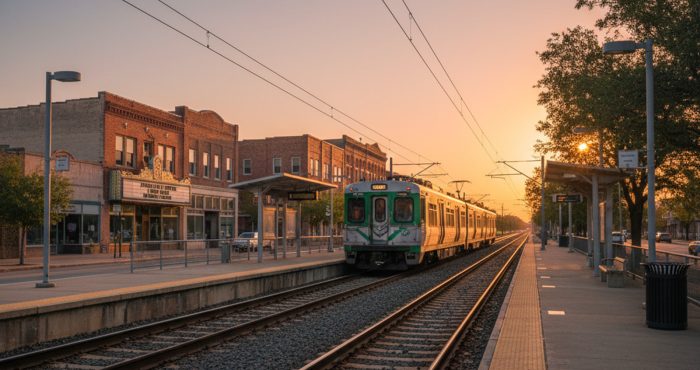
Real estate in this sector provides a mix of restored historic homes and modern infill townhomes situated near the Downtown Plano station. Homes in the immediate downtown area frequently trade between $400,000 and $600,000, offering a slightly more accessible entry point for buyers prioritizing transit access.


Parks, Trails, and Outdoor Recreation in Collin County

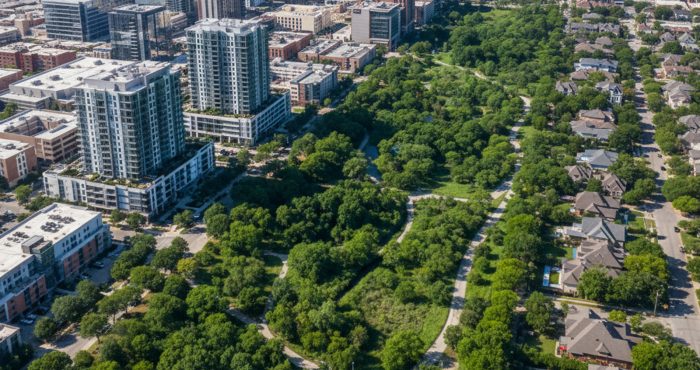
Beyond the retail sectors, objective outdoor amenities play a massive role in local property demand. The city maintains over 4,000 acres of parkland, creating a vast network of green spaces that intersect with major residential neighborhoods.

Access to public recreation areas strongly influences real estate desirability and overall land values across the region. Neighborhoods connected to paved trail systems often see faster sales cycles than those situated further from municipal parks.

For buyers prioritizing outdoor recreation, focusing a home search near these established nature reserves ensures long-term access to biking, hiking, and water features. The sheer volume of maintained parkland acts as a major stabilizing factor for the local housing market.

Municipal investment in outdoor infrastructure remains a priority for city planners year after year. Maintaining these natural environments requires significant resources, but the payoff is evident in the sustained buyer interest. Well-kept parks and nature trails serve as a permanent draw for house hunters evaluating the region.

Oak Point Park and Nature Preserve

Spanning 800 acres, this massive preserve is the largest park in the city and features miles of paved nature trails for biking and walking. The grounds also host the Go Ape treetop adventure course, providing a unique outdoor attraction within city limits.

East Plano single-family neighborhoods situated near the preserve benefit from immediate access to these sprawling outdoor facilities. The location also offers a short commute to Plano Independent School District campuses, including the nearby Plano East Senior High.

The Boardwalk at Granite Park

This waterfront dining and recreation area blends commercial office space with accessible outdoor entertainment. The scenic water features and waterfront trails connect the dining hubs directly to local corporate campuses.

Buyers looking at residential master-planned communities nearby will find that this area serves as a major local gathering point. The Boardwalk features several distinct dining concepts that draw consistent crowds:

  • The Biscuit Bar, offering casual Southern-inspired menu items.
  • Union Bear brewery, providing local craft beer and expansive patio dining.
  • Various upscale coffeehouses and waterfront seating areas for daytime meetings.

These establishments provide a relaxed environment for both weekend outings and after-work networking.


Evaluating Real Estate Near Major Plano Attractions

The connection between local entertainment zones and property demand is highly visible throughout the city. Master-planned entertainment zones stabilize neighborhood values by ensuring residents never have to travel far for dining or recreation.

Strategic placement between the Dallas North Tollway and US-75 allows these attractions to serve both local residents and regional commuters. This infrastructure ensures that commercial hubs remain economically viable, which in turn supports the residential tax base.

The most critical takeaway for anyone living in Plano is that the correlation between transit corridors, school campuses, and lifestyle amenities dictates pricing tiers. Homes situated at the intersection of top-rated educational facilities and major retail centers will always command top dollar.

Evaluating these factors alongside current interest rates and market inventory provides a complete picture of the local housing landscape. Buyers who prioritize location and amenity access consistently secure the most resilient assets. Focusing on the physical features of the community ensures a sound real estate decision.

Expert Guidance for Buying and Selling in Plano

Navigating the Plano real estate market takes more than just watching prices. The Bale Real Estate Group, ranked in the top 1% of North Texas Realtors, helps buyers and sellers understand how to position themselves based on current competition, not just past sales. From identifying the right neighborhoods to negotiating stronger terms, their approach is focused on preparation, strategy, and results.

Frequently Asked Questions

What are the primary retail centers in Plano, TX?

The major shopping and dining hubs include Legacy West, The Shops at Legacy, and the Historic Downtown Plano Arts District. These centers anchor the local economy and provide a mix of luxury retail, craft cocktails, and high-energy dining. Properties located near these districts consistently hold high real estate values.

How much do homes cost near Legacy West?

Residential properties immediately surrounding this upscale district typically range from $800,000 to over $1,500,000. The inventory is heavily focused on luxury high-rise condos and modern townhomes. This pricing reflects the premium buyers pay for walkable access to high-end amenities and the tollway.

Does Plano have large outdoor recreation areas?

The city manages over 4,000 acres of public parkland, including the massive 800-acre Oak Point Park and Nature Preserve. These spaces offer extensive nature trails, water features, and outdoor courses. Many of these parks are strategically located near major Plano Independent School District campuses.

Posted in: Community Guides, Home Buying, Market Updates, Plano Real Estate, Relocating to North Dallas Tagged: 2026 Housing Market, Arbor Hills Nature Preserve, Buyer Guide, Collin County Real Estate, Dallas North Tollway, Downtown Plano Arts District, Granite Park Plano, Historic Downtown Plano, Legacy West, Oak Point Park, Plano Amenities, Plano Home Values, Plano Parks, Plano Real Estate, Plano TX, Relocation Guide, The Boardwalk at Granite Park, The Shops at Legacy, Things to Do in Plano TX

Understanding the Cost of Living in Plano TX for 2026 Buyers


Relocating to North Texas requires a clear understanding of local expenses beyond just the sticker price of a house. Evaluating the cost of living in Plano TX means looking closely at property taxes, commuting tolls, and utility rates. This city offers robust infrastructure and major corporate campuses, but those features come with a specific financial footprint.

Buyers and renters often find that Plano balances premium pricing with high-level municipal services. Navigating the housing market here requires factoring in everything from deregulated electricity plans to Collin County tax assessments. Having a realistic budget helps ensure a smooth transition into this highly active real estate market.

Real estate professionals often remind clients that living in Plano means investing in a specific lifestyle and level of convenience. The local amenities are robust, but they require a solid financial foundation to enjoy fully. Understanding these specific numbers will help you determine exactly what you can afford in this vibrant North Texas market.

From the historic downtown arts district to the modern high-rises out west, the city presents multiple distinct living experiences. Each neighborhood carries its own unique pricing structure and commuting advantages. Breaking down these expenses category by category provides the clearest picture of what to expect.


Housing Costs in Plano: Renting vs. Owning

Securing a place to live will be your largest monthly expense in this market by a significant margin. Plano offers a diverse mix of established single-family neighborhoods and dense, mixed-use apartment developments. Navigating these options requires a clear understanding of current property values and local tax assessments.

The median home price in Plano currently sits between $508,000 and $540,000, depending heavily on the specific zip code. Properties located near major commercial centers or recently updated homes often command prices well above that average. Buyers must also factor in the combined Collin County property tax rate, which hovers around 1.71 percent.

This property tax rate includes assessments for the City of Plano, Collin County, and the Plano Independent School District. Taxes are assessed annually based on the market value of the property, which has steadily increased over the last decade. Texas does not collect a state income tax, making these property taxes the primary funding mechanism for local infrastructure.

Renters looking at apartments will find that one-bedroom units typically range from $1,450 to $1,700 per month. Newer builds situated near the western tollways consistently command the higher end of that rental spectrum. Many of these luxury complexes include premium amenities like resort-style pools and co-working spaces built into the lease price.

Leasing can offer a predictable short-term budget, especially since maintenance and property taxes are absorbed directly by the landlord. However, exploring homes for sale in Plano makes more financial sense than renting if you plan to stay in the area for at least five years. The historical equity growth in Collin County generally outpaces the flexibility of renting, making homeownership a stronger long-term strategy.


Average Utility Bills in Plano

Budgeting for monthly utilities requires understanding the local climate and the unique structure of the Texas energy grid. North Texas experiences extreme summer heat, which heavily influences seasonal cooling expenses. Preparing for these seasonal shifts is crucial for maintaining a balanced household budget.

A typical household in Plano pays approximately $342 per month for combined standard utilities. This estimate covers municipal water, natural gas, high-speed internet, and weekly trash collection services. Water rates can fluctuate slightly during the summer months when lawn irrigation systems run much more frequently.

The City of Plano manages water and trash services directly, meaning those costs remain relatively stable and predictable. Natural gas is typically used for winter heating and water heaters, keeping those specific bills low during the summer. High-speed internet is highly competitive here, with multiple fiber-optic providers driving down monthly connection costs.

Electricity is the most variable component of your utility budget due to the deregulated energy market in Texas. Residents must choose their own retail electric provider, with average monthly bills ranging from $150 to $203 based on home square footage. Running an HVAC system continuously from June through September easily pushes these costs toward the higher end of that range.

The most effective strategy for managing Plano utility costs is locking in a fixed-rate electricity plan during the milder spring or fall months. Variable-rate plans often lead to severe budget shocks when wholesale power prices spike during August heatwaves. Establishing a predictable rate ensures your cooling costs remain manageable even when temperatures soar.


Transportation Infrastructure and Commuting Costs

Getting around the sprawling Dallas-Fort Worth metroplex involves navigating a vast network of highways and transit systems. Your daily commute distance will significantly impact your monthly transportation budget and overall schedule. Evaluating these transit options early will help you choose the right neighborhood for your daily routine.

Plano features direct access to the Dallas Area Rapid Transit system, known locally as DART. The city hosts several active rail stations along the Red Line and Orange Line that provide straightforward access to downtown Dallas. While public transit is available, the sprawling nature of North Texas means most residents still rely heavily on personal vehicles.

The local road infrastructure is heavily reliant on tollways designed to move traffic quickly across long distances. Commuters traveling to neighboring cities like Frisco or downtown Dallas use these expressways daily. Commuting by car introduces several distinct expenses into your monthly budget that require careful planning.

Drivers must account for the following recurring transportation costs:

  • Toll roads are a daily reality, with heavy commuter usage concentrated on the Dallas North Tollway and the Sam Rayburn Tollway.
  • Gasoline expenses vary by commute length, but drivers frequently spend above the national average on fuel due to long driving distances.
  • Car insurance premiums in the DFW area tend to be elevated due to high traffic volume and severe weather events like spring hailstorms.

Relying strictly on public transit or rideshares in Plano is highly impractical for the vast majority of residents. Owning a personal vehicle is an absolute necessity to access suburban employment centers, grocery stores, and medical facilities efficiently. You should budget generously for toll tags and auto insurance when calculating your final relocation expenses.


Groceries, Healthcare, and Community Features

Beyond housing and transit, daily living expenses in Plano align closely with other major suburban centers across the country. The local economy is driven by massive commercial developments that bring premium amenities directly to residents. These conveniences contribute heavily to the overall standard of living in the area.

Grocery and healthcare expenses in the region generally track near or slightly above the national average. The city offers a wide spectrum of shopping options, ranging from massive regional supermarket chains to premium organic markets. Residents have easy access to diverse food options that can fit almost any household grocery budget.

Medical facilities are abundant, with several major hospital networks operating large, specialized campuses within the city limits. This dense concentration of healthcare providers ensures competitive pricing for routine medical services and urgent care visits. Having these facilities close by also reduces travel time during medical emergencies.

A major financial advantage of living in Plano is the immediate proximity to the Legacy West business district. This massive employment hub houses numerous corporate headquarters, allowing many residents to work just minutes from their front door. A significantly shorter commute directly reduces annual transportation expenses and daily toll fees.

Local taxes heavily fund the Plano Independent School District facilities and a dense network of public parks. These municipal investments provide highly maintained green spaces, recreation centers, and community pools throughout the city. Access to these well-funded public resources offsets the need for expensive private club memberships.

The sheer density of community amenities and nearby corporate headquarters easily justifies the higher local cost of housing. Residents pay a premium to live here, but they recoup that value through reduced commute times and immediate access to top-tier municipal services. This balance of cost and convenience is exactly what keeps the local real estate market so active.

How to Position Yourself for Success in the Plano Market

Buying or selling in Plano requires more than just timing the market. The Bale Real Estate Group helps clients understand pricing, competition, and how to position a home to stand out from day one. For sellers, that includes strategic pricing, professional staging, targeted marketing, Zillow Showcase exposure, and our Certified Pre-Owned Home Listing Program. The goal is simple: create stronger demand and better results in today’s market.

Frequently Asked Questions

How much do I need to make to live comfortably in Plano, Texas?

A household income of at least $100,000 is generally recommended to live comfortably in Plano while managing local housing costs. This income level provides enough room in the budget to handle a median-priced home of $508,000 alongside property taxes and toll road fees. Earning this amount ensures you can cover essential expenses while still saving for the future.

Is Plano, TX more expensive than Dallas?

Housing costs in Plano are often higher than the overall average for the city of Dallas, largely due to a concentration of newer, larger single-family homes. However, Dallas features ultra-luxury neighborhoods that far exceed Plano prices. Everyday expenses like groceries and utilities remain relatively comparable between the two cities.

What are the property tax rates in Collin County?

The combined property tax rate in the Collin County portion of Plano is approximately 1.71 percent of a property’s assessed value. This total includes individual tax rates levied by the county, the city, and the local school district. Texas does not have a state income tax, so local municipalities rely heavily on these property taxes to fund public services.

Posted in: Home Buying, Market Updates, Plano Real Estate, Relocating to North Dallas Tagged: 2026 Housing Market, Buyer Guide, Collin County Property Taxes, Cost of Living in Plano TX, Dallas North Tollway, DART Rail, Legacy West, Plano Cost of Living, Plano Home Prices, Plano Housing Costs, Plano ISD, Plano Property Taxes, Plano Real Estate, Plano Rent, Plano TX, Plano Utilities, Relocation Guide, Sam Rayburn Tollway

Frisco vs. Richardson: The ‘New Build’ vs. ‘Location’ Dilemma

If you are currently looking at homes for sale in the Dallas-Fort Worth metroplex, you have likely hit a common fork in the road. Do you choose the shiny, brand-new home with resort-style amenities further north, or do you prioritize a shorter commute and a neighborhood with mature trees closer to the city core?

This is exactly the trade-off when comparing Frisco vs. Richardson.

Frisco is the high-growth giant. It is known for professional sports, endless retail, and schools that look like university campuses. It feels manicured, modern, and busy. Richardson, on the other hand, is the established tech hub. It is known for its cultural diversity, incredible food scene, and proximity to Dallas.

Here is the thesis I tell my clients: Choose Frisco if you want turnkey luxury and uniform school ratings. Choose Richardson if you want location, character, and long-term value potential.

Let’s break down the numbers and the lifestyle differences so you can decide which suburb fits your life.


Housing Inventory: 1960s Charm or 2020s Modern?

The biggest visual difference between these two cities is the age of the homes. When we drive through these neighborhoods, the vibe is completely different.

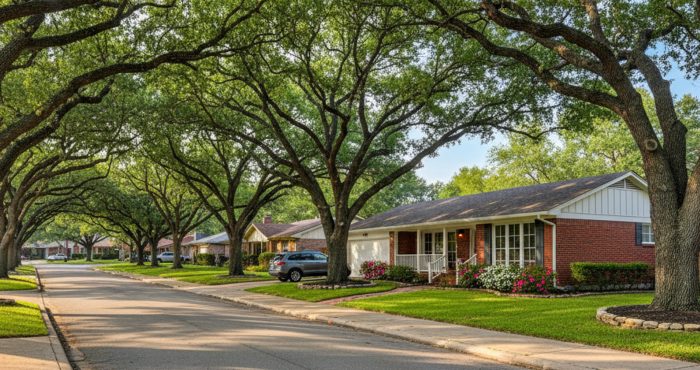
Richardson: The Established Choice In Richardson, you are going to see a dominance of ranch-style homes built between the 1960s and 1980s. Many of these feature “pier and beam” foundations, which are great for our shifting Texas soil but require maintenance. The streets are lined with massive, mature oak trees that form a canopy over the road—something you just don’t get in newer developments.

However, buying here often means you need a renovation budget. While you can find updated homes, many listings at the median price point (around $450,000 to $500,000) will need cosmetic updates or systems repairs. You generally get a larger lot here, and many neighborhoods do not have an HOA.

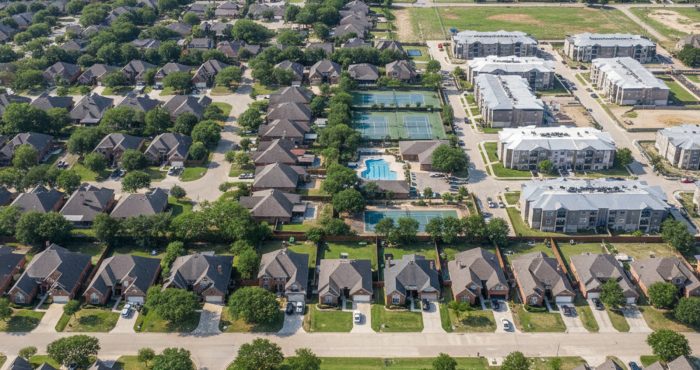
Frisco: The Modern Turnkey Frisco is dominated by builds from the 2000s to present day. You will see streets of two-story traditional brick homes, open floor plans, and high ceilings. If you are looking for new construction homes in Frisco, you are buying into master-planned communities. These almost always come with an HOA, but that fee pays for community pools, clubhouses, and meticulously landscaped common areas.

The trade-off is the lot size. In the newer phases of Frisco, lot sizes are shrinking. You are paying a premium for that “move-in ready” status, with median prices often hovering around $670,000 or more.


Commute & Infrastructure: Tollway vs. US-75 & DART

For many of my clients, the commute is the deciding factor. If you work in Downtown Dallas, this section is critical.

Richardson: The ‘Inner Ring’ Advantage Richardson is considered an “Inner Ring” suburb, located just about 15 miles from downtown. You have direct access to US-75 (Central Expressway) and I-635. While traffic on 75 is heavy, the distance is short enough that a typical commute is 20 to 30 minutes.

The major advantage here is the DART Rail (Red Line). Richardson has multiple stations, allowing for a car-free commute to Downtown Dallas, the Medical District, or even the airport (via connection). If you want to read a book on your way to work instead of fighting traffic, Richardson wins.

Frisco: The Tollway Life Frisco is located about 28 miles from downtown, and that extra distance matters. Drivers here rely heavily on the Dallas North Tollway (DNT) and the Sam Rayburn Tollway (121).

Because Frisco has grown so fast, traffic patterns can be intense. Rush hour commutes to Downtown Dallas can easily exceed 60 to 70 minutes one way. However, if you work in the Legacy West business park or at the Toyota headquarters in Plano, Frisco is a very convenient drive.


School Districts: Frisco ISD vs. Richardson ISD

Both cities offer strong educational opportunities, but the districts operate very differently.

Frisco ISDFrisco ISD is consistently “A” rated by the Texas Education Agency. The district is famous for its “small school model.” Rather than building massive high schools with 4,000 students, they build more high schools to keep student populations smaller. This allows more students to participate in varsity sports, band, and extracurriculars. For buyers who want consistent ratings across every single elementary, middle, and high school, Frisco is often the top pick.

Richardson ISD Richardson ISD is a diverse district with some incredible standout programs. While the district-wide ratings have fluctuated recently (receiving a C rating in the 2024/25 cycle), specific feeder patterns remain highly desirable. High schools like J.J. Pearce and Richardson High offer robust Advanced Placement and magnet programs that rival any in the state.

The Plano Factor It is important to note that the northern part of Richardson actually falls into Plano ISD boundaries. For many buyers, finding a home in Richardson that feeds into Plano schools is a sweet spot—you get the Richardson location with the Plano ISD reputation.


Lifestyle: Sports & Retail vs. Culture & Food

What do you want to do on a Saturday afternoon? The “vibe” in these two cities is distinct.

Frisco: Polished and Active Frisco feels very new and manicured. It is home to the “Billion Dollar Mile,” The Star (Dallas Cowboys World Headquarters), and the new PGA Headquarters. If you love high-end retail, Stonebriar Centre and the nearby Legacy West offer some of the best shopping in Texas. The parks here are modern, featuring expansive sports complexes and splash pads.

Richardson: Diverse and Grounded Richardson is often called the “Cultural Heart” of the suburbs. It is home to the DFW Chinatown and an Asian food district that foodies drive across town to visit. It has a university town feel thanks to the University of Texas at Dallas (UTD). Cultural amenities like the Eisemann Center for Performing Arts and the Alamo Drafthouse give it a grounded, community-focused atmosphere. The parks, like Sherrill Park, are older with plenty of shade trees.


Cost of Living & Tax Rates

When budgeting, you have to look beyond the mortgage payment. A cheaper house in Richardson might come with a different tax reality.

Tax Rates Frisco generally has a lower total tax rate (approximately 2.18%) compared to Richardson (approximately 2.67%). This is largely because Frisco has a massive commercial tax base (office parks, stadiums, malls) that helps subsidize the residential taxes.

Buying Power Here is how the math roughly works out:

  • Frisco: You might pay 2.2% taxes on a $700,000 home.
  • Richardson: You might pay 2.7% taxes on a $500,000 home.

Your money goes further in Richardson regarding square footage and land, but you are paying for it in the age of the home and potential maintenance costs. Frisco commands a premium price tag, but you are paying for modern energy efficiency and that “new” feel.

Verdict: Which Suburb Fits You?

  • Choose Frisco if: You work remotely or in the Legacy/Plano area, you want top-tier school ratings across the board, and you prefer modern, low-maintenance homes with community amenities.
  • Choose Richardson if: You commute to Downtown Dallas, you value cultural diversity and an incredible food scene, you want a larger lot with mature trees, and you don’t mind doing some updates to an older home.

Why Homeowners Choose Bale Real Estate Group

Buying or selling requires more than just timing the market. The Bale Real Estate Group helps clients understand pricing, competition, and how to position a home to stand out from day one. For sellers, that includes strategic pricing, professional staging, targeted marketing, Zillow Showcase exposure, and our Certified Pre-Owned Home Listing Program. The goal is simple: create stronger demand and better results in today’s market.

Frequently Asked Questions

Is Frisco or Richardson closer to Downtown Dallas?

Richardson is significantly closer to the city center. It is located approximately 15 miles from Downtown Dallas, whereas Frisco is about 28 miles north. This difference can save Richardson residents 30 to 40 minutes per day in commuting time.

Are home prices higher in Frisco or Richardson?

Generally, home prices are higher in Frisco. You can expect to pay 30% to 50% more in Frisco for comparable square footage, largely because the inventory is much newer. Richardson offers more affordable entry points, though renovated homes in prime neighborhoods can still command high prices.

Which city has better schools, Frisco or Richardson?

Frisco ISD generally holds higher district-wide accountability ratings and offers a consistent experience across all zones. Richardson ISD has more fluctuation in ratings but offers exceptional magnet programs and specific high-performing feeder patterns that many parents specifically target.

Does the DART train go to Frisco?

No, the DART rail system does not extend into Frisco. The Red Line ends at the Parker Road station in Plano, near the Richardson border. Residents in Richardson have direct access to rail transit, while Frisco residents are dependent on cars and tollways.

Posted in: Community Guides, Frisco Real Estate, Home Buying, Market Updates, Relocating to North Dallas Tagged: 2026 Housing Market, Buyer Guide, Dallas North Tollway, DART Rail, DFW Chinatown, Frisco ISD, Frisco Real Estate, Frisco vs Richardson, Legacy West, New Construction Homes in Frisco, North Dallas Real Estate, PGA Frisco, Plano ISD, Relocation Guide, Richardson Homes, Richardson ISD, Richardson Real Estate, The Star Frisco, US 75, UT Dallas

Frisco vs. Carrollton: Commute and Value Comparison

If you are looking at homes north of Dallas, you have likely hit a very common fork in the road. On one side, you have the shiny, polished allure of Frisco. On the other, you have the practical, central convenience of Carrollton.

I talk to buyers about this tradeoff constantly. It usually comes down to a battle between the “dream home” lifestyle and the reality of your daily schedule. Frisco offers the “new” factor—newer homes, newer schools, and massive mixed-use developments. Carrollton offers the “time” factor—a significantly shorter commute and a much lower mortgage payment for the same square footage.

Let’s break down the numbers and the daily reality so you can decide which city fits your life.


Frisco vs. Carrollton: The Core Tradeoff

Think of Frisco as the “destination” suburb and Carrollton as the “connected” suburb. Frisco is located in Far North Dallas. It has exploded in growth over the last two decades, meaning most of what you see there was built after 2000. It feels grand, manicured, and very intentional.

Carrollton, by contrast, is an “inner-ring” suburb that borders Dallas proper. It was largely developed in the 1970s and 80s. It doesn’t have the same “brand new” shine, but it has something Frisco can’t buy: location.

Here is the main thesis I tell my clients: Choose Frisco if you want top-tier schools and a luxury lifestyle and don’t mind paying for it with both money and drive time. Choose Carrollton if you want to save 20 minutes on your commute and $200,000 on your mortgage.


Commute Deep Dive: The Real Cost of Distance

For many professionals, this is where the decision is actually made. When you look at a map, Frisco and Carrollton seem like neighbors. In rush hour traffic, they are worlds apart.

The Drive to Downtown

If you work in Downtown Dallas, Carrollton is the clear winner. You are looking at a commute of roughly 15 miles. Depending on where you live in the city, you have multiple options, including I-35E, the Dallas North Tollway (DNT), or even surface streets if the highways jam up. You can usually get downtown in 25 to 35 minutes.

Frisco is a different story. You are about 28 miles north of the city center. During rush hour, that drive often stretches to 45 or even 60+ minutes. There are fewer bail-out routes; you are heavily reliant on the Dallas North Tollway, which can become a parking lot during peak times.

The “Toll Tax”

We need to talk about the hidden cost of living in Frisco: tolls. Commuting from Frisco to Dallas essentially mandates using the DNT. If you are driving round-trip five days a week, you are looking at roughly $7 to $8 a day with a TollTag. That adds up to over $150 a month—or nearly $2,000 a year—just for the privilege of driving to work.

Carrollton drivers often have the option to take I-35E, which is toll-free (unless you opt for the Express Lanes). This offers significant monthly savings that many buyers forget to factor into their budget.

The Public Transit Wildcard

This is a massive differentiator. Frisco opted out of the DART (Dallas Area Rapid Transit) system years ago. There are no trains and limited bus options. You must have a car to survive there.

Carrollton is fully integrated into DART. The Green Line runs right through the city with a major hub at the Downtown Carrollton Station. If you work downtown or at the Medical Center, you can park your car, hop on the train, and read a book while you commute. For some buyers, this access alone seals the deal.

Airport Access

If you are a consultant or travel frequently, Carrollton is arguably the best location in the metroplex. You are roughly 15 to 20 minutes from both DFW International and Dallas Love Field. From Frisco, getting to DFW can take 30 to 45 minutes depending on traffic on Highway 121, and getting to Love Field is a long haul south.


Cost of Living & Housing Market (2026 Update)

When we look at homes for sale in Frisco versus Carrollton, we are comparing two different financial tiers.

Home Prices

The price gap is real. As of 2026, the median home value in Frisco hovers between $650,000 and $700,000. For that price, you are typically getting a home built in the last 15 years with modern open floor plans, high ceilings, and community amenities.

In Carrollton, the median sits closer to $415,000 to $450,000. Your money goes much further here, but the inventory is older. A $500,000 budget in Carrollton might get you a fully renovated 1980s home with a pool and mature trees. In Frisco, $500,000 is often the entry point for a smaller starter home or a townhome.

The Tax Rate Paradox

This confuses almost every buyer I work with. You will often hear that Frisco has a lower tax rate than Carrollton. This is generally true. Frisco’s rate is often around 2.1% to 2.2% because their massive commercial developments (like The Star and corporate HQs) help subsidize the residential tax base. Carrollton’s rate is typically higher, often around 2.5% to 2.6%.

However, do not let the rate fool you. Because homes in Frisco are significantly more expensive, your actual annual tax bill is usually higher.

  • 2.6% on a $450,000 Carrollton home = ~$11,700/year.
  • 2.2% on a $700,000 Frisco home = ~$15,400/year.

Housing Stock and HOAs

If you hate Homeowners Associations (HOAs), Frisco might be tough for you. Almost every neighborhood in Frisco is a master-planned community with mandatory HOAs that enforce strict rules on everything from fencing to lawn ornaments.

Carrollton is a mix. While there are some HOA communities, many of the established neighborhoods have voluntary associations or no HOA at all. If you want to park a boat in your driveway or paint your front door a unique color, you will have an easier time finding a place to do that in Carrollton.


Schools & Education: Frisco ISD vs. CFBISD

For families with school-aged children, the school district is often the primary driver for moving to Frisco.

Frisco ISD

Frisco ISD is a powerhouse. It is consistently A-rated and is famous for its “small school model.” Rather than building massive high schools with 5,000 students, they build more schools to keep student populations smaller, allowing more kids to participate in sports and arts. The facilities are college-level, especially with partnerships like The Star. If you want the “Friday Night Lights” experience with top-tier AP offerings, this is it.

Carrollton (CFBISD and LISD)

Most of Carrollton falls under the Carrollton-Farmers Branch ISD (CFBISD), though some northern parts are in Lewisville ISD (LISD). CFBISD is a solid district that often earns B ratings. While it lacks the uniform “prestige” branding of Frisco, it has incredible magnet programs, International Baccalaureate (IB) options, and strong dual-language programs.

The Value Play

Here is the hard truth: If you do not have school-aged children, or if your children are in private school, paying the “Frisco Premium” on your home price might not make financial sense. You are paying for a school system you aren’t using. For empty nesters or young professionals, Carrollton offers a way to opt out of that premium while still living in a safe, well-maintained community.


Lifestyle: The Star vs. Koreatown

The “vibe” of these two cities could not be more different.

Frisco feels like a “Disney” suburb. It is polished, grand, and new. It is the home of the Dallas Cowboys World Headquarters at The Star, the PGA of America, and FC Dallas. The social scene revolves around high-end retail at places like Legacy West (just over the border) and large-scale entertainment districts. It is fantastic for youth sports and luxury shopping.

Carrollton is the cultural hub. It feels more grounded and authentic. It is home to the “Asian Town Center” at Old Denton Road and George Bush Turnpike. This is the place to go for authentic Korean BBQ, H Mart, K-Pop stores, and arguably the best diverse dining scene in the metroplex. It also features a charming Historic Downtown square with independent shops and breweries. If you prefer hole-in-the-wall gems over national chains, you will prefer the lifestyle here.

Green space is different, too. Frisco has massive, manicured sports parks. Carrollton utilizes its natural landscape better, with extensive Greenbelt trails and nature preserves that feel a bit more wild and secluded.


Verdict: Who Wins?

There is no bad choice here, only the choice that fits your stage of life.

Choose Frisco If:

  • You prioritize highly-rated schools and modern educational facilities.
  • You want a newer home with high ceilings, open concepts, and community amenities.
  • You want the “luxury suburb” feel and don’t mind the higher price tag.
  • You work remotely or in the northern suburbs (Plano/Frisco) and don’t have to commute downtown.

Choose Carrollton If:

  • You work in Downtown Dallas, near the airports, or need central access to the whole metroplex.
  • You want to maximize your budget and get more house for your money.
  • You value food culture, diversity, and a more “down to earth” neighborhood feel.
  • You prefer mature trees and character over new construction and HOAs.

Your Advantage With Bale Real Estate Group

Buying or selling in Frisco requires a clear strategy. The Bale Real Estate Group helps clients navigate pricing, competition, and how to position a home to attract serious buyers from day one. For sellers, that includes professional staging, targeted marketing, Zillow Showcase exposure, and our Certified Pre-Owned Home Listing Program. The goal is simple: create demand and deliver stronger results.

Frequently Asked Questions

Is the commute from Frisco to Dallas really that bad?

Yes, you need to be prepared for it. While it is a manageable 35 minutes on a Sunday, rush hour traffic on the Dallas North Tollway can easily push the drive to an hour or more each way. If you commit to living in Frisco and working downtown, you are committing to spending 10+ hours a week in your car.

Which city has lower property taxes, Frisco or Carrollton?

Technically, Frisco usually has a lower tax rate (around 2.2%). However, because the average home price in Frisco is $200,000+ higher than in Carrollton, your actual annual tax bill will almost certainly be higher in Frisco.

Is Carrollton safer than Frisco?

Both cities are considered very desirable places to live with strong community policing. Frisco is often cited as one of the safest cities in the country due to its newer infrastructure and affluence, but Carrollton also maintains low crime rates and a strong reputation for safety, particularly in its established residential neighborhoods.

Can I take public transit from Frisco to Dallas?

No, not directly. Frisco does not have DART rail service. To take the train, you would have to drive south to a Plano station. Carrollton, however, has direct access to the DART Green Line, which can take you straight into Downtown Dallas without fighting traffic.

Posted in: Community Guides, Frisco Real Estate, Home Buying, Market Updates, Relocating to North Dallas Tagged: 2026 Housing Market, Buyer Guide, Carrollton Real Estate, Carrollton-Farmers Branch ISD, Commute Times, Cost of Living, Dallas Love Field, Dallas North Tollway, DART Green Line, DFW Airport, Frisco ISD, Frisco Real Estate, Frisco vs Carrollton, Historic Downtown Carrollton, Koreatown Carrollton, Legacy West, Lewisville ISD, North Dallas Real Estate, PGA Frisco, Property Taxes, Relocation Guide, The Star Frisco

Frisco vs The Colony: Which North Dallas Suburb Fits Your Lifestyle?

If you are looking at homes along the booming Highway 121 corridor, you have likely narrowed your search down to two heavy hitters: Frisco and The Colony. On a map, they look like neighbors separated only by a highway. In reality, living in Frisco vs The Colony offers two very distinct experiences.

Frisco is the polished, master-planned corporate powerhouse known for its rapid growth and immaculate aesthetic. It feels like the “new downtown” of the northern suburbs. On the other side of the highway, The Colony offers a more eclectic, recreational vibe with direct access to Lake Lewisville and some of the best entertainment districts in the metroplex.

For many buyers, the choice comes down to budget, vibe, and priorities. Frisco generally appeals to those looking for top-tier school ratings and consistent property appreciation, while The Colony attracts buyers wanting more affordability, lakeside living, or a more relaxed atmosphere.


Cost of Living & Housing Market Comparison

Let’s get right to the numbers, because this is usually where the decision-making process starts. Generally speaking, Frisco is the more expensive market, but the math isn’t as straightforward as just looking at the price tag.

Home Prices and Rent In Frisco, the median home price typically hovers in the high $500,000s to $700,000 range. You are paying a premium for the address, the school district, and the newer infrastructure. If you are looking for new construction homes in Frisco, the price point often pushes even higher.

The Colony, by contrast, offers a lower barrier to entry. You can often find decent single-family homes in the low $400,000s. This makes it an attractive option if you want to buy your first home or need more square footage for your dollar. Renting follows a similar trend, though high-demand luxury apartments near Grandscape have narrowed the rental gap between the two cities.

The Property Tax Twist Here is where you need to pay close attention. A lower home price in The Colony doesn’t always equal a proportionately lower monthly payment.

Frisco generally has a lower total property tax rate, often around 1.7% to 1.8%. The Colony usually has a higher base tax rate, often exceeding 2.0%. Furthermore, if you are looking at “New Colony” developments like The Tribute or Austin Ranch, you might encounter MUD (Municipal Utility District) or PID (Public Improvement District) taxes. These can push your total tax obligation closer to 2.7%.

So, while you get “more house for less money” in The Colony, be sure to calculate your estimated monthly taxes carefully. A $450,000 home with a 2.7% tax rate carries a tax bill similar to a much more expensive home in a low-tax area.


School Districts: Frisco ISD vs. Lewisville ISD

For many households, schools are the primary driver of the home search. Both cities offer solid educational opportunities, but they operate differently.

Frisco ISDFrisco ISD is often considered the “gold standard” for buyers in this region. It is rated “A” (90/100) by the state and is famous for its “small school model.” Instead of building massive high schools with thousands of students, Frisco builds more high schools to keep student counts lower. This is designed to give more students a chance to participate in sports, arts, and leadership roles.

Lewisville ISD (The Colony) Most of The Colony is served by Lewisville ISD. LISD is a strong competitor, generally holding “B” to “A-” ratings. The district has a robust reputation for STEM programs and athletics. The Colony High School has deep community roots and a spirited atmosphere that many residents love.

It is also worth checking the specific zoning for any home you view. Boundaries can be tricky; some northern parts of Frisco actually fall into Prosper ISD or Lewisville ISD, and there are rare pockets where boundaries blur. Always verify the specific address before falling in love with a house.


Lifestyle & Entertainment: Corporate Polish vs. Lakeside Fun

The “vibe” difference is arguably the biggest differentiator between these two suburbs.

Frisco: Sports City USA Frisco feels manicured and corporate. It is known as “Sports City USA” for good reason—it is home to The Star (Dallas Cowboys World Headquarters), the PGA Headquarters, and FC Dallas. The dining scene leans toward upscale steakhouses and polished concepts, particularly around The Star and the nearby Legacy West area. If you like walking out of your office and into a high-end happy hour, Frisco fits the bill.

The Colony: City by the Lake The Colony feels more like a weekend destination. It calls itself the “City by the Lake,” and for good reason. You have direct access to Lake Lewisville for boating, fishing, and camping at Hidden Cove Park.

Then there is Grandscape. This massive entertainment district has completely changed the local landscape. Anchored by Scheels and Nebraska Furniture Mart, it features a Ferris wheel, an outdoor stage, and tons of patio dining. The vibe here is less “corporate lunch” and more “live music and beer,” especially at places like Truck Yard.


Commute & Location: Access to DFW Airport and Jobs

Since these cities are neighbors, you might think the commute is identical. However, small geographic differences can add up to 15 or 20 minutes of drive time depending on where you are headed.

DFW Airport Access The Colony wins this category handily. Because it sits further south and west along Highway 121, you can often get to DFW International Airport in about 20 to 25 minutes. From central or north Frisco, that drive is closer to 30 or 40 minutes, depending on traffic lights getting to the highway.

Downtown Dallas and Corporate HQs If you work in Downtown Dallas, Frisco offers a straight shot down the Dallas North Tollway (DNT). It is a direct, albeit busy, route. From The Colony, you often have to take Highway 121 to the Tollway or risk the traffic on I-35E, which can be unpredictable.

For those working at Toyota HQ or Legacy West, both locations are excellent. The Austin Ranch area of The Colony is practically across the street from these corporate hubs, making it a favorite for young professionals who want a five-minute commute.

Traffic Patterns One bottleneck to watch is Highway 423, which runs vertically through The Colony and western Frisco. It has seen massive development and can get congested. Frisco generally has more arteries (Preston, DNT, Custer, etc.) to disperse traffic, whereas The Colony relies heavily on 423 and 121.


Safety & Crime Rate Statistics

Safety is a top priority for anyone relocating to a new area. Both cities are generally considered safe places to live within the DFW metroplex, but the statistics show a slight difference.

Frisco is consistently ranked as one of the safest cities in America. In 2024, MoneyGeek ranked it the #2 safest city in the U.S. based on crime cost per capita. The high volume of new construction and master-planned subdivisions contributes to this environment.

The Colony is also statistically safe, though it tends to have slightly higher incident rates than Frisco. This is partly due to having older, denser neighborhoods and major entertainment districts that draw millions of visitors annually. As with any city, it is smart to check local police maps for specific neighborhood data before making a decision.

Why Buyers and Sellers Choose Bale Real Estate Group

Buying or selling in Frisco requires more than just timing the market. The Bale Real Estate Group helps clients understand pricing, competition, and how to position a home to stand out from day one. For sellers, that includes strategic pricing, professional staging, targeted marketing, Zillow Showcase exposure, and our Certified Pre-Owned Home Listing Program. The goal is simple: create stronger demand and better results in today’s market.

Frequently Asked Questions

Is it cheaper to live in Frisco or The Colony?

Generally, The Colony is cheaper regarding home prices and rent. You can typically buy a home for $100,000 to $200,000 less than a comparable property in Frisco. However, keep an eye on property taxes, as higher rates in The Colony can narrow the gap in your monthly payment.

Which city has better schools, Frisco or The Colony?

Frisco ISD generally holds higher state ratings (“A”) and is a major draw for buyers prioritizing education. Lewisville ISD, which serves The Colony, is a strong district with “B” to “A-” ratings and excellent specialized programs, so the “better” choice often depends on your specific student’s needs.

Does The Colony have high property taxes?

It can. While Frisco’s tax rate is often around 1.7%, The Colony’s rate is usually over 2.0%. If you buy in a newer development with MUD or PID assessments—like The Tribute—your total tax rate could approach 2.7%, which significantly impacts affordability.


The Verdict: Should You Move to Frisco or The Colony?

Choosing between Frisco vs The Colony ultimately comes down to what you value most in your daily life.

You should choose Frisco if:

  • You have a higher budget and want to maximize resale value.
  • Schools are your absolute number one priority.
  • You prefer a “new construction” feel with master-planned subdivisions.
  • You want quick access to the Dallas North Tollway for a downtown commute.

You should choose The Colony if:

  • You want a more affordable entry price into the housing market.
  • You love the idea of being minutes away from Lake Lewisville or Grandscape.
  • You need a shorter commute to DFW Airport.
  • You prefer an eclectic, entertainment-focused community over a corporate atmosphere.

Both cities offer an incredible quality of life. Whether you choose the polished streets of Frisco or the lakeside charm of The Colony, you are buying into one of the most dynamic regions in North Texas.

Posted in: Community Guides, Frisco Real Estate, Home Buying, Market Updates, Relocating to North Dallas Tagged: 2026 Housing Market, Austin Ranch, Buyer Guide, Dallas North Tollway, DFW Airport, Frisco ISD, Frisco Real Estate, Frisco vs The Colony, Grandscape, Highway 121, Lake Lewisville, Legacy West, Lewisville ISD, North Dallas Real Estate, PGA Frisco, Property Taxes, Relocation Guide, The Colony Real Estate, The Star Frisco, The Tribute

Frisco vs. Plano: Which North Dallas Suburb Fits Your Lifestyle?

If you are looking at moving to the Dallas-Fort Worth metroplex, you have almost certainly narrowed your search down to the two heavyweights of Collin County: Frisco and Plano. It is the most common debate I hear from clients. On a map, they look like neighbors blending into one another, but on the ground, they offer two very different living experiences.

Plano is the established powerhouse—the corporate hub with mature neighborhoods, central access, and a grounded atmosphere. Frisco is the energetic newcomer, known as “Sports City USA,” defined by explosive growth and manicured new developments. Both are consistently ranked among the best places to live in America, so you aren’t going to make a “bad” choice here.

However, the decision usually comes down to a preference for housing style and lifestyle pace: Do you want the modern polish of new construction, or do you prefer the character and location of an established community?


The Vibe Check: New Energy vs. Established Maturity

When you drive from Plano into Frisco, the shift is subtle but distinct. It’s a change in energy.

Frisco feels master-planned and high-energy. It is home to The Star (the Dallas Cowboys HQ), the PGA headquarters, and a younger demographic that feeds off this momentum. The aesthetic is incredibly manicured—think wide boulevards, perfectly landscaped medians, and rows of modern retail centers. It feels like a city that was built all at once with a clear vision for the future.

Plano, by contrast, feels more grounded and organic. Because it developed earlier, the city has a diverse dining scene that feels less “chain-heavy” and more authentic. The streets in neighborhoods are lined with massive, mature trees—something Frisco won’t have for another 20 years.

It is also important to note that Plano has two distinct personalities. “West Plano” offers luxury and sprawling estates that rival anything in Frisco, while “Central Plano” offers more modest, affordable housing stock. Both cities boast highly international communities, making them culturally rich places to call home.


Housing Market: New Construction vs. Renovation Potential

For most buyers, the house itself is the deciding factor. The inventory in these two cities caters to different tastes.

Frisco is dominated by homes built from the 2000s to the present. If you want open floor plans, high ceilings, modern insulation, and move-in ready aesthetics, this is your market. However, because land prices were higher during this boom, lot sizes in Frisco tend to be smaller. You are paying a premium price per square foot for that “new” smell and modern finish out.

Plano is dominated by builds from the 1980s and 1990s. While you might need to budget for renovations to open up a kitchen or update bathrooms, you generally get more land for your money. The lots are wider, the backyards are deeper, and the landscaping is lush.

If you are looking for luxury without the commute of Frisco, West Plano is a specific market you should watch. It features high-end estates that offer the square footage of Frisco mansions but with the benefit of mature trees and a closer location to Dallas.


Cost of Living: Taxes, Tolls, and Home Prices

When comparing the cost of living in North Dallas, you have to look beyond the listing price. The monthly “carry” costs can differ significantly between the two.

Home Prices Generally, Frisco commands a higher median price. This isn’t necessarily because the land is more valuable, but because the houses are newer. You are paying for the depreciation schedule of a 2015 build versus a 1985 build.

Property Taxes This is where buyers often get confused. The tax rates (City + School District + County) in both cities are comparable—roughly around a 2.2% effective rate. However, your actual bill in Frisco is often higher. Why? Because the assessed value of a brand-new $800,000 home is usually higher than an older Plano home that hasn’t changed hands in a decade.

Tolls and HOAs There are two hidden budget items to watch in Frisco:

  • Tolls: Frisco residents commuting south almost exclusively rely on the Dallas North Tollway (DNT). Those tolls add up quickly, often costing commuters hundreds of dollars a month.
  • HOA Fees: Frisco is famous for its “resort-style” communities with massive amenity centers, pools, and clubhouses. These are fantastic, but they come with higher monthly HOA dues compared to Plano neighborhoods, many of which have low fees or no HOA at all.


Battle of the School Districts: Frisco ISD vs. Plano ISD

If education is a priority, you are in luck—both districts are A-rated and premier destinations for education in Texas. However, they operate on very different structural philosophies.

Frisco ISD uses a “Small School Model.” Their philosophy is that smaller high schools allow more students to participate in extracurriculars. Instead of building one massive high school for 4,000 kids, they build four high schools for 1,000 kids each. This means your student has a statistically better chance of making the varsity team, the lead role in the play, or the student council.

Plano ISD utilizes a “Senior High Model.” Grades 9 and 10 attend High School, while grades 11 and 12 attend a dedicated Senior High. These Senior High campuses are massive. The benefit here is scale—they can offer specialized AP classes, IB programs, and niche electives that smaller schools simply can’t fund. It is a more collegiate atmosphere for juniors and seniors.

A note on Zoning: Always check the specific address. City limits and school district boundaries do not align perfectly. There are pockets of residents living in Plano who are actually zoned to Frisco ISD, and vice versa.


Commute & Location: Accessibility to Dallas

For professionals working in Downtown Dallas, the difference in commute time is arguably the biggest differentiator.

Plano is significantly closer to the city center. A commute from Plano to Downtown Dallas might take 20 to 30 minutes on a good day. From Frisco, that same drive can easily stretch to 40, 50, or 60+ minutes during rush hour. You are simply adding 10–15 miles of traffic to your day.

If you work at Legacy West or the Toyota Headquarters, you are in the sweet spot. This major economic hub sits right on the border of the two cities, making the commute negligible for residents of either.

Public Transit If you prefer not to drive, Plano is the clear winner. Plano is a member of DART (Dallas Area Rapid Transit) and has Red and Orange line rail stations that run directly to Downtown Dallas and DFW Airport. Frisco opted out of the DART system, meaning there is no rail connection. If you live in Frisco, you are driving.


Safety & Crime Statistics

When looking at crime statistics, both Frisco and Plano consistently rank as some of the safest cities in the United States relative to their population size.

The data shows that crime rates in both cities are significantly lower than the national average and the surrounding Dallas metro area. Frisco often edges out Plano slightly in rankings. This is largely due to Frisco being newer, less dense, and having fewer commercial transition zones than Plano. However, for the average resident, the difference is statistical rather than felt. Both cities offer a sense of security that draws people to the area.

Expert Guidance for Buying and Selling

Navigating the real estate market takes more than just watching prices. The Bale Real Estate Group, ranked in the top 1% of North Texas Realtors, helps buyers and sellers understand how to position themselves based on current competition, not just past sales. From identifying the right neighborhoods to negotiating stronger terms, their approach is focused on preparation, strategy, and results.

FAQs

Is Plano or Frisco closer to Downtown Dallas?

Plano is significantly closer to Downtown Dallas. Depending on where you live in the city, you are roughly 20 miles from downtown, whereas Frisco is located further north, adding an extra 15-20 minutes to a typical commute.

Are taxes higher in Frisco or Plano?

The actual tax rates are very similar for both cities. However, homeowners often pay a higher total tax bill in Frisco because the homes are newer and typically have higher assessed property valuations than the older housing stock in Plano.

Which school district is better, Frisco or Plano?

Both are top-tier districts, so “better” depends on your child’s needs. Frisco ISD offers smaller high schools which maximizes student participation in activities, while Plano ISD uses a Senior High model (grades 11-12) that offers massive scale for advanced academics and AP programs.

Why is Frisco growing faster than Plano?

Frisco is growing faster because it still has undeveloped land available for new construction. Plano is “landlocked,” meaning it is almost fully developed, so its market is driven by resale homes and renovations rather than new subdivisions.


Final Verdict: Which City Wins?

There is no wrong answer here, but there is likely a right answer for your specific situation.

Choose Plano if:

  • You commute to Downtown Dallas and want to minimize time in the car.
  • You value public transit access (DART) or proximity to airports.
  • You love mature trees, character-rich neighborhoods, and larger lots.
  • You prefer a more grounded, established community feel.

Choose Frisco if:

  • You want a brand-new home with modern finishes and energy efficiency.
  • You love the “master-planned” lifestyle with resort-style community amenities.
  • You prefer the “small school” educational model for student involvement.
  • You work in Legacy West or locally in Frisco and don’t mind the tolls.

Whether you are drawn to the established charm of living in Plano or the modern excitement of buying a home in Frisco, both cities offer an incredible quality of life in North Texas.

Posted in: Community Guides, Frisco Real Estate, Home Buying, Market Updates, Plano Real Estate, Relocating to North Dallas Tagged: 2026 Housing Market, Buyer Guide, Collin County Real Estate, Cost of Living, Dallas North Tollway, DART Rail, Downtown Dallas Commute, Frisco ISD, Frisco Real Estate, Frisco vs Plano, Legacy West, North Dallas Real Estate, PGA Frisco, Plano ISD, Plano Real Estate, Property Taxes, Relocation Guide, The Star Frisco, Toyota Headquarters, West Plano

Frisco Job Market Guide: Why Companies Are Flocking Here

If you are looking at homes for sale in Frisco, you probably already know about the great schools and the parks. But for a lot of my clients, the decision to move here actually starts with a spreadsheet. They want to know: Is this area economically stable?

The short answer is yes. Frisco has evolved from a quiet bedroom community into a corporate powerhouse. We aren’t just sending commuters down to Dallas anymore; we are importing talent.

Let’s dig into the numbers and see what makes the local economy tick.


Frisco Job Market Overview: A Magnet for Corporate HQs

A decade ago, Frisco was where you slept. Today, it’s where you work. The city has aggressively courted major corporations, resulting in a business environment that feels more like a boomtown than a suburb.

Just look at the recent numbers. In FY2025 alone, the Frisco Economic Development Corporation (FEDC) secured 14 corporate projects. Those deals are projected to create or retain over 3,100 jobs and bring in more than $500 million in capital investment.

This shift is huge for homeowners. When big companies invest hundreds of millions into local infrastructure, it creates a layer of economic insulation. Whether you are looking for a job yourself or just want to ensure your property value stays strong, this level of corporate activity is exactly what you want to see.


Economic Stats: Unemployment & Growth Data

It is easy to get caught up in the hype, but the hard data backs it up. Frisco consistently outperforms the broader region when it comes to employment health.

While the Texas unemployment rate has hovered around 4.1% to 4.3% recently, Frisco’s numbers typically stay tighter than the state and national averages. This resilience is largely due to the diversity of industries here—we aren’t reliant on just one sector.

Here is what you need to know about the current economic landscape:

  • Low Unemployment: Frisco historically maintains one of the lowest unemployment rates in the DFW metroplex.
  • Continued Growth: Job projections for 2026 remain strong as construction wraps up on several major mixed-use developments.
  • The Billion Dollar Mile: The stretch along the Dallas North Tollway continues to mature, packing high-density office space, retail, and hospitality into a concentrated economic engine.


Sports City USA: The Business of Play

One thing that truly separates Frisco from other suburbs is the “Sports City USA” identity. This isn’t just about marketing; it is a legitimate economic driver. The business of sports brings in tourism dollars, corporate headquarters, and steady employment.

The PGA of America moving their headquarters here was a game-changer, with a projected economic impact of $2.5 billion over 20 years. It has turned the northern part of the city into a golf destination, sparking new hotel and retail developments.

Then you have The Star in Frisco. This is the Dallas Cowboys World HQ, but it is so much more than a practice field. It’s a corporate hub hosting executive offices for companies that have nothing to do with football.

Looking ahead to the immediate future, all eyes are on the Universal Kids Resort. Set to open in mid-2026, this massive project is creating roughly 2,500 jobs, ranging from construction roles to ongoing operations and hospitality management.


Top Industries Driving Employment

While sports grab the headlines, the day-to-day economy is powered by a diverse mix of other sectors. If you aren’t working in sports management, chances are you are in one of these three buckets.

Fintech & Innovation

Frisco is quietly becoming a tech hub. SoFi has a major presence here, and the city’s “Origin” Innovation Hub is designed to incubate startups and attract tech talent. We are seeing a lot of software engineers and financial analysts moving to town to avoid the commute to downtown Dallas.

Healthcare

As the population booms, so does the need for medical care. Healthcare is one of the fastest-growing sectors in the city. Major players like Texas Health Frisco and Baylor Scott & White employ thousands of locals. We also have a strong presence of medical technology companies, such as Argon Medical Devices.

Technology & Telecom

Thanks to our proximity to the historic “Telecom Corridor,” we have a spillover of major tech firms. T-Mobile has a significant office here, alongside dozens of mid-sized software and IT consulting firms.


Who is Hiring? Major Employers in Frisco

If you are polishing your resume, you might be wondering who the big players are. While there are hundreds of small businesses, a few names dominate the payrolls in town.

  • Frisco ISD: Often the largest single employer in the city. With the number of schools we have, the demand for teachers and administrative staff is constant.
  • Keurig Dr Pepper: They have a massive headquarters right at The Star.
  • TIAA: A major employer in the financial services sector.
  • Conifer Health Solutions: A key player in healthcare management.
  • City of Frisco: The municipal government itself is a steady, large-scale employer.


The Commute: Access to Legacy West and Dallas

When we talk about the “Frisco job market,” we have to mention our neighbor to the south. Realistically, many people living in Frisco actually work just across the border in Plano, specifically at Legacy West.

This area is often called the North Platinum Corridor. It is home to massive headquarters for Toyota North America, Liberty Mutual, and JPMorgan Chase.

The beauty of living here is the access. If you live in Frisco, these global HQs are often just a 10-to-15-minute drive down the Dallas North Tollway (DNT) or Sam Rayburn Tollway (121). You get the benefit of Frisco schools and lifestyle while having access to one of the densest job centers in Texas right in your backyard.

Expert Guidance for Buying and Selling in Frisco

Buying or selling in Frisco requires more than just timing the market. The Bale Real Estate Group helps clients understand pricing, competition, and how to position a home to stand out from day one. For sellers, that includes strategic pricing, professional staging, targeted marketing, Zillow Showcase exposure, and our Certified Pre-Owned Home Listing Program. The goal is simple: create stronger demand and better results in today’s market.

Frequently Asked Questions

Is the job market good in Frisco, Texas?

Yes, the market is very strong. With unemployment rates typically lower than the Texas average and over 3,100 new jobs announced in FY2025 alone, the area is in a period of sustained expansion.

What are the largest companies headquartered in Frisco?

Some of the most notable headquarters include Keurig Dr Pepper, the PGA of America, and the Dallas Cowboys (at The Star). You also have major regional hubs for companies like T-Mobile and SoFi.

What is a good salary in Frisco, Texas?

Because the cost of living in Frisco is higher than the national average, a “good” salary here is typically higher than in other parts of Texas. Most residents look for household incomes well above $100,000 to comfortably afford housing and lifestyle amenities in the area.

What new jobs are coming to Frisco in 2026?

The biggest upcoming wave of employment is tied to the Universal Kids Resort, which opens in mid-2026 and brings roughly 2,500 jobs. Additionally, the continued development of the Fields project (surrounding the PGA) is driving construction and hospitality hiring.

Posted in: Community Guides, Frisco Real Estate, Home Buying, Market Updates, Relocating to North Dallas Tagged: 2026 Job Market, Baylor Scott & White, Buyer Guide, Corporate Relocation, Dallas North Tollway, Frisco Economic Development, Frisco Job Market, Frisco Real Estate, Frisco Relocation, Frisco TX, Keurig Dr Pepper, Legacy West, North Platinum Corridor, PGA Frisco, Relocation Guide, Sam Rayburn Tollway, SoFi, Texas Health Frisco, The Star Frisco, TIAA, Universal Kids Resort

Moving to Frisco, TX: The Ultimate Relocation Guide (2026 Edition)

If you have been keeping an eye on the fastest-growing cities in the U.S., you have almost certainly heard of Frisco. Located just about 25 minutes north of Dallas, this city has transformed from a quiet railroad stop into a powerhouse destination often called “Sports City USA.”

But the headlines don’t tell you the whole story. With a population now pushing past 225,000, the secret is definitely out. Frisco frequently lands at the top of national lists for safety and quality of life, yet that popularity comes with specific price tags and logistical realities.

The goal of this guide isn’t to sell you a house—it is to give you a transparent look at what living here actually looks like in 2026. We will cover the real costs, the neighborhood vibes, and the lifestyle shifts you can expect if you decide to make the move.


Living in Frisco, TX: Pros and Cons

Before we dive deep into the data, let’s look at the high-level trade-offs. Every city has its pain points, and Frisco is no exception. Here is a quick snapshot of what residents love and what they gripe about.

The Pros:

  • Top-Tier Education: Access to highly rated schools and a unique district model.
  • Safety: Consistently ranked as one of the safest cities in America.
  • Infrastructure: Modern roads, new master-planned communities, and excellent city services.
  • Tax Benefits: No state income tax keeps more money in your paycheck.

The Cons:

  • Cost of Living: Housing and general costs are higher than the Texas average.
  • Traffic: While roads are modern, congestion is real, and you will likely rely on tollways (DNT and SRT).
  • Property Taxes: The trade-off for no income tax is a higher property tax bill.


Cost of Living & Real Estate Market Trends (2026)

Let’s get straight to the numbers. A few years ago, the market here was in a frenzy, but as we move through 2026, we are seeing a shift toward a more balanced market. Inventory has increased significantly, giving buyers a bit more breathing room than they had in previous years.

However, “balanced” doesn’t necessarily mean cheap. The median home price in Frisco generally hovers between $650,000 and $699,000. While you can find smaller starter homes below this range, competition for them remains steady. If you are looking to rent before you buy, expect to budget around $1,900 or more per month for a standard apartment, with single-family rental homes commanding significantly more.

The biggest financial surprise for newcomers—especially those moving from the coasts—is the tax structure. Texas has no state income tax, which sounds amazing until you see your property tax bill. In Frisco, the property tax rate typically lands between 1.8% and 2.17%, depending on your specific county (Collin or Denton) and if you are in a MUD (Municipal Utility District).

For a home valued at $600,000, you need to budget heavily for that annual tax bill. When calculating your monthly payments, do not forget to factor this in, as it can add several hundred dollars to your mortgage payment.


Is Frisco Safe? Crime Rates & Statistics

One of the primary drivers for relocation to this area is safety. You don’t have to just take a local’s word for it; the data backs it up. Recent rankings from SmartAsset listed Frisco as the #1 Safest City, and MoneyGeek placed it at #2.

When you look at the FBI and NIBRS data, the violent crime rate here is exceptionally low—approximately 90% lower than comparable cities of this size. We are talking about roughly 86 to 95 incidents per 100,000 residents, which is a fraction of the national average.

Property crime is also lower than the national average, though it does happen. The most common issue reported is car break-ins, usually involving unlocked vehicles. The local culture promotes a “lock, take, and hide” mentality. Much of this safety is attributed to a well-funded police department and high levels of community engagement, where neighbors actively look out for one another.


Best Neighborhoods in Frisco, TX

Frisco is geographically large, and the “vibe” changes depending on which pocket you choose. Most housing here is found in Master-Planned Communities (MPCs), which are designed with parks, pools, and walking trails woven into the neighborhood.

Here is how the different areas break down by lifestyle:

  • Luxury & Privacy: If you are looking for custom builds and gated security, Starwood and Newman Village are the premier choices. These areas feature higher price points and often include guard-gated entries.
  • Amenity-Rich Communities: Phillips Creek Ranch and The Grove Frisco are massive developments known for their lifestyle centers. Phillips Creek Ranch, for example, boasts over 100 acres of green space, multiple pools, and extensive paved trails.
  • New Development: Fields Frisco is the newest major project. Located near the new PGA headquarters, this area is rapidly developing and offers modern, new-construction homes.
  • Golf Course Living: For a more established, country-club feel, Stonebriar is the go-to. It is located right around the Stonebriar Country Club and offers mature trees and easy access to the highway.

If you are trying to decide between these areas, it is worth reading a detailed Phillips Creek Ranch Guide or looking specifically for Newman Village Homes to see the architectural differences.


Education: Frisco Independent School District (FISD)

Education is often the deciding factor for people moving here. Frisco ISD does things differently than many other large Texas districts. They utilize a “Small School Model.”

Instead of building massive high schools with 4,000+ students, FISD prefers to build more, smaller high schools. The philosophy is that smaller student bodies give more students the opportunity to participate in extracurriculars—whether that is varsity football, band, theater, or debate.

The results speak for themselves. The district is consistently “A” rated by the Texas Education Agency (TEA). Beyond K-12, the city is also home to higher education opportunities, including a University of North Texas (UNT) campus and Collin College, making lifelong learning accessible. Most neighborhoods are designed so that elementary and middle schools are within walking or biking distance, creating a tight-knit community feel around the campuses.


Job Market & Major Employers

While many people commute from Frisco to Dallas or Plano, the local economy has boomed to the point where you might never need to leave the city limits for work. The job market here has diversified well beyond retail and service.

Major headquarters have relocated here, bringing thousands of corporate jobs. Keurig Dr Pepper, the PGA of America, and Complexity Gaming all call Frisco home. Of course, the Dallas Cowboys world headquarters at The Star is a major economic engine for the area as well.

If you do need to commute, you are in a prime location. Frisco borders the “Platinum Corridor” along the Dallas North Tollway. This puts you just minutes away from Legacy West in Plano, which houses giants like Toyota North America, Liberty Mutual, and JPMorgan Chase. Growth sectors here are heavily leaning toward tech, sports management, and healthcare.


Retiring in Frisco: What to Know

We are seeing a significant increase in retirees moving to the area to be closer to children and grandchildren. If you are considering retiring here, there are specific communities designed for you, such as Frisco Lakes (a Del Webb community), which offers 55+ living with low-maintenance homes and active social calendars.

Healthcare access is excellent, with major facilities like Baylor Scott & White and Texas Health located directly in the city.

However, retirees on a fixed income need to be very aware of the property tax situation. The good news is that Texas offers an “Over 65 Homestead Exemption.” Once you turn 65 and file this exemption, the school district portion of your property taxes (usually the largest chunk) is frozen. It will not go up, even if your home value doubles. This tax freeze is a critical financial tool for long-term affordability.


Things to Do: Sports City USA & Entertainment

You will never be bored here. The city has leaned hard into its “Sports City USA” moniker.

  • Sports: You can watch the Dallas Cowboys practice at The Star, catch an FC Dallas soccer match at Toyota Stadium, or watch the Frisco RoughRiders (minor league baseball) at Riders Field, which features a lazy river in the outfield. The new PGA Frisco district adds world-class golf and dining to the mix.
  • Culture: It’s not just sports. The National Videogame Museum and the Frisco Discovery Center offer great indoor activities.
  • Shopping: Stonebriar Centre is one of the largest malls in North Texas, and the surrounding area is packed with boutiques and furniture stores.
  • Outdoors: For fresh air, Frisco Commons Park and Central Park offer expansive playgrounds, amphitheaters, and walking paths.

Why Homeowners Choose Bale Real Estate Group

Buying or selling in Frisco requires more than just timing the market. The Bale Real Estate Group helps clients understand pricing, competition, and how to position a home to stand out from day one. For sellers, that includes strategic pricing, professional staging, targeted marketing, Zillow Showcase exposure, and our Certified Pre-Owned Home Listing Program. The goal is simple: create stronger demand and better results in today’s market.

Frequently Asked Questions

Is Frisco, TX a good place to live?

Yes, it is widely considered one of the best places to live in the U.S. due to its explosive growth, modern infrastructure, and top-tier schools. The combination of low crime rates and high community engagement makes it highly desirable for those seeking a safe, active lifestyle.

What is a good salary to live in Frisco, TX?

Given housing costs and general inflation, a household income of $100,000 or more is generally recommended to live comfortably. This allows you to manage the costs of a median-priced home ($650,000+) and property taxes without being house-poor.

Does Frisco, TX get tornadoes?

Yes, Frisco is located in North Texas, which is part of Tornado Alley. While direct hits are statistically rare, severe weather and siren warnings are a normal part of spring living here, and most residents rely on weather apps and local alerts to stay safe.

How far is Frisco from Dallas?

Frisco is approximately 25 miles north of downtown Dallas. Without traffic, it is about a 30-minute drive, but during rush hour, commutes can easily stretch to 45 minutes or an hour depending on congestion on the Dallas North Tollway.

Posted in: Community Guides, Frisco Real Estate, Home Buying, Market Updates, Relocating to North Dallas, Senior Living Tagged: 2026 Relocation Guide, Buyer Guide, Cost of Living, Dallas North Tollway, DFW Relocation Guide, Fields Frisco, Frisco Housing Market, Frisco ISD, Frisco Job Market, Frisco Lakes, Frisco Property Taxes, Frisco Real Estate, Frisco Relocation Guide, Frisco Retirement, Frisco TX, Legacy West, Newman Village, PGA Frisco, Phillips Creek Ranch, Sports City USA, Starwood, Stonebriar Centre, The Grove Frisco, The Star Frisco, Universal Kids Resort

Is Frisco, TX Good for Young Professionals? (Honest Review 2026)

If you Googled “Frisco TX” five years ago, you probably saw endless lists about schools and subdivisions. But if you’re a young professional looking at a relocation today, you need to look past the minivan reputation. While Frisco certainly caters to households, it has rapidly evolved into a corporate powerhouse that offers a lot more than just quiet cul-de-sacs.

The shift has been massive. Frisco is no longer just a bedroom community for Dallas commuters; it is a destination in its own right. With Fortune 500 headquarters moving in and billion-dollar mixed-use developments popping up, the city has cultivated a “work hard, play upscale” environment. It is one of the fastest-growing cities in the country for a reason, and that growth has brought a wave of luxury amenities that appeal specifically to career-driven singles and couples.

So, is it right for you? If you are the type of person who prefers a clean, safe, and manicured environment over the gritty, chaotic energy of a downtown metro, Frisco might be your perfect match. It attracts professionals who want a high-end apartment, access to a top-tier gym, and a short drive to the office, without the noise and parking nightmares of the big city.


The Career Magnet: Why Professionals Are Flocking Here

The biggest reason young professionals are landing in Frisco isn’t just the lifestyle—it’s the paycheck. The job market here is explosive, centered largely around what locals call the 5 Billion Dollar Mile. This stretch along the Dallas North Tollway is packed with mixed-use developments and corporate real estate that rivals major metro downtowns.

You aren’t just moving here to commute 45 minutes south to Dallas anymore. Frisco is home to major employers like Toyota Motor North America, Keurig Dr Pepper, PGA of America, and the Dallas Cowboys world headquarters at The Star. Additionally, the tech and finance sectors are booming here, with companies like McAfee maintaining a strong presence. It’s becoming known as “Sports City USA,” which translates to a lot of jobs in sports management, marketing, and medical tech.

For those transferring from out of state, there is a huge logistical benefit to living here: the “reverse commute.” If you choose to live in Uptown Dallas for the nightlife but work in Frisco, you are fighting heavy traffic every morning. Living in Frisco puts you minutes away from these major HQs, giving you hours of your week back.

To see where these hubs are located, take a look at our overview of the Best Neighborhoods in Frisco.


Nightlife & Social Scene: Upscale Over Gritty

Let’s manage expectations right away: Frisco is not Deep Ellum or Austin’s 6th Street. You won’t find many dive bars, underground indie music venues, or graffiti-covered art districts here. The social scene in Frisco is polished, curated, and decidedly upscale. Think “Patio & Prosecco” rather than “Pints & Punk Rock.”

The center of gravity for nightlife is The Star District. This is the entertainment district anchored by the Cowboys’ HQ. It’s walkable, safe, and lined with spots like Concrete Cowboy and Common Table. It’s where you go for a high-energy happy hour or a Saturday night dinner that turns into drinks. It’s lively, but it feels very managed—clean streets, security, and valet parking are the norm.

For something with a bit more local character, the Rail District (historic downtown Frisco) is emerging as a cool alternative. It’s undergoing a massive revitalization and offers a more laid-back vibe with patios and live music at places like Didi’s Downtown or Eight11 Place.

It is also worth noting that Legacy West is practically next door. While technically in Plano, it sits right on the Frisco border and serves as the de-facto weekend spot for Frisco residents. It houses Legacy Hall (a massive food hall and music venue) and upscale dining like Haywire. Most Frisco residents consider this part of their local rotation since it’s often just a short Uber ride away.


Housing: Luxury Apartments vs. Buying

When it comes to having a roof over your head, the market here is split. Most young professionals aren’t buying immediately—they are renting. The housing market is competitive, with average home prices often hovering around $650,000 or more. Because of this, luxury apartment complexes have become the standard entry point for new residents.

If you want an urban feel where you can walk to coffee shops and the library, look at Frisco Square. It’s right across from City Hall and Toyota Stadium, offering a dense, walkable environment that mimics city living. Alternatively, the area around The Star and Stonebriar Centre offers high-end mid-rises that cater to the corporate crowd.

These aren’t your basic garden-style apartments. To compete for talent, these complexes offer resort-style amenities: sprawling pools, 24-hour fitness centers, coworking lounges, and dog parks.

From a budget perspective, you can generally expect to pay between $1,350 and $1,550 per month for a nice one-bedroom apartment. However, if you want to be right in the action at The Star or a premier building near Legacy West, rents can easily climb to $2,500 or even $3,000+ per month.

For a deeper dive into lease terms and what to expect, read our Renting in Frisco Guide.


Cost of Living & Salary Expectations

Can you afford to live here? For many transplants coming from the coasts (California, New York), the answer is a resounding “yes.” The biggest financial perk is the lack of state income tax in Texas. That instant 5-10% raise on your paycheck goes a long way toward covering rent or saving for a down payment.

However, Frisco is not “cheap.” It is an affluent area where the median household income is over $140,000—nearly double the national average. Salaries for professional roles here tend to be adjusted to match this cost of living, but “lifestyle creep” is a real danger. Between high-end brunches, shopping at Stonebriar, and social memberships, it is easy to spend what you save on taxes.

You also need to budget for hidden costs. The most significant one is tolls. The Dallas North Tollway (DNT) is essential for getting around, and those charges add up quickly if you are commuting daily.


The Commute Reality: DNT is Your Lifeline

If you are moving from a city with a robust subway system, you need to reset your expectations. Frisco is a car-dependent city. Public transportation is virtually non-existent for commuting purposes. You will need a vehicle, and you will spend time in it.

The Dallas North Tollway (DNT) is the main artery running north-south. It is fast, clean, and well-maintained, but it is not free. It connects you to the neighboring hubs of Plano and Addison, and eventually down to Dallas proper.

Getting to downtown Dallas for a Mavericks game or a concert is relatively easy—usually a 35 to 45-minute drive during non-peak hours (roughly 28 miles). However, if you plan to live in Frisco and commute to downtown Dallas for work every day at 8:00 AM, be prepared for a grind. That drive can easily turn into 60 or 70 minutes one way. This is why working locally or in nearby Plano is the preferred move for most residents.


The Verdict: Who Should Move to Frisco?

Frisco is a fantastic place to launch or grow a career, but it has a very specific “flavor.” It is manicured, ambitious, and new.

You should move here if:

  • You are career-focused and working for one of the major HQs in Frisco or Plano.
  • You value safety, cleanliness, and modern amenities over historic charm or grit.
  • You enjoy an active lifestyle—golf, gyms, and running trails are everywhere.
  • You prefer a “polished” social scene with nice dinners and cocktail lounges.

You might want to look elsewhere (like Uptown or Deep Ellum) if:

  • You want true walkability where you never need a car.
  • You crave dive bars, underground music, and chaotic city energy.
  • You are looking for a low-cost, budget-friendly entry into the DFW metroplex.

Your Advantage With Bale Real Estate Group

Buying or selling in Frisco requires more than just timing the market. The Bale Real Estate Group helps clients understand pricing, competition, and how to position a home so it stands out immediately. For sellers, that includes strategic pricing, professional staging, targeted marketing, Zillow Showcase exposure, and our Certified Pre-Owned Home Listing Program. The goal is simple: maximize exposure and drive stronger offers.

Frequently Asked Questions

Is Frisco or Plano better for singles?

It depends on what you want. Plano, specifically the Legacy West area, has a denser concentration of nightlife and is slightly more established. However, Frisco is newer, growing faster, and the social scene at The Star is rapidly catching up to Plano’s offerings.

How much do I need to earn to live in Frisco?

To live comfortably in a decent one-bedroom apartment without financial stress, you should aim for a salary of at least $60,000 to $70,000. If you plan to enjoy the high-end dining scene frequently or rent a luxury unit at The Star, you will likely need to earn significantly more.

Is there public transportation in Frisco?

For the most part, no. Frisco is not a member of the DART (Dallas Area Rapid Transit) system. While there are some ride-share services for seniors or specific needs, a personal vehicle is practically a requirement for a young professional living here.

Posted in: Community Guides, Frisco Real Estate, Home Buying, Market Updates, Relocating to North Dallas Tagged: 2026 Relocation Guide, Buyer Guide, Corporate Relocation, Cost of Living in Frisco, Dallas North Tollway, Frisco Apartments, Frisco Job Market, Frisco Nightlife, Frisco Rail District, Frisco Real Estate, Frisco Relocation, Frisco Rent, Frisco Square, Frisco TX, Frisco Young Professionals, Is Frisco TX Good for Young Professionals, Legacy West, Relocation Guide, Sports City USA, Stonebriar Centre, The Star Frisco

Is Frisco, TX Good for Families? The Verdict on “Sports City USA”

If you are looking at the Dallas-Fort Worth metroplex and trying to decide where to plant your roots, you have almost certainly heard the buzz about Frisco. It is not just a suburb anymore; it has become a destination in its own right.

People call it “Sports City USA,” and while the stadiums and headquarters are impressive, that is usually not the main reason people buy a home here. You are likely looking for safety, solid schools, and a community that feels worth the investment.

The accolades back up the hype. In recent 2024 and 2025 rankings, Frisco has been named the #2 Safest City in the U.S. by MoneyGeek and recognized by Fortune as one of the Best Places to Raise a Family. But let’s be real for a moment—that reputation comes with a price tag.

Living here isn’t cheap. The cost of entry has risen significantly over the last decade. The real question isn’t just “is it good,” but “is it worth the premium?” For most of the clients I talk to, the answer is a resounding yes, provided the budget numbers make sense for their financial goals.


The Primary Driver: Frisco Independent School District (FISD)

Let’s get right to the biggest factor for most households moving here: the schools. Frisco Independent School District (FISD) operates differently than almost any other district of its size in Texas, and it is a huge selling point.

Most fast-growing suburbs build massive high schools that house 4,000 or 5,000 students. FISD took a different path. They use a “Small School Model,” which means they cap high school enrollment at lower numbers. The philosophy is simple: with fewer students per school, more kids get the chance to make the varsity team, lead a club, or get a role in the school play. It is about participation and opportunity, not just warehousing students.

The results speak for themselves. The district consistently pulls in top marks, including an “A” rating (100/100) from the Texas Education Agency for the 2024-2025 school year. The graduation rate sits impressively high at around 98.8%.

Another practical perk is the layout. Because the district builds more, smaller schools, they are embedded deep within the neighborhoods. For many residents, the elementary or middle school is just a short walk or bike ride away, which adds a layer of community feel that is hard to replicate in older, more spread-out districts. If you are comparing areas, seeing how Frisco ISD vs. Plano ISD stacks up is often the first step in your research.


Safety First: Crime Rates in Frisco vs. Dallas

When you are moving to a new area, “safety” is often a vague term. In Frisco, however, we can look at hard numbers. The contrast between Frisco and the denser urban core of Dallas is stark.

Recent data paints a clear picture. While no city is immune to crime, Frisco’s violent crime rate is exceptionally low—hovering around 86 incidents per 100,000 residents, which is a fraction of the national average. This is a huge reason why MoneyGeek’s 2025 study highlighted the city for its low “societal cost of crime.”

You will still see property crime occasionally—mostly things like theft from unlocked cars—but the numbers are still significantly below what you would see in Dallas proper.

Beyond the stats, there is a tangible “suburban feel” here. The streets are well-lit, the police presence is active and visible, and community engagement is high. The Fire Department also holds an ISO Class 1 rating, which is the highest possible score for fire protection capabilities (and can sometimes help with your home insurance premiums).


Beyond Football: Family-Friendly Attractions & Amenities

The “Sports City USA” nickname is well-earned, but you don’t have to be a professional athlete to enjoy the perks. The city has done an incredible job of turning corporate HQs into public playgrounds.

Take The Star, for example. Yes, it is the World Headquarters of the Dallas Cowboys, but for locals, it is a place to grab dinner, let the kids run around on the turf field during events, or watch the massive Christmas spectacular in the winter.

Then you have PGA Frisco. This is a newer addition that has brought championship golf to the area, but they designed it with the community in mind. There is a massive putting green and entertainment district that is open to the public, making it a fun evening out even if you aren’t playing a full round.

For indoor fun, the city offers unique spots like KidZania and the National Videogame Museum. And I can’t forget the Frisco Public Library. They recently opened a new 158,000-square-foot facility that is an absolute showstopper—complete with a life-sized dinosaur skeleton that greets you when you walk in.

Looking ahead, the entertainment scene is only getting bigger. The Universal Kids Resort is slated to open in 2026. This theme park is designed specifically for younger children, further cementing Frisco as a hub for entertainment. If you are looking for things to do in Frisco with kids, the list is getting longer every year.


Where to Live: Master-Planned Communities with Top Amenities

Frisco is famous for its master-planned communities. If you aren’t familiar with the term, think of these as self-contained neighborhoods designed with lifestyle in mind. They almost always come with a Homeowners Association (HOA), but in exchange, you get access to incredible shared facilities.

When we talk about “amenity-rich” living, we are talking about developments like Newman Village, known for its art sculptures and plaza-style layout, or Phillips Creek Ranch, which features over 100 acres of green space, lakes, and parks. Another popular spot is The Trails, which integrates a golf course directly into the neighborhood layout.

These communities are connected by an extensive hike-and-bike trail system. You will often see neighbors out walking dogs or cycling on weekends. The design intent here is to get people out of their houses and into the common areas.

It is worth noting that these neighborhoods vary in style and price point. Checking out a best neighborhoods in Frisco guide can help you distinguish between the established areas with mature trees and the newer developments offering the latest in modern home design.


The Cost of Living Reality Check

Here is where we have to be realistic. Frisco offers a premium lifestyle, and the market reflects that. If you are moving from a high-cost coastal city, it might still look like a bargain, but for Texas, it is on the higher end.

As of late 2024 and early 2025, the median home price in Frisco generally hovers in the $695,000 to $725,000 range. That is significantly higher than the national and state averages. You are paying for the schools, the safety, and the manicured boulevards.

You also need to factor in property taxes. Texas has no state income tax, which is great for your paycheck, but we make up for it with property taxes. In Frisco, you should budget for a tax rate of approximately 2.0% to 2.5% of your home’s assessed value annually.

Rent is also competitive. If you aren’t ready to buy, a decent apartment or rental home will likely cost you around $1,900 a month or more, depending on the location and luxury level.

However, most residents feel the ROI is there. You are buying access to top-tier municipal services, parks that are manicured like golf courses, and infrastructure that works. It is smart to run the numbers on a cost of living in Texas breakdown to make sure your monthly budget aligns with the lifestyle you want.


Commute & Location: Access to Jobs

One of the reasons Frisco exploded in popularity is its location. It isn’t just a bedroom community; it is adjacent to some of the biggest employment hubs in North Texas.

Many residents work in the “Platinum Corridor” along the Dallas North Tollway. You are just a 10 to 15-minute drive from Legacy West in Plano, which houses corporate giants like Toyota North America, Liberty Mutual, and JPMorgan Chase.

Within Frisco itself, the “5 Billion Dollar Mile” and other commercial developments mean many people don’t even have to leave the city limits to go to work.

If you need to commute to Downtown Dallas, you are looking at a longer haul. Via the Dallas North Tollway, that drive can take anywhere from 35 to 50 minutes, and likely longer during peak rush hour. Traffic congestion is the inevitable side effect of such rapid growth, so that is something to keep in mind when choosing your specific neighborhood.


Summary: Pros and Cons of Raising a Family in Frisco

If you are skimming, here is the quick verdict on what life is actually like here.

Pros:

  • Safety: Consistently ranked as a top safe city (MoneyGeek #2).
  • Schools: The FISD small school model ensures high engagement and ‘A’ rated academics.
  • Activities: Massive investment in youth sports, libraries, and parks.
  • Infrastructure: Clean, modern roads and master-planned aesthetics.

Cons:

  • Cost: Housing entry price is near $700k, which prices out many buyers.
  • Taxes: High property tax rates (though no state income tax).
  • Traffic: The Tollway gets congested, and infrastructure is constantly playing catch-up with growth.
  • Climate: Summers are hot—triple-digit heat is standard in July and August.

Expert Guidance for Buying and Selling in Frisco

Navigating the Frisco real estate market takes more than just watching prices. The Bale Real Estate Group, ranked in the top 1% of North Texas Realtors, helps buyers and sellers understand how to position themselves based on current competition, not just past sales. From identifying the right neighborhoods to negotiating stronger terms, their approach is focused on preparation, strategy, and results.

Frequently Asked Questions

Is Frisco or Plano better for families?

This is the most common comparison we see. Plano is more established with mature trees and a slightly more central location, while Frisco is newer and still growing rapidly. Both have excellent schools, but if you prefer newer construction and modern master-planned communities, Frisco often wins out; if you want a more traditional neighborhood feel, Plano might be the pick.

Does Frisco TX have good public schools?

Absolutely. The Frisco Independent School District (FISD) is the primary draw for many new residents, boasting an “A” rating (100/100) from the Texas Education Agency. Their unique small-school model helps keep student-to-teacher ratios favorable and encourages higher student participation in extracurriculars.

Is Frisco expensive to live in?

Relative to the Texas and national average, yes, it is expensive. With median home prices around $700,000 and housing costs roughly 21% higher than the national average, it is a premium market. However, compared to tech hubs like California or New York, many buyers still find it offers significant value for the money.

What is the crime rate in Frisco, Texas?

Frisco is statistically very safe. The violent crime rate is exceptionally low—around 86 incidents per 100k residents—and it was recently ranked the #2 Safest City in the U.S. by MoneyGeek in 2025. While property crime exists, it remains far below the levels seen in major urban centers like Dallas.

Posted in: Community Guides, Frisco Real Estate, Home Buying, Market Updates, Relocating to North Dallas, Schools & Education Tagged: 2026 Housing Market, Buyer Guide, Cost of Living in Frisco, Dallas North Tollway, Frisco Crime Rate, Frisco Families, Frisco ISD, Frisco Public Library, Frisco Real Estate, Frisco Relocation, Frisco Safety, Frisco Schools, Frisco TX, Is Frisco TX Good for Families, Legacy West, Newman Village, PGA Frisco, Phillips Creek Ranch, Relocation Guide, Sports City USA, The Star Frisco, The Trails Frisco, Universal Kids Resort

Posts navigation

  • « Previous Page
  • 1
  • 2
Bale Real Estate Group
(972) 469-0332
TREC - Information About Brokerage Services
TREC - Consumer Protection Notice
Site created by Michael Tritthart Team. | View Privacy Policy