Top 1% Frisco & Plano Realtors | Bale Real Estate GroupTop 1% Frisco & Plano Realtors | Bale Real Estate Group

Top 1% North Texas luxury real estate team with $50M+ in sales and 80+ 5-star reviews. Frisco, Plano, Preston Hollow & North Dallas.

  • Home
  • Search
  • Buyers
    • 8 Steps to Buying a Home
    • Smart Buyer Strategy
    • How Much Home Can You Afford?
    • Choosing the Right Community & Location
    • New Construction Buyer Representation
    • Buying and Selling at the Same Time
    • Relocating to North Dallas
    • DFW Property Taxes
  • Sellers
    • 8 Steps to Selling a Home
    • Pre-Listing Appointment
    • Certified Pre-Owned Home Listing Program
    • Strategic Pricing & Market Positioning
    • Professional Home Preparation
    • Marketing Your Home for Maximum Exposure
    • Zillow Showcase
      • Zillow Showcase – Example of Listing Your Home
    • Offer Strategy & Seller Protection
    • How Much Will I Make Selling My House?
  • Communities
    • Allen
    • Coppell
    • Dallas
      • Oakdale
    • Frisco
      • Country Club Ridge at The Trails
      • Custer Creek Farms
      • Griffin Parc
      • Heather Ridge Estates
      • Shaddock Creek Estates
      • Starwood
      • The Canals at Grand Park
      • The Fairways
      • Villages of Stonebriar Park
    • McKinney
    • Park Cities
    • Plano
      • Avignon Windhaven
      • Cliffs of Gleneagles
      • Crystal Creek
      • Deerfield
      • Lakeside on Preston
      • Shoal Creek
      • Wentworth Estates
      • Willow Bend Polo Estates
      • Windrose Tower
    • Preston Hollow
    • Prosper
    • Southlake
  • Our Advantage
    • Our Story
    • Real Producers: Cover Story
    • Resume
    • What if?
    • Testimonials
    • Past Sold Map
    • Blog
  • Videos
  • Contact

Frisco vs The Colony: Which North Dallas Suburb Fits Your Lifestyle?

If you are looking at homes along the booming Highway 121 corridor, you have likely narrowed your search down to two heavy hitters: Frisco and The Colony. On a map, they look like neighbors separated only by a highway. In reality, living in Frisco vs The Colony offers two very distinct experiences.

Frisco is the polished, master-planned corporate powerhouse known for its rapid growth and immaculate aesthetic. It feels like the “new downtown” of the northern suburbs. On the other side of the highway, The Colony offers a more eclectic, recreational vibe with direct access to Lake Lewisville and some of the best entertainment districts in the metroplex.

For many buyers, the choice comes down to budget, vibe, and priorities. Frisco generally appeals to those looking for top-tier school ratings and consistent property appreciation, while The Colony attracts buyers wanting more affordability, lakeside living, or a more relaxed atmosphere.


Cost of Living & Housing Market Comparison

Let’s get right to the numbers, because this is usually where the decision-making process starts. Generally speaking, Frisco is the more expensive market, but the math isn’t as straightforward as just looking at the price tag.

Home Prices and Rent In Frisco, the median home price typically hovers in the high $500,000s to $700,000 range. You are paying a premium for the address, the school district, and the newer infrastructure. If you are looking for new construction homes in Frisco, the price point often pushes even higher.

The Colony, by contrast, offers a lower barrier to entry. You can often find decent single-family homes in the low $400,000s. This makes it an attractive option if you want to buy your first home or need more square footage for your dollar. Renting follows a similar trend, though high-demand luxury apartments near Grandscape have narrowed the rental gap between the two cities.

The Property Tax Twist Here is where you need to pay close attention. A lower home price in The Colony doesn’t always equal a proportionately lower monthly payment.

Frisco generally has a lower total property tax rate, often around 1.7% to 1.8%. The Colony usually has a higher base tax rate, often exceeding 2.0%. Furthermore, if you are looking at “New Colony” developments like The Tribute or Austin Ranch, you might encounter MUD (Municipal Utility District) or PID (Public Improvement District) taxes. These can push your total tax obligation closer to 2.7%.

So, while you get “more house for less money” in The Colony, be sure to calculate your estimated monthly taxes carefully. A $450,000 home with a 2.7% tax rate carries a tax bill similar to a much more expensive home in a low-tax area.


School Districts: Frisco ISD vs. Lewisville ISD

For many households, schools are the primary driver of the home search. Both cities offer solid educational opportunities, but they operate differently.

Frisco ISDFrisco ISD is often considered the “gold standard” for buyers in this region. It is rated “A” (90/100) by the state and is famous for its “small school model.” Instead of building massive high schools with thousands of students, Frisco builds more high schools to keep student counts lower. This is designed to give more students a chance to participate in sports, arts, and leadership roles.

Lewisville ISD (The Colony) Most of The Colony is served by Lewisville ISD. LISD is a strong competitor, generally holding “B” to “A-” ratings. The district has a robust reputation for STEM programs and athletics. The Colony High School has deep community roots and a spirited atmosphere that many residents love.

It is also worth checking the specific zoning for any home you view. Boundaries can be tricky; some northern parts of Frisco actually fall into Prosper ISD or Lewisville ISD, and there are rare pockets where boundaries blur. Always verify the specific address before falling in love with a house.


Lifestyle & Entertainment: Corporate Polish vs. Lakeside Fun

The “vibe” difference is arguably the biggest differentiator between these two suburbs.

Frisco: Sports City USA Frisco feels manicured and corporate. It is known as “Sports City USA” for good reason—it is home to The Star (Dallas Cowboys World Headquarters), the PGA Headquarters, and FC Dallas. The dining scene leans toward upscale steakhouses and polished concepts, particularly around The Star and the nearby Legacy West area. If you like walking out of your office and into a high-end happy hour, Frisco fits the bill.

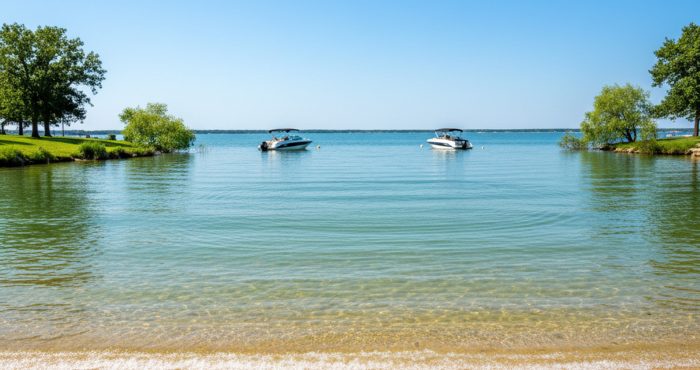
The Colony: City by the Lake The Colony feels more like a weekend destination. It calls itself the “City by the Lake,” and for good reason. You have direct access to Lake Lewisville for boating, fishing, and camping at Hidden Cove Park.

Then there is Grandscape. This massive entertainment district has completely changed the local landscape. Anchored by Scheels and Nebraska Furniture Mart, it features a Ferris wheel, an outdoor stage, and tons of patio dining. The vibe here is less “corporate lunch” and more “live music and beer,” especially at places like Truck Yard.


Commute & Location: Access to DFW Airport and Jobs

Since these cities are neighbors, you might think the commute is identical. However, small geographic differences can add up to 15 or 20 minutes of drive time depending on where you are headed.

DFW Airport Access The Colony wins this category handily. Because it sits further south and west along Highway 121, you can often get to DFW International Airport in about 20 to 25 minutes. From central or north Frisco, that drive is closer to 30 or 40 minutes, depending on traffic lights getting to the highway.

Downtown Dallas and Corporate HQs If you work in Downtown Dallas, Frisco offers a straight shot down the Dallas North Tollway (DNT). It is a direct, albeit busy, route. From The Colony, you often have to take Highway 121 to the Tollway or risk the traffic on I-35E, which can be unpredictable.

For those working at Toyota HQ or Legacy West, both locations are excellent. The Austin Ranch area of The Colony is practically across the street from these corporate hubs, making it a favorite for young professionals who want a five-minute commute.

Traffic Patterns One bottleneck to watch is Highway 423, which runs vertically through The Colony and western Frisco. It has seen massive development and can get congested. Frisco generally has more arteries (Preston, DNT, Custer, etc.) to disperse traffic, whereas The Colony relies heavily on 423 and 121.


Safety & Crime Rate Statistics

Safety is a top priority for anyone relocating to a new area. Both cities are generally considered safe places to live within the DFW metroplex, but the statistics show a slight difference.

Frisco is consistently ranked as one of the safest cities in America. In 2024, MoneyGeek ranked it the #2 safest city in the U.S. based on crime cost per capita. The high volume of new construction and master-planned subdivisions contributes to this environment.

The Colony is also statistically safe, though it tends to have slightly higher incident rates than Frisco. This is partly due to having older, denser neighborhoods and major entertainment districts that draw millions of visitors annually. As with any city, it is smart to check local police maps for specific neighborhood data before making a decision.

Why Buyers and Sellers Choose Bale Real Estate Group

Buying or selling in Frisco requires more than just timing the market. The Bale Real Estate Group helps clients understand pricing, competition, and how to position a home to stand out from day one. For sellers, that includes strategic pricing, professional staging, targeted marketing, Zillow Showcase exposure, and our Certified Pre-Owned Home Listing Program. The goal is simple: create stronger demand and better results in today’s market.

Frequently Asked Questions

Is it cheaper to live in Frisco or The Colony?

Generally, The Colony is cheaper regarding home prices and rent. You can typically buy a home for $100,000 to $200,000 less than a comparable property in Frisco. However, keep an eye on property taxes, as higher rates in The Colony can narrow the gap in your monthly payment.

Which city has better schools, Frisco or The Colony?

Frisco ISD generally holds higher state ratings (“A”) and is a major draw for buyers prioritizing education. Lewisville ISD, which serves The Colony, is a strong district with “B” to “A-” ratings and excellent specialized programs, so the “better” choice often depends on your specific student’s needs.

Does The Colony have high property taxes?

It can. While Frisco’s tax rate is often around 1.7%, The Colony’s rate is usually over 2.0%. If you buy in a newer development with MUD or PID assessments—like The Tribute—your total tax rate could approach 2.7%, which significantly impacts affordability.


The Verdict: Should You Move to Frisco or The Colony?

Choosing between Frisco vs The Colony ultimately comes down to what you value most in your daily life.

You should choose Frisco if:

  • You have a higher budget and want to maximize resale value.
  • Schools are your absolute number one priority.
  • You prefer a “new construction” feel with master-planned subdivisions.
  • You want quick access to the Dallas North Tollway for a downtown commute.

You should choose The Colony if:

  • You want a more affordable entry price into the housing market.
  • You love the idea of being minutes away from Lake Lewisville or Grandscape.
  • You need a shorter commute to DFW Airport.
  • You prefer an eclectic, entertainment-focused community over a corporate atmosphere.

Both cities offer an incredible quality of life. Whether you choose the polished streets of Frisco or the lakeside charm of The Colony, you are buying into one of the most dynamic regions in North Texas.

Posted in: Community Guides, Frisco Real Estate, Home Buying, Market Updates, Relocating to North Dallas Tagged: 2026 Housing Market, Austin Ranch, Buyer Guide, Dallas North Tollway, DFW Airport, Frisco ISD, Frisco Real Estate, Frisco vs The Colony, Grandscape, Highway 121, Lake Lewisville, Legacy West, Lewisville ISD, North Dallas Real Estate, PGA Frisco, Property Taxes, Relocation Guide, The Colony Real Estate, The Star Frisco, The Tribute

Frisco vs. Little Elm: Platinum Corridor or Lake Attitude?

Frisco vs. Little Elm: Platinum Corridor or Lake Attitude?

If you are looking to move to North Texas, you have almost certainly narrowed your search to the booming northern suburbs. Two of the most popular contenders sit right next to each other, yet they feel like different worlds.

On one side, you have Frisco—often called “Sports City USA”—which feels like the polished, high-energy center of the universe right now. It is defined by the “Platinum Corridor” of business, endless luxury retail, and headquarters for the Dallas Cowboys. On the other side is Little Elm, a town that has exploded in growth by embracing a “Lake Attitude.” It is laid-back, water-centric, and offers a sandy beach right in the middle of town.

For many buyers, the choice comes down to lifestyle preference versus budget. Frisco is for those who want to be in the absolute center of the action with premier amenities at their doorstep. Little Elm appeals to those seeking more square footage for their money and a relaxed vibe, all while staying just a 15-minute drive from the Frisco border.


Cost of Living & Housing Market Comparison

Let’s get straight to the numbers, because this is usually where the decision starts. When you look at the sticker prices, Little Elm seems like the obvious bargain, but there is a little more math involved than just the purchase price.

The median home price gap here is significant. In Frisco, you are generally looking at a median price range between $580,000 and $690,000. It is a premium market. In contrast, Little Elm offers a median range closer to $340,000 to $400,000. For buyers, this means you can often find a brand-new construction home in Little Elm for the same price—or less—than an older resale home in Frisco.

However, you need to watch out for the “tax trap.” This is the most common surprise for people relocating to North Texas. While Frisco’s tax rate hovers around 2.18%, Little Elm’s base rate is often higher, around 2.46%. But that isn’t the whole story.

Many newer neighborhoods in Little Elm are situated in MUDs (Municipal Utility Districts) or PIDs (Public Improvement Districts). These are special taxing jurisdictions used to fund infrastructure like roads and water lines. If you buy in one of these areas, your total property tax bill could be significantly higher than a comparable home in Frisco. Sometimes, the lower mortgage payment from a cheaper house is offset by a higher monthly tax bill, so always review the total monthly payment, not just the sales price.

For those not ready to buy, the rental market in Little Elm generally offers more affordable options for single-family homes compared to the luxury apartment-heavy inventory in Frisco.


Lifestyle & Amenities: The Star vs. The Lakefront

The difference in how you spend your Saturday afternoon defines the rivalry between these two towns. Frisco is built for entertainment, major events, and high-end leisure.

Living in Frisco means you are neighbors with The Star (the Dallas Cowboys World Headquarters), the massive new PGA Frisco district, and Stonebriar Centre. The dining scene is vast, ranging from upscale steakhouses to trendy patios. The parks are manicured and polished, fitting the city’s corporate, professional aesthetic. It is a busy, vibrant place where there is always something happening.

Little Elm flips the script with a focus on nature and water. The crown jewel here is Little Elm Park, which features one of the largest swim beaches in North Texas and boat ramps for easy access to Lake Lewisville. The town has developed “The Lakefront” district, a destination with restaurants, bars, and sand volleyball courts right along the water. If you prefer hiking trails and paddleboarding over watching professional sports practice, Little Elm is likely your speed.

That said, for major shopping runs—think furniture, high-end fashion, or specialty electronics—Little Elm residents frequently make the short drive into Frisco.


School Districts: Frisco ISD vs. Little Elm ISD

For households prioritizing education, the school district boundaries are often the deciding factor.

Frisco ISD is a massive draw for relocation. It consistently earns “A” ratings from the Texas Education Agency (TEA) and is known for its small-schools model, which aims to give students more opportunities to participate in extracurriculars despite the district’s massive size. It is highly competitive and widely recognized across the state.

Little Elm ISD generally holds a “B” rating from the TEA. It is a rapidly improving district with modern facilities, and many parents love the community feel and slightly smaller class sizes found in certain campuses.

Here is a “secret” that savvy buyers look for: the city limits and school district boundaries do not always align. There are specific neighborhoods physically located in Little Elm—such as Frisco Hills or parts of the Valencia corridor—that are zoned for Frisco ISD or Denton ISD. Buying in these pockets can be a strategic move, allowing you to get the lower home price of Little Elm while securing the school zoning that often drives resale value.


Location & Commute: The Hwy 380 Factor

If you commute to an office in Plano, Addison, or Downtown Dallas, your drive time will vary significantly between these two locations.

Frisco enjoys a central position with excellent access to the Dallas North Tollway (DNT) and State Highway 121. This infrastructure makes getting to the Legacy West business hub in Plano a breeze—often just a 10 to 15-minute drive. It is designed for the commuter who needs efficiency.

Little Elm is located further west and north. To get to the major highways, residents often have to travel via FM 423 or the notorious Highway 380. Highway 380 can struggle with congestion due to the area’s rapid growth. Living in Little Elm generally adds about 15 to 20 minutes to a commute to Downtown Dallas compared to living in Frisco.

However, if your workplace is actually in Frisco or the northern part of Plano, the commute from Little Elm is very manageable. The drive from the center of Little Elm to the center of Frisco is only about 10 to 15 minutes, making it easy to live in the lake town and work in the “Platinum Corridor.”


Crime Rates & Safety: What the Data Says

A common question from newcomers is simply, “Is it safe?” The short answer for both cities is yes.

When looking at the data, both Frisco and Little Elm consistently rank as significantly safer than national and state averages. Frisco is frequently cited in national rankings as one of the safest cities in America for its size.

Little Elm also boasts impressive numbers, with crime rates safer than approximately 61% of U.S. cities. While Frisco gets more headlines for its safety rankings, Little Elm is a quiet, secure community. For most buyers, safety is not a differentiator here because both options offer peace of mind.

Why Homeowners Choose Bale Real Estate Group

Buying or selling in Frisco requires more than just timing the market. The Bale Real Estate Group helps clients understand pricing, competition, and how to position a home so it stands out immediately. For sellers, that includes strategic pricing, professional staging, targeted marketing, Zillow Showcase exposure, and our Certified Pre-Owned Home Listing Program. The goal is simple: maximize exposure and drive stronger offers.

FAQ: Common Buyer Questions

Is Little Elm cheaper than Frisco?

Yes, housing prices in Little Elm are significantly lower, often by $200,000 or more. However, buyers must check for MUD or PID taxes, which can make monthly payments closer than the purchase price suggests.

How far is Little Elm from Frisco?

They are direct neighbors. Depending on where you start and end, it is about a 10 to 15-minute drive from the center of Little Elm to the amenities in Frisco.

Does Little Elm have good schools?

Yes, Little Elm ISD is TEA-rated “B” and offers modern facilities. Additionally, several neighborhoods inside Little Elm city limits are actually zoned for the highly-rated Frisco ISD.

Is Little Elm safe?

Yes. Little Elm has crime rates well below the national average, making it a very secure place to live, similar to its neighbor Frisco.


Verdict: Which City is Right for You?

Choosing between these two really comes down to what you value most in your daily life.

You should choose Frisco if:

  • You have a higher budget and want to protect resale value through a premier address.
  • Schools are your absolute number one priority.
  • You want the shortest possible commute to Plano or Dallas.
  • You prefer a polished, corporate city feel with high-end dining and shopping minutes away.

You should choose Little Elm if:

  • You want to maximize your square footage and get a newer home for your money.
  • You love the idea of “Lake Attitude”—beaches, boats, and trails.
  • You work in Frisco or Plano and don’t mind a slightly longer drive.
  • You prefer a more laid-back, casual vibe over the hustle of a major commercial hub.

Whether you choose the bustle of the Platinum Corridor or the breeze of the lake, both cities offer an incredible quality of life in North Texas. If you are ready to look at homes for sale in Frisco or explore the new construction in Little Elm, the best next step is to drive the neighborhoods and see which vibe feels like home.

Posted in: Community Guides, Frisco Real Estate, Home Buying, Market Updates, Relocating to North Dallas Tagged: 2026 Housing Market, Buyer Guide, Cost of Living, Dallas North Tollway, Denton ISD, FM 423, Frisco ISD, Frisco Real Estate, Frisco vs Little Elm, Highway 380, Lake Lewisville, Little Elm ISD, Little Elm Park, Little Elm Real Estate, MUD Taxes, North Texas Real Estate, PGA Frisco, PID Taxes, Property Taxes, Relocation Guide, Stonebriar Centre, The Lakefront Little Elm, The Star Frisco

Frisco vs. Prosper: The North Dallas Suburb Showdown

If you are looking at homes in North Texas, you have almost certainly narrowed your search down to two heavy hitters: Frisco and Prosper. It is the most common debate I hear from clients relocating to Dallas from the West Coast or the Northeast.

On a map, these two cities sit right next to each other, separated only by a highway. But on the ground, the lifestyle difference is massive.

Frisco is the “Mini-City.” It is established, energetic, and packed with corporate headquarters and entertainment districts. Prosper, on the other hand, is “Country Luxury.” It offers room to breathe, massive lots, and a sense of exclusivity that comes with being just a little further out.

Choosing between living in Frisco and living in Prosper isn’t just about the house; it’s about the daily rhythm of your life. Let’s break down the numbers, the schools, and the commute to help you decide.


The Vibe: Urban Energy vs. Country Luxury

The first thing you will notice when crossing the border from Frisco into Prosper is a shift in density.

Frisco feels developed. It is bustling. Over the last two decades, it has transformed from a bedroom community into a major economic hub. You have mid-rise office buildings, The Star (Dallas Cowboys HQ), and dense retail centers. If you like having five different grocery stores within a two-mile radius and urban walkability in pockets, Frisco delivers that energy.

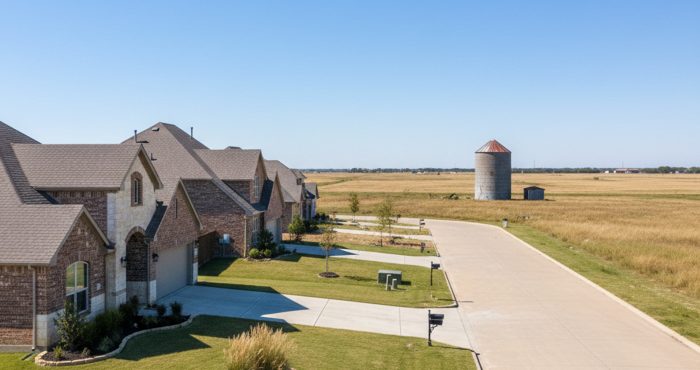
Prosper feels like a wealthy small town that is rapidly growing up. The town motto involves “dark skies” and a rural feel, even though luxury subdivisions are replacing the farmland. You will still see the historic grain silos in downtown Prosper, contrasting sharply with the corporate glass buildings you just left behind in Frisco. It is quieter, more spacious, and feels distinctively more “Texas” in its atmosphere.


Real Estate Market: Prices, Lots, and Availability

When we talk about the market, we are really talking about what your money buys you. The biggest differentiator here is land.

Lot Sizes are Critical This is usually the deciding factor for my clients. In Frisco, the real estate market is largely “built out.” Most homes sit on standard suburban lots, typically between 0.15 and 0.25 acres. You have a yard, but you can definitely see your neighbor’s patio furniture.

In Prosper, land is the luxury. It is famous for larger lots, with many master-planned communities offering 0.35 acres up to 1.0+ acre homesites. If your dream includes a sprawling backyard with a pool, outdoor kitchen, and plenty of grass left over, Prosper is the place to look.

Price Point and Inventory Because the homes and lots are larger, the entry price in Prosper is generally higher.

  • Frisco Median Price: Approximately $700,000.
  • Prosper Median Price: Approximately $850,000.

New Construction If you want a brand-new build, you will find far more options in Prosper. It is currently in a construction boom with massive developments like Windsong Ranch expanding rapidly. Frisco still has new construction, but it is often limited to smaller infill communities or ultra-luxury pockets, as the city runs low on undeveloped land.


The Hidden Cost: Property Tax Rates and MUDs

Before you sign a contract, we need to talk about the monthly payment, specifically property taxes. This is where Prosper can give buyers a bit of sticker shock compared to Frisco.

Frisco has a very competitive tax rate, generally hovering around 2.18%. Because the city has a massive commercial tax base (thanks to all those office parks and malls), the burden on homeowners is lighter. Also, Frisco has mature infrastructure, so you rarely see special assessments.

Prosper is different. The tax rates here are typically higher, often ranging from 2.39% to 2.58%.

Why the difference? Many of the popular new communities in Prosper are situated in MUDs (Municipal Utility Districts) or PIDs (Public Improvement Districts). These are special taxing jurisdictions used to pay for the roads and water lines in new developments. If you are buying a new home in Prosper, always check the total tax rate—that extra 0.3% or 0.4% adds up significantly on an $850,000 home.


Frisco ISD vs. Prosper ISD: A Clash of Philosophies

Both the Frisco Independent School District and Prosper Independent School District are A-rated and are primary drivers for why people move here. However, they approach education and athletics very differently.

Frisco’s “Small School” Model FISD has a unique philosophy: they believe in keeping high schools smaller (typically 5A classification) to give more students a chance to participate. Instead of building one giant high school, they build several. The logic is that more kids get to play varsity football, make the cheer squad, or lead the debate team if there are more schools to go around.

Prosper’s “Mega-School” Approach Prosper ISD leans into the collegiate-style “Mega School” model (6A). They build massive campuses with facilities that rival small universities—we are talking about $50 million stadiums and indoor practice facilities. This fosters a massive sense of community unity (“One Town, One Team”), but it also means the competition to make the varsity team is incredibly fierce.

Note: School boundaries do not always align with city limits. Some Frisco residents are zoned to Prosper ISD, and vice versa. Always check the specific address.


The Commute: The ‘Highway 380’ Factor

Geography matters. The physical dividing line between these two cities is Highway 380. This road is a major artery, and it can be a significant congestion point.

Distance to Dallas

  • Frisco: Approximately 25 miles to downtown Dallas.
  • Prosper: Approximately 35 miles to downtown Dallas.

It might not look like much on a map, but crossing Highway 380 and getting through the lights to reach the Dallas North Tollway can add 15 to 20 minutes to your drive.

Job Hubs Frisco is not just a suburb; it is a major employment center. If you work at The Star, Hall Park, or Legacy West, living in Frisco means a 10-15 minute commute. If you live in Prosper, you are strictly in a bedroom community. You will almost certainly be commuting to work, and you will pay more in tolls annually to cover that extra distance.


Lifestyle & Amenities: The Star vs. The Lagoon

Where will you spend your Saturday?

Frisco Amenities Frisco is the playground of North Texas. You have The Star (dining, shopping, and Cowboys practice facility), the new PGA Frisco headquarters with its massive resort, Stonebriar Centre, and the RoughRiders baseball stadium. For kids, the new Universal Kids Resort is a major draw. If you want high-end dining or nightlife, it is all in your backyard.

Prosper Amenities Prosper is quieter, but the amenities are upscale. The crown jewel is Windsong Ranch, famous for its 5-acre crystal lagoon that looks like a Caribbean beach. The Gates of Prosper offers plenty of retail (Target, dining, shops), and the downtown area features boutique shops near the silos.

The Trade-off The reality is that many Prosper residents drive into Frisco for date nights, movies, or high-end shopping. Frisco residents have immediate access to these things, but they also deal with the traffic that comes with them.


Summary: Pros and Cons at a Glance

If you are trying to weigh the options, here is the quick breakdown:

Frisco vs Prosper

  • Primary Pro
    • Frisco: Unmatched convenience and amenities
    • Prosper: Luxury living with massive backyards
  • Primary Con
    • Frisco: Smaller lots and heavier traffic
    • Prosper: Higher taxes and longer commute
  • Housing Stock
    • Frisco: Mix of older resale homes and infill developments
    • Prosper: Booming new construction
  • Vibe
    • Frisco: Energetic, polished, busy
    • Prosper: Relaxed, spacious, more exclusive

Quick Take

  • Frisco = Convenience, lifestyle, and access
  • Prosper = Space, luxury, and newer homes

Expert Guidance for Buying and Selling in Frisco

Navigating the Frisco real estate market takes more than just watching prices. The Bale Real Estate Group, ranked in the top 1% of North Texas Realtors, helps buyers and sellers understand how to position themselves based on current competition, not just past sales. From identifying the right neighborhoods to negotiating stronger terms, their approach is focused on preparation, strategy, and results.

FAQ: Common Questions from Buyers

Is Frisco or Prosper more expensive?

Generally, Prosper is more expensive in terms of total purchase price. The median home price in Prosper hovers around $850,000 compared to $700,000 in Frisco, largely because homes in Prosper are newer and sit on significantly larger lots.

Which school district is better, Frisco ISD or Prosper ISD?

“Better” is subjective as both are top-tier, A-rated districts. If you value your child having a higher statistical chance of making a varsity team, Frisco’s small-school model is advantageous. If you prefer the “Friday Night Lights” experience of a massive 6A high school with collegiate facilities, Prosper ISD is the winner.

Does Prosper have high property taxes?

Yes, property taxes in Prosper are generally higher than in Frisco. While Frisco’s rate is often near 2.18%, new developments in Prosper often include MUD or PID assessments that can push the total effective tax rate over 2.5%.

How far is the commute from Prosper to Downtown Dallas?

You should plan for a commute of 50 to 60+ minutes during peak traffic. Prosper is about 10 miles further north than Frisco, and navigating the congestion on Highway 380 to reach the tollway adds time compared to the 35-45 minute drive from Frisco.


Final Verdict: Which City Fits Your Family?

Deciding between Frisco and Prosper usually comes down to what you are willing to compromise on: the commute or the backyard.

Choose Frisco if: You work in Plano or Dallas and want to minimize your time in the car. You want lower tax rates, immediate access to dining and entertainment, and you prefer the “small school” philosophy for student activities.

Choose Prosper if: You work remotely or in the northern suburbs and don’t mind a longer drive. You are looking for a 0.5-acre lot or larger, you want a brand-new luxury build, and you are willing to pay a premium for a quieter, more exclusive atmosphere.

Both cities are incredible places to put down roots. Whether you choose the established energy of Frisco or the spacious luxury of Prosper, you are buying into one of the strongest real estate markets in the country.

Posted in: Community Guides, Frisco Real Estate, Home Buying, Market Updates, Prosper Real Estate, Relocating to North Dallas Tagged: 2026 Housing Market, Buyer Guide, Collin County Real Estate, Cost of Living, Dallas North Tollway, Frisco ISD, Frisco Real Estate, Frisco vs Prosper, Gates of Prosper, Highway 380, MUD Taxes, New Construction Homes, North Dallas Real Estate, PGA Frisco, PID Taxes, Property Taxes, Prosper ISD, Prosper Real Estate, Relocation Guide, Stonebriar Centre, The Star Frisco, Windsong Ranch

Frisco vs. Allen, TX: The Battle of North Dallas Suburbs

If you are looking at moving to North Texas, you have likely narrowed your search down to two heavy hitters: Frisco and Allen. It is a “good problem” to have. Both cities are consistently ranked among the best places to live in the country, boasting top-tier schools, low crime rates, and booming economies.

However, despite sharing a border, these two suburbs feel incredibly different once you get off the highway.

Think of Frisco as the energetic, high-growth “Sports City USA.” It is flashy, corporate, and rapidly expanding with a “new money” atmosphere. Allen, on the other hand, feels like the established, tight-knit older sibling. It has mature trees, a slightly slower pace, and a community identity that revolves around a single, massive high school.

Frisco is significantly larger, with a population pushing 245,000 and growing, while Allen has settled into a population of around 110,000. Understanding the distinct personality of each city is key to deciding where to plant your roots.


Cost of Living & Real Estate: Where Do You Get More for Your Money?

Let’s get straight to the numbers. While both cities are in the affluent Collin County area, your dollar stretches significantly further in Allen than it does in Frisco.

Currently, the median home price in Frisco sits around $670,000. Because Frisco is still in a massive development boom, much of the inventory consists of new construction. If you are looking for modern layouts, media rooms, and the latest energy-efficient tech, Frisco is the place to be. However, you pay a premium for that “newness.”

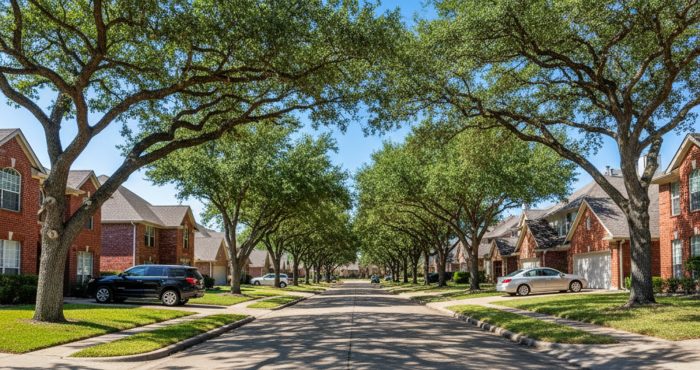
In contrast, the median home price in Allen is closer to $510,000. That is a gap of over $150,000, which can make a massive difference in your monthly mortgage payment. In Allen, you are typically buying established homes built in the 1990s or 2000s. The trade-off is that you often get slightly larger lots, mature tree canopies that provide actual shade, and traditional brick architecture.

When you look at homes for sale in Allen, you will likely find you can get a 3,000-square-foot home for the same price as a 2,200-square-foot home in Frisco.

A Note on Property Taxes

Taxes in Texas are high because there is no state income tax, so this is a major budget line item. Frisco technically has a slightly lower tax rate (around 2.18%) compared to Allen (around 2.31%).

However, don’t let the rate fool you. Because property values in Frisco are generally higher, your total annual tax bill will likely be higher there. Since both cities are primarily in Collin County, the county portion of your taxes remains identical.


Frisco ISD vs. Allen ISD: The “Small School” Model vs. The “Mega High School”

If you have school-aged children, this is the single most important distinction between these two cities. Both districts are A-rated academic powerhouses, but their philosophies are polar opposites.

Frisco Independent School District operates on a “Small School Model.” Their philosophy is that students engage more when schools are smaller. Instead of building one giant school, they keep building new high schools as the population grows. Currently, Frisco has 12+ high schools. The goal is to keep student bodies smaller (at the 5A or small 6A level) so that more students have the chance to make the varsity football team, lead the debate club, or get a solo in the choir.

Allen Independent School District believes in the “One High School” model. Almost every high school student in the city attends the massive Allen High School. With over 6,000 students, it is practically a small university. This scale allows Allen to offer specialized programs and facilities that smaller schools can’t match, including the famous $60 million Eagle Stadium and the largest marching band in the country.

The choice comes down to your preference:

  • Do you want your child to have a higher statistical probability of making the team? Look at Frisco ISD school ratings and zones.
  • Do you want your child to experience a “Friday Night Lights” culture with unmatched school spirit and college-level facilities? Allen is the clear winner.


Lifestyle & Amenities: Flashy Development vs. Hometown Feel

The vibe of your weekends will look different depending on which side of the border you live on.

Frisco is a destination. It has aggressively courted professional sports and tourism, earning the nickname “Sports City USA.” It is home to The Star in Frisco (the Dallas Cowboys World Headquarters), PGA Frisco, and FC Dallas. The area feels busy, commercial, and exciting. If you love having high-end steakhouses, vibrant nightlife, and major events right in your backyard, Frisco delivers that metropolitan energy.

Allen feels more like a traditional, comfortable suburb. It is anchored by Watters Creek, a lovely mixed-use development with walkable dining and green space, and the Allen Premium Outlets, which draw shoppers from all over the region. Allen also has the Hydrous Wake Park and a more relaxed atmosphere.

When it comes to parks, Allen has a distinct advantage for nature lovers. Because the city is older, the parks and trail systems along the creeks are lush and shaded. Frisco has incredible, manicured parks, but because the area was recently farmland, the trees are still young, and the landscape can feel a bit more barren and exposed to the Texas sun.


Commute & Transportation: DNT vs. US-75

Unless you work from home, your commute will likely dictate your happiness. The two cities rely on two completely different arteries to get to downtown Dallas.

Frisco relies on the Dallas North Tollway (DNT).

  • The Good: It is generally a well-maintained, fast-moving highway.
  • The Bad: It is expensive. The tolls add up quickly if you are driving daily.
  • The Commute: Expect 35–45 minutes to downtown Dallas in moderate traffic.
  • Airport: Frisco is much more convenient for frequent flyers, with easier access to DFW Airport via Highway 121.

Allen relies on US-75 (Central Expressway).

  • The Good: It is free.
  • The Bad: It is notoriously prone to gridlock. Traffic often comes to a standstill during rush hour.
  • The Commute: Expect 40–50 minutes to downtown Dallas, though accidents can blow this timeline up significantly.
  • Airport: Getting to DFW Airport from Allen is a longer trek, often requiring a drive across the metroplex on the George Bush Turnpike or 121.

Why Homeowners Choose Bale Real Estate Group

Buying or selling requires more than just timing the market. The Bale Real Estate Group helps clients understand pricing, competition, and how to position a home to stand out from day one. For sellers, that includes strategic pricing, professional staging, targeted marketing, Zillow Showcase exposure, and our Certified Pre-Owned Home Listing Program. The goal is simple: create stronger demand and better results in today’s market.

FAQs: Quick Answers for Homebuyers

Is Frisco or Allen cheaper to live in?

Allen is generally cheaper. While utility and grocery costs are similar, the median home price in Allen is roughly $150,000 less than in Frisco, making it the more budget-friendly option for housing.

Which city has better schools, Frisco or Allen?

Neither is objectively “better” academically; it depends on the experience you want. Frisco offers smaller schools with more chances for individual student participation, while Allen offers a massive, spirited “college campus” environment with extensive resources.

How far is Frisco from Allen?

They are immediate neighbors. They share a border along Custer Road and Highway 121. You can easily live in one city and drive across the street to have dinner in the other.


Final Verdict: Who Should Choose Which?

Choosing between Frisco and Allen isn’t about finding the “good” one—it’s about finding the one that fits your lifestyle and budget.

You should choose Frisco if:

  • You have a flexible budget ($650,000+) and want a modern, new-construction home.
  • You love the energy of professional sports, high-end dining, and a busy “city” feel.
  • You prefer the “small school” philosophy where your children have less competition for extracurriculars.
  • You want a faster commute to the airport or prefer paying tolls to save time on the highway.

You should choose Allen if:

  • You want to maximize your purchasing power and get more square footage for your money.
  • You love the look of established neighborhoods with brick homes and big, mature trees.
  • You want your kids to experience the massive school spirit and resources of the Allen High School model.
  • You prefer a quieter, “hometown” community vibe over a flashy tourist destination.

Both cities offer an incredible quality of life. If you are ready to see the difference for yourself, the next step is to drive the neighborhoods and see which one feels like home.

Posted in: Allen Real Estate, Community Guides, Frisco Real Estate, Home Buying, Market Updates, New Construction, Relocating to North Dallas Tagged: 2026 Housing Market, Allen High School, Allen ISD, Allen Premium Outlets, Allen Real Estate, Buyer Guide, Collin County Real Estate, Cost of Living, Dallas North Tollway, Frisco ISD, Frisco Real Estate, Frisco vs Allen TX, Highway 121, North Dallas Real Estate, PGA Frisco, Property Taxes, Relocation Guide, The Star Frisco, US 75, Watters Creek

Frisco vs. McKinney: Which North Dallas Suburb is Right for You?

If you are looking at homes in Collin County, you have almost certainly narrowed your list down to two heavy hitters: Frisco and McKinney. They sit right next to each other, they are both massive economic engines, and they both offer incredible quality of life. But if you spend a Saturday afternoon in each, you will realize they feel completely different.

Frisco is the shiny, modern commercial hub that hugs the Dallas North Tollway. It feels built for speed, sports, and corporate growth. McKinney, on the other hand, is the historic county seat sitting a bit further northeast. It has a distinct soul, rooted in its 19th-century downtown and rolling terrain.

Choosing between them usually comes down to lifestyle preference rather than just stats. Do you want the high-energy, polished feel of a master-planned city? That is Frisco. Or are you looking for authentic charm, mature trees, and a slightly slower pace? That is McKinney. With Frisco’s population sitting around 227,000 and McKinney not far behind at over 200,000, both are major cities in their own right—but they offer two very different versions of the Texas dream.


The Vibe: Modern Energy vs. Historic Charm

When I take clients out touring, the difference in atmosphere is usually the first thing they notice. Frisco often earns the nickname “Sports City USA,” and for good reason. It is polished, fast-paced, and feels immaculately groomed. The aesthetic here is defined by glass office buildings, sprawling mixed-use developments, and endless rows of crisp, new construction. It feels like a city that was built all at once with a very specific, modern vision in mind.

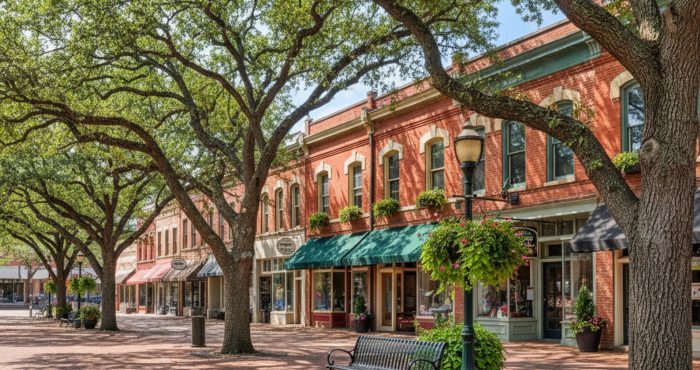
McKinney flips the script. Its motto is “Unique by Nature,” and it leans heavily into a sense of history and community connection. The heart of the city is its authentic downtown square, which is arguably the best in Texas. Instead of corporate gloss, you get red brick storefronts, towering oak trees, and a landscape that actually has some hills. Life here feels a little less about the “hustle” and more about grabbing a craft beer on a patio or attending a neighborhood festival.


Real Estate & Cost of Living: What Your Budget Buys

Let’s get down to the numbers, because this is often the deciding factor for buyers. Generally speaking, your money goes further in McKinney. Frisco commands a premium due to its location and its inventory of newer, high-end homes.

In Frisco, the market is dominated by master-planned communities that are typically 5 to 15 years old, alongside plenty of brand-new builds. Because the housing stock is newer and the demand is incredibly high, prices reflect that. As of 2026, you are looking at a median home price somewhere between $640,000 and $670,000. It is a competitive market where buyers expect top-tier amenities and modern finishes.

McKinney offers a much more diverse range of housing. You can find a restored historic bungalow from the 1900s near the square, a standard suburban build from the 90s, or a brand-new home on the outskirts of town. Because of this mix, the median price sits lower, roughly in the $495,000 to $510,000 range. If you are looking for a larger lot or more square footage for your dollar, looking at McKinney homes for sale is a smart move.

A quick note on taxes: Frisco often touts a slightly lower combined tax rate. However, because property values are generally higher in Frisco, the actual check you write to the county might end up being the same or higher than what you would pay in McKinney.


Schools: Frisco ISD vs. McKinney ISD

For many people moving here, schools are the priority. The good news is that you really cannot make a bad choice, but the districts operate with different philosophies.

Frisco ISD is famous for its “Small School Model.” Instead of building massive high schools with 4,000 students, they build more high schools to keep student populations smaller. The idea is that fewer students per school means more opportunities for kids to make the varsity team, join the band, or lead a club. The district is consistently A-rated (90) and is a huge draw for those looking for homes for sale in Frisco.

McKinney ISD offers a more traditional Texas high school experience. They have large, spirited high schools with deep traditions and incredible facilities—including a $70 million stadium that rivals some colleges. The district holds a solid B rating (88) and offers elite extracurricular programs.

One tricky detail to watch for: School boundaries do not always match city limits. There are neighborhoods in McKinney that actually attend Frisco ISD or Prosper ISD. Always check the specific address if a certain district is a dealbreaker for you.


Commute & Location: Tollway vs. US-75

Your daily drive is going to depend heavily on which highway you live near. The two cities run along parallel lifelines.

Frisco is built around the Dallas North Tollway (DNT). If you work in Legacy West, at the Toyota North America HQ, or anywhere in that “Platinum Corridor” of Plano, Frisco is incredibly convenient. The commute to Downtown Dallas is about 28 miles, which usually takes 45 to 60 minutes during rush hour.

McKinney relies on US-75 (Central Expressway). This makes it a better location if your job is in Richardson, the Telecom Corridor, or the eastern side of Dallas. However, McKinney is further north—about 33 miles from Downtown Dallas. That extra distance can mean a commute of 50 to 70 minutes or more when traffic is heavy.


Lifestyle & Amenities: The Star vs. The Square

When the work week ends, where do you want to hang out?

Frisco is about big-ticket entertainment and luxury. It is home to The Star (the Dallas Cowboys World Headquarters), where you can watch practice, dine at high-end steakhouses, or shop at upscale boutiques. You also have PGA Frisco for golf lovers, Toyota Stadium for FC Dallas games, and the massive Stonebriar Centre mall. It is a destination city where there is always an event happening.

McKinney’s lifestyle revolves around “The Square.” The Historic Downtown McKinney square is lined with independent boutiques, farm-to-table restaurants, and wineries. It is the kind of place where locals walk around on Friday nights. Beyond downtown, you have Adriatica Village, a development modeled after a Croatian fishing village, and the Heard Natural Science Museum for hiking and nature trails.


At a Glance: Frisco vs. McKinney Comparison

If you are trying to scan the differences quickly, here is how they stack up side-by-side.

FeatureFriscoMcKinneyMedian Home Price~$670,000~$500,000Primary VibeModern, Corporate, polishedHistoric, Nature-focused, charmingMain HighwayDallas North Tollway (DNT)US-75 (Central Expressway)School District RatingA-Rated (Small School Model)B-Rated (Traditional/Large HS)Best For…Professionals & Sports FansNature Lovers & Community Seekers

Expert Guidance for Buying and Selling 

Navigating the real estate market takes more than just watching prices. The Bale Real Estate Group, ranked in the top 1% of North Texas Realtors, helps buyers and sellers understand how to position themselves based on current competition, not just past sales. From identifying the right neighborhoods to negotiating stronger terms, their approach is focused on preparation, strategy, and results.

Frequently Asked Questions

Is Frisco or McKinney closer to Dallas?

Frisco is generally closer to Downtown Dallas and major employment hubs like Legacy West. It sits about 28 miles north of downtown, whereas McKinney is further northeast, sitting roughly 33 miles out. Access via the Dallas North Tollway often makes the Frisco commute more predictable than the drive from McKinney on US-75.

Is cost of living higher in Frisco or McKinney?

Frisco has a higher cost of living, primarily driven by housing costs. You can expect to pay about 20% to 25% more for a home in Frisco compared to a similar property in McKinney. Daily expenses like groceries and utilities are comparable between the two.

Which city has better schools, Frisco or McKinney?

Both districts are excellent, but Frisco ISD consistently earns slightly higher ratings (A-rated) due to high test scores and its small-school model. McKinney ISD is a strong B-rated district (88/100) that excels in facilities and extracurriculars, offering a “big Texas football” environment that some prefer.

Is McKinney bigger than Frisco?

In terms of population, Frisco has recently surpassed McKinney. Frisco has grown to approximately 227,000 residents, while McKinney is just over the 200,000 mark. Frisco also tends to feel denser because of its commercial development, while McKinney retains more open green space and spread-out subdivisions.

Posted in: Community Guides, Frisco Real Estate, Home Buying, Market Updates, McKinney Real Estate, Relocating to North Dallas Tagged: 2026 Housing Market, Adriatica Village, Buyer Guide, Collin County Real Estate, Cost of Living, Dallas North Tollway, Frisco ISD, Frisco Real Estate, Frisco vs McKinney, Heard Natural Science Museum, Historic Downtown McKinney, McKinney ISD, McKinney Real Estate, North Dallas Real Estate, PGA Frisco, Property Taxes, Prosper ISD, Relocation Guide, Stonebriar Centre, The Star Frisco, US 75

Frisco vs. Plano: Which North Dallas Suburb Fits Your Lifestyle?

If you are looking at moving to the Dallas-Fort Worth metroplex, you have almost certainly narrowed your search down to the two heavyweights of Collin County: Frisco and Plano. It is the most common debate I hear from clients. On a map, they look like neighbors blending into one another, but on the ground, they offer two very different living experiences.

Plano is the established powerhouse—the corporate hub with mature neighborhoods, central access, and a grounded atmosphere. Frisco is the energetic newcomer, known as “Sports City USA,” defined by explosive growth and manicured new developments. Both are consistently ranked among the best places to live in America, so you aren’t going to make a “bad” choice here.

However, the decision usually comes down to a preference for housing style and lifestyle pace: Do you want the modern polish of new construction, or do you prefer the character and location of an established community?


The Vibe Check: New Energy vs. Established Maturity

When you drive from Plano into Frisco, the shift is subtle but distinct. It’s a change in energy.

Frisco feels master-planned and high-energy. It is home to The Star (the Dallas Cowboys HQ), the PGA headquarters, and a younger demographic that feeds off this momentum. The aesthetic is incredibly manicured—think wide boulevards, perfectly landscaped medians, and rows of modern retail centers. It feels like a city that was built all at once with a clear vision for the future.

Plano, by contrast, feels more grounded and organic. Because it developed earlier, the city has a diverse dining scene that feels less “chain-heavy” and more authentic. The streets in neighborhoods are lined with massive, mature trees—something Frisco won’t have for another 20 years.

It is also important to note that Plano has two distinct personalities. “West Plano” offers luxury and sprawling estates that rival anything in Frisco, while “Central Plano” offers more modest, affordable housing stock. Both cities boast highly international communities, making them culturally rich places to call home.


Housing Market: New Construction vs. Renovation Potential

For most buyers, the house itself is the deciding factor. The inventory in these two cities caters to different tastes.

Frisco is dominated by homes built from the 2000s to the present. If you want open floor plans, high ceilings, modern insulation, and move-in ready aesthetics, this is your market. However, because land prices were higher during this boom, lot sizes in Frisco tend to be smaller. You are paying a premium price per square foot for that “new” smell and modern finish out.

Plano is dominated by builds from the 1980s and 1990s. While you might need to budget for renovations to open up a kitchen or update bathrooms, you generally get more land for your money. The lots are wider, the backyards are deeper, and the landscaping is lush.

If you are looking for luxury without the commute of Frisco, West Plano is a specific market you should watch. It features high-end estates that offer the square footage of Frisco mansions but with the benefit of mature trees and a closer location to Dallas.


Cost of Living: Taxes, Tolls, and Home Prices

When comparing the cost of living in North Dallas, you have to look beyond the listing price. The monthly “carry” costs can differ significantly between the two.

Home Prices Generally, Frisco commands a higher median price. This isn’t necessarily because the land is more valuable, but because the houses are newer. You are paying for the depreciation schedule of a 2015 build versus a 1985 build.

Property Taxes This is where buyers often get confused. The tax rates (City + School District + County) in both cities are comparable—roughly around a 2.2% effective rate. However, your actual bill in Frisco is often higher. Why? Because the assessed value of a brand-new $800,000 home is usually higher than an older Plano home that hasn’t changed hands in a decade.

Tolls and HOAs There are two hidden budget items to watch in Frisco:

  • Tolls: Frisco residents commuting south almost exclusively rely on the Dallas North Tollway (DNT). Those tolls add up quickly, often costing commuters hundreds of dollars a month.
  • HOA Fees: Frisco is famous for its “resort-style” communities with massive amenity centers, pools, and clubhouses. These are fantastic, but they come with higher monthly HOA dues compared to Plano neighborhoods, many of which have low fees or no HOA at all.


Battle of the School Districts: Frisco ISD vs. Plano ISD

If education is a priority, you are in luck—both districts are A-rated and premier destinations for education in Texas. However, they operate on very different structural philosophies.

Frisco ISD uses a “Small School Model.” Their philosophy is that smaller high schools allow more students to participate in extracurriculars. Instead of building one massive high school for 4,000 kids, they build four high schools for 1,000 kids each. This means your student has a statistically better chance of making the varsity team, the lead role in the play, or the student council.

Plano ISD utilizes a “Senior High Model.” Grades 9 and 10 attend High School, while grades 11 and 12 attend a dedicated Senior High. These Senior High campuses are massive. The benefit here is scale—they can offer specialized AP classes, IB programs, and niche electives that smaller schools simply can’t fund. It is a more collegiate atmosphere for juniors and seniors.

A note on Zoning: Always check the specific address. City limits and school district boundaries do not align perfectly. There are pockets of residents living in Plano who are actually zoned to Frisco ISD, and vice versa.


Commute & Location: Accessibility to Dallas

For professionals working in Downtown Dallas, the difference in commute time is arguably the biggest differentiator.

Plano is significantly closer to the city center. A commute from Plano to Downtown Dallas might take 20 to 30 minutes on a good day. From Frisco, that same drive can easily stretch to 40, 50, or 60+ minutes during rush hour. You are simply adding 10–15 miles of traffic to your day.

If you work at Legacy West or the Toyota Headquarters, you are in the sweet spot. This major economic hub sits right on the border of the two cities, making the commute negligible for residents of either.

Public Transit If you prefer not to drive, Plano is the clear winner. Plano is a member of DART (Dallas Area Rapid Transit) and has Red and Orange line rail stations that run directly to Downtown Dallas and DFW Airport. Frisco opted out of the DART system, meaning there is no rail connection. If you live in Frisco, you are driving.


Safety & Crime Statistics

When looking at crime statistics, both Frisco and Plano consistently rank as some of the safest cities in the United States relative to their population size.

The data shows that crime rates in both cities are significantly lower than the national average and the surrounding Dallas metro area. Frisco often edges out Plano slightly in rankings. This is largely due to Frisco being newer, less dense, and having fewer commercial transition zones than Plano. However, for the average resident, the difference is statistical rather than felt. Both cities offer a sense of security that draws people to the area.

Expert Guidance for Buying and Selling

Navigating the real estate market takes more than just watching prices. The Bale Real Estate Group, ranked in the top 1% of North Texas Realtors, helps buyers and sellers understand how to position themselves based on current competition, not just past sales. From identifying the right neighborhoods to negotiating stronger terms, their approach is focused on preparation, strategy, and results.

FAQs

Is Plano or Frisco closer to Downtown Dallas?

Plano is significantly closer to Downtown Dallas. Depending on where you live in the city, you are roughly 20 miles from downtown, whereas Frisco is located further north, adding an extra 15-20 minutes to a typical commute.

Are taxes higher in Frisco or Plano?

The actual tax rates are very similar for both cities. However, homeowners often pay a higher total tax bill in Frisco because the homes are newer and typically have higher assessed property valuations than the older housing stock in Plano.

Which school district is better, Frisco or Plano?

Both are top-tier districts, so “better” depends on your child’s needs. Frisco ISD offers smaller high schools which maximizes student participation in activities, while Plano ISD uses a Senior High model (grades 11-12) that offers massive scale for advanced academics and AP programs.

Why is Frisco growing faster than Plano?

Frisco is growing faster because it still has undeveloped land available for new construction. Plano is “landlocked,” meaning it is almost fully developed, so its market is driven by resale homes and renovations rather than new subdivisions.


Final Verdict: Which City Wins?

There is no wrong answer here, but there is likely a right answer for your specific situation.

Choose Plano if:

  • You commute to Downtown Dallas and want to minimize time in the car.
  • You value public transit access (DART) or proximity to airports.
  • You love mature trees, character-rich neighborhoods, and larger lots.
  • You prefer a more grounded, established community feel.

Choose Frisco if:

  • You want a brand-new home with modern finishes and energy efficiency.
  • You love the “master-planned” lifestyle with resort-style community amenities.
  • You prefer the “small school” educational model for student involvement.
  • You work in Legacy West or locally in Frisco and don’t mind the tolls.

Whether you are drawn to the established charm of living in Plano or the modern excitement of buying a home in Frisco, both cities offer an incredible quality of life in North Texas.

Posted in: Community Guides, Frisco Real Estate, Home Buying, Market Updates, Plano Real Estate, Relocating to North Dallas Tagged: 2026 Housing Market, Buyer Guide, Collin County Real Estate, Cost of Living, Dallas North Tollway, DART Rail, Downtown Dallas Commute, Frisco ISD, Frisco Real Estate, Frisco vs Plano, Legacy West, North Dallas Real Estate, PGA Frisco, Plano ISD, Plano Real Estate, Property Taxes, Relocation Guide, The Star Frisco, Toyota Headquarters, West Plano

Getting Around Frisco, TX: A Complete Commuter’s Guide

If you are thinking about relocating to Frisco, one of the first things you’ll notice is the energy. This city is a booming suburb located about 25 miles north of Downtown Dallas, and it has grown incredibly fast over the last two decades. But with that growth comes a very specific reality regarding transportation: Frisco was built for the car.

Unlike some older urban centers, Frisco is designed with the assumption that residents own vehicles. While there are pockets of walkability and some exciting future tech on the horizon, getting around here requires understanding the highway systems, the toll costs, and the commute patterns. Here is the local scoop on how to navigate the city, from the “spine” of the Tollway to the best way to get to the airport.


Driving in Frisco: The Primary Mode of Transport

Because Frisco is relatively new in terms of major development, it benefits from a very logical, master-planned grid system. If you look at a map, you’ll see major thoroughfares running north-south (like Preston Road and Coit Road) and east-west (like Main Street and Eldorado Parkway) roughly every mile.

This grid makes navigation fairly forgiving; if you miss a turn, you can usually just take the next major road and loop back. However, the secret is out about living in Frisco TX, and that popularity means traffic volume has increased. You should expect congestion during school drop-off/pick-up times and traditional rush hours, especially near popular retail hubs.

Navigating the Toll Roads: DNT vs. SRT

To survive the commute here, you need to get comfortable with toll roads. They are the arteries that keep the city moving. There are two massive highways you will use almost daily, both managed by the North Texas Tollway Authority (NTTA).

  • Dallas North Tollway (DNT): Think of this as the “spine” of Frisco. It runs North-South right through the center of West Frisco. This is your primary route for commuting to Plano, Addison, or Downtown Dallas.
  • Sam Rayburn Tollway (SH 121): This runs along the southern border of Frisco. It is your primary East-West connector. You’ll take the SRT to go east toward McKinney or west to reach DFW Airport.
  • US 380: This highway forms the northern border of Frisco (University Dr). It is not a toll road, but it is currently known for heavy construction and traffic as development pushes north.
  • Preston Road (SH 289): If you want to avoid tolls, Preston is the main North-South alternative. However, it is dense with traffic lights, shopping centers, and restaurants, so it is significantly slower than the DNT.

A Local’s Tip on the TollTag: If you drive in Frisco, you absolutely need a TollTag. There are no cash booths on these roads. If you drive without a tag, the cameras will snap your license plate, and you will receive a “ZipCash” bill in the mail. ZipCash rates are roughly 50% higher than the TollTag rate. You can pick up a sticker at local grocery stores or order one online—it saves you a fortune in the long run.


Public Transportation Options in Frisco

This is the part of the conversation where I have to manage expectations. If you are moving from a city with a robust metro or subway system, Frisco will be a culture shock.

The DART Void Frisco is not a member of DART (Dallas Area Rapid Transit). Years ago, the city voted to use its sales tax revenue for the Economic Development Corporation (EDC) rather than paying into the regional transit system. This strategy helped build the multi-billion dollar mile and attract corporate HQs, but it means there are no DART trains or buses running within Frisco city limits.

DCTA Demand Response You might hear about the Denton County Transportation Authority (DCTA) operating here. It is important to clarify that this is a “Demand Response” service. It is not a bus you can just hop on. It is a curb-to-curb service specifically designed for seniors (65+), individuals with disabilities, or specific medical trips. It generally requires an application and eligibility approval.

Ride-Sharing is the Standard For the general population, if you don’t have a car, you are likely using Uber or Lyft. These services are the de facto public transit for a night out or a trip to the airport. They are plentiful and reliable, but they can get pricey if used for a daily commute.


Estimated Commute Times to Major Hubs

One of the biggest questions we get from people pros and cons of living in Frisco is, “How long will I be in the car?” It depends heavily on where you work. Rush hour on the DNT generally hits hardest from 7:00–9:00 AM and 4:30–6:30 PM.

Here is a realistic look at commute times:

  • Frisco to Downtown Dallas: Expect 45–60+ minutes during rush hour via the DNT. Without traffic, it’s closer to 35 minutes, but “no traffic” is rare during the work week.
  • Frisco to Legacy West (Plano): This is a massive employment hub (Toyota, Liberty Mutual, JPMorgan Chase) just south of the border. It’s a breezy 10–15 minute drive.
  • Frisco to DFW International Airport: Thanks to the Sam Rayburn Tollway (SRT), this is a very consistent 25–35 minute drive. It is a fast, direct shot west.
  • Frisco to Dallas Love Field: This airport is closer to downtown, so you’ll take the DNT south. Plan for 35–45 minutes.


Walkability and Biking: Can You Ditch the Car?

In general, Frisco has a low “walkability” score. Most residential neighborhoods are strictly residential, meaning you can’t easily walk to a grocery store or coffee shop from your front door.

However, the city has done a great job creating “park-once-and-walk” districts. The Star (where the Dallas Cowboys practice) and Frisco Square (near City Hall and the library) are designed to be pedestrian-friendly. You can park your car and spend the whole evening walking between restaurants, shops, and entertainment venues.

If you are looking for recreation rather than transportation, Frisco has an incredible hike and bike trail system. The city is working on the “Six Cities Trail” connectivity, and local paths like the Cottonwood Creek Trail and Taychas Trail are fantastic for cycling and running. While some residents use these to bike to work if they live close to their office, they are primarily used for lifestyle and fitness.


The Future of Frisco Transport: AVs and Vertiports

Frisco prides itself on being a “Smart City” sandbox, often testing new technology before the rest of the country. You might remember the Drive.ai pilot program a few years back, where bright orange self-driving vans were ferrying people around office parks. While that specific pilot has ended, the infrastructure for Autonomous Vehicles (AVs) is still a priority for city planners.

Looking further ahead, Frisco Station has partnered with companies like Uber Elevate and Joby Aviation to plan for “Vertiports.” The goal is to eventually offer urban air mobility—essentially flying taxis—to whisk commuters from Frisco to DFW Airport in minutes. While you can’t book a flight just yet, it’s a sign of how the city is trying to innovate its way out of traditional traffic congestion.

Why Buyers and Sellers Choose Bale Real Estate Group

Buying or selling in Frisco requires more than just timing the market. The Bale Real Estate Group helps clients understand pricing, competition, and how to position a home to stand out from day one. For sellers, that includes strategic pricing, professional staging, targeted marketing, Zillow Showcase exposure, and our Certified Pre-Owned Home Listing Program. The goal is simple: create stronger demand and better results in today’s market.

Frequently Asked Questions About Getting Around Frisco

Does DART run in Frisco?

No, DART (Dallas Area Rapid Transit) does not operate trains or bus lines in Frisco. The train line ends in Plano to the south. To use the train, you would need to drive to the Parker Road Station in Plano.

Can I get around Frisco without a car?

It is very difficult to live here without a personal vehicle. While you can use ride-share apps like Uber and Lyft for occasional trips, the city’s layout and lack of general public transit make a car essential for daily errands and commuting.

How much is an Uber from DFW Airport to Frisco?

The cost varies based on demand and the specific drop-off location, but you should typically budget between $45 and $60. During peak surge times or holidays, this rate can be higher.

Does Frisco have public transportation?

Frisco does not have a general public bus system. The DCTA operates a limited “Demand Response” service, but this is primarily for seniors and individuals with disabilities and requires eligibility approval.

Posted in: Community Guides, Frisco Real Estate, Home Buying, Relocating to North Dallas Tagged: Buyer Guide, Cottonwood Creek Trail, Dallas Love Field, Dallas North Tollway, DART, DCTA, DFW Airport, Frisco Commute, Frisco Real Estate, Frisco Relocation, Frisco Square, Frisco Transportation, Getting Around Frisco TX, Highway 380, NTTA, Preston Road, Relocation Guide, Sam Rayburn Tollway, Taychas Trail, The Star Frisco, TollTag

Frisco Job Market Guide: Why Companies Are Flocking Here

If you are looking at homes for sale in Frisco, you probably already know about the great schools and the parks. But for a lot of my clients, the decision to move here actually starts with a spreadsheet. They want to know: Is this area economically stable?

The short answer is yes. Frisco has evolved from a quiet bedroom community into a corporate powerhouse. We aren’t just sending commuters down to Dallas anymore; we are importing talent.

Let’s dig into the numbers and see what makes the local economy tick.


Frisco Job Market Overview: A Magnet for Corporate HQs

A decade ago, Frisco was where you slept. Today, it’s where you work. The city has aggressively courted major corporations, resulting in a business environment that feels more like a boomtown than a suburb.

Just look at the recent numbers. In FY2025 alone, the Frisco Economic Development Corporation (FEDC) secured 14 corporate projects. Those deals are projected to create or retain over 3,100 jobs and bring in more than $500 million in capital investment.

This shift is huge for homeowners. When big companies invest hundreds of millions into local infrastructure, it creates a layer of economic insulation. Whether you are looking for a job yourself or just want to ensure your property value stays strong, this level of corporate activity is exactly what you want to see.


Economic Stats: Unemployment & Growth Data

It is easy to get caught up in the hype, but the hard data backs it up. Frisco consistently outperforms the broader region when it comes to employment health.

While the Texas unemployment rate has hovered around 4.1% to 4.3% recently, Frisco’s numbers typically stay tighter than the state and national averages. This resilience is largely due to the diversity of industries here—we aren’t reliant on just one sector.

Here is what you need to know about the current economic landscape:

  • Low Unemployment: Frisco historically maintains one of the lowest unemployment rates in the DFW metroplex.
  • Continued Growth: Job projections for 2026 remain strong as construction wraps up on several major mixed-use developments.
  • The Billion Dollar Mile: The stretch along the Dallas North Tollway continues to mature, packing high-density office space, retail, and hospitality into a concentrated economic engine.


Sports City USA: The Business of Play

One thing that truly separates Frisco from other suburbs is the “Sports City USA” identity. This isn’t just about marketing; it is a legitimate economic driver. The business of sports brings in tourism dollars, corporate headquarters, and steady employment.

The PGA of America moving their headquarters here was a game-changer, with a projected economic impact of $2.5 billion over 20 years. It has turned the northern part of the city into a golf destination, sparking new hotel and retail developments.

Then you have The Star in Frisco. This is the Dallas Cowboys World HQ, but it is so much more than a practice field. It’s a corporate hub hosting executive offices for companies that have nothing to do with football.

Looking ahead to the immediate future, all eyes are on the Universal Kids Resort. Set to open in mid-2026, this massive project is creating roughly 2,500 jobs, ranging from construction roles to ongoing operations and hospitality management.


Top Industries Driving Employment

While sports grab the headlines, the day-to-day economy is powered by a diverse mix of other sectors. If you aren’t working in sports management, chances are you are in one of these three buckets.

Fintech & Innovation

Frisco is quietly becoming a tech hub. SoFi has a major presence here, and the city’s “Origin” Innovation Hub is designed to incubate startups and attract tech talent. We are seeing a lot of software engineers and financial analysts moving to town to avoid the commute to downtown Dallas.

Healthcare

As the population booms, so does the need for medical care. Healthcare is one of the fastest-growing sectors in the city. Major players like Texas Health Frisco and Baylor Scott & White employ thousands of locals. We also have a strong presence of medical technology companies, such as Argon Medical Devices.

Technology & Telecom

Thanks to our proximity to the historic “Telecom Corridor,” we have a spillover of major tech firms. T-Mobile has a significant office here, alongside dozens of mid-sized software and IT consulting firms.


Who is Hiring? Major Employers in Frisco

If you are polishing your resume, you might be wondering who the big players are. While there are hundreds of small businesses, a few names dominate the payrolls in town.

  • Frisco ISD: Often the largest single employer in the city. With the number of schools we have, the demand for teachers and administrative staff is constant.
  • Keurig Dr Pepper: They have a massive headquarters right at The Star.
  • TIAA: A major employer in the financial services sector.
  • Conifer Health Solutions: A key player in healthcare management.
  • City of Frisco: The municipal government itself is a steady, large-scale employer.


The Commute: Access to Legacy West and Dallas

When we talk about the “Frisco job market,” we have to mention our neighbor to the south. Realistically, many people living in Frisco actually work just across the border in Plano, specifically at Legacy West.

This area is often called the North Platinum Corridor. It is home to massive headquarters for Toyota North America, Liberty Mutual, and JPMorgan Chase.

The beauty of living here is the access. If you live in Frisco, these global HQs are often just a 10-to-15-minute drive down the Dallas North Tollway (DNT) or Sam Rayburn Tollway (121). You get the benefit of Frisco schools and lifestyle while having access to one of the densest job centers in Texas right in your backyard.

Expert Guidance for Buying and Selling in Frisco

Buying or selling in Frisco requires more than just timing the market. The Bale Real Estate Group helps clients understand pricing, competition, and how to position a home to stand out from day one. For sellers, that includes strategic pricing, professional staging, targeted marketing, Zillow Showcase exposure, and our Certified Pre-Owned Home Listing Program. The goal is simple: create stronger demand and better results in today’s market.

Frequently Asked Questions

Is the job market good in Frisco, Texas?

Yes, the market is very strong. With unemployment rates typically lower than the Texas average and over 3,100 new jobs announced in FY2025 alone, the area is in a period of sustained expansion.

What are the largest companies headquartered in Frisco?

Some of the most notable headquarters include Keurig Dr Pepper, the PGA of America, and the Dallas Cowboys (at The Star). You also have major regional hubs for companies like T-Mobile and SoFi.

What is a good salary in Frisco, Texas?

Because the cost of living in Frisco is higher than the national average, a “good” salary here is typically higher than in other parts of Texas. Most residents look for household incomes well above $100,000 to comfortably afford housing and lifestyle amenities in the area.

What new jobs are coming to Frisco in 2026?

The biggest upcoming wave of employment is tied to the Universal Kids Resort, which opens in mid-2026 and brings roughly 2,500 jobs. Additionally, the continued development of the Fields project (surrounding the PGA) is driving construction and hospitality hiring.

Posted in: Community Guides, Frisco Real Estate, Home Buying, Market Updates, Relocating to North Dallas Tagged: 2026 Job Market, Baylor Scott & White, Buyer Guide, Corporate Relocation, Dallas North Tollway, Frisco Economic Development, Frisco Job Market, Frisco Real Estate, Frisco Relocation, Frisco TX, Keurig Dr Pepper, Legacy West, North Platinum Corridor, PGA Frisco, Relocation Guide, Sam Rayburn Tollway, SoFi, Texas Health Frisco, The Star Frisco, TIAA, Universal Kids Resort

History of Frisco, TX: From Watering Stop to Sports City USA

If you drive down the Dallas North Tollway today, passing the glistening glass of The Star or the massive PGA headquarters, it is genuinely hard to imagine that not too long ago, this was all blackland prairie.

Frisco feels brand new. It’s often headline news for being one of the fastest-growing cities in the country, known for the “$5 Billion Mile” and high-end retail. But here is the secret that adds so much character to living in Frisco TX: this isn’t just a pop-up suburb. It is a town born from grit, steam engines, and a very literal migration.

The city’s success has always been defined by transportation. First, it was the cattle trails, then the iron rails, and today, the tollways. While many assume the name connects us to the West Coast, the reality is a lot more local and a lot more interesting. Let’s grab a coffee and look at how a steam engine watering stop turned into a corporate powerhouse.


Before the Rails: The Story of Lebanon and the Shawnee Trail

Before we talk about Frisco, we have to talk about the town that was supposed to be the hub of the area: Lebanon.

If you drive down Preston Road (State Hwy 289) today, you are driving on top of the historic Shawnee Trail. In the mid-1800s, this was the main artery for millions of longhorn cattle being driven north to markets in Missouri and Kansas. Naturally, settlements popped up along this route to service the drovers and farmers.

Lebanon was established around 1860 (when it got its post office) and sat about four miles east of where downtown Frisco is today. By the late 1800s, Lebanon was thriving. It had a flour mill, a cotton gin, and a school. It was the center of gravity for the area.

So, why isn’t it the major city today? It came down to elevation. Lebanon sat on the “Preston Ridge,” which was high ground. When the steam trains came calling, they needed a flat route and, crucially, a water source. Lebanon was just too high up for the steam engines to pump water effectively.


1902: The Train Arrives and a Town Moves on Logs

This is where the story gets cinematic. In 1902, the St. Louis-San Francisco Railway decided to push a line through the area. Since they couldn’t service the trains in Lebanon, they chose a spot about four miles west where the elevation was lower and water was accessible.

The railroad built a depot, and that changed everything. The residents and business owners of Lebanon realized that if they wanted to survive economically, they had to be near the tracks. But they didn’t just move themselves—they moved their buildings.

In a massive undertaking often called the “Great Migration,” residents placed their homes and businesses on logs. Using steam engines and mules, they literally rolled the town of Lebanon four miles west to the new depot site.

One of the most famous examples of this is the T.J. Campbell house. It was rolled on logs to the new townsite and stands today as Randy’s Steakhouse, a local dining staple. This collection of moved buildings formed the original townsite, which you can still explore if you look at Downtown Frisco Rail District real estate.


Why is it Called Frisco? (It’s Not San Francisco)

There is a lot of confusion about the name. You will often hear people joke that it’s “Little San Francisco,” but the connection is strictly industrial, not cultural.

When the town first formed around the depot, the residents named it Emerson in honor of Francis Emerson, a wealthy banker and landowner who had promised to place a bank in the new town. It seemed like a solid plan until the federal government stepped in.

Here is how the name evolved:

  • The Rejection: The U.S. Postal Service rejected the name “Emerson” because it was too similar to “Emberson,” another town in Lamar County. They were worried about mail getting mixed up.
  • The Pivot: The residents needed a new name fast. They looked to the lifeline of their economy: the St. Louis-San Francisco Railway.
  • The Choice: They voted for “Frisco City” to honor the line.
  • The Shortening: Over time, “City” was dropped, and it became simply Frisco.

And if you have ever wondered about the city’s logo (the shield shape that looks a bit like a stretched hide), that comes from the railroad too. It is known as the “coonskin” logo. Railroad lore says a station agent in Neosho, Missouri, tacked a raccoon skin up on the depot wall to dry, and the railway executives liked the unique shape enough to adopt it as their emblem. Frisco adopted it right along with the name.


King Cotton and the Blackland Prairie

For most of the 20th century, Frisco wasn’t about sports or corporate HQs; it was about agriculture. The town sat right on top of the Blackland Prairie, which boasts some of the richest, deepest soil in the world.

Cotton was king here. By the mid-1900s, this small town supported five different cotton gins. It was a major shipping point for the region, sending agricultural products north and south along the rails.

Despite the industry, the town remained quiet. For decades, the population hovered under 2,000 people. It was a tight-knit community where everyone knew everyone, centered around the school and the grain elevators—some of which you can still see towering over the downtown area today.


From Bedroom Community to Corporate Powerhouse

The shift from a sleepy farm town to a major destination began in the 1990s, and once again, transportation was the catalyst.

The expansion of the Dallas North Tollway north of Highway 121 opened the floodgates. Suddenly, the commute to Dallas was manageable, and land was plentiful.

  • Population Explosion: In 1990, Frisco had a population of roughly 6,000. Today, that number has soared past 200,000. It held the title of the fastest-growing city in the U.S. for much of the 2000s (specifically 2000-2009 and again in 2017).
  • Economic Shift: We moved from cotton fields to corporate campuses. The development of the “$5 Billion Mile” brought massive mixed-use projects.
  • Sports City USA: Frisco leaned hard into public-private partnerships. This strategy brought us The Star (World Headquarters of the Dallas Cowboys), Toyota Stadium (FC Dallas), and the new PGA Frisco headquarters.

This rapid development has created a diverse inventory of new construction homes in Frisco, attracting buyers who want modern amenities but appreciate the stability of a well-planned city.


Preserving the Past: Where to See History Today

For those of us who live here, it’s important to remember that the shiny new developments are built on a deep foundation. If you want to connect with the history of Frisco, there are a few places you should visit:

  • Frisco Heritage Museum: Located near the city center, this is the best place to see the actual steam locomotives and historic structures that define the city’s past.
  • The Rail District: This is the original downtown. It’s currently undergoing revitalization, but it retains the original street grid and many historic buildings now serving as boutiques and restaurants.
  • Randy’s Steakhouse: As mentioned earlier, this is a piece of Lebanon that survived the move. Eating there is literally dining inside history.
  • Historical Markers: Keep an eye out along Preston Road for markers denoting the path of the Shawnee Trail.

The blend of this preserved history with modern luxury is what gives local real estate its edge. You aren’t just buying a house; you’re buying into a story of resilience and growth.

Your Advantage With Bale Real Estate Group

Buying or selling in Frisco requires more than just timing the market. The Bale Real Estate Group helps clients understand pricing, competition, and how to position a home to stand out from day one. For sellers, that includes strategic pricing, professional staging, targeted marketing, Zillow Showcase exposure, and our Certified Pre-Owned Home Listing Program. The goal is simple: create stronger demand and better results in today’s market.

Frequently Asked Questions

Was Frisco named after San Francisco?

No, not directly. The city was named after the St. Louis-San Francisco Railway line that ran through town. While the railway’s name obviously references the California city, Frisco, Texas, was named to honor the train company that gave the town life.

What was the original name of Frisco, Texas?

The town was originally named Emerson in 1902. However, the U.S. Postal Service rejected it because it was too similar to another Texas town called Emberson, leading the residents to choose “Frisco City” instead.

Why did the town of Lebanon disappear?

Lebanon sat on a high ridge, which made it difficult for steam engines to pump the water they needed. When the railroad bypassed Lebanon in 1902 for a lower route, the residents and businesses moved their buildings to the new railway stop, effectively dissolving the old town.

What is the meaning of the Frisco logo?

The unique shield shape used by the city is based on the logo of the St. Louis-San Francisco Railway. It is known as the “coonskin” logo, said to be modeled after a raccoon skin that was pinned up to dry on a depot wall in Missouri.

Posted in: Community Guides, Frisco Real Estate, Home Buying, Relocating to North Dallas Tagged: Blackland Prairie, Buyer Guide, Dallas North Tollway, Downtown Frisco, Frisco Heritage Museum, Frisco History, Frisco Rail District, Frisco Real Estate, Frisco Relocation, Frisco TX, History of Frisco TX, Lebanon Texas, Living in Frisco TX, New Construction Homes in Frisco, PGA Frisco, Randy’s Steakhouse, Relocation Guide, Shawnee Trail, Sports City USA, St. Louis-San Francisco Railway, The Star Frisco

Is Frisco, TX Good for Young Professionals? (Honest Review 2026)

If you Googled “Frisco TX” five years ago, you probably saw endless lists about schools and subdivisions. But if you’re a young professional looking at a relocation today, you need to look past the minivan reputation. While Frisco certainly caters to households, it has rapidly evolved into a corporate powerhouse that offers a lot more than just quiet cul-de-sacs.

The shift has been massive. Frisco is no longer just a bedroom community for Dallas commuters; it is a destination in its own right. With Fortune 500 headquarters moving in and billion-dollar mixed-use developments popping up, the city has cultivated a “work hard, play upscale” environment. It is one of the fastest-growing cities in the country for a reason, and that growth has brought a wave of luxury amenities that appeal specifically to career-driven singles and couples.

So, is it right for you? If you are the type of person who prefers a clean, safe, and manicured environment over the gritty, chaotic energy of a downtown metro, Frisco might be your perfect match. It attracts professionals who want a high-end apartment, access to a top-tier gym, and a short drive to the office, without the noise and parking nightmares of the big city.


The Career Magnet: Why Professionals Are Flocking Here

The biggest reason young professionals are landing in Frisco isn’t just the lifestyle—it’s the paycheck. The job market here is explosive, centered largely around what locals call the 5 Billion Dollar Mile. This stretch along the Dallas North Tollway is packed with mixed-use developments and corporate real estate that rivals major metro downtowns.

You aren’t just moving here to commute 45 minutes south to Dallas anymore. Frisco is home to major employers like Toyota Motor North America, Keurig Dr Pepper, PGA of America, and the Dallas Cowboys world headquarters at The Star. Additionally, the tech and finance sectors are booming here, with companies like McAfee maintaining a strong presence. It’s becoming known as “Sports City USA,” which translates to a lot of jobs in sports management, marketing, and medical tech.

For those transferring from out of state, there is a huge logistical benefit to living here: the “reverse commute.” If you choose to live in Uptown Dallas for the nightlife but work in Frisco, you are fighting heavy traffic every morning. Living in Frisco puts you minutes away from these major HQs, giving you hours of your week back.

To see where these hubs are located, take a look at our overview of the Best Neighborhoods in Frisco.


Nightlife & Social Scene: Upscale Over Gritty

Let’s manage expectations right away: Frisco is not Deep Ellum or Austin’s 6th Street. You won’t find many dive bars, underground indie music venues, or graffiti-covered art districts here. The social scene in Frisco is polished, curated, and decidedly upscale. Think “Patio & Prosecco” rather than “Pints & Punk Rock.”

The center of gravity for nightlife is The Star District. This is the entertainment district anchored by the Cowboys’ HQ. It’s walkable, safe, and lined with spots like Concrete Cowboy and Common Table. It’s where you go for a high-energy happy hour or a Saturday night dinner that turns into drinks. It’s lively, but it feels very managed—clean streets, security, and valet parking are the norm.

For something with a bit more local character, the Rail District (historic downtown Frisco) is emerging as a cool alternative. It’s undergoing a massive revitalization and offers a more laid-back vibe with patios and live music at places like Didi’s Downtown or Eight11 Place.

It is also worth noting that Legacy West is practically next door. While technically in Plano, it sits right on the Frisco border and serves as the de-facto weekend spot for Frisco residents. It houses Legacy Hall (a massive food hall and music venue) and upscale dining like Haywire. Most Frisco residents consider this part of their local rotation since it’s often just a short Uber ride away.


Housing: Luxury Apartments vs. Buying

When it comes to having a roof over your head, the market here is split. Most young professionals aren’t buying immediately—they are renting. The housing market is competitive, with average home prices often hovering around $650,000 or more. Because of this, luxury apartment complexes have become the standard entry point for new residents.

If you want an urban feel where you can walk to coffee shops and the library, look at Frisco Square. It’s right across from City Hall and Toyota Stadium, offering a dense, walkable environment that mimics city living. Alternatively, the area around The Star and Stonebriar Centre offers high-end mid-rises that cater to the corporate crowd.

These aren’t your basic garden-style apartments. To compete for talent, these complexes offer resort-style amenities: sprawling pools, 24-hour fitness centers, coworking lounges, and dog parks.

From a budget perspective, you can generally expect to pay between $1,350 and $1,550 per month for a nice one-bedroom apartment. However, if you want to be right in the action at The Star or a premier building near Legacy West, rents can easily climb to $2,500 or even $3,000+ per month.

For a deeper dive into lease terms and what to expect, read our Renting in Frisco Guide.


Cost of Living & Salary Expectations

Can you afford to live here? For many transplants coming from the coasts (California, New York), the answer is a resounding “yes.” The biggest financial perk is the lack of state income tax in Texas. That instant 5-10% raise on your paycheck goes a long way toward covering rent or saving for a down payment.

However, Frisco is not “cheap.” It is an affluent area where the median household income is over $140,000—nearly double the national average. Salaries for professional roles here tend to be adjusted to match this cost of living, but “lifestyle creep” is a real danger. Between high-end brunches, shopping at Stonebriar, and social memberships, it is easy to spend what you save on taxes.

You also need to budget for hidden costs. The most significant one is tolls. The Dallas North Tollway (DNT) is essential for getting around, and those charges add up quickly if you are commuting daily.


The Commute Reality: DNT is Your Lifeline

If you are moving from a city with a robust subway system, you need to reset your expectations. Frisco is a car-dependent city. Public transportation is virtually non-existent for commuting purposes. You will need a vehicle, and you will spend time in it.

The Dallas North Tollway (DNT) is the main artery running north-south. It is fast, clean, and well-maintained, but it is not free. It connects you to the neighboring hubs of Plano and Addison, and eventually down to Dallas proper.

Getting to downtown Dallas for a Mavericks game or a concert is relatively easy—usually a 35 to 45-minute drive during non-peak hours (roughly 28 miles). However, if you plan to live in Frisco and commute to downtown Dallas for work every day at 8:00 AM, be prepared for a grind. That drive can easily turn into 60 or 70 minutes one way. This is why working locally or in nearby Plano is the preferred move for most residents.


The Verdict: Who Should Move to Frisco?

Frisco is a fantastic place to launch or grow a career, but it has a very specific “flavor.” It is manicured, ambitious, and new.

You should move here if:

  • You are career-focused and working for one of the major HQs in Frisco or Plano.
  • You value safety, cleanliness, and modern amenities over historic charm or grit.
  • You enjoy an active lifestyle—golf, gyms, and running trails are everywhere.
  • You prefer a “polished” social scene with nice dinners and cocktail lounges.

You might want to look elsewhere (like Uptown or Deep Ellum) if:

  • You want true walkability where you never need a car.
  • You crave dive bars, underground music, and chaotic city energy.
  • You are looking for a low-cost, budget-friendly entry into the DFW metroplex.

Your Advantage With Bale Real Estate Group

Buying or selling in Frisco requires more than just timing the market. The Bale Real Estate Group helps clients understand pricing, competition, and how to position a home so it stands out immediately. For sellers, that includes strategic pricing, professional staging, targeted marketing, Zillow Showcase exposure, and our Certified Pre-Owned Home Listing Program. The goal is simple: maximize exposure and drive stronger offers.

Frequently Asked Questions

Is Frisco or Plano better for singles?

It depends on what you want. Plano, specifically the Legacy West area, has a denser concentration of nightlife and is slightly more established. However, Frisco is newer, growing faster, and the social scene at The Star is rapidly catching up to Plano’s offerings.

How much do I need to earn to live in Frisco?

To live comfortably in a decent one-bedroom apartment without financial stress, you should aim for a salary of at least $60,000 to $70,000. If you plan to enjoy the high-end dining scene frequently or rent a luxury unit at The Star, you will likely need to earn significantly more.

Is there public transportation in Frisco?

For the most part, no. Frisco is not a member of the DART (Dallas Area Rapid Transit) system. While there are some ride-share services for seniors or specific needs, a personal vehicle is practically a requirement for a young professional living here.

Posted in: Community Guides, Frisco Real Estate, Home Buying, Market Updates, Relocating to North Dallas Tagged: 2026 Relocation Guide, Buyer Guide, Corporate Relocation, Cost of Living in Frisco, Dallas North Tollway, Frisco Apartments, Frisco Job Market, Frisco Nightlife, Frisco Rail District, Frisco Real Estate, Frisco Relocation, Frisco Rent, Frisco Square, Frisco TX, Frisco Young Professionals, Is Frisco TX Good for Young Professionals, Legacy West, Relocation Guide, Sports City USA, Stonebriar Centre, The Star Frisco

Posts navigation

  • « Previous Page
  • 1
  • 2
  • 3
  • 4
  • Next Page »
Bale Real Estate Group
(972) 469-0332
TREC - Information About Brokerage Services
TREC - Consumer Protection Notice
Site created by Michael Tritthart Team. | View Privacy Policy